
Contents
Mexico City (CDMX) has established itself as a premier global destination for high-definition body contouring. The Brazilian Butt Lift (BBL) is one of the most sought-after procedures here, driven by a medical culture that combines artistic finesse with rigorous surgical discipline. International patients choose Mexico City not just for the cost savings, but for the renowned skill of its surgeons in creating the coveted "hourglass" figure.
Safety is the absolute priority in Mexico City's top clinics. Board-certified plastic surgeons (AMCPER members) utilize advanced techniques such as Ultrasound-Guided BBL. This technology ensures fat is injected safely into the subcutaneous space, strictly avoiding muscle tissue, which drastically reduces risks and meets the highest international safety standards.
The experience extends beyond the operating room. Mexico City offers a sophisticated network of "Recovery Houses" (Casas de Recuperación)—specialized facilities where patients receive 24/7 nursing care, lymphatic drainage massages, and nutritious meals, ensuring optimal fat survival and a smooth recovery.
Whether you are looking for a subtle enhancement or a dramatic transformation, Mexico City provides a world-class environment where your aesthetic goals are understood and achieved with precision.
Did You Know?
The term "Lipo 360" is almost synonymous with BBL in Mexico City. Surgeons rarely perform a BBL without comprehensive liposuction of the abdomen, waist, and back. This "360-degree" approach harvests the necessary fat for transfer while simultaneously sculpting a tiny waist, creating the maximum visual impact for your new curves.
Key Insights at a Glance
Save 60-70% compared to U.S. prices. A BBL in Mexico City averages $4,000-$6,500 versus $15,000+ in Miami or LA.
Top surgeons are board-certified by the Mexican Association of Plastic, Aesthetic, and Reconstructive Surgery.
Leading clinics use ultrasound guidance during injection to prevent fat embolism, ensuring the highest safety profile.
Specialized recovery homes provide 24/7 nursing, meals, and lymphatic massages included in many packages.
Surgeries are performed in accredited hospitals (CSG certified) with full ICU support, not just small outpatient clinics.
Mexico City International Airport (MEX) is a major hub with direct connections to most major U.S. and Canadian cities.
The "Mexican Curve" Expertise
Latin American plastic surgery culture has long prioritized body contouring. Because of this, surgeons in Mexico City often have significantly higher case volumes for BBLs than their U.S. counterparts. This extensive experience translates into a mastery of sculpting techniques, allowing them to create transitions between the waist and hips that are both dramatic and anatomically natural.
For international patients, an all-inclusive package is the smartest way to manage a BBL journey. We have curated top providers in Mexico City who offer packages designed to cover every aspect of your recovery. These typically include the surgeon's fee, anesthesia, hospital stay (usually 1 night), post-op compression garments (fajas), lymphatic drainage massages, and medication. Premium packages often include a 7-10 day stay at a dedicated "Recovery House" with nursing care and meals. Browse the options below to find the level of service that suits you best.
Note: Most packages also include the famous "BBL Pillow" required for sitting during your flight home.

Price starting from $4,500
Affordable Packages for BBL Surgery in Mexico by Dr. Eduardo
Dr. Eduardo Cartagena - Plastic Surgeon in Mexico City
- Cosmetic/Plastic Surgery
Mexico City, Mexico

Price starting from $5,500
Brazilian Butt Lift Package in Mexico City, Mexico by Dr. Jorge Sandoval
Dr. Jorge Sandoval - Plastic Surgeon in Mexico City
- Cosmetic/Plastic Surgery
Mexico City, Mexico

Price starting from $9,500
Brazilian Butt Lift Mexico Package – Natural Shaping Solution by Dr. Ary Papadopulos
Dr. Ary Papadopulos - Plastic Surgery in Mexico City
- Cosmetic/Plastic Surgery
Mexico City, Mexico
Financial accessibility is a major factor driving patients to Mexico City. While a safe, ultrasound-guided BBL in the U.S. can cost upwards of $15,000, the average cost in Mexico City ranges between $4,000 and $6,500. This price typically covers the full Lipo 360 and fat transfer. The lower cost allows patients to allocate funds towards extended recovery stays and premium aftercare, which are crucial for the best results.
Tip: Always clarify if the quote includes the "anesthesiologist fee" and "hospital facility fee," as these are sometimes listed separately.
Brazilian Butt Lift Centers Cost Comparison in Mexico City, Mexico
| Provider | Procedure | Price |
|---|---|---|
| Dr. Jorge Sandoval - Plastic Surgeon in Mexico City | Brazilian Butt Lift, Cosmetic/Plastic Surgery | $5233 |
| Dr. Enrique Garcia Murray - Plastic Surgery Mexico City | Brazilian Butt Lift, Cosmetic/Plastic Surgery | $6000 |
| Dr. Ary Papadopulos - Plastic Surgery in Mexico City | Brazilian Butt Lift, Cosmetic/Plastic Surgery | $9500 |
Brazilian Butt Lift Cost Comparison in Mexico
| Country | Procedure | Price |
|---|---|---|
| Canada | Brazilian Butt Lift, Cosmetic/Plastic Surgery | $10500 |
| United States | Brazilian Butt Lift, Cosmetic/Plastic Surgery | $12000 |
Your safety depends on the facility as much as the surgeon. We have selected premier hospitals and surgical centers in Mexico City that specialize in plastic surgery. These facilities are certified by the General Health Council (CSG), ensuring they meet rigorous hygiene and safety standards comparable to JCI accreditation. They feature fully equipped ICUs and blood banks on-site, providing peace of mind for major body contouring procedures.
Safety First: Never agree to a BBL performed in a doctor's private office; always insist on a certified hospital or surgical center.
Dr. Jorge Sandoval - Plastic Surgeon in Mexico City
Mexico City, Mexico

Dr. Jorge Sandoval - Cirujano Plástico en la Ciudad de México
Mexico City, Mexico
Dr. Enrique Garcia Murray - Plastic Surgery Mexico City
Mexico City, Mexico
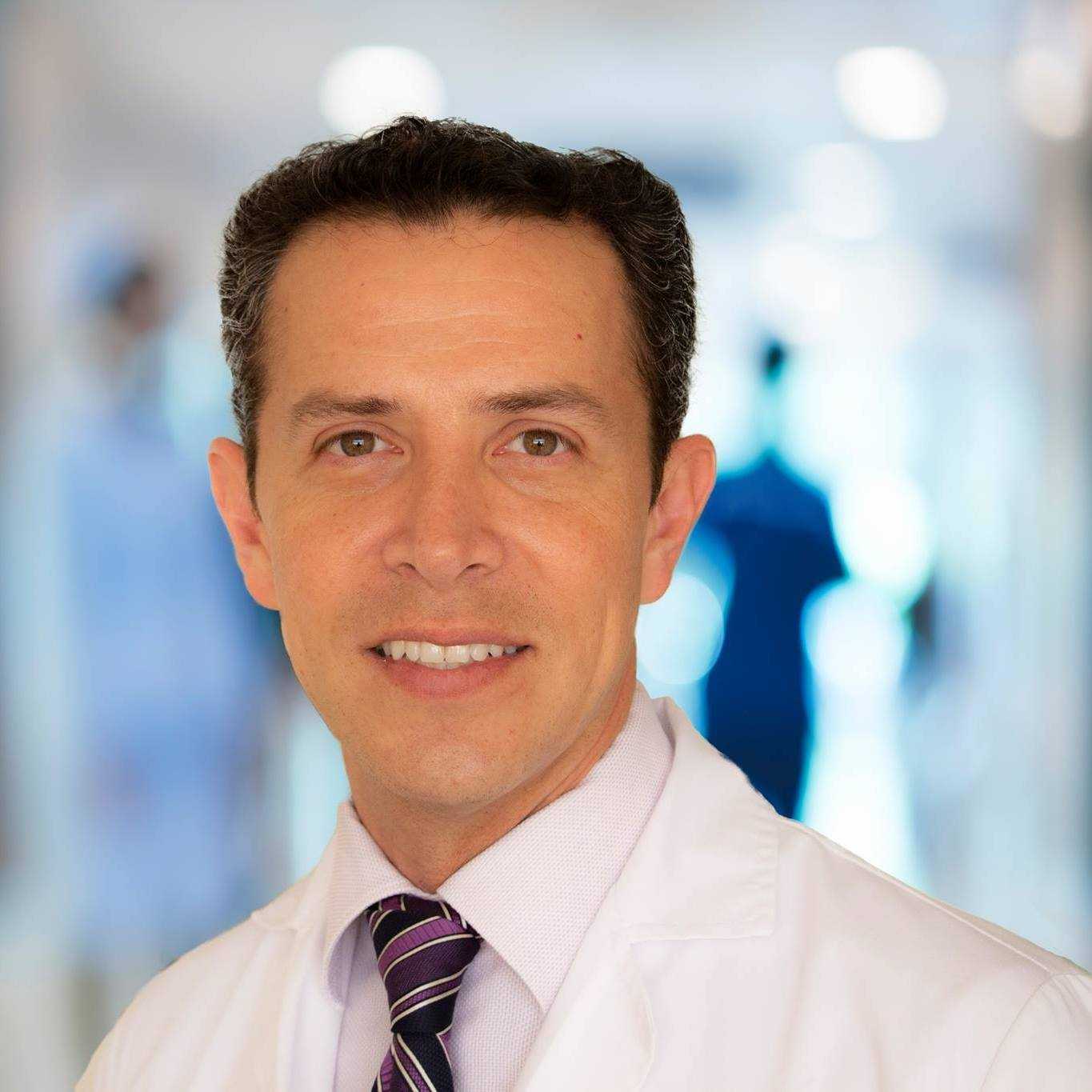
Dr. Ary Papadopulos - Plastic Surgery in Mexico City
Mexico City, Mexico
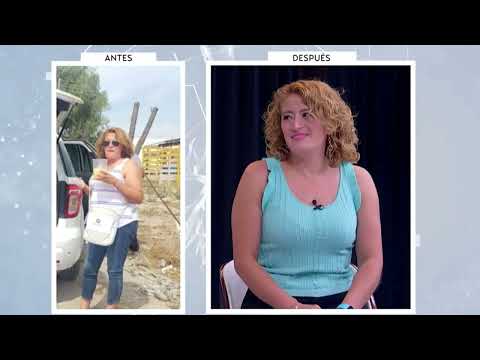
Results speak louder than words. The video testimonials below feature real women who traveled to Mexico City for their BBL. Watch them discuss their consultation process, their experience at the recovery house, and reveal their before-and-after transformations. These stories provide an honest, unfiltered look at the recovery journey and the stunning results achievable.
Insight: Pay attention to patients sharing tips on how they managed the "no sitting" rule during travel.

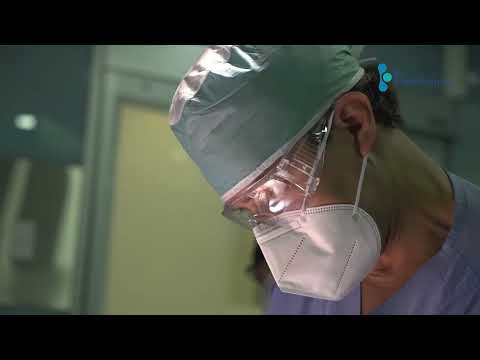

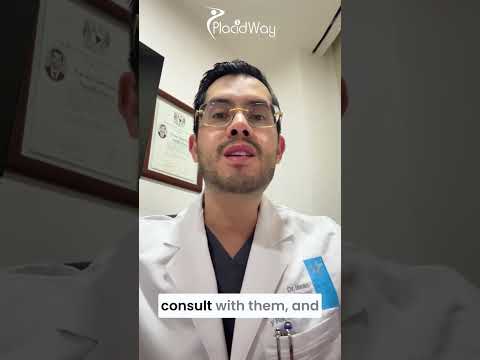
Verified reviews are crucial when choosing a plastic surgeon. In this section, you will find ratings and written feedback from patients who have trusted Mexico City surgeons with their bodies. Read about their experiences regarding the surgeon's bedside manner, the quality of the post-op massages, and their long-term satisfaction with their new shape.
Review Tip: Look for reviews that mention the "Coordinator" or "Driver," as these support staff make a huge difference in logistics.

How Much Does a BBL Cost in Mexico City?
The estimated cost of a BBL in Mexico City typically ranges from $3,500 to $5,500 USD. This generally covers surgeon fees, anesthesia, and facility costs, though final prices vary based on treatment complexity and individual patient needs. Many patients seeking gluteal fat grafting—commonly known as a Brazilian Butt Lift (BBL)—look beyond their home borders for more accessible pricing. Medical tourism in Mexico has grown as individuals research options for aesthetic procedures that balance cost with access to experienced surgeons. Mexico City, as a major global metropolis, hosts numerous accredited hospitals and specialized surgical centers. Understanding the cost of a BBL in Mexico involves looking at more than just the surgical fee. To make an informed choice, you must consider what is included in standard packages, the medical requirements for a safe procedure, potential travel expenses, and the critical importance of selecting appropriately credentialed medical professionals. Key Takeaways The estimated price for gluteal fat grafting in Mexico City is between $3,500 and $5,500 USD. A BBL is a two-part procedure involving liposuction to harvest fat and targeted injections to contour the buttocks. Safety is paramount; the procedure carries severe risks if fat is injected too deeply into the gluteal muscle. Patients typically need to remain in the city for 7 to 14 days post-surgery before they can safely fly. Total budgets should account for accommodations, post-operative garments, medications, and lymphatic drainage massages. What is typically included in a BBL cost in Mexico City? A standard BBL package usually covers the primary surgeon's fee, operating room costs, anesthesiologist fees, and basic medical supplies utilized during the operation. When clinics provide an initial quote for a BBL cost in Mexico, that number usually reflects the core clinical requirements for the surgery itself. The Brazilian Butt Lift is essentially two procedures performed during one session: liposuction to remove excess fat from areas like the abdomen, flanks, or back, and the subsequent purification and grafting of that fat into the gluteal region. The quoted price almost always includes the medical team's compensation and the fees for utilizing a sterile operating theater. Because general anesthesia or deep IV sedation is required, the anesthesiologist's fee is also factored in. Furthermore, basic pre-operative consultations directly with the surgeon and early follow-up appointments during your stay in Mexico City are generally included. However, what constitutes a "package" varies by facility. Some clinics bundle everything into a single price, while others itemize their services. It is essential to request a detailed breakdown so you understand exactly what the final invoice covers. Are there additional expenses to budget for beyond the surgery? Yes, prospective patients must budget for travel, lodging, specialized post-operative garments (fajas), prescription medications, and potentially a series of lymphatic drainage massages. The surgical quote is rarely the final amount you will spend. Recovering safely requires proper supplies and aftercare, which are often out-of-pocket expenses. After a BBL, you will need to wear a medical-grade compression garment, called a faja, for several weeks. You may need to purchase two different sizes as your post-surgical swelling decreases over time. Many surgeons also strongly recommend post-operative lymphatic drainage massages. These specialized massages help reduce fluid retention and decrease swelling in the areas where liposuction was performed. Depending on how many sessions are recommended, this can add several hundred dollars to your overall budget. Expense Category Estimated Additional Cost (USD) Compression Garments (Fajas) $100 - $250 Prescription Medications $50 - $150 Lymphatic Drainage Massages $30 - $60 per session Pre-op Blood Work/EKG $100 - $200 How does the price compare between Mexico City and the US? Patients often experience estimated savings of 40% to 60% compared to US prices, where gluteal fat grafting frequently ranges from $8,000 to $15,000 USD or more. The substantial difference in pricing is the primary driver of medical travel. In the United States, high overhead costs, stringent administrative expenses, expensive malpractice insurance, and a higher general cost of living all contribute to the steep price of aesthetic surgery. A complex BBL that involves 360-degree liposuction can easily exceed $15,000 in cities like Miami, Los Angeles, or New York. In Mexico City, the cost of living and operational overheads are lower, which allows facilities to offer the procedure at a reduced rate. However, lower cost does not inherently mean lower quality, provided the patient undergoes thorough vetting. Many board-certified plastic surgeons in Mexico undergo rigorous training and operate in advanced facilities that rival those in the US. Important Consideration: Never choose a surgeon based solely on price. A drastically low price tag (e.g., under $2,500) can be a red flag indicating compromised safety protocols, inexperienced providers, or hidden facility fees. What medical and anatomical factors influence the final cost? The final price often depends on your Body Mass Index (BMI), the number of areas requiring liposuction to harvest adequate fat, and the overall length of time required in the operating room. Because a BBL relies entirely on your body's natural fat stores, your unique anatomy heavily dictates the surgical plan. If you have enough harvestable fat in one or two areas (like the lower abdomen and flanks), the liposuction portion of the surgery will be shorter and less complex. Conversely, if a patient requires "Lipo 360"—which involves liposuction of the entire midsection, including the upper and lower abdomen, waist, flanks, and lower back—the surgery will take significantly longer. More time under anesthesia and longer operating room hours directly increase the final bill. Additionally, some patients may need fat harvested from their thighs or arms to acquire the necessary volume, adding further complexity to the procedure. Am I a good candidate for gluteal fat grafting? Suitable candidates are usually non-smokers in good overall health, maintain a stable weight, and have sufficient excess body fat available to safely harvest for the transfer. A BBL is a major physical trauma to the body, and not everyone is medically cleared to undergo it. First and foremost, you must have enough excess fat to make the procedure viable. Very lean individuals may not have the donor fat required to achieve their desired results. Conversely, individuals with a very high BMI may be at an increased risk for anesthesia complications and may be advised to lose weight prior to surgery. Underlying health conditions also play a massive role in eligibility. Patients with uncontrolled diabetes, severe anemia, cardiovascular disease, or blood clotting disorders are typically contraindicated for elective cosmetic surgery. Furthermore, nicotine constricts blood vessels and impedes healing; surgeons generally require patients to cease smoking completely for several weeks before and after the procedure. What are the serious medical risks of a Brazilian Butt Lift? BBL carries significant risks, the most severe being pulmonary fat embolism. Other potential complications include deep vein thrombosis, severe infection, fat necrosis, and adverse reactions to anesthesia. Gluteal fat grafting has gained a reputation for being one of the highest-risk aesthetic procedures if not performed correctly. The primary danger is a pulmonary fat embolism (PFE). This occurs if the surgeon mistakenly injects fat deep into the gluteal muscle. Large blood vessels reside within and beneath this muscle; if fat enters the bloodstream, it can travel to the heart and lungs, which is often fatal. To mitigate this risk, global plastic surgery societies have issued strict safety guidelines. Surgeons should only inject fat into the subcutaneous layer (the space directly beneath the skin and above the muscle). Many modern practices now utilize real-time ultrasound guidance during the injection phase to ensure the cannula remains above the muscle at all times. Other general surgical risks include hematomas (blood collections under the skin), seromas (fluid accumulation), significant scarring at the liposuction sites, and asymmetry. Patients must discuss these risks thoroughly with a qualified medical professional prior to making any decisions. What does the recovery timeline look like? Recovery typically requires taking 2 to 3 weeks away from work. Patients must wear a compression garment daily and avoid sitting directly on their buttocks for at least 3 to 6 weeks. The initial phase of recovery is often described as highly uncomfortable due to the combination of liposuction trauma and the pressure restrictions on the buttocks. The newly transferred fat cells are fragile and need time to establish a blood supply in their new location. Applying pressure by sitting or lying on your back can kill these fat cells, leading to volume loss and poor results. During the first few weeks, you will need to sleep on your stomach or sides. If sitting is absolutely necessary (like using the restroom or during brief meals), patients use a specialized BBL pillow that places weight on the lower thighs rather than the glutes. You can expect significant swelling and bruising in the areas where fat was removed. The body may also drain fluid from the liposuction incision sites for the first few days. Final results are usually not visible until three to six months post-op, once the swelling has entirely resolved and the surviving fat has settled. How do I identify a safe and qualified BBL clinic in Mexico City? Safety begins by verifying that the operating doctor is a board-certified plastic surgeon, recognized by medical authorities like the AMCPER, and that the facility is fully equipped for surgical emergencies. Finding a reputable BBL clinic in Mexico requires diligent research. In Mexico, the primary credentialing body for plastic surgeons is the Mexican Association of Plastic, Aesthetic and Reconstructive Surgery (AMCPER). Choosing a surgeon who is a member of this organization, or holds equivalent international certifications, helps ensure they have completed specialized training in aesthetic surgery. You should also inquire about the facility itself. Surgery should take place in an accredited hospital or surgical center that maintains strict sanitation protocols, utilizes modern monitoring equipment, and has an intensive care unit (ICU) or immediate access to emergency medical services should a complication arise during anesthesia. During a consultation, ask the surgeon directly about their fat injection technique. A commitment to injecting only in the subcutaneous space, preferably aided by ultrasound technology, is a strong indicator of a safety-conscious provider. Will I need to stay in Mexico City for post-operative care? Most surgical teams require international patients to remain in the city for at least 7 to 14 days following the procedure for monitoring and initial recovery. Medical travel requires planning for a post-operative stay. You cannot fly home the day after a Brazilian Butt Lift. The immediate post-operative window is when complications like infection or excessive fluid buildup are most likely to occur, requiring the surgeon's direct attention. Furthermore, flying too soon after surgery carries severe risks. Both surgery and air travel independently increase the risk of deep vein thrombosis (DVT)—blood clots forming in the legs. Combining the two without adequate recovery time can be highly dangerous. Your surgeon must medically clear you for travel before you board a flight home. Once you return to your home country, you should also have a plan in place. Establish contact with a local primary care physician who is aware of your procedure and can assist if late-stage complications arise or if you need routine wound monitoring. Why is medical tourism in Mexico popular for body contouring? Many individuals choose Mexico City due to the availability of skilled, highly trained medical professionals, modern clinical infrastructure, and more accommodating price points compared to the US and Canada. The popularity of cross-border medical care has grown steadily as international healthcare standards have globalized. Mexico City has established itself as a hub for elective treatments. It features state-of-the-art hospitals, specialized surgical centers, and a large concentration of medical professionals who frequently collaborate internationally. For patients from North America, the geographic proximity is another significant factor. Direct flights from major US and Canadian cities to Mexico City make the initial travel and the necessary return trip much more manageable than flying to destinations in Europe or Asia. While cost savings are a strong motivator, the combination of convenience and access to quality medical talent drives the continuous demand. Why Choose PlacidWay for Medical Tourism in Mexico? Navigating the logistics of international healthcare can be complex. PlacidWay acts as a medical tourism resource to help patients gather information before making clinical decisions. Extensive Provider Network: PlacidWay aggregates profiles of international clinics, hospitals, and medical professionals into one accessible platform. Cost Comparisons: The platform allows patients to view estimated treatment packages and pricing across different geographic locations to aid in budget planning. Initial Communication Facilitation: Patients can use the service to request quotes, submit medical questionnaires, and start conversations directly with international medical teams. Patient Testimonials: The site provides access to past patient reviews and experiences to help prospective individuals research clinic reputations. Educational Resources: PlacidWay offers informational content regarding various medical tourism destinations, helping patients learn about what to expect when traveling for care. Frequently Asked Questions How much fat is needed for a successful BBL? The amount of fat required depends on your goals and anatomy, but surgeons typically harvest between 800cc and 1,500cc of fat per buttock to achieve a noticeable contour change. Can I get a BBL if I am very thin? Patients with a very low body mass index (BMI) may not have enough harvestable fat for a traditional BBL. In such cases, a surgeon might recommend weight gain prior to surgery or discuss alternative options like gluteal implants. Will the transferred fat be permanent? The fat cells that successfully survive the transfer process (usually 60% to 80%) can remain permanently. However, these cells will still shrink or expand if you experience significant weight fluctuations in the future. Does a BBL leave noticeable scars? A BBL requires small incisions for the liposuction cannula, usually less than half an inch long. Surgeons typically place these in natural body creases to minimize their visibility as they fade over time. When can I resume exercising after a BBL? Light walking is encouraged immediately to promote circulation, but strenuous exercise, heavy lifting, and squats are usually restricted for at least 6 to 8 weeks to allow the newly transferred fat to stabilize. How soon can I fly home after surgery in Mexico City? Most surgeons advise waiting at least 7 to 14 days before flying. Prolonged sitting on an airplane increases the risk of deep vein thrombosis (DVT) and puts unwanted pressure on the transferred fat. Is a BBL painful? Patients typically experience soreness, bruising, and muscle stiffness, especially in the areas where liposuction was performed. The buttocks themselves may feel tight, but severe pain is uncommon and usually managed with prescribed medication. What is a BBL compression garment or faja? A faja is a specialized medical compression garment worn after surgery. It applies pressure to the liposuctioned areas to reduce swelling and help skin retract, while leaving the buttocks area unrestricted so the transferred fat is not compressed. Can a BBL resolve cellulite? While adding volume to the buttocks can stretch the skin and temporarily improve the appearance of dimpling, a BBL is not primarily designed as a treatment for cellulite and will not cure it. What happens if I lose weight after a BBL? If you lose weight after fully recovering, the fat cells in your buttocks will shrink proportionally with the rest of your body, which may alter the enhanced contour achieved during surgery. Compare Treatment Options in Mexico City If you are exploring your options for body contouring, you can review clinic profiles, request estimated pricing, and gather the information needed to make an informed decision about your healthcare journey. Request Treatment Information References American Society of Plastic Surgeons (ASPS) - Urgent Warning Concerning Gluteal Fat Grafting Procedures International Society of Aesthetic Plastic Surgery (ISAPS) - Global Statistics on Cosmetic Procedures The Aesthetic Society - Multi-Society Gluteal Fat Grafting Task Force Issues Safety Advisory Mexican Association of Plastic, Aesthetic and Reconstructive Surgery (AMCPER) - Official Member Verification Centers for Disease Control and Prevention (CDC) - Medical Tourism Travel Advice and Deep Vein Thrombosis Risks World Health Organization (WHO) - Global Guidelines for Safe Surgery Medical Disclaimer: The information provided in this article is for educational and informational purposes only and should not be construed as medical advice. Cosmetic surgery, including gluteal fat grafting, involves significant risks. Outcomes, recovery times, and suitability vary by individual. Always consult with a qualified, board-certified healthcare professional to discuss your medical history, eligibility, and the potential risks before deciding on any surgical procedure. Prices mentioned are estimates and subject to change based on specific medical requirements and facility pricing structures.
What Treatments are Popular in Medical Tourism in Mexico City
The most popular treatments in Mexico City for international patients include bariatric surgery, cosmetic and plastic surgery, extensive dental restorations, fertility treatments like IVF, and major orthopedic procedures such as joint replacements. Many patients travel internationally each year seeking medical care, and Mexico's capital has become a prominent destination. Medical tourism in Mexico City encompasses a wide variety of specialties, drawing patients who are looking for experienced specialists and established private healthcare infrastructure. When considering health travel, understanding which procedures are commonly performed helps patients set realistic expectations. Different medical disciplines require varying levels of preparation, specific aftercare, and distinct travel arrangements. While researching a procedure, it is essential to focus on safety, provider qualifications, and your own physical readiness for both the treatment and the associated travel. Key Takeaways Mexico City receives medical travelers primarily for bariatric, cosmetic, dental, fertility, and orthopedic care. Choosing the right facility involves researching national certifications and international accreditations. Post-operative recovery often requires remaining in the city for several days or weeks before flying is safe. Continuity of care with a physician in your home country is necessary for long-term health and managing potential complications. Medical outcomes, risks, and recovery timelines vary widely among individual patients. Why do international patients choose Mexico City for healthcare? Many patients travel to Mexico's capital to access established healthcare infrastructure, experienced specialists, and multidisciplinary medical teams at private hospitals. The capital serves as a central hub for medical education and specialized practice in the country. Patients often seek out medical treatments in Mexico City because large private hospitals frequently feature modern diagnostic equipment, intensive care units, and multidisciplinary teams capable of handling complex cases. Additionally, the geographic proximity to the United States and Canada makes it accessible via direct flights. Many physicians operating in these major private hospitals have completed fellowships or additional training internationally. However, standards of care can vary between institutions, meaning patients must independently verify the specific credentials of their chosen medical team. What makes bariatric surgery a common choice for medical tourists? Bariatric procedures like gastric sleeve and gastric bypass are highly sought after due to the availability of specialized surgical centers and comprehensive weight-loss programs. Weight-loss surgery is frequently pursued by international patients aiming to manage obesity and related metabolic conditions. Surgeons in the city commonly perform procedures such as sleeve gastrectomy, Roux-en-Y gastric bypass, and occasionally bariatric revision surgeries for patients who have had previous, unsuccessful procedures. Bariatric surgery is not suitable for everyone. Eligibility typically depends on body mass index (BMI) and the presence of co-morbidities like type 2 diabetes or hypertension. Patients considering this route must be prepared for major anatomical changes and lifelong commitments to dietary restrictions and vitamin supplementation. Risks can include internal bleeding, infection, staple line leaks, and long-term nutritional deficiencies. Proper pre-operative evaluation by a qualified medical professional is required to determine if the benefits outweigh the risks for an individual patient. Which cosmetic and plastic surgeries are most frequently requested? Popular aesthetic procedures include facial surgeries like rhinoplasty and facelifts, as well as body contouring operations such as liposuction and tummy tucks. Cosmetic surgery accounts for a significant portion of medical travel to the region. Patients often request breast augmentations, reductions, abdominoplasty (tummy tucks), and facial rejuvenation procedures. The goal for many patients is to access experienced board-certified plastic surgeons. Any plastic surgery carries inherent surgical risks, including adverse reactions to anesthesia, excessive bleeding, fluid accumulation, delayed wound healing, and unfavorable scarring. Outcomes vary by patient, and realistic expectations are necessary. Furthermore, combining multiple cosmetic procedures into a single operation—a practice sometimes requested by traveling patients to save time—can significantly increase the risk of complications and extend recovery periods. Surgeons must carefully assess patient health before agreeing to extensive combination surgeries. Important Consideration: Recovery from extensive cosmetic or body contouring surgery requires limiting mobility. Patients should not expect to engage in tourism or extensive sightseeing following their procedure. How does the quality of dental treatments compare for international visitors? Patients frequently travel for complex dental restorations, including dental implants, full-mouth reconstructions, root canals, and cosmetic veneers. Finding an appropriate medical treatment clinic in Mexico City for dental care often involves looking for facilities that utilize modern imaging technology, such as 3D CBCT scanners, which are essential for precise implant placement. Dental travelers usually present with needs that go beyond routine cleanings, requiring the expertise of prosthodontists, endodontists, or oral surgeons. While standard restorative work might be completed in a few days, placing dental implants typically requires a phased approach. The initial surgery involves placing the titanium post into the jawbone. Patients then normally wait several months for osseointegration (bone healing) to occur before returning to the clinic to have the final crowns attached. Patients must also undergo evaluations to ensure they have sufficient bone density, which may necessitate preliminary bone grafting procedures. Are fertility treatments like IVF commonly sought by tourists in the capital? In vitro fertilization (IVF) and other assisted reproductive technologies are popular due to specialized fertility clinics equipped with advanced embryology laboratories. Reproductive medicine draws patients managing infertility. Clinics in the city offer conventional IVF, intracytoplasmic sperm injection (ICSI), intrauterine insemination (IUI), and egg freezing. Some patients also explore third-party reproduction, such as egg donation, though legal frameworks regarding these practices can be complex and subject to change. Fertility treatment is physically and emotionally demanding. Success rates are never guaranteed and depend heavily on the patient's age, medical history, and the underlying causes of infertility. Patients should anticipate multiple visits or extended stays to accommodate the phases of ovarian stimulation, egg retrieval, and embryo transfer. Risks include ovarian hyperstimulation syndrome (OHSS), ectopic pregnancies, and the potential for multiple births. What orthopedic procedures do foreign patients typically seek? Joint preservation and replacement surgeries, particularly total knee and hip replacements, are frequently performed for international patients managing chronic pain. Orthopedic patients traveling abroad are typically dealing with degenerative joint diseases like osteoarthritis or seeking treatment for sports injuries, such as ACL reconstructions. Orthopedic surgeons in the capital often utilize minimally invasive arthroscopic techniques where appropriate, which can sometimes reduce tissue trauma and speed initial recovery. Orthopedic surgery requires intense post-operative physical therapy. Traveling soon after a major joint replacement is a significant risk factor for deep vein thrombosis (blood clots). Patients must follow their surgeon's specific timeline regarding when it is safe to board an airplane, and they usually need to arrange for ongoing physical therapy in their home community to regain full mobility and strength. Procedure Category Estimated Initial Stay Required Common Post-Op Requirement Bariatric Surgery 7 - 10 Days Strict liquid diet adherence, leak testing Major Cosmetic Surgery 10 - 14+ Days Drain removal, limited mobility, compression garments Orthopedic (Joint Replacement) 10 - 14+ Days Immediate physical therapy, DVT prevention Dental Implants (Phase 1) 3 - 5 Days Soft diet, 4-6 month healing period at home *Note: Timelines are general estimates. Your doctor will dictate your specific travel clearance based on your individual healing progress. How do patients verify the safety and credentials of healthcare facilities? Verifying safety involves checking for national certifications, international hospital accreditations, and confirming the specific board certifications of individual medical specialists. Patient safety must be the primary focus when planning medical travel. In Mexico, medical professionals should be board-certified by their respective national medical councils (Consejos de Especialidades Médicas). Hospitals and clinics can also be evaluated based on accreditations. The Consejo de Salubridad General (CSG) is the national accreditation body in Mexico that certifies hospitals maintaining specific quality and safety standards. Additionally, some major private hospitals pursue accreditation from the Joint Commission International (JCI), which indicates adherence to rigorous global healthcare standards. Patients are encouraged to ask providers directly for their license numbers (cédula profesional) and verify them through official government portals prior to making any commitments. What should patients expect regarding recovery times and aftercare? Recovery timelines vary widely by procedure, but most major surgeries require patients to remain in the city for several days to weeks for proper medical monitoring. Aftercare is a critical component of any medical procedure. Patients cannot undergo surgery and immediately fly home. A local recovery period is mandatory to monitor for early post-operative complications such as infections, bleeding, or issues with wound healing. During this period, patients will have follow-up appointments with their surgeon to remove sutures or surgical drains and to receive clearance for travel. It is equally important to arrange for continuing care back home. Informing your primary care physician about your plans to receive treatment abroad ensures that they are prepared to assist with your long-term recovery or manage any late-onset complications once you return. How do expenses for medical care in Mexico City compare to other regions? While medical treatment cost in Mexico City is often lower than in the United States or Canada, these expenses fluctuate based on the facility, materials used, and the complexity of the case. Cost is a well-known factor in medical tourism. Many patients find that the financial burden of elective surgeries, extensive dental work, or self-funded fertility treatments is lower in Mexico City compared to their home countries. The differences in cost are generally attributed to different economic structures, lower administrative overhead, and varied cost-of-living indices. However, it is crucial not to make medical decisions based on price alone. Extremely low estimates may sometimes reflect a lack of appropriate safety protocols, less experienced providers, or hidden fees for anesthesia, facility use, or aftercare. Patients should request detailed, written estimates that outline exactly what is included in the quoted price, acknowledging that unforeseen medical complications can result in additional, unexpected expenses. What are the potential risks of traveling abroad for medical procedures? Medical travel carries inherent risks, including post-operative complications, difficulties with continuity of care, and the potential for travel to exacerbate surgical risks like blood clots. All surgical and medical interventions carry risks, which can be compounded by international travel. Air travel shortly after surgery increases the risk of deep vein thrombosis (DVT) and pulmonary embolism. Changes in altitude and cabin pressure can also affect healing tissues and surgical incisions. Continuity of care is another significant challenge. If a complication arises after the patient has returned home, local doctors may lack access to detailed surgical notes or information about the specific medical devices used (such as the exact brand of a dental implant or joint prosthesis). Language barriers can also lead to misunderstandings regarding medication dosages or physical therapy protocols. Proper planning, securing detailed medical records translated into your native language, and setting up domestic medical oversight are required steps to mitigate these risks. Why Choose PlacidWay for Medical Tourism Information? Navigating healthcare options abroad requires access to clear, structured information. PlacidWay serves as a resource for patients researching international medical care. Consider these factual points about the platform: Global Medical Directory: The platform lists medical providers, hospitals, and clinics across numerous specialties in dozens of countries, including Mexico. Provider Profiles: Patients can review available details regarding doctors' educational backgrounds, specialties, and facility accreditations. Direct Communication: PlacidWay allows users to request information and communicate directly with international clinics to ask clinical questions. Educational Resources: The site offers articles, treatment overviews, and guides aimed at helping patients understand various medical procedures. Multi-Specialty Scope: The platform covers a wide array of treatments, ranging from dental and cosmetic care to orthopedics, fertility, and chronic disease management. Frequently Asked Questions Do doctors in Mexico City speak English? Many specialists and surgeons who frequently treat international patients speak English. Large private hospitals often have bilingual staff and international patient departments, though you may still encounter support staff who primarily speak Spanish. Do I need a visa to travel to Mexico City for medical reasons? Citizens of many countries, including the United States and Canada, typically do not need a visa for short visits to Mexico. However, you will need a valid passport and an entry permit (FMM), which is usually provided by the airline or at border control. Can I use my US or Canadian health insurance in Mexico City? Most standard domestic health insurance plans do not cover elective treatments performed abroad. Some employer-sponsored plans or specialized medical tourism insurance policies may offer partial coverage, but patients generally pay out-of-pocket. What is the best time of year to visit Mexico City for surgery? The city has a mild climate year-round due to its high elevation. The dry season, from November to April, is often preferred by travelers to avoid heavy afternoon rains, making getting to and from medical appointments easier. How long should I stay in the city after a major procedure? Stay requirements depend on the specific procedure and your surgeon's recommendations. Minor treatments may require only a few days, while major surgeries like joint replacement or bariatric surgery often necessitate a stay of 7 to 14 days for initial recovery and follow-up. Are prescription medications easily available for recovery? Yes, standard post-operative medications like antibiotics and certain pain relievers are available at local pharmacies. Your treating physician will provide the necessary local prescriptions before you are discharged. Can I fly immediately after having surgery in Mexico City? Flying immediately after major surgery is generally contraindicated due to the increased risk of deep vein thrombosis (DVT) and pulmonary embolism. You must wait until your doctor explicitly clears you for air travel. Are blood transfusions safe in Mexican hospitals? Private hospitals that cater to international patients usually maintain strict blood banking protocols in accordance with national health regulations, heavily screening blood for infectious diseases. What happens if I experience complications after returning home? If complications arise after you return home, you should immediately contact a local healthcare provider or go to the nearest emergency room. It is highly recommended to establish care with a local doctor before traveling abroad. Is it safe to travel around Mexico City during my recovery? While Mexico City has safe tourist and medical districts, strenuous activity or extensive sightseeing is usually discouraged during early surgical recovery. Patients should prioritize rest and follow their doctor's guidelines on physical movement. Compare Treatment Options Explore international healthcare providers, review credentials, and request treatment information directly through PlacidWay. Request Treatment Information References Medical Tourism - Centers for Disease Control and Prevention (CDC) JCI-Accredited Organizations - Joint Commission International Obesity and Overweight Fact Sheet - World Health Organization (WHO) Traveling for Plastic Surgery - American Society of Plastic Surgeons Traveler's Health: Mexico - Centers for Disease Control and Prevention (CDC) Deep Vein Thrombosis Post-Surgery - American Academy of Orthopaedic Surgeons Medical Disclaimer: The information provided in this article is for educational and informational purposes only and does not constitute medical advice, diagnosis, or treatment recommendations. Always seek the advice of a qualified healthcare provider with any questions you may have regarding a medical condition, procedure, or eligibility for travel. Treatment outcomes, recovery times, and risks vary by individual. Never disregard professional medical advice or delay in seeking it because of something you have read in this article.
Choosing the right surgeon is the most critical step in your BBL journey. Mexico City is home to world-renowned body contouring specialists. We have identified top surgeons based on their board certifications, safety records, and artistic portfolios. Reviewing these profiles will help you find a surgeon whose aesthetic style matches your vision.
AMCPER Certified Surgeons
Mexican Association of Plastic, Aesthetic, and Reconstructive Surgery
This is the non-negotiable credential. Top specialists are active members of AMCPER, which ensures they have completed the requisite years of surgical training and adhere to ethical safety standards. Never choose a surgeon without this certification.
ISAPS Members
International Society of Aesthetic Plastic Surgery
Membership in ISAPS indicates a surgeon who is globally connected and stays updated on the latest international safety protocols, such as the worldwide guidelines on safe gluteal fat grafting.
Body Contouring Sub-Specialists
High-Definition Lipo Experts
Some surgeons focus almost exclusively on body sculpting. These "High-Def" specialists are experts in etching abdominal muscles (creating a "six-pack" look) during the liposuction phase, ensuring the athletic look matches the enhanced curves.
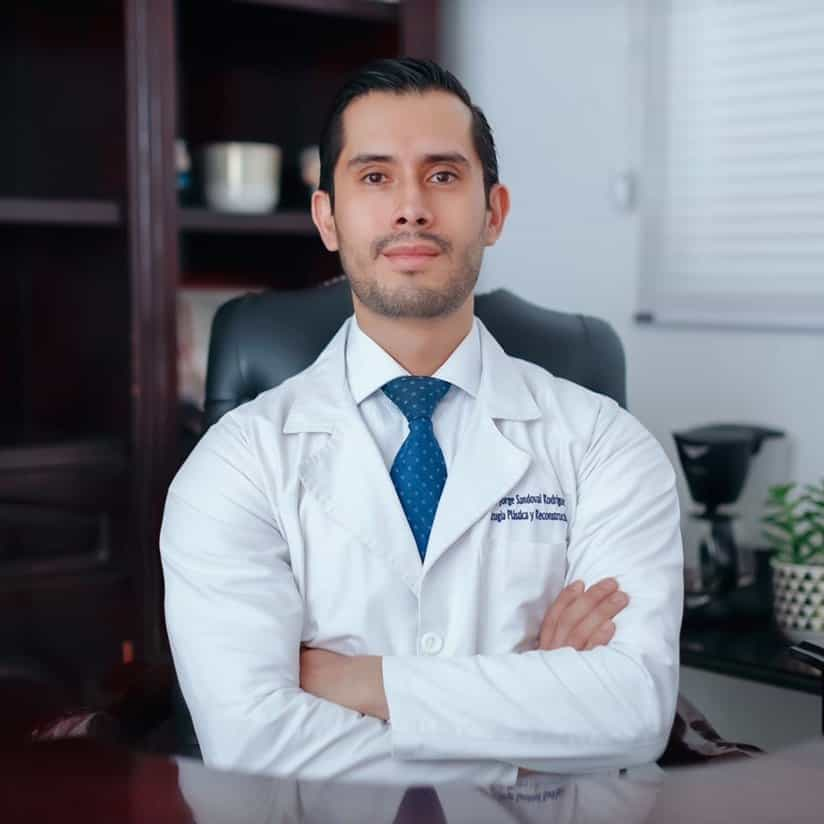
Dr. Jorge Sandoval
Dr. Jorge Sandoval - Plastic Surgeon in Mexico
- Plastic Surgeon
Mexico City, Mexico

Dr. Ary Papadopulos
Dr. Ary Papadopulos - Stem Cell Mexico City Clinic for Anti-Aging
- Anti-Aging Medicine
Mexico City, Mexico
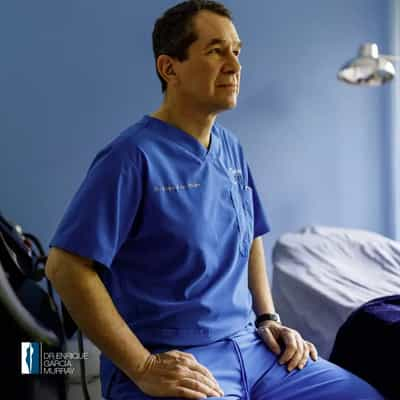
Dr. Enrique Garcia Murray
Dr. Enrique Garcia Murray - Plastic Surgery Mexico City
- Plastic Surgeon
Mexico City, Mexico
Superior Aftercare Infrastructure
The availability of affordable, high-quality "Recovery Houses" sets Mexico City apart. In the U.S., patients are often sent to a hotel or home immediately.
In CDMX, the standard is to stay in a dedicated facility with round-the-clock nursing and meals, ensuring complications are caught early and recovery is comfortable.
Cost Accessibility
The price difference is undeniable. Getting a top-tier, safe BBL in Mexico City costs about a third of what it does in major U.S. cities.
This affordability allows patients to prioritize quality and safety features (like ultrasound guidance and premium aftercare) that might be optional add-ons elsewhere.
World-Class Surgeons
Mexico City attracts the best medical talent in the country. The surgeons here are leaders in the field, often training international colleagues in body contouring techniques.
Patients benefit from high-volume expertise, meaning the surgical team is incredibly efficient and experienced in handling the nuances of BBL surgery.
A BBL is a major decision that requires meticulous planning. PlacidWay acts as your safety net, connecting you with verified experts and managing the details so you can focus on your transformation.
Surgeon Vetting
We strictly verify that all our partner surgeons are board-certified by AMCPER and have a clean safety record, so you book with confidence.
All-Inclusive Quotes
We provide transparent, bundled pricing that includes surgery, hospital fees, garments, and recovery house stays, eliminating hidden costs.
Virtual Assessments
We facilitate the secure transfer of your photos for a free pre-surgical assessment by the doctor to confirm you are a good candidate.
Recovery Coordination
We help you book trusted recovery houses that specialize in BBL aftercare, ensuring you have the nursing support you need.
Transport Logistics
We assist with arranging private, comfortable transport from the airport to your clinic and recovery house.
Patient Advocacy
We are by your side from the moment you inquire until you are safely back home, ensuring your voice is heard throughout the process.
Sculpt your curves safely and affordably. Contact PlacidWay today for a free, personalized quote for your Brazilian Butt Lift in Mexico City.
Get Your Free Personalized Quote



















Share this listing