
BBL in Mexico City: A Full Cost Breakdown for 2025
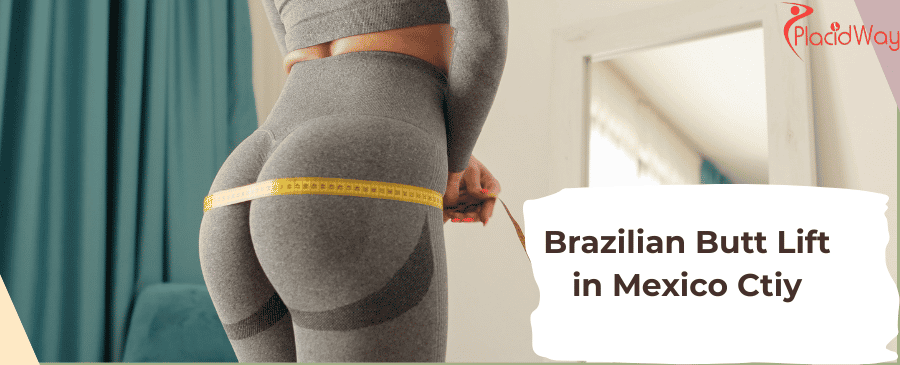
Many patients seeking gluteal fat grafting—commonly known as a Brazilian Butt Lift (BBL)—look beyond their home borders for more accessible pricing. Medical tourism in Mexico has grown as individuals research options for aesthetic procedures that balance cost with access to experienced surgeons. Mexico City, as a major global metropolis, hosts numerous accredited hospitals and specialized surgical centers.
Understanding the cost of a BBL in Mexico involves looking at more than just the surgical fee. To make an informed choice, you must consider what is included in standard packages, the medical requirements for a safe procedure, potential travel expenses, and the critical importance of selecting appropriately credentialed medical professionals.
Key Takeaways
- The estimated price for gluteal fat grafting in Mexico City is between $3,500 and $5,500 USD.
- A BBL is a two-part procedure involving liposuction to harvest fat and targeted injections to contour the buttocks.
- Safety is paramount; the procedure carries severe risks if fat is injected too deeply into the gluteal muscle.
- Patients typically need to remain in the city for 7 to 14 days post-surgery before they can safely fly.
- Total budgets should account for accommodations, post-operative garments, medications, and lymphatic drainage massages.
What is typically included in a BBL cost in Mexico City?
When clinics provide an initial quote for a BBL cost in Mexico, that number usually reflects the core clinical requirements for the surgery itself. The Brazilian Butt Lift is essentially two procedures performed during one session: liposuction to remove excess fat from areas like the abdomen, flanks, or back, and the subsequent purification and grafting of that fat into the gluteal region.
The quoted price almost always includes the medical team's compensation and the fees for utilizing a sterile operating theater. Because general anesthesia or deep IV sedation is required, the anesthesiologist's fee is also factored in. Furthermore, basic pre-operative consultations directly with the surgeon and early follow-up appointments during your stay in Mexico City are generally included.
However, what constitutes a "package" varies by facility. Some clinics bundle everything into a single price, while others itemize their services. It is essential to request a detailed breakdown so you understand exactly what the final invoice covers.
Are there additional expenses to budget for beyond the surgery?
The surgical quote is rarely the final amount you will spend. Recovering safely requires proper supplies and aftercare, which are often out-of-pocket expenses. After a BBL, you will need to wear a medical-grade compression garment, called a faja, for several weeks. You may need to purchase two different sizes as your post-surgical swelling decreases over time.
Many surgeons also strongly recommend post-operative lymphatic drainage massages. These specialized massages help reduce fluid retention and decrease swelling in the areas where liposuction was performed. Depending on how many sessions are recommended, this can add several hundred dollars to your overall budget.
| Expense Category | Estimated Additional Cost (USD) |
|---|---|
| Compression Garments (Fajas) | $100 - $250 |
| Prescription Medications | $50 - $150 |
| Lymphatic Drainage Massages | $30 - $60 per session |
| Pre-op Blood Work/EKG | $100 - $200 |
How does the price compare between Mexico City and the US?
The substantial difference in pricing is the primary driver of medical travel. In the United States, high overhead costs, stringent administrative expenses, expensive malpractice insurance, and a higher general cost of living all contribute to the steep price of aesthetic surgery. A complex BBL that involves 360-degree liposuction can easily exceed $15,000 in cities like Miami, Los Angeles, or New York.
In Mexico City, the cost of living and operational overheads are lower, which allows facilities to offer the procedure at a reduced rate. However, lower cost does not inherently mean lower quality, provided the patient undergoes thorough vetting. Many board-certified plastic surgeons in Mexico undergo rigorous training and operate in advanced facilities that rival those in the US.
What medical and anatomical factors influence the final cost?
Because a BBL relies entirely on your body's natural fat stores, your unique anatomy heavily dictates the surgical plan. If you have enough harvestable fat in one or two areas (like the lower abdomen and flanks), the liposuction portion of the surgery will be shorter and less complex.
Conversely, if a patient requires "Lipo 360"—which involves liposuction of the entire midsection, including the upper and lower abdomen, waist, flanks, and lower back—the surgery will take significantly longer. More time under anesthesia and longer operating room hours directly increase the final bill. Additionally, some patients may need fat harvested from their thighs or arms to acquire the necessary volume, adding further complexity to the procedure.
Am I a good candidate for gluteal fat grafting?
A BBL is a major physical trauma to the body, and not everyone is medically cleared to undergo it. First and foremost, you must have enough excess fat to make the procedure viable. Very lean individuals may not have the donor fat required to achieve their desired results. Conversely, individuals with a very high BMI may be at an increased risk for anesthesia complications and may be advised to lose weight prior to surgery.
Underlying health conditions also play a massive role in eligibility. Patients with uncontrolled diabetes, severe anemia, cardiovascular disease, or blood clotting disorders are typically contraindicated for elective cosmetic surgery. Furthermore, nicotine constricts blood vessels and impedes healing; surgeons generally require patients to cease smoking completely for several weeks before and after the procedure.
What are the serious medical risks of a Brazilian Butt Lift?
Gluteal fat grafting has gained a reputation for being one of the highest-risk aesthetic procedures if not performed correctly. The primary danger is a pulmonary fat embolism (PFE). This occurs if the surgeon mistakenly injects fat deep into the gluteal muscle. Large blood vessels reside within and beneath this muscle; if fat enters the bloodstream, it can travel to the heart and lungs, which is often fatal.
To mitigate this risk, global plastic surgery societies have issued strict safety guidelines. Surgeons should only inject fat into the subcutaneous layer (the space directly beneath the skin and above the muscle). Many modern practices now utilize real-time ultrasound guidance during the injection phase to ensure the cannula remains above the muscle at all times.
Other general surgical risks include hematomas (blood collections under the skin), seromas (fluid accumulation), significant scarring at the liposuction sites, and asymmetry. Patients must discuss these risks thoroughly with a qualified medical professional prior to making any decisions.
What does the recovery timeline look like?
The initial phase of recovery is often described as highly uncomfortable due to the combination of liposuction trauma and the pressure restrictions on the buttocks. The newly transferred fat cells are fragile and need time to establish a blood supply in their new location. Applying pressure by sitting or lying on your back can kill these fat cells, leading to volume loss and poor results.
During the first few weeks, you will need to sleep on your stomach or sides. If sitting is absolutely necessary (like using the restroom or during brief meals), patients use a specialized BBL pillow that places weight on the lower thighs rather than the glutes.
You can expect significant swelling and bruising in the areas where fat was removed. The body may also drain fluid from the liposuction incision sites for the first few days. Final results are usually not visible until three to six months post-op, once the swelling has entirely resolved and the surviving fat has settled.
How do I identify a safe and qualified BBL clinic in Mexico City?
Finding a reputable BBL clinic in Mexico requires diligent research. In Mexico, the primary credentialing body for plastic surgeons is the Mexican Association of Plastic, Aesthetic and Reconstructive Surgery (AMCPER). Choosing a surgeon who is a member of this organization, or holds equivalent international certifications, helps ensure they have completed specialized training in aesthetic surgery.
You should also inquire about the facility itself. Surgery should take place in an accredited hospital or surgical center that maintains strict sanitation protocols, utilizes modern monitoring equipment, and has an intensive care unit (ICU) or immediate access to emergency medical services should a complication arise during anesthesia.
During a consultation, ask the surgeon directly about their fat injection technique. A commitment to injecting only in the subcutaneous space, preferably aided by ultrasound technology, is a strong indicator of a safety-conscious provider.
Will I need to stay in Mexico City for post-operative care?
Medical travel requires planning for a post-operative stay. You cannot fly home the day after a Brazilian Butt Lift. The immediate post-operative window is when complications like infection or excessive fluid buildup are most likely to occur, requiring the surgeon's direct attention.
Furthermore, flying too soon after surgery carries severe risks. Both surgery and air travel independently increase the risk of deep vein thrombosis (DVT)—blood clots forming in the legs. Combining the two without adequate recovery time can be highly dangerous. Your surgeon must medically clear you for travel before you board a flight home.
Once you return to your home country, you should also have a plan in place. Establish contact with a local primary care physician who is aware of your procedure and can assist if late-stage complications arise or if you need routine wound monitoring.
Why is medical tourism in Mexico popular for body contouring?
The popularity of cross-border medical care has grown steadily as international healthcare standards have globalized. Mexico City has established itself as a hub for elective treatments. It features state-of-the-art hospitals, specialized surgical centers, and a large concentration of medical professionals who frequently collaborate internationally.
For patients from North America, the geographic proximity is another significant factor. Direct flights from major US and Canadian cities to Mexico City make the initial travel and the necessary return trip much more manageable than flying to destinations in Europe or Asia. While cost savings are a strong motivator, the combination of convenience and access to quality medical talent drives the continuous demand.
Why Choose PlacidWay for Medical Tourism in Mexico?
Navigating the logistics of international healthcare can be complex. PlacidWay acts as a medical tourism resource to help patients gather information before making clinical decisions.
- Extensive Provider Network: PlacidWay aggregates profiles of international clinics, hospitals, and medical professionals into one accessible platform.
- Cost Comparisons: The platform allows patients to view estimated treatment packages and pricing across different geographic locations to aid in budget planning.
- Initial Communication Facilitation: Patients can use the service to request quotes, submit medical questionnaires, and start conversations directly with international medical teams.
- Patient Testimonials: The site provides access to past patient reviews and experiences to help prospective individuals research clinic reputations.
- Educational Resources: PlacidWay offers informational content regarding various medical tourism destinations, helping patients learn about what to expect when traveling for care.
Frequently Asked Questions
How much fat is needed for a successful BBL?
The amount of fat required depends on your goals and anatomy, but surgeons typically harvest between 800cc and 1,500cc of fat per buttock to achieve a noticeable contour change.
Can I get a BBL if I am very thin?
Patients with a very low body mass index (BMI) may not have enough harvestable fat for a traditional BBL. In such cases, a surgeon might recommend weight gain prior to surgery or discuss alternative options like gluteal implants.
Will the transferred fat be permanent?
The fat cells that successfully survive the transfer process (usually 60% to 80%) can remain permanently. However, these cells will still shrink or expand if you experience significant weight fluctuations in the future.
Does a BBL leave noticeable scars?
A BBL requires small incisions for the liposuction cannula, usually less than half an inch long. Surgeons typically place these in natural body creases to minimize their visibility as they fade over time.
When can I resume exercising after a BBL?
Light walking is encouraged immediately to promote circulation, but strenuous exercise, heavy lifting, and squats are usually restricted for at least 6 to 8 weeks to allow the newly transferred fat to stabilize.
How soon can I fly home after surgery in Mexico City?
Most surgeons advise waiting at least 7 to 14 days before flying. Prolonged sitting on an airplane increases the risk of deep vein thrombosis (DVT) and puts unwanted pressure on the transferred fat.
Is a BBL painful?
Patients typically experience soreness, bruising, and muscle stiffness, especially in the areas where liposuction was performed. The buttocks themselves may feel tight, but severe pain is uncommon and usually managed with prescribed medication.
What is a BBL compression garment or faja?
A faja is a specialized medical compression garment worn after surgery. It applies pressure to the liposuctioned areas to reduce swelling and help skin retract, while leaving the buttocks area unrestricted so the transferred fat is not compressed.
Can a BBL resolve cellulite?
While adding volume to the buttocks can stretch the skin and temporarily improve the appearance of dimpling, a BBL is not primarily designed as a treatment for cellulite and will not cure it.
What happens if I lose weight after a BBL?
If you lose weight after fully recovering, the fat cells in your buttocks will shrink proportionally with the rest of your body, which may alter the enhanced contour achieved during surgery.
Compare Treatment Options in Mexico City
If you are exploring your options for body contouring, you can review clinic profiles, request estimated pricing, and gather the information needed to make an informed decision about your healthcare journey.
Request Treatment InformationReferences
- American Society of Plastic Surgeons (ASPS) - Urgent Warning Concerning Gluteal Fat Grafting Procedures
- International Society of Aesthetic Plastic Surgery (ISAPS) - Global Statistics on Cosmetic Procedures
- The Aesthetic Society - Multi-Society Gluteal Fat Grafting Task Force Issues Safety Advisory
- Mexican Association of Plastic, Aesthetic and Reconstructive Surgery (AMCPER) - Official Member Verification
- Centers for Disease Control and Prevention (CDC) - Medical Tourism Travel Advice and Deep Vein Thrombosis Risks
- World Health Organization (WHO) - Global Guidelines for Safe Surgery









.jpg)
.jpg)
.jpg)
.jpg)










Share this listing