



Contents
A lower surgical quote may get your attention, but the more useful comparison starts with a different question: who is operating, where will the surgery happen, and what happens if recovery does not follow the expected timeline? That matters when you are traveling from the United States, Canada or farther abroad and cannot simply return home the same afternoon. Current Guadalajara examples include rhinoplasty at about $2,800–$3,600, liposuction around $2,600–$4,400, breast implants or augmentation around $3,950–$5,000, tummy tuck around $3,950–$4,100, and facelift around $5,500–$7,000. These are comparison figures rather than guaranteed quotations. For surgery, confirm that the actual operating facility has the appropriate COFEPRIS sanitary license for surgical procedures and a registered responsible health officer. If a hospital claims certification through Mexico's Consejo de Salubridad General, check its current status. The surgeon's professional registration and plastic-surgery certification should be verified separately through official Mexican directories.
A package can simplify planning, but the headline amount does not tell you what happens inside the operating room—or after you leave it. Compare surgeon and anesthesiologist fees, hospital charges, implants when applicable, laboratory testing, compression garments, medication, follow-up visits and the number of medically necessary hospital nights. Then check exclusions such as flights, accommodation, transportation, additional testing and treatment of complications. Combined procedures such as a mommy makeover also require individual medical assessment. Use the packages below to compare what is actually included before deciding which options deserve a consultation.

Price starting from $3,500
Botox Treatment Package in Guadalajara, Mexico by Medica Golfo de Cortes
Medica Golfo de Cortes
- Cosmetic/Plastic Surgery
Guadalajara,Jalisco,Puerto Vallarta, Mexico

Price starting from $13,700
Mommy Makeover Package in Guadalajara, Mexico by Marroquin and Sandoval
Marroquin and Sandoval Plastic Surgery Guadalajara
- Cosmetic/Plastic Surgery
Guadalajara, Mexico

Price starting from $4,200
Rhinoplasty in Guadalajara, Mexico at Marroquin & Sandoval
Marroquin and Sandoval Plastic Surgery Guadalajara
- Cosmetic/Plastic Surgery
Guadalajara, Mexico

Price starting from $2,500
Gynecomastia Package in Guadalajara, Mexico by LAYYN Medical Group
LAYYN MEDICAL GROUP - Plastic Surgery in Tijuana, Mexico
- Cosmetic/Plastic Surgery
Tijuana,Guadalajara, Mexico

Price starting from $3,500
Liposuction Package in Guadalajara, Mexico by PARS
PARS - Plastic, Aesthetic & Reconstructive Surgery in Guadalajara, Mexico
- Cosmetic/Plastic Surgery
Guadalajara, Mexico
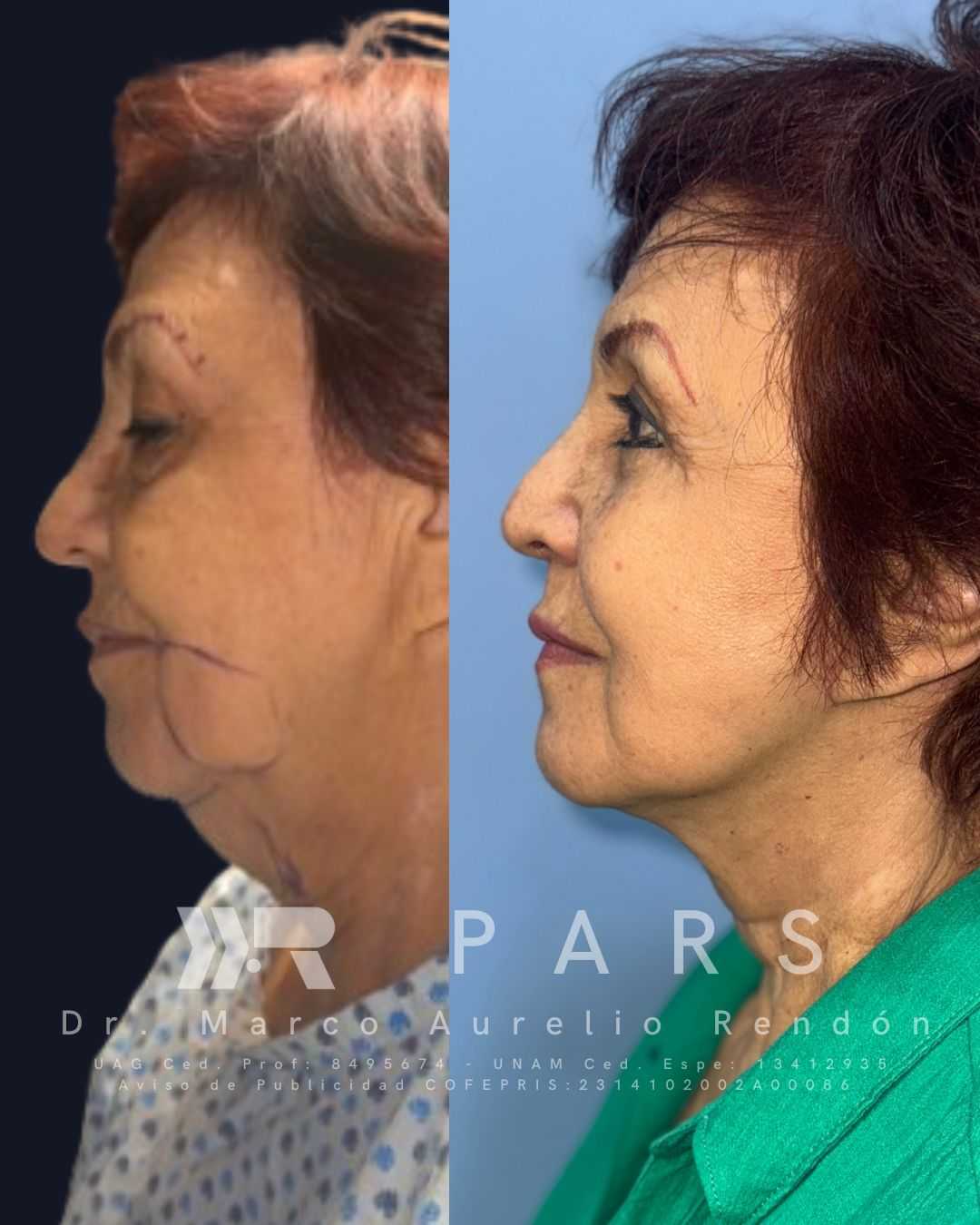
Price starting from $6,000
Deep Plane Face Lift Package in Guadalajara, Mexico by PARS
PARS - Plastic, Aesthetic & Reconstructive Surgery in Guadalajara, Mexico
- Cosmetic/Plastic Surgery
Guadalajara, Mexico
Typical current examples range from about $2,600 for smaller-volume liposuction to around $7,000 for a total facelift, with more extensive combined procedures costing more.
Rhinoplasty examples are about $2,800–$3,600, breast implants or augmentation about $3,950–$5,000, tummy tuck about $3,950–$4,100, liposuction about $2,600–$4,400, eyelid surgery about $2,600–$3,200 and facelift about $5,500–$7,000. Technique, implants, treatment areas, anesthesia, hospital use and combined surgery can change the final amount. Compare the prices below only after confirming that each quote covers the same medical services.
Cosmetic/Plastic Surgery Centers Cost Comparison in Guadalajara, Mexico
| Provider | Procedure | Price |
|---|---|---|
| Marroquin and Sandoval Plastic Surgery Guadalajara | Tummy Tuck Surgery, Cosmetic/Plastic Surgery | $3950 |
| Marroquin and Sandoval Plastic Surgery Guadalajara | Nose Surgery Rhinoplasty, Cosmetic/Plastic Surgery | $4100 |
| Marroquin and Sandoval Plastic Surgery Guadalajara | Liposuction, Cosmetic/Plastic Surgery | $8900 |
| LAYYN MEDICAL GROUP - Plastic Surgery in Tijuana, Mexico | Gynecomastia, Cosmetic/Plastic Surgery | $2500 |
| Medica Golfo de Cortes | Mommy Makeover, Cosmetic/Plastic Surgery | $12500 |
| Medica Golfo de Cortes | Abdominoplasty, Cosmetic/Plastic Surgery | $8703 |
Cosmetic/Plastic Surgery Cost Comparison in Mexico
| Country | Procedure | Price |
|---|---|---|
| United States | Mommy Makeover, Cosmetic/Plastic Surgery | $20000 |
| Canada | Mommy Makeover, Cosmetic/Plastic Surgery | $21500 |
The consultation office is not always the place where surgery is performed. Ask for the legal name and exact address of the operating hospital or surgical center before paying a substantial deposit. A facility performing surgical procedures should have the appropriate COFEPRIS sanitary authorization and responsible health officer. Ask how anesthesia is provided, whether overnight monitoring is available when medically required, what emergency-transfer arrangements exist and where a patient would be transferred if higher-level care became necessary. Compare the clinics below using those practical checks rather than photographs, décor or broad claims about quality.

Marroquin and Sandoval Plastic Surgery Guadalajara
Guadalajara, Mexico
LAYYN MEDICAL GROUP - Plastic Surgery in Tijuana, Mexico
Tijuana,Guadalajara, Mexico
Dr. Xavier Toscano - Plastic Surgeon
Tijuana,Guadalajara, Mexico
Medica Golfo de Cortes
Guadalajara,Jalisco,Puerto Vallarta, Mexico

Arcadia - Plastic Surgery in Guadalajara, Mexico
Guadalajara,Zapopan, Mexico

PARS - Plastic, Aesthetic & Reconstructive Surgery in Guadalajara, Mexico
Guadalajara, Mexico
Videos can help you understand how a surgeon discusses an operation, what a facility looks like and what patients may experience during recovery. They cannot verify licensing, certification or predict your result. Pay attention to explanations of incision placement, anesthesia, scars, recovery limits, possible complications and realistic outcomes rather than transformation footage alone. Check whether the surgeon appearing in a video is the surgeon who would actually perform your procedure. Use the videos below to build a better list of questions for your medical consultation, not as a substitute for credential checks or an individual assessment.


Reviews become more useful when they describe what happened between the before-and-after photographs. Look for details about the consultation, informed consent, hospital experience, pain management, communication after discharge and access to the surgical team when questions arose. Separate comments about drivers, hotels and friendliness from information about medical care. Another patient's result cannot predict yours because anatomy, health, procedure choice and healing differ. Read the reviews below for recurring patterns, then compare those observations with independently verified surgeon credentials, facility licensing and the treatment plan proposed for you.

Current examples include rhinoplasty around $2,800–$3,600, liposuction around $2,600–$4,400, breast implants or augmentation around $3,950–$5,000, tummy tuck around $3,950–$4,100, eyelid surgery around $2,600–$3,200 and facelift around $5,500–$7,000. More complex or combined procedures can cost more. Always request an itemized quotation after medical assessment. No cosmetic operation is risk-free. Risk depends on your health, the procedure, surgeon qualifications, anesthesia, infection-control practices, the surgical facility and postoperative care. Verify the surgeon independently and confirm that the facility where surgery will actually occur holds the required sanitary authorization. A proper preoperative assessment is also necessary to determine whether surgery is appropriate for you. Ask for the doctor's full legal name and specialty details. Search the CMCPER directory for current certification in Plastic, Aesthetic and Reconstructive Surgery and check professional registration through Mexico's National Registry of Professionals. Make sure the credentials belong to the surgeon who will perform your operation rather than another doctor associated with the clinic. Ask for the legal name and address of the facility where surgery will take place. Mexican health authorities state that establishments performing surgical procedures require the appropriate sanitary license and a designated responsible health officer. If the hospital also claims certification from the Consejo de Salubridad General, compare that claim with the council's current official list. Ask for surgeon fees, anesthesia, operating-room charges, implants when applicable, laboratory work, medications, garments, hospital nights and scheduled follow-up to be stated clearly. Also identify what is excluded, including airfare, accommodation, transportation, additional tests and treatment required if complications develop. Two similar-looking prices can represent very different amounts of medical care. The answer depends on the operation, your health and your recovery. Minor procedures may require less time near the surgeon than tummy tuck, breast surgery, facelift or combined operations. Ask how many postoperative visits are expected and whether drains or sutures must be removed before you travel. Your departure date should remain flexible until the surgeon confirms you are medically ready to leave. There is no universal flight-clearance date. The CDC notes that flying after surgery can increase blood-clot risk and advises delaying air travel about 10–14 days after major surgery, particularly procedures involving the chest. Your surgeon may recommend a different timeline based on the operation, your mobility, medical history, swelling and recovery. Obtain individual clearance before flying. Guadalajara and Zapopan are neighboring municipalities within the same metropolitan area. Several private medical buildings and hospitals are located in Zapopan while serving patients who describe their destination broadly as Guadalajara. Confirm the exact address of the consultation office and operating facility so you can choose accommodation and transportation based on the places you will actually visit. Combined surgery may be considered for some patients, but more procedures do not automatically make a better treatment plan. The surgeon and anesthesia team should consider your health, procedure duration, blood-loss risk, mobility and recovery demands before recommending a combination. Ask why the proposed procedures are being combined and whether separating them into different operations would change the medical risk or recovery plan. Some practices use photographs, health histories and video consultations to begin evaluating international patients. This can help you discuss goals, procedures and approximate costs before booking travel. It does not replace the final physical examination, laboratory testing or anesthesia assessment. Ask what could cause the surgical plan or price to change once you are examined in person. Discuss this before surgery. Ask who handles postoperative concerns, whether remote follow-up is available, which symptoms require emergency attention and whether you would need to return to Guadalajara for revision care. The CDC advises medical travelers to arrange follow-up care before traveling because treatment for complications after returning home can be expensive and may not be covered by health insurance. Price is useful for planning, but it does not verify the surgeon, operating facility or aftercare arrangements. A lower quote may also exclude anesthesia, hospital fees, implants, testing or follow-up. Compare the total medical plan, confirm credentials independently and ask how complications would be managed. The most useful comparison is between equivalent treatment plans rather than headline prices alone.How much does plastic surgery cost in Guadalajara, Mexico?
Is plastic surgery in Guadalajara safe?
How can I check whether a plastic surgeon in Guadalajara is certified?
How do I verify a plastic surgery facility in Guadalajara?
What should be included in a Guadalajara plastic surgery quote?
How long should I stay in Guadalajara after plastic surgery?
When can I fly home after plastic surgery in Guadalajara?
Why do some Guadalajara plastic surgeons have a Zapopan address?
Can I have several cosmetic procedures during one trip to Guadalajara?
Can I have a virtual plastic surgery consultation before traveling to Guadalajara?
What happens if I have a complication after returning home?
Should I choose the lowest-priced plastic surgery option in Guadalajara?
How much does a tummy tuck cost in Guadalajara?
The estimated tummy tuck cost in Guadalajara ranges from $3,500 to $5,500 USD. This typically includes surgeon fees, anesthesia, and facility charges. Final prices vary based on treatment complexity and individual patient needs. For many individuals dealing with excess abdominal skin after significant weight loss or pregnancy, abdominoplasty offers a way to restore a firmer midsection. However, the high cost of cosmetic surgery in the United States and Canada leads many patients to explore international options. Understanding the full scope of getting a tummy tuck in Guadalajara—from estimated expenses to recovery protocols—is essential for making an informed healthcare decision. Key Takeaways Estimated surgical fees range from $3,500 to $5,500 USD, though travel and accommodation will add to your total budget. The procedure involves removing excess skin and often tightening weakened abdominal muscles. Patients typically need to stay in Mexico for 7 to 14 days post-surgery to ensure safe initial recovery and attend follow-up visits. Abdominoplasty carries standard surgical risks, including infection, scarring, and fluid accumulation, which require careful consideration. Consulting with a board-certified plastic surgeon is necessary to determine if you are a suitable candidate based on your medical history. What factors influence the final price of abdominoplasty The final price is determined by the complexity of your surgery, facility fees, anesthesia costs, and the specific geographic location of the clinic. When reviewing a surgical quote, it helps to understand what the estimate actually covers. The base price usually includes the primary surgeon’s fee, which reflects their level of experience and specialized training. More complex surgeries, such as those requiring extensive muscle repair (diastasis recti correction) or umbilical transposition (moving the belly button), often sit at the higher end of the pricing scale. Beyond the surgeon's time, the quote should account for the operating room use and the anesthesiologist’s fee. Operations performed in accredited hospitals or specialized surgical centers may cost slightly more than those done in smaller outpatient clinics, as these facilities maintain strict safety standards and emergency protocols. Patients should also budget for additional expenses that might not be included in the initial surgical package. These can include pre-operative blood tests, electrocardiograms (EKGs), prescription medications for pain and infection prevention, and specialized post-operative compression garments required during recovery. What exactly happens during a tummy tuck procedure During the surgery a doctor makes an incision across the lower abdomen to remove excess skin and repair weakened underlying abdominal muscles. The surgical process begins with the administration of anesthesia to ensure you remain completely comfortable and unaware. Once the anesthesia takes effect, the surgeon creates a horizontal incision just above the pubic hairline. The length of this incision depends largely on the amount of loose skin that needs to be addressed. After lifting the abdominal skin, the surgeon repairs weakened or separated abdominal muscles by pulling them closer together and stitching them into a firmer position. This step is particularly important for individuals whose abdominal wall was stretched during pregnancy. The surgeon then pulls the upper abdominal skin downward, trims away the excess tissue, and meticulously closes the incision with sutures. Important Consideration: The Belly Button In a full tummy tuck, the navel often needs to be repositioned. The surgeon creates a new opening in the redraped skin and stitches the existing belly button into its new, natural-looking location. Am I a suitable candidate for this surgery Suitable candidates are generally healthy non-smokers who maintain a stable weight but struggle with loose abdominal skin that does not respond to exercise. Abdominoplasty is not a substitute for weight loss. Ideal candidates should already be at or very near their target body weight and have maintained that weight for at least six to twelve months. Significant weight fluctuations after surgery can negatively impact the cosmetic outcome, potentially leading to the return of loose skin. General health plays a critical role in surgical eligibility. Conditions that impair healing, such as poorly controlled diabetes or autoimmune disorders, may increase the risk of complications. Furthermore, surgeons strictly require patients to stop smoking and cease using all nicotine products several weeks before and after the procedure, as nicotine restricts blood flow and can lead to severe tissue death and poor wound healing. A thorough pre-operative consultation, which includes reviewing your full medical history and current medications, is required to determine if the procedure is medically appropriate for you. How long does the recovery process usually take Initial healing typically requires two to four weeks of rest, while full internal recovery and the complete fading of swelling can take six to twelve months. The immediate post-operative period involves significant rest. During the first week, patients often experience soreness, tightness, and swelling. You will likely need to walk slightly bent over at the waist to avoid placing tension on your healing incisions. During this time, managing pain with prescribed medications and caring for surgical drains—if your surgeon uses them—will be your primary focus. By the second or third week, most individuals feel well enough to return to desk work and perform light daily activities. However, you must continue to avoid bending, twisting, or lifting anything heavier than five to ten pounds. Wearing a specialized compression garment around your abdomen is usually required during these early weeks to minimize swelling and support the newly contoured tissues. It is vital to understand that while you may look and feel much better after a month, internal healing continues for much longer. Strenuous exercise and heavy lifting must typically be avoided for at least six to eight weeks, depending on your surgeon's specific clearance. What are the potential risks and complications Possible risks include infection, bleeding, poor wound healing, visible scarring, adverse reactions to anesthesia, and fluid accumulation under the skin. Seroma and Hematoma: Fluid or blood can pool beneath the skin following surgery. Surgeons often use drains to prevent this, but if a collection forms, it may need to be drained in a clinical setting. Wound Healing Issues: Sometimes, areas along the incision line heal poorly or begin to separate. This risk is notably higher in patients who smoke, have diabetes, or suffer from poor circulation. Changes in Skin Sensation: The repositioning of abdominal tissues can affect local nerves. You may experience temporary or, in rare cases, permanent numbness or altered sensation around the incision and belly button. Deep Vein Thrombosis (DVT): Blood clots can form in the legs after major surgery due to immobility. This is a serious medical emergency if a clot travels to the lungs. Early, gentle walking helps mitigate this risk. Thick or Raised Scarring: While surgeons aim to keep scars thin and hidden, individual genetics dictate how a scar heals. Some patients may develop hypertrophic or keloid scars. How do I choose a safe tummy tuck clinic in Guadalajara Selecting a safe clinic requires verifying the surgeon’s board certifications, reviewing the facility's health accreditations, and thoroughly discussing emergency protocols. When looking into a tummy tuck clinic in Guadalajara, prioritizing credentials over cost is vital for your safety. In Mexico, legitimate plastic surgeons should be certified by the Mexican Council of Plastic, Aesthetic, and Reconstructive Surgery (CMCPER). This certification indicates that the physician has completed rigorous specialized training beyond general medical school. Additionally, investigate the facility where the surgery will take place. Accredited hospitals or dedicated surgical centers are equipped with intensive care units and emergency backup systems. Ask the clinic directly about their protocols in the event of an unforeseen surgical complication. Clear communication is another critical safety factor. If you do not speak Spanish, ensure the clinic provides fluent, medically trained translators or has bilingual staff. Misunderstanding medical instructions regarding medication or post-operative care can lead to easily preventable complications. Should I combine this with other cosmetic surgeries Combining procedures can reduce overall recovery periods and costs, but it also increases the total time under anesthesia and the risk of physical strain. Many patients choose to pair an abdominoplasty with breast surgeries (like a lift or augmentation) or targeted liposuction. This combination is widely known as a Mommy Makeover. The primary benefit of combining surgeries is undergoing anesthesia only once and consolidating the recovery downtime into a single period, rather than taking multiple extended absences from work. However, grouping multiple procedures together extends the duration of the surgery. Prolonged time under anesthesia can increase the risk of complications such as deep vein thrombosis or respiratory issues. Furthermore, recovering from multiple surgical sites simultaneously places a heavier burden on your body's healing capacity and makes finding a comfortable resting position more challenging. Your surgeon will evaluate your overall health, age, and physical condition to determine if combining treatments is medically advisable in your specific case. How long should I stay in Mexico after my surgery Most medical professionals advise patients to remain in the local area for a minimum of 7 to 14 days following an abdominoplasty. Staying in the destination city allows your surgical team to monitor your initial healing phase closely. During this critical window, you will attend one or more follow-up appointments where the surgeon will check your incisions for signs of infection, evaluate fluid drainage, and eventually remove any surgical drains or external sutures. Attempting to fly or endure a long car ride too soon after major abdominal surgery is highly discouraged. Extended travel forces you into a cramped, seated position, which not only puts painful pressure on your new incisions but severely restricts leg circulation, elevating the risk of blood clots. Patients should budget for accommodations during this recovery period. Booking a comfortable, quiet hotel or recovery house that limits the need to climb stairs can make this crucial resting period much more manageable. Why is medical tourism in Guadalajara so popular Guadalajara attracts patients by offering a combination of modern medical facilities, experienced surgeons, and lower treatment costs compared to North America. As Mexico’s second-largest city, Guadalajara has developed a strong infrastructure for international healthcare. The city hosts numerous modern clinics and hospitals equipped with up-to-date medical technology. Many of the practicing plastic surgeons frequently attend international medical conferences and maintain memberships in global aesthetic societies. The primary driver for medical tourism in Guadalajara remains the financial difference. Lower operating costs and differences in the local economy allow clinics to offer procedures at a fraction of the price seen in the United States or Canada, often without compromising on the standard of facility care. Additionally, the city's international airport provides direct and relatively short flights from many major North American hubs, making travel logistics simpler for patients seeking care abroad. How do I maintain my results after returning home Preserving your new abdominal contour requires committing to a balanced diet, regular exercise, and maintaining a stable, healthy weight. While the skin and fat cells removed during the surgery are gone permanently, the remaining fat cells in your abdomen can still expand if you consume more calories than you burn. Significant weight gain can stretch the skin again and strain the internally repaired muscles, potentially undoing the cosmetic benefits of the surgery. Once your surgeon clears you for physical activity—usually after a few months—incorporating core-strengthening exercises can help support your newly tightened abdominal wall. Prioritizing nutrient-dense foods and adequate hydration also supports long-term skin elasticity and overall cellular health. Finally, patients must establish a relationship with a local primary care physician or specialist upon returning home. Having a local doctor who is aware of your recent surgery ensures you have immediate access to medical care should any delayed complications arise weeks or months later. Why Choose PlacidWay for Medical Tourism? PlacidWay assists patients in researching international healthcare options by providing access to information regarding clinics worldwide. Global Network Provides access to a diverse directory of healthcare providers and international medical centers. Cost Comparisons Allows patients to review and compare estimated treatment costs across different geographical regions. Educational Resources Offers articles, guides, and patient resources to help individuals explore treatments abroad. Direct Connection Facilitates initial communication between patients and international medical facilities. Informed Decisions Helps individuals gather necessary details to make their own informed healthcare choices. Frequently Asked Questions Does a tummy tuck help with weight loss? No, a tummy tuck is a body contouring procedure, not a weight-loss method. It is designed to remove excess skin and stubborn fat pockets that remain after significant weight loss or pregnancy. Patients should be close to their ideal body weight before undergoing surgery. Are the results of a tummy tuck permanent? The removal of excess skin and fat cells is permanent, and tightened muscles typically remain secure. However, significant weight fluctuations, aging, or future pregnancies can stretch the abdominal tissue again, potentially altering your surgical results. Can I get pregnant after having abdominoplasty? While it is physically possible and generally safe to become pregnant after a tummy tuck, most surgeons recommend waiting until you are finished having children. Pregnancy will stretch the abdominal muscles and skin, which can reverse the cosmetic benefits of your surgery. Will insurance cover my surgery in Mexico? Standard health insurance rarely covers abdominoplasty, as it is usually considered an elective cosmetic procedure. In rare cases where the excess skin causes documented medical issues like chronic rashes or infections, some domestic coverage might apply, but this rarely extends to international treatments. How noticeable will my scars be? A standard tummy tuck requires a horizontal incision across the lower abdomen, which leaves a permanent scar. Surgeons typically place this incision low enough to be hidden by most underwear or bikini bottoms. The scar will appear red initially but usually fades over 12 to 18 months. What is the difference between a full and mini tummy tuck? A full tummy tuck addresses the entire abdominal area above and below the belly button, often repositioning the navel. A mini tummy tuck requires a smaller incision, does not move the belly button, and only targets excess skin and minor muscle laxity strictly below the navel. Is it safe to fly after abdominal surgery? Flying immediately after major surgery increases the risk of deep vein thrombosis (blood clots). Most surgeons require patients to stay in the destination city for at least 7 to 14 days before flying home, and recommend wearing compression socks and moving frequently during the flight. What type of anesthesia is used for this procedure? A full abdominoplasty is typically performed under general anesthesia, meaning you will be completely asleep and pain-free during the operation. In some minor cases, intravenous sedation combined with local anesthesia may be used, though this is less common. Will I need drains after my surgery? Many surgeons use small, temporary drainage tubes placed under the skin to prevent fluid buildup (seroma) during the first few days of recovery. If used, these drains are typically removed at your post-operative appointment before you travel home. How soon can I resume exercising? Light walking is encouraged immediately to promote circulation. However, strenuous exercise, heavy lifting, and abdominal workouts must be strictly avoided for at least 6 to 8 weeks to allow the internal muscle repairs and external incisions to heal properly. Compare Treatment Options Gather more information about facilities, estimated costs, and international providers to help make an informed choice for your care. Request Treatment Information References Tummy Tuck Procedure Information – American Society of Plastic Surgeons (ASPS) Tummy Tuck: About the Procedure – Mayo Clinic Medical Tourism Guidelines and Safety – Centers for Disease Control and Prevention (CDC) Abdominoplasty (Tummy Tuck) Recovery and Risks – Cleveland Clinic Patient Information on Abdominoplasty – International Society of Aesthetic Plastic Surgery (ISAPS) Information on Cosmetic Surgery and Devices – U.S. Food and Drug Administration (FDA) Complications and Safety in Abdominoplasty – National Institutes of Health (NIH) Medical Disclaimer: The information provided in this article is for educational and informational purposes only and does not constitute medical advice. Treatment outcomes, recovery times, and estimated costs vary significantly by individual patient and clinical circumstance. Always seek the advice of a qualified, board-certified physician or healthcare provider regarding any medical condition, procedure, or treatment eligibility.
How much is a mommy makeover in guadalajara Mexico?
The cost of a mommy makeover in Guadalajara, Mexico, typically ranges from $5,500 to $8,500. This estimate varies based on the specific combination of procedures, such as a tummy tuck and breast surgery, along with individual patient requirements. Deciding to undergo a mommy makeover in Guadalajara Mexico involves understanding far more than just the base price of the surgery. This combination approach to body contouring addresses the physical changes that often accompany pregnancy, childbirth, and breastfeeding. Because every patient's body and goals are different, the exact surgical plan is highly customized. When researching options abroad, balancing cost with patient safety, surgical credentials, and proper aftercare is essential. This comprehensive guide covers estimated expenses, typical procedural inclusions, recovery timelines, and critical health considerations for anyone exploring medical travel to this region. Key Takeaways Prices for these combined procedures in Guadalajara generally run between $5,500 and $8,500, varying by clinic and surgical complexity. The surgery usually involves a custom mix of abdominoplasty, breast enhancement, and targeted liposuction. Patients typically need to stay in Mexico for 10 to 14 days post-surgery to ensure initial healing before air travel. Thorough vetting of board-certified plastic surgeons and accredited medical facilities is crucial for your safety. Establishing a local medical support system back home is necessary for routine follow-ups and delayed complication management. What procedures are typically included in a mommy makeover? A mommy makeover is not a single surgery, but rather a customized combination of procedures typically involving a tummy tuck, breast enhancement, and liposuction. The goal is to address physical changes that often occur after pregnancy and breastfeeding. Because no two bodies respond to pregnancy the same way, the surgical plan is tailored to your specific anatomy. The most common component is an abdominoplasty (tummy tuck). During this procedure, a surgeon often repairs diastasis recti—the separation of abdominal muscles—and removes excess, stretched skin from the midsection. Breast surgery is usually the second major component. Depending on tissue volume loss and sagging, a patient might opt for a breast lift (mastopexy), breast augmentation with implants, or a combination of both. Some patients may also seek a breast reduction to alleviate physical discomfort. Finally, liposuction is frequently used to contour specific areas of the body, such as the flanks, thighs, or back, creating a smoother transition between the operated areas. Your surgeon will evaluate whether combining these surgeries into one operation is physically safe for you based on your medical history and the projected time under anesthesia. Why do patients consider Guadalajara for these procedures? Many patients explore Guadalajara because it offers a lower cost of living and healthcare infrastructure, allowing for more affordable combined surgeries. The city is a major hub for international patients, featuring modern facilities and accessible flights. The rise of medical tourism in Guadalajara Mexico is largely tied to the city's status as a major metropolitan center. It boasts several modern, well-equipped hospitals and specialty clinics that cater specifically to international visitors. Many of the surgeons practicing in these facilities have pursued parts of their training internationally and are accustomed to treating patients from the US and Canada. Beyond the medical infrastructure, Guadalajara is well-connected by direct flights from numerous major airports. The local climate is generally temperate, which many patients find agreeable during their initial recovery period. While the cultural appeal of the city is a bonus, the primary driver remains the availability of comprehensive medical care at a price point that makes multi-procedure surgeries more financially accessible. How does the mommy makeover cost in Guadalajara Mexico compare to the US? The mommy makeover cost in Guadalajara Mexico is often 40% to 60% lower than in the United States or Canada. While US estimates frequently exceed $15,000 to $20,000, prices in Guadalajara generally fall between $5,500 and $8,500. The significant difference in pricing is rarely due to a difference in medical materials. Instead, it reflects the broader economic differences between the countries. Medical facilities in Mexico operate with lower overhead costs, including more affordable administrative expenses, reduced real estate costs, and different medical liability insurance structures. When evaluating price quotes, you need to understand exactly what is included. A comprehensive estimate should cover the surgeon's fee, anesthesiologist's fee, operating room costs, standard surgical garments, and routine post-operative consultations while you remain in the city. Estimates can increase based on the type of breast implants chosen, the volume of liposuction required, or if an overnight hospital stay is mandated. Important Consideration: Always factor in the cost of travel, specialized travel medical insurance, hotel accommodations for your two-week recovery, and food when calculating your total budget. The surgery price alone does not reflect the total cost of the trip. Am I a suitable candidate for combined cosmetic surgeries? Good candidates are generally in good overall health, at a stable weight, and have finished having children. A qualified healthcare provider must thoroughly evaluate your medical history to determine if undergoing multiple procedures simultaneously is safe. Because a mommy makeover involves lengthy time under general anesthesia, candidates must not have underlying medical conditions that severely increase surgical risks, such as uncontrolled diabetes or severe cardiovascular issues. Surgeons typically require a patient's Body Mass Index (BMI) to be within a certain range—often under 30 or 32—to reduce the risk of complications like poor wound healing or blood clots. Timing is also a critical factor. You should be fully recovered from childbirth, and if you are planning to have breast surgery, you must have completely stopped breastfeeding for at least six months. This allows your milk ducts to shrink back to their normal size, reducing the risk of post-surgical infection and allowing the surgeon to accurately assess the natural shape of your breasts. What are the potential risks and complications? All surgeries carry inherent risks, and combining procedures increases the duration of anesthesia and the potential for complications. Possible risks include infection, bleeding, poor wound healing, fluid accumulation, blood clots, and adverse anesthesia reactions. Understanding the risks of extensive body contouring is vital. Combining a tummy tuck with breast surgery means your body has to heal from multiple major traumas simultaneously. One of the more serious risks is Deep Vein Thrombosis (DVT), a condition where blood clots form in the deep veins, usually in the legs. These clots can be life-threatening if they travel to the lungs. More common, though less severe, complications include seromas (fluid collection beneath the skin), hematomas (pooling of blood), and delayed wound healing. Smokers face a significantly higher risk of tissue necrosis (tissue death) and prominent scarring, which is why surgeons universally require patients to stop smoking for several weeks before and after surgery. It is important to have a frank discussion with your chosen provider about how they handle surgical emergencies, their hospital transfer protocols, and what steps you can take to minimize these risks prior to surgery. How can I identify a safe mommy makeover clinic in Guadalajara Mexico? Finding a reputable mommy makeover clinic in Guadalajara Mexico requires verifying surgeon credentials, facility accreditations, and emergency protocols. Look for board certification in plastic surgery and facilities equipped for unexpected complications. Not all providers offering cosmetic procedures have the appropriate specialized training. You should look for surgeons who are certified by the Mexican Council of Plastic, Aesthetic and Reconstructive Surgery (CMCPER), which is the recognized credentialing body in the country. Many top surgeons are also international members of organizations like the American Society of Plastic Surgeons (ASPS) or the International Society of Aesthetic Plastic Surgery (ISAPS). Equally important is the facility where the operation takes place. Ensure the clinic operates in an accredited hospital or a fully equipped outpatient surgical center with a dedicated ICU or immediate transfer capabilities to a nearby hospital in case of emergencies. Ask specific questions about who administers the anesthesia—it should always be a board-certified anesthesiologist, not a nurse anesthetist or the surgeon themselves. How long should I plan to stay in Guadalajara for recovery? Most surgeons recommend staying in Guadalajara for 10 to 14 days after your operation before flying home. This allows your medical team to monitor your initial healing, remove drains or stitches, and ensure you are cleared for safe air travel. Traveling immediately after a major combination surgery is highly unsafe. Prolonged sitting in a pressurized airplane cabin significantly increases the risk of developing deep vein thrombosis (DVT). Therefore, a mandatory recuperation period in the city is required. During this two-week window, you will have several follow-up appointments. The surgical team will inspect your incisions for early signs of infection, manage your pain protocols, and remove surgical drains once fluid output decreases to a safe level. You will spend this time mostly resting in a hotel or a specialized recovery house designed for medical travelers. Did You Know? You will likely not be able to stand completely straight for the first week after a tummy tuck due to the tightened abdominal muscles. Planning for proper resting arrangements with plenty of pillows is crucial. What is the standard recovery timeline after returning home? Initial recovery typically takes four to six weeks, during which you must avoid heavy lifting and strenuous activities. Full healing, including the fading of scars and the final settling of tissues, can take up to a full year. Returning home does not mean your recovery is complete; in fact, the real work of healing continues for months. For the first six weeks, you will likely need to wear specialized compression garments to minimize swelling and support your newly contoured tissues. Lifting anything over five to ten pounds—including toddlers and young children—is strictly prohibited to prevent muscle repair failure or incision tearing. Most patients can return to a desk job within three to four weeks, provided they have a relatively easy commute. However, physically demanding jobs will require a longer leave of absence. Swelling will gradually subside over several months, and it is entirely normal not to see your final surgical outcome until six to twelve months post-operation. Will I need local follow-up care after leaving Mexico? Yes, you will need a plan for ongoing care once you return home. It is crucial to have a local healthcare provider who can manage routine follow-ups, evaluate healing, or treat any delayed complications if they arise. One of the main challenges of medical tourism is bridging the gap in continuity of care. While your surgical team in Guadalajara may offer virtual consultations via video calls, they cannot physically examine an inflamed incision or drain an unexpected fluid buildup once you are back in your home country. Before leaving for surgery, try to establish contact with a local primary care physician or a post-operative care specialist who is willing to monitor your progress. Do not rely solely on emergency rooms, as they are meant for life-threatening crises rather than routine post-operative cosmetic care. Be aware that any local medical interventions required for complications will likely be out-of-pocket, as most domestic health insurance plans do not cover complications arising from elective cosmetic surgeries performed abroad. How should I prepare for multiple surgeries in a single day? Preparation involves optimizing your physical health through a balanced diet, adjusting or stopping certain medications, and organizing a robust post-operative support system. Strict adherence to pre-operative guidelines helps minimize risks. Preparing for a major combination procedure starts months in advance. Your surgeon will require a comprehensive medical clearance, which usually involves blood panels, an EKG, and sometimes a chest X-ray. You must provide a completely honest medical history, including any use of supplements or recreational substances. In the weeks leading up to surgery, you will be instructed to stop taking blood-thinning medications, including aspirin, ibuprofen, and certain herbal supplements like fish oil and vitamin E, to reduce the risk of excessive bleeding. Maintaining a nutrient-rich diet high in protein can also help prep your body for tissue repair. Logistically, you must travel with a capable adult companion. You will need assistance with basic tasks such as getting out of bed, showering, and managing your medication schedule during the first week of recovery in Guadalajara. Why Choose PlacidWay for Medical Tourism in Mexico? Navigating international healthcare options requires thorough research. PlacidWay serves as an informational platform to help patients explore healthcare facilities globally. Here are factual ways PlacidWay can assist you: Connects Patients with Providers: PlacidWay offers a directory of international medical centers and specialized clinics. Provides Facility Information: The platform shares details regarding clinic accreditations, available technologies, and medical services. Offers Treatment Estimates: Users can request and review estimated pricing for various procedures across different international facilities. Features Educational Resources: The site provides articles and guides focused on helping patients understand medical travel. Facilitates Communication: PlacidWay enables direct initial contact between the patient and the chosen healthcare provider to begin medical consultations. Frequently Asked Questions Is a mommy makeover performed under general anesthesia? Yes, because a mommy makeover involves multiple invasive surgeries performed simultaneously, it typically requires general anesthesia. This ensures you are comfortable and asleep during the extensive operative time. Can I get a mommy makeover if I plan to have more children? While you can physically have the surgery, surgeons generally recommend waiting until you have finished growing your family. Future pregnancies can stretch the abdominal muscles and skin again, potentially reversing the surgical results. How soon after giving birth can I undergo this surgery? Most surgeons advise waiting at least six to twelve months after childbirth. If you are breastfeeding, you should wait at least six months after you have completely stopped before undergoing breast surgery. Are the results of a mommy makeover permanent? The surgical removal of skin and fat is permanent, but your remaining tissues will continue to age naturally. Significant weight fluctuations or future pregnancies can alter your long-term results. Do clinics in Mexico use the same breast implants as US clinics? Many reputable facilities in Mexico use internationally recognized, FDA-approved implant brands. However, you should always verify the specific brand and manufacturer with your chosen provider during the consultation. What happens if I experience a complication after returning home? If you develop a medical emergency, you must seek immediate care at a local hospital. This highlights the importance of arranging a local healthcare provider who is aware of your medical travel before you leave. Can I break a mommy makeover into multiple trips to Mexico? Yes, some patients and surgeons prefer staging the procedures. You might have breast surgery on one trip and abdominal surgery on another, which can reduce the time spent under anesthesia and simplify recovery. How much weight should I lose before the procedure? You should aim to be at or near your ideal, sustainable weight for at least three to six months before surgery. A mommy makeover is not a weight-loss procedure, but rather a body contouring surgery. Will I need surgical drains after my operation in Guadalajara? Many surgeons use temporary surgical drains after a tummy tuck to prevent fluid buildup. These are typically removed during your post-operative appointments before you are cleared to fly home. Do healthcare teams in Guadalajara speak English? Guadalajara is a major destination for international patients, and many surgeons and patient coordinators speak fluent English. You can also ask if translation services are available at the facility. Compare Treatment Options Gather information, request personalized estimates, and explore medical facilities for your health journey. Request Treatment Information References Mommy Makeover Safety – American Society of Plastic Surgeons (ASPS) Tummy Tuck (Abdominoplasty) Risks and Recovery – Mayo Clinic Medical Tourism Guidelines – CDC Yellow Book Patient Safety in Aesthetic Surgery – International Society of Aesthetic Plastic Surgery (ISAPS) Risks and Complications of Breast Implants – U.S. Food and Drug Administration (FDA) Deep Vein Thrombosis (DVT) in Plastic Surgery – ASPS Medical Disclaimer: The information provided in this article is for educational and informational purposes only and does not constitute medical advice. Surgery involves significant risks, and outcomes vary by individual. Prices mentioned are estimates and subject to change. Always consult with a qualified, board-certified healthcare professional to discuss your medical history, eligibility, and the specific risks associated with any procedure. Do not disregard professional medical advice or delay seeking it because of information read on this website.
Start with the surgeon's full legal name—not a clinic nickname or social-media account. Check the physician's professional and specialty registration through Mexico's National Registry of Professionals, then search the Consejo Mexicano de Cirugía Plástica, Estética y Reconstructiva (CMCPER) directory for current plastic-surgery certification. Certification should belong to the doctor who will actually operate on you. After verification, compare experience with your specific procedure, the proposed technique, where surgery will occur, anesthesia arrangements and the plan for complications and follow-up. Use the surgeon profiles below as starting points for those checks.
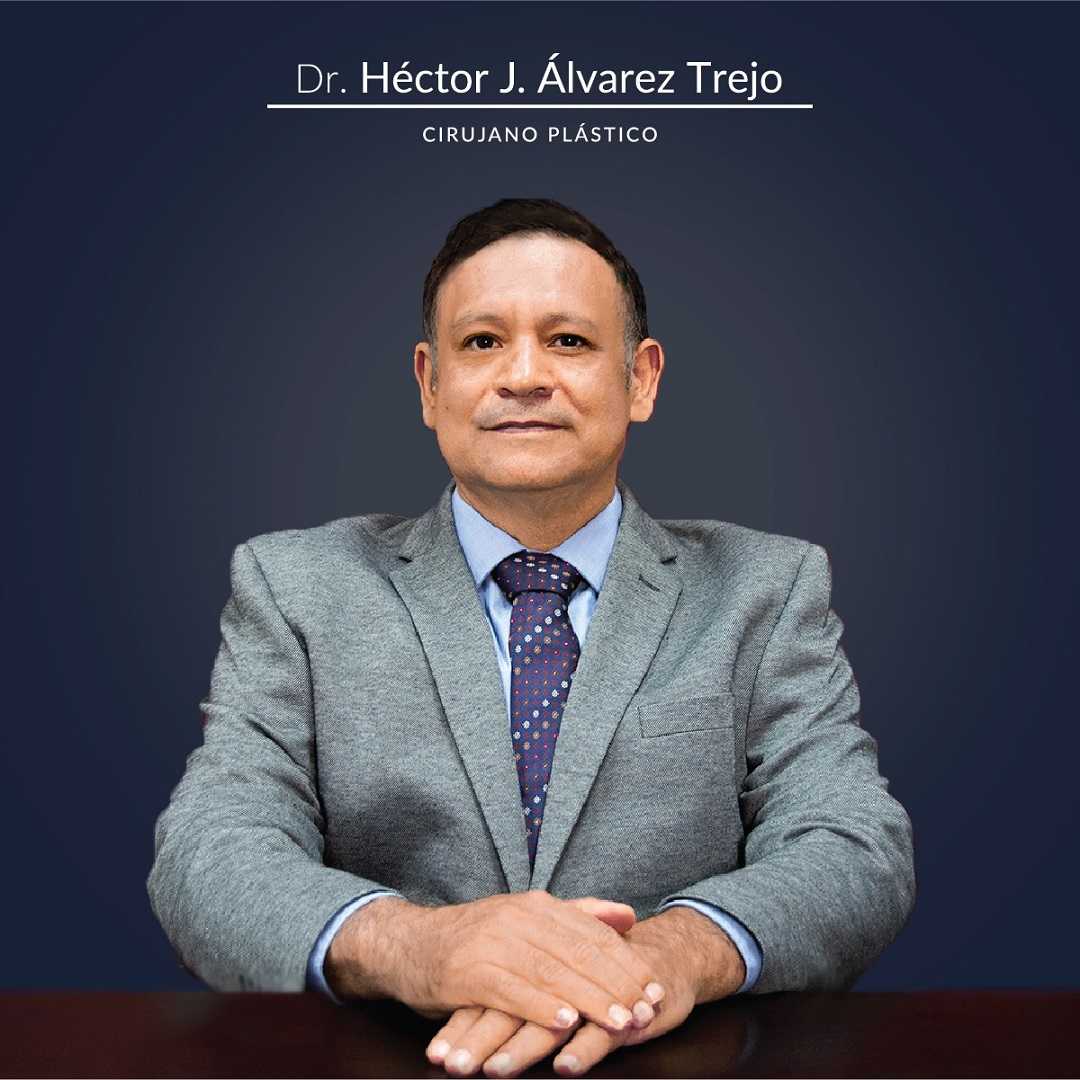


Dr. Marco Marroquin
Marroquin and Sandoval Plastic Surgery Guadalajara
- Plastic Surgeon
Guadalajara, Mexico

Dra Karla Sandoval Diaz
Marroquin and Sandoval Plastic Surgery Guadalajara
- Plastic Surgeon
Guadalajara, Mexico

Dr. Marco Aurelio Rendon Medina
PARS - Plastic, Aesthetic & Reconstructive Surgery in Guadalajara, Mexico
- Plastic Surgeon
Guadalajara, Mexico
Guadalajara is the capital of Jalisco and part of a larger metropolitan area that includes neighboring Zapopan. This matters because many private hospitals, medical towers and consultation offices associated with Guadalajara are physically located in Zapopan, including the Puerta de Hierro area. Check the exact locations of your surgeon's office, operating facility and accommodation before booking transportation. International travelers normally arrive through Guadalajara International Airport (GDL). The airport has domestic and international connections, including service linking Guadalajara with destinations in the United States and Canada as well as routes to other international markets. Flight schedules change, so confirm the route that applies to your travel dates directly with the airline. Guadalajara may be particularly practical to research for patients traveling from the United States and Canada because Mexico is already a common destination for U.S. medical travelers. Patients also arrive from elsewhere in Mexico and Latin America, while travelers from Europe or other distant regions may face longer journeys or connections. Longer flights deserve extra attention after surgery because immobility can contribute to blood-clot risk. It may be tempting to turn the trip into a vacation, but the early postoperative period is primarily for recovery. Follow instructions about walking, compression garments, drains, medication, showering, lifting and wound care. Avoid building sightseeing, swimming, nightlife or long day trips into the first part of the schedule. Before leaving Mexico, ask for your operative report, implant information when applicable, prescriptions, discharge instructions and a clear plan for contacting the surgical team after you return home.
Planning Point
What to Check Before Traveling
Arrival airport
Use Guadalajara International Airport (GDL) and confirm how you will travel from the airport to your accommodation.
Clinic versus hospital
Get both addresses. Your consultation may take place in Guadalajara or Zapopan while surgery occurs at a separate hospital or surgical facility.
Length of stay
Ask your surgeon how many days you should remain nearby for wound checks, drain or suture management and early follow-up.
Return flight
Do not choose a flight date solely around hotel prices. The CDC advises delaying air travel for roughly 10–14 days after major surgery, particularly chest surgery, while individual clearance should come from your treating surgeon.
Accommodation
Stay close enough for follow-up visits and consider elevators, stairs, bathroom access and assistance with meals or daily activities during early recovery.
Unexpected delay
Build flexibility into accommodation and airfare in case swelling, wound concerns or another medical issue delays travel clearance.
Plan the First Days Around Recovery, Not Tourism
A useful next step is to compare written treatment plans side by side. Ask each provider for the proposed procedure, surgeon details, operating facility, anesthesia arrangements, complete cost, expected stay and postoperative plan. Once those details are clear, you can decide which options are worth discussing further with a qualified surgeon. This information is intended for general education and treatment comparison. It does not replace medical advice, diagnosis or an individual surgical consultation. Plastic surgery involves potential risks, and suitability depends on personal health, medical history and the specific procedure. Prices, packages, physician availability, facility arrangements and travel requirements can change. Verify current credentials, licensing, treatment details and recovery instructions directly with the relevant healthcare professionals before making medical or travel decisions.Compare Your Plastic Surgery Options in Guadalajara Before Making a Decision
References























Share this listing