
Cost of Abdominoplasty in Guadalajara, Mexico

For many individuals dealing with excess abdominal skin after significant weight loss or pregnancy, abdominoplasty offers a way to restore a firmer midsection. However, the high cost of cosmetic surgery in the United States and Canada leads many patients to explore international options. Understanding the full scope of getting a tummy tuck in Guadalajara—from estimated expenses to recovery protocols—is essential for making an informed healthcare decision.
Key Takeaways
- Estimated surgical fees range from $3,500 to $5,500 USD, though travel and accommodation will add to your total budget.
- The procedure involves removing excess skin and often tightening weakened abdominal muscles.
- Patients typically need to stay in Mexico for 7 to 14 days post-surgery to ensure safe initial recovery and attend follow-up visits.
- Abdominoplasty carries standard surgical risks, including infection, scarring, and fluid accumulation, which require careful consideration.
- Consulting with a board-certified plastic surgeon is necessary to determine if you are a suitable candidate based on your medical history.
What factors influence the final price of abdominoplasty
When reviewing a surgical quote, it helps to understand what the estimate actually covers. The base price usually includes the primary surgeon’s fee, which reflects their level of experience and specialized training. More complex surgeries, such as those requiring extensive muscle repair (diastasis recti correction) or umbilical transposition (moving the belly button), often sit at the higher end of the pricing scale.
Beyond the surgeon's time, the quote should account for the operating room use and the anesthesiologist’s fee. Operations performed in accredited hospitals or specialized surgical centers may cost slightly more than those done in smaller outpatient clinics, as these facilities maintain strict safety standards and emergency protocols.
Patients should also budget for additional expenses that might not be included in the initial surgical package. These can include pre-operative blood tests, electrocardiograms (EKGs), prescription medications for pain and infection prevention, and specialized post-operative compression garments required during recovery.
What exactly happens during a tummy tuck procedure
The surgical process begins with the administration of anesthesia to ensure you remain completely comfortable and unaware. Once the anesthesia takes effect, the surgeon creates a horizontal incision just above the pubic hairline. The length of this incision depends largely on the amount of loose skin that needs to be addressed.
After lifting the abdominal skin, the surgeon repairs weakened or separated abdominal muscles by pulling them closer together and stitching them into a firmer position. This step is particularly important for individuals whose abdominal wall was stretched during pregnancy. The surgeon then pulls the upper abdominal skin downward, trims away the excess tissue, and meticulously closes the incision with sutures.
Important Consideration: The Belly Button
In a full tummy tuck, the navel often needs to be repositioned. The surgeon creates a new opening in the redraped skin and stitches the existing belly button into its new, natural-looking location.
Am I a suitable candidate for this surgery
Abdominoplasty is not a substitute for weight loss. Ideal candidates should already be at or very near their target body weight and have maintained that weight for at least six to twelve months. Significant weight fluctuations after surgery can negatively impact the cosmetic outcome, potentially leading to the return of loose skin.
General health plays a critical role in surgical eligibility. Conditions that impair healing, such as poorly controlled diabetes or autoimmune disorders, may increase the risk of complications. Furthermore, surgeons strictly require patients to stop smoking and cease using all nicotine products several weeks before and after the procedure, as nicotine restricts blood flow and can lead to severe tissue death and poor wound healing.
A thorough pre-operative consultation, which includes reviewing your full medical history and current medications, is required to determine if the procedure is medically appropriate for you.
How long does the recovery process usually take
The immediate post-operative period involves significant rest. During the first week, patients often experience soreness, tightness, and swelling. You will likely need to walk slightly bent over at the waist to avoid placing tension on your healing incisions. During this time, managing pain with prescribed medications and caring for surgical drains—if your surgeon uses them—will be your primary focus.
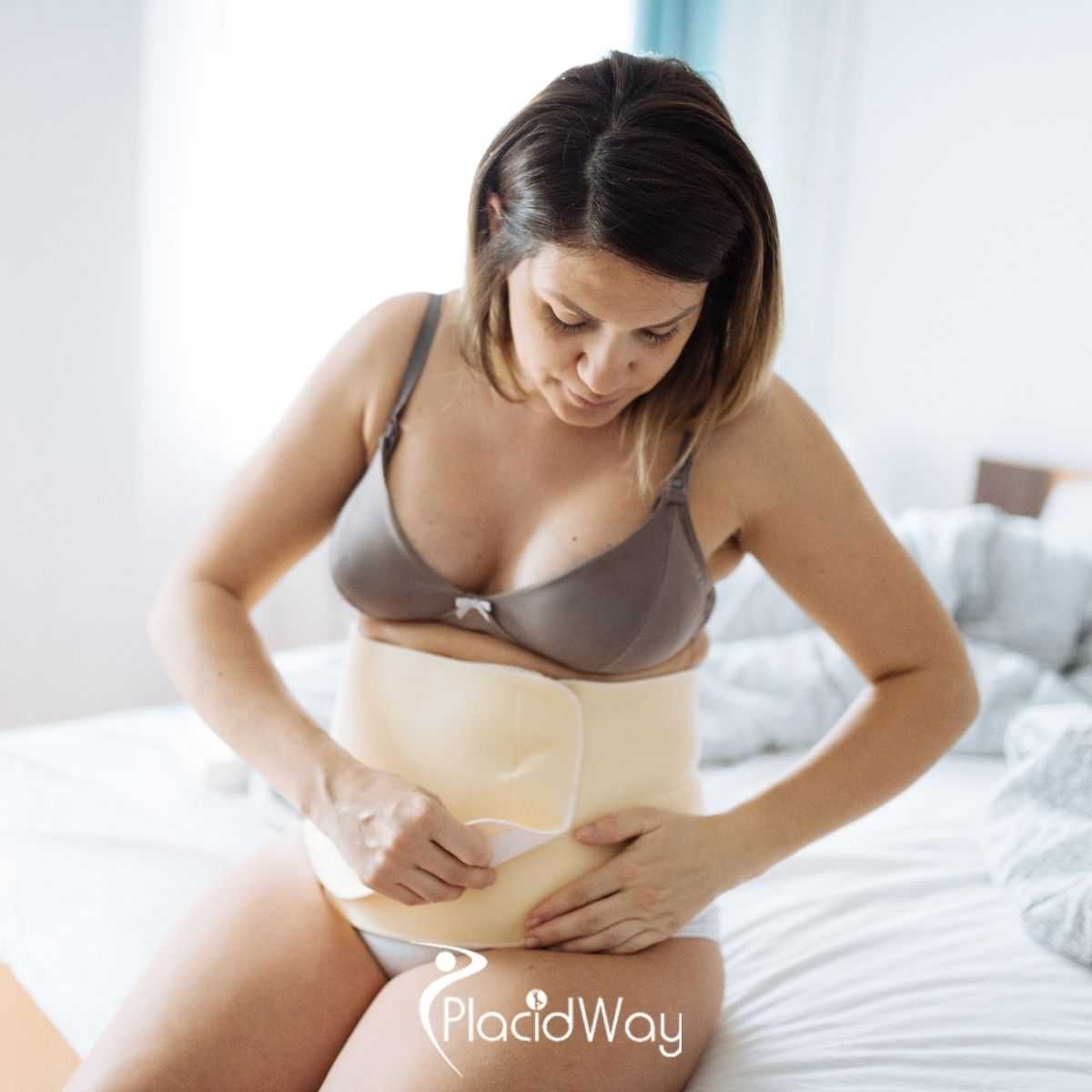
By the second or third week, most individuals feel well enough to return to desk work and perform light daily activities. However, you must continue to avoid bending, twisting, or lifting anything heavier than five to ten pounds. Wearing a specialized compression garment around your abdomen is usually required during these early weeks to minimize swelling and support the newly contoured tissues.
It is vital to understand that while you may look and feel much better after a month, internal healing continues for much longer. Strenuous exercise and heavy lifting must typically be avoided for at least six to eight weeks, depending on your surgeon's specific clearance.
What are the potential risks and complications
- Seroma and Hematoma: Fluid or blood can pool beneath the skin following surgery. Surgeons often use drains to prevent this, but if a collection forms, it may need to be drained in a clinical setting.
- Wound Healing Issues: Sometimes, areas along the incision line heal poorly or begin to separate. This risk is notably higher in patients who smoke, have diabetes, or suffer from poor circulation.
- Changes in Skin Sensation: The repositioning of abdominal tissues can affect local nerves. You may experience temporary or, in rare cases, permanent numbness or altered sensation around the incision and belly button.
- Deep Vein Thrombosis (DVT): Blood clots can form in the legs after major surgery due to immobility. This is a serious medical emergency if a clot travels to the lungs. Early, gentle walking helps mitigate this risk.
- Thick or Raised Scarring: While surgeons aim to keep scars thin and hidden, individual genetics dictate how a scar heals. Some patients may develop hypertrophic or keloid scars.
How do I choose a safe tummy tuck clinic in Guadalajara
When looking into a tummy tuck clinic in Guadalajara, prioritizing credentials over cost is vital for your safety. In Mexico, legitimate plastic surgeons should be certified by the Mexican Council of Plastic, Aesthetic, and Reconstructive Surgery (CMCPER). This certification indicates that the physician has completed rigorous specialized training beyond general medical school.
Additionally, investigate the facility where the surgery will take place. Accredited hospitals or dedicated surgical centers are equipped with intensive care units and emergency backup systems. Ask the clinic directly about their protocols in the event of an unforeseen surgical complication.
Clear communication is another critical safety factor. If you do not speak Spanish, ensure the clinic provides fluent, medically trained translators or has bilingual staff. Misunderstanding medical instructions regarding medication or post-operative care can lead to easily preventable complications.
Should I combine this with other cosmetic surgeries
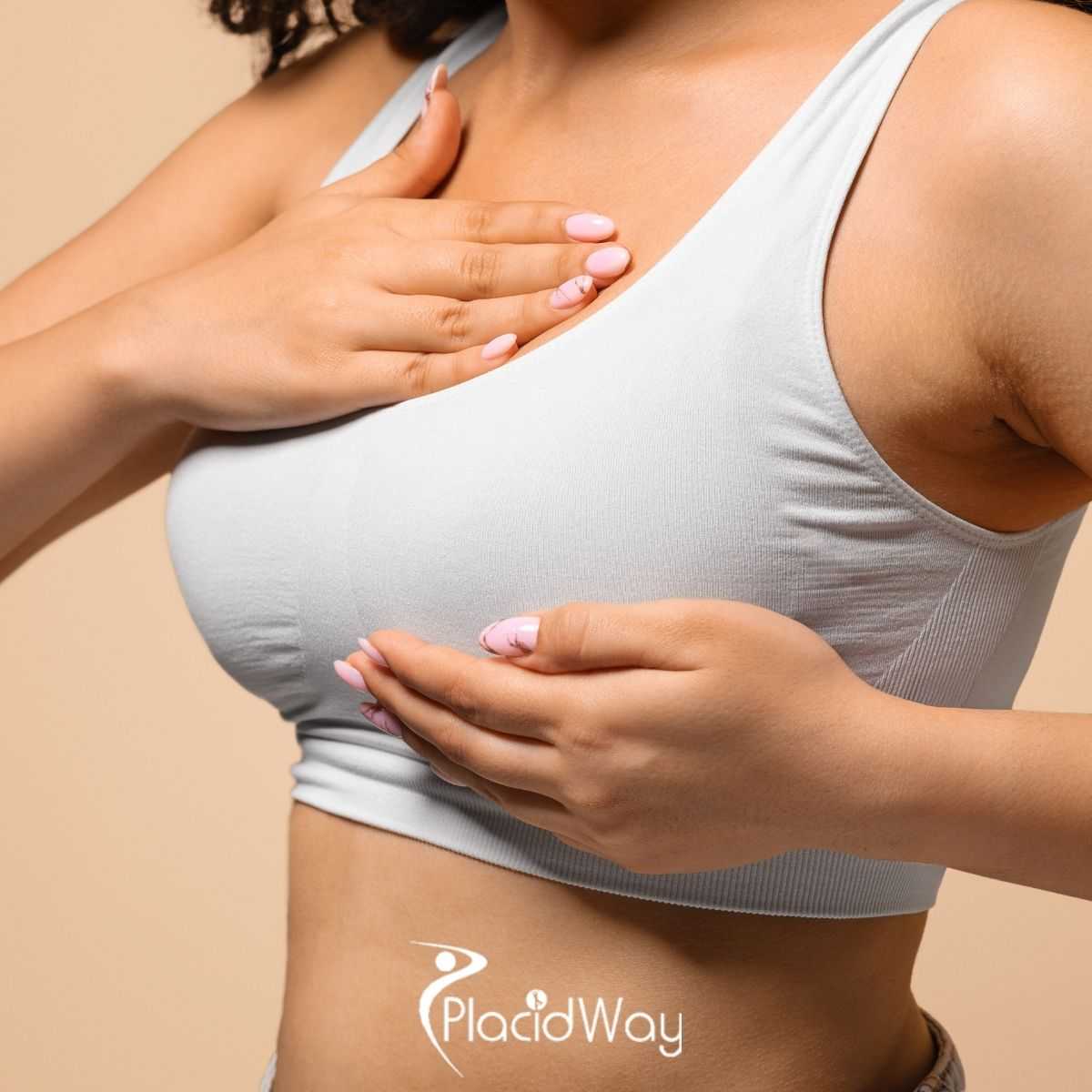
Many patients choose to pair an abdominoplasty with breast surgeries (like a lift or augmentation) or targeted liposuction. This combination is widely known as a Mommy Makeover. The primary benefit of combining surgeries is undergoing anesthesia only once and consolidating the recovery downtime into a single period, rather than taking multiple extended absences from work.
However, grouping multiple procedures together extends the duration of the surgery. Prolonged time under anesthesia can increase the risk of complications such as deep vein thrombosis or respiratory issues. Furthermore, recovering from multiple surgical sites simultaneously places a heavier burden on your body's healing capacity and makes finding a comfortable resting position more challenging.
Your surgeon will evaluate your overall health, age, and physical condition to determine if combining treatments is medically advisable in your specific case.
How long should I stay in Mexico after my surgery
Staying in the destination city allows your surgical team to monitor your initial healing phase closely. During this critical window, you will attend one or more follow-up appointments where the surgeon will check your incisions for signs of infection, evaluate fluid drainage, and eventually remove any surgical drains or external sutures.
Attempting to fly or endure a long car ride too soon after major abdominal surgery is highly discouraged. Extended travel forces you into a cramped, seated position, which not only puts painful pressure on your new incisions but severely restricts leg circulation, elevating the risk of blood clots.
Patients should budget for accommodations during this recovery period. Booking a comfortable, quiet hotel or recovery house that limits the need to climb stairs can make this crucial resting period much more manageable.
Why is medical tourism in Guadalajara so popular
As Mexico’s second-largest city, Guadalajara has developed a strong infrastructure for international healthcare. The city hosts numerous modern clinics and hospitals equipped with up-to-date medical technology. Many of the practicing plastic surgeons frequently attend international medical conferences and maintain memberships in global aesthetic societies.
The primary driver for medical tourism in Guadalajara remains the financial difference. Lower operating costs and differences in the local economy allow clinics to offer procedures at a fraction of the price seen in the United States or Canada, often without compromising on the standard of facility care.
Additionally, the city's international airport provides direct and relatively short flights from many major North American hubs, making travel logistics simpler for patients seeking care abroad.
How do I maintain my results after returning home
While the skin and fat cells removed during the surgery are gone permanently, the remaining fat cells in your abdomen can still expand if you consume more calories than you burn. Significant weight gain can stretch the skin again and strain the internally repaired muscles, potentially undoing the cosmetic benefits of the surgery.
Once your surgeon clears you for physical activity—usually after a few months—incorporating core-strengthening exercises can help support your newly tightened abdominal wall. Prioritizing nutrient-dense foods and adequate hydration also supports long-term skin elasticity and overall cellular health.
Finally, patients must establish a relationship with a local primary care physician or specialist upon returning home. Having a local doctor who is aware of your recent surgery ensures you have immediate access to medical care should any delayed complications arise weeks or months later.
Why Choose PlacidWay for Medical Tourism?
PlacidWay assists patients in researching international healthcare options by providing access to information regarding clinics worldwide.
Global Network
Provides access to a diverse directory of healthcare providers and international medical centers.
Cost Comparisons
Allows patients to review and compare estimated treatment costs across different geographical regions.
Educational Resources
Offers articles, guides, and patient resources to help individuals explore treatments abroad.
Direct Connection
Facilitates initial communication between patients and international medical facilities.
Informed Decisions
Helps individuals gather necessary details to make their own informed healthcare choices.
Frequently Asked Questions
Does a tummy tuck help with weight loss?
No, a tummy tuck is a body contouring procedure, not a weight-loss method. It is designed to remove excess skin and stubborn fat pockets that remain after significant weight loss or pregnancy. Patients should be close to their ideal body weight before undergoing surgery.
Are the results of a tummy tuck permanent?
The removal of excess skin and fat cells is permanent, and tightened muscles typically remain secure. However, significant weight fluctuations, aging, or future pregnancies can stretch the abdominal tissue again, potentially altering your surgical results.
Can I get pregnant after having abdominoplasty?
While it is physically possible and generally safe to become pregnant after a tummy tuck, most surgeons recommend waiting until you are finished having children. Pregnancy will stretch the abdominal muscles and skin, which can reverse the cosmetic benefits of your surgery.
Will insurance cover my surgery in Mexico?
Standard health insurance rarely covers abdominoplasty, as it is usually considered an elective cosmetic procedure. In rare cases where the excess skin causes documented medical issues like chronic rashes or infections, some domestic coverage might apply, but this rarely extends to international treatments.
How noticeable will my scars be?
A standard tummy tuck requires a horizontal incision across the lower abdomen, which leaves a permanent scar. Surgeons typically place this incision low enough to be hidden by most underwear or bikini bottoms. The scar will appear red initially but usually fades over 12 to 18 months.
What is the difference between a full and mini tummy tuck?
A full tummy tuck addresses the entire abdominal area above and below the belly button, often repositioning the navel. A mini tummy tuck requires a smaller incision, does not move the belly button, and only targets excess skin and minor muscle laxity strictly below the navel.
Is it safe to fly after abdominal surgery?
Flying immediately after major surgery increases the risk of deep vein thrombosis (blood clots). Most surgeons require patients to stay in the destination city for at least 7 to 14 days before flying home, and recommend wearing compression socks and moving frequently during the flight.
What type of anesthesia is used for this procedure?
A full abdominoplasty is typically performed under general anesthesia, meaning you will be completely asleep and pain-free during the operation. In some minor cases, intravenous sedation combined with local anesthesia may be used, though this is less common.
Will I need drains after my surgery?
Many surgeons use small, temporary drainage tubes placed under the skin to prevent fluid buildup (seroma) during the first few days of recovery. If used, these drains are typically removed at your post-operative appointment before you travel home.
How soon can I resume exercising?
Light walking is encouraged immediately to promote circulation. However, strenuous exercise, heavy lifting, and abdominal workouts must be strictly avoided for at least 6 to 8 weeks to allow the internal muscle repairs and external incisions to heal properly.
Compare Treatment Options
Gather more information about facilities, estimated costs, and international providers to help make an informed choice for your care.
Request Treatment InformationReferences
- Tummy Tuck Procedure Information – American Society of Plastic Surgeons (ASPS)
- Tummy Tuck: About the Procedure – Mayo Clinic
- Medical Tourism Guidelines and Safety – Centers for Disease Control and Prevention (CDC)
- Abdominoplasty (Tummy Tuck) Recovery and Risks – Cleveland Clinic
- Patient Information on Abdominoplasty – International Society of Aesthetic Plastic Surgery (ISAPS)
- Information on Cosmetic Surgery and Devices – U.S. Food and Drug Administration (FDA)
- Complications and Safety in Abdominoplasty – National Institutes of Health (NIH)




















Share this listing