Verslavingsbehandeling in Spanje

Publicatiedatum: Nov 06, 2024 Gewijzigde datum: Mar 19, 2026 Medisch beoordeeld door: Dr. Hector Mendoza on Mar 19, 2026 Auteur: Iqra Naseer

Ervaring Prijs

$23,649 Prijs vanaf
Verslavingsbehandeling in Spanje

Inhoud

Spanje is uitgegroeid tot de belangrijkste bestemming in Europa voor de behandeling van verslavingen, met een krachtige combinatie van klinische excellentie, holistische zorg en een therapeutische omgeving. Afkickklinieken in regio's als Marbella, Ibiza en Alicante staan bekend om hun luxe faciliteiten die meer weg hebben van privéretraites dan van ziekenhuizen. Ze trekken internationale cliënten aan die op zoek zijn naar privacy en hoogwaardige zorg voor drugs-, alcohol- en gedragsverslavingen.

Behandelprogramma's in Spanje zijn zeer gepersonaliseerd. Ze integreren evidence-based psychotherapieën (CGT, DBT) met holistische methoden zoals mindfulness, yoga en paardentherapie. Deze "holistische" benadering pakt niet alleen de verslaving aan, maar ook de onderliggende psychische problemen (dubbele diagnose) zoals angst, depressie of trauma.

Het zonnige mediterrane klimaat speelt een cruciale rol in het herstel, doordat het buitenactiviteiten mogelijk maakt en de opname van vitamine D bevordert, wat op natuurlijke wijze de stemming verbetert en het fysieke herstel ondersteunt. Bovendien zijn de kosten van luxe revalidatie in Spanje aanzienlijk lager dan die van vergelijkbare hoogwaardige faciliteiten in het Verenigd Koninkrijk, Zwitserland of de Verenigde Staten.

Of je nu een medische detox nodig hebt of een langdurig residentieel programma, Spanje biedt een discrete, zorgzame en effectieve weg naar nuchterheid.

!

Wist je dat?

Spanje is een pionier op het gebied van het "therapeutische gemeenschap"-model, maar heeft dit verder ontwikkeld voor de moderne tijd. Veel luxe afkickklinieken in Spanje werken met een zeer lage cliënt-personeelsratio, waarbij soms slechts één of een handvol cliënten tegelijk worden opgenomen (afkickklinieken voor één cliënt). Dit garandeert 100% focus op het individu, waardoor de kans op succes op lange termijn wordt gemaximaliseerd.

Belangrijkste inzichten in één oogopslag

1
Privacy en luxe:

De centra bieden discrete, luxe accommodaties met zwembaden, fitnessruimtes en privésuites.

2
Kosteneffectief:

Luxe revalidatieprogramma's kosten 30-50% minder dan vergelijkbare standaardprogramma's in het Verenigd Koninkrijk of de Verenigde Staten.

3
Dubbele diagnose:

Deskundige psychiatrische zorg is beschikbaar voor de behandeling van psychische stoornissen die samengaan met verslaving.

4
Engelssprekend:

Het personeel spreekt vloeiend Engels en velen zijn expats, waardoor er geen communicatieproblemen zijn.

5
Holistische therapieën:

Toegang tot kunsttherapie, meditatie, fitnesstraining en voedingsadvies voor een complete genezing.

6
Nazorgondersteuning:

Uitgebreide nazorgplanning en online therapiesessies om terugval na thuiskomst te voorkomen.

Het vinden van de juiste omgeving voor herstel is cruciaal. In het onderstaande gedeelte hebben we een lijst samengesteld van hoogwaardige revalidatiecentra in Marbella, Ibiza en Alicante die uitgebreide behandelpakketten aanbieden. Deze pakketten omvatten doorgaans medische detox (indien nodig), psychiatrische beoordeling, individuele en groepstherapie, luxe accommodatie, volpension (maaltijden bereid door een chef-kok) en recreatieve activiteiten. Bekijk de opties om een programma te vinden dat aansluit bij uw herstelbehoeften.

Let op: de meeste pakketten zijn flexibel en variëren van intensieve programma's van 28 dagen tot langdurige zorgplannen van 3 maanden.

`

Inzicht in de financiële verplichtingen is belangrijk. De onderstaande tabel geeft een transparant overzicht van de gemiddelde kosten voor klinische revalidatie in Spanje, vergeleken met de prijzen in het Verenigd Koninkrijk en de Verenigde Staten. Spanje biedt hoogwaardige faciliteiten tegen een prijs die langdurige behandeling toegankelijker maakt, wat essentieel is voor een duurzaam herstel.

Tip: Een luxe residentieel behandelprogramma van 28 dagen in Spanje kost doorgaans tussen de €7.000 en €15.000 . Ultra-luxe afkickklinieken voor één cliënt zijn duurder.

Addiction Treatment Centra Kostenvergelijking in Spain

Aanbieder Procedure Prijs
Revelia Recovery Center Addiction Treatment, Addiction Treatment $5850

Addiction Treatment Kostenvergelijking in Spain

Land Procedure Prijs
United States Addiction Treatment, Addiction Treatment $50000

Uw herstel hangt af van de expertise van het behandelteam. We hebben een lijst samengesteld van vooraanstaande afkickklinieken in Spanje die bekend staan om hun specialisatie in verslavingszorg en geestelijke gezondheidszorg. Deze klinieken zijn geselecteerd op basis van hun vergunningen, de kwalificaties van hun medisch personeel en hun hoge slagingspercentages. Bekijk de onderstaande profielen voor meer informatie over hun specifieke behandelmethoden (12-stappenprogramma, niet-12-stappenprogramma, enz.) en faciliteiten.

Standaard: Zoek naar centra die 24/7 medische ondersteuning bieden tijdens de ontgiftingsfase.

Het horen van verhalen van mensen die herstellende zijn, kan hoop en geruststelling bieden. De onderstaande videogetuigenissen laten echte verhalen zien van mensen die nuchter zijn geworden door behandeling in Spanje. Bekijk deze video's om meer te horen over hun persoonlijke transformatie, de ondersteunende gemeenschap en de effectiviteit van de therapie die ze hebben ontvangen.

Inzicht: Patiënten geven vaak aan dat de serene omgeving en de afstand tot hun 'triggers' thuis belangrijke factoren zijn voor hun succes.

Patiëntrecensies geven een eerlijk beeld van de kwaliteit van de zorg. In deze sectie vindt u geverifieerde recensies en beoordelingen van oud-patiënten die een revalidatieprogramma in Spanje hebben gevolgd. Lees hun feedback over het therapeutisch personeel, de accommodatie en de nazorg om u te helpen bij uw eigen keuze voor een geschikte instelling.

Reviewtip: Zoek naar reviews waarin melding wordt gemaakt van langdurige abstinentie (1 jaar of langer) om de blijvende impact van het programma te beoordelen.

1. Is een afkickkliniek in Spanje veilig?

Ja. Spanje heeft een streng gereguleerd gezondheidszorgsysteem. Particuliere revalidatiecentra moeten een vergunning hebben van de lokale gezondheidsautoriteiten. Ze hebben gekwalificeerde psychiaters, artsen en verpleegkundigen in dienst. Spanje is een veilig en stabiel land binnen de EU.

2. Hoeveel kost het?

Een residentieel programma van 28 dagen kost doorgaans tussen de €7.000 en €15.000, afhankelijk van het luxe- en exclusiviteitsniveau. Ultra-exclusieve programma's voor één cliënt kunnen aanzienlijk duurder zijn. Standaard luxe rehabilitatie is echter veel goedkoper dan in de VS/VK.

3 Welke verslavingen worden behandeld?

De centra behandelen een breed scala aan verslavingen, waaronder alcohol-, drugs- (cocaïne, opioïden, voorgeschreven medicijnen) en gedragsverslavingen (gokken, seks, gamen). Ze zijn ook gespecialiseerd in dubbele diagnose (behandeling van verslaving in combinatie met depressie, angststoornis of PTSS).

4. Hoe lang moet ik blijven?

Het aanbevolen minimumverblijf is doorgaans 28 dagen , om ontgifting en de eerste therapie mogelijk te maken. Langere verblijven van 60 tot 90 dagen worden echter vaak aanbevolen voor betere resultaten op de lange termijn en om nieuwe gewoonten te verankeren.

5. Is ontgifting inbegrepen?

Ja. De meeste klinische behandelprogramma's omvatten een medisch begeleide ontgifting als eerste fase van de behandeling. Dit zorgt ervoor dat de ontwenningsverschijnselen veilig en comfortabel worden opgevangen met 24/7 verpleegkundige zorg voordat de psychologische therapie begint.

6. Kan ik een privékamer krijgen?

Ja. Luxe afkickklinieken in Spanje bieden doorgaans standaard privékamers met eigen badkamer. Sommige ultraluxe centra bieden zelfs privévilla's of -appartementen voor volledige afzondering en privacy.

7. Spreekt het personeel Engels?

Ja. De beste internationale revalidatiecentra in Spanje werken volledig in het Engels. Het therapeutisch team bestaat uit moedertaalsprekers van het Engels of vloeiend tweetalige professionals. Communicatie zal geen probleem opleveren.

8 Hoe zit het met de nazorg?

Nazorg is cruciaal. De meeste centra bieden een uitgebreid nazorgplan aan, dat onderdeel uitmaakt van het pakket en online therapiesessies, regelmatige contactmomenten en ondersteuningsgroepen voor oud-cliënten kan omvatten, gedurende enkele maanden tot een jaar na ontslag.

9. Mag ik mijn telefoon/laptop gebruiken?

Het beleid verschilt per instelling. Sommige afkickklinieken voor leidinggevenden staan volledige toegang tot elektronische apparaten toe, zodat u kunt werken. Andere klinieken beperken het gebruik, vooral in het begin, om u te helpen zich op uw herstel te concentreren. Controleer het specifieke beleid van de kliniek die u overweegt.

10 Heb ik een visum nodig?

Spanje is lid van de EU. Burgers van de VS, het VK, Canada en Australië hebben geen visum nodig voor een verblijf van maximaal 90 dagen. Controleer altijd de actuele inreisvereisten.

What is the Success Rate of Rehab in Spain?

The success rate of rehab in Spain typically aligns with global averages, where 40% to 60% of patients maintain long-term recovery after comprehensive inpatient treatment. Individual success relies heavily on aftercare and personal commitment. Deciding to seek help for substance use or behavioral addiction is a significant and often difficult step. When considering rehab in Spain, patients frequently ask about the likelihood of achieving lasting sobriety. The truth about addiction recovery is that it rarely follows a straight line. Like managing any chronic health condition, maintaining recovery requires ongoing effort, lifestyle adjustments, and professional support long after a residential program ends. Spain has emerged as a preferred destination for individuals seeking recovery away from their everyday triggers. The country offers a blend of pleasant climates, high medical standards, and facilities that cater to international patients. However, a beautiful environment alone does not cure addiction. Understanding how recovery outcomes are measured and what factors influence your journey is essential for setting realistic expectations and preparing for life after treatment. Key Takeaways Success is usually defined by sustained abstinence, improved mental health, and better social functioning. Longer treatment durations (often 90 days or more) generally correlate with better long-term recovery outcomes. Treating co-occurring mental health disorders (dual diagnosis) is critical for preventing relapse. Aftercare planning and continuity of care back home are just as important as the primary residential program. Spain provides numerous internationally accredited facilities known for privacy and holistic therapies. How is rehab success actually measured? Success in addiction treatment is usually measured by a person's ability to abstain from substance use, improve their physical and mental health, and safely reintegrate into daily life. Many people mistakenly believe that completing a 30-day program equals an instant, lifelong cure. In reality, medical professionals evaluate the success of addiction treatment similarly to how they evaluate treatments for chronic diseases like asthma, hypertension, or type 2 diabetes. The goal is long-term management and an improved quality of life. According to organizations like the National Institute on Drug Abuse (NIDA), relapse rates for substance use disorders are estimated to be between 40% and 60%. These figures do not mean treatment failed; rather, they indicate that the individual's treatment plan needs to be reinstated, adjusted, or that an alternate treatment is required. When measuring the true efficacy of a program, clinicians look for a reduction in substance use, fewer legal or occupational problems, and better relationships with family and friends. What factors influence the success rate of addiction treatment? Key factors include the duration of treatment, the presence of a strong aftercare plan, individual motivation, and whether co-occurring mental health disorders are addressed. Recovery is highly individualized, and what works for one person may not work for another. However, decades of clinical research have identified several pillars that heavily influence long-term sobriety: Treatment Duration: Brief interventions or detox-only protocols rarely provide enough time for the brain to heal from chemical dependency. Customized Care Plans: Cookie-cutter approaches are less effective than programs tailored to an individual’s specific psychological profile, trauma history, and substance of choice. Therapeutic Alliance: The level of trust and communication between the patient and their counselors can significantly impact emotional breakthroughs. Family Support: Patients returning to a stable, supportive, and educated family environment face a lower risk of relapse. Post-Rehab Support: Transitioning from a highly structured clinic to everyday life is dangerous without a safety net of ongoing therapy and support groups. Why do international patients choose Spain for rehab? Many patients seek a change of scenery to distance themselves from triggers, drawn by Spain's favorable climate, strict privacy laws, and internationally accredited facilities. Traveling abroad for healthcare, commonly known as medical tourism in Spain, has grown significantly for behavioral health and addiction treatment. Removing oneself from familiar surroundings—and the people, places, and stressors associated with substance use—can provide the mental space needed to focus entirely on healing. Spain offers a tranquil environment that many find conducive to recovery, especially in coastal regions or countryside retreats. Beyond the setting, the country features modern medical infrastructure. Many centers cater specifically to expatriates and international travelers, offering therapies conducted entirely in English or other European languages. This ensures that language barriers do not hinder the deep psychological work required during therapy sessions. What types of addiction treatments are available in Spain? Facilities generally offer comprehensive care ranging from supervised medical detox to residential inpatient programs and structured intensive outpatient care. Treatment usually follows a phased approach to ensure safety and long-term efficacy. The first step is often medically supervised detoxification, which is critical for substances that cause severe physical withdrawal symptoms, such as alcohol or opioids. Attempting detox without medical oversight can be dangerous and increases the likelihood of an immediate relapse. Following detox, patients typically enter the residential phase, which involves intense daily therapy. Evidence-based practices such as Cognitive Behavioral Therapy (CBT), Dialectical Behavior Therapy (DBT), and Motivational Interviewing (MI) form the core of most programs. Many centers also blend these traditional psychiatric approaches with holistic therapies—like mindfulness training, nutritional counseling, and fitness programs—to heal the body alongside the mind. How long does a successful rehab program take? While programs typically last 28, 60, or 90 days, research indicates that longer treatment durations—often 90 days or more—yield better long-term recovery outcomes. One of the most common misconceptions is that a quick stint in rehab will reset a person's habits permanently. Addiction physically alters brain chemistry, affecting areas responsible for reward, motivation, and impulse control. It takes time for the brain to rewire itself and for neuroplasticity to take effect in a sober state. While a 28-day program might be sufficient to manage acute withdrawal and introduce coping mechanisms, it is rarely enough to unlearn years of destructive behavior. Extended care programs provide a safer buffer zone, allowing patients to practice their new coping skills in a controlled environment before facing the unscripted challenges of the real world. Clinicians typically recommend a continuum of care that spans several months, stepping down gradually from inpatient to outpatient status. What role does dual diagnosis treatment play in recovery outcomes? Treating underlying mental health conditions alongside substance use disorders significantly reduces the risk of relapse and improves overall treatment efficacy. It is incredibly common for addiction to co-occur with mental health disorders such as severe anxiety, major depression, bipolar disorder, or post-traumatic stress disorder (PTSD). Often, substance use begins as a way to self-medicate these uncomfortable psychological symptoms. If a treatment program only addresses the substance use but ignores the underlying depression or trauma, the patient remains highly vulnerable to relapse once they encounter distress. A dual diagnosis approach utilizes a psychiatric evaluation to identify these underlying conditions upon admission. The treatment team then creates a unified care plan that manages both illnesses simultaneously. This might involve psychiatric medication, specialized trauma therapies like EMDR (Eye Movement Desensitization and Reprocessing), and targeted counseling. Does the cost of treatment impact the quality of care? While a higher price tag does not automatically guarantee better outcomes, adequate funding ensures clinics can provide comprehensive medical care, experienced staff, and lower patient-to-staff ratios. When evaluating the rehab cost in Spain, international patients often find that programs offer substantial value compared to similar luxury or private facilities in the United States or the United Kingdom. However, it is vital to look beyond the superficial amenities. A center with a swimming pool and gourmet chef may be comfortable, but clinical excellence is what drives recovery success. Higher costs often reflect the presence of full-time, highly credentialed medical staff, lower patient-to-therapist ratios, and a wider variety of therapeutic modalities. Patients and families should evaluate a facility based on its clinical accreditations, the credentials of its psychiatric team, and its adherence to evidence-based medical guidelines rather than relying on price alone as a measure of quality. What happens if a relapse occurs after treatment? A relapse is typically seen as a signal that the treatment plan needs adjustment, rather than a total failure of the individual or the recovery process. Fear of relapse causes immense anxiety for both patients and their families. It is crucial to understand that relapse is a common feature of addiction recovery. If a patient with asthma experiences an attack, they adjust their medication and environmental triggers; they do not assume the previous medical care was a failure. Addiction requires a similar mindset. If a slip occurs, the immediate goal is to prevent it from spiraling into a full return to active addiction. Having a solid relapse prevention plan—crafted before leaving the facility—is essential. This plan should include emergency contacts, an agreement to return to a support group immediately, and scheduled check-ins with a therapist or sponsor. Addressing the relapse promptly can turn it into a learning experience that strengthens future sobriety. How can I ensure continuity of care after returning home? Successful transition requires a robust aftercare plan, including regular virtual therapy, engagement with local support groups, and ongoing psychiatric check-ins. The true test of any rehab program begins on the day of discharge. Leaving the structured, supportive environment of a rehab clinic in Spain to return to daily life can be jarring. Continuity of care is the bridge that helps individuals maintain their newfound habits. Before completing treatment, the clinical team should collaborate with the patient to establish an aftercare strategy. This typically involves setting up appointments with a local therapist or psychiatrist in the patient's home country. Many international rehabs also offer alumni programs and ongoing virtual counseling sessions for several months post-discharge. Engaging with local support systems—such as Alcoholics Anonymous, SMART Recovery, or similar community groups—provides the vital peer support needed to navigate the challenges of early sobriety. Why Choose PlacidWay for Medical Tourism in Spain? Navigating the vast array of international healthcare options can be overwhelming, particularly when dealing with sensitive behavioral health needs. PlacidWay serves as a resource for patients exploring medical travel. Educational Resources: Provides factual information about treatment methods, facility accreditations, and destination healthcare standards. Global Network: Connects patients with a wide directory of internationally accredited medical centers and specialized clinics. Comparative Tools: Allows individuals and families to compare different programs, environments, and specialized care options across Spain and globally. Direct Connections: Facilitates direct communication between patients and clinical admission teams to discuss medical histories and customized care needs. Non-Pressuring Environment: Encourages patients to thoroughly research and evaluate their healthcare options at their own pace before making a commitment. Frequently Asked Questions Is inpatient or outpatient rehab more successful in Spain? Inpatient treatment generally shows higher initial success rates for severe substance use disorders because it removes the individual from their usual triggers and provides 24-hour medical and psychological support. Outpatient rehab can be effective for milder dependencies or as a step-down transition after completing an inpatient program. Do Spanish rehab centers offer English-speaking programs? Yes, many facilities catering to international patients provide therapy, medical consultations, and support group meetings entirely in English. It is important to confirm the primary language of the clinical staff before enrolling to ensure clear communication during therapy sessions. Are family members involved in the recovery process? Family involvement is strongly encouraged by many programs, as a supportive home environment improves long-term outcomes. Many centers offer virtual family therapy sessions, educational workshops, and mediation to help heal relationships impacted by addiction. Can I undergo medical detox in Spain? Yes, comprehensive treatment centers usually provide medically supervised detoxification. This process manages withdrawal symptoms safely with medication and 24-hour monitoring before the patient transitions into the therapeutic phase of rehab. Do Spanish clinics treat behavioral addictions alongside substance abuse? Many modern treatment facilities address behavioral addictions—such as gambling, gaming, or compulsive internet use—often using the same evidence-based psychological therapies that prove effective for chemical dependencies. Are alternative therapies used to improve rehab success rates? Alongside traditional psychotherapy, many centers incorporate holistic approaches like mindfulness, yoga, art therapy, and equine therapy. While these do not replace medical treatment, they can reduce stress and help patients develop healthier coping mechanisms. Will my privacy be protected during treatment abroad? Spain has strict data protection laws (GDPR) that mandate medical confidentiality. Additionally, many international facilities are situated in secluded, private estates specifically designed to shield patients from public view and media attention. How do I prepare for traveling to Spain for rehab? Preparation involves consulting your local physician for travel clearance, organizing medical records, arranging a sober travel companion if necessary, and working with the destination facility to handle admissions paperwork before you arrive. What qualifications should I look for in a Spanish rehab center? Look for facilities accredited by recognized health organizations, staffed by licensed psychiatrists, clinical psychologists, and certified addiction counselors. Evidence of adherence to international medical protocols is a strong indicator of quality care. How quickly can I be admitted to a facility in Spain? Admission timelines vary, but private international centers often expedite the intake process for individuals in crisis. Once medical records are reviewed and financial arrangements are made, admission can sometimes occur within a few days. Explore Your Recovery Options Review accredited facilities, compare treatment programs, and gather the information you need to make an informed decision about your healthcare journey. Request Treatment Information References Treatment and Recovery – National Institute on Drug Abuse (NIDA) Drugs (Psychoactive) – World Health Organization (WHO) Recovery and Recovery Support – Substance Abuse and Mental Health Services Administration (SAMHSA) Treatment Guidelines – European Monitoring Centre for Drugs and Drug Addiction (EMCDDA) Clinical Guidelines – American Society of Addiction Medicine (ASAM) Dual Diagnosis and Treatment Outcomes – National Center for Biotechnology Information (NCBI) Medical Disclaimer: The information provided in this article is for educational and informational purposes only and does not constitute professional medical advice, diagnosis, or treatment. Addiction and recovery are highly individualized, and success rates, outcomes, and risks vary by patient. Always seek the advice of your physician, psychiatrist, or other qualified healthcare provider regarding a medical condition or addiction treatment. Never disregard professional medical advice or delay in seeking it because of something you have read here.

Uw herstel wordt begeleid door experts. We hebben een lijst samengesteld van vooraanstaande verslavingsspecialisten in Spanje met uitgebreide ervaring in klinische psychologie en psychiatrie. Deze profielen belichten hun kwalificaties, therapeutische aanpak en toewijding aan de patiëntenzorg.

1

Consultatiepsychiaters

Experts in dubbele diagnose

Onze vermelde centra worden geleid door gecertificeerde psychiaters die gespecialiseerd zijn in verslavingsgeneeskunde. Zij begeleiden het medische ontgiftingsproces en diagnosticeren/behandelen bijkomende psychische aandoeningen, waardoor een veilig en medisch verantwoord herstel wordt gewaarborgd.

2

Klinische psychologen

Therapie en gedragsgezondheid

Ervaren psychologen bieden kerntherapieën aan zoals CBT, DBT en EMDR. Ze werken nauw samen met patiënten om de onderliggende oorzaken van verslaving te achterhalen, copingmechanismen te ontwikkelen en de weerbaarheid tegen terugval te vergroten.

3

Holistische therapeuten

Geest, lichaam en ziel

Complementaire therapeuten op het gebied van yoga, mindfulness, kunsttherapie en voeding spelen een essentiële rol. Ze helpen patiënten hun fysieke gezondheid en emotioneel welzijn te herstellen en bieden handvatten voor een evenwichtig, verslavingsvrij leven.

1

Ideale omgeving

Het rustige, zonnige klimaat heeft een heilzame werking op de gezondheid. Doordat patiënten niet thuis zijn en daardoor minder snel triggers ervaren, kunnen ze zich volledig op hun herstel richten.

De omgeving voelt aan als een toevluchtsoord, waardoor het stigma dat vaak met afkickklinieken gepaard gaat, wordt verminderd.

2

Uitstekende kwaliteit en waarde

Spanje biedt eersteklas medische zorg in luxe faciliteiten tegen lagere kosten dan Noord-Europa of de VS.

Patiënten krijgen meer waar voor hun geld, waaronder langere verblijven en betere voorzieningen.

3

Gemakkelijke toegankelijkheid

Spanje is goed bereikbaar met korte vluchten vanuit heel Europa en directe verbindingen vanaf belangrijke internationale luchthavens.

Dit maakt het gemakkelijk voor patiënten om aan te komen en voor familieleden om, indien gewenst, op bezoek te komen.

De eerste stap naar herstel zetten is het moeilijkst. PlacidWay is uw vertrouwelijke partner en brengt u in contact met de beste afkickklinieken in Spanje. Wij regelen de screening, de communicatie en de logistiek om een veilig en ondersteunend opnameproces te garanderen.

Centrumverificatie

Wij werken uitsluitend samen met erkende, geaccrediteerde revalidatiecentra die voldoen aan hoge klinische normen en een bewezen staat van dienst hebben.

Vertrouwelijke beoordeling

We faciliteren een vertrouwelijk intakegesprek met het opnameteam van het centrum om het beste behandelplan voor uw specifieke behoeften vast te stellen.

Transparante citaten

Wij bieden duidelijke, allesomvattende offertes aan waarin de kosten van het programma, de accommodatie en eventuele aanvullende therapieën worden gespecificeerd.

Reislogistiek

Van het regelen van luchthaventransfers tot het afstemmen van toegangsdata, wij helpen u met de praktische details van uw reis.

Gezinsondersteuning

We kunnen helpen bij het regelen van accommodatie en andere voorzieningen voor familieleden die willen deelnemen aan gezinstherapieweken of op bezoek willen komen.

Patiëntenbelangenbehartiging

Ons team staat tijdens uw hele verblijf voor u klaar om u te ondersteunen en ervoor te zorgen dat aan uw behoeften wordt voldaan en dat u de best mogelijke zorg ontvangt.

Begin uw reis naar vrijheid. Neem vandaag nog contact op met PlacidWay voor een gratis en vertrouwelijk gesprek en ontdek uw herstelmogelijkheden in Spanje.

Ontvang uw gratis gepersonaliseerde offerte
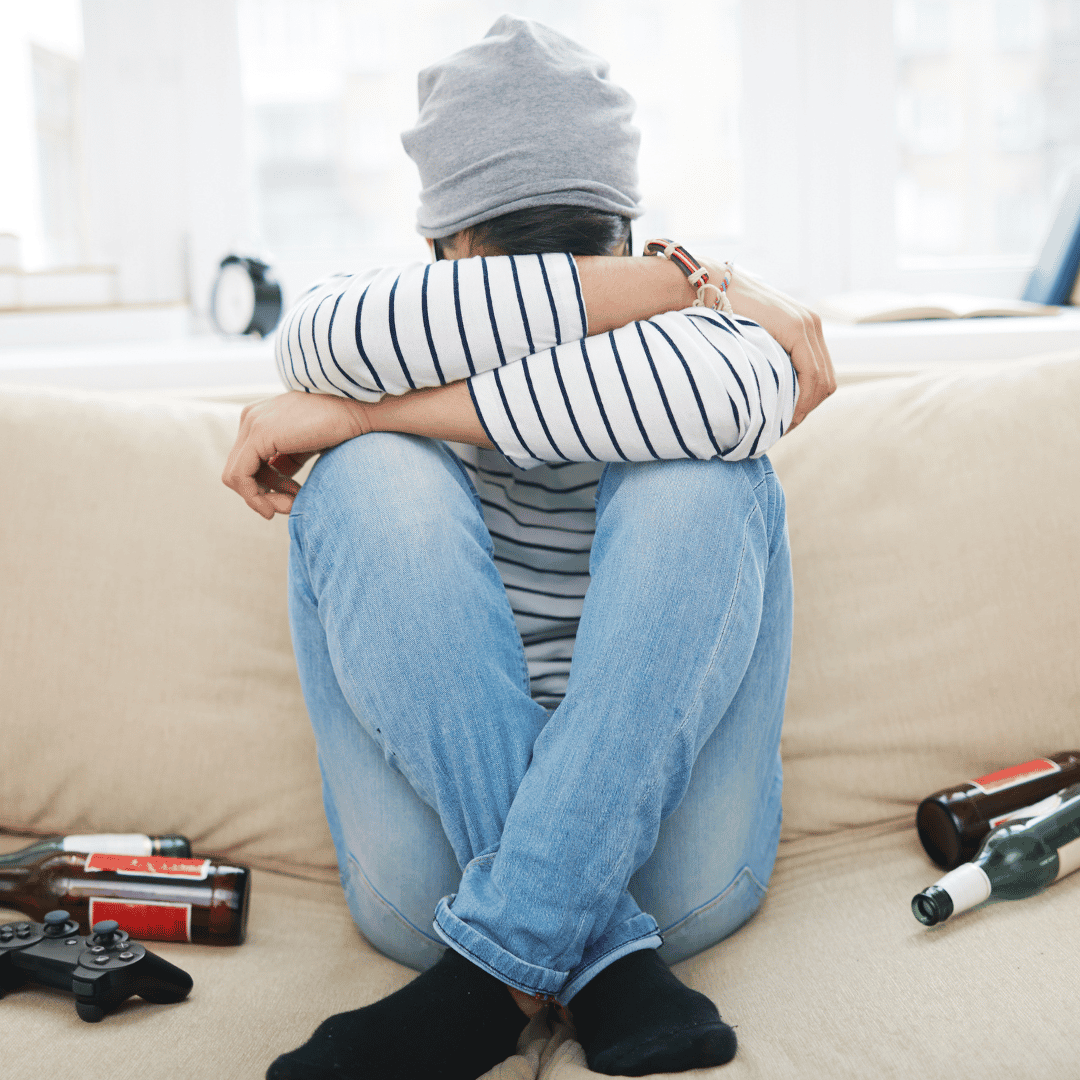
Verslavingsbehandeling in Spanje thumbnail

Over Ervaring

  • Vertalingen: EN ES FR IT NL
  • Prijsklasse: $23,649 - $24,000
  • Behandeling: Addiction Treatment
  • Locatie: Spain
  • Klinieken: Sea Recovery, Satori Recovery, Revelia Recovery Center,
  • Pakketten Cocaine Addiction Treatment Package in Malaga, Spain by Satori Recovery, Drug Addiction Treatment Package in Malaga, Spain by Satori Recovery, Gambling Addiction Treatment Package in Malaga, Spain by Satori Recovery, Depression Treatment Package in Malaga, Spain by Satori Recovery, Fentanyl Addiction Treatment Package in Malaga, Spain by Satori Recovery, Heroin Addiction Treatment Package in Malaga, Spain by Satori Recovery,
  • Overzicht Verbeter je levenskwaliteit met een behandeling voor drugsverslaving in Spanje.

Trusted Medical Tourism Platform Since 2007

60+
Countries
2k+
Clinics
19.5k+
Reviews
2.5k+
Qualified Doctors
1.1M+
Patients Served Since 2007