
.png)
Contents
Feeling tired, noticing more wrinkles, or struggling with low energy as you age? You're not alone. Many people in the U.S. and Canada are looking for real solutions to feel younger and look better—but anti-aging treatments at home can be expensive and out of reach. That’s why more and more are heading to Mexico for stem cell therapy, a modern treatment that’s helping people slow down aging and feel like themselves again.
Let's delve into the advantages of Anti Aging Stem Cells Treatment in Mexico, explore the standard of care, and see how these options compare to other international destinations. We will also discuss patient perspectives and the broader healthcare infrastructure. Join us as we uncover more about longevity treatment Mexico, sharing valuable insights on potential costs, leading clinics, and patient testimonials!
Key Information at a Glance
Aging can lead to a variety of issues, from reduced energy levels and joint pain to visible signs of decline. Stem cell anti aging Mexico treatment is a pioneering regenerative medicine approach that harnesses the body's intrinsic healing capabilities to repair and restore damaged tissues. Mexico has established itself as a key destination for advanced medical treatments, presenting promising avenues for patients seeking state-of-the-art anti aging therapy Mexico.
Regenerative medicine has transformed how we approach treating numerous ailments by harnessing the body's natural repair mechanisms to combat cellular damage. Among the various regenerative techniques, stem cells treatment in Mexico stands out as a highly personalized and powerful method for addressing a wide range of conditions. This comprehensive guide will explore wellness stem cell Mexico, covering its principles, benefits, associated costs, and what patients can anticipate during their longevity treatment Mexico journey.
What is Anti Aging Stem Cell Treatment?
Anti aging stem cell treatment involves the use of specialized cells, known as stem cells, which have the unique ability to develop into different cell types and regenerate damaged tissues. These cells are either harvested from the patient's own body (autologous) or from a donor (allogeneic), processed, and then introduced into the body to promote healing, reduce inflammation, and combat the signs of aging.
Stem cell anti aging Mexico is a form of regenerative medicine. Unlike conventional treatments that often focus on managing symptoms, this therapy aims to address the root cause of age-related issues by stimulating the body's natural repair processes. The procedure typically begins with the collection of stem cells, often from adipose (fat) tissue or umbilical cord blood. These collected cells are then processed in a specialized laboratory to concentrate them into larger quantities.
Before the reintroduction of these cells, the patient may undergo certain preparatory steps, depending on the specific condition being treated. The concentrated stem cells are then administered to the patient, usually through intravenous infusion. Following the infusion, patients are monitored to track their response and manage any potential side effects. The goal is for these stem cells to facilitate tissue repair, reduce inflammation, and promote regeneration, leading to improved function and reduced symptoms for a comprehensive longevity treatment Mexico.
Why Consider Stem Cells Treatment in Mexico?
Mexico is rapidly becoming a leader in the field of regenerative medicine, offering competitive treatment pricing, modern medical facilities, and active engagement in clinical research for stem cell anti aging Mexico therapies.
The country has made substantial investments in medical research and development, especially in advanced therapies. For patients considering stem cells treatment in Mexico, it offers several compelling advantages:
Candidacy for Anti Aging Therapy Mexico
Anti aging therapy Mexico using stem cells is often considered for individuals with a range of age-related conditions, chronic inflammation, or those simply looking to improve their overall wellness and vitality.
Not all patients are suitable candidates for stem cells treatment in Mexico. The selection process is thorough and involves a comprehensive evaluation of the patient's medical history, current health status, and the specific goals being targeted. Generally, ideal candidates include those with:
A detailed consultation with a specialized medical team in Mexico will be crucial in determining individual eligibility and the most appropriate longevity treatment Mexico plan.
The Stem Cell Treatment Process
The stem cell therapy protocol typically involves cell collection (from fat, or umbilical cord), processing and preparation in a lab, and then re-administering the cells, often followed by post-treatment care.
The journey through stem cell treatment is a multi-stage process that requires careful planning and coordination. Here's a general overview of the treatment protocol:
Packages for Stem Cell Treatment for Anti-Aging in Mexico offer a comprehensive and affordable solution for individuals from the U.S. and Canada seeking to revitalize their appearance and boost their overall well-being. These packages often include consultations with experienced regenerative medicine specialists, stem cell harvesting and application, post-treatment care, accommodation options, and local transportation. Designed to be both effective and convenient, the treatments target signs of aging such as fatigue, joint pain, and skin deterioration—helping patients look and feel younger without the high cost typically associated with anti-aging procedures back home.
.png)
Price starting from $5,995
Anti Aging Stem Cell Treatments Package in Guadalajara, Mexico by Instituto de Terapia Celular
Instituto de Terapia Celular - Stem Cell Guadalajara Mexico
Tijuana,Guadalajara, Mexico
.png)
Price starting from $5,500
Anti Aging Stem Cell Therapy in Mexico City, Mexico by MexStemCells Clinic
MexStemCells Clinic
- Stem Cell Therapy
Mexico City, Mexico

Price starting from $9,500
Stem Cell Treatments for Anti Aging Mexico Package by Dr. Papadopulos in Mexico City
World-Leading Anti-Aging Stem Cell Clinic in Mexico City by Dr. Ary Papadopulos
- Stem Cell Therapy for Longevity
Mexico City, Mexico

Price starting from $2,400
Anti-Aging Stem Cell Therapy for Youthful Vitality Package in Mexico City, Mexico
PlacidWay Mexico Medical Tourism
- Stem Cell Therapy for Longevity
Tijuana,Mexicali, Mexico

Price starting from $4,500
Stem Cell Therapy for Anti-Aging & Whole-Body Rejuvenation Package in San Jose del Cabo, Mexico
PlacidWay Mexico Medical Tourism
- Stem Cell Therapy
Tijuana,Mexicali, Mexico
If you're curious about the cost of anti-aging stem cell treatment in Mexico, I'm here to help shed some light on the subject. The cost can vary depending on a few factors, such as the specific clinic or medical center you choose, the type of treatment plan recommended for you, and the extent of the anti-aging procedures involved. On average, you might find that the cost is often more affordable compared to similar treatments in some other countries. It's essential to remember that when it comes to your health and well-being, quality and safety are of the utmost importance.
Anti Aging Stem Cell Treatments Centers Cost Comparison in Mexico
| Provider | Procedure | Price |
|---|---|---|
| MexStemCells Clinic | Anti Aging Stem Cell Treatments old, Stem Cell Therapy | $5500 |
| World-Leading Anti-Aging Stem Cell Clinic in Mexico City by Dr. Ary Papadopulos | Anti Aging Stem Cell Treatments old, Stem Cell Therapy | $9500 |
| Longevity Medical Institute® - Recognized as the #1 Stem Cell and Anti-Aging Clinic in Los Cabos, Mexico | Anti Aging Stem Cell Treatments old, Stem Cell Therapy | $7500 |
| Instituto de Terapia Celular - Stem Cell Guadalajara Mexico | Anti Aging Stem Cell Treatments old, Stem Cell Therapy | $6850 |
Anti Aging Stem Cell Treatments Cost Comparison in Mexico
| Country | Procedure | Price |
|---|---|---|
| United States | Anti Aging Stem Cell Treatments old, Stem Cell Therapy | $25000 |
If you're on a quest to explore the realm of regenerative medicine and the marvels of stem cell therapy, look no further than the vibrant landscape of Mexico. Nestled amidst its rich culture and stunning vistas, you'll find some of the best stem cell clinics in the world, where innovation meets compassion.
Stem Health | Leading Stem Cell Clinic in Tijuana, Mexico
Tijuana, Mexico
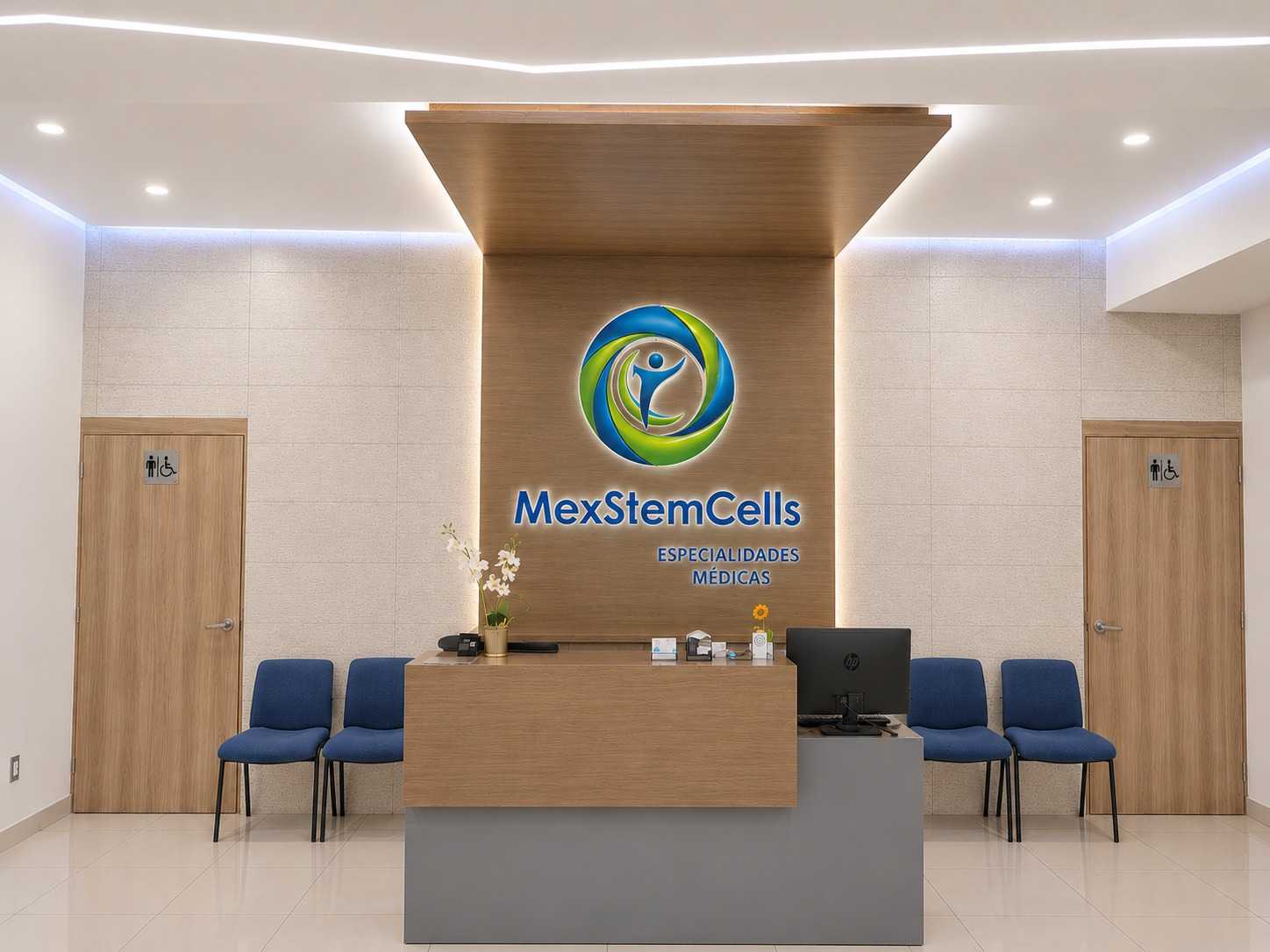
MexStemCells Clinic
Mexico City, Mexico
Instituto de Terapia Celular - Stem Cell Guadalajara Mexico
Tijuana,Guadalajara, Mexico
World-Leading Anti-Aging Stem Cell Clinic in Mexico City by Dr. Ary Papadopulos
Mexico City, Mexico
Lets watch these fantastic video where a patients are talking about their journey with Stem Cell Therapy for Anti-Aging in Mexico. It is so heartwarming to hear them share their story and how this innovative therapy had such a positive impact on their life. The patients were really open about their concerns related to aging and how they decided to explore this option. These videos gave a detailed glimpse into their experience at the clinic, the process of the therapy, and the overall results they achieved.
Let me share some insights about what former patients are saying about their experiences. From the reviews I've come across, it's truly heartening to see how many patients have found hope and relief through this innovative treatment. Many individuals have shared their positive stories of improved quality of life, reduced pain, and enhanced mobility after undergoing Stem Cell Therapy in Mexico. It's inspiring to read about how these patients have regained their independence and rediscovered activities they once thought were beyond their reach.

If you're intrigued by the wonders of anti-aging stem cell treatment and have questions swirling in your head, you've come to the right place. Let's dive into some FAQs about this rejuvenating journey, particularly in the captivating backdrop of Mexico.
1. What is stem cell therapy for anti-aging?
Stem cell therapy for anti-aging is a cutting-edge medical treatment that uses stem cells—usually derived from the patient's own fat tissue or bone marrow—to regenerate and repair aging cells in the body. These cells have the unique ability to develop into different types of tissue and stimulate the body’s natural healing process. The result can include improved skin elasticity, reduced wrinkles, increased energy levels, enhanced organ function, and overall rejuvenation of the body at a cellular level.
2. Why choose Mexico for anti-aging stem cell therapy?
Mexico has become a leading destination for stem cell therapy due to its combination of highly trained doctors, state-of-the-art medical facilities, and cost-effective treatments. Patients from the U.S. and Canada are often surprised by the level of professionalism and care they receive—comparable to what they’d expect at home, but at a much more accessible price. In addition, many Mexican clinics offer concierge services that include transportation, accommodation assistance, and English-speaking staff, making the entire experience seamless and stress-free.
3. Is stem cell therapy safe in Mexico?
Yes, when performed at a licensed and accredited clinic, stem cell therapy in Mexico is considered safe. Reputable clinics follow international medical protocols and are often staffed by specialists trained in the U.S. or Europe. The key to safety is selecting a provider with proper certifications and a proven track record in regenerative medicine. Patients should also ensure they receive a personalized treatment plan and clear information about the source of stem cells and the procedure itself.
4. What signs of aging can stem cell therapy help with?
Stem cell therapy can address a wide range of aging symptoms. It is commonly used to reduce fine lines and wrinkles, improve skin tone and texture, boost energy and stamina, support joint and muscle function, and even enhance mental clarity. Some patients also report improvements in their immune system and faster recovery from minor ailments. This therapy aims not just to make you look younger, but to help you feel younger from the inside out.
5. How long does the treatment take?
Most anti-aging stem cell therapy programs in Mexico can be completed in a short time frame. A typical visit may range from two to five days, depending on the type and number of treatments administered. The actual procedure usually takes a few hours and is done on an outpatient basis, meaning there’s no need for an extended hospital stay. This makes it an ideal option for international patients who want quick results with minimal time away from home.
6. Is there any downtime or recovery needed?
Recovery time is generally minimal after stem cell therapy. Most patients are able to return to normal activities within 24 to 48 hours. There may be mild discomfort or fatigue following the procedure, but these symptoms usually resolve quickly. Since the treatment is non-invasive or minimally invasive, it doesn’t require a long healing period, making it appealing for those with busy lifestyles or limited travel time.
What is the Average Price of Stem Cell Treatment for Anti Aging in Mexico?
The quest for eternal youth has led to remarkable advancements in medicine, and stem cell treatment for anti-aging has emerged as a promising frontier. For individuals seeking to revitalize their bodies, improve skin elasticity, boost energy levels, and generally combat the effects of aging, Mexico has become a highly attractive destination. This appeal is largely driven by the accessibility and significantly more affordable pricing of these innovative therapies compared to other countries. What is the average price of stem cell treatment for anti-aging in Mexico? "The average price of stem cell treatment for anti-aging in Mexico typically ranges from $3,000 to $7,800 USD per treatment session. This cost can vary depending on the specific clinic, the type and quantity of stem cells used, the administration method, and whether it's part of a broader anti-aging package." As of June 2025, Mexico continues to be a leading hub for regenerative medicine, offering cutting-edge stem cell therapies. This blog post will delve into the various factors that influence the cost of stem cell treatment for anti-aging in Mexico, explore what's typically included in the price, compare it to international costs, and discuss the types of stem cells used to help you make an informed decision about your regenerative journey. What are the typical costs for a single session of anti-aging stem cell treatment in Mexico? "The typical costs for a single session of anti-aging stem cell treatment in Mexico generally range from $3,000 to $7,800 USD, with prices fluctuating based on the number of cells administered and the clinic's comprehensive approach." For patients seeking to rejuvenate their bodies and mitigate the signs of aging, clinics in Mexico offer various protocols. A basic single session might include a specific number of stem cells, often administered intravenously. For example: Entry-Level Sessions: Some clinics might offer treatments with 10-25 million stem cells for around $3,000 to $5,000 USD. These are often marketed for general wellness, vitality, and initial anti-aging benefits. Mid-Range Sessions: Treatments involving a higher cell count (e.g., 50-100 million stem cells) or specific combinations of therapies might fall into the $5,000 to $7,000 USD range. Premium/Higher-Dose Sessions: The higher end of the spectrum, around $7,000 to $7,800 USD, often includes a very high number of stem cells (e.g., 100 million or more), potentially multiple administration routes (IV plus localized injections), or may be part of an initial package with additional supporting treatments like exosome therapy, NAD+ IV drips, or specialized peptides. The actual cost will depend on the clinic's specific pricing model and the personalized treatment plan designed by the medical team. Why is stem cell treatment for anti-aging more affordable in Mexico? "Stem cell treatment for anti-aging is more affordable in Mexico primarily due to lower operational costs for clinics, including reduced labor wages, real estate expenses, and less stringent regulatory burdens compared to countries like the US, allowing for significant cost savings for patients." The considerable price difference, often representing savings of 50% to 80% compared to equivalent treatments in the United States, is a major factor driving medical tourism to Mexico. This affordability is not typically a reflection of lower quality or less effective cells, but rather of different economic structures: Lower Overhead Costs: The cost of running a specialized clinic in Mexico, including rent for facilities, utilities, and general administrative expenses, is significantly lower than in the US or Canada. Reduced Labor Wages: While Mexican medical professionals are highly trained, their salaries, even for specialized stem cell therapists and support staff, are considerably lower than those in North America. Less Stringent Regulations for Experimental Therapies: In the US, many stem cell therapies are still considered experimental by the FDA and face strict regulatory hurdles, leading to higher costs for clinical trials and limited availability. Mexico has a more permissive regulatory environment for regenerative therapies, which reduces development and operational costs for clinics. Favorable Exchange Rates: The strength of currencies like the US dollar against the Mexican Peso enhances the affordability for international patients. Competitive Market: Mexico has a robust and competitive medical tourism sector, encouraging clinics to offer attractive pricing to draw in international clients. These combined factors allow Mexican clinics to provide advanced stem cell treatment for anti-aging at a fraction of the cost found elsewhere. What types of stem cells are used for anti-aging treatment in Mexico? "For anti-aging treatment in Mexico, clinics primarily use Mesenchymal Stem Cells (MSCs), derived from sources like umbilical cord tissue (Wharton's Jelly), adipose tissue (fat), or bone marrow, due to their potent regenerative and immunomodulatory properties." MSCs are the most common and versatile type of stem cell used in regenerative medicine for anti-aging purposes. They are multipotent stromal cells that can differentiate into various cell types (bone, cartilage, fat, muscle) and possess powerful anti-inflammatory, immunomodulatory, and trophic (growth factor-producing) effects. Umbilical Cord Tissue (Wharton's Jelly) Derived MSCs: This is increasingly the preferred source due to its abundance of young, potent, and ethically sourced MSCs. These cells are "allogeneic" (from a donor, but typically immune-privileged, reducing rejection risk) and are readily available from licensed laboratories. Adipose-Derived Stem Cells (ADSCs): These are autologous (from the patient's own fat tissue) or allogeneic. They are harvested through liposuction, processed, and then re-administered. Bone Marrow-Derived Stem Cells (BMSCs): These are also autologous and are harvested from the patient's bone marrow. While effective, the harvesting procedure is more invasive and cell yield can decrease with age. Clinics in Mexico might offer different types of MSCs, and the choice often depends on the patient's condition, the clinic's specialization, and the desired outcome. The quantity of viable cells administered is often a key factor in the treatment's potential efficacy and cost. What is typically included in the price of anti-aging stem cell treatment in Mexico? "The price of anti-aging stem cell treatment in Mexico typically includes the consultation with the medical team, the cost of the stem cells (including sourcing and processing), the administration of the cells, and immediate post-treatment monitoring, with some packages offering additional supportive therapies." When getting a quote for stem cell treatment for anti-aging in Mexico, it's important to understand what is covered. Reputable clinics aim for transparency in their pricing: Initial Consultation: This includes a thorough medical history review, assessment of your anti-aging goals, and determination of your suitability for treatment. This can be remote or in-person. Stem Cell Sourcing and Preparation: The cost of acquiring the specific type and quantity of stem cells (e.g., umbilical cord tissue-derived MSCs from a certified lab) and their preparation for administration. Administration: The cost of the procedure itself, whether it's intravenous (IV) infusion, localized injections (e.g., for joint pain, skin rejuvenation), or a combination of methods. Post-Treatment Monitoring: Short-term observation and care immediately after the infusion or injections. Medical Team Fees: Covering the services of the doctors, nurses, and technicians involved in your treatment. What's often not included and should be budgeted separately: Pre-treatment Diagnostics: Extensive blood tests, imaging, or specialized functional medicine assessments (though some basic labs might be included). Additional Therapies: Exosomes, NAD+ IV drips, peptides, hyperbaric oxygen therapy (HBOT), or other complementary treatments might be offered as add-ons. Follow-up Sessions: If multiple sessions are recommended, each typically incurs its own cost. Travel and Accommodation: Flights, hotel stays, local transportation, and meals are separate expenses. Always request an itemized quote to clarify all inclusions and potential additional costs. What factors influence the total cost of anti-aging stem cell treatment in Mexico? "The total cost of anti-aging stem cell treatment in Mexico is primarily influenced by the type and quantity (number of cells) of stem cells used, the administration method, the number of treatment sessions required, the clinic's reputation, and any complementary therapies included in the package." Here's a breakdown of elements that can affect the final price: Type of Stem Cells: Umbilical cord-derived MSCs are generally more expensive than autologous (patient's own) cells due to sourcing and processing from a licensed laboratory. Quantity of Stem Cells (Cell Count): A higher number of viable stem cells administered typically correlates with a higher cost. Clinics often price based on millions of cells (e.g., 50 million, 100 million). Administration Method: Simple IV infusions might be less expensive than complex localized injections into multiple joints or organs. Number of Sessions: Anti-aging protocols often recommend multiple sessions over a period (e.g., annually or bi-annually) for sustained benefits, which increases the overall cost. Clinic Reputation and Location: Highly renowned clinics with state-of-the-art facilities and leading specialists may charge more for their expertise and advanced infrastructure. Complementary Therapies: Many clinics offer packages that combine stem cell treatment with other anti-aging modalities like exosome therapy, NAD+ IV therapy, ozone therapy, or hyperbaric oxygen, which will increase the total cost. Pre- and Post-Treatment Diagnostics: Comprehensive biomarker testing or follow-up evaluations may or may not be included in the base price. It is crucial to have a detailed discussion with the clinic about your goals and their recommended protocol to get an accurate cost estimate. How does the pricing of anti-aging stem cell treatment in Mexico compare internationally? "The pricing of anti-aging stem cell treatment in Mexico is significantly lower compared to countries like the United States and some European nations, where similar treatments can cost anywhere from $10,000 to $30,000 USD or more per session." The cost differential is a major advantage for Mexico: United States: In the US, due to stringent FDA regulations (many stem cell therapies are still considered investigational and require clinical trial participation or operate under specific exemptions), high operational costs, and insurance non-coverage, anti-aging stem cell treatments can be prohibitively expensive. A single session might range from $10,000 to $25,000 or even $30,000+ USD, if available outside of research settings. Europe: Prices in some European countries (e.g., Switzerland, Germany) can also be high, often in the range of €10,000 to €25,000+ per treatment. Other Medical Tourism Hubs: While some other countries also offer more affordable stem cell therapies, Mexico remains highly competitive, especially for North American patients due to its proximity and well-developed medical tourism infrastructure. The lower pricing in Mexico allows more individuals to access these potentially transformative anti-aging treatments. Is anti-aging stem cell treatment covered by insurance in Mexico or my home country? "No, anti-aging stem cell treatment is generally not covered by standard health insurance in Mexico, the United States, Canada, or most other countries, as it is typically considered an experimental or elective aesthetic/regenerative therapy rather than a medically necessary treatment." As of June 2025, most insurance companies globally do not cover stem cell treatments for anti-aging purposes. Here's why: Experimental/Investigational Status: Many stem cell treatments are still considered investigational or experimental by major regulatory bodies (like the FDA in the US) and are not yet approved as standard medical practice for anti-aging. Lack of Long-Term Data: Insurance companies often require extensive long-term clinical trial data proving efficacy and safety for specific indications before they will cover a treatment. This data is still accumulating for many anti-aging stem cell applications. Elective Nature: Anti-aging treatments are generally considered elective or cosmetic in nature, which are almost universally excluded from health insurance policies. Off-Label Use: Even if stem cells are approved for certain orthopedic conditions, their use for systemic anti-aging is considered "off-label" and thus not covered. Patients considering this treatment should anticipate paying out-of-pocket. However, Flexible Spending Accounts (FSAs) or Health Savings Accounts (HSAs) in the US might be used for these expenses, but it's crucial to confirm eligibility with your plan administrator. How to find a reputable clinic for anti-aging stem cell treatment in Mexico? "To find a reputable clinic for anti-aging stem cell treatment in Mexico, prioritize clinics with board-certified doctors, transparent pricing, evidence of cell quality and sourcing, positive patient testimonials, and clear communication regarding treatment protocols and expectations." Choosing a reputable clinic is paramount for safety and potential efficacy. Here's what to look for: Medical Team Credentials: Ensure the doctors overseeing the treatment are board-certified and have experience in regenerative medicine. Transparency in Stem Cell Sourcing: Inquire about where their stem cells come from (e.g., certified umbilical cord banks), how they are processed, and if they provide Certificates of Analysis (COAs) for cell count and viability. This is crucial for safety and quality. Clinic Accreditations: Look for clinics that are licensed by the Mexican Ministry of Health. While international accreditation (like JCI) is less common for specialized stem cell clinics, it's a bonus. Clear Treatment Protocols: The clinic should provide a detailed, individualized treatment plan, explaining the rationale, expected outcomes, and potential risks. Realistic Expectations: Be wary of clinics promising "cures" or unrealistic results. Reputable clinics will emphasize potential benefits and manage expectations. Patient Testimonials and Reviews: Look for consistent positive feedback on independent platforms. Communication: Ensure staff are multilingual and provide clear, prompt communication. Facility Standards: Ask for photos or virtual tours of their lab and treatment facilities to assess cleanliness and professionalism. Ethical Practices: Ensure they adhere to ethical guidelines regarding stem cell research and application. Thorough research and direct communication are key to making a safe and informed decision. Ready to explore the potential of regenerative medicine for your anti-aging goals? Visit PlacidWay to discover world-class medical tourism options and connect with trusted providers offering high-quality, affordable stem cell treatment for anti-aging in Mexico.
Top Conditions Treated with Stem Cell Therapy in Mexico
Many patients exploring regenerative medicine eventually look beyond their local healthcare systems for expanded options. If you are considering stem cell therapy in Mexico, it is helpful to understand exactly which medical issues are most frequently addressed by physicians across the border. Because regulatory frameworks differ internationally, Mexican facilities are often able to provide protocols utilizing expanded mesenchymal stem cells (MSCs) that may not be available in other regions. The top conditions treated with stem cell therapy in Mexico typically include orthopedic injuries like osteoarthritis, autoimmune disorders such as multiple sclerosis, and various neurological conditions. Suitability always depends on a thorough medical evaluation. Key Takeaways Joint degeneration and sports injuries are the most commonly treated orthopedic conditions. Treatments often focus on reducing systemic inflammation in autoimmune and neurological disorders. Patient eligibility requires strict medical clearance, as not everyone is a suitable candidate. Outcomes vary widely by individual, condition severity, and overall health status. Post-treatment care and local medical follow-up are critical for patient safety. What are the most common orthopedic conditions treated? Orthopedic conditions like osteoarthritis, meniscus tears, and chronic joint degeneration are among the most frequently treated issues using regenerative therapies in Mexico. Many patients seek out a stem cell therapy clinic in Mexico specifically to address chronic joint pain. Osteoarthritis, particularly in the knees, hips, and shoulders, is a primary focus. Physicians utilize stem cells with the goal of reducing localized inflammation and potentially supporting the repair of damaged cartilage tissue. In addition to age-related wear and tear, sports injuries are commonly evaluated for regenerative protocols. Conditions such as rotator cuff tears, tendonitis, and ligament strains may be addressed using targeted injections. Instead of relying solely on surgical interventions, some patients explore cellular therapy to support the body's natural healing mechanisms. While some patients report improvements in mobility and a reduction in pain, these outcomes are not guaranteed. The success of orthopedic stem cell treatments depends heavily on the extent of joint damage. Severe cases of bone-on-bone arthritis may still require traditional joint replacement surgery, which is why a thorough preliminary evaluation by an orthopedic specialist is essential. Can stem cell therapy help with autoimmune diseases? Regenerative treatments may help modulate the immune system, leading clinics to evaluate patients with autoimmune conditions like lupus, rheumatoid arthritis, and Crohn's disease. Autoimmune diseases occur when the body's immune system mistakenly attacks healthy tissues. Mesenchymal stem cells are frequently utilized in this area because of their unique immunomodulatory properties. Research suggests that these cells can interact with the immune system to help calm aggressive inflammatory responses. Patients with rheumatoid arthritis often explore this option when traditional disease-modifying antirheumatic drugs (DMARDs) fail to provide sufficient relief or cause unmanageable side effects. Similarly, individuals with systemic lupus erythematosus or inflammatory bowel diseases may seek intravenous stem cell protocols aimed at systemic inflammation reduction. It is important to understand that regenerative medicine is not a cure for autoimmune disorders. The primary objective is usually to manage symptoms, reduce flare-ups, and potentially improve the patient's quality of life. Regular follow-up with a local rheumatologist or specialist remains necessary to monitor the progression of the underlying disease. How do doctors approach neurological disorders with this treatment? Neurological conditions such as Parkinson's disease, multiple sclerosis, and neuropathy are often approached by aiming to reduce neuroinflammation and support cellular environment repair. Treating neurological conditions is one of the more complex areas of regenerative medicine. In Mexico, clinics may offer protocols for multiple sclerosis (MS), Parkinson's disease, Alzheimer's disease, and peripheral neuropathy. The therapeutic goal is generally to utilize the anti-inflammatory properties of stem cells to protect existing neurons and stimulate the body's own repair processes. For conditions like MS, the focus is typically twofold: attempting to regulate the autoimmune attack on the nervous system and supporting the repair of the myelin sheath. Methods of administration vary, often involving intravenous infusions or occasionally intrathecal (spinal) injections, depending on the clinic's specific medical protocols and the patient's condition. Patients must approach neurological stem cell treatments with realistic expectations. The central nervous system heals very slowly, and current scientific evidence regarding the reversal of severe neurological damage remains limited. While some patients experience temporary symptom relief, others may see no change. These treatments are often considered experimental and should be discussed extensively with a primary neurologist. Is regenerative medicine used for cardiovascular issues? Some facilities offer protocols intended to support cardiovascular health by targeting conditions like congestive heart failure and chronic ischemia, though this remains highly specialized. Objective: The primary aim is to encourage the formation of new blood vessels (angiogenesis) and improve blood flow to damaged heart tissue. Conditions evaluated: Post-myocardial infarction (heart attack) recovery and early-stage heart failure are sometimes considered. Mechanism: Stem cells secrete growth factors that may help repair injured cardiac muscle and reduce fibrotic scar tissue. Strict eligibility: Cardiovascular patients require rigorous screening. Those with highly unstable heart conditions may be disqualified due to safety concerns. Adjunct therapy: This approach is generally utilized alongside, not in place of, standard cardiovascular medications and lifestyle modifications. Are wellness and anti-aging treatments popular? Beyond specific diseases, many individuals seek systemic treatments designed to promote general vitality, reduce chronic fatigue, and support healthy aging processes. A growing segment of medical tourism in Mexico involves preventative and wellness-focused cellular therapy. These protocols are often marketed as anti-aging treatments, though a more accurate description is systemic inflammation management. As the body ages, cellular efficiency declines, leading to longer recovery times and reduced energy levels. Patients seeking wellness protocols typically receive intravenous stem cell infusions. The theory is that introducing young, robust MSCs into the bloodstream may help clear out senescent (aging) cells, reduce oxidative stress, and boost overall metabolic function. Some patients report improved sleep, higher energy, and enhanced mental clarity following treatment. However, anti-aging claims should be approached cautiously. There is no therapy that can halt the aging process permanently. Outcomes are highly subjective, and the long-term benefits of receiving stem cells purely for general wellness are still being studied. Healthy lifestyle choices, diet, and exercise remain the foundation of longevity. What types of stem cells do Mexican clinics use? Reputable facilities primarily utilize adult stem cells, such as umbilical cord-derived mesenchymal stem cells or those harvested from the patient's own fat or bone marrow. The type of cellular product used is a critical factor in both safety and efficacy. The majority of reputable clinics in Mexico rely on Mesenchymal Stem Cells (MSCs). These cells are favored because they have a strong ability to modulate the immune system and secrete therapeutic proteins. They are typically sourced in two ways: autologous or allogeneic. Autologous treatments use the patient's own cells, usually extracted from adipose (fat) tissue or bone marrow. This method eliminates the risk of tissue rejection but may yield fewer viable cells, especially in older patients. Allogeneic treatments use donor cells, most commonly derived from donated human umbilical cord tissue (UC-MSCs) obtained after healthy, full-term cesarean births. Umbilical cord cells are particularly popular in Mexico because they can be expanded in certified laboratories to achieve high cell counts. Regulatory frameworks under COFEPRIS (the Mexican health authority) permit the expansion of these cells, a practice that is heavily restricted in many other countries. Ethical clinics do not use embryonic stem cells due to associated safety risks and ethical concerns. How do I know if I am eligible for treatment? Eligibility is determined through a comprehensive medical review of your health history, current medications, and specific diagnosis by a qualified physician. Medical Records: You will need to provide recent blood work, imaging (MRI/X-rays), and detailed physician notes from your home country. Consultation: A clinical specialist will review your file to assess whether cellular therapy has a reasonable chance of providing therapeutic benefit. Contraindications: Patients with active cancer, severe active infections, or a history of certain genetic disorders are typically disqualified for safety reasons. Medication review: Blood thinners, immunosuppressants, and certain other medications may need to be managed or paused prior to treatment. Realistic expectations: Clinics will evaluate whether you have a clear, realistic understanding of the potential risks and varying outcomes. What is the typical recovery process after receiving stem cells? Recovery is generally mild, involving a few days of rest and limited physical activity to allow the body to process the treatment and reduce any initial localized inflammation. Because the procedures are minimally invasive, extensive downtime is rarely required. Patients receiving joint injections might experience temporary swelling, stiffness, or mild pain at the injection site for 24 to 48 hours. Those receiving intravenous therapies occasionally report feeling fatigued, experiencing mild headaches, or having low-grade chills shortly after the infusion. Clinics typically advise patients to avoid strenuous exercise, heavy lifting, and anti-inflammatory medications (like ibuprofen) for several weeks post-treatment. Anti-inflammatory drugs can potentially interfere with the signaling process of the newly introduced stem cells. Physical therapy may be recommended after a few weeks to assist in joint recovery. Following up with a healthcare provider is an essential part of the recovery process. Because you will be returning to your home country, it is vital to have a primary care doctor or specialist aware of your procedure so they can assist with ongoing monitoring and handle any rare complications should they arise. What should I expect regarding treatment costs? The stem cell therapy cost in Mexico generally ranges from $3,000 to over $10,000, depending on the number of cells required, the condition treated, and the specific protocol. The financial aspect of regenerative medicine is a primary driver for medical travel. In the United States or Canada, treatments can be prohibitively expensive, and protocols utilizing expanded umbilical cord cells are largely restricted outside of clinical trials. Mexico offers a more accessible price point due to lower administrative costs, differing laboratory regulations, and broader economic factors. A simple, localized joint injection will fall on the lower end of the pricing spectrum. Conversely, a comprehensive protocol for a complex neurological or autoimmune condition—requiring multiple days of treatment, high doses of expanded cells, specialized delivery methods, and complementary therapies—will approach the higher end of the range. It is important to remember that these figures are strictly estimates. When planning your budget, you must also account for travel expenses, accommodation, meals, and follow-up care at home. Always request a detailed, itemized breakdown of costs from a clinic before committing to travel. Is it safe to travel to Mexico for regenerative medicine? Traveling for healthcare can be safe if you choose appropriately licensed facilities, verify medical credentials, and follow all pre- and post-travel health guidelines. Safety is a common concern for anyone engaging in international medical travel. The landscape of cellular therapy in Mexico is diverse. While there are highly advanced, heavily regulated facilities operating to strict international standards, there are also unverified clinics operating with minimal oversight. Patient diligence is non-negotiable. To mitigate risk, patients should verify that the clinic holds current licensing from COFEPRIS. You should also confirm that the treating physicians are board-certified in their respective specialties, not just general practitioners administering injections. The source of the stem cells matters immensely; they should be processed in certified, clean-room laboratories that conduct rigorous infectious disease screening. From a travel perspective, popular medical hubs like Tijuana, Cancun, Guadalajara, and Monterrey are accustomed to hosting international patients. However, traveling for medical reasons requires extra precaution. Flying immediately after treatment can sometimes increase the risk of blood clots or exacerbate fatigue. Planning a few extra days to rest in your hotel before flying home is often recommended by medical professionals. Why Choose PlacidWay for Medical Tourism in Mexico? PlacidWay is a comprehensive medical tourism platform designed to help patients navigate global healthcare options effectively. 1. Global Resource: Serves as an informational directory connecting patients with healthcare facilities worldwide. 2. Easy Comparisons: Allows users to review and compare estimated pricing and clinic profiles side-by-side. 3. Accreditation Details: Provides available information on facility certifications and regional medical licenses. 4. Direct Communication: Facilitates the initial contact between prospective patients and international medical teams. 5. Educational Materials: Offers articles and guides to help patients understand procedures and destination nuances. Frequently Asked Questions Are stem cell treatments in Mexico approved by the FDA? The US Food and Drug Administration does not have jurisdiction over medical facilities in other countries. In Mexico, medical treatments and regenerative clinics are regulated by COFEPRIS, the national health authority. How long does a typical stem cell procedure take? The actual administration of stem cells usually takes a few hours. However, a complete treatment protocol, including consultations, lab work, and follow-up observation, may require you to be at the clinic for two to five days. Does treatment require a long hospital stay? Most regenerative therapies are performed on an outpatient basis. Patients generally return to their hotel or recovery accommodation on the same day after a brief observation period. How soon might I notice changes after treatment? Because cellular repair and inflammation reduction take time, patients typically do not see immediate results. Noticeable changes, if they occur, often develop gradually over several weeks to a few months. Are there age limits for receiving stem cells in Mexico? Eligibility is determined on a case-by-case basis rather than strict age limits. Most clinics treat adult patients, evaluating their overall health, organ function, and ability to undergo the procedure safely. Can I fly home immediately after my procedure? While some patients travel the next day, many physicians advise resting locally for 24 to 48 hours to monitor for any mild side effects, such as fatigue or localized soreness, before boarding a flight. What happens if I experience side effects back home? Patients are encouraged to establish a relationship with a local primary care physician or specialist before traveling. If complications arise after returning home, you should seek immediate care from your local healthcare provider. Are umbilical cord stem cells safe? Umbilical cord-derived cells are widely used due to their low immunogenicity. Reputable clinics source these cells from rigorously screened donors in certified laboratories to minimize the risk of infection or rejection. Why do patients choose Mexico over the US for this therapy? Patients often travel south because Mexican regulations permit the use of expanded mesenchymal stem cells, which allows for higher cell counts per treatment. Additionally, procedural costs are generally lower. Will my domestic health insurance cover treatments in Mexico? Most US and Canadian health insurance policies, including Medicare, do not cover regenerative medicine procedures performed internationally. Patients usually pay out-of-pocket for these treatments. Compare Treatment Options Explore clinic profiles, compare estimated costs, and gather information to help you make an informed decision about regenerative healthcare abroad. Request Treatment Information References Patient Resources – International Society for Stem Cell Research (ISSCR) Stem Cell Basics – National Institutes of Health (NIH) FDA Warns About Stem Cell Therapies – U.S. Food and Drug Administration Frequently Asked Questions About Stem Cell Research – Mayo Clinic Stem Cell Therapy for Arthritis – Arthritis Foundation Regulatory Framework Guidelines – Federal Commission for the Protection against Sanitary Risk (COFEPRIS) Medical Tourism Safety Guidelines – Centers for Disease Control and Prevention (CDC) Medical Disclaimer: The information provided in this article is for educational and informational purposes only and does not constitute medical advice, diagnosis, or treatment. Stem cell therapy involves inherent risks, and outcomes vary significantly by patient. Always consult with a qualified, licensed healthcare professional in your home country before making decisions regarding international medical treatments. PlacidWay does not endorse specific medical providers or guarantee clinical outcomes.
The Cost of Stem Cell Therapy in Mexico: Affordable Alternatives to U.S. Treatments
The stem cell therapy cost in Mexico ranges from $3,000 to $8,000 per session, depending on the condition treated and cell types used. This provides a highly affordable alternative to U.S. prices, which often exceed $25,000. Key Takeaways: Affordable Regenerative Medicine Massive Financial Savings: Patients consistently save between sixty and eighty percent compared to northern clinics. Advanced Cellular Expansion: Laboratories are legally permitted to culture cells into the therapeutic millions for maximum efficacy. Premium Cell Sourcing: Top tier facilities utilize day zero mesenchymal cells derived from ethically screened umbilical cord tissue. Strict Federal Oversight: The entire biological process is rigorously monitored and licensed by the national health agency COFEPRIS. Comprehensive Packages: International pricing often bundles diagnostics, localized injections, systemic IVs, and supportive therapies into one transparent quote. What factors influence the stem cell therapy cost in Mexico? The total expense for regenerative treatments depends largely on the required cell count, the specific medical condition, and the facility location. Advanced protocols requiring multiple sessions will naturally increase the overall financial investment. First, the dosage and type of biological material play a massive role in final pricing. A localized joint injection for osteoarthritis requires significantly fewer millions of cells compared to an intravenous infusion designed to tackle complex systemic autoimmune diseases. Furthermore, utilizing highly potent umbilical cord derived mesenchymal cells often carries a different price tag than processing autologous cells harvested directly from your own abdominal fat tissue or pelvic bone marrow. Second, the geographic location of your chosen stem cell therapy clinic in Mexico profoundly affects the baseline price structure. Facilities located in high demand border cities like Tijuana might feature highly competitive pricing due to intense volume and accessibility. Conversely, luxurious restorative centers situated in resort towns like Cancun or Los Cabos might charge slightly higher premiums, but they offer an immersive, retreat like healing environment that many patients prefer. Finally, additional supportive therapeutic modalities bundled with the primary procedure will alter the final invoice. Many leading restorative centers firmly believe in preparing the body environment for optimal cellular survival. Consequently, they include mandatory hyperbaric oxygen sessions, customized intravenous nutritional drips, and specialized physical rehabilitation sessions in their pricing, ensuring you receive maximum engraftment and healing from your investment. How does stem cell therapy in Mexico compare to treatments in the United States? Mexican facilities offer legally approved, expanded cellular protocols that are currently restricted in the United States. Patients receive substantially higher cell counts at a fraction of the traditional North American financial burden. Unmatched Cost Efficiency: Patients routinely save between sixty and eighty percent on equivalent regenerative protocols without ever compromising on medical safety, laboratory quality, or facility hygiene. Advanced Cell Expansion: Latin American regulatory bodies allow cutting edge laboratories to culture and multiply cells into the therapeutic millions, a highly necessary practice that remains heavily restricted by current northern regulatory frameworks. Diverse Treatment Options: Specialists south of the border can legally administer highly potent live umbilical cord tissue derivatives, whereas northern clinics are often strictly limited to the minimal manipulation of a patient own aging tissue. Drastically Reduced Wait Times: Intake appointments and clinical treatment schedules are highly efficient, allowing international patients to completely bypass the lengthy referral periods common in traditional domestic healthcare systems. Holistic Care Models: International practitioners frequently combine these regenerative protocols with deep functional medicine analysis, targeting the root cause of chronic inflammation rather than just administering an injection and sending the patient home. Expert Insight It is a common misconception that cheaper means lower quality. The lower pricing is entirely due to the lower cost of real estate, reduced administrative overhead, and different malpractice insurance structures across the border. The biological laboratories themselves use the exact same state of the art bio reactors found in European and Asian research centers. Are clinics offering stem cell therapy in Mexico regulated and safe? Legitimate regenerative medicine centers operate under strict oversight from COFEPRIS, the national health regulatory agency equivalent to the FDA. This ensures stringent laboratory standards and flawless clinical safety protocols. Safety remains the absolute primary concern for anyone considering medical tourism in Mexico. Top tier medical establishments must pass rigorous, unannounced inspections by COFEPRIS, which mandates that all biological harvesting, cell expansion, and patient administration strictly adhere to international Good Manufacturing Practices. This means the associated laboratories operate as certified clean rooms with highly controlled atmospheric environments to prevent any contamination. Furthermore, highly reputable facilities only employ board certified specialists who have undergone extensive, highly specific training in advanced regenerative medicine. These physicians very often hold dual certifications or have completed prestigious fellowships internationally across Europe or Asia. This vast educational background ensures they are perfectly well versed in the absolute latest global advancements and safety protocols regarding systemic cellular applications. Before any biological material is ever administered to a visiting patient, it undergoes exhaustive third party laboratory screening. Donor tissues are rigorously tested for infectious diseases, genetic abnormalities, and overall cellular viability using highly advanced flow cytometry. This uncompromising approach to biological quality control guarantees that patients receive uncontaminated, highly potent material fully capable of promoting genuine tissue repair. What medical conditions are most commonly treated with stem cells in Mexican facilities? Regenerative medicine protocols are highly effective for severe orthopedic injuries, autoimmune disorders, and chronic degenerative diseases. Patients also frequently seek these therapies for neurological conditions and anti aging wellness programs. Orthopedic and Joint Degeneration: Severe osteoarthritis, sports related meniscus tears, and chronic spinal disc degeneration respond exceptionally well to targeted localized injections designed to physically rebuild lost cartilage and reduce joint friction. Complex Autoimmune Diseases: High dose intravenous therapies help actively modulate a hyperactive immune system for patients suffering from Lupus, Rheumatoid Arthritis, and Multiple Sclerosis, leading to a significant reduction in systemic inflammation. Severe Neurological Conditions: Advanced intrathecal protocols are meticulously tailored for debilitating neurodegenerative disorders like Parkinson disease and Alzheimer disease, focusing heavily on vital neuroprotection and repairing damaged neural pathways. Cardiovascular Issues: Patients battling chronic congestive heart failure or ischemic heart disease frequently utilize specialized regenerative protocols to promote angiogenesis, which is the formation of new blood vessels to repair damaged cardiac tissue. Anti Aging and Cellular Vitality: Comprehensive preventative wellness infusions utilize youthful cellular factors to naturally boost depleted energy levels, improve daily cognitive function, and deeply enhance overall systemic vitality at a cellular level. How do I choose the best stem cell therapy clinic in Mexico for my needs? Selecting the optimal facility requires verifying their regulatory licenses, deeply reviewing their specific treatment protocols, and analyzing their laboratory capabilities. It is crucial to partner with centers that prioritize transparent medical outcomes. Your absolute first step is officially confirming that the chosen facility holds a highly active and valid COFEPRIS license for both the physical clinic and their affiliated biological laboratory. The premier centers either possess an internal clean room specifically built for safe cell expansion or they partner directly with a highly credentialed national biological bank. You should always confidently ask for a Certificate of Analysis, a document which strictly details the guaranteed viability and accurate count of the cells you will physically receive. Next, carefully evaluate the primary medical team expertise regarding your specific physical condition. A physician specializing heavily in orthopedic sports injuries might certainly not be the best available choice for safely treating complex neurological deterioration or systemic autoimmune diseases. Request comprehensive virtual consultations to openly discuss their precise clinical approach, the realistically expected medical outcomes, and the complete structure of their post treatment follow up care infrastructure. Finally, heavily rely on highly trusted medical facilitators rather than blindly navigating the international healthcare landscape entirely alone. An established, globally recognized medical tourism agency has already rigorously vetted these foreign facilities, meticulously cross checking genuine patient testimonials, legally reviewing their standing with local governments, and absolutely ensuring the clinic maintains unblemished, lawsuit free malpractice records. Did You Know? Many top tier clinics across the border employ bilingual medical staff who have trained extensively in the United States. Language barriers are practically nonexistent, ensuring you understand every single detail of your custom medical protocol. What types of stem cells are legally utilized for medical treatments in Mexican borders? Facilities primarily utilize highly potent Mesenchymal Stem Cells derived from ethically donated human umbilical cords. They also frequently employ autologous cells safely harvested directly from the patient own bone marrow or adipose tissue. Human Umbilical Cord Tissue Derived Mesenchymal Stem Cells currently remain the absolute gold standard for treating deeply chronic conditions. Because they are legally classified as day zero cells, they inherently possess immense regenerative capability and naturally secrete massive, highly beneficial amounts of healing exosomes. They are fundamentally immune privileged, meaning there is virtually zero statistical risk of bodily rejection or adverse autoimmune reaction from the host patient. Autologous regenerative therapies also remain highly popular specifically for orthopedic wear and localized tissue treatments. Specialized physicians carefully extract cells directly from your own abdominal fat pad or pelvic bone marrow, heavily concentrate them using a modern medical centrifuge, and precisely re inject them into the structurally damaged area. While clinically effective, it is important to note the baseline potency of these autologous cells is strictly tied to the biological age and overall underlying health of the individual patient. In direct addition to whole intact cells, many top tier medical centers are successfully incorporating Exosome therapy into their standard regimens. These are essentially microscopic messenger vesicles naturally secreted by stem cells that physically carry the vital chemical instructions for tissue healing. When strategically combined with cellular infusions, concentrated exosomes drastically amplify the internal regenerative signal, leading to much faster and far more robust tissue repair across the body. What is typically included in a comprehensive stem cell treatment package across the border? Premium medical packages are specifically designed to be entirely all inclusive, thoroughly covering the complex medical procedures, extensive pre treatment diagnostics, and essential complementary therapies for maximum healing. Advanced Diagnostic Testing: Packages feature complete hematology panels, detailed inflammatory marker assessments, and necessary radiological imaging scans required to accurately map out the treatment zone prior to any biological administration. The Precise Cellular Product: Quotes explicitly cover the exact guaranteed million count of highly viable cells, strictly inclusive of the complex laboratory expansion fees and the mandated stringent quality control testing phases. Complex Administration Procedures: The package completely handles all clinical physician fees for prolonged intravenous infusions, highly targeted ultrasound guided joint injections, or highly specialized intrathecal spinal administration protocols. Synergistic Healing Therapies: Patients gain direct access to powerful supportive modalities like restorative Hyperbaric Oxygen Therapy, modern shockwave therapy, or customized peptide injections intended to prepare the physical body for maximum cellular uptake. Streamlined Ground Logistics: Premium facilities offer dedicated VIP airport transfer services and reliable daily clinic shuttles to absolutely ensure a smooth, entirely stress free physical experience from the moment your plane lands. Why is medical tourism in Mexico becoming the top choice for regenerative medicine? The unique combination of highly favorable medical regulatory environments, extreme geographical proximity to North America, and truly world class clinical talent makes it an absolutely unparalleled global destination for healing. The core primary driver is the remarkably progressive yet completely safe national regulatory framework. Unlike overly restrictive northern health policies that actively limit advanced cellular expansion, Latin American health authorities recognized the monumental therapeutic potential of properly cultivated cells decades early. They successfully established safe, highly standardized legal pathways for private clinics to offer the high dose therapies that simply are not legally accessible at any price point just a few miles further north. Furthermore, geographic convenience simply cannot be overstated when dealing with chronically ill patients. Major international medical hubs like Tijuana sit just minutes directly across the California border, while lush resort destinations like Monterrey and Cancun remain easily accessible via very short, highly affordable direct flights from most major North American metropolitan cities. This incredible accessibility drastically reduces travel fatigue, which is an absolutely crucial factor for sensitive patients already battling exhausting chronic illnesses. Finally, the overall standard of patient hospitality found within the Latin American medical sector is truly legendary. Specialized facilities are meticulously designed to closely resemble luxury healing retreats rather than cold, sterile hospital wards. Visiting patients are constantly treated with profound personal empathy, consistently receiving extended consultation times and highly personalized doctor attention that perfectly contrasts sharply with the rushed, overly corporate healthcare models found domestically. How long does the recovery and follow up process take after receiving regenerative therapies? The immediate physical recovery from the minimally invasive procedure is typically under two days, though the internal cellular regeneration process continues for several months. Clinics offer extensive virtual programs to closely monitor long term progress. Most modern regenerative protocols are strictly outpatient procedures requiring zero overnight hospital stays. Whether you safely receive a comprehensive intravenous systemic drip or a highly targeted localized joint injection, you can quite literally walk out of the clinic doors that exact same day. Patients might occasionally experience mild lethargy, slight stiffness, or highly localized soreness for twenty four to forty eight hours, which is a completely normal inflammatory response as the body healing cascade initially begins. However, the actual deep biological repair takes substantial time to manifest visibly. The newly introduced cells work tirelessly by fundamentally modulating the immune system and gradually rebuilding degraded internal tissue. Most international patients report actively noticing their first initial physical improvements within three to six weeks, with the absolute peak regenerative effects deeply manifesting between three and six full months strictly post treatment. To fully ensure perfectly optimal health outcomes, reputable international clinics strictly maintain robust telemedicine follow up schedules. You will participate in highly structured virtual consultations directly with your assigned medical team at the standard one, three, and six month marks. They will meticulously track your pain symptom reduction, carefully review any newly submitted bloodwork if deemed necessary, and expertly advise on custom nutritional or daily lifestyle adjustments to powerfully support the ongoing cellular repair. Why Choose PlacidWay for your regenerative medicine journey south of the border? PlacidWay confidently serves as your premier global healthcare advocate, directly connecting you with elite, fully accredited regenerative medicine facilities. We completely eliminate the guesswork from cross border healthcare. Rigorous Facility Vetting: We absolutely exclusively partner with clinics that firmly possess active, completely verifiable national health ministry licenses and consistently maintain absolutely flawless international patient safety records. Guaranteed Price Transparency: Our digital platform safely provides highly comprehensive, pre negotiated treatment quotes so you distinctly know the exact total financial commitment upfront, firmly guaranteeing absolutely zero hidden clinical laboratory fees. Dedicated Patient Advocacy: You are immediately assigned a highly trained personal medical coordinator who diligently assists with securely gathering your medical history, seamlessly facilitating complex doctor consultations, and answering all clinical inquiries. Board Certified Network Access: We safely connect you strictly with highly credentialed medical specialists who possess deep proven expertise and thoroughly documented clinical success treating highly complex cellular therapy cases. Prolonged Post Treatment Support: Our steadfast commitment extends significantly beyond your actual clinic visit, actively ensuring you receive highly consistent follow up communication and continuous ongoing medical support throughout your entire recovery phase. Frequently Asked Questions About Regenerative Treatments Abroad Are regenerative therapies fully legal for international patients in Mexico? Yes, advanced regenerative protocols are completely legal and heavily regulated by COFEPRIS, the national health authority. This government oversight ensures that all biological materials are harvested, processed, and administered according to strict international safety guidelines, making it perfectly legal for visiting patients to receive care. Do specialized clinics utilize controversial embryonic cells for treatments? No reputable facility uses embryonic material due to deep ethical concerns and known medical risks like potential tumor formation. Instead, they exclusively utilize highly safe adult mesenchymal cells derived from ethically donated umbilical cords, adipose tissue, or bone marrow which carry a completely flawless safety profile. How many days should I plan to stay in the country for a complete protocol? Most international patients are advised to plan a brief stay of three to five days. This optimal timeframe comfortably allows for comprehensive pre treatment blood work, the actual meticulously paced cellular administration process, and highly necessary post treatment clinical observation before safely traveling home. Will my domestic health insurance policy cover cross border cellular therapies? Standard domestic health insurance policies typically do not cover cross border elective regenerative procedures at this time. Patients practically always pay out of pocket, but the significantly lower international pricing makes it highly financially viable compared to restrictive domestic options even without any insurance assistance. Is an initial in person consultation strictly required before booking my treatment? Facilities generally do not require a costly initial in person visit. You can securely submit your prior medical records, recent imaging reports, and current blood panels digitally for a highly comprehensive virtual consultation, allowing specialist doctors to confidently approve your candidacy before you ever book a flight. What are the primary age restrictions for receiving systemic cellular infusions? There is essentially no strict upper age limit for receiving these deeply restorative treatments. Many international patients well into their seventies and eighties successfully undergo therapy for severe joint degeneration and systemic vitality. However, specific pediatric cases always require highly specialized pediatric board evaluation on a strict case by case basis. Can I safely travel on an airplane immediately after receiving joint injections? While you can technically legally travel within twenty four hours, most leading specialists highly recommend waiting at least forty eight full hours. This vital resting period prevents potential joint complications from sudden changes in cabin pressure and heavily reduces the physical stress placed on your newly treated joints. How long does the cultured biological material survive inside the body post treatment? The highly active newly introduced cells typically remain viably alive for several crucial months, constantly releasing powerful healing factors and communicative exosomes. Even after the original donor cells naturally perish, the profound structural repair and deep immune modulation they successfully triggered can effectively last for several years. Do international facilities provide localized anesthesia during the injection process? Yes, any localized orthopedic joint or precise spinal injections are always masterfully performed with advanced local numbing agents to absolutely guarantee a highly comfortable, completely painless experience. Conversely, intravenous systemic infusions simply do not require anesthesia at all, as they are truly as painless as receiving a standard daily vitamin drip. What specific dietary restrictions must be followed prior to cellular administration? Medical teams strictly require incoming patients to totally abstain from alcohol consumption, highly refined sugars, and heavily inflammatory processed foods for at least two full weeks prior to their scheduled treatment. This vital clean dietary phase massively reduces baseline bodily inflammation, actively allowing the fresh new cells to easily engraft and function at their absolute peak capability. Start Your Restorative Health Journey Today Do not let exorbitant domestic costs severely limit your access to life changing cellular therapies. PlacidWay seamlessly connects you directly with the most prestigious, government accredited biological facilities. Secure a completely free, highly personalized medical quote and finally unlock exclusive international restorative packages meticulously tailored for your precise healing needs. Get Your Free Quote * Medical team responses provided typically within twenty four hours. Complete patient privacy strictly guaranteed.
How Much Is Stem Cell Therapy in Mexico?
The stem cell therapy cost in Mexico generally ranges between $4,000 and $10,000 per treatment session. This pricing varies significantly based on the cellular source, medical condition being treated, and the specific clinic protocols. Medical Disclaimer: The information provided in this educational article should not replace professional medical advice. Cost estimates are subject to change and vary widely by global clinic, specific case complexity, and comprehensive treatment requirements. Always consult directly with a qualified healthcare provider regarding diagnostic and treatment decisions. Key Takeaways Financial investments typically span from four thousand to ten thousand dollars, depending heavily on whether autologous or allogeneic cells are utilized. Patients frequently travel internationally to access advanced regenerative laboratory protocols that may face strict regulatory limitations domestically. Thoroughly verifying the medical credentials and laboratory certifications of a stem cell therapy clinic in Mexico is absolutely vital for patient safety. Biological outcomes vary considerably by individual, and this specific therapeutic approach should never be viewed as a guaranteed cure for chronic illnesses. Engaging in medical tourism in Mexico offers individuals potentially affordable access to modern private healthcare infrastructure and specialized biological therapies. What exactly is stem cell therapy in Mexico and how does it function? This advanced biological treatment utilizes regenerative cells to help repair damaged tissues and heavily modulate local inflammation. Specialized physicians carefully inject these concentrated cells into targeted anatomical areas to potentially promote natural biological healing. The fundamental scientific premise behind regenerative medicine lies in the unique ability of mesenchymal stem cells to seek out structural damage and orchestrate a complex healing response. When a patient suffers from chronic joint degeneration or a slow-healing tissue injury, the natural regenerative mechanisms of the body can frequently become overwhelmed or severely depleted over time. During a clinical procedure, medical professionals introduce a highly concentrated volume of these supportive cells directly into the compromised environment. Once successfully deposited, these dynamic cells immediately begin releasing vital growth factors, specific cytokines, and powerful anti-inflammatory proteins through a highly sophisticated process known medically as paracrine signaling. This biochemical signaling actively instructs the existing native cells of the patient to wake up, reduce harmful localized inflammation, and begin repairing the degraded structural matrix. While the injected cells themselves do not always permanently become new tissue, they function as vital biological managers that temporarily guide and massively stimulate the own healing capacity of the patient. Expert Insight Medical researchers frequently highlight that the most significant immediate benefit observed by patients is the profound reduction in chronic inflammation. By successfully altering the harsh inflammatory environment, patients often experience notable pain relief even before long-term tissue remodeling fully takes place. What factors influence the stem cell therapy cost in Mexico? The final financial investment depends heavily on the chosen cellular source, specialized laboratory processing methods, and the complexity of the targeted medical condition. Overall facility standards and supplementary therapies also play a significant role. Biological Source Material: Utilizing autologous cells harvested directly from the body of the patient generally involves different foundational costs than procuring highly screened, externally donated umbilical cord tissue from regulated laboratories. Cellular Dosage and Expansion: Protocols requiring millions of laboratory-expanded mesenchymal cells to reach a specific high therapeutic threshold naturally cost more than simple, same-day centrifuge separation techniques. Image-Guided Delivery: Utilizing advanced live fluoroscopy or ultrasound guidance to ensure the extremely precise placement of the cellular material into a delicate joint space adds necessary equipment and specialist fees. Condition Severity: Treating a single mildly arthritic knee requires vastly fewer biological resources and clinical time than addressing complex systemic autoimmune disorders via multiple intravenous infusions. Comprehensive Clinical Packages: Many premium international facilities bundle the core injection with necessary pre-operative blood panels, localized transportation, and supplementary intravenous vitamin therapies, which increases the initial baseline quote. How do autologous and allogeneic cellular treatments compare? Autologous therapy utilizes cells safely harvested directly from the patient body. Conversely, allogeneic therapy utilizes donated biological material, most frequently from screened umbilical cords, completely avoiding a painful patient harvesting procedure. Autologous treatments are traditionally derived from either the adipose fat tissue or the pelvic bone marrow of the patient. This specific approach is highly favored by many because it uses the own biological material of the individual, virtually eliminating any theoretical risk of severe immune rejection. However, the quality and potency of these cells are intrinsically tied to the chronological age and overall baseline health of the patient. Allogeneic umbilical cord therapies utilize youthful, highly potent mesenchymal cells collected exclusively from healthy, full-term cesarean births following strict ethical guidelines. Because these specific cells are extremely young, they generally possess a more robust capacity for rapid cellular division and secrete a higher volume of anti-inflammatory proteins compared to older autologous cells. Furthermore, allogeneic treatments bypass the physical necessity for a surgical harvesting step, such as a miniature liposuction or a bone marrow aspiration. This makes the overall patient experience significantly more comfortable and generally faster, although the rigorous laboratory screening and specialized cryogenic transportation required for donor tissue often elevate the final price. Cellular Treatment Type Primary Biological Source Estimated Cost Range Procedural Characteristic Autologous Adipose/Marrow Patient body $4,000 - $7,000 Requires minor surgical harvesting step Allogeneic Umbilical Cord Screened donor tissue $5,500 - $10,000 No harvesting required, ready for injection What types of medical conditions are frequently treated with this therapy? Regenerative medicine is frequently applied to chronic orthopedic joint degeneration, specific autoimmune disorders, and various degenerative illnesses. The primary clinical aim is typically to improve daily function and drastically reduce systemic pain. Orthopedic Degeneration: Patients suffering from osteoarthritis of the knees, hips, or shoulders frequently explore targeted intra-articular injections to manage heavy joint inflammation and delay potential highly invasive replacement surgeries. Autoimmune Conditions: Systemic intravenous infusions are sometimes carefully utilized in an attempt to heavily modulate the malfunctioning immune responses seen in conditions like rheumatoid arthritis or lupus, aiming for periods of symptomatic remission. Spinal Disc Issues: Individuals facing chronic back pain due to mild to moderate degenerative disc disease may receive highly precise intradiscal injections to attempt to rehydrate and biologically stabilize the affected spinal segment. Sports Injuries: Professional and recreational athletes often turn to regenerative cellular injections to potentially accelerate the natural healing timeline of stubborn tendonitis, partial ligament tears, or severe muscle strains. Anti-Aging and Wellness: Some specialized clinics offer broad cellular vitality protocols designed to generally combat systemic biological inflammation, boost waning energy levels, and support overall cellular longevity in aging patients. How can international patients choose a safe stem cell therapy clinic in Mexico? Selecting a secure facility requires strictly verifying medical credentials, official laboratory certifications, and rigorous infection control protocols. Patients must heavily prioritize clinics that operate with transparent ethical standards rather than marketing hype. The absolute most critical step is ensuring the medical facility and its affiliated laboratories hold valid operational permits from COFEPRIS, which is the national regulatory authority for healthcare and medical products. Facilities lacking this fundamental regulatory approval should be immediately avoided, regardless of how attractive their pricing structure may initially appear. Furthermore, prospective patients must independently verify the specific specialized credentials of the attending medical staff. A highly qualified interventional pain specialist or board-certified orthopedic surgeon should ideally be performing the actual delicate injections, rather than general practitioners without deep anatomical expertise. Finally, patients should inherently distrust any medical provider who promises an absolute guaranteed cure or utilizes aggressively persuasive sales tactics. Ethical regenerative medicine physicians clearly explain that biological responses vary immensely by individual, and they will openly discuss both the potential benefits and the inherent clinical limitations of the proposed therapy. Important Consideration Always explicitly request documented proof of a Certificate of Analysis if receiving allogeneic donor cells. This vital laboratory document scientifically verifies the exact cellular count, viability percentage, and confirms that the biological sample passed strict safety testing for infectious diseases. What does the typical recovery timeline involve after cellular injections? The initial clinical recovery from the needle injection is relatively brief, but true biological healing requires several months. Patients must typically modify their daily physical activities significantly to protect the treated anatomical area. During the initial first week following the procedure, patients frequently experience a temporary increase in localized soreness, mild swelling, or joint stiffness at the exact injection site. This is a highly anticipated and completely normal biological response as the introduced cells actively trigger the initial inflammatory cascade necessary to kickstart tissue remodeling. Over the subsequent two to six weeks, the acute soreness typically subsides, but the newly forming tissue matrix remains highly fragile. Physicians firmly restrict heavy lifting, intense twisting motions, and strenuous cardiovascular exercise during this window to allow the cells to properly engraft without harmful mechanical disruption. Between the third and sixth months, patients generally begin engaging in structured physical therapy to safely strengthen the supporting musculature. It is typically during this extended timeframe that the most significant functional improvements in mobility and sustained reductions in baseline daily pain become clearly noticeable. Why is medical tourism in Mexico popular for regenerative medicine? The destination provides legal access to advanced cellular expansion techniques that frequently face exceptionally heavy regulatory restrictions elsewhere. This clinical access is paired with significant financial savings and modern private hospitals. In nations like the United States and Canada, health regulatory bodies currently place very strict limitations on how biological cells can be scientifically manipulated or expanded in a laboratory setting before being reinjected. Traveling allows suitable patients to legally access advanced protocols that utilize millions of highly expanded cells for potentially greater therapeutic impact. The considerable cost discrepancy remains a massive primary driving factor for international patients. Individuals can frequently access highly comprehensive regenerative packages, fully inclusive of sophisticated cellular processing and expert image-guided medical delivery, for a fraction of the financial cost of equivalent private investigational treatments occasionally offered up north. Additionally, many top-tier private facilities located in popular border cities and coastal medical hubs maintain exceptional clinical standards. These dedicated centers routinely employ highly trained, bilingual interventional specialists who strictly follow rigorous international infection control guidelines to ensure a comfortable and safe patient experience. Are there potential risks or clinical complications to consider? While generally considered broadly minimally invasive, all cellular injections carry inherent medical risks. Potential complications include localized infection, temporary pain flares, or the fundamental possibility of an inadequate therapeutic response. Infection Risk: Because the procedure fundamentally breaks the skin barrier to access deep joints or systemic veins, a small inherent risk of localized or deep tissue infection always persists, heavily necessitating highly sterile clinical environments. Temporary Discomfort: It is highly common to experience a notable temporary flare-up of pain or swelling immediately following the injection as the body initiates the complex biological healing response. Treatment Failure: Patients must properly acknowledge that biological therapies may occasionally yield minimal to zero functional improvement. Because results rely entirely on individual physiological healing capacity, success can never be strictly guaranteed. Bleeding or Bruising: Minor bleeding or hematoma formation directly at the anatomical injection or harvesting site can occasionally occur, particularly in patients taking daily blood-thinning medications. Procedural Errors: If the guiding needle is improperly positioned during a delicate intervention, there is a risk of inadvertently traumatizing adjacent nerve roots, vividly underscoring the absolute necessity of utilizing highly experienced specialists. Why Choose PlacidWay for your regenerative medicine journey? PlacidWay actively serves as a transparent informational portal securely connecting exploring patients with properly certified healthcare providers worldwide. The robust platform strongly empowers individuals to make highly informed healthcare decisions. Extensive Global Network Access: Gain streamlined access to a carefully organized selection of highly accredited hospitals and strictly qualified regenerative specialists located across multiple leading geographical regions. Transparent Institutional Information: Openly review highly detailed provider professional profiles, specific available clinical treatment methodologies, and vital facility technical credentials to comparatively evaluate critical medical choices. Direct Provider Communication: Seamlessly facilitate early digital interactions directly with your chosen destination medical facilities to specifically ask detailed clinical questions and thoroughly clarify complex proposed treatment plans. Comprehensive Educational Resources: Easily utilize broadly structured informational guides and educational articles that actively help exploring patients deeply understand their specific conditions and the biological science behind treatments. Customized Healthcare Option Browsing: Independently explore a massive variety of available medical packages actively tailored to address highly specific individual clinical needs and personal financial budget requirements without sales pressure. Frequently Asked Questions Is cellular therapy painful to receive? The procedure is typically performed under local anesthesia to ensure patient comfort. While the injection itself is usually well-tolerated, patients frequently experience mild localized soreness or swelling for a few days as the natural inflammatory healing response begins. How long does a regenerative treatment session take? Most regenerative injections are performed as outpatient procedures. Depending on whether cells are being harvested from the patient or prepared from a donor source, the entire clinical appointment generally lasts between two and four hours. Will domestic health insurance cover regenerative treatments abroad? Standard health insurance policies typically classify these advanced regenerative therapies as experimental or investigational. Therefore, patients traveling internationally should fully expect to cover the entire procedural cost through direct out of pocket payments. Are donated umbilical cord cells safe to use? When sourced from highly regulated ethical laboratories, allogeneic cord cells undergo rigorous multi-stage screening for infectious diseases and genetic abnormalities. These specific youthful cells possess remarkably low immunogenicity, making severe allergic rejection extremely rare. How many therapeutic sessions are typically necessary? The required number of sessions depends heavily on the specific medical condition and its severity. While some orthopedic issues may respond well to a single comprehensive injection, systemic or degenerative conditions frequently require a structured protocol of multiple treatments over time. Can older adults benefit from cellular injections? Older adults can absolutely be considered for cellular therapies, particularly for joint pain management. However, medical suitability relies heavily on the overall physiological wellness, cardiovascular health, and specific healing capacity of the individual patient rather than just chronological age. What physical restrictions apply immediately after treatment? Physicians strictly advise against heavy lifting, high-impact cardiovascular exercise, and strenuous mechanical stress on the treated area for several weeks. This vital resting period allows the introduced biological material to properly settle and engraft into the damaged tissue. Can regenerative medicine completely cure arthritis? Regenerative therapies do not provide a guaranteed permanent cure for chronic osteoarthritis. The primary clinical goals are to significantly reduce localized joint inflammation, potentially improve mobility, and manage daily pain to delay the need for invasive joint replacement surgeries. How soon can I fly home after the procedure? Most international patients are medically cleared to fly home within two to three days following an outpatient cellular injection. The attending physician must evaluate the patient post-procedure to ensure there are no acute immediate complications before authorizing travel. Are there financing options available for international medical care? While domestic insurance rarely applies, some international clinics partner with specialized third-party medical financing companies. Patients must proactively inquire directly with their chosen destination facility to explore potential monthly payment plans or structured financial arrangements. Compare Treatment Options Worldwide Take the crucial next step in your global healthcare journey. Connect seamlessly with accredited international providers, compare baseline cost estimates, and access the vital medical information you need to make a properly informed decision. Request Treatment Information References FDA Warnings on Unapproved Regenerative Therapies – U.S. Food and Drug Administration Stem Cells in Orthopedics – American Academy of Orthopaedic Surgeons Frequently Asked Questions About Stem Cell Research – Mayo Clinic Regenerative Medicine Overview and Uses – Cleveland Clinic Patient Guide to Stem Cell Therapies – International Society for Stem Cell Research
Where is the best place in Mexico for stem cell therapy?
Mexico has rapidly emerged as a leading destination for individuals seeking innovative stem cell therapy options. With its advanced medical facilities, experienced specialists, and more accessible treatment protocols for conditions not yet widely treated elsewhere, many are looking south for hope and healing. But with various cities and clinics vying for attention, a crucial question arises: Where is the best place in Mexico for stem cell therapy? The straightforward answer is that the "best" place isn't a one-size-fits-all answer; it largely depends on your specific medical condition, the type of stem cell treatment you're seeking, your budget, and the level of personalized care you require. Cities like Cancun, Tijuana, Guadalajara, Puerto Vallarta, and Mexico City are prominent hubs, each offering a unique blend of experienced clinics and treatment approaches. This guide will help you navigate the landscape of stem cell therapy in Mexico to find the optimal choice for your health journey. What Makes Mexico a Popular Destination for Stem Cell Therapy? "Mexico's popularity for stem cell therapy stems from its combination of advanced medical care, cost-effectiveness, availability of diverse treatments, and a regulatory environment that allows for therapies often still in clinical trial stages in countries like the US or Canada." Mexico has cultivated a reputation for regenerative medicine, attracting patients globally. One of the primary drivers is the cost of stem cell therapy, which can be significantly lower than in North America or Europe, without compromising on the quality of care in reputable clinics. Many Mexican facilities are equipped with state-of-the-art technology and staffed by physicians trained internationally, some of whom are pioneers in their respective fields. Furthermore, the regulatory body in Mexico, COFEPRIS (Federal Commission for the Protection against Sanitary Risks), oversees medical practices, including stem cell clinics. While regulations might differ from those in other Western countries, established clinics often adhere to international standards and protocols to ensure patient safety and treatment efficacy. This environment allows for a broader range of stem cell applications, including treatments for autoimmune diseases, neurological conditions, orthopedic issues, and anti-aging, some of which may not be readily available or are only offered in limited trial capacities elsewhere. Which Cities in Mexico are Known for Stem Cell Therapy? "Several Mexican cities are recognized for their stem cell therapy centers, with Tijuana, Cancun, Guadalajara, Puerto Vallarta, Mexico City, Los Algodones, Playa del Carmen, and Monterrey being prominent locations with a high concentration of specialized clinics." Each of these cities offers distinct advantages: Tijuana: Its proximity to the US border makes it highly accessible for American patients. It hosts numerous clinics, some with decades of experience in alternative and regenerative medicine. Cancun & Playa del Carmen: Known for their beautiful settings, these cities offer a resort-like atmosphere for recovery. Many clinics here cater to international patients, often providing comprehensive packages that include accommodation and travel assistance. Guadalajara: As Mexico's second-largest city, it boasts advanced medical infrastructure and several reputable research-oriented stem cell institutions. Puerto Vallarta: Another popular tourist destination, offering high-quality medical facilities combined with a tranquil environment conducive to healing. Mexico City: The capital city has some of the country's leading hospitals and specialized stem cell research centers, often handling complex cases. Los Algodones: Often called "Molar City" for its dental tourism, it's also becoming a hub for affordable stem cell treatments, particularly for orthopedic and autoimmune conditions. Monterrey: A major industrial and medical hub in northern Mexico, offering modern facilities and highly qualified specialists. The "best" city for you will depend on factors like the specific expertise of the clinics in that location for your condition, travel convenience, and your preferred environment for treatment and recovery. How is Stem Cell Therapy Regulated in Mexico? "Stem cell therapy in Mexico is regulated by COFEPRIS, the Federal Commission for the Protection against Sanitary Risks. Reputable clinics also often follow international guidelines and may seek accreditations to ensure safety and quality, though the regulatory landscape can be more permissive for certain therapies compared to the FDA in the United States." COFEPRIS is responsible for approving and overseeing medical treatments, including various stem cell therapies. This includes licensing clinics, ensuring they meet specific sanitary and operational standards, and approving the types of stem cells and protocols used. While some critics point out that Mexican regulations might not be as stringent as those in the US or Europe for certain investigational treatments, this also allows for innovation and access to therapies that show promise but are still navigating lengthy approval processes elsewhere. It's crucial for patients to choose clinics that are transparent about their COFEPRIS licensing, the source and type of stem cells they use, and their adherence to good manufacturing practices (GMP) for cell processing. Many top-tier Mexican stem cell clinics voluntarily adopt international standards, such as those from the International Society for Cell & Gene Therapy (ISCT) or seek accreditations from bodies like the Foundation for the Accreditation of Cellular Therapy (FACT) for certain procedures, showcasing a commitment to quality and safety. What Types of Stem Cells are Used in Mexican Clinics? "Clinics in Mexico primarily use adult stem cells, including Mesenchymal Stem Cells (MSCs) derived from sources like umbilical cord tissue (Wharton's Jelly), adipose (fat) tissue, bone marrow, and sometimes placental tissue. Some clinics may also offer therapies involving exosomes or other cell-derived products." The most commonly utilized stem cells in Mexico for therapeutic purposes are Mesenchymal Stem Cells (MSCs). These are multipotent stromal cells that can differentiate into a variety of cell types, including bone, cartilage, muscle, and fat cells. More importantly, MSCs are known for their powerful immunomodulatory, anti-inflammatory, and regenerative signaling capabilities. Umbilical Cord Mesenchymal Stem Cells (UC-MSCs): Often sourced from donated umbilical cords after healthy births, these cells are young, vibrant, and possess strong regenerative potential. They are also considered immunologically privileged, reducing the risk of rejection. Adipose-Derived Stem Cells (ADSCs): Harvested from the patient's own fat tissue (autologous) or from a donor (allogeneic), these are abundant and easily accessible. Bone Marrow-Derived Stem Cells (BMDSCs): These are obtained from the patient's own bone marrow (autologous) and have a longer history of use in various medical treatments. Exosomes: While not cells themselves, exosomes are extracellular vesicles released by stem cells that contain growth factors, cytokines, and microRNAs. They play a crucial role in cell-to-cell communication and are increasingly used for their regenerative and anti-inflammatory effects. Embryonic stem cells are generally not used for routine treatments in Mexico due to ethical concerns and regulatory complexities, similar to most other countries. What Conditions Can Be Treated with Stem Cell Therapy in Mexico? "Stem cell therapy in Mexico is utilized for a wide array of conditions, including autoimmune diseases (like multiple sclerosis, rheumatoid arthritis, lupus), orthopedic injuries (osteoarthritis, joint pain, sports injuries), neurological disorders (Parkinson's, Alzheimer's, stroke recovery, autism), chronic degenerative diseases, anti-aging, and aesthetic applications." The range of conditions addressed by stem cell clinics in Mexico is quite broad, partly due to the more flexible regulatory environment for therapies deemed investigational in other countries. Some common applications include: Orthopedic Conditions: Osteoarthritis (knee, hip, shoulder), degenerative disc disease, cartilage repair, tendonitis, and sports injuries. Stem cell injections can reduce inflammation, promote tissue repair, and alleviate pain. Autoimmune Diseases: Multiple Sclerosis (MS), Rheumatoid Arthritis (RA), Lupus, Crohn's disease, and Sjogren's Syndrome. MSCs are particularly studied for their ability to modulate the immune system. Neurological Disorders: Parkinson's disease, Alzheimer's disease, Autism Spectrum Disorder (ASD), stroke recovery, spinal cord injuries, and neuropathy. The aim is often to protect existing neurons, reduce inflammation, and potentially promote some neural regeneration. Anti-Aging and Rejuvenation: General wellness, improved energy levels, skin rejuvenation, and hair loss. Chronic Degenerative Conditions: Chronic kidney disease, COPD, and some cardiovascular conditions. Metabolic Disorders: Type 1 and Type 2 Diabetes, focusing on improving beta-cell function or reducing complications. It's vital that patients have realistic expectations and understand that while stem cell therapy shows great promise, it is not a guaranteed cure for any condition. The outcomes can vary significantly based on the individual, the severity of the condition, and the treatment protocol. What is the Average Cost of Stem Cell Therapy in Mexico? "The cost of stem cell therapy in Mexico typically ranges from $3,000 to $30,000 USD, depending on the condition being treated, the type and number of stem cells administered, the number of sessions required, and the clinic's location and amenities." For instance, a single joint injection for osteoarthritis might be on the lower end of the spectrum, around $3,000 to $8,000. More complex treatments for systemic conditions like multiple sclerosis or Parkinson's disease, which may involve higher cell counts, multiple infusions, and supportive therapies, can range from $15,000 to $30,000 or more. Anti-aging stem cell protocols often fall within the $8,000 to $20,000 range. Compared to the United States, where similar treatments (if available) can cost significantly more (often $20,000 to $50,000+), Mexico offers a more affordable alternative. This cost difference is often due to lower overhead, operational costs, and differences in regulatory pathways, not necessarily a compromise in quality at reputable centers. Patients should always request a detailed breakdown of costs, including consultations, the therapy itself, any pre-treatment tests, and follow-up care. Are There All-Inclusive Stem Cell Therapy Packages in Mexico? "Yes, many stem cell clinics in Mexico, particularly those catering to medical tourists, offer all-inclusive packages. These packages typically bundle the cost of the treatment, accommodation, airport transfers, and sometimes meals or local transportation." All-inclusive packages can simplify the medical travel process, making it less stressful for patients and their companions. These packages often include: The stem cell procedure(s). Physician consultations and pre-treatment assessments. Accommodation in a nearby hotel or an on-site facility for a specified number of days. Airport pick-up and drop-off. Transportation between the hotel and the clinic for appointments. Sometimes, meals or nursing support. The cost of these packages varies widely, from around $4,000 for simpler treatments to over $25,000 for more intensive, multi-session protocols. While convenient, it's important to scrutinize what's included and what's not, and to ensure the quality of the bundled services, especially the medical care itself, remains the top priority. How Do I Choose the Best Stem Cell Clinic in Mexico for My Needs? "Choosing the best stem cell clinic in Mexico for your needs requires thorough research into the clinic's credentials, the experience of their medical team, the type and source of stem cells used, patient testimonials, facility accreditation, and the transparency of their treatment protocols and pricing." Here’s a checklist to guide your decision: Physician Expertise: Are the doctors specialized in regenerative medicine and experienced in treating your specific condition with stem cells? What are their qualifications and affiliations? Cell Source and Quality: Where do the stem cells come from (e.g., umbilical cord, adipose tissue)? How are they processed, stored, and tested for viability, purity, and safety (e.g., screening for infections, endotoxins)? Does the lab follow Good Manufacturing Practices (GMP)? Treatment Protocols: Are the protocols clearly explained? Do they provide details on cell counts, administration methods, and the number of treatments? Is the treatment plan personalized? Facility Standards: Is the clinic COFEPRIS licensed? Do they have any international accreditations or certifications? Is the facility clean and modern, with appropriate equipment? Patient Reviews and Outcomes: Look for verifiable patient testimonials, reviews, and, if possible, data on treatment outcomes for conditions similar to yours. Be cautious of overly guaranteed success. Transparency: Is the clinic open about costs, potential risks, and realistic outcomes? Do they provide comprehensive pre-treatment information and follow-up care plans? Communication: Does the staff communicate clearly and answer all your questions satisfactorily in a language you understand? What Accreditations Should I Look for in a Mexican Stem Cell Clinic? "While COFEPRIS approval is the baseline, look for Mexican stem cell clinics that may also highlight adherence to international standards such as those from the International Society for Cell & Gene Therapy (ISCT), or certifications like ISO for their labs. For certain types of cellular therapies, FACT (Foundation for the Accreditation of Cellular Therapy) accreditation is a high standard, though less common for all types of regenerative clinics." COFEPRIS is the Mexican government's regulatory body, and any legitimate clinic must have their approval to operate. Beyond this, proactive clinics often seek to align with international best practices. Look for: COFEPRIS License: This is mandatory. Ensure the clinic can provide proof of current licensing for the specific procedures they offer. Good Manufacturing Practices (GMP): If the clinic processes its own cells, their lab should ideally be GMP-compliant, ensuring quality and safety in cell handling and preparation. ISO Certification: ISO 9001 (for quality management) or specific ISO standards for medical laboratories (ISO 15189) can indicate a commitment to quality systems. International Society for Cell & Gene Therapy (ISCT) Guidelines: While not an accrediting body, adherence to ISCT guidelines for cell characterization and release criteria is a good sign. FACT Accreditation: Primarily for hematopoietic (blood-forming) stem cell transplantation (e.g., for cancers), but its principles of quality patient care and laboratory practices are rigorous. Some broader regenerative medicine clinics might adopt relevant FACT standards. Always ask the clinic directly about their licenses, certifications, and the quality control measures they have in place. What Questions Should I Ask a Stem Cell Clinic in Mexico Before Treatment? "Before committing to stem cell therapy in Mexico, ask detailed questions about the source and type of stem cells, the doctor's experience with your specific condition, the full cost, potential risks, expected outcomes, the treatment process, and follow-up care." Here's a list of essential questions: What type of stem cells will be used for my treatment (e.g., MSCs, HSCs)? What is the source of these stem cells (e.g., umbilical cord, adipose tissue, bone marrow)? Are they autologous or allogeneic? If allogeneic, how are donors screened, and how are the cells tested for safety and viability? What is the cell count you plan to administer per treatment? How was this dose determined for my condition? What is the method of administration (e.g., IV, intrathecal, intra-articular)? What are your clinic's and doctor's specific experience and success rates in treating my condition? Can you provide anonymized patient outcomes or case studies? What are all the costs involved? Is there a detailed breakdown (consultation, treatment, follow-up, medications)? What are the potential risks, side effects, and complications associated with this therapy for my condition? What is the expected timeline for seeing improvements, and what are the realistic outcomes? What pre-treatment preparation is required, and what does the post-treatment care and follow-up plan entail? Is the clinic COFEPRIS licensed? Do you have any other accreditations or certifications? Who will be performing the procedure, and what are their qualifications? What happens if I experience a complication or have concerns after returning home? Clear and comprehensive answers to these questions are indicative of a transparent and professional clinic. Are Stem Cell Therapies in Mexico Safe? "When performed in reputable, licensed stem cell clinics in Mexico that adhere to strict safety protocols and use high-quality, properly screened cells, stem cell therapy is generally considered safe. However, as with any medical procedure, there are potential risks." The safety of stem cell therapy largely depends on the clinic's standards, the expertise of the medical team, and the quality of the cells used. Reputable clinics in Mexico: Operate under COFEPRIS licensure. Use stem cells that are rigorously screened for infectious diseases and contaminants. Employ qualified medical professionals to administer the treatments. Follow established protocols for cell processing and administration. Provide thorough patient evaluation to determine suitability for therapy. Risks can be minimized by choosing a stem cell facility that is transparent about its safety measures and cell sourcing. Avoid clinics that make unrealistic guarantees, lack proper licensing, or are not willing to share detailed information about their procedures and cell products. What are the Potential Risks and Side Effects? "Potential risks of stem cell therapy, though generally low in reputable clinics, can include infection at the injection site, pain or soreness, immune reactions (especially with allogeneic cells if not properly matched or if the patient is sensitive), and, rarely, more serious complications like blood clots or adverse reactions to anesthesia if used. The specific risks can vary based on the type of cells, administration method, and the patient's health." Most commonly reported side effects are mild and transient, such as: Pain, swelling, or bruising at the injection site (if administered locally). Flu-like symptoms (fever, fatigue, headache) for a day or two after IV infusions, which can be a sign of the body's immune system responding. More serious risks, while rare, can include: Infection: Minimized by sterile techniques. Allergic reaction or immune rejection: Particularly with allogeneic cells, though MSCs are considered to have low immunogenicity. Blood clots: A general risk with IV infusions or if mobility is restricted post-procedure. Tumor formation: This is a theoretical risk often associated with embryonic stem cells or improperly cultured cells, not typically seen with adult MSCs used in reputable clinics. Complications from related procedures: Such as liposuction for adipose-derived cells or bone marrow aspiration. A thorough discussion with the clinic about potential risks specific to your treatment and health status is essential. What are the Success Rates for Stem Cell Therapy in Mexico? "Success rates for stem cell therapy in Mexico vary widely depending on the condition being treated, its severity, the patient's overall health, the type and quality of stem cells used, and the treatment protocol. Reputable clinics will offer realistic outcome expectations rather than guaranteed 'cures,' often citing patient improvement percentages for specific conditions based on their experience or published studies." For example, for osteoarthritis, some clinics report that 65-85% of patients experience significant pain reduction and improved function. For autoimmune diseases like MS, improvements might be seen in terms of reduced relapse rates or slowed progression in a notable percentage of patients. Neurological conditions often have more variable outcomes. It's important to critically evaluate any claims of success. Ask for supporting data or patient testimonials. Understand that "success" can mean different things – from complete symptom reversal (rare) to modest improvements in quality of life or a slowing of disease progression. A good clinic will provide a personalized prognosis based on your specific case. How Do I Verify a Clinic's Claims and Patient Testimonials? "Verify a stem cell clinic's claims by cross-referencing information, looking for COFEPRIS registration, asking for detailed scientific explanations for treatments, seeking independent reviews or forum discussions outside the clinic's website, and being wary of overly aggressive marketing or guarantees of cures. For patient testimonials, look for detailed, specific stories, and if possible, ask if you can speak to a former patient (with their consent)." Here are some steps: Check COFEPRIS: You can inquire about a clinic's registration status. Scrutinize the website: Look for detailed information about doctors, treatments, and cell sources. Be wary of vague claims or stock photos. Look for independent reviews: Search for reviews on third-party medical tourism platforms, forums, or social media groups dedicated to stem cell therapy. Ask for evidence: Inquire if the clinic has published any data or participated in clinical trials. Consult your home doctor: Discuss the proposed treatment with your own trusted physician for another perspective. Video Testimonials: These can be more difficult to fake, but still, look for authenticity and specifics. Be Wary of Red Flags: Guarantees of 100% success, high-pressure sales tactics, or a lack of transparency are warning signs. What is the Process for Undergoing Stem Cell Therapy in Mexico? "The process for undergoing stem cell therapy in Mexico typically involves an initial consultation (often remote), medical record review, treatment plan proposal, travel arrangements, pre-treatment evaluation upon arrival, the therapy itself, a short recovery/observation period, and follow-up care (which may be remote)." A general outline of the patient journey: Initial Contact & Consultation: Reach out to the clinic. You'll likely fill out a medical questionnaire and may have a phone or video consultation with a patient coordinator or physician. Medical Evaluation: You'll submit your medical records, imaging (MRIs, X-rays), and lab results for review by the clinic's medical team. Treatment Plan & Quotation: If deemed a suitable candidate, the clinic will propose a personalized treatment plan, including the type of stem cells, dosage, administration method, number of sessions, and a detailed cost breakdown. Logistics & Travel: Once you agree, you'll schedule your treatment and make travel and accommodation arrangements (often assisted by the clinic if they offer packages). Pre-Treatment Assessment: Upon arrival in Mexico, you'll likely have an in-person consultation, possibly some final tests, and sign consent forms. Stem Cell Therapy Administration: The procedure itself. This could range from a simple injection to a more involved IV infusion or multiple applications over several days. Post-Treatment Observation & Recovery: A short period of monitoring at the clinic, followed by recovery at your accommodation. Instructions for post-treatment care will be provided. Departure & Follow-Up: Once cleared, you can travel home. Reputable clinics will have a follow-up schedule, which may include phone calls, emails, or video consultations to monitor your progress. What Should I Expect During My Initial Consultation? "During your initial consultation for stem cell therapy in Mexico, expect to discuss your medical history in detail, your current symptoms and condition, previous treatments, and your goals for therapy. The clinic will explain their proposed treatment, potential benefits, risks, costs, and answer any questions you have." The initial consultation, whether remote or in-person, is a crucial step. You should expect: Thorough Medical History Review: The clinic will want to understand your diagnosis, how long you've had the condition, its progression, and any other health issues. Discussion of Your Goals: What do you hope to achieve with stem cell therapy? Be realistic and discuss these expectations with the medical team. Explanation of the Proposed Therapy: The type of stem cells, why they are recommended for you, how they will be administered, and the treatment schedule. Potential Benefits and Risks: A balanced overview of what you might gain and any potential side effects or complications. Cost Breakdown: A clear explanation of all fees involved. Q&A Session: Ample opportunity for you to ask questions. This is a two-way conversation. You should feel comfortable and confident with the information provided. How Should I Prepare for Stem Cell Therapy in Mexico? "Preparation for stem cell therapy in Mexico usually involves providing complete medical records, undergoing any requested pre-treatment tests, discontinuing certain medications (as advised by the clinic, e.g., blood thinners or NSAIDs), maintaining a healthy lifestyle (good nutrition, hydration, avoiding smoking/excessive alcohol), and arranging your travel and accommodation." Specific preparation instructions will come from your chosen clinic, but generally include: Medical Information: Gather all relevant medical records, test results, and imaging. Medication Review: Inform the clinic of all medications and supplements you take. They may advise you to stop certain ones, like anti-inflammatory drugs (NSAIDs) or blood thinners, for a period before treatment as these can interfere with stem cell function or increase bleeding risk. Lifestyle Adjustments: Diet: Focus on a healthy, anti-inflammatory diet. Hydration: Drink plenty of water. Avoid Smoking/Alcohol: These can impair healing and stem cell efficacy. Rest: Ensure you are well-rested before traveling. Logistics: Confirm travel visas (if needed), flights, and accommodation. Pack comfortable clothing. Mental Preparation: Understand the procedure and have realistic expectations. Always follow the specific pre-treatment guidelines provided by your clinic. What is Recovery Like After Stem Cell Therapy? "Recovery after stem cell therapy is generally minimal, especially for IV or simple injections. Patients might experience mild soreness at an injection site or temporary fatigue. Most can resume light activities within a day or two. The clinic will provide specific post-treatment instructions, and the full regenerative effects may take weeks or months to become apparent." The recovery experience depends on: Type of Administration: Local injections (e.g., into a joint) might cause localized soreness for a few days. IV infusions might lead to mild, short-lived fatigue or flu-like symptoms. Underlying Condition: Your existing health status can influence your recovery. Individual Response: Everyone reacts differently. Generally: Immediate Post-Treatment: You'll likely be monitored for a short period at the clinic (30 minutes to a few hours). First Few Days: Rest is usually advised. Avoid strenuous activities. You can typically resume normal daily activities fairly quickly. Follow Instructions: Adhere to any specific advice from the clinic regarding activity levels, medications, or supplements. Long-Term: The regenerative process initiated by stem cells occurs over weeks and months. It’s important to maintain a healthy lifestyle to support this process. Follow-up appointments (often remote) will track your progress. Can I Combine Stem Cell Therapy with Other Treatments in Mexico? "Yes, many stem cell clinics in Mexico offer or recommend complementary therapies alongside stem cell treatment to potentially enhance outcomes. These can include physiotherapy, nutritional IV therapy, ozone therapy, hyperbaric oxygen therapy, or detoxification protocols." Combining stem cell therapy with other supportive treatments is a common approach aimed at creating an optimal environment for the stem cells to work effectively and to address various aspects of the patient's condition. Physiotherapy/Rehabilitation: Crucial for orthopedic and neurological conditions to help regain strength, mobility, and function. Nutritional Therapy/IV Vitamins: To ensure the body has the necessary nutrients for repair and to reduce inflammation. Hyperbaric Oxygen Therapy (HBOT): Involves breathing pure oxygen in a pressurized chamber, which can increase oxygen delivery to tissues, reduce inflammation, and potentially enhance stem cell activity. Ozone Therapy: Used for its purported anti-inflammatory, antimicrobial, and immune-modulating effects. Detoxification Protocols: To reduce the body's overall toxic load, which some practitioners believe can improve cellular health. If you are considering combining therapies, discuss this thoroughly with the stem cell clinic to understand the rationale, benefits, and any potential interactions or additional costs. What are the Ethical Considerations for Stem Cell Therapy in Mexico? "Ethical considerations for stem cell therapy in Mexico primarily revolve around informed consent, realistic expectations, the source of stem cells (adult stem cells like MSCs are widely considered ethical, unlike embryonic stem cells for routine treatment), patient safety, and equitable access. Patients should ensure they are fully informed and comfortable with all aspects of the treatment." Key ethical points include: Informed Consent: Patients must receive comprehensive information about the procedure, including the type and source of cells, potential benefits, risks, alternatives, and costs, to make a voluntary and informed decision. Realistic Expectations: Clinics have an ethical responsibility to avoid overstating benefits or guaranteeing cures. Marketing should be truthful and transparent. Cell Sourcing: The use of adult stem cells (MSCs from umbilical cord, adipose tissue, bone marrow) or a patient's own cells is generally considered ethically sound. The ethical debate is more pronounced with embryonic stem cells, which are not typically used for standard treatments in Mexico. Donated tissues like umbilical cords must be obtained with proper maternal consent. Patient Safety: The "first, do no harm" principle is paramount. Clinics must prioritize patient safety through rigorous cell screening, sterile procedures, and qualified personnel. Scientific Basis: Therapies should ideally be supported by scientific evidence, even if they are investigational. Equity of Access: While Mexico offers more affordable options, cost can still be a barrier. Choosing a clinic that demonstrates high ethical standards is as important as evaluating its medical expertise. Ready to explore your stem cell therapy options in Mexico? PlacidWay can help you connect with leading clinics, compare treatments, and gather the information you need to make an informed decision. Visit PlacidWay today to learn more about how stem cell therapy in Mexico could be your path to improved health.
How much does stem cell therapy for anti aging cost Guadalajara?
Stem cell therapy for anti-aging in Guadalajara, Mexico, typically costs between $4,000 to $12,000 USD, though prices can vary based on the clinic, specific treatment protocol, and the type/number of stem cells used. This comprehensive guide will delve into the typical price ranges for anti-aging stem cell treatments in Guadalajara, exploring the various factors that influence these costs. We'll break down what you can expect to pay, what might be included in a typical package, and important considerations to keep in mind as you research clinics and make your decision. By the end, you'll have a clearer picture of the investment required for pursuing anti-aging stem cell therapy in this popular Mexican hub. What is the average cost of anti-aging stem cell therapy in Guadalajara? The average cost for anti-aging stem cell therapy in Guadalajara, Mexico, typically ranges from $4,000 to $12,000 USD, with some specialized packages potentially reaching up to $15,000 USD or more. Common Price Range: Most anti-aging stem cell treatments in Guadalajara fall within the $4,000 to $12,000 USD bracket. This range often covers a single session of intravenous (IV) stem cell application, which is a common method for systemic anti-aging benefits. Lower-End Options: Some clinics might offer entry-level anti-aging rejuvenation packages starting from around $3,950 USD. These might involve a specific number of cells or a more basic protocol. Higher-End Comprehensive Treatments: For more extensive or personalized anti-aging protocols, including higher cell counts, multiple applications, or combined therapies, the cost can extend upwards of $15,000 USD. These premium packages often include a broader range of services. It's vital to request a detailed, itemized quote from any clinic you consider. This ensures complete transparency regarding what is covered by the quoted price and helps avoid any hidden fees. The cost is often a reflection of the clinic's reputation, the technology they use, and the level of personalized care provided. What factors influence the cost of anti-aging stem cell therapy in Guadalajara? The cost of anti-aging stem cell therapy in Guadalajara is influenced by the type and quantity of stem cells used, the specific treatment protocol, the reputation and technology of the clinic, and the inclusion of additional services in the package. Type of Stem Cells Used: Mesenchymal Stem Cells (MSCs): These are the most commonly used for anti-aging due to their regenerative and immunomodulatory properties. They can be sourced from various tissues. Umbilical Cord-Derived Stem Cells (UCM-MSCs): Often preferred for their high potency and lack of ethical concerns, these are sourced from donated umbilical cords after healthy births. They typically come at a higher cost than autologous (patient's own) cells. Adipose-Derived Stem Cells: Harvested from the patient's own fat tissue through a mini-liposuction procedure. Bone Marrow-Derived Stem Cells: Harvested from the patient's own bone marrow. The harvesting process (if autologous) and the processing/storage of allogeneic (donor) cells contribute to the overall price. Number (Dose) of Stem Cells: A higher number of viable stem cells administered typically correlates with a higher cost. Clinics will often quote prices based on specific cell counts (e.g., 50 million, 100 million cells). Treatment Protocol and Method of Administration: Intravenous (IV) Infusion: This is a common systemic approach for general anti-aging and rejuvenation. Local Injections: For specific areas like joints or skin, targeted injections might be used, which could be part of a broader anti-aging protocol. Number of Sessions: Some protocols involve multiple treatment sessions over a period, which will increase the total cost. Clinic Reputation, Experience, and Technology: Established clinics with a long history, significant research involvement, and a team of highly experienced specialists may charge more. Access to advanced lab facilities, quality control processes, and cutting-edge equipment (e.g., for cell processing and analysis) also influences pricing. Inclusion of Additional Services: Consultation Fees: Some clinics include the initial consultation fee in the overall package, while others charge separately. Diagnostic Tests: Pre-treatment lab work, blood tests, or specialized scans might be included or charged as extra. Ancillary Therapies: Many anti-aging packages combine stem cell therapy with other regenerative treatments like Platelet-Rich Plasma (PRP), exosome therapy, vitamin infusions (e.g., IV drips), or specialized supplements. These additions contribute to the final price. Logistics & Support: VIP transfers (airport, hotel, clinic), accommodation (hotel stays), and dedicated patient coordinators can be part of comprehensive packages. Understanding these factors helps in comparing quotes from different clinics accurately. What is typically included in an anti-aging stem cell therapy package in Guadalajara? An anti-aging stem cell therapy package in Guadalajara often includes an initial medical consultation, the specified dose of stem cells via IV or injection, post-treatment follow-up, and sometimes complementary therapies like vitamin infusions or PRP, along with logistical support. Initial Consultation and Medical Assessment: This usually covers a detailed review of your medical history, current health status, and discussions about your anti-aging goals. It may include a physical examination. Diagnostic Testing: Depending on the clinic and your health profile, pre-treatment blood tests, basic lab work, or other diagnostic screenings may be included to ensure you're a suitable candidate and to tailor the treatment. Stem Cell Procurement and Preparation (if autologous): If using your own cells (adipose or bone marrow), the cost will cover the mini-liposuction or bone marrow aspiration procedure, and the laboratory processing to concentrate and prepare your stem cells. Stem Cell Administration: This is the core of the treatment and includes the cost of the stem cells themselves (e.g., umbilical cord-derived MSCs) and the procedure for administering them, whether it's via intravenous (IV) drip, local injections, or a combination. The specific cell count will be defined here. Complementary Therapies: Many anti-aging protocols in Guadalajara integrate other beneficial treatments to enhance results. These commonly include: IV Vitamin Infusions: To boost overall cellular health and absorption. Platelet-Rich Plasma (PRP): Often used for localized rejuvenation (e.g., skin, hair, joints) or to complement systemic stem cell therapy. Exosome Therapy: Some advanced clinics may offer exosome infusions as part of or an add-on to the stem cell treatment. Post-Treatment Follow-up: Most clinics provide immediate post-treatment care and instructions. Some packages also include virtual follow-up consultations in the weeks or months after your return home. Logistical Support (in comprehensive packages): To make your medical journey smoother, higher-end packages might include: Airport transfers (from Guadalajara International Airport to your hotel/clinic). Local transportation between your hotel and the clinic for appointments. Accommodation (e.g., a few nights' stay at a partner hotel). Dedicated patient coordinator fluent in English to assist with scheduling, questions, and other needs. Always confirm the specifics with your chosen clinic to avoid any surprises. A reputable clinic will provide a clear breakdown of all services and associated costs. Why is stem cell therapy for anti-aging more affordable in Guadalajara compared to other countries? Stem cell therapy for anti-aging is more affordable in Guadalajara due to lower operational costs, a more favorable regulatory framework for cell culturing, and a competitive medical tourism market compared to countries like the United States, Canada, or Europe. Lower Operational Costs: The overall cost of living and doing business in Mexico, including Guadalajara, is considerably lower. This translates to reduced overheads for clinics, such as: Lower labor costs for medical staff, nurses, and administrative personnel. More affordable real estate and facility rental. Lower costs for medical supplies, equipment maintenance, and utilities. Regulatory Environment: Mexico has a different regulatory framework for stem cell therapies compared to countries like the United States. Specifically, Mexico's health regulatory body, COFEPRIS, allows for the culturing and expansion of stem cells (i.e., growing them to higher numbers in a lab) for therapeutic use. In contrast, the FDA in the U.S. has stricter regulations regarding cell expansion, which often leads to higher costs or limits the availability of certain therapies. The ability to expand cells allows Mexican clinics to provide a higher number of cells at a more accessible price. Competitive Medical Tourism Market: Guadalajara, like other cities in Mexico, has become a hub for medical tourism. This competitive environment encourages clinics to offer high-quality services at attractive prices to draw international patients. Favorable Exchange Rates: For patients coming from countries with stronger currencies (like the USD, CAD, EUR), the exchange rate against the Mexican Peso can further amplify the cost savings. Reduced Bureaucracy and Insurance Barriers: In many Western countries, the lack of insurance coverage for stem cell therapy (often deemed experimental) means patients pay out-of-pocket, facing very high institutional prices. In Mexico, the direct-pay model, combined with lower base costs, makes it more accessible. These combined factors allow clinics in Guadalajara to offer advanced anti-aging stem cell therapies that are both high in quality and significantly more affordable. How to research and choose a reputable stem cell clinic in Guadalajara? To choose a reputable stem cell clinic in Guadalajara, thoroughly research their accreditations and licenses, the qualifications and experience of their medical team, patient testimonials and reviews, the type and source of stem cells used, and ensure transparent pricing with no hidden fees. Accreditation and Licensing: Verify that the clinic is licensed and regulated by the Mexican health authorities (COFEPRIS). Reputable clinics will proudly display their licenses. Look for any international accreditations or affiliations that indicate adherence to global standards, though these might be less common for specialized stem cell clinics. Medical Team Qualifications and Experience: Research the doctors and specialists who will be overseeing your treatment. Check their educational background, certifications, and experience in regenerative medicine and stem cell therapy. Look for a multidisciplinary team, as comprehensive anti-aging involves various medical aspects. Transparency in Stem Cell Source and Type: A reputable clinic will be completely transparent about the source of their stem cells (e.g., umbilical cord, adipose, bone marrow). They should explain their processing methods, quality control, and testing protocols to ensure cell viability and safety. Ask about independent third-party lab testing if available. Be wary of clinics that make vague claims about cell types or offer "universal" stem cells without clear sourcing. Treatment Protocols and Evidence: Ask for details about their specific anti-aging stem cell therapy protocols. How are the cells administered? How many cells are typically used? Inquire about any research or studies they have conducted or contributed to regarding their anti-aging treatments. While stem cell therapy for anti-aging is still evolving, reputable clinics will base their practices on scientific understanding. Patient Testimonials and Reviews: Look for independent patient reviews on platforms like Google, medical tourism forums, or specialized review sites. Pay attention to consistent themes regarding patient experience, results, and overall satisfaction. Be cautious of clinics with only overwhelmingly positive, generic reviews, or those that have no negative feedback at all. Pricing Transparency: Request a detailed, itemized quote. Understand what is included (consultations, tests, cell count, additional therapies, logistics) and what might incur extra charges. Compare quotes from several reputable clinics to get a realistic sense of pricing. Communication and Support: Assess their responsiveness and clarity during initial inquiries. Do they have dedicated patient coordinators who speak your language? Ensure they offer clear pre-treatment instructions and post-treatment follow-up care. By diligently researching these aspects, you can increase your confidence in choosing a safe and effective clinic for your anti-aging stem cell therapy in Guadalajara. What are the expected results and recovery from anti-aging stem cell therapy? Expected results from anti-aging stem cell therapy often include improved energy levels, skin rejuvenation, better sleep, and enhanced overall well-being, with a generally minimal recovery time typically allowing patients to resume normal activities within a day or two. Expected Results for Anti-Aging: Stem cell therapy for anti-aging aims to promote cellular regeneration and repair, reduce inflammation, and improve overall cellular function. While not a "fountain of youth," many patients report a range of benefits, which may include: Improved Energy Levels: Many individuals experience a noticeable boost in vitality and reduced fatigue. Skin Rejuvenation: Enhanced skin elasticity, texture, and a reduction in fine lines due to improved collagen production. Better Sleep Quality: Patients often report more restful sleep. Enhanced Cognitive Function: Some may experience improved mental clarity and focus. Reduced Inflammation and Pain: General reduction in systemic inflammation, which can alleviate chronic aches and pains. Improved Hair Growth: For some, hair thinning may improve. Overall Sense of Well-being: A general feeling of improved health and vitality. Results are typically gradual, becoming more apparent over weeks to several months as the cells work within the body. Recovery Process: One of the advantages of anti-aging stem cell therapy, particularly when administered via intravenous (IV) infusion, is the minimal downtime. Immediate Post-Procedure: Most patients can resume light activities almost immediately after the IV infusion. If local injections are given (e.g., for joints or face), there might be minor localized soreness or bruising, but it's generally temporary. First 24-48 Hours: You might feel a bit tired or experience mild flu-like symptoms (like a low-grade fever or headache) as your body reacts to the cells. This is usually temporary and a sign that the cells are beginning to work. Longer Term: There's no significant "recovery period" as with surgery. Patients are typically encouraged to maintain a healthy lifestyle, stay hydrated, and follow any specific post-treatment recommendations from their clinic to maximize the benefits. It's important to discuss the specific recovery expectations for your personalized treatment plan with your chosen clinic in Guadalajara. They can provide detailed guidance on what to expect and how to optimize your results. Ready to take the first step towards a rejuvenated you? Explore PlacidWay to connect with leading clinics in Guadalajara, Mexico, offering state-of-the-art anti-aging stem cell therapies. Get a personalized quote and begin your journey towards enhanced well-being.
Mexico boasts some of the finest minds in the realm of stem cell therapy, individuals who are not just experts but true artists in the field of rejuvenation. These doctors understand that your desire to look and feel your best is not just skin deep – it's a reflection of your inner vitality and energy.
With their unwavering commitment to advancing medical science and their personalized approach to tailoring treatments for your unique needs, these stem cell doctors in Mexico are the partners you need to help you embrace the aging process gracefully.
They don't just offer treatments; they offer hope, confidence, and a chance to rediscover the youthful spark that resides within you. Your journey to a more vibrant you begins here, with the best stem cell doctors Mexico has to offer.

Dr. Ary Papadopulos
Dr. Ary Papadopulos - Stem Cell Mexico City Clinic for Anti-Aging
- Anti-Aging Medicine
Mexico City, Mexico
Mexico has emerged as a top destination for those seeking Stem Cell Anti Aging Mexico, combining advanced medical facilities with rich cultural and natural attractions. The country's favorable regulatory environment, lower operational costs, and the expertise of its medical professionals make stem cells treatment in Mexico a highly appealing option for medical tourists. With many clinics located in popular tourist hubs, patients can seamlessly blend their regenerative medicine Mexico journey with an unforgettable vacation. This unique combination offers a cost-effective and comprehensive approach to wellness stem cell Mexico, ensuring a rejuvenating experience for both the body and mind.
Understanding the Importance of Verifying Medical Credentials in Anti-Aging Therapy
When considering medical treatment abroad, especially for advanced therapies like stem cell anti aging Mexico, it's crucial to verify the credentials of medical professionals and the standards of the facilities. This due diligence is paramount for ensuring a safe and successful medical tourism journey.
Expertise of Practitioners
Understanding a stem cell specialist's qualifications is essential. Key aspects to look for include:
To verify these credentials, consider requesting detailed information about their professional background, certifications, and affiliations with international medical organizations. Engaging with medical tourism facilitators can also aid in this research process.
Facility Standards and Accreditations
Selecting a clinic or hospital that adheres to the highest safety and quality protocols is vital. Look for:
Evaluating facility quality can involve virtual tours, reviewing patient testimonials, and asking specific questions about their safety measures and quality control. Thorough research is key to a positive and successful anti aging therapy Mexico experience.
Potential Considerations and Management for Stem Cell Therapy
While stem cell therapy is generally considered safe, potential considerations primarily relate to the type of stem cells used, the administration method, and the patient's individual health status. These aspects are managed with expert medical oversight.
The safety profile of stem cell treatment in Mexico depends on various factors, including the source of stem cells (autologous, allogeneic), the processing protocols, and the patient's underlying condition. Mexico's medical facilities prioritize patient safety and comprehensive care:
Common Considerations:
Management Strategies:
Success Rates and Expected Outcomes in Mexico's Stem Cell Therapy
Regenerative medicine Mexico has shown promising outcomes, with success rates varying based on the treated condition, the type of stem cells used, and individual patient factors. Patients often report significant improvements in quality of life and reduction of symptoms.
The efficacy of stem cell anti aging Mexico in leading clinics is supported by their commitment to scientific-based protocols and patient-centered care. While specific success rates are condition-dependent, general trends indicate positive results:
Preparing for Stem Cell Therapy in Mexico
Preparing for stem cells treatment in Mexico involves comprehensive medical documentation, seamless travel logistics, and familiarizing oneself with the patient-centric approach of local healthcare providers.
Once a patient is approved for longevity treatment Mexico, several preparatory steps are vital for a smooth and comfortable experience:
Aftercare and Follow-up for Stem Cell Therapy in Mexico
Post-stem cell therapy aftercare in Mexico is meticulously structured to ensure optimal recovery, monitor treatment efficacy, and support long-term well-being, often integrating seamlessly with the country's recuperative environment.
The recovery phase following anti aging therapy Mexico is crucial for maximizing treatment benefits. Mexico's healthcare providers emphasize comprehensive aftercare and follow-up:
Facts to Know:
Mexico has rapidly emerged as a leading destination for regenerative medicine, blending world-class medical care with luxurious tourism appeal. The country offers cutting-edge stem cell therapies performed by internationally accredited doctors in modern, COFEPRIS-regulated facilities equipped with advanced technology. Patients benefit from scientifically proven treatment protocols, personalized care plans, and a multicultural, English-speaking environment that simplifies medical travel. With its competitive costs, minimal wait times, and seamless recovery options in a safe, vibrant country, Mexico attracts global patients seeking high-quality anti aging therapy Mexico alongside unforgettable travel experiences.
Cabo San Lucas
-(69).png)
Puerto Vallarta
-(32).png)
Cancun
---2022-04-11T162637.115.png)
Ready to turn back the clock and experience the benefits of cutting-edge Stem Cell Therapy for Anti-Aging in Mexico? Look no further! Embark on a rejuvenating journey with us in Mexico, where top-notch medical expertise meets the beauty of vibrant cities. Don't miss out on this opportunity to not only enhance your vitality but also to explore the wonders of Mexico. Contact us now to take the first step towards a more youthful you! Your future self will thank you.

.png)



.png)
.png)

.png)

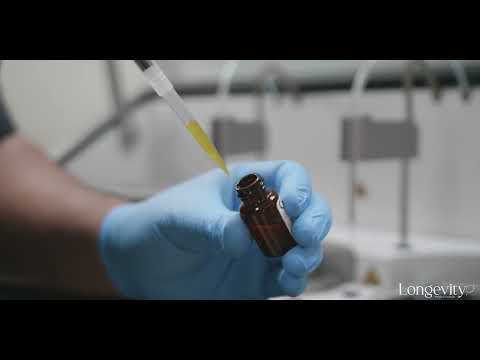
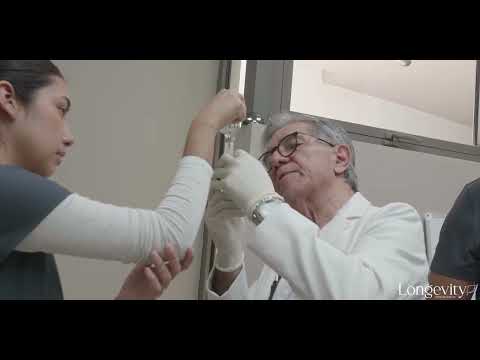

.jpg)
.jpg)









Share this listing