


Stem Cell Therapy Pricing by Condition and Clinic Type
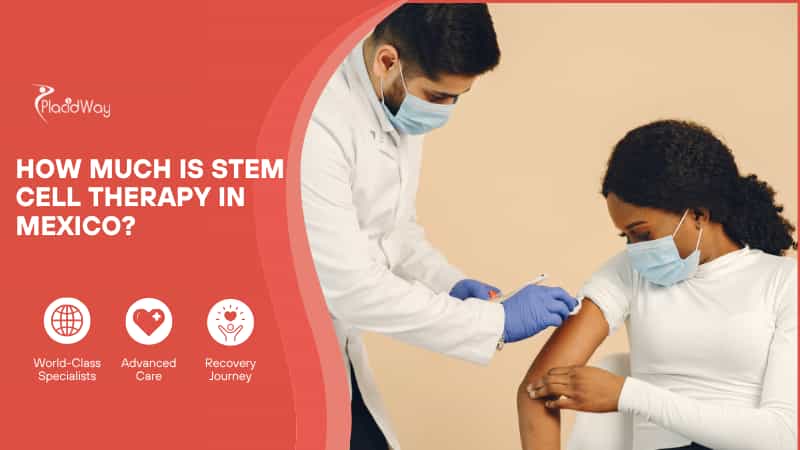
The stem cell therapy cost in Mexico generally ranges between $4,000 and $10,000 per treatment session. This pricing varies significantly based on the cellular source, medical condition being treated, and the specific clinic protocols.
Medical Disclaimer: The information provided in this educational article should not replace professional medical advice. Cost estimates are subject to change and vary widely by global clinic, specific case complexity, and comprehensive treatment requirements. Always consult directly with a qualified healthcare provider regarding diagnostic and treatment decisions.
Key Takeaways
- Financial investments typically span from four thousand to ten thousand dollars, depending heavily on whether autologous or allogeneic cells are utilized.
- Patients frequently travel internationally to access advanced regenerative laboratory protocols that may face strict regulatory limitations domestically.
- Thoroughly verifying the medical credentials and laboratory certifications of a stem cell therapy clinic in Mexico is absolutely vital for patient safety.
- Biological outcomes vary considerably by individual, and this specific therapeutic approach should never be viewed as a guaranteed cure for chronic illnesses.
- Engaging in medical tourism in Mexico offers individuals potentially affordable access to modern private healthcare infrastructure and specialized biological therapies.
What exactly is stem cell therapy in Mexico and how does it function?
This advanced biological treatment utilizes regenerative cells to help repair damaged tissues and heavily modulate local inflammation. Specialized physicians carefully inject these concentrated cells into targeted anatomical areas to potentially promote natural biological healing.
The fundamental scientific premise behind regenerative medicine lies in the unique ability of mesenchymal stem cells to seek out structural damage and orchestrate a complex healing response. When a patient suffers from chronic joint degeneration or a slow-healing tissue injury, the natural regenerative mechanisms of the body can frequently become overwhelmed or severely depleted over time.
During a clinical procedure, medical professionals introduce a highly concentrated volume of these supportive cells directly into the compromised environment. Once successfully deposited, these dynamic cells immediately begin releasing vital growth factors, specific cytokines, and powerful anti-inflammatory proteins through a highly sophisticated process known medically as paracrine signaling.
This biochemical signaling actively instructs the existing native cells of the patient to wake up, reduce harmful localized inflammation, and begin repairing the degraded structural matrix. While the injected cells themselves do not always permanently become new tissue, they function as vital biological managers that temporarily guide and massively stimulate the own healing capacity of the patient.
Expert Insight
Medical researchers frequently highlight that the most significant immediate benefit observed by patients is the profound reduction in chronic inflammation. By successfully altering the harsh inflammatory environment, patients often experience notable pain relief even before long-term tissue remodeling fully takes place.
What factors influence the stem cell therapy cost in Mexico?
The final financial investment depends heavily on the chosen cellular source, specialized laboratory processing methods, and the complexity of the targeted medical condition. Overall facility standards and supplementary therapies also play a significant role.
- Biological Source Material: Utilizing autologous cells harvested directly from the body of the patient generally involves different foundational costs than procuring highly screened, externally donated umbilical cord tissue from regulated laboratories.
- Cellular Dosage and Expansion: Protocols requiring millions of laboratory-expanded mesenchymal cells to reach a specific high therapeutic threshold naturally cost more than simple, same-day centrifuge separation techniques.
- Image-Guided Delivery: Utilizing advanced live fluoroscopy or ultrasound guidance to ensure the extremely precise placement of the cellular material into a delicate joint space adds necessary equipment and specialist fees.
- Condition Severity: Treating a single mildly arthritic knee requires vastly fewer biological resources and clinical time than addressing complex systemic autoimmune disorders via multiple intravenous infusions.
- Comprehensive Clinical Packages: Many premium international facilities bundle the core injection with necessary pre-operative blood panels, localized transportation, and supplementary intravenous vitamin therapies, which increases the initial baseline quote.
How do autologous and allogeneic cellular treatments compare?
Autologous therapy utilizes cells safely harvested directly from the patient body. Conversely, allogeneic therapy utilizes donated biological material, most frequently from screened umbilical cords, completely avoiding a painful patient harvesting procedure.
Autologous treatments are traditionally derived from either the adipose fat tissue or the pelvic bone marrow of the patient. This specific approach is highly favored by many because it uses the own biological material of the individual, virtually eliminating any theoretical risk of severe immune rejection. However, the quality and potency of these cells are intrinsically tied to the chronological age and overall baseline health of the patient.
Allogeneic umbilical cord therapies utilize youthful, highly potent mesenchymal cells collected exclusively from healthy, full-term cesarean births following strict ethical guidelines. Because these specific cells are extremely young, they generally possess a more robust capacity for rapid cellular division and secrete a higher volume of anti-inflammatory proteins compared to older autologous cells.
Furthermore, allogeneic treatments bypass the physical necessity for a surgical harvesting step, such as a miniature liposuction or a bone marrow aspiration. This makes the overall patient experience significantly more comfortable and generally faster, although the rigorous laboratory screening and specialized cryogenic transportation required for donor tissue often elevate the final price.
| Cellular Treatment Type | Primary Biological Source | Estimated Cost Range | Procedural Characteristic |
|---|---|---|---|
| Autologous Adipose/Marrow | Patient body | $4,000 - $7,000 | Requires minor surgical harvesting step |
| Allogeneic Umbilical Cord | Screened donor tissue | $5,500 - $10,000 | No harvesting required, ready for injection |
What types of medical conditions are frequently treated with this therapy?
Regenerative medicine is frequently applied to chronic orthopedic joint degeneration, specific autoimmune disorders, and various degenerative illnesses. The primary clinical aim is typically to improve daily function and drastically reduce systemic pain.
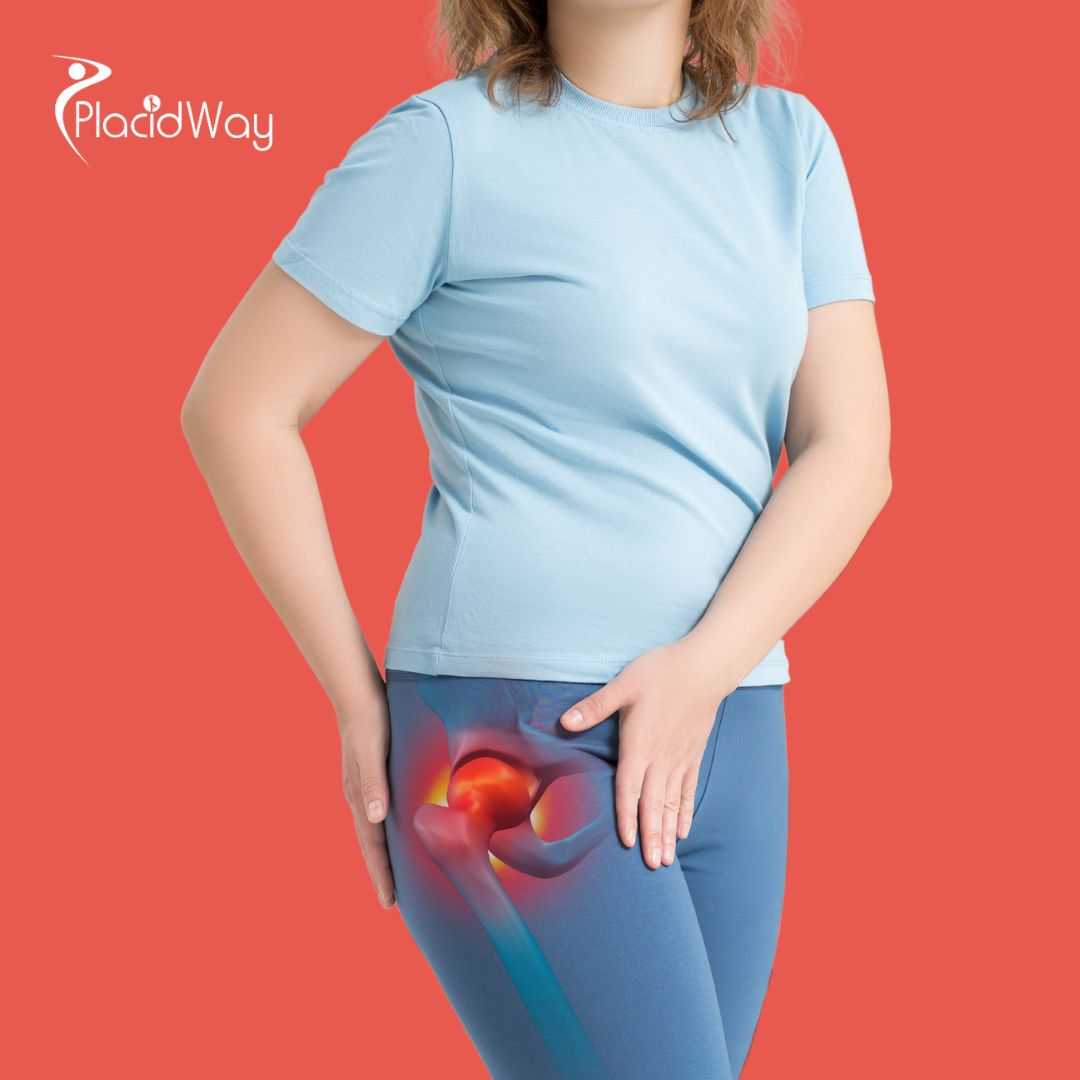
- Orthopedic Degeneration: Patients suffering from osteoarthritis of the knees, hips, or shoulders frequently explore targeted intra-articular injections to manage heavy joint inflammation and delay potential highly invasive replacement surgeries.
- Autoimmune Conditions: Systemic intravenous infusions are sometimes carefully utilized in an attempt to heavily modulate the malfunctioning immune responses seen in conditions like rheumatoid arthritis or lupus, aiming for periods of symptomatic remission.
- Spinal Disc Issues: Individuals facing chronic back pain due to mild to moderate degenerative disc disease may receive highly precise intradiscal injections to attempt to rehydrate and biologically stabilize the affected spinal segment.
- Sports Injuries: Professional and recreational athletes often turn to regenerative cellular injections to potentially accelerate the natural healing timeline of stubborn tendonitis, partial ligament tears, or severe muscle strains.
- Anti-Aging and Wellness: Some specialized clinics offer broad cellular vitality protocols designed to generally combat systemic biological inflammation, boost waning energy levels, and support overall cellular longevity in aging patients.
How can international patients choose a safe stem cell therapy clinic in Mexico?
Selecting a secure facility requires strictly verifying medical credentials, official laboratory certifications, and rigorous infection control protocols. Patients must heavily prioritize clinics that operate with transparent ethical standards rather than marketing hype.
The absolute most critical step is ensuring the medical facility and its affiliated laboratories hold valid operational permits from COFEPRIS, which is the national regulatory authority for healthcare and medical products. Facilities lacking this fundamental regulatory approval should be immediately avoided, regardless of how attractive their pricing structure may initially appear.
Furthermore, prospective patients must independently verify the specific specialized credentials of the attending medical staff. A highly qualified interventional pain specialist or board-certified orthopedic surgeon should ideally be performing the actual delicate injections, rather than general practitioners without deep anatomical expertise.
Finally, patients should inherently distrust any medical provider who promises an absolute guaranteed cure or utilizes aggressively persuasive sales tactics. Ethical regenerative medicine physicians clearly explain that biological responses vary immensely by individual, and they will openly discuss both the potential benefits and the inherent clinical limitations of the proposed therapy.
Important Consideration
Always explicitly request documented proof of a Certificate of Analysis if receiving allogeneic donor cells. This vital laboratory document scientifically verifies the exact cellular count, viability percentage, and confirms that the biological sample passed strict safety testing for infectious diseases.
What does the typical recovery timeline involve after cellular injections?
The initial clinical recovery from the needle injection is relatively brief, but true biological healing requires several months. Patients must typically modify their daily physical activities significantly to protect the treated anatomical area.
During the initial first week following the procedure, patients frequently experience a temporary increase in localized soreness, mild swelling, or joint stiffness at the exact injection site. This is a highly anticipated and completely normal biological response as the introduced cells actively trigger the initial inflammatory cascade necessary to kickstart tissue remodeling.
Over the subsequent two to six weeks, the acute soreness typically subsides, but the newly forming tissue matrix remains highly fragile. Physicians firmly restrict heavy lifting, intense twisting motions, and strenuous cardiovascular exercise during this window to allow the cells to properly engraft without harmful mechanical disruption.
Between the third and sixth months, patients generally begin engaging in structured physical therapy to safely strengthen the supporting musculature. It is typically during this extended timeframe that the most significant functional improvements in mobility and sustained reductions in baseline daily pain become clearly noticeable.
Why is medical tourism in Mexico popular for regenerative medicine?
The destination provides legal access to advanced cellular expansion techniques that frequently face exceptionally heavy regulatory restrictions elsewhere. This clinical access is paired with significant financial savings and modern private hospitals.
In nations like the United States and Canada, health regulatory bodies currently place very strict limitations on how biological cells can be scientifically manipulated or expanded in a laboratory setting before being reinjected. Traveling allows suitable patients to legally access advanced protocols that utilize millions of highly expanded cells for potentially greater therapeutic impact.
The considerable cost discrepancy remains a massive primary driving factor for international patients. Individuals can frequently access highly comprehensive regenerative packages, fully inclusive of sophisticated cellular processing and expert image-guided medical delivery, for a fraction of the financial cost of equivalent private investigational treatments occasionally offered up north.
Additionally, many top-tier private facilities located in popular border cities and coastal medical hubs maintain exceptional clinical standards. These dedicated centers routinely employ highly trained, bilingual interventional specialists who strictly follow rigorous international infection control guidelines to ensure a comfortable and safe patient experience.
Are there potential risks or clinical complications to consider?
While generally considered broadly minimally invasive, all cellular injections carry inherent medical risks. Potential complications include localized infection, temporary pain flares, or the fundamental possibility of an inadequate therapeutic response.
- Infection Risk: Because the procedure fundamentally breaks the skin barrier to access deep joints or systemic veins, a small inherent risk of localized or deep tissue infection always persists, heavily necessitating highly sterile clinical environments.
- Temporary Discomfort: It is highly common to experience a notable temporary flare-up of pain or swelling immediately following the injection as the body initiates the complex biological healing response.
- Treatment Failure: Patients must properly acknowledge that biological therapies may occasionally yield minimal to zero functional improvement. Because results rely entirely on individual physiological healing capacity, success can never be strictly guaranteed.
- Bleeding or Bruising: Minor bleeding or hematoma formation directly at the anatomical injection or harvesting site can occasionally occur, particularly in patients taking daily blood-thinning medications.
- Procedural Errors: If the guiding needle is improperly positioned during a delicate intervention, there is a risk of inadvertently traumatizing adjacent nerve roots, vividly underscoring the absolute necessity of utilizing highly experienced specialists.
Why Choose PlacidWay for your regenerative medicine journey?
PlacidWay actively serves as a transparent informational portal securely connecting exploring patients with properly certified healthcare providers worldwide. The robust platform strongly empowers individuals to make highly informed healthcare decisions.
- Extensive Global Network Access: Gain streamlined access to a carefully organized selection of highly accredited hospitals and strictly qualified regenerative specialists located across multiple leading geographical regions.
- Transparent Institutional Information: Openly review highly detailed provider professional profiles, specific available clinical treatment methodologies, and vital facility technical credentials to comparatively evaluate critical medical choices.
- Direct Provider Communication: Seamlessly facilitate early digital interactions directly with your chosen destination medical facilities to specifically ask detailed clinical questions and thoroughly clarify complex proposed treatment plans.
- Comprehensive Educational Resources: Easily utilize broadly structured informational guides and educational articles that actively help exploring patients deeply understand their specific conditions and the biological science behind treatments.
- Customized Healthcare Option Browsing: Independently explore a massive variety of available medical packages actively tailored to address highly specific individual clinical needs and personal financial budget requirements without sales pressure.
Frequently Asked Questions
Is cellular therapy painful to receive?
The procedure is typically performed under local anesthesia to ensure patient comfort. While the injection itself is usually well-tolerated, patients frequently experience mild localized soreness or swelling for a few days as the natural inflammatory healing response begins.
How long does a regenerative treatment session take?
Most regenerative injections are performed as outpatient procedures. Depending on whether cells are being harvested from the patient or prepared from a donor source, the entire clinical appointment generally lasts between two and four hours.
Will domestic health insurance cover regenerative treatments abroad?
Standard health insurance policies typically classify these advanced regenerative therapies as experimental or investigational. Therefore, patients traveling internationally should fully expect to cover the entire procedural cost through direct out of pocket payments.
Are donated umbilical cord cells safe to use?
When sourced from highly regulated ethical laboratories, allogeneic cord cells undergo rigorous multi-stage screening for infectious diseases and genetic abnormalities. These specific youthful cells possess remarkably low immunogenicity, making severe allergic rejection extremely rare.
How many therapeutic sessions are typically necessary?
The required number of sessions depends heavily on the specific medical condition and its severity. While some orthopedic issues may respond well to a single comprehensive injection, systemic or degenerative conditions frequently require a structured protocol of multiple treatments over time.
Can older adults benefit from cellular injections?
Older adults can absolutely be considered for cellular therapies, particularly for joint pain management. However, medical suitability relies heavily on the overall physiological wellness, cardiovascular health, and specific healing capacity of the individual patient rather than just chronological age.
What physical restrictions apply immediately after treatment?
Physicians strictly advise against heavy lifting, high-impact cardiovascular exercise, and strenuous mechanical stress on the treated area for several weeks. This vital resting period allows the introduced biological material to properly settle and engraft into the damaged tissue.
Can regenerative medicine completely cure arthritis?
Regenerative therapies do not provide a guaranteed permanent cure for chronic osteoarthritis. The primary clinical goals are to significantly reduce localized joint inflammation, potentially improve mobility, and manage daily pain to delay the need for invasive joint replacement surgeries.
How soon can I fly home after the procedure?
Most international patients are medically cleared to fly home within two to three days following an outpatient cellular injection. The attending physician must evaluate the patient post-procedure to ensure there are no acute immediate complications before authorizing travel.
Are there financing options available for international medical care?
While domestic insurance rarely applies, some international clinics partner with specialized third-party medical financing companies. Patients must proactively inquire directly with their chosen destination facility to explore potential monthly payment plans or structured financial arrangements.
Compare Treatment Options Worldwide
Take the crucial next step in your global healthcare journey. Connect seamlessly with accredited international providers, compare baseline cost estimates, and access the vital medical information you need to make a properly informed decision.
Request Treatment InformationReferences
- FDA Warnings on Unapproved Regenerative Therapies – U.S. Food and Drug Administration
- Stem Cells in Orthopedics – American Academy of Orthopaedic Surgeons
- Frequently Asked Questions About Stem Cell Research – Mayo Clinic
- Regenerative Medicine Overview and Uses – Cleveland Clinic
- Patient Guide to Stem Cell Therapies – International Society for Stem Cell Research
.png)




.png)
.png)


-(10).png)
.png)
.png)









Share this listing