
Stem Cell Therapy: A Promising Frontier in Medicine
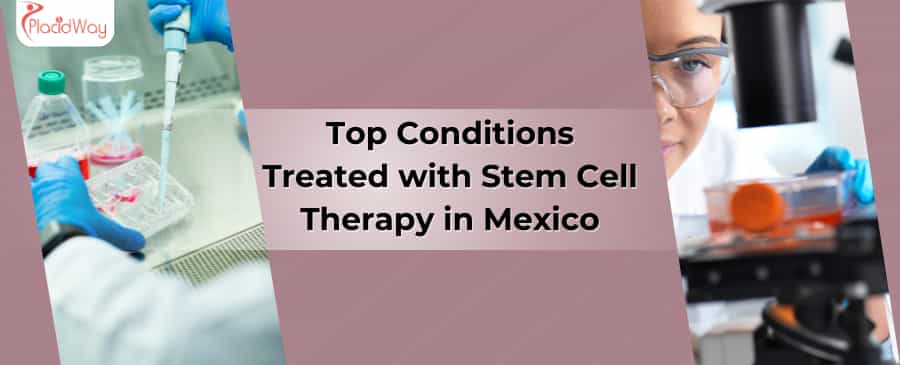
Many patients exploring regenerative medicine eventually look beyond their local healthcare systems for expanded options. If you are considering stem cell therapy in Mexico, it is helpful to understand exactly which medical issues are most frequently addressed by physicians across the border. Because regulatory frameworks differ internationally, Mexican facilities are often able to provide protocols utilizing expanded mesenchymal stem cells (MSCs) that may not be available in other regions.
Key Takeaways
- Joint degeneration and sports injuries are the most commonly treated orthopedic conditions.
- Treatments often focus on reducing systemic inflammation in autoimmune and neurological disorders.
- Patient eligibility requires strict medical clearance, as not everyone is a suitable candidate.
- Outcomes vary widely by individual, condition severity, and overall health status.
- Post-treatment care and local medical follow-up are critical for patient safety.
What are the most common orthopedic conditions treated?
Many patients seek out a stem cell therapy clinic in Mexico specifically to address chronic joint pain. Osteoarthritis, particularly in the knees, hips, and shoulders, is a primary focus. Physicians utilize stem cells with the goal of reducing localized inflammation and potentially supporting the repair of damaged cartilage tissue.
In addition to age-related wear and tear, sports injuries are commonly evaluated for regenerative protocols. Conditions such as rotator cuff tears, tendonitis, and ligament strains may be addressed using targeted injections. Instead of relying solely on surgical interventions, some patients explore cellular therapy to support the body's natural healing mechanisms.
While some patients report improvements in mobility and a reduction in pain, these outcomes are not guaranteed. The success of orthopedic stem cell treatments depends heavily on the extent of joint damage. Severe cases of bone-on-bone arthritis may still require traditional joint replacement surgery, which is why a thorough preliminary evaluation by an orthopedic specialist is essential.
Can stem cell therapy help with autoimmune diseases?
Autoimmune diseases occur when the body's immune system mistakenly attacks healthy tissues. Mesenchymal stem cells are frequently utilized in this area because of their unique immunomodulatory properties. Research suggests that these cells can interact with the immune system to help calm aggressive inflammatory responses.
Patients with rheumatoid arthritis often explore this option when traditional disease-modifying antirheumatic drugs (DMARDs) fail to provide sufficient relief or cause unmanageable side effects. Similarly, individuals with systemic lupus erythematosus or inflammatory bowel diseases may seek intravenous stem cell protocols aimed at systemic inflammation reduction.
It is important to understand that regenerative medicine is not a cure for autoimmune disorders. The primary objective is usually to manage symptoms, reduce flare-ups, and potentially improve the patient's quality of life. Regular follow-up with a local rheumatologist or specialist remains necessary to monitor the progression of the underlying disease.
How do doctors approach neurological disorders with this treatment?
Treating neurological conditions is one of the more complex areas of regenerative medicine. In Mexico, clinics may offer protocols for multiple sclerosis (MS), Parkinson's disease, Alzheimer's disease, and peripheral neuropathy. The therapeutic goal is generally to utilize the anti-inflammatory properties of stem cells to protect existing neurons and stimulate the body's own repair processes.
For conditions like MS, the focus is typically twofold: attempting to regulate the autoimmune attack on the nervous system and supporting the repair of the myelin sheath. Methods of administration vary, often involving intravenous infusions or occasionally intrathecal (spinal) injections, depending on the clinic's specific medical protocols and the patient's condition.
Patients must approach neurological stem cell treatments with realistic expectations. The central nervous system heals very slowly, and current scientific evidence regarding the reversal of severe neurological damage remains limited. While some patients experience temporary symptom relief, others may see no change. These treatments are often considered experimental and should be discussed extensively with a primary neurologist.
Is regenerative medicine used for cardiovascular issues?
- Objective: The primary aim is to encourage the formation of new blood vessels (angiogenesis) and improve blood flow to damaged heart tissue.
- Conditions evaluated: Post-myocardial infarction (heart attack) recovery and early-stage heart failure are sometimes considered.
- Mechanism: Stem cells secrete growth factors that may help repair injured cardiac muscle and reduce fibrotic scar tissue.
- Strict eligibility: Cardiovascular patients require rigorous screening. Those with highly unstable heart conditions may be disqualified due to safety concerns.
- Adjunct therapy: This approach is generally utilized alongside, not in place of, standard cardiovascular medications and lifestyle modifications.
Are wellness and anti-aging treatments popular?
A growing segment of medical tourism in Mexico involves preventative and wellness-focused cellular therapy. These protocols are often marketed as anti-aging treatments, though a more accurate description is systemic inflammation management. As the body ages, cellular efficiency declines, leading to longer recovery times and reduced energy levels.
Patients seeking wellness protocols typically receive intravenous stem cell infusions. The theory is that introducing young, robust MSCs into the bloodstream may help clear out senescent (aging) cells, reduce oxidative stress, and boost overall metabolic function. Some patients report improved sleep, higher energy, and enhanced mental clarity following treatment.
However, anti-aging claims should be approached cautiously. There is no therapy that can halt the aging process permanently. Outcomes are highly subjective, and the long-term benefits of receiving stem cells purely for general wellness are still being studied. Healthy lifestyle choices, diet, and exercise remain the foundation of longevity.
What types of stem cells do Mexican clinics use?
The type of cellular product used is a critical factor in both safety and efficacy. The majority of reputable clinics in Mexico rely on Mesenchymal Stem Cells (MSCs). These cells are favored because they have a strong ability to modulate the immune system and secrete therapeutic proteins. They are typically sourced in two ways: autologous or allogeneic.
Autologous treatments use the patient's own cells, usually extracted from adipose (fat) tissue or bone marrow. This method eliminates the risk of tissue rejection but may yield fewer viable cells, especially in older patients. Allogeneic treatments use donor cells, most commonly derived from donated human umbilical cord tissue (UC-MSCs) obtained after healthy, full-term cesarean births.
Umbilical cord cells are particularly popular in Mexico because they can be expanded in certified laboratories to achieve high cell counts. Regulatory frameworks under COFEPRIS (the Mexican health authority) permit the expansion of these cells, a practice that is heavily restricted in many other countries. Ethical clinics do not use embryonic stem cells due to associated safety risks and ethical concerns.
How do I know if I am eligible for treatment?
- Medical Records: You will need to provide recent blood work, imaging (MRI/X-rays), and detailed physician notes from your home country.
- Consultation: A clinical specialist will review your file to assess whether cellular therapy has a reasonable chance of providing therapeutic benefit.
- Contraindications: Patients with active cancer, severe active infections, or a history of certain genetic disorders are typically disqualified for safety reasons.
- Medication review: Blood thinners, immunosuppressants, and certain other medications may need to be managed or paused prior to treatment.
- Realistic expectations: Clinics will evaluate whether you have a clear, realistic understanding of the potential risks and varying outcomes.
What is the typical recovery process after receiving stem cells?
Because the procedures are minimally invasive, extensive downtime is rarely required. Patients receiving joint injections might experience temporary swelling, stiffness, or mild pain at the injection site for 24 to 48 hours. Those receiving intravenous therapies occasionally report feeling fatigued, experiencing mild headaches, or having low-grade chills shortly after the infusion.
Clinics typically advise patients to avoid strenuous exercise, heavy lifting, and anti-inflammatory medications (like ibuprofen) for several weeks post-treatment. Anti-inflammatory drugs can potentially interfere with the signaling process of the newly introduced stem cells. Physical therapy may be recommended after a few weeks to assist in joint recovery.
Following up with a healthcare provider is an essential part of the recovery process. Because you will be returning to your home country, it is vital to have a primary care doctor or specialist aware of your procedure so they can assist with ongoing monitoring and handle any rare complications should they arise.
What should I expect regarding treatment costs?
The financial aspect of regenerative medicine is a primary driver for medical travel. In the United States or Canada, treatments can be prohibitively expensive, and protocols utilizing expanded umbilical cord cells are largely restricted outside of clinical trials. Mexico offers a more accessible price point due to lower administrative costs, differing laboratory regulations, and broader economic factors.
A simple, localized joint injection will fall on the lower end of the pricing spectrum. Conversely, a comprehensive protocol for a complex neurological or autoimmune condition—requiring multiple days of treatment, high doses of expanded cells, specialized delivery methods, and complementary therapies—will approach the higher end of the range.
It is important to remember that these figures are strictly estimates. When planning your budget, you must also account for travel expenses, accommodation, meals, and follow-up care at home. Always request a detailed, itemized breakdown of costs from a clinic before committing to travel.
Is it safe to travel to Mexico for regenerative medicine?
Safety is a common concern for anyone engaging in international medical travel. The landscape of cellular therapy in Mexico is diverse. While there are highly advanced, heavily regulated facilities operating to strict international standards, there are also unverified clinics operating with minimal oversight. Patient diligence is non-negotiable.
To mitigate risk, patients should verify that the clinic holds current licensing from COFEPRIS. You should also confirm that the treating physicians are board-certified in their respective specialties, not just general practitioners administering injections. The source of the stem cells matters immensely; they should be processed in certified, clean-room laboratories that conduct rigorous infectious disease screening.
From a travel perspective, popular medical hubs like Tijuana, Cancun, Guadalajara, and Monterrey are accustomed to hosting international patients. However, traveling for medical reasons requires extra precaution. Flying immediately after treatment can sometimes increase the risk of blood clots or exacerbate fatigue. Planning a few extra days to rest in your hotel before flying home is often recommended by medical professionals.
Why Choose PlacidWay for Medical Tourism in Mexico?
PlacidWay is a comprehensive medical tourism platform designed to help patients navigate global healthcare options effectively.
- 1. Global Resource: Serves as an informational directory connecting patients with healthcare facilities worldwide.
- 2. Easy Comparisons: Allows users to review and compare estimated pricing and clinic profiles side-by-side.
- 3. Accreditation Details: Provides available information on facility certifications and regional medical licenses.
- 4. Direct Communication: Facilitates the initial contact between prospective patients and international medical teams.
- 5. Educational Materials: Offers articles and guides to help patients understand procedures and destination nuances.
Frequently Asked Questions
Are stem cell treatments in Mexico approved by the FDA?
The US Food and Drug Administration does not have jurisdiction over medical facilities in other countries. In Mexico, medical treatments and regenerative clinics are regulated by COFEPRIS, the national health authority.
How long does a typical stem cell procedure take?
The actual administration of stem cells usually takes a few hours. However, a complete treatment protocol, including consultations, lab work, and follow-up observation, may require you to be at the clinic for two to five days.
Does treatment require a long hospital stay?
Most regenerative therapies are performed on an outpatient basis. Patients generally return to their hotel or recovery accommodation on the same day after a brief observation period.
How soon might I notice changes after treatment?
Because cellular repair and inflammation reduction take time, patients typically do not see immediate results. Noticeable changes, if they occur, often develop gradually over several weeks to a few months.
Are there age limits for receiving stem cells in Mexico?
Eligibility is determined on a case-by-case basis rather than strict age limits. Most clinics treat adult patients, evaluating their overall health, organ function, and ability to undergo the procedure safely.
Can I fly home immediately after my procedure?
While some patients travel the next day, many physicians advise resting locally for 24 to 48 hours to monitor for any mild side effects, such as fatigue or localized soreness, before boarding a flight.
What happens if I experience side effects back home?
Patients are encouraged to establish a relationship with a local primary care physician or specialist before traveling. If complications arise after returning home, you should seek immediate care from your local healthcare provider.
Are umbilical cord stem cells safe?
Umbilical cord-derived cells are widely used due to their low immunogenicity. Reputable clinics source these cells from rigorously screened donors in certified laboratories to minimize the risk of infection or rejection.
Why do patients choose Mexico over the US for this therapy?
Patients often travel south because Mexican regulations permit the use of expanded mesenchymal stem cells, which allows for higher cell counts per treatment. Additionally, procedural costs are generally lower.
Will my domestic health insurance cover treatments in Mexico?
Most US and Canadian health insurance policies, including Medicare, do not cover regenerative medicine procedures performed internationally. Patients usually pay out-of-pocket for these treatments.
Compare Treatment Options
Explore clinic profiles, compare estimated costs, and gather information to help you make an informed decision about regenerative healthcare abroad.
Request Treatment InformationReferences
- Patient Resources – International Society for Stem Cell Research (ISSCR)
- Stem Cell Basics – National Institutes of Health (NIH)
- FDA Warns About Stem Cell Therapies – U.S. Food and Drug Administration
- Frequently Asked Questions About Stem Cell Research – Mayo Clinic
- Stem Cell Therapy for Arthritis – Arthritis Foundation
- Regulatory Framework Guidelines – Federal Commission for the Protection against Sanitary Risk (COFEPRIS)
- Medical Tourism Safety Guidelines – Centers for Disease Control and Prevention (CDC)






















Share this listing