

Contents
For couples facing genetic challenges or seeking family balancing, Mexico has become a premier destination for Preimplantation Genetic Diagnosis (PGD). Unlike in Canada or the UK, where gender selection is restricted, or the United States, where costs can be prohibitive, Mexico offers a supportive legal environment paired with world-class fertility technology at a fraction of the price.
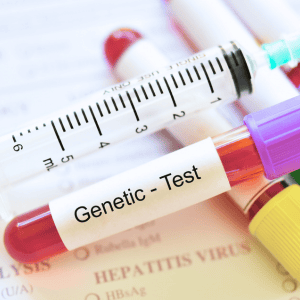
PGD is performed in conjunction with In Vitro Fertilization (IVF). Fertility clinics in major hubs like Cancun, Guadalajara, and Mexico City utilize advanced Next-Generation Sequencing (NGS) technology to screen embryos for chromosomal abnormalities and specific genetic disorders before implantation. This significantly increases the success rates of IVF and ensures the baby is free from hereditary conditions.
The appeal of Mexico lies in its "high-touch, high-tech" approach. Fertility specialists here are often board-certified and trained in Europe or the U.S., yet they offer a level of personalized care that can feel rushed in busier North American clinics.
Whether you are traveling to Puerto Vallarta to combine your fertility journey with a relaxing vacation or visiting a specialized center in Monterrey, PGD in Mexico represents a hopeful, accessible path to building the family you dream of.
Did You Know?
Gender selection for "family balancing" is fully legal in Mexico. This allows parents who already have children of one gender to specifically select an embryo of the opposite gender during the PGD process, a service that is often banned or heavily regulated in other countries.
Key Insights at a Glance
IVF with PGD in Mexico typically costs 40% to 60% less than in the United States.
Modern NGS technology used in Mexico offers up to 99% accuracy in detecting chromosomal abnormalities and gender.
By transferring only healthy embryos, PGD significantly reduces miscarriage rates and increases IVF success.
Mexico has favorable laws regarding egg donation and gender selection, providing options unavailable elsewhere.
Biologists and embryologists in top clinics are often certified by international fertility boards.
Wait times for IVF cycles and PGD results are generally much shorter than in public health systems abroad.
"Fertility Vacations"
Many patients choose clinics in Cancun or Puerto Vallarta to turn a stressful medical procedure into a relaxing getaway. Doctors often encourage this, as reducing stress levels can positively impact cortisol levels and potentially improve the outcomes of fertility treatments.
Fertility treatments involve multiple steps, making all-inclusive packages a popular choice. In this section, we highlight providers offering bundled IVF+PGD packages. These comprehensive options typically cover the egg retrieval, ICSI fertilization, embryo biopsy, genetic analysis fees, and embryo transfer. Some premium packages also include medication, airport transfers, and discounted accommodation partnerships.
Note: Verify if fertility medications (gonadotropins) are included in the package price, as they can be a significant separate expense.

Price starting from $2,000
PGD Package in Tijuana, Mexico by Dr. Javier Piri Sarmiento
Dr. Javier Piri Sarmiento - IVF Specialist in Tijuana Mexico
- Fertility Treatment
Tijuana, Mexico
Financial planning is critical for fertility patients. The table below breaks down the average costs for PGD and IVF cycles in Mexico compared to U.S. and Canadian prices. Generally, adding PGD to an IVF cycle in Mexico costs significantly less than the standalone genetic testing fees charged in Western clinics. Use these figures to plan your budget, keeping in mind travel and potential medication costs.
Tip: PGD pricing often depends on the number of embryos tested (e.g., up to 4 embryos vs. up to 8 embryos).
Preimplantation Genetic Diagnosis (PGD) Centers Cost Comparison in Mexico
| Provider | Procedure | Price |
|---|---|---|
| Dr. Javier Piri Sarmiento - IVF Specialist in Tijuana Mexico | Preimplantation Genetic Diagnosis (PGD), Fertility Treatment | $2000 |
Preimplantation Genetic Diagnosis (PGD) Cost Comparison in Mexico
| Country | Procedure | Price |
|---|---|---|
| United States | Preimplantation Genetic Diagnosis (PGD), Fertility Treatment | $16000 |
Not all IVF clinics have the capability to perform advanced genetic diagnostics. We have selected the top fertility centers in Mexico that possess high-complexity laboratories and in-house geneticists. These clinics are chosen for their high success rates, modern incubation technology, and experience with international patients. Explore the profiles below to see facility accreditation and laboratory standards.
Standard Check: Look for clinics accredited by the Latin American Network of Assisted Reproduction (REDLARA).
IVF Clinic in Mexico ViaFERT Mazatlan
Mazatlan, Mexico
The Fertility Center Mexico
, Mexico
Centro de Fertilidad del Prado
Tijuana, Mexico

Fertility Beyond Borders - Dr. Felix Atondo
Tijuana,Guadalajara,Cancun, Mexico

Dr. Javier Piri Sarmiento - IVF Specialist in Tijuana Mexico
Tijuana, Mexico
IVF Clinic in Mexico ViaFERT Culiacan
Culiacan, Mexico
Fertility journeys are deeply personal and emotional. The video testimonials featured below share the stories of couples who traveled to Mexico for PGD and IVF. Hear them discuss their experiences with the medical staff, the support they received during the process, and the ultimate joy of a successful pregnancy. These authentic stories offer hope and insight into the reality of treatment abroad.
Insight: Many testimonials highlight the "human touch" and empathy of Mexican doctors, which patients often find superior to experiences at home.

Honest feedback helps you make informed choices. In this section, you will find verified reviews from international patients who underwent genetic screening in Mexico. Read about their satisfaction with the communication speed, the clarity of the genetic reports, and the overall clinic environment. These reviews are a valuable resource for gauging the reliability and quality of care.
Review Tip: Look for reviews that mention "coordination" or "logistics," as this is crucial for timed fertility treatments.

The success of genetic diagnosis relies heavily on the skill of the embryologist and the fertility specialist. We have identified top-tier professionals in Mexico who specialize in assisted reproduction and genetics. These profiles showcase their educational backgrounds, international certifications, and dedication to high ethical standards, helping you choose a partner in your path to parenthood.
Certified Reproductive Biologists
Experts in Embryology & Genetics
These specialists lead the laboratory teams and are responsible for the delicate biopsy process. Many have trained in the U.S. or Spain and are experts in handling gametes and embryos to ensure survival and accurate diagnosis.
Fertility Specialists (REIs)
Reproductive Endocrinology Focus
Medical doctors with specialized training in reproductive endocrinology manage the clinical side—stimulation protocols and egg retrieval. They work closely with the genetics lab to interpret PGD results and guide patients on embryo selection.
Genetic Counselors
Patient Education & Support
Essential for patients with known hereditary conditions, genetic counselors help explain the risks, the testing process, and the results, ensuring you make informed decisions about your family's future health.
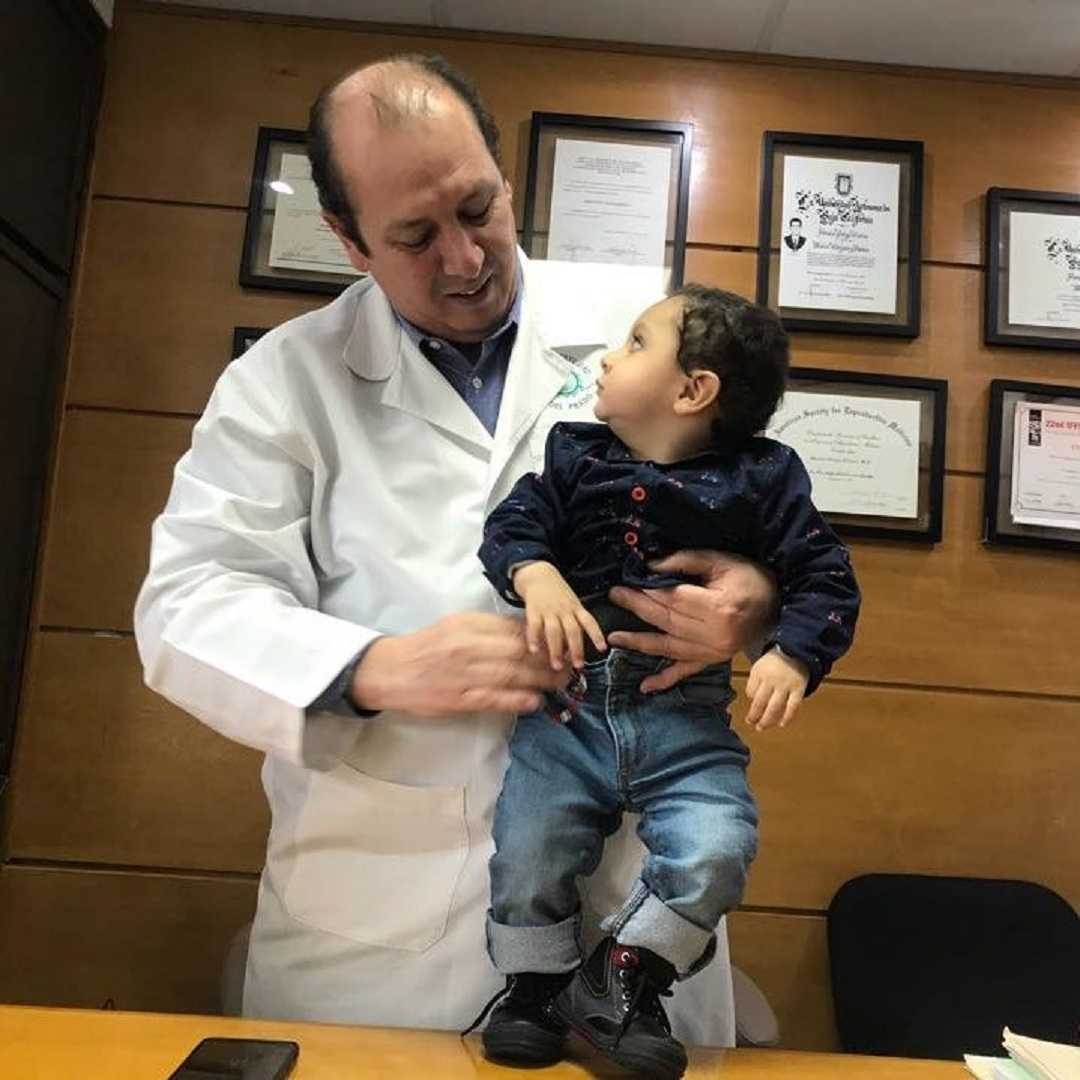
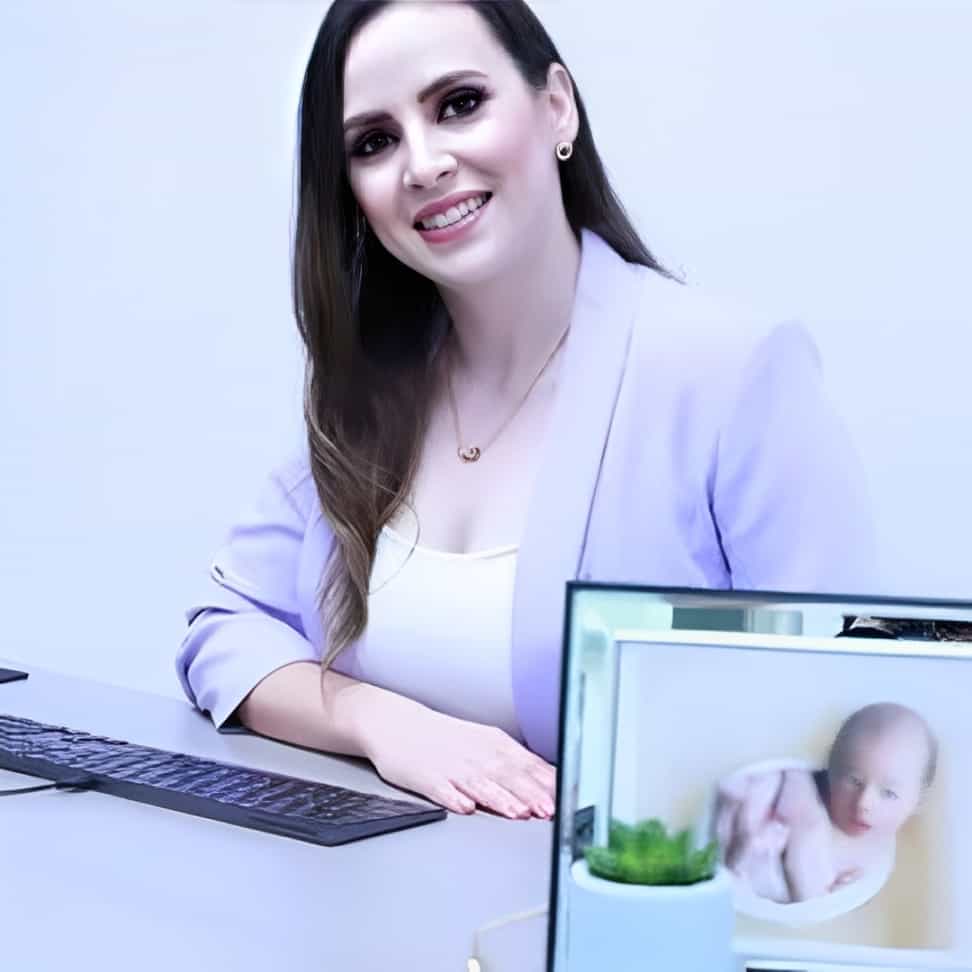

Dr. Francisco Javier Piri Sarmiento
Dr. Javier Piri Sarmiento - IVF Specialist in Tijuana Mexico
- IVF Specialist
Tijuana, Mexico
Proximity and Accessibility
For North Americans, Mexico is the most accessible destination for fertility tourism. Short, direct flights to major hubs like Cancun, Mexico City, and Puerto Vallarta make it easy to travel for treatment cycles without enduring long-haul flights that can be physically taxing during hormone stimulation.
This proximity allows partners to easily join for key procedures or for patients to split their treatment into two manageable trips.
Advanced IVF Technology
Mexico's private fertility sector is highly competitive and technologically advanced. Clinics invest heavily in the latest incubators (like EmbryoScope) and laser-assisted hatching tools.
The widespread adoption of NGS (Next-Generation Sequencing) for PGD places Mexican clinics on par with the best centers in Europe and the US, ensuring that patients do not have to compromise on success rates to save money.
Supportive Legal Framework
Unlike many countries where fertility laws are restrictive, Mexico offers a flexible framework that respects patient choice. This is particularly relevant for gender selection and egg donation.
The legality of gender selection draws thousands of international patients annually who wish to balance their families but cannot access these services at home. This openness, combined with high medical standards, creates a unique environment for reproductive freedom.
Building a family is a journey, and when that journey leads abroad, you need a trusted partner. PlacidWay connects you with Mexico's most reputable fertility clinics, ensuring your PGD experience is safe, transparent, and successful.
Lab Quality Checks
We pre-screen fertility centers to ensure they have on-site, high-complexity laboratories and certified embryologists capable of accurate PGD analysis.
Package Comparisons
Fertility pricing is complex. We help you compare all-inclusive IVF+PGD packages to understand exactly what is covered, from medication to embryo freezing.
Doctor Connections
We arrange initial video consultations, allowing you to meet your fertility specialist and discuss your medical history before committing to travel.
Success Rate Data
We provide access to clinic success rates and patient outcomes, helping you make a data-driven decision about where to undergo treatment.
Travel Logistics
Our team assists with the logistical side of fertility travel, offering advice on accommodation near clinics and travel timing for cycles.
Take the first step toward your dream family today. Contact PlacidWay for a free, confidential quote and start planning your PGD journey in Mexico.
Get Your Free Personalized Quote

.jpg)

.png)
.png)

.png)




.jpg)
.jpg)
.jpg)
.jpg)








Share this listing