Breast Lift in Cancun, Mexico

Publish date: Feb 10, 2026 Modified date: Oct 06, 2026 Medically reviewed by: Dr. Lorenzo Halverson on Oct 06, 2026 Author: Amelia Pricilia
Breast Lift in Cancun, Mexico

Contents

Let’s be real—scrolling through local plastic surgery quotes back home in the US or Canada can give you major sticker shock. You want your youthful contour back after pregnancy or weight loss, but dropping ten grand on a breast lift feels like you are funding your surgeon’s next yacht. That is exactly why thousands of women look south of the border for the same high-quality cosmetic results without draining their savings accounts. A breast lift in Cancun typically costs around $3,500 to $4,500, offering substantial financial relief while you recover near the beautiful Caribbean coast.

Finding a great price is nice, but protecting your health is non-negotiable when traveling for surgery. When comparing your options abroad, always verify that a medical facility holds local COFEPRIS approval, which ensures they meet strict Mexican health regulations. You should also look for specialists certified by the Mexican Association of Plastic, Aesthetic and Reconstructive Surgery (AMCPER). Take a moment to review the insights below so you can confidently compare the medical options available to you.

Key Insights

Average Cost
$3,500 - $4,500 USD
Procedure Duration
2 to 3 hours
Anesthesia
General Anesthesia
Recommended Stay
7 to 10 days in Cancun
Key Credentials
COFEPRIS facility approval and AMCPER board certification

Bundled medical travel packages can take the stress out of planning a surgery abroad, but you need to know exactly what you are paying for upfront. A comprehensive breast lift package in Cancun usually covers the surgeon's fee, anesthesia, operating room costs, and sometimes even airport transfers and hotel stays. These inclusive options are designed to make your arrival and recovery as smooth as possible.

However, you must read the fine print because basic packages might exclude pre-op blood work, post-surgical compression garments, or prescription medications. Before making any financial commitments, review the specific inclusions and exclusions of each provider. Compare the bundle options below to see which package offers the most supportive and transparent experience for your upcoming trip.

`

Understanding the financial side of your procedure is the first step toward feeling confident about your trip. A breast lift in Cancun typically ranges from $3,500 to $4,500, depending on the surgical technique required and whether you are adding implants to the procedure. Back in the US or Canada, this exact same cosmetic surgery can easily exceed $9,000 before even factoring in the anesthesia and operating room fees.

When evaluating quotes, always ask for an itemized breakdown to avoid hidden charges later on. Make sure the estimate covers medical clearances, facility fees, and your post-op follow-up appointments. Compare the pricing details listed below to find an option that perfectly balances your budget with uncompromising medical standards.

Breast Lift Centers Cost Comparison in Cancun, Mexico

Provider Procedure Price
Riviera Institute for Plastic Surgery Breast Lift, Cosmetic/Plastic Surgery $5422
Cancun Plastic Surgery Center by Dr. Víctor Sámano Breast Lift, Cosmetic/Plastic Surgery $5360

Breast Lift Cost Comparison in Mexico

Country Procedure Price
United States Breast Lift, Cosmetic/Plastic Surgery $15000

Choosing the right medical facility abroad means looking way beyond a beautiful lobby or a polite reception desk. You want a clinic that prioritizes patient safety, clinical hygiene, and modern surgical technology above all else. When evaluating your options in the Mexican Caribbean, ensure the hospitals are officially approved by COFEPRIS, the local health regulatory body. This certification proves that the facility adheres to strict federal safety and sanitation standards.

Do not hesitate to ask a clinic about their emergency protocols or their post-operative nursing care. Transparency is a major indicator of a trustworthy medical provider. Take the time to compare the clinics listed below, checking their official licenses and specialized plastic surgery equipment, so you can see which facility is the best fit for your medical journey.
Sometimes, reading about a surgical procedure just isn't enough to calm those pre-travel nerves. Watching videos of the actual clinics, meeting the surgeons on screen, and seeing genuine patient journeys can make the whole process feel much more real and approachable. These visual insights help you understand the facility's hygiene standards and the doctor's bedside manner long before you board a plane.

Video tours also give you a realistic preview of the recovery environment and the specialized care you will receive in Mexico. Browse the curated video gallery below to get a firsthand look at what a mastopexy experience in this city is truly like, helping you compare your options with greater clarity and confidence.
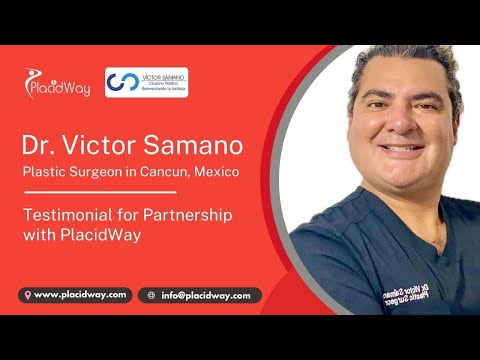
It is easy to get caught up in five-star ratings, but the real truth lies in the detailed stories shared by previous patients. Reading about someone else's breast lift journey gives you raw, unfiltered insights into pain management, communication barriers, and the actual healing process abroad. Look for reviews that specifically mention the surgeon you are considering and how the nursing staff handled post-operative care.

Patient testimonials often highlight the small, important details that clinical brochures leave out, like how comfortable the recovery beds were or how well the doctor listened to aesthetic concerns. Dive into the real-world experiences below to compare how different clinics treat their patients from arrival to departure.

If you are considering traveling to the Mexican Caribbean for your cosmetic surgery, you likely have a few practical and medical concerns. Review these common questions about getting a breast lift in Cancun to help you plan a safe, comfortable, and highly successful trip.

Am I a good candidate for a breast lift in Cancun?

Ideal candidates are healthy individuals experiencing breast sagging due to aging, pregnancy, weight loss, or genetics. A virtual consultation with a qualified surgeon in Mexico can determine if a mastopexy will safely achieve your desired goals.

How long should I stay in Cancun after my surgery?

Surgeons typically require patients to remain in the city for 7 to 10 days post-surgery. This allows the doctor to monitor your initial healing, remove any drains or sutures, and medically clear you for your flight home.

Will my surgeon and clinical staff speak English?

Yes, facilities that cater to medical tourists in this region employ bilingual surgeons and nursing staff. You can expect clear communication regarding your treatment plan, risks, and recovery instructions in English.

What is the difference between a breast lift and implants?

A lift (mastopexy) raises and reshapes sagging breasts by removing excess skin and tightening the surrounding tissue. It does not significantly change the size, whereas implants are added to increase volume and fullness.

Can I go to the beach or swim after my procedure?

No. You must avoid swimming in pools, the ocean, or hot tubs for at least 4 to 6 weeks to prevent severe infections. You will also need to keep your incisions completely protected from direct sunlight.

How do I verify a plastic surgeon's credentials in Mexico?

You should verify that the doctor is board-certified by the Mexican Council of Plastic, Aesthetic and Reconstructive Surgery (CMCPER) and holds active membership in AMCPER. These organizations ensure the surgeon has completed rigorous specialty training.

What happens if I experience complications after returning home?

Before traveling, always ask your overseas clinic about their complication policy. You should also establish a relationship with a local general practitioner in your home country who knows you are traveling for surgery and can assist with minor post-op issues.

Do Mexican clinics accept US or Canadian health insurance?

Cosmetic procedures like a mastopexy are elective and generally not covered by North American health insurance plans, whether performed domestically or abroad. You will need to pay out-of-pocket or use private medical financing.

What type of anesthesia is used during the procedure?

This surgery is almost always performed under general anesthesia administered by a certified anesthesiologist. This ensures you are completely asleep and pain-free during the operation.

Will I have permanent scars after a breast lift?

Yes, scarring is inevitable where the incisions are made, usually around the areola and sometimes extending downward. However, a skilled surgeon places these incisions strategically, and the scars generally fade significantly over the first year.

How much does Breast Lift cost in Cancun, Mexico?

The average breast lift cost in Cancun, Mexico ranges from $3,500 to $5,000. Final prices depend on the surgical technique, anesthesia, and facility fees. This is an estimate; precise quotes require a medical consultation. Key Takeaways The quoted price for a mastopexy often covers the surgeon's fee, anesthesia, and operating facility costs. Combining a lift with breast implants will increase the overall cost and alter the surgical approach. Patients traveling for surgery typically need to stay in the destination for 7 to 10 days for proper initial healing and follow-up. Medical suitability requires a thorough evaluation of your health history, current medications, and realistic expectations. Local medical follow-up is highly recommended once you return home to ensure long-term healing progresses normally. What factors affect the total price of this surgery? The final price you pay is determined by the complexity of the lift, anesthesia fees, operating room costs, and the specific expertise of the medical team. When reviewing initial price estimates, it helps to understand how medical billing works for cosmetic procedures. The surgeon’s fee often reflects their level of experience and the time required in the operating room. A complex reshaping procedure takes longer and requires more meticulous tissue manipulation than a minor skin excision, which naturally impacts the final cost. Facility fees also play a significant role. Surgeries performed in fully accredited, modern medical centers with advanced monitoring equipment incur higher operational costs than those performed in smaller, less-equipped outpatient rooms. Similarly, having a specialized anesthesiologist monitor you throughout the procedure adds to the total but is standard practice for patient safety. Other variables include pre-operative laboratory tests, prescription medications for pain and infection prevention, and specialized post-surgical compression garments. Most comprehensive packages outline these inclusions, but you should always verify what your initial quote covers to avoid unexpected expenses. Does the estimated cost include breast implants? Standard estimates for a mastopexy do not include the cost of implants. If you choose an augmentation-mastopexy, the price will increase to cover the implant devices and additional surgical time. Many patients seeking a lift also desire restored volume, especially if they have experienced significant tissue loss following weight loss or pregnancy. A standard lift only removes excess skin and reshapes the existing breast tissue. It raises the position of the breast but does not make it larger. If you and your surgeon determine that adding volume is necessary to achieve your desired outcome, silicone or saline implants will be introduced into the surgical plan. High-quality, medical-grade implants carry their own manufacturing costs, which are passed on to the patient. You can expect an augmentation-lift to cost substantially more than a lift alone. Combining the two procedures also increases the complexity of the operation. The surgeon must carefully balance the tightening of the skin envelope with the pressure exerted by the new implant to ensure healthy blood flow and proper healing. This extended operating time will be reflected in both the surgeon's fee and the anesthesia costs. Expert Insight: Depending on the degree of drooping and the size of the implant desired, some surgeons prefer to stage these procedures—performing the lift first, and the augmentation several months later—to minimize complications. Discuss the safest approach for your specific anatomy during your consultation. What should I expect during the initial consultation? Your consultation involves a detailed physical examination, a review of your complete medical history, and an open discussion about realistic outcomes, surgical risks, and recovery protocols. The pre-surgical consultation is an essential safety step. The medical team will begin by asking about your current health status, chronic conditions, previous surgeries, and any medications or supplements you take. Certain medications, like blood thinners or specific herbal supplements, can increase bleeding risks and must be stopped well before surgery. During the physical evaluation, the surgeon will measure your breasts, assess the degree of ptosis (drooping), check your skin quality, and evaluate the placement of your nipples. Good skin elasticity often leads to better, longer-lasting results because the skin can support the newly elevated breast tissue. You will also discuss your aesthetic goals. A responsible medical professional will explain what can realistically be achieved based on your anatomy. They will detail the proposed surgical technique, explain where the incisions will be placed, and provide a clear overview of potential complications so you can make an informed decision. Am I a suitable candidate for a breast lift in Cancun, Mexico? Ideal candidates are healthy non-smokers with realistic expectations who experience breast sagging, downward-pointing nipples, or stretched skin due to aging, gravity, or weight changes. Stable Weight: Significant weight fluctuations after the procedure can stretch the skin again, reversing the surgical results. Patients are advised to reach a stable, maintainable weight before undergoing surgery. Nicotine Avoidance: Smoking restricts blood vessels, drastically reducing blood flow to the skin. This can lead to severe healing complications, including tissue death (necrosis) and wide scars. Surgeons typically require patients to stop all nicotine use weeks before and after the procedure. General Health: Uncontrolled medical conditions such as diabetes or high blood pressure can increase the risks associated with anesthesia and impair wound healing. Family Planning: While you can safely undergo a lift before having children, future pregnancies will likely stretch the breast tissue again, potentially compromising the surgical outcome. Realistic Goals: Understanding that surgery leaves permanent scars and will not achieve absolute perfection is necessary for post-surgical satisfaction. What surgical techniques are commonly used? Surgeons select a specific incision pattern based on the amount of excess skin and the degree of sagging. The three most common techniques are the peri-areolar, vertical, and anchor incisions. The chosen technique dictates the extent of the reshaping and the location of the resulting scars. For mild sagging, a peri-areolar lift (often called a "donut" lift) may be appropriate. This involves a circular incision strictly around the edge of the areola. It removes a small amount of tissue and leaves a well-concealed scar. Patients with moderate drooping usually require a vertical lift, sometimes referred to as a "lollipop" lift. This involves an incision around the areola that extends straight down to the breast crease. It allows the surgeon to remove more excess skin and significantly reshape the lower portion of the breast, providing better projection and support. For severe sagging or very stretched skin, the anchor lift (inverted-T) is typically necessary. The incisions go around the areola, vertically down to the crease, and horizontally along the natural breast fold. While this leaves the most extensive scarring, it provides the maximum degree of lifting and reshaping capabilities for challenging cases. Technique Degree of Sagging Incision Pattern Peri-areolar (Donut) Mild Circular around the areola only Vertical (Lollipop) Moderate Around the areola and straight down to the crease Anchor (Inverted-T) Severe Around areola, vertical line, and horizontal along the fold How long is the recovery period before flying home? Patients are typically advised to remain in the area for 7 to 10 days post-surgery to attend follow-up appointments and clear the initial window for acute complications before flying. The first few days following a mastopexy involve swelling, bruising, and discomfort, which are usually managed with prescribed oral medications. During this time, rest is critical. You will need to sleep on your back, slightly elevated, to minimize swelling and avoid putting pressure on your incisions. Your surgeon will schedule one or more post-operative checkups during your stay. At these appointments, the medical team will evaluate the healing of your incisions, monitor blood circulation in the breast tissue, and remove any surgical drains if they were used. Flying too soon after surgery is strongly discouraged because the cabin pressure changes and prolonged sitting can increase swelling and the risk of deep vein thrombosis (DVT). Once you are cleared to fly, you will still be in the active healing phase. You will need to limit heavy lifting and strenuous activity for at least four to six weeks. It is crucial to have a plan in place for medical care in your home country just in case you experience delayed complications such as delayed wound healing or localized infections. What are the potential risks and complications? Like all major surgeries, this procedure carries risks, including infection, bleeding, poor scarring, asymmetry, and partial or total loss of sensation in the nipples. Recognizing the medical risks is a mandatory part of the planning process. General surgical risks include adverse reactions to anesthesia, hematoma (blood pooling under the skin), and seroma (fluid accumulation). If these occur, they may require additional medical intervention to drain the fluid or stop the bleeding. Specific to breast lifts, changes in skin and nipple sensation are very common. While often temporary, some patients experience permanent numbness or hypersensitivity. The incisions also leave permanent scars; while they typically fade over a year, they can occasionally become thick, red, or raised (hypertrophic or keloid scarring), depending on your genetics and how your body heals. A more serious, though rare, complication is the partial or complete loss of the nipple and areola due to compromised blood supply during surgery. Additionally, perfect symmetry is rarely possible in human anatomy; slight differences in the shape, size, or position of the breasts post-surgery are normal, but significant asymmetry might require a revision procedure. How do I choose a qualified breast lift clinic in Cancun, Mexico? Selecting a facility requires verifying the surgeon’s credentials, ensuring the clinic maintains strict accreditation standards, and reviewing clear protocols for emergency care. Verify Board Certification: Ensure the operating surgeon is formally certified in plastic surgery by recognized regulatory bodies, such as the Mexican Council of Plastic, Aesthetic and Reconstructive Surgery (CMCPER). Facility Accreditation: The surgery should take place in a facility that meets rigorous hygiene, safety, and equipment standards, often demonstrated by national or international medical accreditations. Anesthesia Standards: Confirm that a certified anesthesiologist will administer and monitor your anesthesia, rather than an uncertified assistant. Pre-Surgery Communication: A reputable clinic will prioritize a comprehensive medical evaluation over high-pressure sales tactics. They should readily discuss risks and inform you if you are not a suitable candidate. Emergency Protocols: The clinic must have well-defined, transparent procedures for transferring patients to an intensive care unit or higher-level hospital in the unlikely event of a life-threatening surgical complication. Why do patients choose medical tourism in Cancun, Mexico for plastic surgery? Many international patients seek surgical care in this region due to lower overall treatment costs, geographic proximity to North America, and access to experienced, bilingual medical professionals. The primary driver for cross-border healthcare is often cost discrepancy. Even when factoring in flights, accommodations, and post-operative medications, the total expenditure for surgical procedures in this region can be considerably lower than standard out-of-pocket prices in the United States or Canada. This allows patients to access procedures that might otherwise be financially out of reach. Geographic convenience also plays a significant role. Direct, short-haul flights from numerous major North American airports make the logistics of travel less physically taxing than flying to medical hubs in Europe or Asia. This shorter travel time is particularly beneficial during the post-operative period when sitting for extended periods is uncomfortable and medically discouraged. Furthermore, the medical infrastructure catering to international patients in this area is well-established. Many private facilities are equipped with modern technology and staffed by bilingual medical teams who frequently treat international visitors, which helps ensure clear communication regarding medical instructions, informed consent, and recovery expectations. Why Choose PlacidWay for Medical Tourism? PlacidWay provides resources and information to help you explore international healthcare options. Global Database: Access a wide directory of international clinics, hospitals, and medical providers. Comparative Information: Review facility profiles and estimated pricing structures across different regions to aid your research. Educational Resources: Read general articles and guides about various medical procedures and destinations. Direct Connections: Use the platform to send inquiries directly to international medical facilities for preliminary evaluations. Patient Reviews: Read testimonials and experiences shared by past patients who have utilized facilities in the network. Frequently Asked Questions Will a breast lift change my cup size? A breast lift reshapes and elevates the tissue but does not significantly change your actual cup size. However, because the breasts sit higher and firmer on the chest, they may appear fuller, and your bras may fit differently. How long do the surgical results typically last? The results of a mastopexy are long-lasting, but they are not entirely permanent. Gravity, aging, weight fluctuations, and natural skin laxity will continue to affect the breast tissue over the years. Are surgical drains necessary after the procedure? Some surgeons use small, temporary drainage tubes to prevent fluid buildup, while others use drainless techniques. If drains are placed, they are usually removed within a few days before you travel home. Can I combine this procedure with a tummy tuck? Yes, a breast lift is frequently combined with a tummy tuck as part of a comprehensive procedure. Keep in mind that combining surgeries increases the total operation time, recovery period, and potential risks. Will I lose nipple sensation after the surgery? Temporary changes in nipple sensation are common due to swelling and tissue manipulation. While sensation usually returns as nerves heal over several months, permanent loss or reduction of feeling is a possible risk. How soon can I swim in the ocean or pool? You must avoid submerging your incisions in pools, oceans, hot tubs, or baths until they are completely closed and cleared by your surgeon. This typically takes at least four to six weeks to reduce the risk of infection. What kind of anesthesia is used for this procedure? A mastopexy is typically performed under general anesthesia, meaning you will be completely asleep. In some less complex cases, intravenous sedation combined with local anesthesia may be used. Will future pregnancies affect my surgical results? Yes, the skin stretching and volume changes associated with pregnancy and breastfeeding can alter the results of your surgery. Surgeons often recommend waiting until you are finished having children before undergoing this procedure. How long should I wear a surgical compression bra? Most surgeons require patients to wear a supportive, non-underwire compression bra continuously for four to six weeks. This minimizes swelling and supports the newly shaped contours as they heal. Can I get a mammogram after the surgery? Yes, you can and should continue routine mammograms. You will need to wait until your breasts are fully healed, and you should always inform the radiologist that you have had breast surgery so they can use appropriate techniques. Compare Treatment Options Take the next step in your medical research. Request detailed facility information, provider credentials, and estimated costs from international clinics. Request Treatment Information References Breast Lift Overview and Candidacy – American Society of Plastic Surgeons (ASPS) Breast Lift: Risks, Preparation, and Recovery – Mayo Clinic Mastopexy (Breast Lift) International Guidelines – International Society of Aesthetic Plastic Surgery (ISAPS) Blood Clots and Travel Risk Factors – Centers for Disease Control and Prevention (CDC) Breast Implants Medical Device Information – U.S. Food and Drug Administration (FDA) Safe Surgery Guidelines and Checklists – World Health Organization (WHO) Medical Disclaimer: The information provided in this article is for educational and informational purposes only and does not constitute medical advice, diagnosis, or treatment recommendations. Surgery outcomes, risks, recovery times, and costs vary significantly based on individual medical histories and physical conditions. Never disregard professional medical advice or delay in seeking it because of something you have read here. Always consult directly with a board-certified healthcare professional to determine if a procedure is medically appropriate for you.

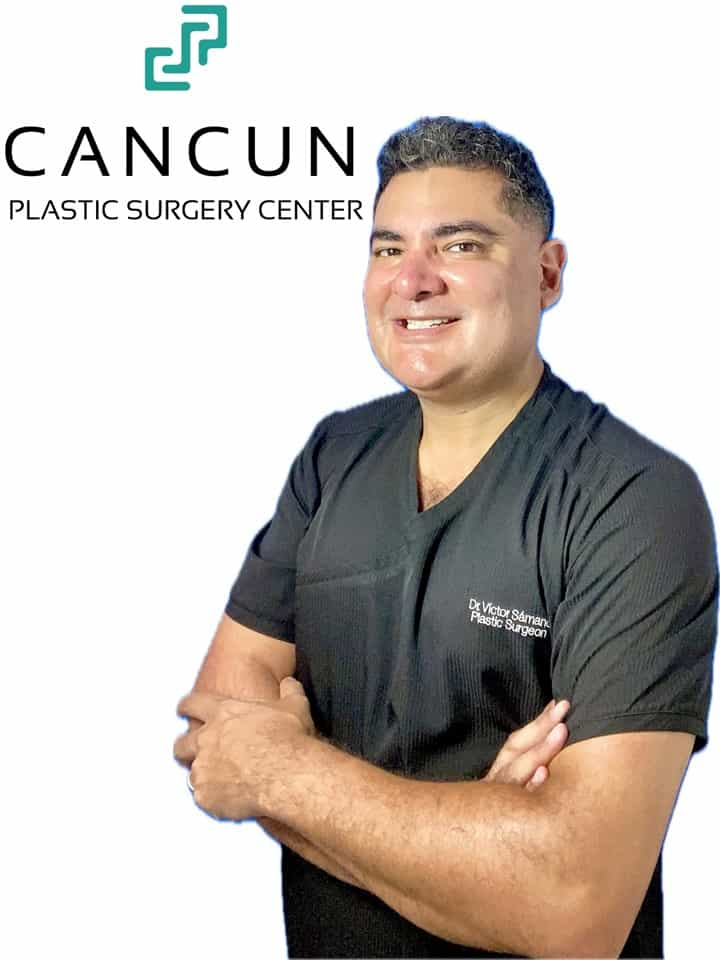
The safety and success of your cosmetic surgery depend almost entirely on the skill and medical training of the person holding the scalpel. When traveling to Mexico, you should only consider board-certified plastic surgeons who specialize specifically in breast contouring. A reputable doctor will never pressure you into surgery and will always conduct a thorough medical evaluation first.

Look for active membership in respected medical boards, particularly AMCPER (The Mexican Association of Plastic, Aesthetic and Reconstructive Surgery). This vital certification ensures your doctor has undergone rigorous specialty training comparable to North American standards. Review the surgeon profiles below to thoughtfully compare their credentials, years of clinical experience, and patient portfolios before making any choices.
Cancun is not just a world-famous vacation spot; it has rapidly grown into a highly respected hub for medical tourism, particularly for North American patients seeking cosmetic care. Located on the Yucatan Peninsula, the city features a modern international airport with direct, affordable flights from most major cities in the US and Canada. Women frequently choose this destination because they can undergo surgery in an internationally accredited hospital and then recover in a peaceful, tropical setting.

The local medical infrastructure caters heavily to international patients, meaning English is spoken fluently by doctors, nurses, and patient coordinators. Navigating the city is straightforward, with top clinics frequently providing medical concierge services to manage your airport pickups, hotel transfers, and clinic visits safely.

Flight Time (from Southern US)Approx. 2 to 3 hours
Primary AirportCancun International Airport (CUN)
Local CurrencyMexican Peso (USD widely accepted)
Spoken Languages in ClinicsSpanish and English

While the coastal environment is relaxing, it is crucial to remember that you are traveling for a medical procedure, not a traditional beach holiday. Strict adherence to your surgeon's aftercare rules, including avoiding sun exposure and ocean water, is essential for a safe recovery.

Navigating medical options in a different country can feel overwhelming, but you do not have to plan your cosmetic journey alone. PlacidWay helps connect patients with accredited clinics, board-certified surgeons, and transparent pricing options abroad, ensuring you have the reliable information needed to make a safe choice. Our team can assist with gathering medical quotes, verifying provider credentials, and organizing your initial virtual consultation.

If you are ready to explore your options and take the next step toward your aesthetic goals, we are here to support your research. Compare the resources available and reach out when you feel prepared to begin your journey.

References

Breast Lift in Cancun, Mexico thumbnail

About Experience

Trusted Medical Tourism Platform Since 2007

60+
Countries
2k+
Clinics
19.5k+
Reviews
2.5k+
Qualified Doctors
1.1M+
Patients Served Since 2007