


Mexico Ibogaine Tourism Surges Amid US Opioid Crisis
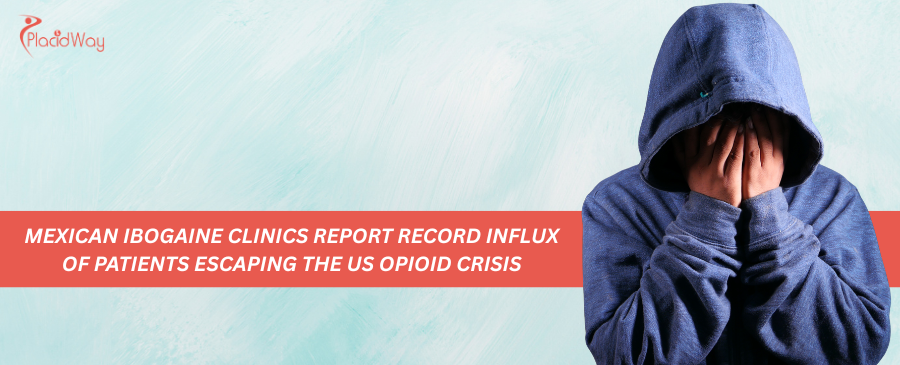
As opioid dependency skyrockets in North America, a record number of patients are seeking Ibogaine treatment in Mexico. This powerful, plant-based therapy offers rapid detoxification, drawing thousands across the border to specialized, medically supervised retreat centers seeking lasting recovery.
The Opioid Epidemic's Toll and the Search for Alternatives
The United States is currently battling the deadliest phase of its ongoing opioid epidemic, driven largely by the proliferation of synthetic opioids like fentanyl. With annual overdose fatalities consistently surpassing the 100,000 mark, public health infrastructure is strained to its breaking point. Traditional rehabilitation models, which often rely on Medication-Assisted Treatment (MAT) using substances like methadone or buprenorphine, are increasingly being scrutinized by patients and their families. While these conventional methods save lives, many patients report feeling trapped in a "revolving door" of maintenance therapy, trading one chemical dependency for another without addressing the underlying neurological damage caused by addiction.
Faced with these daunting statistics and the agonizing realities of long-term withdrawal, a growing demographic of healthcare consumers is looking beyond domestic borders. They are actively researching and pursuing alternative medical paradigms that promise not just maintenance, but an actual interruption of the addiction cycle. This desperation, coupled with a desire for holistic healing, has catalyzed an unprecedented wave of medical migration southward, transforming cross-border healthcare dynamics.
Clinical observation indicates that an optimal dose of Ibogaine can eliminate up to 90% of opioid withdrawal symptoms within just 24 to 48 hours. By resetting dopamine pathways, it allows patients to bypass the agonizing physical sickness that typically causes early relapse in traditional detox settings.
Why Medical Travelers Choose Mexico for Psychedelic Care
Due to its classification as a Schedule I substance in the United States, Ibogaine is legally inaccessible north of the border. However, in Mexico, the substance operates within a regulated framework that permits its use in clinical and therapeutic environments. This legislative divergence has established regional hubs—such as Baja California, the coastal areas of Quintana Roo, and the greater Tijuana metropolitan area—as global epicenters for psychedelic-assisted detoxification. Patients can take a short flight from major US cities and arrive at state-of-the-art facilities dedicated exclusively to this modality.
Beyond mere legality, these Mexican destinations offer an environment conducive to deep psychological healing. Escaping the triggers and stressors of their home environments allows patients to fully immerse themselves in recovery. The geographic proximity, combined with the presence of English-speaking medical staff and luxury-level hospitality, substantially lowers the barrier to entry for Americans seeking out-of-the-box solutions to severe substance use disorders.
Understanding the Modern Medical Infrastructure Abroad
The perception of cross-border alternative clinics has evolved dramatically over the last decade. Gone are the days of unregulated, underground retreat centers. Today’s premier Mexican medical facilities are sophisticated institutions that rival conventional hospitals in terms of safety protocols and technological integration. Many of these centers boast multidisciplinary teams that include board-certified emergency physicians, cardiologists, anesthesiologists, and registered psychotherapists.
This clinical evolution is vital because the administration of psychoactive alkaloids requires rigorous medical oversight. High-tier facilities utilize advanced ICU-level monitoring systems to continuously track patients' vital signs during the critical "flood dose" phase. The integration of modern allopathic medicine with traditional plant-based therapies ensures that international patients receive world-class care, drastically reducing the inherent risks associated with profound detoxification procedures.
"The unprecedented demand for alternative addiction therapies highlights a critical gap in domestic healthcare. Patients are no longer just looking for cheaper care abroad; they are seeking innovative, life-saving treatments that are systematically unavailable to them at home. The modernization of medical infrastructure in neighboring countries has made this pursuit both viable and profoundly effective."
— Pramod Goel
CEO of PlacidWay
The Science of Ibogaine: Resetting the Brain’s Receptors
To comprehend the mass migration of patients seeking this therapy, one must understand its unique pharmacological mechanism of action. Extracted from the root bark of the Tabernanthe iboga shrub, the active alkaloid acts on multiple neurotransmitter systems simultaneously. Unlike traditional pharmaceuticals that target a single receptor, this compound modulates serotonin, dopamine, sigma, and nicotinic receptors. Most importantly, it binds to the exact neuro-receptors that opioids hijack, effectively blocking withdrawal symptoms on a molecular level.
Furthermore, the compound promotes the release of Glial cell line-derived neurotrophic factor (GDNF), a protein that stimulates the growth and survival of neurons. This neuroplasticity allows the brain to rapidly repair the neurological pathways damaged by chronic substance abuse. As the body metabolizes the medicine into its longer-lasting derivative, noribogaine, patients often experience a sustained reduction in cravings that lasts for months, providing a crucial window of opportunity to implement long-term behavioral changes.
Cost Analysis: Accessible Recovery Without Financial Ruin
The financial burden of the opioid crisis rests heavily on the shoulders of afflicted families. In the United States, a standard 30-to-60-day stay at an inpatient rehabilitation facility can easily decimate household savings, with many centers charging astronomical fees that are only partially covered by insurance. When a patient relapses—a common occurrence in the traditional model—the financial cycle begins anew. Conversely, the economic structure of cross-border medical tourism offers a highly compelling alternative.
Seeking alternative treatments abroad condenses the timeline of acute detox while bundling medical, psychological, and hospitality services into a single, transparent fee. Below is a comparative overview of the value proposition driving this medical migration:
| Treatment Factor | Traditional US Inpatient Rehab | Mexican Psychedelic Protocol |
|---|---|---|
| Average Duration | 30 to 90 Days | 7 to 14 Days |
| Estimated Cost | $30,000 – $80,000+ | $6,000 – $12,000 |
| Withdrawal Management | Prolonged tapering via MAT | Rapid symptom elimination (24-48 hrs) |
| Setting | Institutional / Clinical Wards | Private Holistic Wellness Retreats |
Safety Protocols: What to Expect from Premium Facilities
While the therapeutic benefits are groundbreaking, the physiological impact of taking deep psychotropic compounds requires stringent safeguarding. Reputable facilities prioritize patient safety above all else, recognizing that compromised cardiovascular systems—common in individuals with prolonged substance use history—require specialized management. The alkaloid is known to potentially cause bradycardia (slowed heart rate) and a prolongation of the QT interval on an electrocardiogram, making comprehensive screening non-negotiable.
Patients traveling for this specific care should expect rigorous clinical protocols from top-tier providers, including:
- Advanced Cardiac Screening: Mandatory 12-lead EKGs and Holter monitor tests prior to acceptance to rule out existing arrhythmias or structural heart issues.
- Comprehensive Metabolic Panels: Extensive blood work to assess liver and kidney function, ensuring the body can safely metabolize the treatment.
- Continuous Telemetry: Real-time cardiac monitoring by on-site ACLS-certified (Advanced Cardiovascular Life Support) medical doctors during the entire acute phase of the session.
- Preparation and Pre-Detox: Transitioning patients from long-acting opioids (like methadone) to short-acting alternatives weeks beforehand to prevent adverse chemical interactions.
Medical tourism to Latin America has surged by an estimated 25% post-pandemic. A significant portion of this growth is attributed specifically to the alternative mental health and addiction recovery sector, shifting the paradigm of how the world views travel for medical necessity.
Integrating Aftercare for Long-Term Sobriety
Medical professionals emphasize that while this plant medicine is a powerful interrupter of chemical dependency, it is not a standalone "magic bullet." The detoxification process resets the brain’s chemistry, creating a critical window of neuroplasticity, but the individual must actively work to rebuild their life. Without addressing the behavioral patterns, traumas, and environmental triggers that led to substance abuse, the risk of relapse eventually returns.
Recognizing this, the highest quality cross-border facilities place immense focus on integration and aftercare. Once the acute medical phase concludes, patients transition into specialized psycho-spiritual counseling. Furthermore, top centers establish robust continuation-of-care plans, connecting patients with specialized recovery coaches and integration therapists back in their home countries via digital telehealth platforms. This ensures the profound insights gained abroad translate into sustainable, long-term sobriety at home.
How to Safely Vet Alternative Therapy Destinations Abroad
As the industry expands rapidly to meet unprecedented demand, the responsibility of vetting clinical safety falls heavily on the patient and their loved ones. Navigating the diverse landscape of international healthcare can be overwhelming, especially when dealing with the time-sensitive and highly emotional nature of addiction. Transparency in clinical credentials, verifiable patient testimonials, and direct access to medical directors are essential prerequisites before booking a flight.
This is where specialized medical tourism connectors play an indispensable role. Leveraging intelligent platforms like PlacidWay Search Anywhere empowers patients to make highly informed, data-driven decisions. By aggregating certified global providers, these tools allow users to transparently evaluate safety protocols, analyze holistic treatment inclusions, and communicate directly with specialized medical teams, effectively removing the guesswork from an incredibly vital journey.
Reclaim Your Life with Confidence
Navigating the complexities of alternative addiction treatments shouldn't be done alone. PlacidWay connects you with thoroughly vetted, world-class medical facilities tailored to your specific recovery needs.
Compare Options & Get a Free Quote Today










Share this listing