


US Athletes Fuel Boom in Tijuana Shoulder Tourism
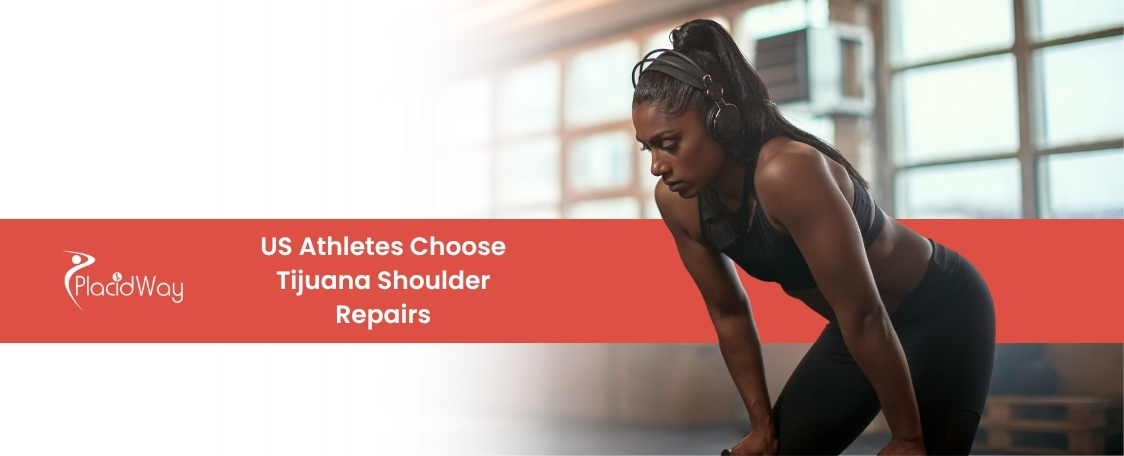
The "Shoulder Tourism" boom is rapidly growing in 2024 as uninsured and underinsured athletes cross the border for affordable, world-class Rotator Cuff Repair in Tijuana, saving up to 70% on premium orthopedic care without compromising on medical quality or their recovery speed.
The Rise of "Shoulder Tourism" Among Active Americans
A new wave of medical travel, colloquially termed "Shoulder Tourism," is fundamentally reshaping how Americans approach orthopedic care. Historically, medical tourism was heavily associated with cosmetic enhancements or dental work. However, a significant demographic shift is occurring. Weekend warriors, amateur athletes, and even semi-professional sports enthusiasts suffering from debilitating joint injuries are increasingly looking beyond their local healthcare networks. Faced with the prospect of abandoning their active lifestyles due to exorbitant medical costs, these individuals are pioneering a massive surge in cross-border sports medicine, seeking elite surgical interventions at a fraction of domestic prices.
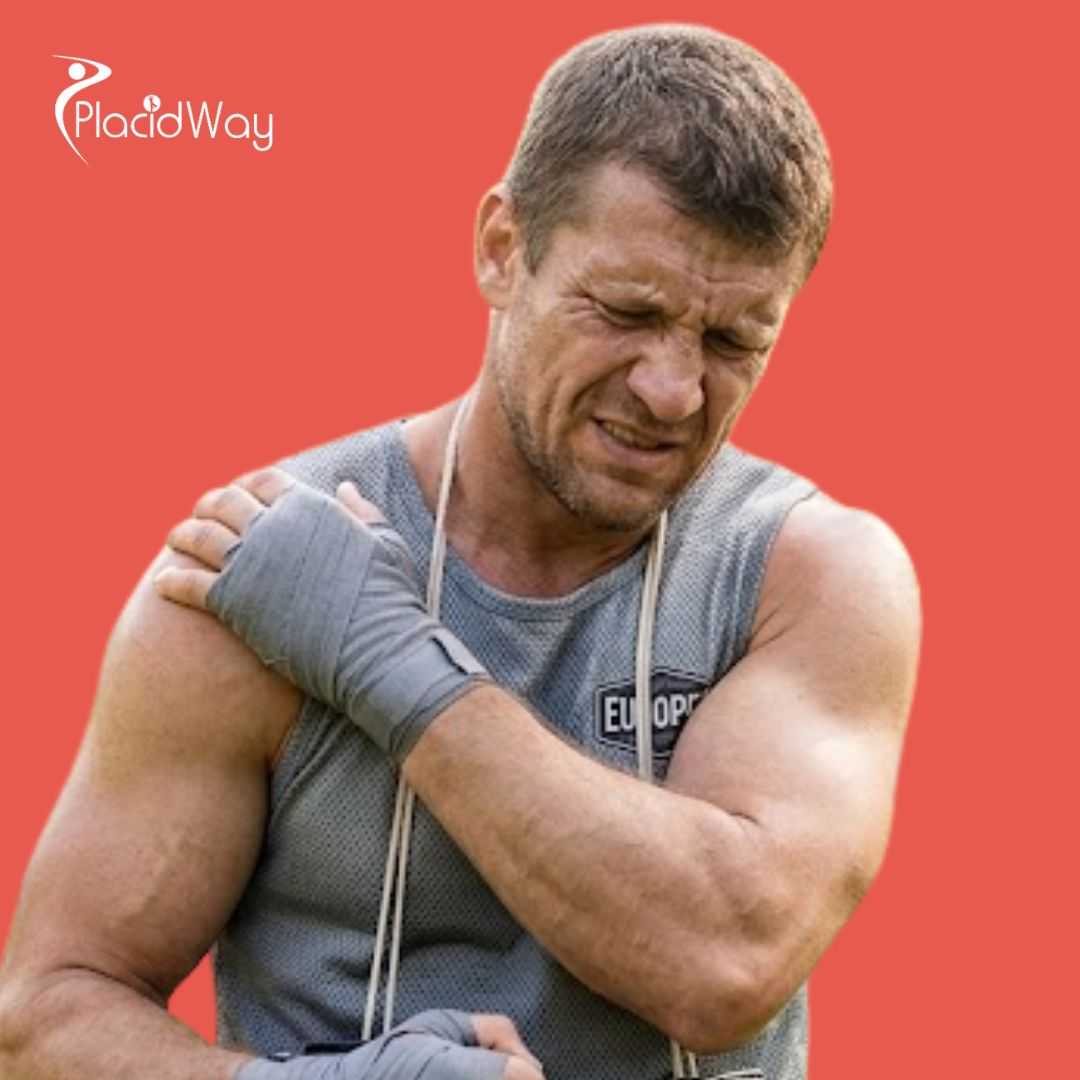
The rotator cuff—a critical group of muscles and tendons stabilizing the shoulder joint—is notoriously susceptible to tearing during high-impact sports, heavy weightlifting, or repetitive overhead motions. In the United States, repairing this complex mechanism often involves navigating a labyrinth of insurance approvals, enduring months of agonizing wait times for specialized consultations, and facing crippling out-of-pocket deductibles. In stark contrast, the medical infrastructure just south of the border has aggressively pivoted to accommodate this specific demographic. By offering immediate access to state-of-the-art arthroscopic procedures, Mexico has transformed into a premier global hub for active individuals refusing to let financial barriers dictate their physical mobility and quality of life.
Did You Know?
Industry data reveals that orthopedic procedures, particularly arthroscopic joint repairs, have seen a staggering 65% increase in cross-border patient volume over the past three years, making sports medicine one of the fastest-growing sectors in Latin American medical tourism.
Why U.S. Athletes Choose Rotator Cuff Repair in Tijuana?
The primary driver compelling athletes to seek a rotator cuff repair in Tijuana is the undeniable economic reality of the American healthcare system. Even with comprehensive health insurance, U.S. patients are frequently subjected to high-deductible health plans (HDHPs) where out-of-pocket maximums can easily exceed $8,000 to $10,000 annually. Furthermore, insurance providers routinely mandate exhausted trials of conservative treatments—such as months of painful, costly, and ultimately ineffective physical therapy—before they will even authorize an MRI, let alone surgical intervention. For an athlete, this prolonged delay can result in muscle atrophy, joint stiffness, and a significantly extended timeline away from their sport.
Conversely, traveling to a neighboring medical hub offers a dramatically streamlined, patient-first approach. Geographically positioned mere minutes from San Diego, California, the destination provides an unparalleled logistical advantage. Patients can fly domestically into Southern California and be transported directly to modern medical complexes without the jet lag or physical strain associated with transcontinental flights. This unique geographical proximity allows injured athletes to bypass the bureaucratic red tape of their domestic insurance networks, obtaining rapid diagnostic imaging and immediate surgical scheduling. The ability to dictate their own healthcare timeline, combined with massive financial savings, makes cross-border orthopedic surgery an irresistibly logical choice.
Anatomy of Comprehensive Mexican Orthopedic Packages
To attract and accommodate international athletes, premier medical facilities have revolutionized their service delivery by creating all-inclusive orthopedic surgical packages. This concierge-style healthcare model is meticulously structured to eliminate the fragmented, confusing billing practices that plague the U.S. medical system. When utilizing reputable platforms to coordinate their care, patients receive a holistic service bundle that covers every facet of their medical journey, from the initial digital consultation to their post-operative departure.
These comprehensive packages are highly tailored to the specific needs of orthopedic patients, ensuring maximum comfort and clinical safety. A standard premium package typically encompasses the following critical elements:
- Advanced Diagnostic Imaging: Pre-operative high-resolution MRI scans and X-rays to precisely map the tendon tear and formulate a targeted surgical strategy.
- All Medical Professional Fees: Complete coverage of the lead orthopedic surgeon, the specialized anesthesiologist, and the dedicated operating room nursing staff.
- Surgical Facility Costs: Full use of highly equipped, accredited arthroscopic operating theaters and recovery suites.
- Premium Surgical Implants: Inclusion of the state-of-the-art bio-absorbable anchors, sutures, and specialized medical hardware required to reattach the torn tendons to the humeral head.
- Logistical and Recovery Support: VIP border transportation, specialized post-operative shoulder immobilizer braces, initial pain management medications, and luxury hotel accommodations for the recovery duration.
Cost Comparison: U.S. Surgery vs. Tijuana Orthopedics
The financial transparency offered by cross-border medical facilities is a breath of fresh air for patients accustomed to hidden fees and surprise medical bills. In the United States, obtaining a straightforward price quote for a rotator cuff repair is nearly impossible. Patients are billed separately by the hospital, the surgical group, the anesthesiology contractor, and the imaging center, resulting in astronomical final tallies. In contrast, the Mexican medical tourism model operates on upfront, transparent, bundled pricing.
When analyzing the data side-by-side, the cost disparity becomes glaringly apparent. The lower cost of living, reduced malpractice insurance premiums, and highly subsidized medical education in Mexico allow top-tier orthopedic specialists to offer elite surgical care at a fraction of the domestic rate. The following breakdown illustrates the profound financial advantage that is driving the modern "Shoulder Tourism" phenomenon.
The Advanced Sports Medicine Infrastructure South of the Border
The rapid influx of medical capital into the border region has fundamentally upgraded the local healthcare landscape. The days of small, rudimentary clinics have been entirely replaced by the construction of monumental, hyper-modern medical complexes dedicated specifically to surgical excellence and patient recovery. These towering medical centers are architectural marvels, engineered to offer a seamless, vertically integrated patient experience. Within a single secure facility, an injured athlete can transition from a high-definition MRI suite directly into a state-of-the-art arthroscopic operating room, and eventually into a private, luxury recovery ward tailored for orthopedic rehabilitation.
Technologically, these international facilities are operating at the bleeding edge of modern sports medicine. Because they cater to a high-volume, cash-paying international demographic, leading centers rapidly reinvest their revenue into the latest surgical equipment. Orthopedic suites are routinely outfitted with 4K-resolution arthroscopic camera towers, advanced radiofrequency wands for precise tissue ablation, and next-generation bio-absorbable suture anchors. Furthermore, many forward-thinking surgeons integrate advanced orthobiologics—such as Platelet-Rich Plasma (PRP) or stem cell therapies—directly into the surgical site to dramatically accelerate tendon healing, a practice that is often restricted or heavily upcharged in the domestic U.S. market.
"We are witnessing a massive paradigm shift in how Americans manage sports injuries. The modern athlete refuses to be sidelined by bureaucratic healthcare delays or astronomical deductibles. By traveling abroad, specifically to highly advanced medical hubs bordering the US, they are securing immediate access to world-class arthroscopic technologies and elite surgical talent. It is no longer just about affordability; it is about taking definitive control of their physical recovery and returning to the activities they love without financial ruin."
— Pramod Goel, CEO of PlacidWay
Quality Assurance and Mexican Board Certification Standards
A lingering historical hesitation among some prospective patients centers around the perceived safety and regulatory standards of international medical care. However, the elite echelons of modern Mexican orthopedics operate under intensely rigorous academic and clinical regulations that directly rival their U.S. counterparts. To achieve the title of a certified traumatologist and orthopedic surgeon in Mexico, medical professionals must undergo over a decade of exhaustive training. This includes foundational medical school, grueling multi-year surgical residencies, and highly competitive, hyper-specialized fellowships focusing exclusively on arthroscopic joint repair and sports medicine.
Furthermore, the global nature of modern medicine means that top-tier surgeons in this region are heavily integrated into the international medical community. It is exceptionally common for leading specialists to hold active memberships in prestigious global organizations such as the American Academy of Orthopaedic Surgeons (AAOS) or the International Society of Arthroscopy, Knee Surgery and Orthopaedic Sports Medicine (ISAKOS). Many have honed their arthroscopic techniques through extensive cross-border training, attending specialized seminars and hands-on fellowships in the United States or Europe. This international cross-pollination ensures that patients receive evidence-based, globally recognized standards of care.
Did You Know?
Due to the sheer density of sports medicine tourism, elite orthopedic surgeons in major border hubs frequently perform up to three times the volume of complex arthroscopic shoulder repairs per week compared to the average domestic U.S. surgeon, resulting in unmatched surgical muscle memory and highly refined clinical expertise.
How PlacidWay Connects Patients to Elite Care Abroad?
Despite the overwhelming financial and clinical benefits of cross-border sports medicine, coordinating international surgery independently can be an intimidating prospect. The digital landscape is saturated with aggressive marketing campaigns and unverified medical facilities, making it incredibly difficult for an injured athlete to independently verify international accreditations, analyze true success rates, or guarantee the authenticity of a surgeon's board certifications. This critical information gap highlights the absolute necessity of utilizing a dedicated, globally recognized medical tourism facilitator to safely manage the patient journey.
Acting as the definitive bridge between U.S. patients and world-class international healthcare, PlacidWay meticulously curates a network of thoroughly vetted, top-tier orthopedic providers. Through their platform, patients can seamlessly compare comprehensive clinic profiles, review fully transparent pricing structures, analyze verified patient testimonials, and secure direct virtual consultations with internationally credentialed sports medicine specialists. By absorbing the complex logistical burden of credential verification and appointment coordination, PlacidWay empowers athletes to focus entirely on their upcoming surgery and their ultimate physical rehabilitation.
What to Expect During Your Orthopedic Recovery Phase?
The post-operative recovery phase is the ultimate determinant of a successful rotator cuff repair, and the medical infrastructure in the border region has optimized this crucial period. Following the minimally invasive arthroscopic procedure, patients are not rushed out the door. Instead, they are transitioned to specialized recovery environments—often boutique medical hotels—that are specifically designed for orthopedic rehabilitation. These serene facilities are equipped with adjustable medical beds, in-room cryotherapy machines to manage inflammation, and 24/7 access to bilingual nursing staff who monitor vitals and meticulously manage pain protocols.
The logistical departure back to the United States is engineered to be entirely stress-free. After the initial post-operative assessment, where the surgeon verifies the integrity of the repair and fits the patient with a specialized shoulder immobilizer, clearance is given for travel. To circumvent the physical strain of long border lines, accredited medical facilities provide their patients with exclusive access to rapid Medical Fast-Pass lanes, ensuring a swift and comfortable return trip to San Diego. This deeply empathetic, concierge-level approach to the entire surgical timeline cements the region's absolute dominance in the booming "Shoulder Tourism" industry.




.png)



.png)
.png)
.png)









Share this listing