


For individuals researching Rotator Cuff Surgery in Tijuana for Californians, the most compelling factor is the significant cost difference. Shoulder repair in Tijuana costs $4,000 to $7,000 USD, offering a 60% to 75% savings compared to the $15,000–$30,000+ average cost in California. Tijuana medical tourism packages generally include the arthroscopic procedure, anesthesia, premium FDA-approved suture anchors, and an overnight hospital stay under the care of board-certified orthopedic specialists.

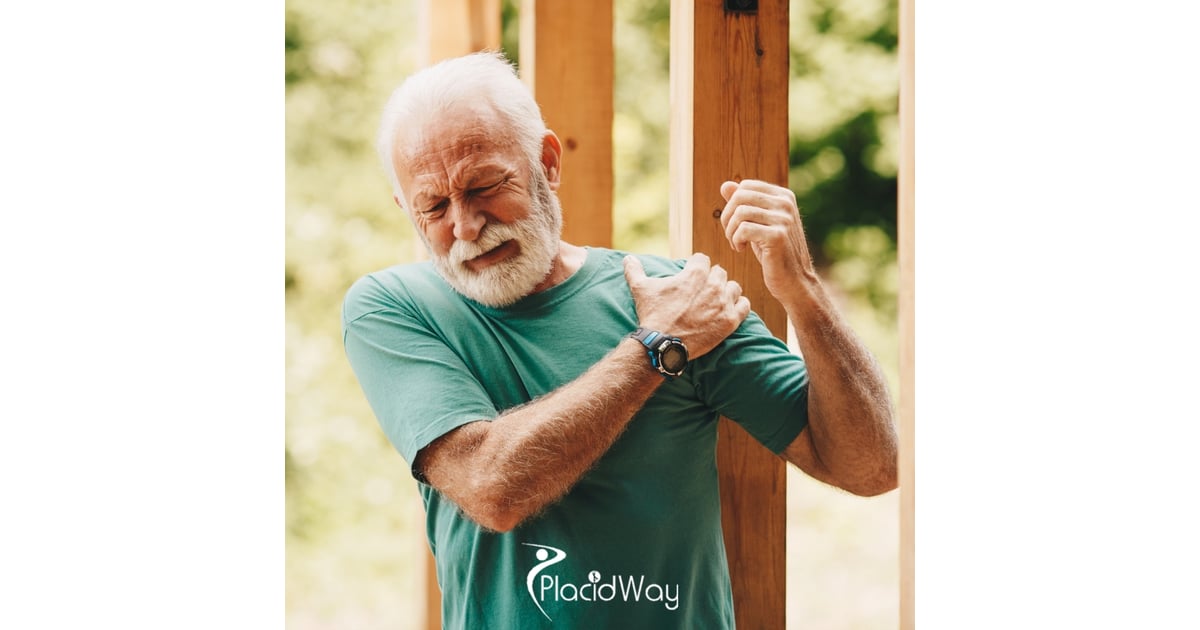
Shoulder pain can drastically diminish your quality of life. For the millions of Americans diagnosed with a torn rotator cuff each year, routine actions like lifting a grocery bag, reaching overhead, or even sleeping comfortably can become agonizing. While timely surgical intervention is often the best clinical path to restore joint function, California residents face some of the highest healthcare costs in the nation. High-deductible insurance plans, out-of-network specialty fees, and extensive wait times often create insurmountable barriers to necessary orthopedic care.
As a direct response to these domestic healthcare hurdles, an increasing number of West Coast patients are looking just across the border. Exploring Rotator Cuff Surgery in Tijuana for Californians has transitioned from a niche alternative to a mainstream healthcare strategy. Located merely a short drive from San Diego, Tijuana has firmly established itself as a premier destination for world-class, affordable sports medicine and joint repair.
However, traveling abroad for invasive medical procedures requires meticulous research and preparation. This comprehensive guide provides an objective, evidence-based roadmap for prospective patients. By reading this article, you will gain a clear understanding of the medical definitions, precise cost comparisons, facility safety standards, step-by-step travel logistics, and the rigorous recovery timeline necessary to achieve an optimal surgical outcome.
Quick Facts
Essential benchmarks for Californians considering arthroscopic rotator cuff repair across the border.
- Average Cost in Tijuana
- $4,000 – $7,000
- Average Cost in California
- $15,000 – $30,000+
- Hospital Stay Required
- Outpatient or 1 Night
- Total Trip Duration
- 4 – 6 Days
- Primary Surgical Method
- Minimally Invasive Arthroscopy
- Full Recovery Timeline
- 6 – 9 Months
Understanding Rotator Cuff Repair
Before packing your bags and crossing the border, it is crucial to understand the clinical reality of the procedure. The rotator cuff is a group of four muscles and their associated tendons that envelop the head of the upper arm bone (humerus). These structures keep your shoulder joint stable while allowing for a vast range of complex multidirectional movements.
When these tendons tear—whether from an acute sports injury, heavy lifting, or gradual degenerative wear and tear—they rarely heal on their own due to limited blood supply in the region. Without surgical intervention, the tear may widen over time, potentially leading to irreversible muscle atrophy or severe shoulder arthritis.
Types of Shoulder Surgery Techniques
Top orthopedic surgeons in Tijuana utilize the exact same advanced surgical methodologies found in top-tier California hospitals. The approach depends on the size of the tear and patient anatomy:
- Arthroscopic Repair: The gold standard for most patients. The surgeon makes several tiny incisions (portals) and inserts a miniature camera (arthroscope) and specialized instruments. The torn tendon is reattached to the bone using tiny, FDA-approved bio-composite or titanium suture anchors. This minimally invasive approach reduces tissue trauma, surgical pain, and scarring.
- Mini-Open Repair: Often used for larger or more complex tears. The surgeon uses arthroscopy to treat secondary issues (like removing bone spurs), then makes a slightly larger 1-to-2-inch incision to reattach the tendon directly under direct visualization.
- Traditional Open Repair: Reserved for massive, complex tears that require significant tendon reconstruction or tendon transfers. This involves a larger incision to access the deeply damaged tissues.
Choosing to pursue rotator cuff surgery in Tijuana for Californians is largely driven by access. In the US, patients often endure months of mandatory, ineffective physical therapy dictated by insurance step-therapy protocols before a surgical consultation is even approved. Medical tourism provides a streamlined path directly to the definitive care you need.
Cost Comparison: Tijuana vs. California
The astronomical cost of orthopedic care in the United States remains the primary catalyst for international medical travel. For self-pay patients, underinsured individuals, or those facing crippling out-of-network deductibles, the financial reality of California healthcare is daunting. The table below illustrates the stark financial contrast.
Note: Precise costs vary depending on the severity of the tear, the number of suture anchors required, and whether additional procedures (like a biceps tenodesis or subacromial decompression) are performed concurrently.
What Does a Medical Tourism Package Include?
One of the immense benefits of medical tourism is price transparency. Instead of receiving separate, confusing bills from the hospital, anesthesiologist, and surgeon, Tijuana clinics operate on an all-inclusive model. A standard shoulder surgery package typically covers:
- The lead orthopedic surgeon's fee, surgical assistants, and anesthesiologist fees.
- Operating room use, specialized arthroscopic equipment, and all medical supplies.
- FDA-approved suture anchors and fixation devices.
- Standard pre-operative diagnostics (EKG, basic blood panels).
- A 1-night stay in a private hospital room (if required) with nursing care.
- Ground transportation from the San Diego airport to the Tijuana clinic.
Why Are Prices So Much Lower in Tijuana?
It is vital to understand that lower prices do not equate to inferior quality. The cost savings are generated by macroeconomic factors: the cost of living and commercial real estate in Mexico is lower, physician malpractice insurance is drastically cheaper due to tort reform, and Mexican medical education is heavily subsidized. Furthermore, bypassing the deeply inflated, administratively heavy US insurance billing system allows private hospitals to offer direct cash discounts to international patients.
The Medical Tourism Journey: Step-by-Step
For Californians, the logistics of traveling to Tijuana are uniquely straightforward compared to flying to Europe or Asia. However, a structured plan is essential. Here is the step-by-step journey you will experience when pursuing rotator cuff surgery in Tijuana.
- Remote Medical Evaluation: You will begin by sending your existing MRI images, X-ray reports, and a detailed medical history to the clinic's international patient coordinator. A board-certified orthopedic surgeon in Tijuana will review your case to confirm your candidacy for surgery.
- Virtual Consultation and Quoting: A secure video call is arranged. You will discuss the surgical approach, the anticipated number of anchors needed, and receive a binding, transparent price quote. You select your dates and place a deposit.
- Arrival and Border Crossing: You will fly into San Diego International Airport (SAN) or drive down from your California home. Clinic staff will meet you in San Diego and provide private, expedited transportation across the US-Mexico border via the dedicated medical lane.
- Pre-Operative Clearance: Upon arrival at the Tijuana hospital, you will undergo final in-person assessments. This includes vital sign checks, blood work, an EKG, and a final in-person consultation with both your surgeon and anesthesiologist.
- The Surgical Procedure: The arthroscopic surgery typically lasts between 1.5 and 2.5 hours. It is usually performed under general anesthesia combined with a regional nerve block to aggressively manage post-operative pain.
- Hospital Observation: Unlike the US, where you are often sent home within hours of waking up, many premium Tijuana packages include an overnight stay. This ensures acute pain is managed intravenously and medical staff can monitor for immediate complications.
- Hotel Recovery and Discharge: After hospital discharge, you will spend 2 to 3 days at a partnered recovery hotel nearby. You will rest with your shoulder immobilized in an abduction sling. You will return to the clinic for a final wound check before receiving medical clearance to travel back to California.
Is Rotator Cuff Surgery in Tijuana Safe for US Patients?
Safety is rightfully the foremost concern for anyone considering medical tourism. When exploring rotator cuff surgery in Tijuana for Californians, patients must look past the location and focus entirely on the credentials of the specific surgeon and the accreditation of the facility.
Surgeon Qualifications in Mexico
The top sports medicine specialists in Mexico undergo training that directly parallels US medical standards. To ensure safety, your chosen surgeon must possess specific credentials:
- Board Certification: They must be certified by the Mexican Council of Orthopedics and Traumatology (CMOT), the equivalent of the American Board of Orthopaedic Surgery.
- Fellowship Training: Elite surgeons will have completed advanced, specialized fellowships in shoulder arthroscopy or sports medicine, frequently studying abroad in the US, Canada, or Europe.
- High Case Volume: Studies suggest that surgeons who perform a high volume of rotator cuff repairs annually exhibit significantly lower complication rates and superior patient outcomes.
Hospital Accreditation and Sterility Standards
Do not compromise on the facility. Reputable medical tourism programs operate out of full-scale, multidisciplinary hospitals, not small strip-mall clinics. Seek out facilities that boast international accreditations such as the Joint Commission International (JCI) or strict certifications from the Mexican General Health Council.
These accreditations guarantee that the hospital adheres to rigorous global standards regarding operating room sterility, advanced anesthesia protocols, emergency ICU access, and ethical patient care practices. Furthermore, these premier hospitals utilize the exact same surgical implants—such as titanium or bioabsorbable anchors from major global manufacturers—ensuring the hardware securing your tendon is of the highest international quality.
Rotator Cuff Surgery Recovery Timeline and Aftercare
The surgical repair is only one-half of the equation; patient compliance with the post-operative rehabilitation protocol dictates the ultimate success of the procedure. The tendon requires time to biologically heal and fuse back onto the bone, a delicate process that cannot be rushed.
The Phases of Shoulder Recovery
- Phase 1: Protection (Weeks 1 to 6): Your shoulder will be strictly immobilized in a specialized sling with an abduction pillow 24/7, even while sleeping. Active movement of the shoulder is strictly prohibited to prevent tearing the newly placed anchors. You may only perform gentle hand, wrist, and elbow movements.
- Phase 2: Passive Range of Motion (Weeks 4 to 8): Under the guidance of a physical therapist, you will begin passive motion exercises. The therapist supports the weight of your arm and moves the joint for you. This prevents the formation of scar tissue and limits the risk of developing a "frozen shoulder."
- Phase 3: Active Range of Motion (Weeks 8 to 12): As the tendon secures to the bone, you will be cleared to move your arm using your own muscles, without lifting any weights or encountering resistance.
- Phase 4: Strengthening (Months 3 to 6+): Progressive resistance training begins using light bands and weights. The goal is to rebuild the atrophied rotator cuff muscles and stabilize the shoulder blade. Full return to heavy lifting or strenuous sports may take up to 9 months.
Warning Signs Post-Surgery
While recovering at home in California, you must monitor your surgical sites vigilantly. Contact a healthcare professional immediately if you experience a sudden fever exceeding 101°F, excessive redness or foul-smelling drainage from the arthroscopy portals, or sudden, severe pain that is not alleviated by prescribed pain medication.
How to Choose the Best Shoulder Surgeon in Tijuana?
The success of your medical journey depends entirely on making an informed, critical choice of provider. Do not let aggressive marketing or seemingly unbelievable price tags cloud your judgment. Use this practical 6-step checklist for rotator cuff surgery surgery in Tijuana to evaluate potential clinics.
- Verify CMOT Certification: Request the surgeon's full CV and confirm their active board certification in orthopedic surgery in Mexico.
- Demand Facility Credentials: Ask for proof of the hospital's JCI or national healthcare accreditation. Ensure the surgery will take place in a fully equipped hospital with an ICU, not an ambulatory surgery center.
- Clarify Hardware Sourcing: Ask explicitly what brand of suture anchors will be used (e.g., Arthrex, Stryker, DePuy Synthes). Top surgeons will transparently provide this information.
- Insist on Transparent Quotes: Ensure the quoted price is designated as "all-inclusive." Verify that there are no hidden fees for the anesthesiologist, facility use, or basic post-operative medications.
- Evaluate Communication: If the surgeon does not speak fluent English, ensure the clinic provides a dedicated, medically trained bilingual coordinator who will be present during all consultations and the surgical process.
- Secure Local Aftercare: Never travel without first scheduling an initial physical therapy assessment with a provider in California for the week you return. You cannot fly back to Tijuana for weekly physical therapy.
Red Flags to Avoid
Disqualify any clinic that attempts to pressure you into paying a non-refundable deposit before a surgeon reviews your MRI. Additionally, avoid providers who guarantee a "100% success rate" or promise a recovery timeline significantly shorter than the medical standard of 6 to 9 months.
Risks, Limitations, and Contraindications for Surgery Abroad
It is vital to approach medical tourism with clear eyes. Every surgical intervention involves inherent risks, and combining surgery with international travel introduces logistical complexities that patients must carefully weigh against the financial benefits.
Clinical Risks of Rotator Cuff Repair
According to the American Academy of Orthopaedic Surgeons, clinical risks include localized infection, nerve damage, persistent joint stiffness (arthrofibrosis), and the potential for a re-tear of the tendon. The risk of re-tearing is particularly notable in massive tears or in patients who return to aggressive physical activity before the tendon is fully healed.
The Challenge of Post-Operative Follow-Up
The most profound limitation of cross-border healthcare is follow-up continuity. If you develop a complication—such as a suspected infection or abnormal swelling—three weeks after returning to California, driving back to Tijuana may be physically agonizing or logistically impossible. You must establish a relationship with a local primary care physician or orthopedist who is willing to monitor your recovery upon your return.
Who Should NOT Pursue Surgery Abroad?
Medical travel for rotator cuff surgery is generally contraindicated for patients who:
- Have uncontrolled diabetes, severely compromised immune systems, or cardiovascular instability that significantly increases the risk of general anesthesia complications.
- Suffer from severe degenerative arthritis of the shoulder (these patients may require a total shoulder replacement rather than a soft-tissue repair).
- Are unwilling or financially unable to commit to the rigorous, 6-to-9-month physical therapy regimen required upon returning to the United States.
- Lack a dependable travel companion to assist with luggage, dressing, and mobility during the return trip.
5-Step Action Plan to Plan Your Shoulder Surgery in Mexico
If you have weighed the risks and benefits and are ready to proceed with rotator cuff surgery in Tijuana for Californians, follow this structured, actionable framework to ensure a safe experience.
- Secure Recent Diagnostics: Obtain a high-resolution MRI of your shoulder within the United States. A physical examination and standard X-ray are insufficient for a surgeon to accurately quote a rotator cuff repair.
- Leverage Vetted Platforms: Utilize established medical tourism platforms like PlacidWay to compare multiple JCI-accredited clinics and board-certified surgeons in Tijuana simultaneously.
- Schedule Video Consultations: Speak face-to-face with the proposed surgeons via Zoom. Discuss your activity goals, the surgical technique they plan to use, and ask detailed questions about their complication rates.
- Organize California Aftercare: Book your post-operative physical therapy appointments in your hometown prior to boarding your flight or driving to Mexico.
- Prepare for the Trip Home: Purchase front-buttoning shirts or loose clothing, as you will not be able to raise your arm over your head for several weeks. Ensure your travel companion is prepared to manage all luggage.
Reclaim Your Range of Motion Today
Stop letting the cost of US healthcare dictate your quality of life. Connect with verified, internationally accredited orthopedic surgeons in Tijuana. Review clinical profiles, compare transparent pricing, and schedule a no-obligation consultation.
Frequently Asked Questions
Take Control of Your Shoulder Health Today
Enduring chronic shoulder pain and limited mobility due to an inability to afford domestic healthcare is no longer the only option. When examining rotator cuff surgery in Tijuana for Californians, it is evident that world-class, technologically advanced orthopedic care is highly accessible. By utilizing certified medical tourism pathways, patients can achieve up to 75% in financial savings while receiving compassionate, prompt surgical intervention from leading specialists.
Your journey to a pain-free, active lifestyle starts with thorough research and selecting the right surgical team. If you are exhausted by high insurance premiums and long specialist wait times, take the empowering first step. Connect with PlacidWay today to browse verified Tijuana hospital profiles, request your personalized cost estimate, and begin planning your return to optimal joint health.
The information in this article is for educational purposes only and does not constitute medical advice. Individual results vary based on health status, case complexity, and other factors. Always discuss your specific situation with a licensed healthcare professional before making treatment decisions. PlacidWay connects patients with verified healthcare providers but does not provide medical services directly.
- Mayo Clinic: Rotator Cuff Repair - Patient Care and Health Info
- American Academy of Orthopaedic Surgeons (AAOS): Rotator Cuff Tears: Surgical Treatment Options
- National Institutes of Health (NIH): Outcomes of Arthroscopic Rotator Cuff Repair
- World Health Organization (WHO): Musculoskeletal Conditions and Interventions
- PlacidWay Medical Tourism: Orthopedic Shoulder Surgery Abroad Options



.png)
.png)











Share this listing