


Gulf Demand for Bengaluru Stem Cell Diabetes Care Surges
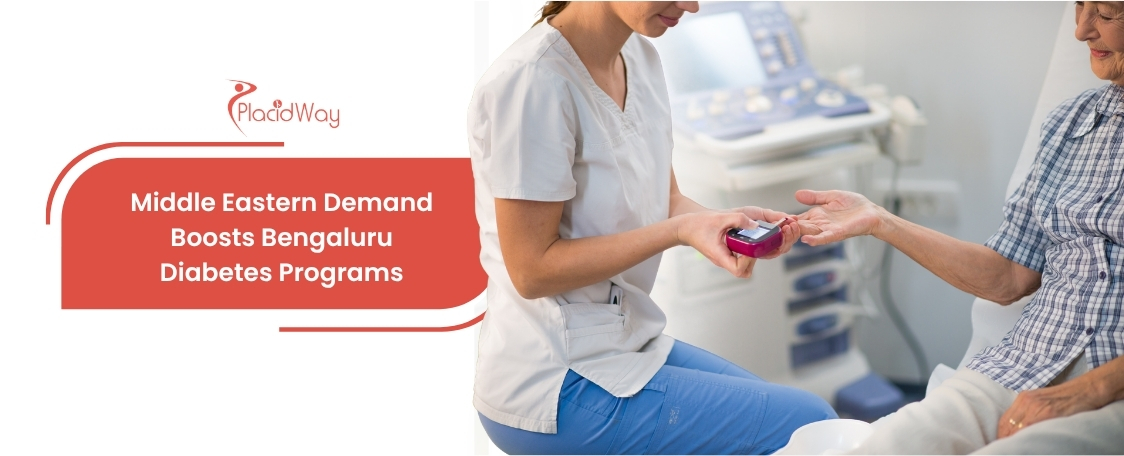
Driven by soaring metabolic disorder rates in 2026, Middle Eastern patients are driving record demand for Stem Cell Therapy for Diabetes in Bengaluru. This regenerative breakthrough offers long-term disease reversal, saving patients up to 75% on premium care compared to Western medical hubs.
The Science Behind Regenerative Diabetes Reversal
The global medical community has long treated diabetes mellitus as an irreversible, progressive condition requiring lifelong pharmaceutical management. However, the introduction of advanced regenerative medicine has fundamentally disrupted this paradigm. The core of this medical revolution lies in the application of Mesenchymal Stem Cells (MSCs). When introduced into the patient's body, these highly adaptable cells possess the unique ability to home in on damaged pancreatic tissue. Once there, they begin a complex process of cellular repair, differentiating into insulin-producing beta cells and releasing powerful immunomodulatory factors that combat the systemic inflammation typically associated with insulin resistance and pancreatic degradation.
Southern India has rapidly emerged as the global epicenter for this specialized cellular technology. Laboratories and clinical research centers in the region have perfected the isolation, expansion, and infusion of these stem cells, allowing for highly targeted Diabetes Reversal Programs in India. Instead of merely managing blood glucose spikes with synthetic insulin, these advanced protocols aim to restore the body’s natural endocrine function. For international patients suffering from both Type 1 and advanced Type 2 diabetes, this scientific leap represents a genuine opportunity to achieve long-term remission, dramatically reducing their dependency on daily pharmaceutical interventions and mitigating the risk of severe diabetic neuropathy and retinopathy.
Did You Know?
The Middle East and North Africa (MENA) region has one of the highest prevalences of diabetes globally, affecting over 16% of the adult population. Consequently, medical tourism traffic from the Gulf Cooperation Council (GCC) to Indian biotechnology hubs has surged by nearly 45% over the last two years.
Why Middle Eastern Patients are Flocking to Southern India?
The mass exodus of medical travelers from nations such as the United Arab Emirates, Saudi Arabia, Oman, and Qatar is driven by a convergence of geographical convenience, cultural affinity, and unparalleled medical expertise. The Gulf region has seen an exponential rise in lifestyle-induced metabolic disorders, overwhelming local healthcare infrastructures. While Gulf nations boast modern hospitals, the highly niche field of specialized stem cell cultivation and personalized cellular therapy remains nascent. Consequently, patients seeking definitive, regenerative solutions are looking toward established international hubs that have decades of dedicated biotechnological research under their belts.
Geographically, the flight corridors between major Middle Eastern metropolises and Southern India are exceptionally robust, with numerous direct flights making the journey seamless. Beyond logistics, the clinical environments in this Indian biotech capital have strategically tailored their services to cater to Arab clientele. Recognizing the profound trust that Gulf patients place in highly credentialed medical authorities, Indian facilities emphasize their international board certifications, high-volume case studies, and transparent success rates. The combination of easy accessibility, zero wait times for elective regenerative procedures, and an intrinsic cultural understanding of Middle Eastern patient expectations has solidified this cross-border healthcare corridor.
Evaluating the Cost Comparison: Gulf Nations vs. Indian Biotech Hubs
One of the most compelling catalysts for this medical migration is the stark contrast in healthcare economics. In Western Europe, North America, and high-end private sectors within the GCC, experimental and regenerative cellular therapies are notoriously cost-prohibitive. Because these treatments are frequently categorized as advanced elective therapies, they are rarely covered by standard international health insurance policies. Patients attempting to access cellular medicine in Dubai, London, or Germany often face exorbitant out-of-pocket expenses driven by high laboratory overhead, massive real estate costs, and heavily inflated administrative fees.
Conversely, the cost of stem cell therapy for diabetes in India represents an unprecedented value proposition. Because the region is a massive producer of its own biotechnological equipment and maintains heavily subsidized medical education systems, top-tier clinical facilities operate with significantly lower overhead. This economic efficiency is passed directly to the international patient. The transparent, bundle-pricing models utilized by these overseas facilities ensure that patients receive comprehensive care—ranging from specialized endocrinology consultations to luxury hospital stays—for a fraction of what a standalone stem cell extraction would cost in the West.
The Advanced Medical Infrastructure and Technology
Often referred to as the Silicon Valley of Asia, this southern Indian metropolis has seamlessly integrated its vast IT prowess with advanced biomedical engineering to create world-class "Medical Cities." These sprawling healthcare campuses are far more than traditional hospitals; they are massive, vertically integrated hubs of scientific innovation. Within a single complex, international patients have access to highly accredited multi-specialty diagnostics, advanced genomic testing facilities, and Good Manufacturing Practice (GMP) certified stem cell laboratories. This localized centralization ensures that cellular materials are cultivated and administered under the most pristine, tightly controlled environmental conditions possible.
The technological array deployed in these facilities rivals, and frequently surpasses, those found in elite Western research hospitals. Advanced flow cytometry is utilized to meticulously sort and verify the exact viability and potency of the mesenchymal stem cells before they are ever introduced into the patient. Furthermore, sophisticated cryopreservation technologies and highly sanitized clean-room environments ensure that cross-contamination is virtually impossible. This unwavering commitment to technological supremacy guarantees that patients traveling from the Middle East receive a universally elite standard of regenerative medicine, fortified by stringent, data-driven quality controls.
"We are observing a monumental shift in global healthcare consumerism. Patients from the MENA region are no longer willing to settle for a lifetime of symptom management when definitive, regenerative cures exist abroad. The unmatched bio-technical infrastructure in Southern India, combined with highly ethical clinical protocols, has created an irresistible medical destination. Our priority is ensuring these international patients can access and verify these elite regenerative pathways with absolute confidence and safety."
— Pramod Goel, CEO of PlacidWay
What to Expect from a Comprehensive Diabetes Reversal Package?
To cater to the highly specific demands of global medical tourists, clinical providers have structured their regenerative treatments into all-inclusive, highly managed care packages. This approach removes the overwhelming logistical friction associated with navigating a foreign healthcare system. When Middle Eastern patients secure their treatment through vetted medical tourism channels, they can expect a seamless, deeply curated clinical journey. A standard comprehensive regenerative package typically features:
- Extensive Pre-Therapy Diagnostics: Exhaustive metabolic profiling, continuous glucose monitoring assessments, and advanced biomarker testing to determine exact cellular dosage requirements.
- Stem Cell Harvesting and Cultivation: Painless, minimally invasive extraction of autologous (patient's own) or highly matched allogeneic stem cells, followed by specialized expansion in GMP-certified laboratories.
- Targeted Cellular Infusion: Intravenous or localized administration of the specialized stem cells, monitored in real-time by a team of highly credentialed endocrinologists and regenerative specialists.
- VIP Logistics and Ground Support: Complimentary airport-to-hospital transfers, dedicated medical visa assistance, and luxurious ground transportation throughout the duration of the medical stay.
- Cultural and Linguistic Concierge: Provision of fluent Arabic-speaking translators and personalized case managers to ensure absolute clarity between the patient and the medical team.
- Long-Term Dietary and Lifestyle Rehabilitation: Integrated nutritional counseling and customized physical wellness plans designed to support the new cellular activity and sustain the diabetes reversal over decades.
Success Rates and Long-Term Outcomes for International Patients
The empirical data emerging from these regenerative programs is fundamentally reshaping endocrinology. Unlike temporary pharmacological fixes, the cellular therapies administered in these highly regulated Indian facilities are demonstrating remarkable, sustained efficacy. Clinical outcomes consistently indicate that a significant majority of patients experience a drastic reduction in their required daily insulin units within just three to six months post-infusion. For many individuals suffering from Type 2 diabetes, the therapy—combined with prescribed lifestyle modifications—leads to complete remission, stabilizing HbA1c levels well within the normal, non-diabetic range.
Moreover, the long-term ancillary benefits of this therapy are equally profound. The immunomodulatory and angiogenetic properties of mesenchymal stem cells actively work to repair microvascular damage caused by years of elevated blood sugar. International patients frequently report dramatic improvements in peripheral neuropathy, accelerated healing of diabetic ulcers, and a stabilization of diabetic retinopathy. By addressing the disease at its cellular root, rather than merely masking its symptoms, this advanced medical protocol vastly improves the patient's overall quality of life and longevity.
Did You Know?
The southern biotechnology sector alone accounts for over 35% of India's total biomedical revenue. The region adheres strictly to the rigorous guidelines set by the Indian Council of Medical Research (ICMR) and boasts numerous Joint Commission International (JCI) accredited facilities.
Navigating Medical Visas and Cultural Comfort for Gulf Travelers
Understanding that the healing environment is just as critical as the clinical intervention itself, top-tier medical facilities have heavily invested in international patient care protocols. For travelers arriving from the Middle East, cultural comfort is deeply prioritized. Accredited medical cities feature dedicated International Patient Departments (IPDs) that specialize entirely in the GCC demographic. These departments ensure that in-patient recovery suites are equipped with prayer directions (Qibla), offer meticulously prepared Halal dietary menus, and respect strict privacy norms crucial to Arab families.
Logistically, the governmental infrastructure has also adapted to support this booming medical tourism corridor. The implementation of streamlined, expedited medical visas allows international patients and their immediate families to enter the country rapidly, a vital factor when degenerative diseases require prompt intervention. Partnering luxury hotels situated adjacent to the medical campuses provide opulent, long-term accommodation options, ensuring that patients and their accompanying relatives experience the highest standards of hospitality during the comprehensive recovery phase.
The Strategic Role of PlacidWay in Connecting Global Patients
Despite the overwhelming benefits of regenerative medical tourism, independently identifying a legitimate, highly accredited stem cell provider in a foreign market can be fraught with risk. The global rise of cellular therapies has unfortunately been accompanied by a surge of unregulated clinics offering unverified treatments. For patients traveling thousands of miles for complex metabolic interventions, independently authenticating laboratory certifications, reviewing valid clinical success data, and negotiating fair medical pricing is an incredibly daunting challenge. This critical gap in information is where expert medical tourism facilitators become absolutely essential.
Functioning as a secure, globally recognized connector, PlacidWay effectively demystifies the entire international healthcare journey. By meticulously vetting each medical provider against stringent international standards, PlacidWay ensures patients only interact with fully credentialed, scientifically legitimate institutions. Through this comprehensive platform, Middle Eastern patients can seamlessly compare elite regenerative facilities, evaluate transparent pricing structures, read verified patient testimonials, and schedule secure virtual consultations with leading biotech specialists. PlacidWay’s dedicated ecosystem allows patients to focus entirely on their profound health transformation, completely eliminating the stress of cross-border medical logistics.






.png)
.png)
.png)
.png)









Share this listing