


For decades, patients with Type 1 Diabetes have relied on daily insulin injections to survive. Today, India is emerging as a global leader in regenerative medicine, offering advanced stem cell therapy packages that aim to target the root cause of the disease: the autoimmune destruction of pancreatic beta cells.
By combining world-class medical infrastructure in cities like Mumbai, Bengaluru, and New Delhi with costs that are a fraction of Western prices, India attracts thousands of international patients annually. This guide explores the efficacy, safety protocols, and significant cost advantages of choosing India for your metabolic health journey.
Key Takeaways: Medical Tourism for Diabetes in India
- Massive Cost Savings: Save 70% to 80% compared to the US or UK, with comprehensive packages averaging $4,500 – $6,500 USD.
- All-Inclusive Packages: Standard quotes typically include hospital stay, surgeon fees, stem cell processing, airport transfers, and pre-op diagnostics.
- Advanced Technology: Leading hospitals utilize Mesenchymal Stem Cells (MSCs) and robotic-assisted delivery systems in JCI-accredited facilities.
- Global Snapshot:
- India: $3,800 – $7,000
- Mexico: $5,500 – $12,000
- USA: $25,000 – $100,000+ (Investigative)
Understanding Stem Cell Therapy for Type 1 Diabetes
Moving beyond symptom management, this therapy seeks to recalibrate the immune system and regenerate insulin-producing capability using the body's own building blocks.
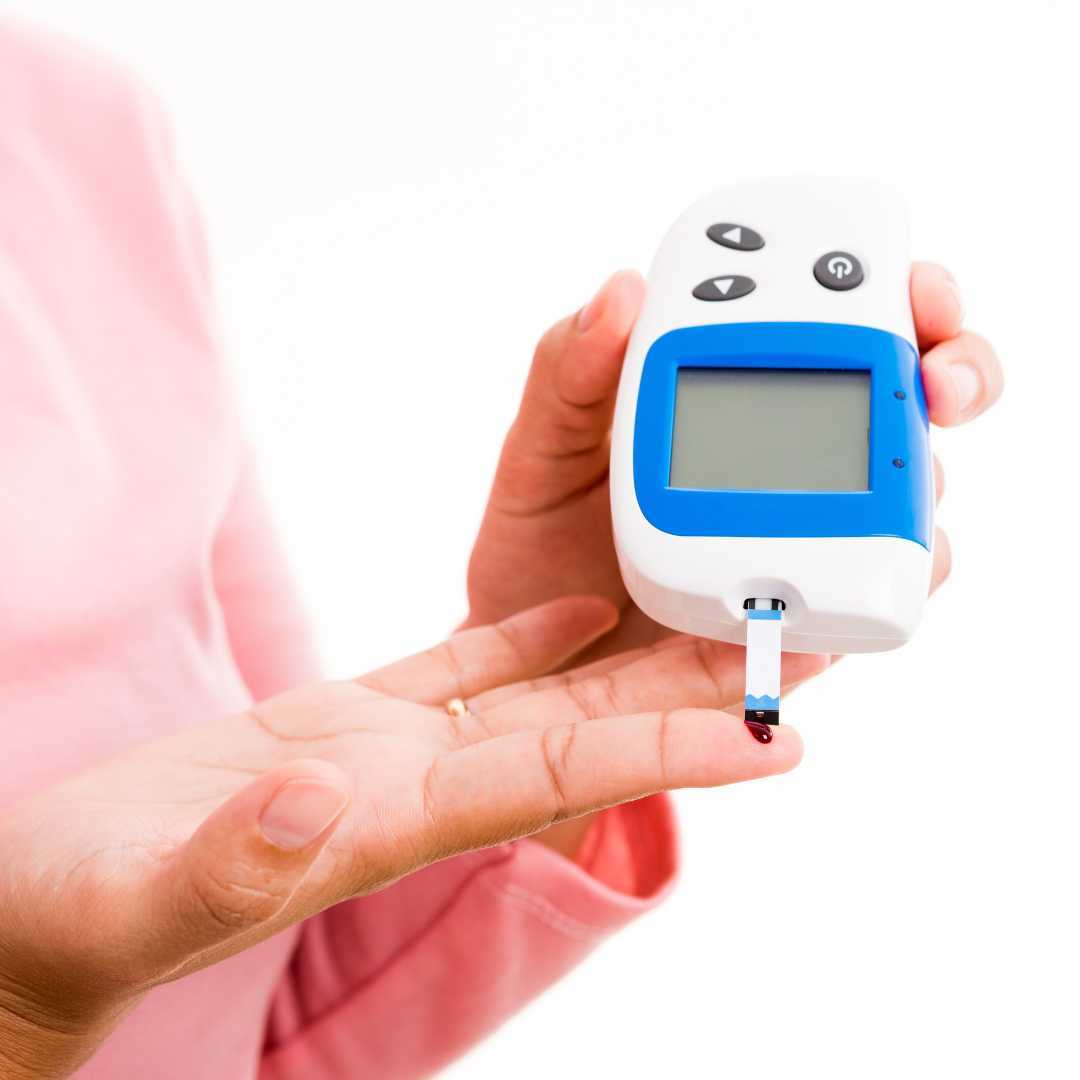
Type 1 Diabetes is an autoimmune condition where the body's immune system attacks the beta cells in the pancreas. Traditional treatment involves lifelong external insulin replacement. Stem cell therapy in India focuses on immunomodulation—stopping the immune system from attacking the pancreas—and regeneration, encouraging new beta cells to form.
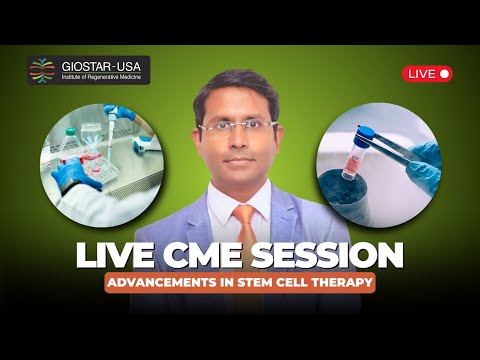
The procedure primarily utilizes Mesenchymal Stem Cells (MSCs) sourced from bone marrow or umbilical cord tissue. These cells are "homing" experts; once introduced into the body (often via intravenous infusion or direct pancreatic injection), they migrate to the damaged tissue to reduce inflammation and promote healing. While not always a guaranteed "cure," the goal is insulin independence or a significant reduction in daily dosage.
India is home to some of the world's largest FDA and GMP-compliant stem cell laboratories. This domestic infrastructure allows hospitals to process high-quality autologous stem cells on-site, drastically reducing the cost of logistics and preservation that inflates prices in Western countries.
Top Destinations: Best Cities for Treatment
Choosing the right city is as important as choosing the right hospital. India's medical hubs offer distinct advantages for international travelers.
Mumbai: The Medical Capital
As India's financial and medical hub, Mumbai hosts numerous JCI-accredited hospitals specializing in regenerative medicine. The city is ideal for patients seeking premium care with concierge services. Facilities here often have dedicated International Patient Departments that handle everything from visa invitations to hotel bookings near Colaba or Bandra.
Bengaluru (Bangalore): The Tech & Health Hub
Known as the "Silicon Valley of India," Bengaluru is at the forefront of medical technology. The city is renowned for its research institutes and bio-parks, making it a preferred destination for cutting-edge stem cell protocols. The pleasant weather and abundance of greenery also make it an excellent location for recovery.
New Delhi & NCR: Accessibility & Affordability
The capital region offers the highest concentration of government-accredited research centers. New Delhi is particularly well-connected globally, making it convenient for patients traveling from the US, UK, or Middle East. The competitive market here often results in the most affordable diabetes treatment packages without compromising quality.
"Patients often worry about the 'experimental' label of stem cell therapy. In India, leading institutes operate under strict ethical guidelines set by the ICMR (Indian Council of Medical Research). Unlike unregulated clinics in some regions, top Indian hospitals require rigorous screening to ensure a patient is physically eligible, ensuring that resources—and hope—are not wasted on cases with low probability of success."
Step-by-Step Treatment Journey
From your first inquiry to your flight home, here is what the typical 10-day medical tourism itinerary looks like for a patient in India.
Phase 1: Pre-Arrival (Weeks 1-4)
The journey begins with a virtual consultation. You will submit your medical history, recent HbA1c reports, and C-peptide test results. A medical board reviews your file to determine eligibility. Once approved, you receive a medical visa invitation letter to apply for an Indian Medical Visa (MED Visa).
Phase 2: Arrival & Evaluation (Days 1-2)
Upon landing in India (e.g., Chhatrapati Shivaji Maharaj International Airport in Mumbai), a hospital representative greets you. You are transferred to the hospital or a partner hotel. Day 2 involves comprehensive diagnostics: full blood work, cardiac evaluation, and baseline metabolic profiling to tailor the stem cell dosage.
Phase 3: The Procedure (Day 3)
The procedure is minimally invasive. If using autologous cells, bone marrow or adipose tissue is harvested (usually under local anesthesia). The cells are processed in an onsite GMP-certified lab to isolate and activate the stem cells. Later that day, the concentrated cells are administered via IV infusion or targeted injection. The process is generally painless and takes a few hours.
Phase 4: Observation & Recovery (Days 4-7)
Patients typically stay in the hospital for 24-48 hours for monitoring to ensure no adverse reactions occur. The remaining days are spent at your hotel with scheduled outpatient checks. Doctors monitor blood sugar levels closely, as some patients see immediate fluctuations.
Phase 5: Departure & Follow-Up (Day 8+)
You receive a "Fit to Fly" certificate and a detailed discharge summary. Follow-up care is crucial; you will have scheduled video calls with your Indian specialist for 6 to 12 months to track progress and adjust insulin dosages safely.
Comprehensive Cost Comparison
A detailed look at how India compares to other major medical tourism destinations for stem cell protocols.
| Destination | Cost Range (USD) | Typical Inclusions | Avg. Stay Required |
|---|---|---|---|
| India | $3,800 – $7,000 | Consultation, Diagnostics, Processing, 2-3 Days Hospital Stay, Airport Transfers | 7 – 10 Days |
| Mexico | $5,500 – $12,000 | Procedure, Local Transport (Hotel often extra) | 5 – 7 Days |
| Thailand | $15,000 – $25,000 | Wellness Resort Stay, Procedure, Rehab | 10 – 14 Days |
| United States | $25,000 – $100,000+ | Procedure Only (Outpatient) | 1 – 3 Days |
| Germany | $20,000 – $35,000 | High-end Medical Care, Procedure | 5 – 7 Days |
Frequently Asked Questions
Answers to the most common queries from international patients considering India for stem cell therapy.
Can stem cell therapy cure Type 1 Diabetes permanently?
While stem cell therapy is not yet guaranteed to be a permanent cure for every patient, clinical trials in India have shown promising results in reducing insulin dependency. Many patients experience a "drug-free" period or significantly lower insulin requirements for 1-3 years post-treatment.
How much does stem cell treatment for diabetes cost in India?
The average cost of stem cell therapy for Type 1 Diabetes in India ranges from $3,800 to $7,000 USD. This is approximately 70-80% cheaper than similar experimental treatments in the United States or Europe.
Is stem cell therapy for diabetes legal in India?
Yes, stem cell therapy is permitted in India under strict regulatory guidelines established by the ICMR and DCGI. It is typically offered as part of approved clinical research protocols in accredited hospitals.
What is the success rate of stem cell therapy for Type 1 Diabetes in India?
Indian medical centers report success rates between 65% and 80% for improved glycemic control. Success is defined as a measurable decrease in daily insulin dosage and protection of remaining beta-cell function.
Which Indian cities are best for diabetes stem cell treatment?
Mumbai, Bengaluru, and New Delhi are the top destinations. These cities house JCI-accredited hospitals with advanced labs for stem cell processing and experienced endocrinologists.
How long do international patients need to stay in India?
Most international patients are required to stay for 7 to 10 days. The procedure often takes only 1-2 days, but the remaining time is crucial for pre-procedure testing and initial post-treatment monitoring.
Are there age restrictions for this treatment?
Generally, patients between the ages of 12 and 60 are considered ideal candidates. Pediatric cases are evaluated strictly on a case-by-case basis, while older patients must be free from severe comorbidities.
What type of stem cells are used?
The most common approach uses Mesenchymal Stem Cells (MSCs) derived from the patient's own bone marrow (autologous) or umbilical cord tissue. These are preferred for their high safety profile.
Does insurance cover medical tourism for stem cell therapy?
Typically, international health insurance does not cover stem cell therapy for diabetes as it is often classified as an experimental procedure. Patients usually pay out-of-pocket, taking advantage of India's low package costs.
Ready to Transform Your Life?
Don't let Type 1 Diabetes control your future. PlacidWay partners with India's top JCI-accredited stem cell research institutes to bring you safe, affordable, and world-class treatment packages.
Get a free, no-obligation quote today and let our medical care team handle your travel, accommodation, and hospital coordination.


.png)




.png)

.png)



-(4).png)
.png)









Share this listing