


Istanbul's 2026 Stem Cell Boom Draws Middle East Parkinson’s
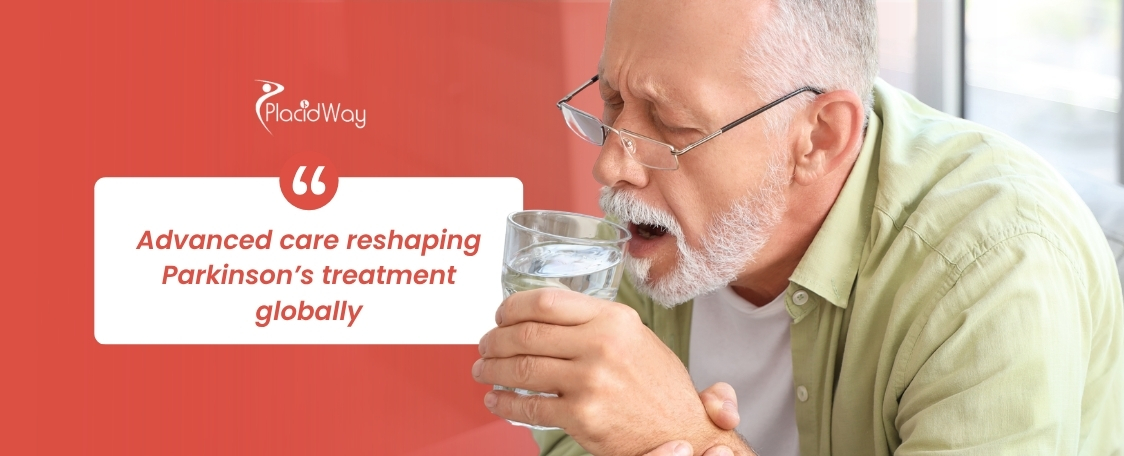
Facing soaring neurological disease rates, Middle Eastern patients are driving a 45% surge in demand for Parkinson's Stem Cell Treatment in Istanbul. By 2026, Turkey's multi-billion-dollar regenerative infrastructure offers unprecedented hope and healing just a short flight away.
The Escalating Neurological Crisis Across the Middle East
The Middle East and North Africa (MENA) region is currently navigating an unprecedented demographic shift, characterized by rapidly aging populations and an escalating prevalence of age-related neurodegenerative disorders. Epidemiological data indicates that the incidence of Parkinson's disease in these nations is climbing at a rate that far outpaces local healthcare infrastructure capabilities. For decades, standard pharmacological treatments have been the only recourse, offering temporary symptomatic relief but failing to halt the progressive loss of dopaminergic neurons that defines the disease.
Consequently, families across the Middle East are encountering severe bottlenecks in specialized neurological care. The lack of localized, advanced regenerative medicine facilities has created a geographical imperative to seek treatments abroad. Patients dealing with severe motor fluctuations, rigidity, and debilitating tremors are no longer willing to wait for domestic medical sectors to catch up. Instead, they are actively looking toward neighboring global medical hubs that offer cutting-edge, disease-modifying therapies capable of significantly restoring their quality of life.
Did You Know?
Turkey has heavily subsidized its biotechnology sector, with investments in regenerative medicine research and infrastructure expected to surpass $2.5 billion by 2026. This influx of capital has transformed the nation into one of the top five global destinations for advanced cellular therapies.
Inside Istanbul’s 2026 Advanced Stem Cell Infrastructure
The year 2026 marks a critical milestone for Istanbul’s medical tourism sector, representing the culmination of a decade-long strategic initiative to build a world-leading biotechnology ecosystem. The city’s medical landscape has evolved far beyond traditional hospital wards; it is now defined by sprawling "medical megacities." These hyper-modern campuses integrate advanced diagnostic imaging, hyperbaric oxygen therapy units, and dedicated stem cell laboratories all within highly secure, sterile environments designed specifically for international medical travelers.
At the heart of this infrastructure are Good Manufacturing Practice (GMP)-certified clean rooms, where mesenchymal stem cells are cultivated, purified, and prepared for administration under incredibly strict atmospheric controls. By housing the laboratories in the same physical complexes as the neurological treatment wards, Istanbul’s medical hubs eliminate the logistical risks associated with transporting delicate cellular materials. This seamless integration ensures maximum cell viability, directly translating to superior therapeutic outcomes for patients traveling from the Gulf States and beyond.
The Science Behind Stem Cell Therapy for Parkinson’s Disease
Parkinson’s disease fundamentally degrades the substantia nigra, the region of the brain responsible for producing dopamine. Traditional levodopa treatments attempt to replace this missing chemical artificially, but their efficacy wanes over time, leading to severe side effects. Regenerative medicine introduces a profound paradigm shift. By utilizing multipotent mesenchymal stem cells—often harvested ethically from umbilical cord tissue (Wharton’s Jelly) or the patient’s own adipose tissue—physicians aim to address the disease at a cellular level.
Once introduced into the patient’s body, these targeted cells secrete powerful neurotrophic factors that actively reduce neuroinflammation, a primary driver of Parkinson's progression. Furthermore, they promote angiogenesis (the formation of new blood vessels) and stimulate the brain's inherent repair mechanisms to protect surviving dopaminergic neurons. While the global medical consensus still categorizes stem cell therapy as an advanced investigational treatment rather than a definitive cure, clinical outcomes documented in Turkish medical hubs consistently show remarkable improvements in motor function, sleep quality, and a reduction in debilitating muscle rigidity.
Comparative Economics: Why Turkey Outpaces Western Europe
For Middle Eastern patients, the traditional routes for high-end medical care have historically pointed toward Western Europe or the United States. However, rampant medical inflation and exorbitant laboratory fees in those regions have made regenerative therapies financially inaccessible for many. In Western countries, strict patent laws, high taxation on medical research, and astronomical administrative overheads push the cost of a comprehensive stem cell protocol to staggering heights, often without the inclusion of personalized rehabilitation or luxury accommodations.
Istanbul disrupts this economic model entirely. Thanks to aggressive government subsidies, lower operational costs, and a highly favorable currency exchange rate, the city provides identical—and often technologically superior—cellular therapies at a fraction of the cost. The transparent pricing structures offered by Turkish medical facilities mean that international patients receive a holistic package covering all clinical, logistical, and post-operative aspects of their journey, proving that premium healthcare does not have to result in financial ruin.
Comprehensive Care Packages Designed for International Travelers
Traveling abroad with a neurodegenerative condition presents unique logistical challenges. Recognizing this, the medical infrastructure in Istanbul has pivoted to a highly specialized concierge model. These all-inclusive medical tourism packages are meticulously designed to strip away the stress of international travel, allowing the patient and their accompanying family members to focus entirely on rest, recovery, and rehabilitation.
When accessing these premier regenerative medicine programs, Middle Eastern patients can expect a flawlessly orchestrated itinerary that typically includes:
- Dedicated Bilingual Case Managers: Fluent Arabic and English-speaking medical coordinators who act as a continuous bridge between the patient, the medical team, and local logistics from the moment of arrival.
- Seamless VIP Transportation: Specially equipped, accessible luxury vehicles that transfer patients directly from Istanbul Airport to their clinical destinations, minimizing physical strain.
- Extensive Diagnostic Profiling: Pre-treatment assessments including high-resolution neuroimaging, comprehensive blood panels, and neurological scoring to tailor the exact stem cell dosage required.
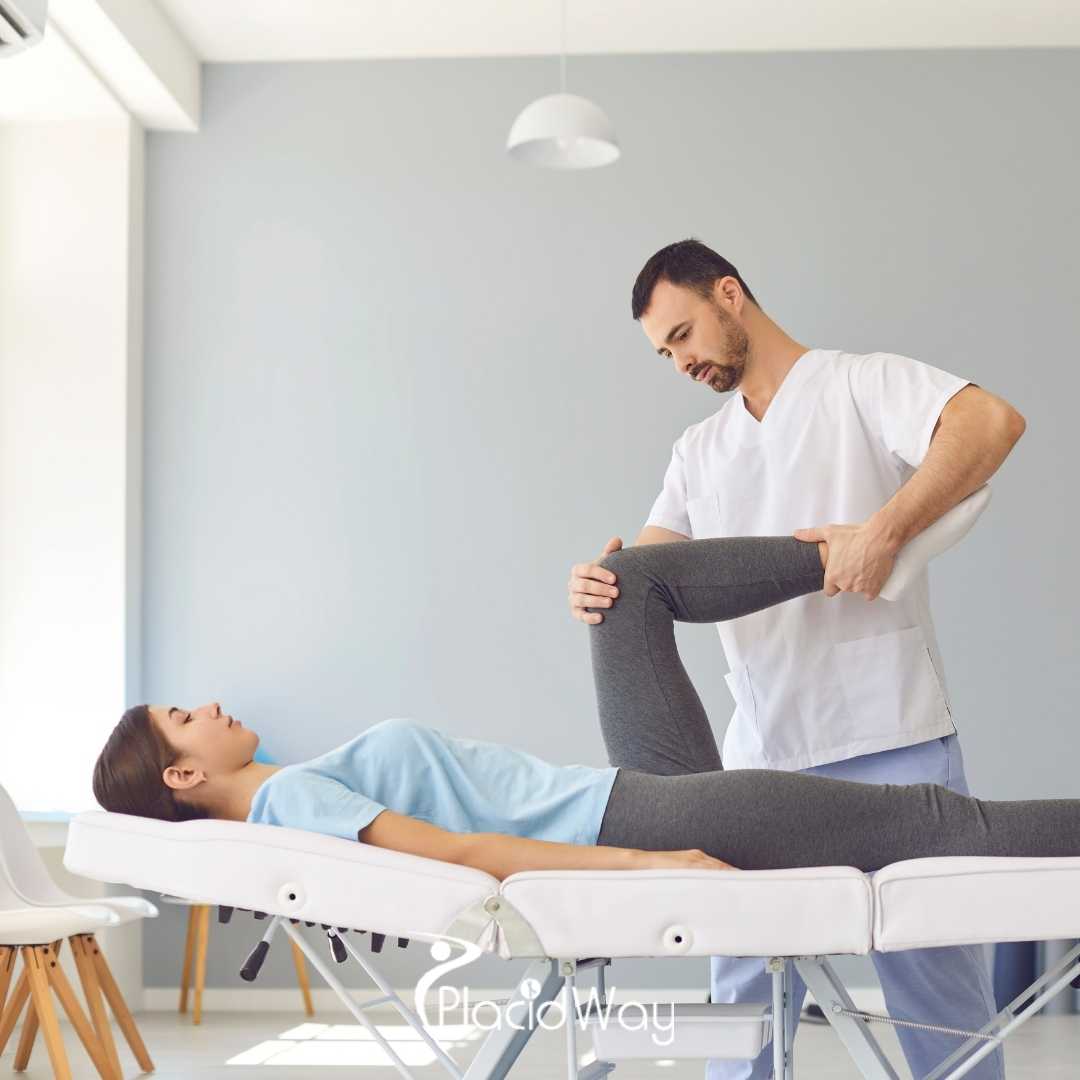
- Integrated Neuro-Rehabilitation: Post-infusion therapies including physiotherapy, occupational therapy, and speech therapy, designed to maximize the neuroplasticity encouraged by the stem cells.
- Luxury Recovery Suites: Partnerships with top-tier hotels and specialized recovery retreats that offer bespoke dietary menus and 24/7 nursing availability in a culturally sensitive environment.
"We are witnessing a monumental shift in global healthcare dynamics. Middle Eastern patients are no longer accepting the limitations of conventional neurology. By converging hyper-advanced regenerative biotechnology with a profound understanding of international patient hospitality, Turkey has positioned itself as the undisputed sanctuary for those seeking a tangible breakthrough in Parkinson's care."
— Pramod Goel, CEO of PlacidWay
Rigorous Safety Protocols and Global Accreditations
A primary concern for any patient traveling for advanced medical procedures is the regulatory framework governing the host country. Turkey has systematically addressed these concerns by aligning its biotechnology sector with the stringent standards of the European Medicines Agency (EMA) and the World Health Organization (WHO). The Turkish Ministry of Health exercises rigorous oversight over all cellular therapy protocols, ensuring that only internationally accredited facilities are legally permitted to cultivate and administer stem cells.
Furthermore, the most prestigious regenerative medicine centers in Istanbul proudly carry the gold standard of global healthcare: Joint Commission International (JCI) accreditation. This accreditation guarantees that the clinical protocols, ethical sourcing of biological materials, infection control measures, and patient safety protocols meet or exceed the standards found in elite Western hospitals. For the discerning Middle Eastern patient, these credentials provide ultimate peace of mind, transforming an overwhelming medical journey into a safe, deeply trusted experience.
Did You Know?
Istanbul's unique geographical location bridging Europe and Asia means it is accessible via a direct flight of under 4 hours for over 1.5 billion people. This unparalleled connectivity makes it the most strategically located medical tourism hub for the entire Middle East and North Africa.
The Strategic Role of PlacidWay in Bridging the Gap
Despite the immense potential of Istanbul’s regenerative landscape, navigating a foreign healthcare system independently remains a daunting task. The internet is flooded with unverified information, making it challenging to differentiate between world-class biotech centers and opportunistic clinics. This critical information asymmetry is why relying on a globally trusted medical tourism facilitator is not just recommended, but essential for safety and success.
PlacidWay serves as the definitive bridge between Middle Eastern patients and Turkey's elite medical infrastructure. By rigorously auditing and curating an exclusive network of certified providers, PlacidWay removes the guesswork from the equation. Through their platform, patients can seamlessly compare fully transparent treatment packages, review internationally verified credentials, and engage in direct, secure telehealth consultations with leading neurologists before ever booking a flight. This level of comprehensive logistical and medical advocacy empowers families to make informed, confident healthcare decisions.
What Patients Can Expect During Their Transformative Journey
The journey toward symptom relief and neuro-regeneration begins the moment a patient lands in Istanbul. Upon arrival, travelers are immediately enveloped in a structured, highly supportive clinical environment. The initial days are dedicated to rigorous physiological and neurological mapping. Specialists conduct detailed evaluations to ensure the patient is in optimal condition for the procedure, customizing the cellular formulation to target their specific Parkinsonian symptoms, whether those be severe tremors, bradykinesia, or postural instability.
The stem cell administration itself is typically minimally invasive, often utilizing intravenous infusions or targeted intrathecal injections to bypass the blood-brain barrier effectively. Following the procedure, the emphasis shifts to intensive monitoring and guided neuro-rehabilitation. Patients are carefully observed in their luxury recovery suites while participating in physical therapies designed to stimulate motor function. By the time they board their flight back to the Middle East, patients depart not just with advanced cellular treatments actively working within their nervous system, but with a renewed sense of dignity, mobility, and hope for the future.







.jpg)











Share this listing