
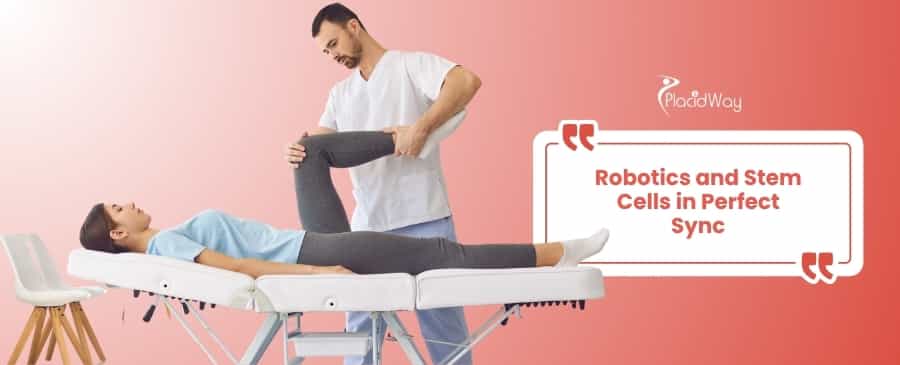
For patients navigating severe neurological or physical trauma, the journey toward recovery is often complex and demanding. Traditional physical therapy remains foundational, but modern medical advancements have opened doors to more comprehensive treatment modalities. Today, an innovative approach known as dual-pathway recovery is transforming the rehabilitation landscape. By combining cellular regeneration therapies with advanced mechanical assistance, patients can experience highly synergistic treatment protocols.
This cutting-edge methodology merges the regenerative potential of cellular therapies with the precise, repetitive movements of modern robotic exoskeletons. Medical professionals in specialized facilities are leveraging these tools to stimulate neuroplasticity and encourage tissue repair simultaneously. As international patients seek high-quality, accessible options, many are discovering the benefits of this combined approach abroad. Choosing robotic rehab in Istanbul allows patients to access world-class facilities dedicated to this integrated recovery model.
- Biological Support: Cellular therapies generally aim to reduce inflammation and promote an environment conducive to neural repair.
- Mechanical Precision: Exoskeletons provide high-repetition, consistent motion training that traditional manual therapy cannot easily replicate.
- Synergistic Timing: Administering regenerative treatments shortly before or during intensive physiotherapy may optimize the nervous system's receptiveness to motor relearning.
- Customized Care: Programs are typically tailored strictly to the patient's baseline mobility and specific pathological deficits.
Combining physical exertion with regenerative medicine is based on the concept that active muscles release neurotrophic factors. These factors can naturally encourage the integration and survival of newly introduced cells.
The Science Behind High-Dose Stem Cell Therapy in Turkey
The field of regenerative medicine has expanded significantly, offering potential new pathways for patients with chronic and acute conditions. The biological foundation of this therapy lies in the unique ability of specific cells to differentiate, modulate immune responses, and secrete healing factors. When administered in high doses, these cells are typically intended to target damaged tissues and alter the hostile inflammatory environment often found in neurological injuries. Turkey has emerged as a regional leader in adopting these advanced cellular processing techniques.
Medical researchers hypothesize that these therapies work primarily through paracrine signaling, where the introduced cells act as microscopic factories releasing growth factors. These factors may stimulate the patient's native cells to initiate self-repair mechanisms and prevent further cellular death. Patients seeking affordable stem cell therapy in Turkey usually undergo thorough evaluations to ensure they receive the specific cell type best suited to their diagnosis. The protocols generally involve careful harvesting, cultivation, and targeted delivery.
- Mesenchymal Stem Cells (MSCs): Most frequently used for their immunomodulatory properties and general safety profile.
- Autologous Sourcing: Cells harvested from the patient's own body (often adipose tissue or bone marrow), minimizing rejection risks.
- Allogeneic Sourcing: Ethically derived umbilical cord cells, which are highly vital and do not require invasive harvesting from the patient.
- Targeted Delivery: Administration methods typically include intravenous (IV) drips, intrathecal injections, or localized intra-articular injections based on the injury site.
Research indicates that high-dose protocols often utilize between 50 million to 200 million viable cells per infusion, depending on the severity of the condition and the patient's body weight.
How Advanced Robotic Rehabilitation Accelerates Healing?
Relearning motor functions after a severe neurological event requires intense, repetitive practice to forge new neural pathways. Human therapists, while essential for guidance and assessment, physically cannot facilitate the thousands of perfectly consistent steps a patient might need in a single session. This is where advanced robotic devices bridge the gap, providing weight-bearing assistance and task-specific training. By supporting the patient's body, these machines allow individuals to safely practice walking or arm movements long before they have the independent strength to do so.
Modern devices feature highly sensitive sensors that continuously read the patient's voluntary muscle efforts, adjusting the level of assistance in real-time. This interactive biofeedback ensures that the patient is always actively participating rather than passively being moved by the machine. Through the integration of gamified virtual reality interfaces, patients remain motivated and engaged during rigorous sessions. The integration of such technology makes the advanced rehabilitation in Turkey a highly sought-after option for global patients.
| Robotic Technology | Primary Function | Typical Patient Application |
|---|---|---|
| Gait Trainers (e.g., Lokomat) | Body-weight supported treadmill walking | Spinal cord injury, severe stroke |
| Upper Limb Exoskeletons | Shoulder, arm, and hand mobilization | Stroke, traumatic brain injury |
| Anti-Gravity Treadmills | Reduces body weight impact by up to 80% | Orthopedic recovery, early gait training |
When selecting a recovery program, inquire specifically about the types of robotic devices available. Ensure the clinic possesses machinery relevant to your specific mobility deficits, whether lower limb, upper limb, or fine motor skills.
Analyzing Robotic Rehab and Stem Cell Therapy Cost in Istanbul
One of the primary drivers of international medical travel is the significant disparity in healthcare pricing across different regions. Advanced treatments involving cellular therapies and robotics are often prohibitively expensive or entirely excluded from insurance coverage in Western nations. Patients exploring their options find that the financial landscape in Eurasia offers a much more accessible entry point for cutting-edge care. The reduced cost of living, favorable exchange rates, and competitive healthcare market allow Turkish clinics to offer these complex protocols at a fraction of the traditional cost.
It is important to understand that the final price will vary based on the number of cellular infusions, the duration of the robotic therapy program, and the specific diagnostic tests required. Transparency in pricing is a hallmark of reputable international clinics, which typically provide comprehensive quotes detailing all medical fees. By thoroughly analyzing the neurological recovery cost in Istanbul, patients can make informed decisions and better allocate their healthcare budgets. Below is a general comparison of average market costs.
| Procedure / Treatment Plan | Average Cost in Istanbul | Estimated Cost in US/UK |
|---|---|---|
| High-Dose Stem Cell Protocol (per session) | $5,000 - $8,000 | $15,000 - $30,000 |
| Intensive Robotic Rehab (per month) | $3,000 - $6,000 | $15,000 - $25,000 |
| Comprehensive Dual-Pathway Package (4 weeks) | $10,000 - $18,000 | $40,000 - $70,000 |
Affordable Access to Care
"I was quoted an astronomical figure for just a few weeks of robotic therapy in the States, with no cellular treatments included. Traveling to Istanbul allowed me to access a combined month-long program that fit my budget, without compromising on the quality of the technology or the medical expertise." – Patient Review Summary
Why Medical Tourism in Istanbul Excels in Neurological Care?
Turkey has strategically positioned itself as a global hub for specialized medical treatments, investing heavily in state-of-the-art infrastructure and medical education. The country's geographical location acts as a convenient bridge between Europe, Asia, and the Middle East, making it highly accessible for international flights. Beyond accessibility, the focus on building multidisciplinary medical centers means patients can receive comprehensive care under one roof. This holistic approach is especially crucial for neurological patients who often require input from neurologists, physiotherapists, and specialized nursing staff.
The hospitality culture deeply ingrained in Turkish society translates seamlessly into patient care, offering a supportive environment during physically taxing recovery phases. Many healthcare providers have earned prestigious international accreditations, signaling their commitment to stringent quality and safety metrics. For those participating in medical tourism in Istanbul, the experience often goes beyond clinical excellence to include robust logistical support. Patients generally find that the seamless coordination between medical and international patient departments greatly reduces the stress of traveling for treatment.
- JCI-Accredited Facilities: Numerous hospitals hold Joint Commission International accreditation, ensuring global standards of care.
- Multidisciplinary Teams: Care is typically managed by a collaborative board of neurologists, orthopedists, and rehabilitation specialists.
- Modern Infrastructure: Purpose-built rehabilitation centers designed specifically for wheelchair accessibility and patient comfort.
- Geographic Convenience: A major global aviation hub providing direct flight access from dozens of countries.
Turkey is currently ranked among the top 10 medical tourism destinations globally, hosting hundreds of thousands of international health travelers annually across various medical specialties.
Evaluating Top Stem Cell Clinics in Turkey for Dual-Pathway Therapy
Selecting the right medical facility is the most critical decision a patient will make when pursuing advanced therapies abroad. With the rapid growth of the medical travel sector, the market features a wide spectrum of clinics varying in expertise and technological capabilities. It is essential to look beyond marketing materials and critically evaluate the credentials of the medical staff and the standards of the laboratory facilities. Proper cellular processing requires highly controlled, sterile environments known as Good Manufacturing Practice (GMP) certified laboratories.
Patients should seek transparent communication regarding realistic outcomes, potential risks, and the exact protocols being utilized. A reputable center will always insist on a rigorous pre-arrival evaluation of your medical records to confirm that you are a suitable candidate. When reviewing stem cell clinics in Turkey, prioritize institutions that emphasize a multidisciplinary approach rather than those operating as isolated treatment rooms. The integration of the cellular treatment with the physical rehabilitation department is vital for the dual-pathway method to function as intended.
- Lab Certifications: Verify that the cells are processed in a GMP-compliant laboratory to ensure sterility and viability.
- Specialist Credentials: Ensure the primary treating physicians are board-certified in neurology, orthopedics, or physical medicine.
- Transparent Protocols: The clinic should provide clear documentation on cell sourcing, counting methodologies, and administration routes.
- Comprehensive Facilities: The best centers physically house both the cellular medicine unit and the robotic rehabilitation gym.
The viability of a cellular product decreases rapidly after it is prepared. Clinics that have processing laboratories on-site or in close proximity generally offer a higher percentage of live, active cells during infusion.
The Patient Journey for Advanced Rehabilitation in Turkey
Embarking on a medical journey overseas requires meticulous planning and a clear understanding of the sequential phases of care. The process typically begins long before the patient boards a plane, starting with secure digital consultations and the exchange of medical imaging. Once the medical board reviews the case, they will propose a customized itinerary outlining the expected duration and specific therapies involved. Upon arrival, patients are usually greeted by hospital representatives and guided through the initial administrative and logistical steps.
The first few days in the facility are generally dedicated to comprehensive baseline testing and in-person specialist consultations. This evaluation phase ensures that the pre-planned robotic settings and cellular dosages are perfectly calibrated to the patient’s current physical state. Only after these rigorous checks are completed does the actual therapeutic work begin. The subsequent weeks settle into a structured, daily routine of intensive physical therapy interspersed with scheduled medical procedures.
The Typical Pathway
- Phase 1: Remote medical evaluation and program proposal.
- Phase 2: Arrival, orientation, and comprehensive baseline physical assessments.
- Phase 3: Administration of the primary biological therapies (e.g., cell infusions).
- Phase 4: Daily, intensive robotic and manual rehabilitation sessions (often 2-4 hours a day).
- Phase 5: Final evaluations and the creation of a home-care discharge plan.
Conditions Typically Treated with Dual-Pathway Recovery Programs
The dual-pathway approach is not a universal cure, but rather a specialized protocol primarily aimed at severe neurological and musculoskeletal deficits. The overarching goal is generally to halt disease progression, manage debilitating symptoms, and recover lost functional mobility. Patients who have plateaued in traditional physical therapy often turn to these combined methods seeking a new catalyst for improvement. The application of these therapies spans a diverse range of medical diagnoses.
While outcomes vary drastically depending on the patient's age, injury severity, and time elapsed since the trauma, certain conditions are more frequently targeted by these clinics. Neurological trauma, where neural pathways have been severed or damaged, is the primary focus. Additionally, progressive neurodegenerative disorders are increasingly being managed through these comprehensive regimens. The medical team will always conduct an individualized assessment to ensure the therapy aligns with the patient's specific pathology.
- Spinal Cord Injuries (SCI): Targeting partial injuries to encourage neural bridging and improve lower limb function.
- Stroke Recovery: Assisting in the relearning of motor skills and attempting to repair ischemic brain tissue damage.
- Cerebral Palsy (CP): Managing spasticity and improving overall motor coordination in pediatric and adult patients.
- Multiple Sclerosis (MS): Typically aimed at modulating the autoimmune response and managing symptoms of physical decline.
Overcoming the Plateau
"Two years after my stroke, my progress had completely stalled. My local therapists told me this was my new baseline. Traveling for an intensive dual-pathway program broke that plateau. The combination of the exoskeleton training and the medical treatments helped me regain crucial mobility in my right arm that I thought was lost forever." – Patient Review Summary
What to Expect During Stem Cell Administration in Istanbul?
The actual administration of cellular therapies is generally a minimally invasive process, though the exact method depends heavily on the condition being treated. For systemic conditions or general inflammation, the cells are often delivered via a simple, slow intravenous (IV) drip, a process that can take a few hours while the patient rests comfortably. In cases involving spinal cord injuries or specific neurological disorders, the specialist may opt for an intrathecal injection. This method delivers the cells directly into the cerebrospinal fluid, allowing them to bypass the blood-brain barrier and reach the central nervous system more efficiently.
Prior to any administration, patients usually undergo standard blood work and vital checks to ensure they are fit for the procedure. The clinical environment is kept strictly sterile, and patients are monitored continuously by nursing staff during and immediately after the infusion. Mild side effects, such as a low-grade fever, fatigue, or localized soreness at the injection site, are common and typically resolve within a few days. The medical team will provide specific post-procedure guidelines to ensure optimal safety and comfort.
Cellular therapies are advanced medical procedures and carry inherent risks, including infection or adverse immune reactions. Results vary significantly from person to person, and these therapies are typically considered experimental for many conditions. Never undergo treatment without thorough consultation with your primary healthcare provider.
Maximizing Mobility Through Targeted Robotic Physiotherapy
While biological therapies work on a microscopic level, physical rehabilitation is the visible engine of functional recovery. Robotic devices are not intended to replace human therapists; rather, they are powerful tools used by therapists to maximize the efficiency of a session. When a patient uses an exoskeleton, the machine assumes the burden of the body's weight, allowing the patient to focus entirely on the mechanics of their gait or arm movement. This allows for an exceptionally high number of task repetitions without the rapid onset of physical exhaustion.
Neuroplasticity—the brain's ability to reorganize itself by forming new neural connections—is heavily dependent on this high-volume repetition. The sensory feedback provided by the robotic movement sends continuous signals back to the brain, essentially "reminding" the nervous system how to execute the motion. By pairing this intensive, precise physical retraining with the potentially supportive environment created by regenerative medicine, the dual-pathway model strives to optimize the body's overall healing capacity.
Traditional manual gait training might allow a patient to take 50 to 100 steps in a session before fatigue sets in for either the patient or the therapist. A robotic gait trainer, supporting the patient's weight and guiding the legs, can facilitate over 1,000 perfectly symmetrical steps in a single session, drastically accelerating neuroplastic feedback.
Safety Protocols and International Standards in Turkish Clinics
Patient safety is the cornerstone of any legitimate medical institution, particularly those dealing with international populations and advanced experimental therapies. Leading Turkish clinics operating in the medical tourism sector are keenly aware of the need to build trust through verifiable safety standards. These facilities generally adhere strictly to guidelines set forth by the Ministry of Health, alongside international protocols governing the processing and handling of biological materials. Rigorous infectious disease screening is mandatory for both the patient and any cellular products utilized.
In the rehabilitation wards, safety mechanisms are equally stringent. Robotic devices are equipped with multiple fail-safes, emergency stops, and sensors that immediately halt movement if abnormal resistance or spasm is detected. The staff-to-patient ratio in these intensive units is kept intentionally low to ensure constant supervision and immediate assistance. By maintaining these uncompromising standards, clinics strive to mitigate risks and provide a secure environment for vulnerable patients.
Over 30 hospitals in Turkey currently hold Joint Commission International (JCI) accreditation, representing one of the highest concentrations of globally certified healthcare facilities in a single country.
Preparing for Your Medical Travel and Therapy in Istanbul
Successfully navigating a medical trip requires preparation that goes beyond simply booking a flight. Because dual-pathway programs are physically and emotionally intensive, ensuring your logistical affairs are in order beforehand minimizes unnecessary stress. Patients must compile comprehensive medical dossiers, including recent MRI scans, detailed blood work, and comprehensive reports from their current physical therapists. Having these documents translated or organized clearly is vital for the receiving medical team.
Additionally, it is crucial to prepare for the physical demands of the program. If you are currently engaging in any form of physical therapy, maintain it up until your departure to ensure you arrive with the best possible baseline endurance. Discuss your travel plans extensively with your local specialists, focusing on how you will transition back to home care once the intensive overseas program concludes. A seamless continuum of care is generally considered essential for long-term success.
Request a formal "discharge planning session" before you even travel. Knowing exactly what local physical therapy resources you will need upon your return home allows you to set up appointments in advance, preventing any gaps in your recovery process.
Seamless Coordination
"Traveling abroad for complex medical care was daunting, but the preparation support we received made all the difference. Knowing exactly what documents were needed and having a clear schedule before we boarded the plane allowed us to focus entirely on the therapy once we arrived." – Patient Review Summary
How PlacidWay Assists Your Dual-Pathway Recovery Journey in Istanbul?
Navigating the complex landscape of international medical options can be overwhelming for patients and their families. Determining which clinics possess the specific robotic technology you need, while also verifying their cellular therapy credentials, requires extensive research. Professional medical tourism facilitators step into this gap, offering curated guidance and vital connections. They help bridge the geographical and informational divide, ensuring you connect with reputable healthcare providers.
PlacidWay serves as a comprehensive resource for global patients seeking specialized treatments. By providing a transparent platform, patients can access essential information, compare medical providers, and initiate direct consultations. PlacidWay focuses on empowering patients with the data they need to make educated healthcare decisions. Here is how PlacidWay assists in your medical journey:
- Connecting patients with internationally accredited and highly specialized rehabilitation centers.
- Facilitating the secure transfer of medical records for initial clinical assessments.
- Providing detailed, transparent cost estimates for medical procedures directly from the providers.
- Offering a comprehensive platform to compare credentials, technologies, and patient reviews across various clinics.
- Assisting with dedicated medical coordination to streamline communication between the patient and foreign medical teams.
Utilizing a specialized medical facilitator allows you to bypass general inquiry queues, often resulting in much faster responses and priority consultation scheduling with top-tier international specialists.
Empowered Decision Making
"I was overwhelmed by the number of clinics claiming to offer these treatments. Using a platform that had already vetted the providers and could facilitate direct communication with the actual doctors gave me the confidence I needed to move forward with my care plan." – Patient Review Summary
Frequently Asked Questions
When considering advanced medical procedures abroad, patients naturally have a multitude of questions regarding logistics, safety, and expected outcomes. The integration of two distinct therapeutic modalities—biology and technology—adds an extra layer of complexity to the decision-making process. Gathering accurate, clear information is the first critical step toward a successful medical journey.
Below, we have compiled the most common inquiries international patients have when exploring this specific dual-pathway approach. These answers are designed to provide foundational knowledge and clarify standard practices within top-tier Turkish medical facilities. Always discuss these points directly with your chosen medical provider for personalized insights.
Dual-pathway recovery combines high-dose stem cell therapy with intensive robotic rehabilitation. The stem cells typically aim to promote cellular repair and reduce inflammation, while the robotic devices provide repetitive, precise movements to stimulate neuroplasticity. Together, these modalities generally support a more comprehensive rehabilitation process.
Suitability generally depends on your specific medical condition, overall health, and medical history. Conditions typically treated include stroke recovery, spinal cord injuries, and certain neurological disorders. A thorough medical evaluation by a qualified specialist is required to determine if this therapy is appropriate for you.
The length of a robotic rehabilitation program varies widely depending on the patient's condition and recovery goals. Most international patients typically commit to intensive programs lasting anywhere from four to twelve weeks. Your medical team will customize a timeline tailored to your specific physical therapy needs.
Top medical facilities in Istanbul generally adhere to strict international safety and hygiene standards. Protocols typically include rigorous cell screening, sterile laboratory processing, and careful patient monitoring. However, as with any medical procedure, there are inherent risks that must be discussed with your physician.
The neurological recovery cost in Istanbul for a combined program typically ranges from $10,000 to $20,000, depending on the number of cell infusions and the duration of the physical therapy. This represents a significant saving compared to prices in the US or UK. Exact costs require a personalized medical quotation.
Yes, major hospitals and specialized clinics catering to medical tourism in Istanbul usually have dedicated international patient departments. They typically provide multilingual coordinators and professional medical interpreters. This ensures seamless communication between you and your healthcare team throughout your stay.
Clinics most commonly utilize Mesenchymal Stem Cells (MSCs), which are often harvested from the patient's own bone marrow or adipose (fat) tissue, or sometimes sourced ethically from umbilical cord tissue. These cells are preferred for their potential immunomodulatory and tissue-repair properties. The exact type used is decided by the specialist based on the diagnosis.
Recovery timelines are highly individualized and results can never be guaranteed. Some patients report feeling initial improvements in energy or reduced spasticity within a few weeks, while significant motor function improvements may take several months of continued therapy. Consistency in rehabilitation is key to maximizing potential benefits.
Yes, continuity of care is a crucial aspect of the recovery journey. Turkish medical teams typically provide comprehensive discharge plans and therapy guidelines for you to share with your local physiotherapist. Ongoing standard physical therapy is generally required to maintain and build upon the progress made abroad.
Many international visitors can enter Turkey on a standard tourist e-Visa, which is often sufficient for short-term treatments. However, if your rehabilitation program requires a prolonged stay exceeding standard tourist limits, you may need to apply for a specialized medical visa. Always check the current visa regulations based on your nationality before traveling.
Ready to explore your options for dual-pathway recovery in Istanbul?
Connect with PlacidWay today for a comprehensive evaluation and personalized treatment plans from top-tier clinics.
Medical Disclaimer: This article is for informational purposes only and is not medical advice. Always consult a qualified healthcare provider before any medical decisions. Results may vary. Read Full Disclaimer here.
References
- Mayo Clinic. Stem cells: What they are and what they do. https://www.mayoclinic.org/tests-procedures/bone-marrow-transplant/in-depth/stem-cells/art-20048117
- National Institutes of Health (NIH). Robotics in Rehabilitation. https://www.ncbi.nlm.nih.gov/pmc/articles/PMC4397446/
- Joint Commission International (JCI). Accredited Organizations in Turkey. https://www.jointcommissioninternational.org/about-jci/jci-accredited-organizations/
- Cleveland Clinic. Neuroplasticity and Rehabilitation. https://health.clevelandclinic.org/neuroplasticity
- World Health Organization (WHO). Rehabilitation Fact Sheet. https://www.who.int/news-room/fact-sheets/detail/rehabilitation
.png)






.png)

.jpg)








Share this listing