


The journey from chronic, debilitating back pain to complete physical restoration is profound. For individuals seeking severe lower back pain relief, especially those diagnosed with complex conditions like spondylolisthesis (spinal slippage), the daily reality is often defined by extreme physical limitations and sleepless nights. This compelling video chronicles the medical journey of Serkan Uluda?, a 51-year-old patient who experienced crippling nerve pain and mobility loss due to a structurally compromised spine. After traditional injections and regenerative therapies completely failed to correct his shifting vertebrae, he turned to the cutting edge of modern medicine. Watch how state-of-the-art robotic spine surgery for spondylolisthesis, performed by specialized orthopedic surgeon Dr. Yunus Uysal, delivers unparalleled mathematical precision, fundamentally resolving spinal instability and allowing patients to reclaim their active, pain-free lives almost immediately after the procedure.
Video Chapters & Quick Navigation
Understanding Spondylolisthesis and Spinal Instability
Spondylolisthesis is a complex and often highly progressive orthopedic condition characterized by the abnormal forward displacement of one vertebra over the bone directly beneath it. This severe structural misalignment fundamentally compromises the structural integrity of the entire spinal column, leading to devastating biomechanical instability. When a spinal bone slips out of its natural anatomical position, it significantly narrows the central spinal canal and the lateral neural foramina.
These foramina are the critical, narrow pathways where delicate peripheral nerves exit the spinal cord to innervate the lower extremities. The narrowing of these spaces creates immense mechanical pressure on the nerves, resulting in a cascade of painful neurological deficits. For patients seeking a permanent treatment for lumbar spondylolisthesis, understanding the underlying cause of this anatomical failure is the essential first step toward recovery.
Degenerative vs. Isthmic Spondylolisthesis
The pathophysiology of this condition generally falls into two distinct categories. Degenerative spondylolisthesis is overwhelmingly the most common form found in older adults. It occurs as a direct result of long-term, chronic wear and tear on the intervertebral discs and the supportive facet joints. As these crucial shock-absorbing structures gradually lose their internal hydration and elasticity over decades, they can no longer maintain the spine's rigid alignment, allowing a vertebra to slowly slide forward.
Conversely, isthmic spondylolisthesis is typically triggered by a specific structural defect or stress fracture in the pars interarticularis, a thin segment of bone that connects the upper and lower facet joints. Regardless of the exact underlying etiology, the resulting mechanical instability places massive, abnormal stress on the surrounding supportive musculature and spinal ligaments. Unlike simple muscle strains or minor, temporary disc bulges, a physically shifted and displaced vertebra requires a highly sophisticated structural intervention to restore long-term stability and permanently relieve nerve impingement.
The Debilitating Symptoms of Spinal Slippage
The clinical manifestation of severe spondylolisthesis extends far beyond standard, everyday lower back discomfort. As the degree of spinal slippage progressively worsens, the mechanically pinched nerves generate intense, radiating electrical pain that drastically reduces a patient's overall quality of life. In the featured case study of Serkan, the onset of his symptoms began relatively gradually before aggressively deteriorating his physical capabilities.
As vividly highlighted in the patient's testimony at [00:46], the debilitating pain initially manifested entirely in his right leg. It quickly reached a level of excruciating severity where he was completely unable to bear his own body weight or even step down onto his foot. This widespread phenomenon, medically referred to as lumbar radiculopathy or severe sciatica, occurs because the malpositioned vertebra continuously rubs against and irritates the highly sensitive sciatic nerve roots.
The Nocturnal Impact and Loss of Mobility
The pain generated by a structural spinal shift rarely remains localized; it frequently migrates and expands as the inflammation spreads. Serkan noted that his excruciating pain eventually migrated to encompass his left leg as well, effectively paralyzing his normal lower body mechanics. The nocturnal impact of this progressive condition is particularly brutal and unforgiving. At [00:13], he describes how his nights were entirely ruined by overwhelming nerve pain and severe, involuntary muscle cramps.
The sheer inability to find a comfortable sleeping position leads directly to chronic, debilitating sleep deprivation. This lack of restorative sleep further exacerbates the central nervous system's perception of pain and actively hinders cellular healing. Simple, everyday activities rapidly transform into monumental, painful challenges. Walking short distances, attempting to climb a flight of stairs, or even maintaining a standard seated posture for extended periods become sources of immense suffering. This dramatic loss of basic mobility highlights the urgent need for a definitive, long-lasting medical solution.
Why Conservative Spinal Treatments Often Fail
When initially faced with severe spinal pain, both patients and medical professionals naturally lean toward conservative, minimally invasive pain management strategies. These frontline therapies aim to rapidly reduce acute inflammation, manage chaotic nerve signals, and stimulate localized tissue healing. However, these traditional modalities have massive, inherent limitations when tasked with addressing profound structural bone abnormalities like grade-level spinal slippage.
Serkan's exhaustive, frustrating search for relief led him through various advanced non-surgical therapies. As he details at [01:27], he underwent highly targeted epidural steroid injections, commonly referred to locally as "nokta at???" (point-blank shooting). This procedure attempts to deliver powerful corticosteroids directly to the inflamed nerve roots. While this approach can successfully mask the pain temporarily by chemically suppressing the inflammation, it completely fails to address the actual mechanical shift of the heavy vertebra.
The Limits of Regenerative Medicine
Because the fundamental relief is inherently transient, the bone remains completely out of alignment, guaranteed to continuously re-irritate the compressed nerve the moment the injected medication inevitably wears off. Furthermore, modern regenerative medicine therapies, despite their massive and proven potential in other areas of sports orthopedics, fall drastically short when treating mechanical spondylolisthesis. Serkan hopefully attempted both medical ozone therapy and advanced stem cell treatments [01:36].
These sophisticated cellular therapies are highly effective for treating soft tissue injuries, early-stage joint degeneration, or mild, contained disc herniations because they actively promote cellular regeneration. However, it is a biomechanical fact that no amount of injected stem cells or medical ozone gas can physically push a slipped, weight-bearing lumbar vertebra back into its correct anatomical position. Recognizing these hard limitations is absolutely crucial for patients, as prolonged reliance on ineffective conservative treatments can eventually lead to permanent, irreversible nerve damage.
Evaluating the Need for Surgical Intervention
The difficult realization that all conservative treatments have been fully exhausted marks a critical pivot point in a patient's medical journey. It transitions the immediate focus away from temporary symptom management directly toward achieving a definitive structural correction. This advanced phase requires a comprehensive, hands-on evaluation by a highly specialized orthopedic spine surgeon who intimately understands the complex biomechanics of the lumbar spine.
Upon consulting with the renowned Dr. Yunus Uysal, the true, severe nature of Serkan's condition was definitively mapped out [01:43]. Through incredibly detailed advanced imaging, including dynamic weight-bearing X-rays and high-resolution 3D CT scans, the surgical team assessed the exact millimeter degree of the slippage. The medical consensus was undeniably clear: the structural instability was too advanced, and an open surgical intervention—specifically a lumbar decompression and fusion surgery with titanium instrumentation—was the only viable path forward.
Key Indicators for Spinal Fusion Surgery
Determining exactly when a patient requires a surgical fusion is a highly calculated medical decision. Top orthopedic specialists generally look for specific, critical indicators that prove structural surgery is absolutely medically necessary. These primary clinical indicators include:
- Refractory, Chronic Pain: Severe, unyielding neurological pain that persists daily for more than six months despite rigorous physical therapy and targeted epidural injections.
- Progressive Neurological Deficits: Measurable, worsening muscle weakness, the sudden development of foot drop, or a significant loss of reflex responses in the lower extremities.
- Advanced Structural Instability: Dynamic flexion-extension X-rays actively revealing excessive, dangerous movement (hypermobility) between the vertebrae upon bending forward or backward.
- Loss of Independence: An inability to perform basic daily activities, maintain employment, or walk more than a few minutes without requiring immediate rest.
For Serkan, learning that Dr. Uysal routinely handles highly complex pediatric scoliosis cases gave him immense confidence in the surgeon's physical capabilities [02:06]. He made the life-changing decision rapidly, consulting on a Monday and confidently entering the operating room by Tuesday morning [02:23].
The Technology Behind Robotic Spine Surgery
Robotic-assisted spine surgery represents one of the most magnificent and significant technological leaps in the entire history of orthopedic medicine. This modern approach seamlessly integrates advanced 3D anatomical imaging, highly sophisticated predictive planning software, and ultra-precise robotic arm guidance to elevate the human surgeon's capabilities far beyond standard limitations. The surgical process actually begins long before the patient even enters the sterile operating room.
Using high-resolution preoperative CT scans, the proprietary surgical software constructs a highly detailed, perfect three-dimensional digital replica of the patient's unique spine. This allows the lead surgeon to virtually plan the entire, complex procedure down to the sub-millimeter level. They can pre-select the exact width, length, and optimal trajectory of every single titanium pedicle screw required to permanently stabilize the shifting spine. This preoperative digital blueprint takes into account the patient's unique bone density and the specific mechanical angles needed to correct the spondylolisthesis perfectly.
Core Components of the Robotic System
The seamless execution of this advanced procedure relies on a combination of highly sophisticated, interconnected medical technologies. The core components of a comprehensive robotic spine surgery system include:
- Advanced Imaging Console: A sophisticated digital interface that perfectly merges real-time anatomical data with preoperative 3D scans to create a dynamic, interactive surgical map.
- Precision Robotic Arm: A highly calibrated, rigid mechanical appendage that physically guides the surgical drills and instruments to the exact geometric coordinates calculated by the software.
- Optical Tracking Cameras: High-definition infrared sensors that continuously monitor the precise, real-time position of both the patient's skeletal anatomy and the surgeon's tools.
- Dynamic Feedback Software: An intelligent safety system that will immediately halt the robotic arm if it detects even a single millimeter of unexpected patient movement or anatomical deviation.
During the actual live surgery, the robotic system serves as an infallible, rigid guide. As detailed in the video at [01:52], this deep technological integration ensures that the margin of human physical error is practically eliminated. The medical robot does not experience fatigue, does not suffer from micro hand tremors, and operates with a strict mathematical precision that guarantees optimal hardware placement.
Unmatched Surgical Precision and Safety Profiles
The primary, critical objective of spinal fusion surgery for spondylolisthesis is to safely decompress the trapped nerve roots and permanently lock the unstable vertebrae together using bone grafts and heavy-duty titanium hardware. The overall, long-term success of this delicate procedure heavily relies on the exact, perfect placement of the pedicle screws. In traditional freehand surgery, talented surgeons rely heavily on their deep anatomical knowledge and continuous, live intraoperative X-rays to blindly guide the screws into the bone.
While historically effective, this traditional freehand method has a widely recognized, documented rate of minor screw misplacement. A misplaced screw can lead to catastrophic consequences, including permanent nerve damage, vascular injury, cerebrospinal fluid leaks, or a total failure of the bone fusion. Robotic spine surgery completely and fundamentally rewrites this safety profile for patients.
Achieving a 99.5% Accuracy Rate
By exclusively utilizing the pre-programmed robotic guidance arm, the accuracy of titanium screw placement skyrockets to unprecedented medical levels. The robotic system achieves an astonishing, almost unbelievable success rate in hardware positioning. At [04:37], the video highlights that the robotic margin of error is exceptionally low—dropping down to just 5 in 1,000 cases—achieving an incredible 99.5% mathematical accuracy rate.
| Surgical Feature | Traditional Freehand Spine Surgery | Robotic-Assisted Spine Surgery |
|---|---|---|
| Screw Placement Accuracy | Typically ranges between 85% to 92% | Consistently achieves up to 99.5% accuracy |
| Radiation Exposure to Patient | High (requires continuous intraoperative X-ray bursts) | Significantly reduced (relies on preoperative 3D digital mapping) |
| Incision Size & Tissue Trauma | Larger incisions with extensive, painful muscle stripping | Supports minimally invasive, muscle-sparing approaches |
| Preoperative Planning Method | Mental visualization based purely on 2D static imaging | Comprehensive virtual 3D simulation before the first incision |
This near-perfect surgical precision ensures that the metallic hardware is optimally and securely anchored in the thickest, strongest part of the bone, without ever encroaching on the highly delicate neural canals or spinal cord.
The Accelerated Post-Operative Recovery Timeline
One of the most profound and deeply ingrained fears patients harbor regarding major spine surgery is the anticipated, grueling duration of the recovery phase. Historically, spinal fusion required weeks of strict, uncomfortable bed rest followed by months of agonizing rehabilitation. Patients are often terrified by old myths of being bedridden for months. Robotic spine surgery, through its incredibly minimally invasive capabilities and precise soft tissue management, drastically accelerates this timeline.
The massive reduction in surgical muscle trauma directly correlates with significantly reduced postoperative pain and much faster patient mobilization. In this remarkable documented case study, Serkan experienced rapid, almost unbelievable functional restoration. Before the surgery, he was warned by peers that he would be flat on his back for two months [04:14]. However, defying all outdated expectations, he began his initial walking exercises unassisted on the very first day following his major robotic operation [02:45].
From Hospital Bed to Traveling Home
Early, active mobilization is a critical, mandatory component of modern postoperative spinal protocols. It effectively prevents dangerous blood clots, stimulates normal digestive function, and rapidly accelerates the biological integration of the spinal bone fusion. Specialized physical therapists, like Emir mentioned by Serkan at [02:56], guide patients safely through these crucial first steps.
The forward momentum of his recovery continued to build exponentially. By the third day post-operation, Serkan was medically deemed completely stable enough to be officially discharged from the hospital. Demonstrating incredible physical resilience and the true benefits of the robotic technique, he safely traveled by car all the way back to his hometown of Çanakkale [03:41]. Within just over two weeks, exactly at the 17-day mark [03:21], he comfortably returned for his routine clinical follow-up to have his surgical stitches completely removed, reporting that he felt entirely normal.
Restoring Posture and Long-Term Quality of Life
The ultimate, overarching goal of surgically correcting spondylolisthesis is not merely the temporary cessation of nerve pain, but the absolute, complete restoration of a patient's overall quality of life and physical confidence. When a heavily slipped vertebra is mechanically realigned and securely fused into place, it beautifully re-establishes the natural, healthy curvature of the human spine. This critical biomechanical correction often yields unexpected and highly welcome physical bodily changes.
Serkan joyfully noted a fascinating observation during his early recovery: his close friends and family consistently remarked that he physically appeared to have grown taller [03:35]. This perceived increase in overall height is a very real, direct result of successfully correcting the structural spinal collapse and restoring the spine's optimal physiological alignment. By completely eliminating the severe forward slippage and stabilizing the compressed disc space, the patient naturally and effortlessly assumes a much more upright, dominant posture.
Beyond these striking physical transformations, the profound psychological relief is truly immeasurable. Chronic, severe nerve pain operates as a heavy, invisible burden that severely limits daily social interactions, crushes career aspirations, and drains overall happiness. With his debilitating symptoms permanently eradicated, Serkan could joyfully take three months off to spend quality time with his family [04:52] before returning to his ultimate passion: reopening his beloved business venue. Robotic spine surgery provided him with the absolute structural integrity necessary to confidently chase his professional goals once again.
Navigating Medical Tourism for Advanced Spine Care
Gaining access to incredibly advanced medical technologies, like full robotic-assisted spine surgery, is unfortunately often highly restricted by geographical availability and exorbitant, crippling healthcare costs in many Western nations. Consequently, global medical tourism has rapidly surged as a highly viable, attractive, and safe solution for patients seeking premium orthopedic and neurosurgical care without the prohibitive domestic price tags. Turkey, in particular, has aggressively positioned itself at the absolute forefront of this global healthcare movement.
Pioneering hospitals and clinics within major Turkish medical hubs, such as the Turan & Turan Health Group, consistently integrate the exact same—if not superior—technological robotic infrastructure found only in the most elite, top-tier medical institutions across the United States and Western Europe. Furthermore, the specialized, highly vetted surgeons operating these advanced surgical robots frequently possess extensive international training, prestigious fellowships, and a remarkably high volume of complex spinal surgical experience.
International patients traveling specifically for the best hospitals for spinal fusion surgery benefit immensely from comprehensive, all-inclusive luxury healthcare packages. These expertly curated medical experiences often manage every single logistical detail for the patient, from preliminary digital MRI consultations and personalized treatment plans to VIP airport transfers, luxury recovery hotel accommodations, and dedicated, one-on-one postoperative rehabilitation sessions. By choosing a globally recognized medical destination, patients suffering from severe spinal instability can secure their long-term health and enjoy a highly supportive journey toward total physical restoration.
Ready to Reclaim Your Mobility and Live Pain-Free?
PlacidWay Medical Tourism connects you directly with world-renowned orthopedic centers and elite spine surgeons offering highly precise, robotic spine surgery at affordable, transparent prices. Let our dedicated team handle the complex logistics of your medical journey while you focus entirely on your healing and recovery.
GET A FREE MEDICAL QUOTE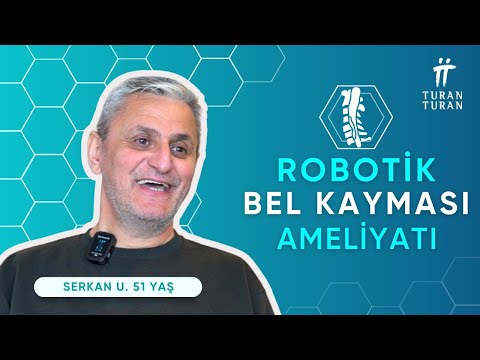




















Share this listing