
Prompt Stroke Management: Emergency Treatment in Istanbul Turkey
A stroke is a critical, time-sensitive medical emergency that occurs when the blood supply to part of the brain is interrupted or reduced, preventing brain tissue from getting essential oxygen and nutrients. Within minutes, brain cells begin to die. Recognizing the warning signs immediately and understanding the required emergency procedures can mean the difference between full recovery, lifelong disability, or loss of life. At Biruni Hospital in Istanbul, Turkey, medical teams are equipped with cutting-edge diagnostic technology and specialized stroke units dedicated to rapid assessment and immediate therapeutic intervention.
Every single minute counts when dealing with acute ischemic or hemorrhagic stroke. When stroke symptoms manifest, immediate access to high-tier medical infrastructure becomes paramount. Patients and families seeking advanced neurological care often look to international healthcare hubs for specialized expertise. Providing advanced medical tourism solutions alongside world-class clinical care, facilities offering Stroke Treatment in Istanbul Turkey deliver comprehensive emergency services designed to restore cerebral blood flow, minimize permanent tissue damage, and maximize functional rehabilitation outcomes for domestic and international patients alike.
Video Chapters & Quick Navigation
Understanding Stroke: Pathophysiology and Immediate Impacts
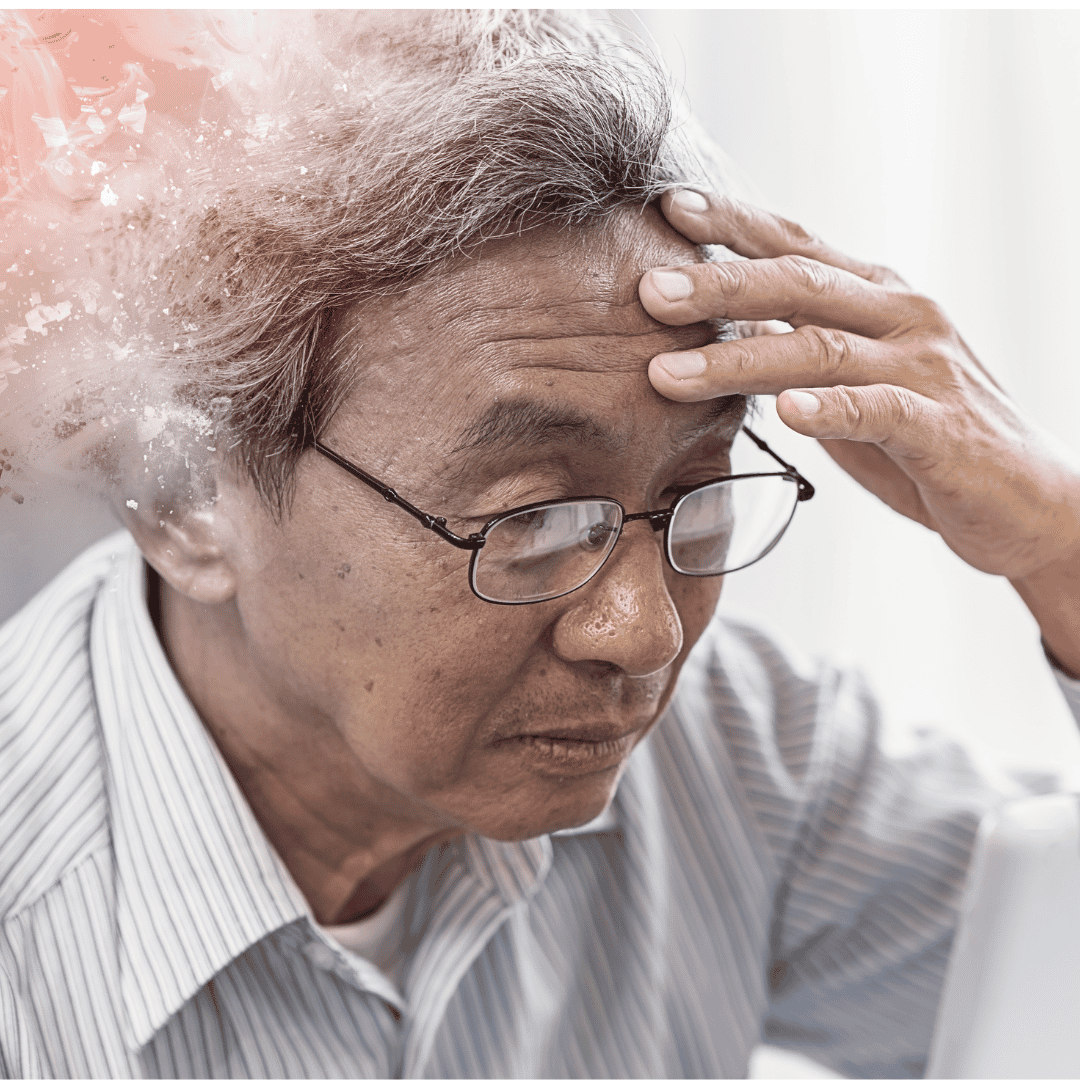
A cerebrovascular accident, commonly known as a stroke, occurs when the vital blood supply to a specific region of the brain is severely compromised or completely obstructed. Blood carries oxygen and indispensable nutrients to brain cells; when this perfusion is interrupted, cellular metabolic activity halts within seconds, leading to a cascade of cellular decay. Understanding the physiological mechanisms underlying this condition is essential for recognizing why immediate intervention is mandatory.
When an arterial blockage or rupture takes place, the brain tissue undergoes a rapidly expanding ischemic process. The central area of severe ischemia is known as the ischemic core, where cells experience irreversible damage within minutes. Surrounding this core is the ischemic penumbra, a zone of minimally perfused tissue that remains structurally intact but functionally impaired. The primary goal of Emergency Stroke Care in Istanbul Turkey is to rescue this penumbral tissue before it transitions into permanent necrosis.
Key Factors Influencing Stroke Severity and Outcome
- Location of the vascular occlusion within the cerebral circulation.
- Presence and efficiency of collateral blood vessels supplying the affected region.
- Total elapsed time between symptom onset and clinical medical intervention.
- Patient pre-existing vascular health, blood pressure control, and metabolic stability.
- Rapidity of emergency transport and specialized triage in dedicated stroke centers.
Without swift medical emergency response, the expanding core swallows the penumbra, producing permanent loss of neurological functions such as speech, mobility, cognition, and sensory perception. This is why public education regarding acute symptom recognition is the cornerstone of stroke mortality and morbidity reduction globally.
Recognizing the 3 Cardinal Signs of Acute Stroke
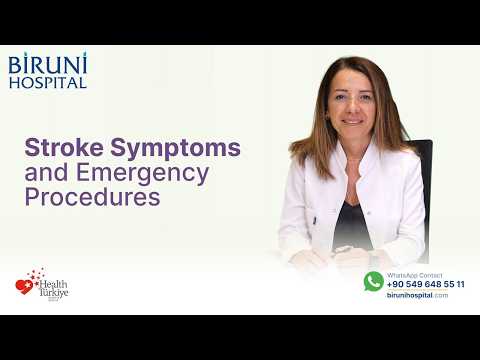
Recognizing the onset of a stroke does not require complex medical equipment; it relies heavily on observing specific, sudden physical and neurological changes in an individual. At [00:00:00], clinical specialists highlight that there are three main physical signs that family members, friends, or coworkers can identify immediately within their shared environment. Prompt recognition allows bystanders to initiate emergency protocol without hesitation.
These three key clinical indicators reflect acute damage to specific motor and sensory pathways in the brain. Identifying even a single one of these signs warrants an immediate call to emergency emergency services.
The Three Primary Signs of Stroke Onset
- Facial Droop: At [00:00:13], the specialist notes that sudden facial asymmetry occurs when one side of the face droops or feels numb. Asking the person to smile easily reveals whether one corner of the mouth fails to rise evenly.
- Arm Weakness: At [00:00:21], arm weakness is demonstrated. When the individual is asked to raise both arms simultaneously, one arm may drift downward involuntarily due to loss of motor control on one side of the body.
- Speech Disturbance: At [00:00:32], speech disturbance is identified. The person may experience slurred speech, difficulty articulating simple words, or complete inability to comprehend spoken language.
These manifestations stem directly from ischemia affecting the primary motor cortex, facial nerve pathways, or language centers such as Broca's and Wernicke's areas. When any of these symptoms appear suddenly, time becomes the single most critical variable determining the patient's long-term functional recovery.
The Physiology of Emergency: Why "Time is Brain"
In modern neurology, the phrase "Time is Brain" is not merely a slogan; it is a mathematically verified clinical reality. At [00:01:33], the expert emphasizes that "time is brain" because during an acute ischemic stroke, approximately 1.9 million neurons, 14 billion synapses, and 12 kilometers of myelinated fibers are destroyed every single minute the vessel remains occluded.
At [00:01:01], it is noted that thousands to millions of brain cells die continuously once a stroke occurs. The biological urgency stems from the brain's unique metabolic vulnerability. Unlike skeletal muscle or dermal tissue, the human brain possesses virtually no anaerobic energy reserves and depends entirely on uninterrupted glucose and oxygen supply via continuous cerebral arterial blood flow.
| Time Elapsed Post-Occlusion | Estimated Neuronal Loss | Clinical Implication & Salvage Potential |
|---|---|---|
| Per Minute | 1.9 Million Neurons | Maximal salvageability of penumbral tissue with immediate emergency response. |
| Per Hour | 120 Million Neurons | Accelerated brain aging equivalent to 3.6 years per hour of delayed therapy. |
| 10 Hours Untreated | 1.2 Billion Neurons | Complete infarction of the affected vascular territory with irreversible deficits. |
When emergency medical services are contacted immediately, the ambulance crew initiates pre-hospital notification to specialized medical facilities. This enables hospitals to prepare neuroimaging suites, mobilize stroke teams, and clear catheterization laboratories prior to patient arrival, dramatically reducing "door-to-needle" and "door-to-puncture" times.
Critical Treatment Windows and Modern Reperfusion Therapies
The management of acute ischemic stroke has been revolutionized by evidence-based reperfusion strategies that physically restore blood flow to ischemic brain tissue. However, these life-saving interventions are governed by strict, non-negotiable time windows. Understanding these therapeutic thresholds helps families realize why rapid transport is imperative.
At [00:01:14], the video highlights that if a patient arrives at a qualified stroke center within 4.5 hours of symptom onset, physicians can administer intravenous thrombolytics (IV thrombolysis) to perform fibrinolysis of the blood clot. This pharmacological treatment works by dissolving the thrombus obstructing cerebral arteries, re-establishing perfusion before permanent tissue death occurs.
Overview of Advanced Reperfusion Modalities
- Intravenous Thrombolysis (IV rtPA / Tenecteplase): Administered within the 0 to 4.5-hour window to break down fibrin clots systemically and locally.
- Mechanical Thrombectomy: At [00:01:22], it is explained that within a extended window of up to 24 hours, endovascular mechanical thrombectomy can be performed to physically retrieve large vessel occlusions.
- Neuroprotective Adjuncts: High-grade physiological monitoring of arterial pressure, blood glucose, oxygenation, and intracranial pressure to optimize brain tissue survival.
- Vascular Angioplasty & Stenting: Secondary endovascular procedures designed to stabilize vulnerable atherosclerotic plaques and maintain vessel lumen caliber.
Endovascular Mechanical Thrombectomy represents one of the most remarkable advancements in modern acute medicine. Guided by real-time fluoroscopic imaging, neurointerventional radiologists insert microcatheters through the femoral or radial artery, navigating up to the occluded intracranial vessel. Utilizing stent retrievers or high-capacity aspiration catheters, the clot is directly extracted, immediately restoring vital circulation even in patients with large vessel occlusions who might otherwise face severe permanent disability.
Emergency Stroke Care Protocols at Biruni Hospital
Biruni Hospital in Istanbul, Turkey, stands at the forefront of emergency neurological care, combining academic excellence with advanced medical technology. When a patient exhibiting stroke symptoms arrives at Biruni Hospital, a multidisciplinary hyperacute stroke protocol is activated instantly. This streamlined workflow eliminates unnecessary delays, ensuring diagnostic imaging and therapeutic decisions occur within minutes of presentation.
The institutional emergency stroke response at Biruni Hospital follows a standardized clinical pathway designed for maximum efficiency and patient safety:
Step-by-Step Emergency Stroke Pathway
- Immediate Triage & Stabilization: Rapid assessment of airway, breathing, circulation (ABCs), point-of-care blood glucose verification, and neurological evaluation using the National Institutes of Health Stroke Scale (NIHSS).
- Hyperacute Neuroimaging: Immediate transfer to non-contrast Computed Tomography (CT) or Magnetic Resonance Imaging (MRI) to instantly differentiate between ischemic and hemorrhagic stroke.
- Advanced Vascular Imaging: CT Angiography (CTA) or Perfusion CT to map vascular occlusions, calculate ischemic penumbra volume, and determine thrombectomy eligibility.
- Rapid Thrombolytic Administration: Delivery of intravenous thrombolytic agent in the imaging suite if candidate criteria within the 4.5-hour window are fulfilled.
- Direct Endovascular Suite Transfer: For large vessel occlusions, immediate movement to the Cath Lab for minimally invasive mechanical thrombectomy within the extended 24-hour therapeutic window.
Patients seeking Stroke Emergency Treatment in Istanbul Turkey benefit immensely from Biruni Hospital's integrated infrastructure, where emergency physicians, stroke neurologists, neurointerventionalists, intensive care specialists, and dedicated radiology technicians work in seamless synchronization.
Classifying Stroke Types: Ischemic vs. Hemorrhagic Mechanics
Effective emergency stroke treatment depends on accurate diagnostic classification, as the treatments for ischemic and hemorrhagic strokes are fundamentally opposite. Administering blood thinners or thrombolytics to a patient suffering from a hemorrhagic stroke would be catastrophic. Thus, immediate brain imaging is the mandatory first step before any definitive therapy is initiated.
Understanding the distinction between these major stroke subtypes sheds light on why specialized diagnostic equipment is necessary:
| Feature / Parameter | Ischemic Stroke | Hemorrhagic Stroke |
|---|---|---|
| Primary Mechanism | Arterial obstruction caused by thrombus or embolus. | Rupture of a cerebral blood vessel leading to intracerebral hemorrhage. |
| Incidence Rate | Approximately 85% of all stroke cases. | Approximately 15% of all stroke cases. |
| Common Causes | Atherosclerosis, atrial fibrillation, carotid artery stenosis. | Chronic hypertension, aneurysms, arteriovenous malformations (AVMs). |
| Emergency Goal | Restore blood flow rapidly via clot lysis or mechanical removal. | Control bleeding, reduce intracranial pressure, stabilize vessel walls. |
In addition to these major categories, patients may experience a Transient Ischemic Attack (TIA), often referred to as a "mini-stroke." A TIA produces temporary stroke-like symptoms that resolve within minutes or hours without permanent tissue infarction. However, a TIA serves as a critical warning sign; up to one-third of individuals who experience a TIA go on to suffer a major stroke within 90 days if left unmanaged.
Post-Acute Stroke Rehabilitation and Long-Term Recovery Pathways
While hyperacute emergency treatment saves lives and preserves neural tissue, post-stroke rehabilitation is what restores independence and quality of life. As highlighted at [00:01:25], timely emergency intervention enables patients to regain their previous healthy lifestyle. Comprehensive care extends beyond the hyperacute phase into structured rehabilitation programs tailored to each patient's specific neurological deficits.
The human brain possesses neuroplasticity—the remarkable capacity to reorganize structure and form new neural connections in response to intensive rehabilitation and learning. Biruni Hospital incorporates multidisciplinary post-acute therapy programs to harness neuroplasticity effectively.
Key Pillars of Comprehensive Stroke Rehabilitation
- Physical Therapy & Motor Re-education: Focuses on regaining mobility, muscle strength, balance, and gait coordination through targeted exercises and robotic-assisted gait training.
- Speech and Language Therapy: Addresses dysarthria and aphasia, helping patients rebuild communication capabilities, articulation, and swallowing functions (dysphagia management).
- Occupational Therapy: Empowers patients to relearn essential daily living skills, such as dressing, eating, personal hygiene, and cognitive task management.
- Neuropsychological Support: Provides cognitive rehabilitation, mood stabilization, and psychological counseling for patients and family caregivers navigating emotional adjustments.
- Secondary Stroke Prevention: Optimized pharmacotherapy including antiplatelets, anticoagulants, antihypertensives, and lipid-lowering agents combined with lifestyle modification plans.
Early initiation of rehabilitation within 24 to 48 hours after clinical stabilization has been shown to enhance long-term functional recovery, reduce complications associated with immobility, and improve overall functional independence measures (FIM scores).
Why Choose Biruni Hospital in Istanbul, Turkey for Advanced Care
Istanbul has firmly established itself as a global hub for medical excellence, attracting thousands of international patients annually for advanced medical and surgical procedures. Biruni Hospital stands out as a university-affiliated medical complex renowned for academic research, state-of-the-art technological infrastructure, and internationally recognized medical faculty.
Patients seeking specialized care for cerebrovascular conditions benefit from several key institutional advantages:
Key Highlights of Biruni Hospital Stroke Center
- Joint Commission International (JCI) Standards: Adherence to rigorous global healthcare benchmarks for patient safety, infection control, and clinical quality.
- 24/7 Neurointerventional Availability: On-call teams of interventional neuroradiologists and stroke neurologists ready for immediate thrombectomy procedures at any time of day or night.
- Advanced Hybrid Operating Theaters: Fully integrated endovascular suites equipped with flat-panel digital subtraction angiography (DSA) for precision microvascular interventions.
- Dedicated Neurological Intensive Care Unit (Neuro-ICU): Specialized critical care beds featuring continuous hemodynamic, intracranial, and neurophysiological monitoring.
- Comprehensive International Patient Services: Multilingual patient coordinators, personalized treatment plans, airport transfer assistance, and seamless language translation throughout the medical stay.
By combining high-caliber medical expertise, cutting-edge endovascular facilities, and cost-effective international healthcare packages, Biruni Hospital provides patients and families with a compassionate and highly effective destination for comprehensive cerebrovascular care.
Need Emergency Stroke Care or Expert Neurological Consultation?
PlacidWay Medical Tourism connects you directly with top-tier specialists and Emergency Stroke Care in Istanbul Turkey at Biruni Hospital. Contact us today to learn more about advanced treatment options, emergency protocols, and medical travel arrangements.
GET A FREE QUOTEView Full Video Transcript
[00:00:00] The signs of symptom there are three
[00:00:02] main signs that you can see in your
[00:00:05] patient in your relative [müzik] friend
[00:00:09] or someone that you share the
[00:00:10] environment. So what are these? First
[00:00:13] facial drop. If a sudden facial asymetry
[00:00:17] [müzik]
[00:00:17] occurs in someone, this may be a sign of
[00:00:21] stroke. Second is arm weakness. When you
[00:00:24] raise your arms like [müzik] this and
[00:00:26] there is a drop in one arm, this can be
[00:00:29] a sign of stroke. The third [müzik] is
[00:00:32] speech disturbance.
[00:00:37] can
[00:00:39] unaning
[00:00:41] [müzik]
[00:00:44] may stroke sign if signs [müzik] one of
[00:00:52] you have to call emergency service.
[00:00:54] [müzik] Why is it emergent? Because
[00:00:58] stroke can be treated in a very short
[00:01:00] time. In each minute, [müzik]
[00:01:02] thousands of brain cells die once stroke
[00:01:06] occures. [müzik] So if you call the
[00:01:08] emergency service and then if patient
[00:01:11] can arrive at a stroke center within
[00:01:14] [müzik]
[00:01:14] 4.5 hours we can start IV thromboltics
[00:01:19] meaning fibrinolis of thrombus [müzik]
[00:01:22] or within 24 hours we can make
[00:01:25] trombectomy and patient can achieve the
[00:01:29] previous [müzik]
[00:01:30] healthy lifestyle you have to remember
[00:01:33] that [müzik] time is brainor
[00:01:38] [müzik]
[00:01:40] duration
[00:01:42] treat
[00:01:46] at [müzik]























Share this listing