


Seniors Drive Tijuana Joint Replacement Surge

Aging populations are seeking joint replacement in Tijuana to escape crippling domestic costs. Facing inflation, North American seniors access elite care, saving up to 70% on a premium knee replacement in Tijuana while bypassing massive healthcare waitlists.
The Catalyst Behind the Cross-Border Orthopedic Exodus
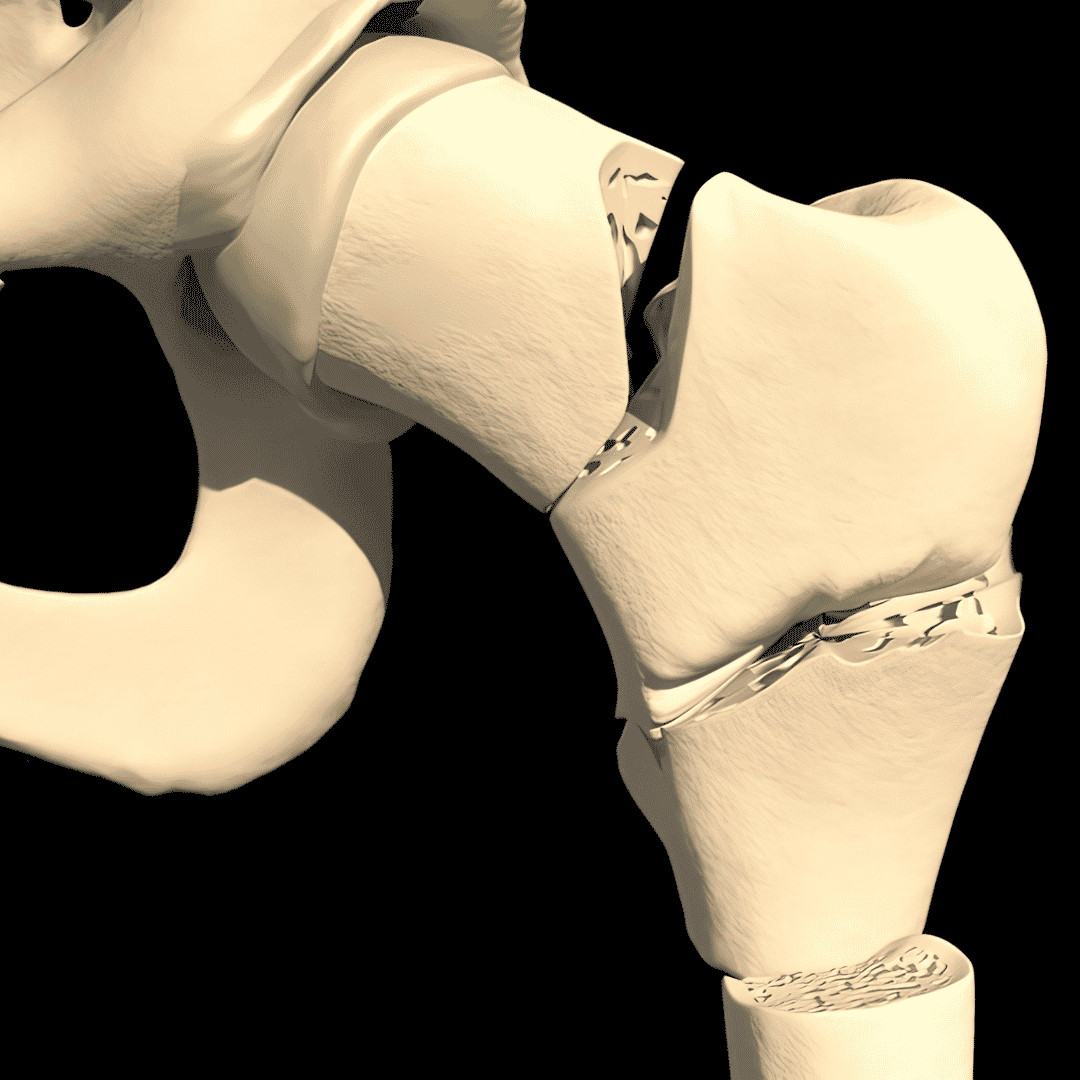
The demographic landscape of North America is shifting dramatically, with a rapidly expanding population of baby boomers entering their golden years. Unfortunately, this aging boom coincides with a surge in degenerative joint diseases, particularly severe osteoarthritis. For seniors living on fixed retirement incomes, the prospect of navigating the modern healthcare system has become an absolute nightmare. Rampant medical inflation and soaring out-of-pocket limits have transformed standard orthopedic procedures into financially devastating events, prompting an unprecedented exodus of medical tourists seeking a hip replacement in Mexico or other affordable surgical interventions just across the southern border.
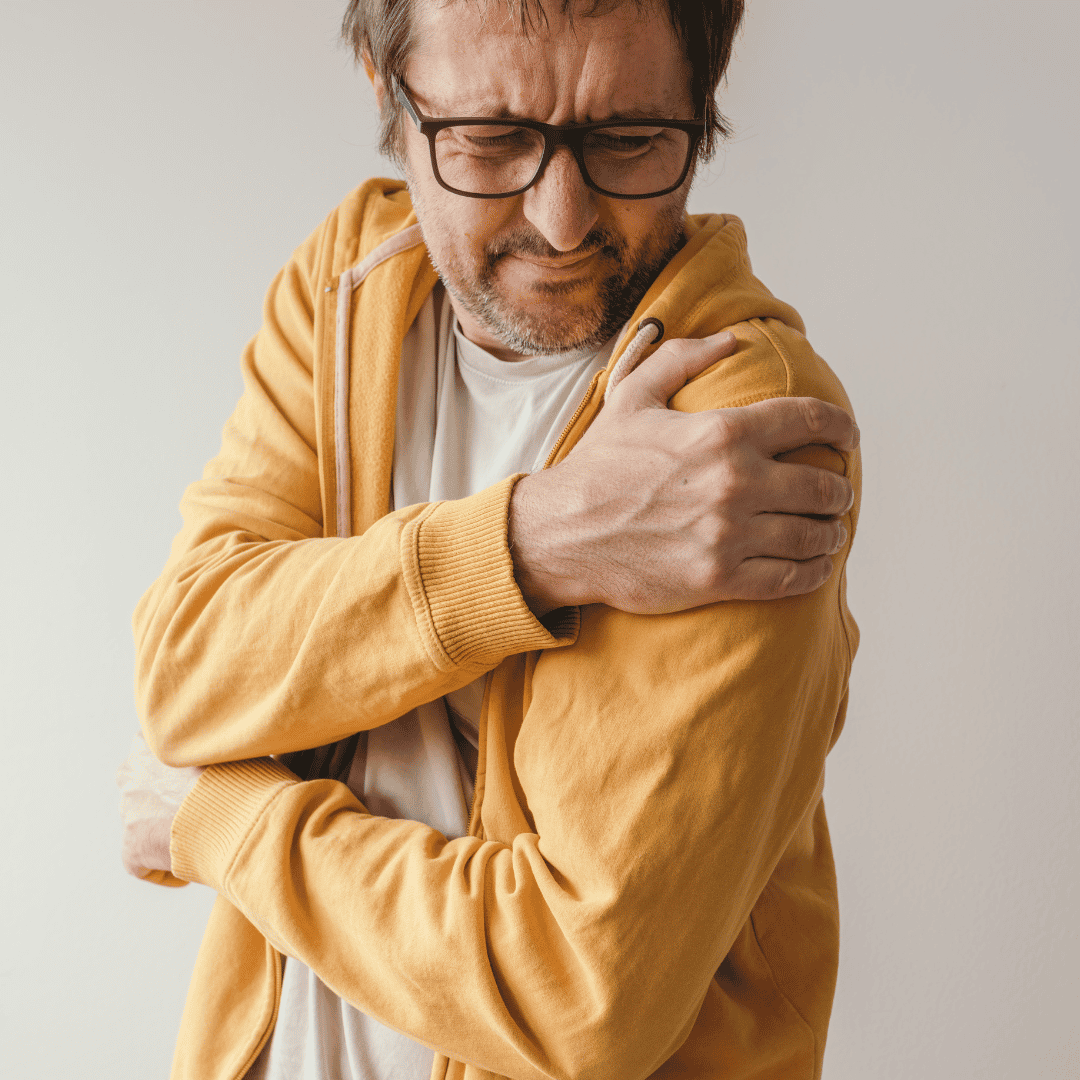
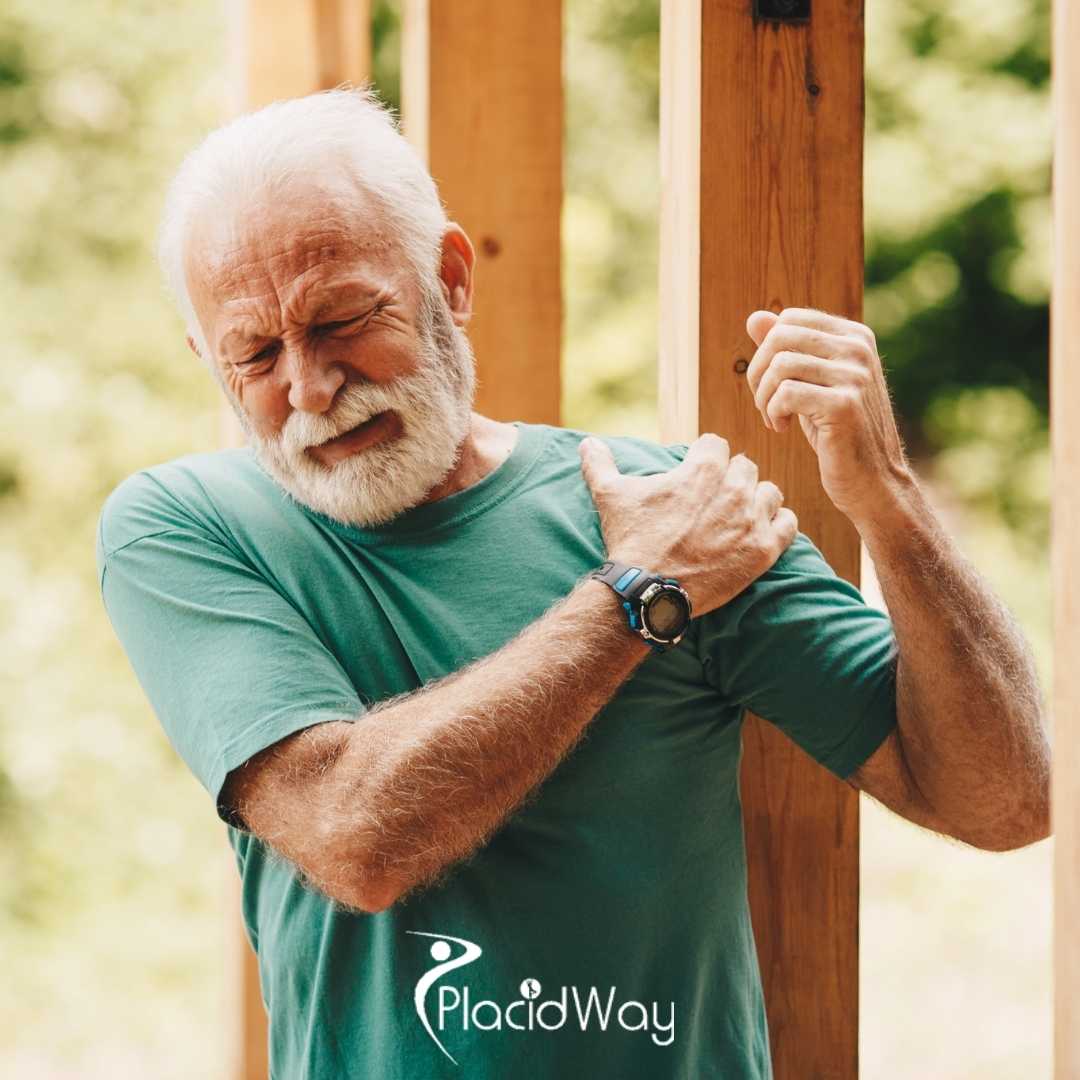
Beyond the sheer financial strain, the psychological toll of living with chronic joint pain cannot be overstated. Seniors who once envisioned an active retirement filled with travel, golf, and family activities are finding themselves suddenly immobilized. The domestic healthcare infrastructure, strained by administrative bureaucracy and staffing shortages, often treats these mobility issues as elective rather than urgent. Consequently, thousands of retirees are taking control of their medical destinies, utilizing international medical tourism to secure affordable joint replacement in Tijuana without compromising on surgical quality, safety, or the longevity of their prosthetic implants.
Did You Know? The global medical tourism market for orthopedic procedures is experiencing double-digit growth. Tijuana has emerged as the premier destination, with nearly 60% of its medical tourists originating from the United States and Canada specifically to undergo total knee and hip arthroplasties.
Bypassing Crisis-Level Healthcare Wait Times in North America
For Canadian seniors, the primary driving force behind international medical travel is not necessarily the direct financial cost, but rather the systemic failure of the public healthcare waitlist. In provinces across Canada, patients requiring total knee or hip replacements frequently languish on waitlists that can span anywhere from 18 to 36 months. During this agonizing waiting period, joint deterioration accelerates, surrounding muscles atrophy, and the patient's overall quality of life plummets. Instead of enduring years of crippling pain fueled by public healthcare backlogs, proactive Canadians are securing immediate orthopedic surgery in Baja California, trading years of waiting for a swift, two-week turnaround.
In the United States, the barrier to immediate care is predominantly financial. Even with Medicare or comprehensive private insurance, American seniors are routinely hit with staggering co-pays, exorbitant facility fees, and surprising out-of-network anesthesiology bills. In many instances, insurance providers demand patients undergo months of conservative treatments—such as physical therapy or cortisone injections—before they will even consider approving a necessary surgical intervention. By stepping outside this broken domestic system and choosing orthopedic care in Mexico, American patients entirely bypass the frustrating red tape, securing immediate access to top-tier, board-certified orthopedic surgeons at a fraction of the out-of-pocket cost.
Understanding Premium Orthopedic Packages for Medical Tourists
To cater to the highly specific physical and emotional needs of international seniors, leading medical facilities in Baja California have perfected the all-inclusive orthopedic surgical package. These comprehensive bundles are meticulously designed to eliminate logistical stress, providing a seamless continuum of care from the moment the patient lands. When booking through verified medical tourism platforms, patients can expect their surgical journey to include:
- Comprehensive Pre-Surgical Evaluations: Virtual consultations are followed by in-person diagnostics, including advanced MRI imaging, full cardiovascular clearances, and comprehensive blood panels to ensure optimal surgical safety.
- FDA-Approved Prosthetics: Packages include premium, globally recognized prosthetic components (such as titanium or advanced ceramics) manufactured by industry-leading brands identical to those used in top U.S. and European hospitals.
- Specialized Ground Transportation: Clinics provide wheelchair-accessible, VIP transport directly from the San Diego International Airport, utilizing rapid medical border lanes to bypass standard traffic and minimize travel fatigue.
- In-Patient Hospitalization & Physical Therapy: Post-operative care involves a dedicated 2 to 4-day stay in a private hospital suite, complete with 24/7 nursing care, pain management, and initial physical therapy sessions to ensure the new joint is weight-bearing.
- Luxury Recovery Retreats: Following hospital discharge, packages typically include a transition to specialized medical boutique hotels where seniors receive continued rehabilitative support, tailored nutrition, and assistance with daily activities.
Cost Comparison: Domestic Orthopedics vs. Tijuana Clinics
Transparency in medical billing is a cornerstone of the cross-border healthcare experience, sitting in stark contrast to the opaque pricing models found in the United States. Domestic patients frequently receive fragmented invoices—separate bills for the surgical facility, the lead orthopedic surgeon, the anesthesiologist, and the physical therapist—arriving months after the procedure is completed. The Mexican medical tourism model eliminates this anxiety by providing a singular, comprehensive price quote upfront, empowering seniors on fixed incomes to plan their medical investments with absolute certainty.
The financial data clearly illustrates why this destination has become the global epicenter for musculoskeletal health. When analyzing the side-by-side cost breakdown for major joint interventions, the value proposition of traveling south is mathematically undeniable. Patients can easily cover the costs of premium flights, a companion’s travel expenses, and weeks of luxury post-operative care while still saving tens of thousands of dollars compared to domestic out-of-pocket expenses.
Elite Medical Infrastructure and Cutting-Edge Therapies
The physical landscape of Tijuana has been utterly transformed by a multi-billion-dollar influx of medical tourism capital, particularly in the orthopedic and regenerative medicine sectors. The era of small, isolated border clinics has been entirely replaced by the rise of monumental "medical cities." These sprawling, state-of-the-art high-rises are architectural marvels dedicated entirely to health, wellness, and complex surgical interventions. Within a single, hyper-modern complex, a patient can access sophisticated diagnostic imaging centers, fully accredited laminar air-flow surgical suites to prevent infection, and specialized rehabilitative floors designed to accelerate healing.
Furthermore, the region has become a global hub for integrative medical approaches that combine traditional orthopedic surgery with advanced biological healing. Facilities like CellsTime Clinique Tijuana are revolutionizing the recovery landscape by offering cutting-edge stem cell therapies and regenerative treatments alongside standard joint preservation techniques. By utilizing advanced biological therapies to reduce systemic inflammation and accelerate tissue repair, these specialized clinics offer senior patients a holistic path to recovery that frequently outpaces the standard rehabilitative timelines found in traditional domestic hospitals.
Board-Certified Excellence: Safety Standards in Mexican Orthopedics
A lingering historical misconception exists regarding the safety and regulation of cross-border medical care, but modern realities paint a vastly different picture. The elite echelons of Mexican orthopedic surgery are governed by intensely rigorous academic and regulatory standards. Becoming a certified orthopedic surgeon in Mexico requires completing over a decade of exhaustive medical education, specialized surgical residencies, and complex fellowships focusing on joint reconstruction. Furthermore, legitimate practitioners must maintain active certification with the Mexican Council of Orthopedics and Traumatology, ensuring they adhere to stringent, continuous medical education requirements.
Moreover, the medical community in this border region operates on a highly international scale. It is incredibly common for top practitioners to hold concurrent memberships in elite global organizations such as the American Academy of Orthopaedic Surgeons (AAOS) or the International Society of Arthroscopy, Knee Surgery and Orthopaedic Sports Medicine (ISAKOS). Many have honed their craft through international fellowships in the United States or Europe, creating a melting pot of world-class surgical techniques. This high-volume environment cultivates surgeons who are globally recognized masters of biomechanics and joint longevity.
"The mass migration of North American seniors seeking orthopedic care abroad is a direct response to a broken domestic system. Patients are no longer willing to sacrifice their mobility and their golden years on endless waitlists or succumb to predatory medical debt. Tijuana has masterfully answered this crisis by combining hyper-advanced orthopedic infrastructure with compassionate, affordable care, allowing seniors to reclaim their active lifestyles safely."
— Pramod Goel, CEO of PlacidWay
The Strategic Role of PlacidWay in Safeguarding the Patient Journey
While the financial and medical benefits of traveling for a joint replacement are profound, navigating the expansive international healthcare market independently can be highly intimidating, especially for seniors. The internet is saturated with targeted advertisements and self-promoted clinics, making it difficult for the average patient to independently verify international accreditations, track real patient outcomes, or guarantee the authenticity of a facility's board certifications. This information asymmetry is where dedicated medical tourism facilitators become absolutely indispensable to the modern patient journey.
Acting as a trusted, independent connector, PlacidWay meticulously curates a network of globally recognized, intensely vetted orthopedic providers. Through their platform, seniors and their families can seamlessly compare comprehensive provider profiles, review highly transparent pricing structures, analyze verified patient testimonials, and secure direct virtual consultations with internationally credentialed specialists. By managing the complexities of credential verification, logistics, and communication, PlacidWay ensures that patients can focus entirely on their upcoming surgery, peace of mind, and eventual physical rehabilitation.
Did You Know? The prosthetic joints utilized in premium Mexican orthopedic facilities are manufactured by the exact same global biomedical companies—such as Zimmer Biomet, Stryker, and DePuy Synthes—that supply the top-ranked orthopedic hospitals in the United States and Canada.
What to Expect During Surgical Recovery in Baja California
The recovery phase is critical to the success of any major structural surgery, and the medical tourism infrastructure in Baja California has optimized this process specifically for an aging demographic. Rather than being rapidly discharged to fend for themselves, international seniors are enveloped in a comprehensive ecosystem of rehabilitative care. Following the immediate hospital stay, patients typically transition to specialized medical recovery houses or luxury partner hotels that provide serene, low-stress environments tailored for post-operative healing. These facilities feature accessible bathrooms, adjustable medical beds, and continuous vital sign monitoring by licensed traveling nurses.
Furthermore, physical therapy begins almost immediately under the guidance of bilingual rehabilitation specialists who ensure the new joint achieves maximum range of motion. Once the surgical team determines the patient is fully stabilized and mobile—usually within 7 to 14 days post-operation—they are cleared for travel. To alleviate the stress of border wait times, accredited medical facilities provide patients with access to exclusive Medical Fast-Pass lanes, expediting the return trip into the United States. This seamless, concierge-level experience cements the region's reputation as the undisputed leader in accessible, luxury medical travel for joint replacement.
.png)
.png)
.png)



Share this listing