


Canadians Seek Urgent Nose Cancer Care in Mexico
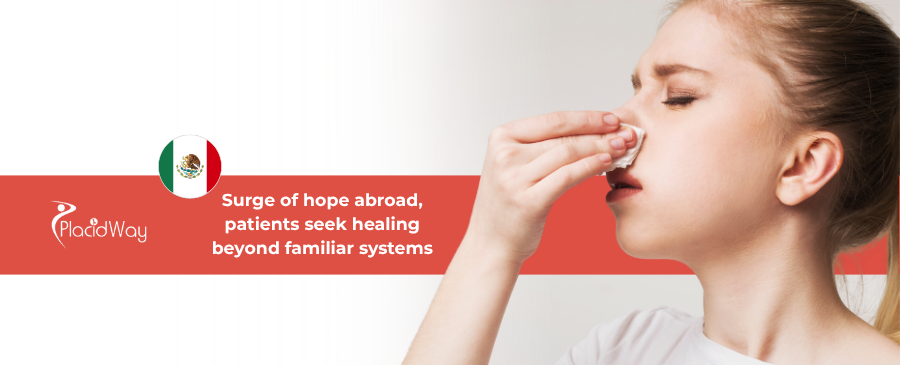
Facing unprecedented healthcare delays, Canadians are increasingly traveling abroad for urgent oncology care. Seeking fast, affordable nose cancer treatment in Mexico allows patients to bypass waitlists and access life-saving alternative therapies.
The Growing Crisis of Oncology Wait Times Across Canada
The Canadian healthcare system, long celebrated for its universal access and equitable care model, is currently facing unprecedented structural challenges. For patients diagnosed with rare or highly aggressive malignancies, such as nasal cavity and paranasal sinus cancers, the systemic backlog is proving to be a critical barrier to survival. Diagnostic imaging appointments, biopsy analyses, and the initiation of specialized oncology protocols are routinely delayed by weeks or even months. When dealing with head and neck carcinomas—which can rapidly metastasize to the brain, eyes, or lymphatic system—time is an absolute luxury that patients simply cannot afford to sacrifice to administrative bottlenecks.
This ongoing crisis has fundamentally altered the mindset of the Canadian medical consumer. The agonizing psychological toll of waiting for treatment while a tumor potentially grows has prompted families to look beyond their national borders. Instead of passively accepting domestic triage timelines, a surging wave of proactive patients is self-funding international medical journeys. By transitioning into the role of medical tourists, these individuals are taking control of their oncology timelines, demanding immediate access to specialized consultations, advanced diagnostic modalities, and comprehensive treatment plans that prioritize rapid intervention over bureaucratic scheduling.
Did You Know? Nasal cavity and paranasal sinus cancers are relatively rare, accounting for only a small fraction of all head and neck tumors. Because of their proximity to vital structures like the optic nerves and the brain, treating these cancers requires highly specialized, rapid interventions to prevent irreversible sensory damage or neurological complications.
Why Canadians Choose Nose Cancer Treatment in Mexico
The primary driver funneling Canadian oncology patients toward Latin America is the immediate availability of world-class medical attention. When searching for affordable sinus cancer solutions abroad, Mexico emerges as the premier destination due to its unique blend of geographical proximity, highly favorable exchange rates, and a rapidly advancing medical infrastructure. Patients who are told they must wait months for an MRI or the commencement of radiation therapy in Toronto or Vancouver can frequently secure a comprehensive medical evaluation and begin targeted therapies within 48 hours of arriving at a specialized Mexican oncology center.
Furthermore, the paradigm of cancer care in Mexico often differs significantly from the strictly standardized protocols found in North America. While domestic hospitals are largely restricted to conventional surgery, radiation, and traditional chemotherapy, many leading Mexican clinics operate under a framework of integrative oncology. This approach aggressively targets the malignant cells while simultaneously deploying a vast array of supportive therapies to protect the patient's immune system, mitigate toxic side effects, and preserve the highest possible quality of life during the rigorous recovery process.
Exploring Advanced and Integrative Oncology Solutions
Integrative clinics in medical tourism hubs specialize in combining the best of conventional medical science with thoroughly researched alternative and complementary protocols. For treating complex anatomical regions like the nasal cavity, these multi-disciplinary approaches are proving highly attractive to international travelers. A standard comprehensive care package often includes:
- Targeted Immunotherapy: Utilizing the body's own immune system to recognize and destroy nasal carcinoma cells, often utilizing specialized vaccines or biological modifiers that are still in clinical trials in Canada.
- Local and Whole-Body Hyperthermia: Safely elevating the body's core temperature to make cancer cells more susceptible to traditional treatments while simultaneously boosting immune response.
- Intravenous Nutrient Therapy: Administering high-dose Vitamin C, specialized amino acids, and complex minerals directly into the bloodstream to combat the severe fatigue and cellular toxicity associated with tumor degradation.
- Ozone and Oxygen Therapies: Saturating the body with therapeutic oxygen to create an environment hostile to anaerobic cancer cells, thereby inhibiting tumor growth in the sinus cavities.
- Sono-Photo Dynamic Therapy (SPDT): Utilizing specific light and sound frequencies to activate non-toxic sensitizing agents that selectively destroy malignant tissues without harming surrounding healthy sinus mucosa.
The Role of the Immunity Therapy Center in Tijuana, Mexico
As demand for holistic, patient-centered oncology rises, many patients are finding hope at the Immunity Therapy Center in Tijuana, Mexico. This renowned medical facility has built a global reputation for its compassionate, highly individualized approach to tackling complex and late-stage malignancies. Unlike high-volume corporate hospitals, this clinic emphasizes a deeply personal doctor-patient dynamic, ensuring that every protocol is custom-tailored to the specific histological profile of the patient's nasal cancer, as well as their overall physical resilience.
At the Immunity Therapy Center, a multidisciplinary team of oncologists, immunologists, and holistic health practitioners collaborate to design aggressive yet non-toxic treatment regimens. By focusing heavily on alternative nose cancer therapies in Tijuana, the clinic empowers patients who may have exhausted standard medical options or those who simply refuse to subject their bodies to the debilitating side effects of maximum-dose chemotherapy. Their proprietary combinations of localized hyperthermia, dendritic cell vaccines, and rigorous nutritional detoxification programs have positioned the center as a vital lifeline for thousands of medical tourists seeking a true alternative to traditional oncology paradigms.
"The modern Canadian patient is highly proactive regarding their oncology care. When confronted with life-threatening diagnostic delays and rigid domestic treatment pathways, they are utilizing transparent medical tourism platforms to access elite, immediate interventions abroad. Destination healthcare is no longer just about cost-savings; it is fundamentally about survival, expanding treatment options, and regaining autonomy over one's medical journey."
— Pramod Goel, CEO of PlacidWay
Cost Comparison: Domestic Private Care vs. Medical Travel
While basic healthcare is publicly funded in Canada, accessing private, expedited oncology services in North America (such as crossing into the U.S. for immediate care) carries catastrophic financial implications. The exorbitant pricing structures of private U.S. clinics often force Canadian families to remortgage their homes or launch public crowdfunding campaigns just to secure a basic diagnostic evaluation. In stark contrast, the Mexican medical ecosystem offers these precise, high-tier services at a remarkably accessible price point, without compromising on technological sophistication or medical expertise.
By bundling services into comprehensive, transparent packages, leading clinics eliminate the anxiety of hidden fees and staggered billing. The following table illustrates the dramatic financial disparity between seeking private, out-of-pocket medical interventions in the United States versus accessing premium alternative oncology packages in a major Mexican medical hub.
Safety, Quality, and Medical Expertise South of the Border
A primary concern for any patient traveling abroad for severe medical conditions is the safety and regulatory standards of the destination country. Mexico has made aggressive, multi-billion-dollar investments into its healthcare tourism sector, resulting in infrastructure that often parallels or exceeds North American standards. Major oncology centers in border cities are rigorously regulated by COFEPRIS (the Mexican equivalent of the FDA or Health Canada) and frequently hold esteemed international accreditations, such as from the Joint Commission International (JCI). These stringent regulatory frameworks ensure that sanitation, medical device calibration, and pharmaceutical sourcing meet the absolute highest global standards.
Beyond the physical infrastructure, the true asset of Mexico's medical landscape is its physicians. The oncologists, immunologists, and surgeons leading these elite clinics are deeply entrenched in the global medical community. Many have completed their advanced medical fellowships in top-tier institutions across the United States, Europe, or Japan. This extensive cross-border exchange of knowledge ensures that patients traveling for immunotherapy for nasal cancer are being treated by bilingual, globally minded specialists who are fully versed in the latest scientific breakthroughs and therapeutic methodologies.
Did You Know? The medical tourism corridor of Baja California, particularly Tijuana, has evolved into a global epicenter for healthcare. The region actively welcomes over 2.5 million international patients annually, supported by dedicated medical border lanes that allow rapid, stress-free transit for oncology patients traveling to and from San Diego.
Comprehensive Care: From Arrival to Ongoing Recovery
Navigating a cancer diagnosis is profoundly exhausting, which is why top-tier medical tourism facilities have entirely eliminated the logistical burdens of travel. From the moment a Canadian patient touches down at the San Diego International Airport, a concierge-level ecosystem takes over. Dedicated clinic chauffeurs facilitate secure transport across the border via expedited medical lanes. Patients are then settled into luxury medical recovery housing or partnered boutique hotels that offer organic, anti-inflammatory catering, 24/7 nursing supervision, and a tranquil environment essential for immune system recovery.
Healing from nasal and sinus cancer requires ongoing support, and the care does not end once the patient returns to Canada. Premier clinics establish robust aftercare programs, outfitting patients with carefully curated supplies of natural supplements, oral immunotherapies, and detailed nutritional guidelines. Through secure telemedicine portals, the Mexican oncology team remains in constant contact, analyzing follow-up blood work, tracking tumor markers, and adjusting post-treatment protocols to ensure sustained remission and long-term vitality.
How PlacidWay Facilitates Seamless Cross-Border Journeys
Organizing complex oncology care in a foreign country can be an intimidating prospect for families already overwhelmed by a cancer diagnosis. The digital landscape is saturated with marketing claims, making it difficult to verify the clinical efficacy and board certifications of international doctors independently. This is where the strategic intervention of a globally recognized medical tourism facilitator becomes a vital component of the patient's survival strategy.
PlacidWay serves as an indispensable bridge between proactive Canadian patients and the world's leading alternative oncology centers. By meticulously vetting medical facilities, validating physician credentials, and aggregating authentic patient reviews, PlacidWay removes the guesswork from international healthcare. Patients can utilize the platform to directly compare holistic treatment packages, secure immediate virtual consultations with top Mexican oncologists, and orchestrate their entire medical journey with absolute confidence, allowing them to focus entirely on their healing process.
.png)






.png)
.png)
.png)











Share this listing