


Tijuana's GBS Breakthrough Restores Strength for Canadians
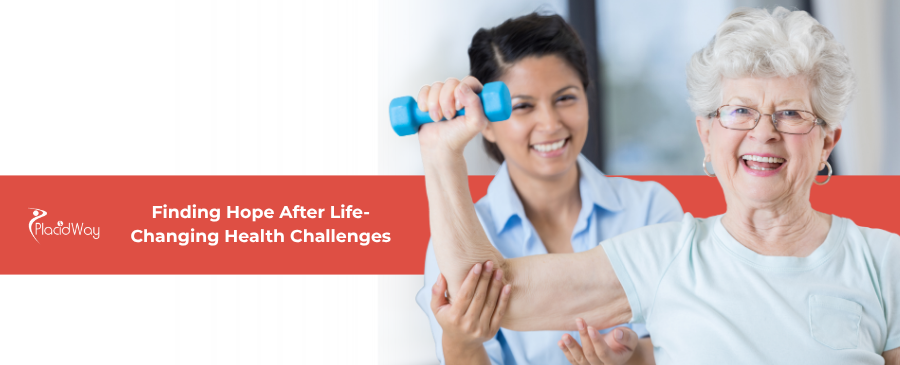
Facing long waitlists, Canadians are crossing borders for advanced GBS treatment in Tijuana. Specialized clinics now offer intensive post-paralysis rehabilitation in Mexico, utilizing innovative therapies to help patients rapidly regain motor functions and restore their quality of life.
The Growing Demand for Post-Paralysis Rehabilitation in Tijuana
Guillain-Barré Syndrome (GBS) is a rare, aggressive neurological disorder in which the body’s immune system mistakenly attacks the peripheral nerves. The acute phase of this condition often results in rapid, terrifying muscle weakness, frequently culminating in full-body paralysis that requires immediate intensive care. While domestic hospitals are well-equipped to handle the life-threatening initial onset, the arduous journey of regaining muscle control and neurological function often leaves patients searching for more aggressive, sustained interventions. The rising demand for post-paralysis rehabilitation in Tijuana is fundamentally driven by a critical need for high-frequency, multidisciplinary care that many domestic public healthcare systems struggle to provide without extensive delays.
As a result, the paradigm of neurological recovery is experiencing a massive cross-border shift. International patients are rapidly recognizing that securing specialized Guillain-Barré syndrome therapy in Mexico offers unparalleled access to progressive treatments that actively accelerate nerve regeneration. Mexican medical hubs just south of the California border have intentionally developed clinical infrastructures catering exclusively to chronic and post-acute rehabilitative care. By blending cutting-edge medical technology with personalized, daily therapeutic regimens, these facilities have proven highly effective in helping previously paralyzed individuals transition from wheelchair dependency back to functional, independent mobility.
Did You Know? Research indicates that up to 30% of Guillain-Barré Syndrome patients still experience residual weakness and neurological deficits three years after their initial diagnosis. Immediate, highly intensive physical and immunological rehabilitation is widely considered the most crucial factor in mitigating long-term disability.
Why Canadian GBS Patients are Seeking Treatment Abroad
The Canadian healthcare system is globally respected for providing universal coverage during acute medical emergencies; however, its approach to prolonged, specialized rehabilitation has become increasingly strained. Following a severe bout of Guillain-Barré Syndrome, a patient's window for optimal nerve recovery is incredibly time-sensitive. Unfortunately, many Canadians are discharged from acute care settings only to face staggering waiting lists for admission into public inpatient rehabilitation centers. Once admitted, the frequency of physical and occupational therapy is often restricted due to critical staffing shortages and budget constraints, limiting patients to just a few short sessions per week.
For a disease that demands vigorous, daily neuromuscular retraining, these systemic delays can permanently jeopardize a patient's capacity to walk, swallow, or breathe independently. Driven by the fear of permanent paralysis, Canadian families are increasingly looking beyond their borders. The emergence of specialized neurological care in Latin America offers an immediate lifeline. By pursuing alternative GBS treatments in foreign medical hubs, Canadians are bypassing domestic bottlenecks to secure continuous, daily rehabilitative care that capitalizes on neuroplasticity during the most critical phases of their recovery journey.
Innovative Therapies Fueling Guillain-Barré Recovery in Mexico
The medical appeal of Baja California extends far beyond standard physical therapy. Leading clinics have adopted a deeply integrative approach, combining conventional rehabilitative medicine with advanced immunomodulatory therapies designed to halt nerve demyelination and stimulate cellular repair. When booking a neurological medical tourism package, patients gain access to a multifaceted healing protocol:
- Targeted Immunotherapy: Advanced clinics administer specialized intravenous treatments to regulate the overactive immune response, decreasing the ongoing inflammatory attacks on the peripheral nervous system.
- Hyperbaric Oxygen Therapy (HBOT): By exposing patients to 100% pure oxygen in a pressurized chamber, HBOT dramatically increases oxygen delivery to damaged nerve tissues, accelerating cellular regeneration and reducing localized swelling.
- Intensive Neuromuscular Re-education: Unlike standard outpatient programs, border clinics offer up to four hours of daily, one-on-one physiotherapy focusing on gait training, muscle strengthening, and fine motor skill recovery.
- Targeted Nutritional Support: Recognizing the deep connection between gut health and neurological function, patients receive customized, anti-inflammatory nutritional IV drips packed with neuro-supportive vitamins and amino acids.
- Electromagnetic Field Therapy: Pulsed electromagnetic field (PEMF) technology is frequently utilized to stimulate dormant nerve endings, helping to alleviate neuropathic pain and restore sensory functions.
The Role of Specialized Clinics: Spotlighting Tijuana’s Experts
The success of cross-border neurological rehabilitation is directly tied to the highly customized, patient-centric models adopted by independent medical centers. Rather than applying a one-size-fits-all approach, elite facilities in this region conduct exhaustive diagnostic evaluations to understand the specific severity of a patient's nerve damage before crafting a daily, dynamic treatment plan. One prime example of this integrated healthcare model can be observed at the Immunity Therapy Center in Tijuana, Mexico. This renowned facility has garnered international attention for its highly customized therapeutic protocols that go far beyond standard rehabilitation. By focusing on the body's holistic ability to heal itself, such institutions offer hope to patients who have been told by domestic doctors that their recovery has plateaued.
In these specialized environments, patients are not treated as just another bed number. A dedicated team comprising neurologists, physical therapists, immunologists, and nutritionists collaborates daily to monitor progress and adjust therapies in real-time. This multidisciplinary synergy ensures that if a patient experiences a breakthrough in muscle movement, the therapy immediately intensifies to capitalize on that momentum. By offering an immersive healing ecosystem just minutes away from San Diego, these clinics have cemented Tijuana's reputation as a premier destination for complex medical recoveries.
Comparing Healthcare Timelines: Canada vs. Mexican Medical Hubs
Time is the most critical factor in treating post-paralysis conditions. The fundamental difference between relying on the Canadian public health system and leveraging private cross-border care lies in access and frequency. The data surrounding rehabilitation timelines clearly illustrates why an increasing number of families are opting to fly south. Delays in nerve stimulation can lead to muscle atrophy, making the eventual recovery process exponentially more difficult.
The contrast in care models highlights a stark reality: waiting for public resources often comes at the direct expense of a patient's physical potential. By utilizing medical tourism, patients effectively purchase time, ensuring that their bodies receive maximum therapeutic input during the precise biological window when nerve repair is most viable.
"When dealing with aggressive neurological conditions like Guillain-Barré Syndrome, time is the ultimate currency. We are observing a massive trend where Canadian patients refuse to accept the prolonged wait times of their domestic systems. By crossing the border to elite Mexican medical facilities, they are taking control of their own recovery, accessing intensive, daily rehabilitative therapies that drastically improve their chances of regaining full mobility."
— Pramod Goel, CEO of PlacidWay
Cost Analysis of Advanced Neurological Therapies
A common misconception regarding medical tourism is that it is strictly a pursuit for the ultra-wealthy. In reality, the economics of cross-border healthcare make intensive rehabilitation remarkably accessible. If a Canadian patient were to bypass their public system and pay out-of-pocket for private, comprehensive daily rehabilitation at a domestic clinic, the monthly costs could easily exceed $25,000 to $40,000—and that often excludes the price of advanced immunomodulation or specialized equipment use.
Conversely, medical hubs in Baja California operate under a much more favorable economic structure. Due to lower administrative overhead, streamlined medical liability costs, and a highly competitive international market, elite Mexican clinics can offer comprehensive, all-inclusive monthly packages at a fraction of North American private rates. These robust packages generally cover extensive daily therapies, specialized doctor consultations, medications, organic nutritional plans, and even luxury accessibility accommodations. For families seeking the absolute best chance at recovery without facing total financial ruin, the value proposition offered by these cross-border medical packages is undeniable.
Did You Know? The medical tourism sector in Baja California has experienced a profound evolution. Today, specialized treatments for neurological and autoimmune conditions are among the fastest-growing medical travel sectors, attracting thousands of North Americans who prioritize rapid access to innovative therapies over geographical proximity.
Patient Safety and Medical Board Certifications in Baja California
The decision to travel abroad for intense neurological treatment naturally invites questions regarding patient safety and the credentials of foreign medical practitioners. The modern reality of Baja California's healthcare landscape is that it is heavily regulated and immensely sophisticated. Physicians leading these specialized recovery programs undergo rigorous academic training, frequently holding advanced fellowships from prestigious universities in the United States, Europe, and South America. Furthermore, legitimate facilities are meticulously accredited by both Mexican health authorities (COFEPRIS) and international medical governing bodies.
Because these clinics cater explicitly to an international demographic—principally Americans and Canadians—they operate under a profound level of global scrutiny. Consequently, their standards for medical hygiene, patient monitoring, and ethical transparency often exceed standard domestic hospital benchmarks. The integration of high-tech diagnostic laboratories on-site ensures that a patient's blood work and neurological responses are monitored daily, ensuring that aggressive rehabilitation protocols are always administered within the safest possible biological parameters.
Navigating the Medical Tourism Journey with PlacidWay
Planning an international medical journey while coping with the severe physical limitations of Guillain-Barré Syndrome can seem like an insurmountable logistical challenge for a patient's family. Determining which clinics possess the specific technologies for neuro-regeneration, coordinating wheelchair-accessible ground transport across international borders, and securing medical visas require specialized knowledge. This is where partnering with an established, globally recognized medical tourism facilitator becomes a vital component of the recovery strategy.
PlacidWay serves as an indispensable bridge between desperate patients and world-class care providers. By curating a strictly vetted network of top-tier medical facilities, the platform empowers patients to transparently review clinic success rates, examine international accreditations, and directly consult with foreign neurology teams via telemedicine before ever booking a flight. This comprehensive concierge approach removes the overwhelming burden of logistical planning, allowing the patient and their loved ones to focus 100% of their energy on the singular, most important goal: regaining their physical strength and reclaiming their life.

.png)
.png)
.png)
.png)








Share this listing