


Reclaiming Your Spine: Why Mexico Leads Degenerative Disc Stem Cell Care
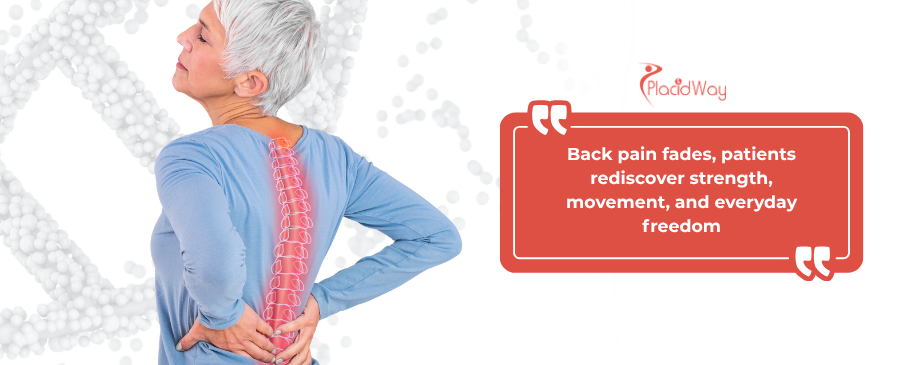
Seeking relief, thousands are now choosing stem cell therapy for degenerative disc disease in Mexico. Driven by exorbitant U.S. healthcare costs, patients cross the border for advanced regenerative medicine, avoiding invasive surgeries while securing elite, affordable spinal care.
The Silent Epidemic of Degenerative Disc Disease and the Quest for Relief
Degenerative Disc Disease (DDD) represents one of the most debilitating and ubiquitous musculoskeletal conditions plaguing modern adults. Characterized by the gradual deterioration of the shock-absorbing intervertebral discs within the spine, this condition transforms simple, everyday movements into agonizing ordeals. As the discs lose their hydration, elasticity, and structural integrity, patients frequently suffer from chronic lower back pain, nerve compression, sciatica, and a profound reduction in their overall quality of life. Traditional medical paradigms have long relied on a heavily conservative approach to manage this pain, heavily prescribing non-steroidal anti-inflammatory drugs (NSAIDs), highly addictive opioids, and temporary epidural steroid injections that only mask the symptoms without addressing the underlying cellular degradation.
When conservative pain management inevitably fails to provide lasting relief, patients are historically steered toward the operating room for invasive orthopedic interventions, most notably spinal fusion surgery. While technically proficient, spinal fusion permanently limits the spine's natural range of motion by essentially welding two or more vertebrae together. This radical alteration to the spinal biomechanics can accelerate the degeneration of adjacent spinal segments, initiating a devastating domino effect known as adjacent segment disease. Facing the daunting prospect of lengthy rehabilitations, hardware complications, and high financial burdens, a rapidly growing demographic of health-conscious consumers is desperately searching for biological solutions capable of healing the tissue rather than merely fusing it.
Did You Know? Clinical data indicates that up to 40% of patients who undergo traditional spinal fusion surgery eventually suffer from "Failed Back Surgery Syndrome" (FBSS). This high statistical failure rate is a primary catalyst driving the explosive global demand for minimally invasive, regenerative cell therapies.
How Stem Cell Therapy Offers a Revolutionary Alternative to Spinal Fusion
The paradigm of orthopedic care is undergoing a profound shift from structural mechanical repair to biological tissue regeneration, largely spearheaded by advancements in Mesenchymal Stem Cell (MSC) therapy. When applied to degenerative disc disease, ethically sourced, highly concentrated stem cells are precisely injected directly into the damaged intervertebral disc and surrounding supportive ligaments under advanced fluoroscopic or ultrasound guidance. Once introduced to the hypoxic microenvironment of the damaged disc, these potent biological agents initiate an intense immunomodulatory response. They work to rapidly halt chronic inflammation, secrete powerful growth factors, and signal the body's native cellular mechanisms to begin repairing the extracellular matrix and rehydrating the damaged nucleus pulposus.
Unlike irreversible surgical interventions, spinal stem cell treatment is fundamentally minimally invasive. It effectively transforms a traumatic, multi-day hospital hospitalization into a highly manageable, outpatient procedure. Patients typically experience drastically reduced recovery timelines, allowing them to return to their daily routines and light physical activities within weeks rather than months. Because there is no surgical cutting of major muscle groups, no bone grafting, and no installation of titanium screws or rods, the risks of hospital-acquired infections, massive blood loss, and anesthesia-related complications are nearly eliminated. This allows the body to focus its energy purely on cellular regeneration and restoring natural spinal biomechanics.
Why Stem Cell Therapy for Degenerative Disc Disease in Mexico is Surging
The primary reason international patients are booking flights for advanced regenerative medicine in Mexico lies in the restrictive regulatory environment currently governing cellular therapies within the United States. Under current domestic FDA guidelines, human cells cannot be significantly expanded (cultured and multiplied) in a laboratory setting without being classified as a strictly regulated drug. Consequently, U.S. clinics are generally limited to utilizing "same-day" autologous treatments—harvesting cells from a patient's own bone marrow or adipose tissue and immediately reinjecting them. For older patients suffering from severe DDD, these native cells are often aged, diminished in vitality, and mathematically insufficient in quantity to enact meaningful tissue regeneration inside a severely degraded spinal disc.
In stark contrast, the progressive medical framework in Mexico legally permits the robust laboratory expansion of ethically sourced, allogeneic (donor) umbilical cord tissue-derived mesenchymal stem cells. This crucial regulatory difference means that state-of-the-art Mexican laboratories can culture these young, highly vital cells to yield massive, highly potent doses—often administering upwards of 100 million to 300 million live cells per treatment. By utilizing these expanded cellular therapies, medical professionals in Mexico can deliver a concentration of healing factors that is mathematically impossible to achieve in a standard U.S. clinic setting. This unrivaled cellular volume provides the precise biological ammunition necessary to conquer chronic disc inflammation and stimulate genuine disc regeneration.
Inside the Advanced Regenerative Protocols at Premier Mexican Clinics
Elite medical facilities south of the border have elevated cellular medicine from a mere injection to a deeply comprehensive, multi-modal biological protocol. The most successful treatment outcomes do not rely on stem cells in isolation; instead, they integrate a full spectrum of adjunctive therapies designed to create an optimal physiological environment for cellular engraftment and survival. Before the actual spinal procedure takes place, patients typically undergo extensive diagnostic imaging, detailed hematological panels, and targeted nutritional therapies such as high-dose Intravenous (IV) vitamin infusions to reduce systemic inflammation and prepare the body to receive the cellular graft.
For instance, highly accredited and globally recognized facilities like the Immunity Therapy Center in Tijuana, Mexico are actively pioneering these robust, comprehensive healing protocols. By synergistically combining immense doses of expanded mesenchymal stem cells with supportive treatments like Platelet-Rich Plasma (PRP), targeted exosomes, and advanced hyperbaric oxygen therapy, these elite medical centers maximize the regenerative potential of the treatment. This holistic, patient-centric approach ensures that the stem cells are not only accurately delivered into the damaged spinal disc but are also provided with the precise biological scaffolding and vascular support required to thrive, multiply, and rebuild damaged connective tissues.
Comparing the True Cost: Spinal Stem Cell Therapy in the U.S. vs. Mexico
Financial barriers represent one of the most formidable obstacles for patients seeking relief from spinal degeneration in the United States. Because stem cell therapy is largely considered investigational by domestic insurance conglomerates, major providers refuse to offer coverage, leavin patients entirely responsible for staggering out-of-pocket invoices. When accounting for facility fees, specialist consultation rates, advanced fluoroscopic imagging, and the cellular biologic itself, a single, less-potent autologous stem cell procedure in the U.S. can quickly plunge patients into severe medical debt, often without yielding the desired clinical results due to low cell counts.
The value proposition of traveling to Mexico for this exact procedure is financially and medically irrefutable. Driven by a lower cost of living, subsidized elite medical education, and highly streamlined medical tourism infrastructure, premium clinics in Mexico offer superior, expanded cellular treatments at a fraction of the domestic price. Patients consistently report that even when factoring in luxury hotel accommodations, premium airfare, and private ground transportation, the total investment remains remarkably lower than a basic, domestically sourced treatment.
"We are witnessing a massive demographic shift where patients refuse to accept permanent, invasive spinal fusion as their only option for back pain. Because domestic regulations severely cap the potency of regenerative therapies, informed individuals are actively turning to internationally accredited medical hubs. Mexico has masterfully stepped up to meet this demand, offering safely expanded, science-backed cellular treatments that actually focus on tissue restoration, all within world-class medical facilities at a highly accessible price point."
— Pramod Goel, CEO of PlacidWay
The Elite Medical Infrastructure Driving Tijuana's Regenerative Tourism Boom
The days of cross-border medical care being associated with rudimentary, small-scale clinics are long gone. Fuelled by billions of dollars in international healthcare investment, border hubs like Tijuana have evolved into sprawling, hyper-modern "medical cities." These monumental healthcare towers rival the most sophisticated hospital networks in North America, boasting entirely integrated ecosystems. Within a single architectural complex, visiting patients have immediate access to cutting-edge diagnostic MRI centers, fully sterile ISO-certified surgical suites, specialized orthopedic rehabilitation floors, and luxurious patient recovery lounges overlooking the cityscape.
The true crown jewels of this booming medical infrastructure are the advanced regenerative laboratories. Top-tier medical providers operate highly secure Biosafety Level 2 (BSL-2) and Biosafety Level 3 (BSL-3) cleanrooms equipped with the latest European and American biotechnology. It is within these rigorously monitored environments that ethically sourced stem cells are carefully isolated, analyzed for ultimate viability, and successfully expanded. This robust infrastructural backbone ensures that the biological materials administered to international patients are of the highest possible purity, completely free of contaminants, and primed to deliver transformative orthopedic healing.
Did You Know? The strategic proximity of Tijuana to the U.S. border allows patients to fly directly into the San Diego International Airport, where luxury medical shuttles seamlessly transport them to elite Mexican regenerative clinics in under 30 minutes via expedited medical border lanes.
Understanding Safety and Regulatory Standards for Stem Cell Care Abroad
A paramount concern for any patient venturing abroad for complex cellular medicine is the strict assurance of safety and regulatory oversight. Mexico’s federal healthcare regulatory body, COFEPRIS (the Federal Commission for the Protection against Sanitary Risk), serves as the equivalent to the U.S. FDA and mandates intensely rigorous protocols for biological medicine. Legitimate regenerative laboratories must secure and maintain highly coveted government licenses, subjecting themselves to unannounced, rigorous inspections. Donor tissue used for allogeneic stem cell therapies undergoes exhaustive multi-stage screening for communicable diseases, endotoxins, and genetic abnormalities, ensuring a safety profile that meets or exceeds global pharmaceutical standards.
Furthermore, the physicians administering these intricate spinal procedures are highly credentialed specialists. The majority of leading regenerative specialists in Mexico possess decades of orthopedic or neurosurgical experience, hold prestigious board certifications, and actively maintain memberships in elite global organizations such as the International Society for Cellular Therapy (ISCT). Many have completed extensive fellowships and residencies in the United States or Europe, creating an international medical community deeply committed to ethical, evidence-based practices and superior patient outcomes in the realm of regenerative orthopedics.
How PlacidWay Connects Patients to World-Class Spinal Regeneration Experts
While the therapeutic potential and immense cost savings of international stem cell treatment are undeniably attractive, independently navigating the global healthcare marketplace can be profoundly overwhelming. The internet is flooded with aggressive marketing campaigns and unverified medical facilities, making it highly difficult for a patient suffering from chronic pain to accurately verify COFEPRIS lab certifications, validate medical credentials, or negotiate transparent pricing. This critical information gap is exactly where a globally trusted medical tourism facilitator becomes an indispensable ally for health travelers.
PlacidWay serves as the ultimate bridge between patients and elite international healthcare providers, offering a deeply vetted, curated network of the world’s top regenerative medicine facilities. By utilizing PlacidWay's comprehensive platform, patients can easily read authenticated reviews, compare all-inclusive medical packages, and directly upload their MRIs for complimentary virtual evaluations by board-certified spinal specialists abroad. This streamlined, concierge-level support removes the stress and uncertainty of medical travel, empowering patients to make confident, data-driven decisions as they embark on their journey to reclaim their spine and restore their quality of life.
.png)


.png)


.png)

.png)


-(9).png)
-(10).png)
-(3).png)










Share this listing