
For individuals suffering from severe joint degradation, the prospect of invasive orthopedic surgery can be terrifying. When intensive physical therapy and conservative pain management fail to alleviate chronic discomfort, patients are often told their only remaining option is a total joint arthroplasty. However, rapid and exciting advancements in regenerative medicine are completely changing the modern landscape of orthopedic care. Watch as we comprehensively explore the incredible potential of Dezawa Muse cells for shoulder replacement alternative treatments. This highly innovative approach expertly harnesses the body's natural healing mechanisms, offering a profound sense of hope for those seeking to restore their mobility, drastically eliminate daily pain, and confidently avoid complex surgical interventions entirely.
Video Chapters & Quick Navigation
- The Reality of Severe Shoulder Injuries
- Risks of Total Shoulder Replacement
- Introducing Dezawa Muse Cells
- Science Behind Cellular Resilience
- Muse Cells vs. Traditional Stem Cells
- Treatment Process & IV Therapy
- Tumorigenic Safety & Cancer Risk
- Real Patient Experiences
- Medical Tourism & Stem Cell Therapy
- Cost: Surgery vs. Cell Therapy
- Preparing for Regenerative Treatment
- Future of Orthopedic Healing
The Debilitating Reality of Severe Shoulder Joint Degradation
The human shoulder is a highly complex ball-and-socket joint that relies entirely on a delicate network of tendons, ligaments, and cartilage. When this vital anatomical joint suffers from severe blunt trauma, advanced osteoarthritis, or repetitive strain injuries, the protective cartilage can wear away completely. As one patient vividly describes his own harrowing experience, [00:00] "for me, I need a torso replace my right shoulder."
This extreme level of structural deterioration leads directly to painful bone-on-bone friction that severely restricts daily physical movement. For many suffering individuals, simple daily tasks like reaching for a high grocery shelf, getting dressed independently, or even sleeping comfortably become insurmountable physical challenges. The physical degradation is often so extensive that the joint feels functionally nonexistent. As the speaker laments about his frustrating joint condition, [00:02] "It's totally gone. It's been like that for two years."
The Psychological Toll of Chronic Pain
The unseen psychological toll of living with chronic, radiating shoulder pain is immense and life-altering. Patients routinely endure long years of highly limited mobility, trying various temporary medical fixes such as corticosteroid injections and heavy prescription pain management medications. However, these standard conventional treatments only temporarily mask the underlying symptoms rather than addressing the actual root cause of the severe tissue degradation.
When a hopeful patient reaches the critical point where their arm has highly restricted elevation, the definitive diagnosis is typically severe, end-stage joint deterioration. Simple, everyday movements suddenly trigger sharp, radiating pain that disrupts mental focus and vital sleep patterns. Demonstrating his visibly limited and painful range of motion, the speaker honestly notes, [00:06] "this is the highest I can rest my arm."
The Limitations and Risks of Total Shoulder Replacement Surgery
When anatomical joint destruction reaches an undeniable critical phase, traditional orthopedic surgeons typically recommend a total shoulder arthroplasty. While this invasive procedure has undeniably helped many patients regain basic function, it remains a highly aggressive surgical intervention. The operation specifically involves amputating the damaged, arthritic areas of the natural bone and replacing them with highly engineered metal and plastic prosthetic components.
Patients actively facing a total shoulder replacement must carefully and objectively weigh the potential severe complications alongside the extensive recovery timeline. The grueling rehabilitation process can easily take anywhere from six full months to over a year of intensive, often highly painful physical therapy. During this vulnerable, extended recovery window, patients face inherent surgical risks such as hospital-acquired infections, localized nerve damage, and potentially dangerous deep vein blood clots.
The Lifespan of Prosthetic Implants
Furthermore, artificial metallic joint components possess a finite, limited lifespan and are absolutely not designed to endure heavy physical stress permanently. Depending heavily on the patient's daily physical activity level and their age at the exact time of surgery, the prosthetic parts can eventually wear out, catastrophically loosen, or fail entirely over time. This inevitable mechanical degradation necessitates a secondary, highly complex revision surgery further down the road, compounding the initial surgical risks.
For younger, more historically active individuals, an artificial mechanical joint may place unwanted, permanent limitations on their athletic capabilities. Many informed people are rightfully hesitant to voluntarily undergo the procedure and permanently alter their natural anatomy. Expressing his deep reservations about standard surgical routes, the patient states, [00:11] "I don't want to get the total atomic shoulder replacement, right? What else can I do?"
Introducing Dezawa Muse Cells: A Breakthrough in Regenerative Medicine
In the desperate search for viable, non-surgical alternatives to complete joint replacement surgery, advanced regenerative medicine has emerged as a powerful beacon of hope. Among the most exciting, transformative, and scientifically validated developments in this specific medical field is the incredible discovery of Multilineage-differentiating Stress Enduring (Muse) cells. Discovered and isolated by the esteemed Doctor Mari Dezawa alongside her dedicated research team, these unique biological cells represent a monumental leap forward in safe cellular therapy.
Doctor Mari Dezawa is a globally recognized, pioneering researcher whose tireless work has fundamentally altered the entire landscape of stem cell biology and regenerative orthopedics. Her groundbreaking, peer-reviewed research originally led to the successful isolation of endogenous Muse cells directly from human connective tissues and bone marrow. Unlike highly unpredictable standard stem cells, Doctor Dezawa brilliantly identified a specific subpopulation of cells naturally and perfectly equipped to repair severely damaged human tissues.
A Global Reputation for Clinical Excellence
Her rigorous, uncompromising scientific studies and numerous clinical publications have rightfully garnered massive international acclaim. By focusing intensely on patient safety and practical, real-world clinical application, she has effectively established a brand-new gold standard for regenerative joint treatments. As the hopeful patient keenly observes regarding her pristine professional reputation, [00:44] "Doctor Dezawa it makes a very good impression. You know what? I'm following her reading her research as well."
The Science Behind Muse Cells and Superior Cellular Resilience
What exactly biologically elevates advanced Muse cells high above other rudimentary forms of stem cell therapy? The fundamental, undeniable answer lies directly in their highly unique, inherent biological properties and unmatched structural durability. Scientifically, Muse cells are strictly classified as endogenous pluripotent-like stem cells, meaning they naturally exist and hide out quietly within the intricate human body until needed.
This inherent natural pluripotency grants them the truly remarkable, scientifically proven capability to efficiently differentiate into almost any distinct type of somatic cell required. When intelligently applied to severe, chronic orthopedic injuries, they can seamlessly transform into bone-forming osteoblasts, crucial cartilage-forming chondrocytes, or vital structural muscle tissues. This incredible, adaptive cellular versatility is absolutely crucial for successfully treating complex joint degradation where multiple distinct types of soft tissue need synchronized, simultaneous regeneration.
Thriving Under Extreme Biological Stress
One of the absolute most defining and powerfully therapeutic characteristics of Muse cells is their exceptional physical survival capability. The clinical acronym "Stress Enduring" perfectly describes their highly unique biological ability to easily thrive in harsh, highly inflamed, and toxic physical environments. When a major shoulder joint is severely structurally damaged, the surrounding localized area is typically flooded heavily with destructive inflammatory markers and severe oxidative stress.
Many traditional, weaker regenerative therapies thoughtlessly injected into this hostile environment perish rapidly before they can ever exert any meaningful therapeutic effect. Muse cells, conversely, are biologically and naturally equipped to effortlessly survive and operate optimally under extreme cellular stress and inflammation. Discussing this highly unique and critical biological durability, the patient astutely notes they are, [00:40] "the most superior cell resilient."
Muse Cells vs. Traditional Mesenchymal Stem Cells (MSCs)
To fully and accurately appreciate the profound clinical value of Dezawa Muse cells, it is incredibly helpful to directly contrast them with standard Mesenchymal Stem Cells (MSCs). For many previous years, basic MSCs successfully derived from bone marrow or adipose fatty tissue have served reliably as the baseline standard in conservative regenerative orthopedic treatments. While standard MSCs have consistently provided undeniable benefits through their potent anti-inflammatory properties, their actual ability to reliably generate brand-new structural tissue is severely limited in scope.
Standard MSCs primarily function through an indirect paracrine effect, meaning they release helpful signaling molecules that temporarily reduce chronic inflammation and gently stimulate the body's existing, albeit weak, healing response. However, highly advanced Muse cells utilize a vastly more direct, aggressive, and structural approach. Muse cells possess a highly superior, almost magnetic "homing" mechanism, allowing them to actively migrate directly to the exact microscopic site of structural injury.
Direct Structural Integration
Once they successfully arrive at the degraded, arthritic shoulder joint, they do much more than simply reduce the chronic baseline inflammation. They physically and robustly integrate into the damaged tissue architecture and efficiently differentiate into the specific specialized cells desperately needed for permanent structural repair. This profound capability makes precise Muse cell therapy an exponentially more targeted, efficient, and definitively permanent approach for true structural joint restoration.
| Biological Feature | Advanced Dezawa Muse Cells | Traditional MSCs |
|---|---|---|
| Cellular Pluripotency | Exceptionally High (Can actively differentiate into almost any cell type) | Highly Limited (Primarily forms cartilage, bone, or fat cells) |
| Stress Resilience Level | Extremely High (Thrives in highly inflamed, toxic environments) | Moderate to Low (Often perishes in highly stressed joints) |
| Targeted Homing Ability | Highly Superior migration directly to damaged, injured tissue | Moderate migration capabilities |
| Primary Mechanism | Direct, physical structural tissue regeneration and integration | Indirect, primarily anti-inflammatory chemical signaling |
The Treatment Process: Localized Injections and Intravenous (IV) Therapy
For eager patients actively pursuing advanced Muse cell therapy to permanently treat severe shoulder degradation, the comprehensive clinical protocol is highly customized and wonderfully minimally invasive. The detailed treatment process typically utilizes a highly strategic combination of localized joint injections and broad systemic therapy to maximize overall regenerative outcomes. This multi-layered approach ensures every aspect of the physical injury is fully addressed.
To accurately target specific microscopic areas of severe cartilage loss, expert regenerative clinicians utilize highly advanced ultrasound or precise fluoroscopic imaging techniques. This strict technological guidance ensures the absolute precise delivery of potent Muse cells directly into the damaged, compromised shoulder capsule. Openly explaining his specific bilateral treatment protocol, the speaker excitedly shares, [00:18] "I guess I got, dezawa muse cells in the right shoulder and dezawa muse cells in the left shoulder."
The Crucial Role of Systemic IV Infusions
In addition to these highly targeted, localized articular injections, proactive patients frequently receive a broad systemic administration of dense Muse cells. This systemic intravenous approach is exceptionally beneficial because severe joint degeneration is almost rarely an isolated, hyper-localized problem. It is frequently accompanied heavily by broader systemic inflammation, subtle immune dysfunction, and generalized, widespread cellular aging throughout the entire body.
The systemic intravenous therapy allows the highly potent Muse cells to circulate freely and rapidly throughout the vascular bloodstream, actively seeking out and diligently repairing secondary areas of hidden inflammation. This powerful dual-pronged approach aids immensely in healing the primary, painful shoulder injury while simultaneously promoting widespread, beneficial cellular rejuvenation. As the patient simply states regarding his own comprehensive protocol, [00:22] "And I got the IB."
Addressing the Safety Profile: Tumorigenic Properties and Cancer Risk
One of the absolute most significant and entirely valid concerns anxious patients express when thoroughly exploring pluripotent stem cell therapy is the potential latent risk of tumorigenesis. Other highly versatile, artificially laboratory-created cells, such as Embryonic Stem Cells (ESCs) and Induced Pluripotent Stem Cells (iPSCs), naturally carry an inherent, dangerous risk of forming unpredictable teratomas. Their highly rapid, aggressive growth can be exceedingly difficult to safely control once artificially introduced into the complex human biological system.
This critical safety aspect is exactly where Doctor Dezawa's groundbreaking, historical research provides tremendous, unparalleled clinical peace of mind. Extensive, highly rigorous medical studies have conclusively and repeatedly demonstrated that natural Muse cells possess a highly unique, naturally built-in safety mechanism. Unlike highly volatile, dangerous ESCs and modified iPSCs, completely endogenous Muse cells are definitively entirely non-tumorigenic.
Natural Cellular Regulation
Advanced Muse cells exhibit naturally low and strictly controlled telomerase activity, meaning their cellular proliferation and overall division are strictly regulated by the body's own internal safety systems. This highly unique biological property ensures they efficiently repair damaged tissue without ever risking uncontrolled, mutated cellular growth. Highlighting this critically important safety advantage, the patient emphatically emphasizes there is, [00:42] "Nothing linking to cancers."
Real Patient Experiences: Restoring Mobility and Phenomenal Results
The ultimate, undeniable testament to any newly advanced medical innovation lies directly in the tangible, real-world outcomes experienced by actual suffering patients. Desperate individuals who were once definitively told their severely degraded shoulder was "totally gone" are now experiencing profound, incredibly life-altering physical improvements. By successfully utilizing advanced Muse cell therapy, they are rapidly and safely navigating completely away from the daunting, terrifying prospect of total surgical joint replacement.
Treated patients consistently report highly noticeable, measurable changes in their daily active range of motion alongside a massive, welcome reduction in both resting and active joint pain. While the true biological healing process inherently and naturally takes time as brand-new tissue structures are meticulously formed, the progressive increase in daily physical comfort is highly encouraging. Eagerly sharing his own personal, initial clinical progress, the relieved speaker happily notes, [00:24] "I did get more mobility. I do feel a bit better from it."
Patience in the Face of Severe Injury
For highly severe, complex multi-year injuries, complete structural restoration may naturally require dedicated patience and potentially multiple planned rounds of therapeutic intervention. The treated patient realistically and objectively acknowledges his highly severe baseline physical condition, stating thoughtfully, [00:27] "I might need a little bit more because of how bad my injuries are."
However, the broader, overarching consensus within the dedicated, highly active regenerative medicine community remains overwhelmingly and persistently optimistic. Real patients actively networking and happily sharing their personal recovery journeys frequently highlight incredibly rapid, transformative outcomes that completely defy traditional, pessimistic orthopedic expectations. Speaking confidently on behalf of his peers who recently underwent similar protocols, the patient joyfully confirms, [00:30] "But for a lot of people that I know personally that went down there and used them, they've got phenomenal results all positive."
Why Patients Are Seeking Advanced Stem Cell Therapies Abroad
Because authentic Dezawa Muse cell therapy is an incredibly advanced, specialized, and relatively new form of cutting-edge regenerative medicine, standard clinical access can unfortunately vary drastically. Geographic location, slow bureaucratic approvals, and highly rigid domestic regulatory environments often strictly restrict desperate patients from directly receiving the absolute most potent, newly discovered cellular therapies currently available worldwide.
Consequently, thousands of highly motivated patients from the United States, Canada, and the United Kingdom are actively and eagerly engaging in global medical tourism. By intelligently traveling to highly specialized, advanced international medical jurisdictions, they can legally, rapidly, and safely access these cutting-edge regenerative treatments expertly administered by world-renowned orthopedic specialists.
World-Class Facilities and Concierge Care
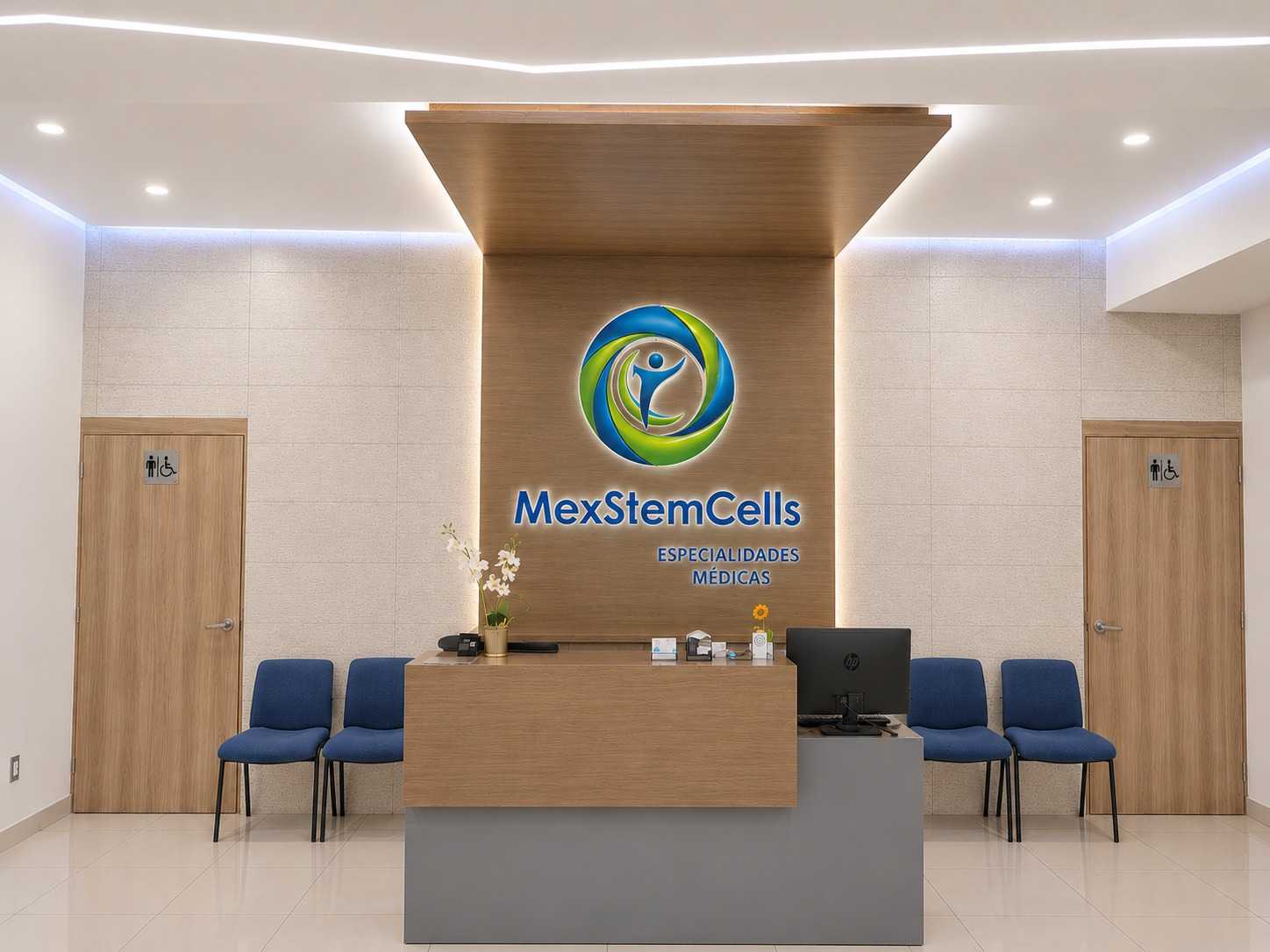
These specialized international regenerative centers frequently feature state-of-the-art, pristine modern laboratory facilities strictly and absolutely necessary for the safe, proper handling of highly sensitive pluripotent cells. Furthermore, comprehensive medical tourism agencies seamlessly and expertly streamline the entire intricate, complex travel process for the nervous patient. They flawlessly provide traveling patients with absolutely world-class medical care, luxury concierge travel services, and a profoundly stress-free overall environment perfectly conducive to optimal biological healing.
Cost Considerations: Surgery vs. Regenerative Cell Therapy
When comprehensively and objectively evaluating the overall financial aspects of properly treating a severely degraded shoulder, patients must forcefully look far beyond the initial, surface-level procedural price tag. A highly invasive total shoulder replacement surgery is notoriously, staggeringly expensive and routinely incurs massive, entirely unforeseen subsequent medical bills. Beyond the primary orthopedic surgeon's astronomical surgical fees, patients inevitably face massively expensive hospital facility charges, highly complex anesthesiology bills, and the sheer exorbitant cost of the artificial prosthetic implant itself.
| Financial & Recovery Consideration | Total Shoulder Replacement | Dezawa Muse Cell Therapy |
|---|---|---|
| Procedural Invasiveness | Major, highly traumatic open surgical procedure | Minimally invasive, targeted needle injections and IV |
| Estimated Recovery Time | 6 to 12 long, arduous months of physical therapy | Days to minor weeks of gentle, progressive rest |
| Long-Term Prosthetic Risk | High risk of implant wear, loosening, or outright rejection | Absolutely None (Utilizes 100% natural, biological cells) |
| Native Tissue Preservation | The natural joint bone is permanently sawed off and removed | The natural, original joint is safely preserved and organically repaired |
Furthermore, the extensive, highly agonizing postoperative recovery period directly and inevitably equates to significant, unrecoverable lost wages and ongoing, highly expensive physical rehabilitation sessions. While highly advanced stem cell therapies like comprehensive Dezawa Muse treatments require a substantial upfront financial cash investment, they frequently prove to be highly cost-effective and remarkably sensible overall.
By successfully and definitively avoiding major invasive orthopedic surgery, patients entirely eliminate the massive, crippling costs naturally associated with prolonged hospital stays and highly dangerous general anesthesia. The naturally non-invasive nature of simple intra-articular cellular injections means treated patients can typically return quickly to their normal, productive daily routines exponentially faster. When fully and rationally factoring in the priceless preservation of the natural human joint, the financial investment in deep cellular regeneration offers truly exceptional, unmatched long-term economic value.
Preparing for Your Regenerative Treatment Journey
If you are seriously, actively considering advanced Dezawa Muse cell therapy for a highly injured, persistently painful, or rapidly degenerating shoulder, meticulous and thoughtful physical preparation is absolutely essential. The detailed clinical process always strictly begins with a highly comprehensive, exhaustively detailed medical evaluation. This crucial step necessarily includes an in-depth, expert clinical review of your recent MRI or high-resolution CT scans by an elite orthopedic specialist highly trained in modern regenerative medicine protocols.
To definitively ensure the cleanly introduced Muse cells have the absolutely optimal biological environment to vigorously flourish, patients are frequently and strongly advised to strictly follow highly specific pre-treatment protocols. This absolutely critical, mandatory preparation phase may actively include rapidly adopting a rigorous, strict anti-inflammatory diet and aggressively optimizing essential bodily vitamin and mineral levels.
Optimizing the Biological Environment
Prepared patients are also typically strictly required to entirely cease the daily use of certain common aggressive medications, such as standard NSAIDs, which can actively and destructively interfere with vital newly formed cellular signaling processes. By carefully, methodically creating a pristine, highly optimized biological internal canvas, the incredibly superior, resilient healing cells can focus their entire massive energy output on successfully and rapidly repairing the severe structural damage deep within the shoulder capsule.
The Broader Implications for Orthopedic Sports Injuries
While this highly comprehensive and detailed clinical discussion has forcefully focused heavily on severe shoulder joint degradation, the broad practical application of resilient Muse cells extends incredibly far beyond a single anatomical location. The fundamental, awe-inspiring biological mechanisms of highly targeted cellular repair, extreme environmental stress endurance, and highly precise tissue differentiation make this therapy incredibly relevant globally. It currently holds immense, staggering clinical promise for a vast, incredibly diverse array of highly complex orthopedic and modern sports-related physical injuries.
Severe, bone-on-bone knee osteoarthritis, highly painful hip labral tears, debilitating chronic spinal disc degeneration, and stubbornly chronic, painful tendonopathies can all potentially benefit massively from the intense restorative power of superior Muse cells. As the global, forward-thinking medical community continues to rapidly, aggressively embrace natural, organic joint preservation completely over artificial, metallic joint replacement, these highly holistic cellular therapies will inevitably become the absolute standard.
Integrating Post-Treatment Rehabilitation
To fully maximize the truly phenomenal results successfully achieved through advanced Dezawa Muse cell injections, actively integrating targeted, intelligent physical therapy is strongly, universally recommended. Profound cellular regeneration efficiently lays down the highly vital, fresh foundational tissue, but daily mechanical movement powerfully dictates exactly how that brand-new tissue organizes, aligns, and ultimately strengthens. Engaging proactively in a highly specialized, gently progressive rehabilitation program ensures the newly formed, delicate cartilage and supportive connective tissues align correctly along natural bodily stress lines.
The profound, almost magical ability to organically, systematically repair a massively damaged bodily joint totally from the inside out, rather than forcefully and violently replacing it with rigid metal hardware, represents a truly monumental, incredibly historic shift in modern global healthcare. This massive technological breakthrough fundamentally and permanently redefines exactly how modern medical science will successfully approach human aging, catastrophic physical injury, and the ultimate, noble pursuit of lifelong, pain-free physical longevity.
Ready to Explore Non-Surgical Joint Repair?
Don't let severe shoulder pain dictate your daily life or violently force you into an incredibly invasive, painful joint replacement surgery. Discover immediately if you are a prime candidate for these highly advanced regenerative cellular therapies. PlacidWay seamlessly connects you directly with the world's absolute most reputable, elite clinics actively offering cutting-edge Dezawa Muse cell treatments.
GET A FREE CONSULTATION & QUOTE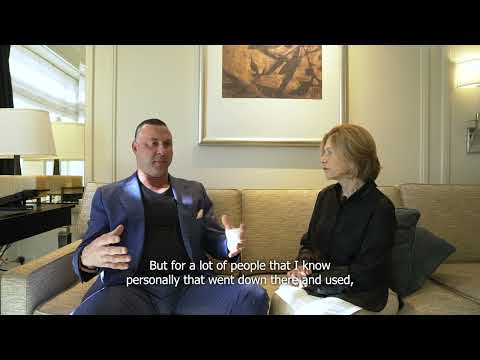




.png)
.png)
.png)
.png)

.png)
.png)
.png)
.jpg)








Share this listing