



Parkinson's disease is a complex neurodegenerative condition that traditionally relies on symptom management rather than regenerative solutions. Over recent years, patients worldwide have sought out alternative therapies to help slow the progression of this challenging illness. For many North Americans, exploring international options has become a practical pathway to accessing innovative medical protocols. Consequently, stem cell therapy for Parkinson's in Mexico is rapidly emerging as a preferred choice for individuals seeking advanced regenerative care.
Medical tourism allows patients to bypass long waitlists and access specialized treatments that are often restricted in their home countries. Clinics across the border are generally equipped with modern technology and staffed by bilingual medical professionals dedicated to patient safety. By crossing borders, individuals can often find personalized care plans that are typically unavailable in their local healthcare systems.
Parkinson's disease is the second most common neurodegenerative disorder globally, affecting millions of individuals. The growing interest in regenerative medicine stems from its unique approach of targeting the underlying cellular inflammation rather than merely masking daily motor symptoms.
Why Canadians Are Seeking Parkinson's Treatment in Mexico
Canada boasts a robust public healthcare system, but access to experimental or newly developed regenerative therapies can be highly limited. Patients diagnosed with Parkinson’s frequently face lengthy wait times for specialist consultations and limited treatment modalities. This bottleneck drives many individuals to look southward, seeking affordable Parkinson's treatment in Mexico to regain a sense of control over their health journey.
Mexico has proactively developed its medical tourism infrastructure, particularly in border cities that cater extensively to international visitors. The close geographic proximity means Canadian patients can take relatively short flights, minimizing travel-related fatigue and stress. Furthermore, the favorable exchange rate allows patients to access high-tier private healthcare at a fraction of domestic costs. As a result, the influx of international patients into medical tourism in Mexico continues to grow exponentially.
Many popular medical tourism destinations in Mexico, such as Tijuana, are located just minutes away from major US airports like San Diego. This strategic location allows international patients to enjoy seamless border crossings and quick access to world-class medical facilities.
Understanding Stem Cell Treatment for Parkinson's Disease in Mexico
The core principle of regenerative medicine involves utilizing the body’s innate healing mechanisms to repair or replace damaged tissues. In the context of neurological conditions, treatments generally focus on deploying mesenchymal stem cells to target areas affected by neurodegeneration. These specialized cells are typically administered with the hope of reducing inflammation and potentially supporting the survival of dopamine-producing neurons.
It is important to understand that while these therapies hold promise, they are generally considered investigational and results can vary significantly among individuals. Stem cell treatments for Parkinson's disease in Mexico often utilize ethically sourced adult stem cells, bypassing the controversies associated with embryonic types. Medical professionals at these clinics carefully evaluate each patient's medical history to determine the most appropriate cell type and delivery method. Ultimately, the goal is to enhance the patient's quality of life through a customized, multidisciplinary approach.
According to medical tourism data, neurological and orthopedic conditions represent over 40% of the primary reasons international patients seek regenerative therapies abroad, driven by the desire for alternative symptom management.
Cost of Stem Cell Therapy for Parkinson's in Mexico vs Canada
Financial considerations play a pivotal role when patients evaluate international healthcare options for chronic conditions. In Canada, private regenerative medicine is scarce, and those available out-of-pocket can be prohibitively expensive due to strict regulatory overheads. Conversely, the Parkinson's stem cell therapy cost in Mexico is generally much more accessible without compromising the quality of the medical facilities. This significant price differential allows patients to allocate their resources toward comprehensive follow-up care and necessary lifestyle adjustments.
The lower cost of medical care in Latin America is primarily due to differences in the cost of living, administrative expenses, and lower malpractice insurance premiums. Clinics frequently offer all-inclusive packages that bundle the therapy sessions, medical consultations, and local ground transportation into one transparent price. When comparing these figures, most patients find that affordable stem cell clinics in Mexico present a highly viable financial alternative.
| Procedure / Service Name | Average Cost in Mexico (USD) | Cost Comparison with Canada (USD) |
|---|---|---|
| Initial Medical Consultation & Diagnostics | $150 - $300 | $500 - $1,500+ (Private Clinics) |
| Autologous Stem Cell Therapy (Bone Marrow/Adipose) | $4,500 - $7,500 | $12,000 - $20,000+ (Highly Restricted) |
| Allogeneic Stem Cell Therapy (Umbilical Cord MSCs) | $6,000 - $12,000 | Largely Unavailable Clinically |
| Integrative Support Therapies (HBOT, IV Nutrition) | $100 - $250 per session | $300 - $600 per session |
Types of Stem Cells Used for Parkinson's Care in Mexico
Different clinical protocols require specific types of cellular therapies depending on the patient's unique physiological profile and disease progression. Most internationally accredited clinics typically utilize Mesenchymal Stem Cells (MSCs) derived from either the patient’s own body or ethically screened donors. These MSCs are highly valued in Parkinson's care in Mexico because they generally possess robust anti-inflammatory and immunomodulatory properties.
Autologous stem cells are harvested directly from the patient’s adipose (fat) tissue or bone marrow, processed in a lab, and then reintroduced into the body. Allogeneic stem cells, on the other hand, are often derived from donated human umbilical cord tissue, which is known for its high cellular vitality. The choice between these options is typically made after a thorough medical evaluation by the attending physician. Both approaches aim to provide targeted neuro-support, though most patients experience different timelines for potential symptom relief.
Umbilical cord-derived Mesenchymal Stem Cells are considered "immune-privileged," meaning they generally do not provoke a rejection response from the patient's immune system, making them a highly versatile option in regenerative medicine.
The Patient Journey for Stem Cell Therapy in Tijuana Mexico
Embarking on a medical trip requires careful planning, beginning with a comprehensive virtual consultation to assess eligibility for the procedure. Patients share their medical records, imaging, and neurologist reports with the overseas medical team to establish a baseline for treatment. Once approved, individuals usually fly into nearby international hubs, such as San Diego, before crossing the border to begin their stem cell therapy in Tijuana.
Upon arrival, the patient is typically greeted by clinic representatives who ensure a smooth transition to the medical facility. For example, many international patients find confidence at the Immunity Therapy Center in Tijuana, Mexico, which provides comprehensive, tailored regenerative care. Those interested can learn more about the advanced stem cell treatments at Immunity Therapy Center to understand their personalized approach. Throughout the journey, the emphasis remains on patient comfort, clear communication, and providing a supportive environment for healing.
- Initial Assessment: Comprehensive review of medical history via a secure telehealth platform.
- Travel & Logistics: Coordination of flights, airport pickup, and clinic transfers.
- Pre-Treatment Diagnostics: On-site blood work and medical evaluations to finalize the protocol.
- Therapy Administration: Delivery of the regenerative treatments over a period of several days.
- Post-Care Observation: Medical monitoring prior to clearing the patient for their return flight.
Safety and Regulations of Regenerative Medicine in Mexico
Patient safety is the absolute cornerstone of any legitimate medical tourism destination, especially when dealing with advanced therapeutic procedures. Regenerative medicine clinics in Mexico are strictly regulated by COFEPRIS, the national health authority that functions similarly to Health Canada or the FDA. This governing body ensures that clinical laboratories maintain high standards of sterility, cell viability testing, and ethical sourcing protocols.
Before committing to a facility, international patients are strongly encouraged to verify the clinic's domestic and international accreditations. Reputable centers will transparently share their cellular processing protocols, physician credentials, and emergency response capabilities. It is essential to remember that while the environment is regulated, regenerative medicine still carries inherent risks that must be thoroughly discussed with a doctor. Due diligence is crucial to ensuring a secure and professionally managed healthcare experience abroad.
Never proceed with a medical facility that guarantees a cure for Parkinson's disease. Ethical clinics will always provide transparent risk disclosures, emphasize that treatments are investigational, and manage realistic patient expectations regarding clinical outcomes.
Preparing for Parkinson's Stem Cell Treatment in Mexico
Proper preparation can significantly enhance the overall experience and potential efficacy of your medical journey abroad. Weeks before your departure, medical teams generally advise patients to adopt an anti-inflammatory diet and eliminate alcohol or tobacco consumption. These lifestyle modifications typically aim to create an optimal physiological environment for the newly introduced cellular therapies to thrive. Securing your travel documents and coordinating with your local neurologist regarding your plans to pursue Parkinson's medical travel in Mexico is equally vital.
Gathering a complete dossier of your medical history ensures the receiving clinical team has every piece of necessary data. Patients should ideally pack comfortable clothing, any currently prescribed medications in their original bottles, and mobility aids if required. Establishing a solid support system, either by traveling with a companion or connecting with patient advocates, generally leads to a more relaxed treatment experience.
- Always keep physical and digital copies of your complete medical files during travel.
- Inform your primary care doctor in Canada about your travel dates and intended treatments.
- Stay adequately hydrated before and after your flights to support optimal cellular function.
What to Expect During Your Stem Cell Therapy Session in Mexico
The actual administration of regenerative cells is generally a minimally invasive outpatient procedure that does not require general anesthesia. Depending on the targeted outcomes for Parkinson's, doctors typically deliver the cells through an intravenous (IV) drip or an intrathecal injection into the spinal canal. These delivery methods are chosen based on their ability to optimally bypass the blood-brain barrier and reach the affected neurological areas.
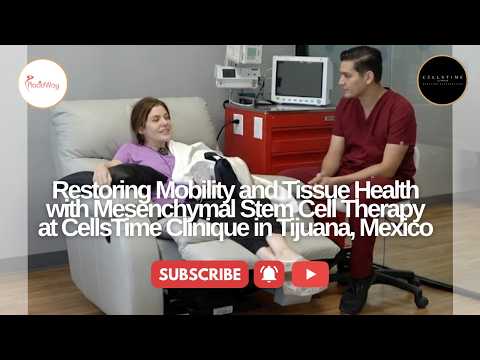
During the session at top stem cell clinics in Mexico, patients typically rest in a comfortable, private room equipped with monitoring devices. The procedure itself usually lasts a few hours, during which medical staff continuously monitor vital signs to ensure safety and comfort. Most patients experience minimal discomfort, often likening the process to a standard blood donation or routine IV therapy. Afterward, a brief observation period is generally required before the patient is cleared to return to their accommodation for rest.
Intrathecal administration is frequently utilized for neurological disorders because it delivers the regenerative properties directly into the cerebrospinal fluid, allowing the cells to travel more efficiently to the brain and spinal cord tissues.
Post-Treatment Recovery and Follow-Up Care in Mexico
The period immediately following the procedure is critical, as the body begins the complex process of integrating the new cellular material. Patients are typically advised to rest extensively for the first 48 hours, avoiding any strenuous physical activities or stressful situations. Mild side effects, such as fatigue or a slight fever, are common as the body responds to the regenerative treatments in Mexico. Medical staff generally provide detailed aftercare instructions and remain accessible for any immediate post-procedure concerns.
Long-term follow-up is an integral component of the treatment continuum, even after the patient returns home to Canada. Quality clinics will schedule periodic virtual consultations at the one-month, three-month, and six-month marks to track symptomatic changes. Collaborating with your primary care physician at home ensures that your ongoing Parkinson's disease management aligns seamlessly with your recent regenerative therapies.
- Maintain a detailed daily journal tracking your motor functions and energy levels post-treatment.
- Commit to your prescribed physical therapy routines once cleared by your medical team.
- Attend all scheduled virtual follow-up appointments to allow doctors to monitor your progress effectively.
Evaluating the Success Rates of Stem Cells for Parkinson's in Mexico
Managing expectations is a fundamental part of the regenerative medicine process, as no ethical clinic can guarantee specific medical outcomes. Success is typically measured not by a complete cure, but by a noticeable improvement in the patient's quality of life and motor functions. Many individuals report experiencing reduced tremors, improved muscle rigidity, and enhanced energy levels in the months following their therapy. Evaluating the efficacy of Mexican stem cell treatments for Parkinson's requires a realistic understanding of neurodegenerative disease progression.
Clinical data and patient registries indicate a diverse range of responses, heavily influenced by the patient's age and the disease's current stage. Most patients experience a stabilization of their symptoms rather than a rapid reversal, which is considered a significant clinical victory in Parkinson's care. Continuous monitoring and objective neurological assessments are utilized by specialists to accurately gauge the intervention's therapeutic impact over time.
While individual results vary, longitudinal observational studies of stem cell recipients for neurological conditions generally indicate that early-stage intervention yields a higher likelihood of sustained symptom stabilization compared to late-stage treatments.
Combining Stem Cell Therapy with Alternative Treatments in Mexico
To maximize the potential benefits of cellular therapies, top-tier medical facilities frequently adopt a holistic, integrative approach to patient care. Regenerative protocols are rarely administered in isolation; they are often paired with supportive therapies that target the body's overall wellness. This comprehensive strategy is what makes advanced Parkinson's treatment in Mexico highly appealing to international medical tourists seeking multidimensional healing.
Patients may participate in hyperbaric oxygen therapy (HBOT), which typically helps increase oxygen saturation in the tissues to support cell survival. Nutritional IV drips, specialized physical therapy, and acupuncture are also commonly integrated into the customized care plan. These adjunctive modalities generally aim to reduce systemic inflammation, enhance cellular uptake, and improve the patient's physical mobility. By addressing the disease from multiple angles, clinics strive to optimize the healing environment within the central nervous system.
Hyperbaric Oxygen Therapy (HBOT) involves breathing pure oxygen in a pressurized room. This process is commonly utilized in regenerative medicine because elevated oxygen levels can help stimulate the release of growth factors and stem cells into the bloodstream.
Patient Stories of Stem Cell Therapy for Parkinson's in Mexico
Hearing directly from individuals who have navigated the medical tourism landscape provides invaluable insight for prospective patients in Canada. Personal narratives often shed light on the nuances of the travel experience, the clinic environment, and the realities of post-treatment recovery. These stories emphasize that while Parkinson's medical tourism in Mexico is a deeply personal journey, no one has to walk the path alone. By reading about real experiences, new patients can set grounded, realistic expectations for their own upcoming procedures.
Each case is unique, reflecting different stages of the disease and varying responses to the cellular interventions provided. The following summaries represent generalized experiences of international patients who sought care at leading regenerative medical facilities. While results vary widely, these accounts highlight the potential improvements in daily living that many strive to achieve.
A Journey to Better Mobility
After struggling with increasing muscle rigidity for five years, Robert from Toronto traveled to a Mexican border clinic. He noted that within four months post-treatment, he generally experienced fewer "off" periods and was able to resume light gardening, a hobby he thought he had lost forever.
Finding Hope Across the Border
Susan, facing long specialist wait times in Alberta, sought out an integrative stem cell protocol in Mexico. She reported that the combination of cellular therapy and nutritional IVs typically helped stabilize her tremor progression, granting her a renewed sense of independence in her daily tasks.
Comprehensive Care and Comfort
David was initially hesitant about traveling abroad from Vancouver for a medical procedure. However, he praised the bilingual staff and the modern facility, stating that the continuous follow-up care from his dedicated medical team made his recovery process smooth and reassuring.
A Multidisciplinary Approach
Diagnosed in her early 50s, Claire opted for a treatment package that included both MSC administration and Hyperbaric Oxygen Therapy. She found that this holistic approach generally improved her sleep quality and slightly enhanced her motor control during the critical morning hours.
How PlacidWay Assists Your Stem Cell Therapy Medical Tourism Journey in Mexico
Navigating foreign healthcare systems can be overwhelming, especially when managing the daily challenges of a neurodegenerative condition like Parkinson's. Partnering with a dedicated medical tourism facilitator streamlines the research phase, allowing patients to focus entirely on their health and recovery. PlacidWay is committed to connecting individuals with fully vetted and internationally accredited regenerative medicine centers in Mexico.
Our platform empowers patients by providing access to transparent clinic profiles, authentic patient reviews, and detailed treatment methodologies. We understand the importance of making informed healthcare decisions, which is why we offer comprehensive informational resources for every step. From initial inquiries to securing direct communication with leading specialists, our goal is to facilitate a seamless medical journey. Below are ways our platform supports your pursuit of advanced healthcare solutions.
- Providing an extensive directory of certified and internationally accredited regenerative medical facilities.
- Facilitating direct communication channels between prospective patients and leading specialized physicians.
- Offering comparative data to help patients understand different medical protocols and clinical approaches.
- Empowering users with transparent patient reviews and verified clinical testimonials to aid decision-making.
- Delivering educational resources regarding the latest advancements in global healthcare procedures.
- Assisting with the acquisition of personalized, commitment-free medical quotes from top-tier healthcare providers.
Frequently Asked Questions
Is stem cell therapy for Parkinson's disease a guaranteed cure?
No, stem cell therapy is not a guaranteed cure for Parkinson's disease. It is generally considered an investigational treatment that typically aims to manage symptoms and improve the patient's quality of life. Outcomes vary significantly depending on the individual's condition and disease progression.
Why do Canadians travel to Mexico for stem cell treatments?
Canadians often travel to Mexico to bypass long healthcare wait times and access advanced regenerative therapies that may be restricted or unavailable domestically. Additionally, the cost of private medical care in Mexico is generally much more affordable than out-of-pocket expenses in North America.
Are stem cell clinics in Mexico safe and regulated?
Yes, reputable clinics are strictly regulated by COFEPRIS, the Mexican health authority equivalent to the FDA or Health Canada. However, patients must perform due diligence to ensure they select fully accredited facilities with certified specialists.
What types of stem cells are used for neurological conditions in Mexico?
Clinics typically utilize Mesenchymal Stem Cells (MSCs) sourced from ethically donated umbilical cord tissue, or autologous stem cells derived from the patient's own bone marrow or adipose fat. These cells are selected for their strong anti-inflammatory and immunomodulatory properties.
How long does a stem cell treatment trip to Mexico usually take?
Most international patients can expect their medical trip to last between 5 to 10 days, depending on the clinic's specific protocol. This timeframe allows for initial diagnostics, the treatment sessions, and a brief observation period before flying home.
Do I need a special visa to undergo medical treatment in Mexico?
Canadian citizens typically do not require a special medical visa for short-term stays under 180 days in Mexico. A valid passport and a standard tourist entry permit, usually provided on the flight or at the border, are generally sufficient.
Does Canadian health insurance cover stem cell therapy in Mexico?
No, provincial Canadian health insurance plans do not cover experimental or elective regenerative treatments performed abroad. Patients should expect to pay for these medical tourism procedures out-of-pocket.
How are the stem cells administered during the procedure?
Depending on the neurological target, doctors typically administer stem cells through a minimally invasive intravenous (IV) drip or an intrathecal injection. These delivery methods generally aim to efficiently transport the cells past the blood-brain barrier.
Will I receive post-treatment follow-up care after returning to Canada?
Top-tier international clinics usually provide comprehensive follow-up care through scheduled virtual consultations over several months. Patients are also strongly encouraged to continue coordinating their ongoing disease management with their local neurologist in Canada.
What are the common side effects of stem cell therapy?
Most patients experience only mild, temporary side effects such as fatigue, localized soreness at the injection site, or a low-grade fever. Severe adverse reactions are rare, but all potential risks should be thoroughly discussed with a medical professional prior to treatment.
Take the next step in your medical journey today! Connect with top-tier, certified clinics offering specialized regenerative therapies. Let PlacidWay help you navigate your healthcare options with confidence and care.
- Parkinson's Foundation. Understanding Parkinson's and Treatment Modalities. https://www.parkinson.org/understanding-parkinsons/treatment
- National Institutes of Health (NIH). Stem Cell Therapy for Neurodegenerative Diseases. https://pmc.ncbi.nlm.nih.gov/articles/PMC4302533/
- Mayo Clinic. Stem Cells: What They Are and What They Do. https://www.mayoclinic.org/tests-procedures/bone-marrow-transplant/in-depth/stem-cells/art-20048117




.png)

.png)


.png)

.png)
.png)
.png)









Share this listing