


Lab-Expanded MSCs Draw Canadian Liver Patients to Mexico
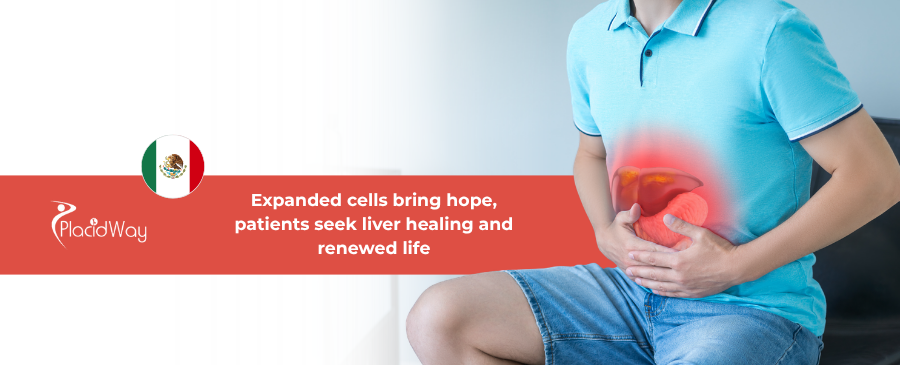
Canadian patients are bypassing massive healthcare backlogs by seeking lab-expanded MSC stem cell therapy for liver disease in Mexico. This breakthrough in regenerative medicine offers rapid access to advanced hepatic treatments, driving an unprecedented cross-border medical surge.
The Science Behind Lab-Expanded MSCs for Hepatic Regeneration
Mesenchymal Stem Cells (MSCs) have emerged as a cornerstone of modern regenerative medicine, particularly in the treatment of severe hepatic conditions. Unlike standard stem cell treatments that rely on same-day isolation and minimal yields, advanced clinical laboratories now utilize sophisticated expansion techniques to cultivate millions of highly potent cells over several weeks. By expanding umbilical cord-derived MSCs in controlled, sterile environments, scientists can produce therapeutic doses exceeding 100 million viable cells. This massive volume is crucial for achieving systemic efficacy, allowing the stem cells to bypass pulmonary filtration and successfully home in on damaged liver tissue. The capacity of these cells to target inflammation makes lab-expanded mesenchymal stem cells in Tijuana one of the most sought-after protocols for patients facing deteriorating organ function.
Once these highly concentrated MSCs are infused into a patient's bloodstream, they initiate a complex, multi-tiered healing process within the liver parenchyma. First, they release potent immunomodulatory cytokines that halt the aggressive autoimmune or inflammatory responses responsible for ongoing cellular damage. Secondly, MSCs secrete anti-fibrotic enzymes that actively break down the rigid scar tissue characteristic of liver cirrhosis, essentially softening the organ and restoring vital blood flow. Finally, through paracrine signaling, these lab-expanded cells stimulate the patient's intrinsic hepatocytes (native liver cells) to multiply and regenerate. This profound biological mechanism is precisely why regenerative medicine for liver cirrhosis in Mexico is fundamentally changing the prognosis for patients who were previously told their only option was a high-risk organ transplant.
Did You Know? Umbilical cord-derived MSCs lack HLA-DR expression, meaning they possess zero risk of immune rejection, graft-versus-host disease, or cross-matching complications. This makes them a universally accepted, "off-the-shelf" biologic ideal for urgent liver failure interventions.
Escaping the Backlog: Why Canadian Liver Patients Turn to Mexico
The primary catalyst driving patients southward is the systemic gridlock currently plaguing the Canadian healthcare infrastructure. While Canada boasts a commendable public health system, it is fundamentally ill-equipped to manage the rapid escalation of chronic hepatic diseases, including non-alcoholic fatty liver disease (NAFLD) and advanced cirrhosis. Wait times to simply secure an initial consultation with a board-certified hepatologist can stretch into several agonizing months, while the queue for a liver transplant is notoriously strict and devastatingly slow. Because stem cell therapy is still heavily restricted under prolonged clinical trials by Health Canada, citizens suffering from rapid organ decline are left in a dangerous state of medical purgatory, forced to manage their symptoms with palliative medications while their core disease progresses unchecked.
In stark contrast, the progressive medical regulatory framework in Mexico allows top-tier healthcare facilities to rapidly integrate proven, safe, and peer-reviewed regenerative therapies into patient care. By seeking affordable liver stem cell treatment abroad, Canadians bypass the bureaucratic inertia of their domestic system. Mexico's proximity to North America ensures that patients do not have to endure grueling, long-haul flights to Asia or Eastern Europe to receive world-class care. Instead, they can fly directly to major hubs and access immediate, life-saving interventions. The ability to schedule an advanced MSC infusion within weeks, rather than waiting years on a stagnant transplant list, is a matter of life and death for patients battling severe hepatic decompensation.
Elite Regenerative Facilities Revolutionizing Tijuana's Medical Hub
The northern border region of Baja California has undergone a massive multi-billion-dollar evolution, transitioning from a localized healthcare destination into a global epicenter for advanced biotechnology and regenerative therapeutics. The architectural landscape is now defined by towering, hyper-modern medical plazas that rival the most prestigious hospitals in North America. These facilities are heavily capitalized, ensuring they maintain on-site, ISO-certified cleanrooms, advanced cryogenic storage capabilities, and the latest generation of cellular flow cytometry equipment. This deep investment in medical infrastructure ensures that patients traveling for stem cell therapy for liver disease in Mexico receive treatments that meet, and frequently exceed, international safety and quality standards.
At the absolute forefront of this clinical revolution is the Immunity Therapy Center in Tijuana, Mexico, which has garnered international acclaim for its highly personalized regenerative protocols. This state-of-the-art center seamlessly integrates holistic patient care with advanced biotechnology, utilizing highly viable, lab-expanded MSCs targeted directly at halting cellular degradation and promoting liver renewal. Facilities of this caliber do not merely administer cells; they engineer comprehensive, multi-disciplinary therapeutic environments. Patients benefit from a collaborative team of immunologists, hepatologists, and nutritional specialists working in unison to maximize the engraftment and overall efficacy of the stem cell infusions, ensuring the best possible clinical outcomes.
Comparing the True Cost: Canada's Waitlists vs. Mexico's Clinics
When analyzing the economics of medical care, it is vital to account for the hidden, compounding costs of waiting within a public healthcare system. For Canadian patients suffering from progressive liver disease, the lack of an upfront medical bill does not equate to "free" healthcare. The physical deterioration experienced while lingering on transplant waitlists often results in catastrophic secondary costs: extended loss of income, the necessity for full-time at-home caregiving, frequent emergency room visits for ascites draining, and an immeasurable decline in overall quality of life. As the liver fails, the systemic toll on the body accelerates, making domestic care models financially and emotionally draining.
Conversely, accessing stem cell therapy for liver disease in Mexico operates on a model of absolute transparency and immense clinical value. Leading Mexican regenerative facilities provide comprehensive, all-inclusive pricing that covers the intense laboratory expansion of the cells, medical specialist fees, and clinical administration. When patients compare options, the financial math overwhelmingly favors traveling. The investment required for cutting-edge cellular medicine south of the border is drastically lower than the economic devastation of prolonged domestic illness, offering patients a proactive, financially viable pathway to reclaim their health.
"Canadians facing severe hepatic conditions can no longer afford to wait in endless queues for domestic interventions. We are witnessing a profound paradigm shift where patients are taking control of their longevity by accessing globally regulated, lab-expanded stem cell protocols abroad. Mexico has proven itself as an elite sanctuary for these complex regenerative treatments, delivering uncompromising clinical quality that actively saves lives while offering unprecedented value."
— Pramod Goel, CEO of PlacidWay
Advanced Laboratory Protocols Guiding Mexican Stem Cell Cultivation
The staggering clinical success observed in patients traveling for regenerative medicine for liver failure in Mexico is not accidental; it is the direct result of obsessive, meticulous laboratory protocols. The process begins with the ethical sourcing of umbilical cord tissue from full-term, healthy pregnancies, followed by exhaustive viral and genetic screening that surpasses international biological safety mandates. Once the optimal Mesenchymal Stem Cells are isolated, they enter Good Manufacturing Practice (GMP)-compliant bioreactors. Here, in highly controlled environments mimicking human physiological conditions, the cells are allowed to replicate over multiple passages, ensuring an exponential increase in volume without sacrificing cellular integrity or pluripotency.
Crucially, Mexican regulatory bodies such as COFEPRIS (Federal Commission for the Protection against Sanitary Risk) enforce rigorous oversight on these specialized cellular laboratories. Before any lab-expanded MSC formulation leaves the cleanroom for clinical administration, it undergoes stringent third-party viability testing. This guarantees that over 90% of the expanded cells remain alive, active, and capable of differentiating into hepatocyte-like cells upon infusion. It is this unwavering commitment to high-dose, high-viability cellular engineering that allows Mexican practitioners to consistently reverse severe hepatic scarring and improve critical liver enzyme profiles where traditional pharmaceutical interventions repeatedly fail.
Essential Components of a Premium Liver Regeneration Package
To cater to the specialized needs of international patients suffering from varying degrees of liver decompensation, elite medical tourism clinics structure their treatments as comprehensive, multi-day therapeutic packages. These highly coordinated bundles are designed to mitigate all logistical anxiety while maximizing biological absorption. When booking a regenerative program through verified medical facilitators, patients can expect their therapeutic journey to systematically include:
- Comprehensive Diagnostic Hepatic Panels: Extensive pre-treatment evaluations including complete metabolic panels, fibroscans, and ultrasound imaging to precisely map the extent of liver damage and tailor the cellular dosage accordingly.
- High-Dose Intravenous MSC Infusions: The cornerstone of the protocol, involving the administration of 100 to 300 million lab-expanded umbilical cord MSCs over consecutive days to ensure sustained systemic saturation.
- Adjuvant Antioxidant and Exosome Therapies: Many advanced packages integrate high-dose intravenous Vitamin C, Glutathione, and targeted exosome injections to create an optimal, anti-inflammatory microenvironment for the new stem cells to thrive.
- Medical Concierge and Cross-Border Transit: Seamless ground transportation from regional airports (such as San Diego International) directly to the medical facility, utilizing dedicated medical fast-pass lanes for frictionless border crossing.
- Specialized Nutritional and Post-Op Guidance: Consultations with clinical dietitians to implement hepatoprotective dietary frameworks, ensuring the newly regenerating liver tissue is supported by optimal macronutrients upon the patient's return home.
Did You Know? Clinical data indicates that patients receiving high-yield MSC therapy for hepatic fibrosis often exhibit a measurable decrease in elevated liver enzymes (AST and ALT) and an improvement in bilirubin levels within just 8 to 12 weeks post-infusion, signaling active tissue repair.
The Strategic Role of PlacidWay in Navigating Cross-Border Care
As the global demand for advanced cellular treatments accelerates, the digital marketplace has become intensely crowded, making it remarkably difficult for the average patient to discern legitimate biotech pioneers from opportunistic clinics. Navigating foreign healthcare regulations, verifying the authenticity of GMP lab certifications, and ensuring that a clinic utilizes true lab-expanded MSCs rather than rudimentary autologous derivatives is a complex undertaking. For a patient already battling the exhaustion and cognitive fog associated with advanced liver disease, attempting to manage this international logistical puzzle independently is overwhelming.
This critical vulnerability is where PlacidWay serves as an indispensable ally. Operating as a globally trusted medical tourism facilitator, PlacidWay strictly vets and curates a premier network of fully accredited regenerative specialists. By utilizing their centralized platform, Canadian patients are empowered to securely review verified clinical outcomes, scrutinize transparent pricing structures, and schedule direct virtual consultations with leading international hepatologists. PlacidWay eradicates the guesswork from cross-border healthcare, ensuring patients can confidently get a free quote, compare options, and seamlessly transition into life-saving therapeutic protocols with complete peace of mind.
What to Expect During MSC Therapy Recovery South of the Border
Unlike invasive surgical interventions such as a partial hepatectomy or an organ transplant, the recovery profile for intravenous stem cell therapy is remarkably mild and highly conducive to international travel. The actual infusion process is generally painless, taking only a few hours in a tranquil, outpatient clinical setting. During their stay in Mexico, patients are continually monitored by a dedicated nursing staff who track vital signs and assess for any rare, mild detoxification reactions, such as slight fatigue or low-grade lethargy. Because there is no surgical trauma or heavy general anesthesia involved, patients maintain full mobility and can comfortably relax in specialized, luxury medical recovery boutiques.
The long-term recovery journey, however, continues well after the patient returns to Canada. The regenerative action of lab-expanded MSCs is not instantaneous; it is a progressive biological cascade that unfolds over several months. Patients are typically advised to follow a strict, anti-inflammatory diet and abstain completely from alcohol or hepatotoxic medications to give the stem cells the ultimate environment for cellular engraftment. Follow-up care is seamlessly integrated, with Mexican specialists conducting virtual check-ins and reviewing updated domestic blood work to track objective improvements in liver function. This ongoing, collaborative continuity of care ensures that the profound healing initiated south of the border translates into lasting, life-altering vitality.
.png)


.png)

.png)



-(1).png)
-(3).png)
-(3).png)









Share this listing