


Japan's Stem Cell Secret: The Glass Skin Trend

Driven by a massive surge in medical tourism, Southeast Asian patients are flocking for Stem Cell Therapy in Tokyo, Japan. This non-surgical glass skin secret leverages regenerative medicine for permanent cellular renewal, offering flawless aesthetics without scalpels or downtime.
The Explosion of Regenerative Medicine for Facial Aesthetics
The global landscape of cosmetic enhancement is undergoing a profound paradigm shift. For decades, the pursuit of youth heavily relied on invasive surgical interventions, such as traditional facelifts, or temporary structural modifications using synthetic dermal fillers. However, advanced market data indicates that the global regenerative aesthetics sector is currently experiencing a massive double-digit annual growth rate. Patients are increasingly rejecting procedures that merely mask the signs of aging or alter facial architecture, seeking out holistic therapies that address the biological root causes of cellular degradation.
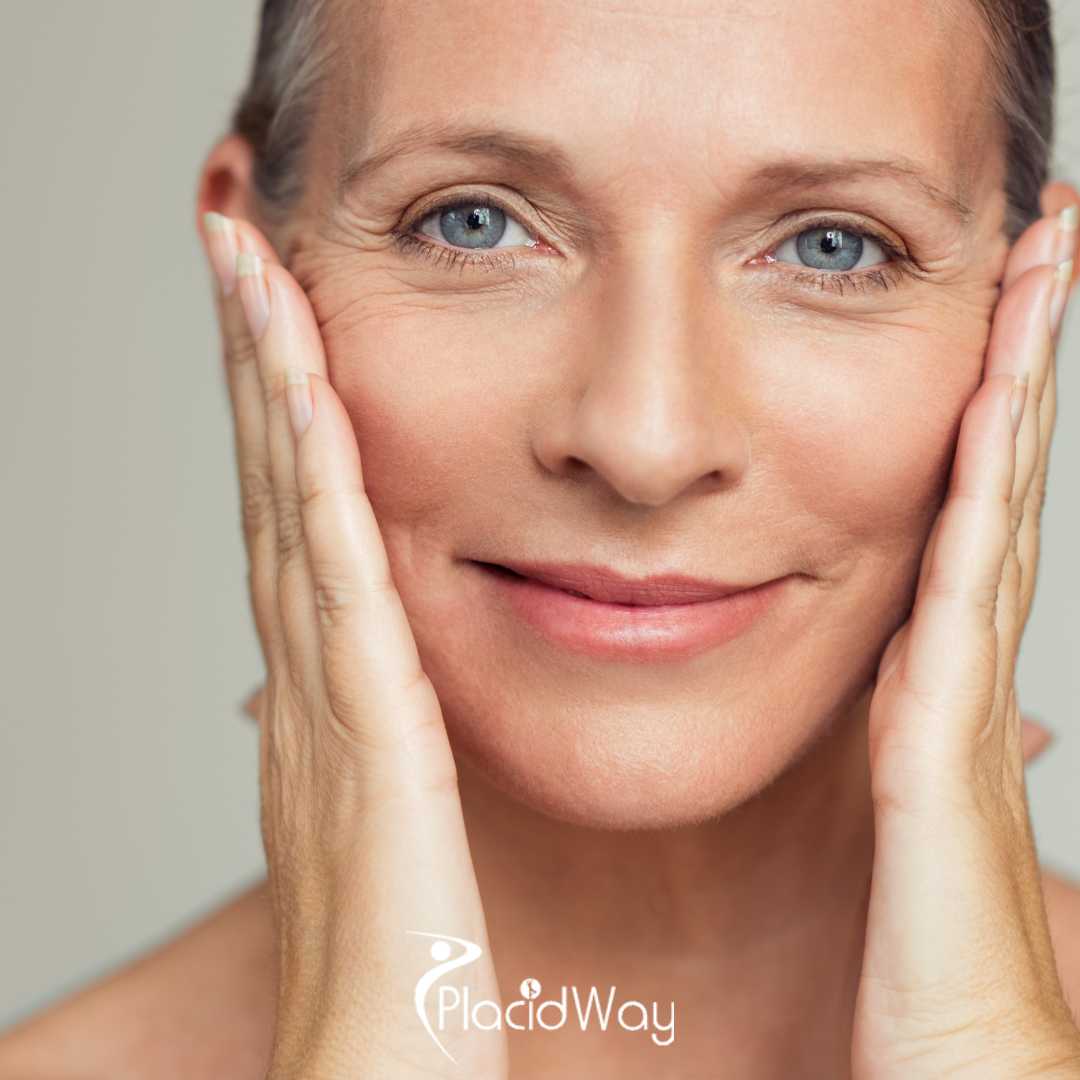
At the forefront of this scientific revolution is the cultural phenomenon of "glass skin"—a deeply coveted aesthetic standard defined by an intensely hydrated, translucent, and flawlessly poreless complexion. While originally popularized by topical skincare routines in East Asia, discerning consumers quickly realized that cosmetics offer only superficial, transient results. To achieve genuine, long-lasting luminosity, medical tourists are turning to cutting-edge regenerative procedures. By utilizing the body's own biological material to repair damaged tissue and stimulate rampant collagen production, this highly advanced form of therapy offers an unprecedented level of aesthetic rejuvenation that looks entirely natural because it is biologically authentic.
Did You Know? Japan was one of the first nations globally to implement a dedicated legal framework specifically designed to fast-track regenerative medicine research. This proactive legislative approach has positioned the country years ahead of Western nations in clinical stem cell applications.
Why Southeast Asian Patients Choose Stem Cell Therapy in Tokyo
For affluent healthcare consumers residing in Singapore, Thailand, Indonesia, and the Philippines, the motivation to travel internationally for advanced aesthetic care is multi-faceted. While Southeast Asia boasts several competent medical tourism hubs, none possess the dense concentration of specialized, government-regulated regenerative laboratories found in the Japanese capital. The geographical proximity—often just a five to seven-hour direct flight—combined with a well-earned international reputation for hyper-exacting medical standards, makes the Japanese medical ecosystem the ultimate destination for cellular anti-aging therapies.
Furthermore, patients actively seek out globally acclaimed, certified facilities that specialize explicitly in these complex biological protocols. A prime example of this elite tier of medical care is HELENE - Stem Cell Clinic in Tokyo, Japan, which has garnered immense international attention for its highly tailored approach to non-surgical facial rejuvenation. Clinics of this caliber operate strictly under the rigorous oversight of the Japanese Ministry of Health, Labour and Welfare, ensuring that international patients receive pharmaceutical-grade cell cultivation, absolute sterility, and bespoke treatment plans engineered to reverse the biological clock at a cellular level.
Decoding the Science Behind Japan's Glass Skin Transformation
The transition from dull, aging skin to a luminous, translucent complexion is not a matter of magic; it is the result of precise, highly advanced cellular biology. Unlike topical creams that sit on the epidermis, regenerative aesthetic protocols penetrate the foundational layers of the dermis to enact permanent structural changes. When patients embark on this journey, they are subjected to a meticulously calibrated scientific process designed to maximize their body's innate healing potential:
- Autologous Tissue Extraction: A minimally invasive procedure is performed to extract a small sample of the patient's own adipose (fat) tissue, which is exceptionally rich in Mesenchymal Stem Cells (MSCs).
- Advanced Cell Cultivation: The extracted cells are transported to an ultra-sterile, state-certified laboratory where they are isolated, purified, and cultivated over several weeks to multiply their numbers into the tens of millions.
- Targeted Administration: The highly concentrated, super-charged cells are reintroduced to the patient's face via precise micro-injections or intravenous drips, ensuring even distribution across areas suffering from volume loss or oxidative stress.
- Fibroblast Activation: Once introduced, these active cells immediately signal local fibroblasts to rapidly synthesize fresh collagen, elastin, and hyaluronic acid, rebuilding the skin's structural matrix from the inside out.
- Melanin Regulation: The regenerative properties help to normalize cellular turnover, dramatically reducing hyperpigmentation, melasma, and micro-scarring, ultimately resulting in the coveted, uniform "glass skin" aesthetic.
"The future of medical tourism is undeniably shifting from structural surgical modification to cellular regeneration. Patients across Southeast Asia are realizing that true aesthetic longevity comes from within. Japan has masterfully engineered a regulatory and clinical environment where advanced stem cell therapies are not just remarkably safe, but exceptionally effective, setting a completely new global benchmark for non-invasive anti-aging."
— Pramod Goel, CEO of PlacidWay
Comparing Traditional Fillers vs. Regenerative Stem Cell Treatments
To fully grasp the disruptive nature of this technology within the medical tourism sector, one must understand how it contrasts with the previous gold standard of anti-aging: synthetic dermal fillers. For years, hyaluronic acid injections have dominated the market, offering immediate, yet highly transient, volume restoration. However, as the aesthetic industry evolves, the limitations and risks of "filler fatigue"—including migration, facial distortion, and chronic inflammation—have driven patients toward more sustainable, biologically compatible alternatives.
Regenerative cell therapy completely bypasses these synthetic complications by utilizing the patient's unique biological signature. Rather than filling a void with an inert gel, the introduction of active, cultivated cells physically regenerates the dermal tissue, restoring the skin's natural elasticity, texture, and glow over a prolonged timeline. The data table below highlights the stark contrasts between these two fundamentally different approaches to facial rejuvenation.
What to Expect from a Premium Stem Cell Anti-Aging Package
Embarking on a regenerative medical journey in Tokyo is characterized by an unparalleled level of clinical sophistication and bespoke patient care. Unlike quick outpatient cosmetic procedures common in the West, premium Japanese clinics treat anti-aging as a comprehensive medical science. The journey begins long before the actual treatment, typically involving highly detailed pre-operative health screenings, advanced genomic testing, and deep-dive consultations to assess the patient’s precise biological age, lifestyle markers, and aesthetic goals. This intense preliminary stage ensures that the cellular cultivation process is perfectly optimized for the individual's specific physiology.
During the treatment phase, international patients are enveloped in a luxurious, concierge-level healthcare experience. Because the procedure is fundamentally non-surgical, relying on ultra-fine dermal micro-injections and targeted IV drips, the physical trauma is virtually nonexistent. Patients do not require general anesthesia, avoiding the grogginess and systemic risks associated with major surgery. Post-treatment protocols are remarkably swift; most patients can return to their luxury accommodations the very same day, experiencing nothing more than mild, transient redness. Premium packages seamlessly integrate bilingual medical coordinators, elite ground transportation, and follow-up virtual consultations to monitor the gradual, stunning reveal of their revitalized skin over the ensuing weeks.
Navigating Japan’s Elite Medical Infrastructure and Strict Regulations
The primary reason Japan dominates the global regenerative medicine market is its uncompromising regulatory environment. The Japanese government implemented the Act on the Safety of Regenerative Medicine (ASRM), a highly stringent legal framework that meticulously governs how cellular therapies are researched, cultivated, and administered. Under this law, any medical institution wishing to offer autologous cell therapies must undergo exhausting audits, and their associated cell-processing centers (CPCs) must strictly adhere to cleanliness and operational standards identical to those of major pharmaceutical manufacturing plants.
For the Southeast Asian medical tourist, this rigorous government oversight translates to supreme peace of mind. The risk of encountering unregulated "stem cell tourism"—a dangerous phenomenon observed in under-regulated markets where unverified or animal-derived cells are utilized—is entirely eliminated in certified Japanese facilities. The elite surgeons and cellular biologists operating in Tokyo's top-tier clinics possess decades of specialized academic training, often contributing heavily to global peer-reviewed aesthetic research. By mandating total clinical transparency and exhaustive safety protocols, Japan has successfully built the safest, most technologically advanced infrastructure for anti-aging on the planet.
Did You Know? Cultivated stem cell treatments do not just improve localized skin texture. As the cells integrate into the body, they release powerful microscopic vesicles known as exosomes, which actively combat systemic internal inflammation, leading to increased energy levels and holistic biological anti-aging.
The Financials: Investing in Long-Term Cellular Rejuvenation
When evaluating the cost of Stem Cell Therapy in Tokyo, Japan, patients must shift their financial perspective from a model of short-term cosmetic expenditure to one of long-term biological investment. On the surface, the initial price tag for a comprehensive, lab-cultivated stem cell protocol is significantly higher than a standard round of neurotoxins or dermal fillers. However, this upfront cost encompasses highly complex, personalized laboratory processes, the mobilization of top-tier biomedical engineers, and the utilization of some of the most expensive medical real estate and technology in the world.
The true financial logic reveals itself over a multi-year timeline. Traditional cosmetic treatments require relentless, costly maintenance—patients often find themselves returning to their local dermatologists multiple times a year, spending thousands of dollars simply to maintain a static, superficial appearance. In contrast, regenerative cell therapies actively pause and reverse cellular degradation. By treating the root cause of aging, patients enjoy deeply sustained results that last for years, ultimately yielding a far superior return on investment. For the rising affluent classes of Southeast Asia, investing in authentic, permanent youth is viewed as a profoundly wise allocation of aesthetic resources.
The Strategic Role of PlacidWay in Your Japanese Medical Journey
Despite the undeniable clinical superiority of Japan's regenerative clinics, orchestrating an international medical journey can present significant logistical and cultural hurdles. Overcoming deep language barriers, verifying complex Ministry of Health accreditations, and coordinating secure medical visas require an intricate level of localized expertise. Without a trusted facilitator, international patients risk miscommunication or, worse, falling victim to unverified agencies that lack direct partnerships with truly elite, board-certified medical facilities.
This is where the strategic intervention of a globally recognized medical tourism platform becomes essential. By utilizing an established network like PlacidWay, patients from Southeast Asia can effortlessly navigate the complexities of the Japanese healthcare system. PlacidWay meticulously curates only the most prestigious, legally compliant cellular therapy centers in Tokyo, granting patients transparent access to real pricing, verified practitioner credentials, and dedicated concierge support. This allows the patient to entirely bypass logistical stress, focusing 100% of their energy on their highly anticipated anti-aging transformation and a luxurious stay in one of the world's most vibrant cities.




.png)
.png)
.png)









Share this listing