


Tokyo Stem Cells Reverse Insulin Resistance for Malaysians

Facing soaring diabetes rates, Malaysians are rapidly seeking stem cell therapy for diabetes in Tokyo, Japan. This advanced regenerative protocol targets insulin resistance at the cellular level, offering unprecedented glycemic control and long-term relief from metabolic dysfunction.
The Escalating Diabetic Crisis in Southeast Asia
The prevalence of metabolic syndrome and Type 2 diabetes has reached catastrophic proportions across Southeast Asia, with Malaysia recording some of the highest incidence rates in the entire region. Public health data indicates that a staggering percentage of the adult population is currently living with compromised glucose metabolism, driven largely by rapid urbanization, sedentary lifestyles, and dietary shifts. Despite aggressive public health campaigns and widespread access to conventional pharmacological treatments, a massive segment of this demographic continues to struggle with severe insulin resistance, facing life-altering complications such as neuropathy, retinopathy, and cardiovascular disease.
Consequently, patients are experiencing profound treatment fatigue. The traditional medical paradigm relies heavily on a lifelong dependency on synthetic oral hypoglycemic agents and escalating doses of exogenous insulin. Because these standard interventions merely manage the symptoms rather than addressing the underlying cellular dysfunction, many patients find their blood glucose levels slowly creeping upwards despite strict medication adherence. This critical gap in domestic healthcare efficacy has sparked an unprecedented wave of medical tourism, driving proactive patients to explore disease-modifying cellular therapies abroad.
Did You Know? Research indicates that nearly 1 in 5 adult Malaysians are living with some form of diabetes. This immense public health burden is prompting a massive shift toward international regenerative medicine, where patients seek functional cures rather than mere symptom management.
Decoding the Science of Reversing Insulin Resistance
To understand the profound impact of regenerative medicine, one must first examine the biological mechanics of insulin resistance. In a healthy metabolic system, insulin acts as a key that unlocks cell receptors, allowing circulating blood glucose to enter the cells for energy production. However, chronic systemic inflammation, oxidative stress, and lipid accumulation can physically damage these cellular receptors. Over time, the pancreas is forced into overdrive, desperately pumping out massive quantities of insulin to force glucose into the resistant cells. Eventually, this leads to the exhaustion and apoptosis (cell death) of pancreatic beta cells, culminating in full-blown clinical diabetes.
Mesenchymal Stem Cells (MSCs) present a revolutionary method of interrupting and reversing this destructive cycle. When introduced into the bloodstream, MSCs exhibit a unique "homing" capability, instinctively migrating toward areas of high tissue inflammation and cellular damage. Once they reach the compromised pancreatic tissue and peripheral muscle receptors, they release a potent cascade of cytokines and growth factors. This paracrine effect vigorously suppresses systemic inflammation, stimulates the regeneration of dormant or damaged pancreatic beta cells, and restores the sensitivity of peripheral insulin receptors. The result is a profound, organic restoration of the body’s innate glycemic control mechanisms.
Why Patients Seek Stem Cell Therapy for Diabetes in Tokyo
While cellular therapies are being researched globally, Tokyo has firmly established itself as the undisputed epicenter for clinical regenerative medicine. The primary catalyst for this dominance is the progressive yet highly regulated legal framework established by the Japanese government. Recognizing the immense potential of regenerative medicine, Japanese regulatory bodies implemented specific fast-track legislation that allows for the safe, commercial application of stem cell treatments under intensely monitored clinical conditions. This gives Japanese clinics a massive technological and experiential advantage over Western nations, where such therapies often remain mired in decades-long clinical trial phases.
For Malaysian patients, Tokyo represents the perfect synthesis of geographical convenience, cultural affinity, and world-class medical innovation. A direct flight bridges the gap between frustration and advanced healing. Patients arriving for diabetes stem cell treatment in Tokyo are greeted by an impeccably clean, highly organized medical infrastructure. The clinics in this metropolis are globally renowned for their precision, utilizing state-of-the-art cell culturing facilities that guarantee maximum cell viability and absolutely zero contamination—factors that are critical for the success of any regenerative protocol.
Inside the Advanced Japanese Regenerative Protocols
The patient journey through a premium Japanese regenerative protocol is a masterpiece of precision medicine. The process typically begins with comprehensive genetic and metabolic profiling to determine the exact severity of the patient's insulin resistance and beta-cell degradation. Once the baseline is established, highly potent Mesenchymal Stem Cells—often sourced autologously from the patient's own adipose tissue or from rigorously screened, ethically sourced Wharton’s Jelly (umbilical cord tissue)—are cultivated in hyper-sterile, specialized laboratories. These cells are expanded into the millions, ensuring a therapeutic dose robust enough to trigger systemic cellular repair.
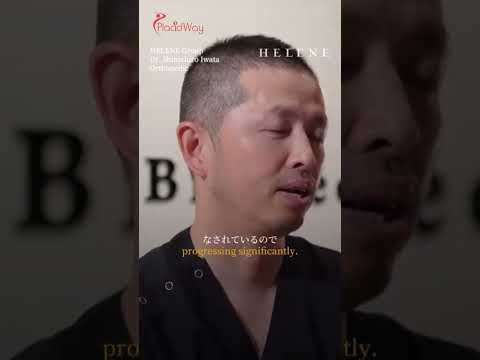
At the forefront of this medical innovation is the HELENE - Stem Cell Clinic in Tokyo, Japan, which offers highly specialized, government-approved cellular therapies. Facilities of this caliber employ proprietary intravenous administration techniques designed to maximize the survival and engraftment rates of the stem cells as they travel through the vascular system. The infusion process is minimally invasive, virtually painless, and conducted under the strict supervision of globally credentialed regenerative specialists. This meticulous approach ensures that patients receive the highest possible concentration of regenerative factors exactly where their metabolic system needs them most.
Comparing Glycemic Control: Conventional vs. Cellular Therapy
The decision to travel internationally for advanced metabolic treatment is ultimately driven by the stark contrast in expected clinical outcomes. Conventional endocrinology relies heavily on a defensive strategy. Medications like Metformin, Sulfonylureas, or exogenous insulin injections are engineered to force blood sugar levels down artificially, but they do absolutely nothing to halt the progressive deterioration of the pancreas. Over time, patients inevitably develop a tolerance, requiring higher dosages and more invasive interventions, while still remaining vulnerable to diabetic complications.
Conversely, regenerative medicine employs an offensive, restorative strategy. Stem cell therapy for insulin resistance is designed to be a disease-modifying intervention. By repairing damaged tissue and resetting the immune system’s inflammatory response, the therapy aims to restore the body’s autonomous ability to regulate glucose. When comparing the two modalities, the differences in long-term patient quality of life and financial expenditure are highly illuminating.
"Patients are no longer accepting lifelong symptom management for metabolic disorders as their only option. The surge of international patients traveling to Japan for cellular therapies reflects a profound shift toward regenerative healthcare, where targeted medical tourism provides access to disease-modifying treatments that fundamentally restore a patient's quality of life."
— Pramod Goel, CEO of PlacidWay
The Clinical Outcomes: What Malaysian Patients Are Experiencing
The empirical data and patient testimonials emerging from these cross-border medical journeys paint a remarkably optimistic picture. Following regenerative therapy in Japan, patients are subjected to rigorous post-treatment endocrinological monitoring to track objective biomarkers of metabolic health. Within months of receiving their stem cell infusions, a vast majority of patients report transformative changes in their laboratory diagnostics that were previously deemed impossible under conventional care models.
Beyond the numerical improvements in blood work, the subjective enhancements to daily life are profound. Patients who previously suffered from crippling diabetic fatigue and nerve damage find themselves reinvigorated. The comprehensive benefits reported by medical tourists undergoing these advanced protocols typically include:
- Dramatic HbA1c Reduction: Patients frequently see their three-month average blood sugar levels plummet from dangerous highs back into pre-diabetic or even normal physiological ranges.
- Decreased Medication Dependency: As cellular insulin sensitivity is restored, patients work with their primary endocrinologists to safely taper down oral medications and reduce exogenous insulin units.
- Reversal of Peripheral Neuropathy: The neurotrophic factors released by MSCs help repair damaged nerve endings, significantly alleviating the burning, tingling, and numbness in the lower extremities.
- Enhanced Energy and Vitality: With glucose efficiently entering the cells for ATP production rather than languishing in the bloodstream, patients experience a massive resurgence in physical energy.
- Improved Cardiovascular Profiles: Because stem cells systemicly lower inflammation, patients often see simultaneous improvements in their lipid panels, reducing the risk of heart disease and strokes.
Did You Know? The Japanese Ministry of Health enforces such rigorous standards on stem cell laboratories that the required cell viability rate before an infusion is often mandated to be above 95%, ensuring that patients receive only the most robust, biologically active cells for their treatment.
Safety and Regulatory Excellence in Japanese Clinics
When traveling internationally for advanced medical procedures, patient safety is unequivocally the highest priority. Fortunately, Japan’s legal infrastructure provides a gold-standard safety net that is unmatched globally. The Act on the Safety of Regenerative Medicine mandates that any facility offering stem cell therapy must pass exhaustive, multi-tiered inspections by independent scientific committees and government health authorities. Clinics are required to maintain exhaustive documentation of cell lineages, cultivation protocols, and patient outcomes, creating a transparent ecosystem of accountability.
Furthermore, the actual administration of these cellular therapies is extraordinarily safe. Because the majority of these protocols utilize Mesenchymal Stem Cells—which are uniquely immunoprivileged and do not express HLA-DR receptors—the risk of immune rejection or graft-versus-host disease is virtually zero. Patients undergoing treatment in accredited Tokyo facilities are monitored continuously by multidisciplinary teams of specialized physicians, ensuring that every vital sign is optimized during the infusion and throughout the immediate recovery phase.
Strategic Medical Travel: Facilitating Your Treatment Abroad
While the medical and scientific advantages of pursuing stem cell therapy for diabetes in Tokyo are clear, the logistics of arranging international healthcare can be daunting. Coordinating medical visas, overcoming language barriers, translating extensive endocrinological records, and ensuring the legitimacy of foreign medical facilities require dedicated expertise. Without specialized guidance, patients risk navigating a complex web of administrative hurdles that can delay critical, time-sensitive treatments.
This is where specialized medical tourism facilitators become an essential component of the healing journey. By utilizing platforms like PlacidWay, patients are granted immediate access to a curated network of heavily vetted, internationally accredited regenerative medicine centers in Japan. PlacidWay removes the friction from international healthcare by providing transparent cost estimates, facilitating direct consultations with Japanese stem cell experts, and managing comprehensive travel logistics. This allows patients to focus entirely on what truly matters: reclaiming their metabolic health and restoring their quality of life.




.png)
















Share this listing