


Flawless Skin Regeneration: Southeast Asians Choose Tokyo Stem Cell Therapy

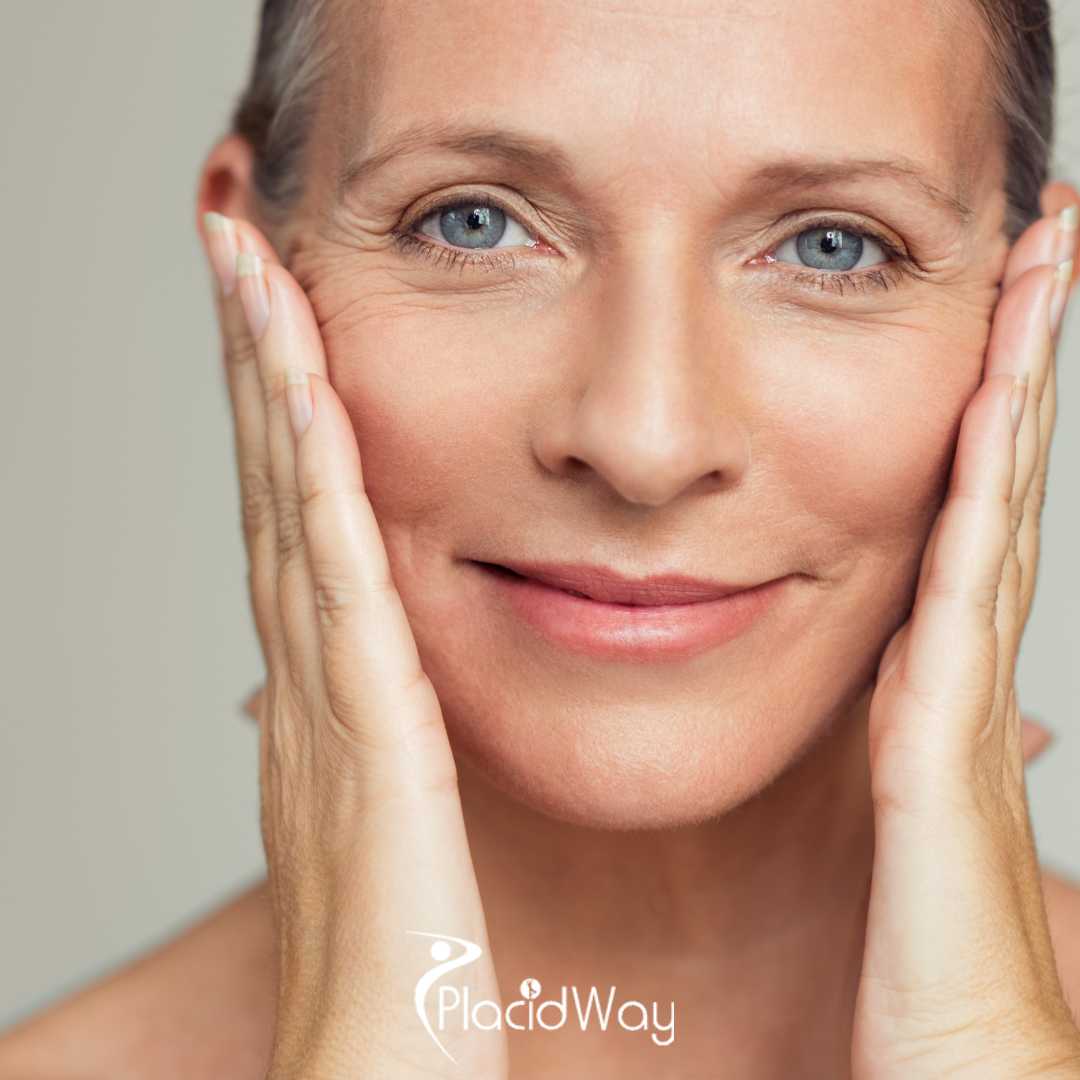
Southeast Asian burn survivors are flocking to Japan for breakthrough Stem Cell Scar Revision Therapy in Tokyo. Driven by remarkable success rates, this advanced regenerative procedure offers flawless skin regeneration, completely redefining thermal trauma recovery.
The Science Behind Flawless Skin Regeneration Using Stem Cells
The pursuit of flawless skin regeneration has historically been frustrated by the human body's natural fibrotic response to severe trauma. When deep dermal layers are destroyed by thermal injuries, the body rushes to close the wound, resulting in an overproduction of rigid, disorganized collagen. This emergency biological mechanism creates thick, painful hypertrophic scars and keloids that limit mobility and cause profound psychological distress. Traditional approaches, such as complex skin grafting, merely replace one scar with another, often leaving patients with distinct patchwork textures and highly compromised aesthetic outcomes. However, the advent of regenerative medicine has fundamentally disrupted this outdated model.
At the forefront of this medical revolution is Stem Cell Scar Revision Therapy in Tokyo. By utilizing highly concentrated Mesenchymal Stem Cells (MSCs), specialists can effectively reprogram the skin's healing environment at a molecular level. When injected into targeted scar tissue, these potent multipotent cells release a complex matrix of growth factors and cytokines. This localized cellular communication actively breaks down rigid Type I collagen—the primary component of tough scar tissue—while simultaneously stimulating the production of highly elastic Type III collagen. The result is a profound morphological shift: elevated, discolored scars gradually flatten, soften, and take on the natural, supple characteristics of healthy, unblemished skin.
Did You Know? Clinical observations indicate that localized mesenchymal stem cell therapy can reduce severe burn scar tissue volume by up to 65%. Beyond just aesthetic improvement, the therapy significantly restores functionality to sweat glands and hair follicles in heavily traumatized dermal regions.
Why Southeast Asian Burn Survivors Are Seeking Treatment Abroad
For patients residing in Southeast Asia, managing severe burn scars presents unique environmental and clinical challenges. The region's consistently high heat and intense humidity actively exacerbate the discomfort of hypertrophic scarring, causing constant pruritus (itching) and localized inflammation. Furthermore, genetics play a critical role; populations of Asian descent have a statistically higher predisposition to developing aggressive keloid scars post-trauma. Despite high demand for advanced dermatological care, many domestic healthcare systems across Southeast Asia are still heavily reliant on conventional steroid injections, rudimentary laser resurfacing, and highly invasive surgical excisions that carry massive keloid recurrence rates.
Frustrated by plateauing results and repetitive, painful procedures, a surging demographic of patients is looking beyond their borders. The pivot toward Burn Scar Treatment in Japan is driven by the country's undisputed global dominance in cellular biology and regenerative protocols. Rather than settling for treatments that merely attempt to hide or flatten a scar, Southeast Asian medical tourists are investing in therapies that biologically reverse the scarring process. The short flight times from hubs like Singapore, Bangkok, and Manila make Tokyo an incredibly accessible, highly desirable destination for those seeking the absolute pinnacle of dermatological restoration.
Exploring Premium Stem Cell Scar Revision Packages in Japan
Elite medical institutions catering to international patients have meticulously designed comprehensive treatment packages to ensure optimal clinical outcomes and profound patient comfort. These immersive protocols are structured to eliminate guesswork and seamlessly bridge the gap between initial inquiry and final cellular regeneration. When pursuing advanced scar revision in the Japanese capital, patients can expect a deeply structured, holistic medical journey:
- Advanced Cellular Diagnostics: The process begins with ultra-high-definition 3D mapping of the burn site and comprehensive blood panels to determine the patient's exact cellular vitality and immune compatibility.
- Minimally Invasive Harvesting: Under local anesthesia, specialized surgeons extract a small volume of adipose (fat) tissue, usually from the abdomen or flank, which serves as the rich source material for autologous stem cell extraction.
- Proprietary Cultivation Protocols: Utilizing Good Manufacturing Practice (GMP) compliant cleanrooms, the harvested cells are isolated, purified, and cultured over several weeks to multiply their volume into the tens of millions, ensuring maximum therapeutic potency.
- Targeted Micro-Delivery: The highly concentrated stem cell serum is reintroduced into the scar tissue via precision micro-injections and advanced microneedling techniques, ensuring deep penetration into the fibrotic dermis.
- Comprehensive Aftercare: Packages include specialized topical growth factor serums for home application, personalized dietary protocols to reduce systemic inflammation, and prolonged virtual monitoring by the surgical team.
Cost Analysis: Stem Cell Scar Treatment in Japan vs. Western Clinics
Navigating the financial realities of regenerative medicine is a crucial step for international patients. In the United States and Western Europe, stem cell therapies for dermatological applications are frequently entangled in massive regulatory bottlenecks. Because these procedures are often categorized as experimental or strictly cosmetic by Western insurance conglomerates, patients are subjected to highly inflated out-of-pocket costs. Clinic overhead, prohibitive malpractice insurance, and outsourced cellular cultivation often push the cost of a single stem cell protocol beyond the financial reach of the average trauma survivor.
Conversely, Japan's progressive healthcare framework heavily incentivizes regenerative medicine, creating a highly competitive, remarkably efficient market. By keeping cellular cultivation in-house or utilizing deeply integrated local laboratory networks, top-tier Japanese clinics drastically reduce logistical overhead. This streamlined ecosystem allows patients to access world-class, biologically potent stem cell therapies at a fraction of Western costs, generating unprecedented value without compromising a single metric of safety or efficacy.
The Role of Elite Facilities Advancing Regenerative Dermatology
The remarkable success of burn scar revision in Japan is directly tied to the highly sophisticated, state-of-the-art facilities operating within its borders. These centers are not standard cosmetic clinics; they are highly specialized institutes of regenerative science equipped with on-site biomedical laboratories. By maintaining strict control over the entire cellular cultivation lifecycle, these clinics guarantee that patients receive uncompromised, hyper-viable stem cells completely free of external contamination. This seamless integration of laboratory science and clinical application is the cornerstone of flawless skin regeneration.
For instance, leading institutions such as HELENE - Stem Cell Clinic in Tokyo, Japan have pioneered customized cellular therapies that specifically target severe thermal injuries. By employing highly accredited cellular biologists alongside renowned reconstructive dermatologists, elite facilities ensure that each treatment protocol is biologically tailored to the patient's unique genetic profile and specific scar density. This multidisciplinary approach transforms deeply traumatized tissue, restoring cellular health and granting patients unparalleled aesthetic and functional recovery.
"Regenerative medicine is fundamentally reshaping how we approach severe trauma recovery globally. Burn survivors are no longer confined to the limitations and painful revisions of traditional skin grafts. By connecting patients with Japan's highly regulated, elite stem cell infrastructure, we are facilitating access to life-altering therapies that restore both physical appearance and profound emotional confidence."
— Pramod Goel, CEO of PlacidWay
Stringent Safety Protocols: Unpacking Japanese Board Certification
When seeking experimental or highly advanced therapies abroad, patient safety is paramount. Fortunately, Japan boasts one of the most rigorously controlled healthcare landscapes in the world regarding regenerative medicine. The Ministry of Health, Labour and Welfare (MHLW), alongside the Pharmaceuticals and Medical Devices Agency (PMDA), strictly monitors every aspect of cellular therapy. Clinics offering stem cell procedures must undergo exhaustive auditing, proving that their laboratory environments, harvesting techniques, and cultivation mediums meet uncompromising international safety standards before legally treating a single patient.
Moreover, medical practitioners executing these therapies are held to incredibly high academic and clinical standards. Surgeons and dermatologists in this specific field require specialized certifications that transcend standard medical degrees, proving deep competency in cellular biology and molecular interactions. For the international patient, this heavily legislated environment removes the anxiety often associated with medical tourism. Patients traveling for Burn Scar Treatment in Japan are entirely insulated by federal laws designed specifically to enforce medical ethics, eliminate clinical malpractice, and ensure absolute biological safety.
Did You Know? Japan enacted the world’s first specific legislative framework dedicated solely to regenerative medicine. This highly regulated "Act on the Safety of Regenerative Medicine" makes Tokyo the most legally secure destination globally for advanced applied stem cell treatments.
The Strategic Role of PlacidWay in Navigating Medical Tourism
While the prospect of flawless skin regeneration is an incredible motivator, coordinating an international medical journey independently is highly complex. Southeast Asian patients face distinct hurdles, including language barriers, navigating complex international medical visas, and verifying the true accreditation of foreign biological laboratories. The digital landscape is flooded with unregulated medical brokers, making it incredibly difficult to secure a genuinely world-class regenerative experience without exposing oneself to logistical and financial risk.
This is precisely where PlacidWay serves as an indispensable bridge. As an globally trusted medical tourism facilitator, PlacidWay thoroughly vets and partners exclusively with legally certified, internationally recognized stem cell centers. By utilizing their expansive platform, patients can easily compare elite Japanese clinics, transparently assess treatment protocols, and secure direct virtual consultations with leading regenerative specialists. PlacidWay actively removes the administrative friction from cross-border healthcare, allowing burn survivors to focus entirely on their profound physical and psychological healing journey.
What to Expect During Your Stem Cell Recovery Protocol in Tokyo
A massive advantage of Stem Cell Scar Revision Therapy in Tokyo over traditional surgical excisions is the remarkably smooth, minimally invasive recovery phase. Following the precise cellular injection process, patients are not burdened with extensive surgical wounds, heavy bandaging, or prolonged hospitalization. Instead, patients typically experience mild, localized redness and slight swelling at the targeted scar site—symptoms that generally subside within a matter of days. Because autologous stem cells (harvested from the patient's own body) are utilized, the risk of immune rejection or severe allergic reaction is virtually zero, fostering an incredibly safe post-treatment environment.
The true magic of regenerative medicine, however, unfolds over the subsequent weeks and months. Because stem cells work at a fundamental biological level, the structural remodeling of the burn scar is a gradual, highly natural process. As the injected cells consistently release regenerative cytokines, patients will witness their hyper-pigmented, rigid scars progressively soften, fade, and align with surrounding healthy tissue. While patients are generally cleared to fly back to Southeast Asia within just a few days of the procedure, comprehensive virtual follow-ups ensure that the patient’s long-term journey toward flawless, revitalized skin is continuously monitored and supported by their dedicated Japanese medical team.




.png)
.png)
.png)









Share this listing