


Athletes Pick Mexico City for Rapid Shoulder Healing

Elite athletes are increasingly crossing borders for shoulder ligament regeneration in Mexico City. Driven by faster recovery, tennis pros bypass domestic surgery for advanced regenerative cell therapies, extending careers and returning to peak performance at unprecedented speeds.
The Silent Epidemic of Rotator Cuff Injuries in Professional Sports
In the high-stakes world of professional tennis, baseball, and swimming, the shoulder joint is subjected to extraordinary, repetitive biomechanical stress. The sheer velocity and torque required for a championship-level serve or a fastball frequently lead to micro-tears in the rotator cuff and surrounding ligaments. For decades, athletes suffering from these debilitating musculoskeletal injuries faced a grim reality: undergo invasive, traditional orthopedic surgery, endure a grueling multi-month rehabilitation process, and pray that scar tissue would not permanently permanently restrict their rotational mobility or end their lucrative careers prematurely.
However, a paradigm shift is occurring behind closed locker room doors. Sports medicine experts are increasingly acknowledging the limitations of domestic surgical interventions. Traditional suturing of frayed ligaments often addresses the mechanical separation but fails to restore the original elasticity and cellular health of the tissue. Consequently, players often experience diminished power and a high rate of re-injury. In response to this medical plateau, athletes and their management teams have launched a silent but massive migration southward, seeking innovative biological treatments that focus on true tissue regeneration rather than mere mechanical patching.
Did You Know? Traditional rotator cuff surgery typically requires an agonizing 6 to 9 months of rehabilitation before an athlete can return to competitive play. In stark contrast, advanced regenerative medicine protocols can potentially reduce initial healing and inflammation timelines to mere weeks, drastically accelerating a player's return to the court.
Why Shoulder Ligament Regeneration in Mexico City is Booming
The sudden surge in medical tourism for elite athletes is not coincidental. Mexico City has rapidly evolved into a global powerhouse for advanced biotechnology and regenerative sports medicine. This boom is primarily driven by a progressive, scientifically sound regulatory framework that permits the ethical cultivation and expansion of mesenchymal stem cells in highly controlled laboratory environments. While domestic clinics in the United States and Canada are heavily restricted by federal regulations that limit the manipulation and expansion of harvested cells, Mexican medical authorities allow for state-of-the-art cell expansion techniques.
This regulatory agility translates into a massive clinical advantage. Athletes traveling for a shoulder ligament regeneration treatment can receive targeted therapies containing tens of millions of potent, highly viable regenerative cells. Furthermore, Mexico City offers world-class medical infrastructure, seamlessly blending luxury hospitality with intensely scrutinized, internationally accredited surgical centers. High-profile athletes demand absolute privacy, cutting-edge diagnostic imaging, and hyper-personalized care—all of which are readily available in this thriving Latin American medical metropolis at a fraction of the out-of-pocket costs demanded by private domestic specialists.
Inside the Advanced Stem Cell Protocols Used by Elite Athletes
The regenerative treatments drawing athletes across the border are far more sophisticated than standard orthopedic injections. These specialized clinics employ comprehensive, multi-modal biological protocols designed to halt inflammation, stimulate angiogenesis (the formation of new blood vessels), and accelerate cellular repair in avascular ligament tissues. When an international patient books a regenerative sports medicine package, they undergo a meticulously engineered clinical pathway:
- High-Resolution Diagnostic Mapping: Advanced MRI and real-time musculoskeletal ultrasound are utilized to pinpoint the exact micro-tears and areas of cellular degradation within the shoulder capsule.
- Cell Cultivation and Expansion: Utilizing pristine, lab-grown mesenchymal stem cells (frequently Wharton's Jelly-derived for maximum potency), laboratories prepare highly concentrated biological serums tailored to the athlete's specific tissue deficit.
- Ultrasound-Guided Precision Injection: Rather than performing blind injections, elite specialists use real-time imaging to deposit the regenerative cells precisely at the site of the ligament tear, ensuring zero waste of biological material.
- Synergistic PRP Application: Platelet-Rich Plasma is often layered with the stem cell injection to provide an immediate influx of growth factors, acting as a biological scaffold to hold the stem cells in place while they differentiate.
- Hyperbaric Oxygen Therapy (HBOT): Post-injection, athletes frequently utilize hyperbaric chambers to flood their bloodstream with oxygen, exponentially accelerating the cellular healing response and reducing joint swelling.
The Financial Playbook: US Surgery Costs vs. Mexican Regenerative Therapies
While professional athletes possess significant financial resources, the exorbitant cost of experimental and out-of-network sports medicine in North America remains a contentious issue. In the United States, comprehensive regenerative therapies are almost universally categorized as "experimental" by major insurance carriers. This classification forces patients to pay entirely out-of-pocket for treatments that frequently involve massive laboratory fees, facility surcharges, and specialist markups. For a multi-stage regenerative protocol in the US, athletes can easily face invoices exceeding the cost of a luxury vehicle, with no guarantee of cellular potency due to restrictive cell-expansion laws.
Conversely, the economic model in Latin America offers an unparalleled value proposition without compromising clinical efficacy. Because the cost of laboratory operations, high-tech real estate, and medical administration is inherently lower, elite facilities can offer all-inclusive, premium regenerative packages at a highly accessible price point. This financial transparency is a major draw not just for million-dollar tennis stars, but for collegiate athletes, semi-pros, and active adults looking to preserve their joint health without incurring crippling medical debt.
Spotlight: The Pioneering Work at MexStemCells Clinic
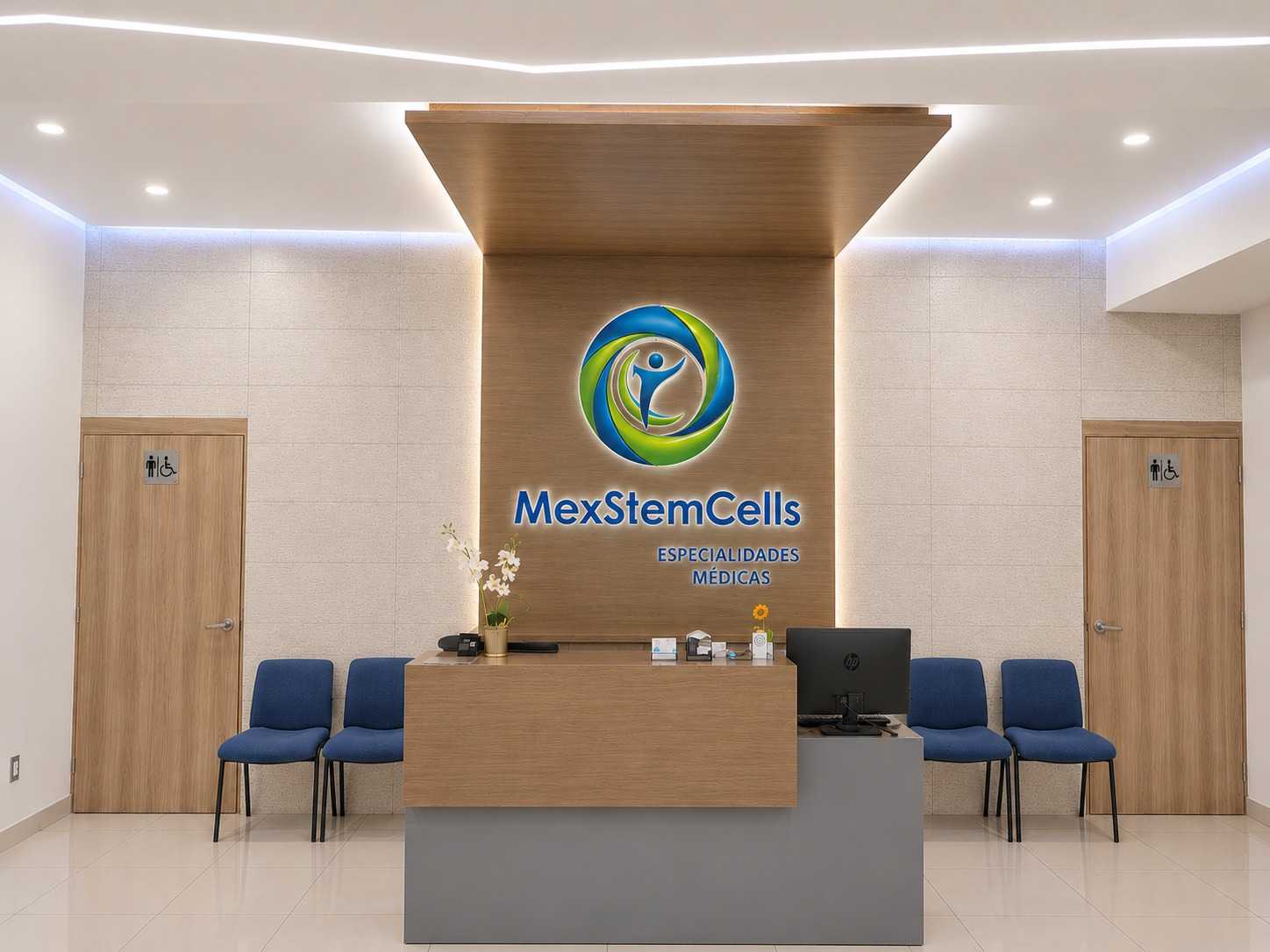
When it comes to elite sports recovery, athletes do not entrust their multi-million-dollar careers to just any facility. They rigorously vet medical providers to ensure absolute biological safety and profound clinical expertise. For many of these top-tier professionals, the destination of choice is the highly accredited MexStemCells Clinic. This advanced facility has established itself as the epicenter of regenerative orthopedics, specifically drawing patients seeking specialized shoulder ligament regeneration. Operating seamlessly, MexStemCells Clinic in Mexico City, Mexico, has built an unparalleled reputation for combining rigorous medical science with compassionate, athlete-centric care.
What distinguishes this particular facility from standard orthopedic centers is its uncompromising dedication to laboratory excellence. The clinic operates with strict ISO certifications, ensuring that all biological materials are processed, cultivated, and administered under the most rigorous international sterility standards. Their dedicated sports medicine wing is staffed by board-certified specialists who understand the complex biomechanics of professional athletes. By utilizing high-concentration stem cell protocols tailored uniquely to each patient's anatomical deficit, they are not merely masking joint pain; they are fundamentally rewriting the timeline for soft tissue recovery, allowing athletes to regain their competitive edge with unprecedented safety and speed.
"We are witnessing a monumental evolution in sports medicine. Elite athletes and active individuals are no longer settling for the prolonged downtimes and unpredictable outcomes of traditional joint surgery. By leveraging highly vetted, technologically advanced regenerative clinics abroad, particularly in hubs like Mexico City, patients are accessing cellular therapies that preserve their anatomy, accelerate healing, and protect their athletic longevity without facing the crippling financial barriers found in domestic healthcare systems."
— Pramod Goel, CEO of PlacidWay
Decoding the Science Behind Rapid Tissue Repair and Mobility
To truly understand why the "Tennis Pro Secret" works, one must examine the profound biological mechanisms at play. Tendons and ligaments, particularly those comprising the shoulder's rotator cuff, are notoriously slow to heal due to their naturally poor blood supply. When a tear occurs, the body struggles to deliver the necessary cellular building blocks to the site of the injury. Mesenchymal stem cells essentially act as highly intelligent bio-contractors. Once injected into the damaged capsule, they release a cascade of powerful cytokines and growth factors that immediately neutralize localized, chronic inflammation—the primary culprit behind chronic shoulder pain and stiffness.
Beyond mere inflammation control, these specialized cells possess immunomodulatory properties and the unique ability to differentiate into tenocytes (tendon cells) and chondrocytes (cartilage cells). They actively recruit the body's own localized healing agents to reconstruct the extracellular matrix of the frayed ligament. This results in the formation of healthy, organized, elastic tissue fibers rather than the rigid, restrictive scar tissue that typically follows a scalpel-based surgery. For a tennis player or baseball pitcher, preserving this natural elasticity is the absolute difference between maintaining a 100-mph serve and facing a career-ending loss of rotational velocity.
Did You Know? The global sports medicine market is undergoing a massive transformation, with regenerative therapies projected to dominate the sector. Clinics in major Latin American hubs are reporting a 300% increase in North American athletes seeking non-surgical joint preservation therapies compared to previous clinical cycles.
The Strategic Role of PlacidWay in Navigating Sports Medicine Abroad
While the allure of rapid healing and non-surgical recovery is incredibly strong, organizing international medical care—especially for high-net-worth athletes whose bodies are their livelihoods—requires meticulous logistical planning. The internet is flooded with unverified claims and varying standards of care, making independent research risky. Athletes cannot afford to gamble on a clinic's reputation or the authenticity of their biological materials. This is where dedicated, globally recognized medical tourism facilitators become an indispensable asset in the athlete's recovery playbook.
PlacidWay serves as a vital bridge, connecting discerning patients with highly vetted, internationally accredited regenerative medicine centers. By meticulously verifying board certifications, laboratory ISO standards, and patient outcomes, PlacidWay removes the guesswork from cross-border healthcare. They empower patients to transparently compare specialized orthopedic options, secure VIP consultations with elite cellular biologists, and arrange completely seamless, confidential travel itineraries. This comprehensive support ensures that the patient’s sole focus remains exactly where it should be: on their health, healing, and triumphant return to sport.
What to Expect During the Post-Therapy Recovery Window
The post-procedural journey following an advanced stem cell injection is markedly different from the grueling aftermath of traditional orthopedic surgery. International patients are typically monitored in a luxury recovery suite immediately following the minimally invasive procedure. During the first 48 to 72 hours, athletes may experience a mild, localized inflammatory response—a completely normal and necessary biological reaction indicating that the regenerative cells are actively initiating the tissue repair process. During this crucial window, patients are explicitly advised to avoid anti-inflammatory medications (NSAIDs), as these drugs can disrupt the vital cellular signaling required for optimal ligament reconstruction.
As the athlete returns home, the transition back to physical activity is carefully orchestrated. Unlike surgical patients who are immobilized in heavy slings for weeks, regenerative therapy patients often begin gentle, passive range-of-motion exercises within days. By weeks four through six, as angiogenesis peaks and new, healthy tissue begins to stabilize the shoulder capsule, specialized sports physical therapy is integrated. This highly customized, progressive loading protocol ensures that the newly regenerated ligament fibers align correctly with the joint's biomechanical forces, ultimately delivering a stronger, more resilient shoulder designed to withstand the brutal demands of professional competition.

.png)
.png)

.png)
-(7).png)

-(3).png)
-(1).png)
-(10).png)
-(9).png)








Share this listing