


UK Diabetics Turn to Slovakian Stem Cell Breakthroughs
a
British patients are abandoning traditional treatments for a revolutionary Stem Cell Therapy for Diabetes in Slovakia. Seeking long-term relief over daily management, medical tourists are embracing advanced European protocols, driving a massive surge in cross-border regenerative healthcare.
The Global Shift from Daily Management to Cellular Regeneration
Traditional diabetes care has long relied on strict glycemic management, demanding relentless monitoring, constant synthetic insulin injections, and highly restrictive dietary adjustments. While these conventional methods successfully mitigate acute metabolic risks and keep patients stable, they fundamentally fail to address the underlying disease mechanism: the progressive cellular degradation of the pancreas. Consequently, an increasing number of proactive patients are growing frustrated with a lifetime of symptom suppression and are actively exploring the rapidly advancing field of regenerative medicine to combat this chronic condition at its biological source.
The widespread clinical emergence of mesenchymal stem cell applications has fundamentally disrupted this lifelong dependency cycle. By leveraging the body's intrinsic regenerative capabilities, these highly advanced treatments aim to physically repair damaged pancreatic beta cells and stimulate the restoration of natural insulin production. This profound paradigm shift—moving away from merely balancing daily blood sugar toward actively promoting long-term cellular repair—is driving unprecedented international demand for specialized medical tourism. Patients are no longer satisfied with simply surviving their diagnosis; they are seeking definitive protocols that offer a realistic pathway toward metabolic independence.
Did You Know? The global regenerative medicine market is experiencing exponential growth, with stem cell therapies for metabolic disorders leading the charge. Recent clinical data indicates that up to 65% of international patients seeking these advanced therapies travel across borders specifically to access regulatory-approved protocols unavailable in their home countries.
Why UK Medical Tourists Choose Stem Cell Treatment in Slovakia
The National Health Service (NHS) provides foundational diabetes care that serves millions, yet British patients frequently encounter overwhelming bureaucratic delays when inquiring about innovative, next-generation therapies. Experimental or highly advanced regenerative protocols remain largely inaccessible within the standard public health framework, often trapped in prolonged clinical trial phases or deemed non-essential under current budget constraints. Frustrated by agonizing waiting lists and a severe lack of advanced therapeutic options at home, a massive demographic of forward-thinking UK citizens is decisively looking toward Central Europe for immediate, scientifically backed solutions.
Slovakia has rapidly and strategically positioned itself as the premier global destination for these discerning international patients. Boasting world-class biomedical infrastructure, state-of-the-art laboratory facilities, and highly specialized endocrinology experts, the nation offers an ideal blend of geographic accessibility and cutting-edge medical science. A brief, inexpensive flight from London or Manchester transports British patients to elite European medical hubs where regenerative medicine is not just a theoretical concept discussed in medical journals, but a highly refined, heavily regulated, and routinely executed clinical reality.
Inside the Protocol: Innovative Slovakian Clinic Approaches
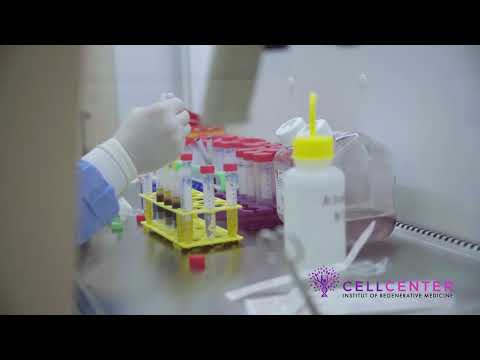
The cornerstone of this massive medical migration is the highly personalized, aggressively targeted nature of the clinical protocols administered abroad. Leading European facilities, most notably the CellCenter in Slovakia, have developed exceptionally comprehensive stem cell therapies specifically tailored to combat complex metabolic disorders. These elite clinics employ rigorous, uncompromising patient screening procedures, ensuring that only the most viable candidates proceed with the targeted intravenous infusion of ethically sourced, laboratory-expanded mesenchymal stem cells. This meticulous attention to pre-operative diagnostics drastically increases the probability of successful cellular engraftment.
Unlike the generalized, one-size-fits-all treatments often found in domestic healthcare settings, these specialized Slovakian protocols incorporate a deeply multidisciplinary approach to metabolic healing. The foundational stem cell administration is frequently paired with adjunct therapies such as intravenous laser blood irradiation, specialized hyperbaric oxygen therapy, and precise nutritional reprogramming. This holistic, heavily monitored protocol is intricately designed to drastically reduce systemic inflammation across the body, thereby optimizing the pancreatic microenvironment to ensure the newly introduced stem cells can flourish and execute their regenerative mandate.
Analyzing the Financials: UK Private Care vs. Slovakian Medical Tourism
While public health systems theoretically offer standard endocrine care at no direct point-of-service cost, attempting to access experimental regenerative medicine through the private sector in the United Kingdom requires a staggering, often prohibitive financial commitment. Domestically, the immense overhead costs associated with pioneering biological therapies, combined with exorbitant private hospital facility fees and premium specialist consultations, completely price out the vast majority of middle-class patients. Health insurance providers universally classify these treatments as experimental, forcing patients to bear the entire financial burden entirely out-of-pocket.
By stark contrast, Central Europe offers a highly competitive economic landscape without sacrificing a single metric of medical efficacy or patient safety. The combination of drastically lower administrative overhead, favorable currency exchange rates, and a streamlined, highly efficient regulatory environment allows elite Slovakian clinics to offer comprehensive regenerative packages at remarkably accessible price points. When medical tourists analyze the side-by-side cost breakdown, the financial logic of traveling abroad becomes absolutely undeniable.
The Biomedical Science: Stem Cells vs. Standard Glycemic Management
To truly understand why a Diabetic stem cell protocol in Bratislava is drawing such massive international attention, one must examine the profound biological differences between traditional disease management and advanced cellular therapy. Standard treatments act merely as a chemical bandage; regenerative protocols, however, offer a complex, multi-tiered approach to deeply rooted metabolic healing.
- Targeted Pancreatic Beta Cell Repair: Unlike synthetic insulin injections that merely process existing glucose, administered stem cells actively migrate toward the pancreas to stimulate the physical repair and regeneration of dormant or damaged insulin-producing beta cells.
- Advanced Immunomodulation: Mesenchymal stem cells possess extraordinary immunomodulatory properties. They actively help halt the aggressive autoimmune responses that are fundamentally responsible for the relentless progression of Type 1 diabetes.
- Eradication of Systemic Inflammation: The therapy drastically and measurably lowers chronic systemic inflammation, which is the primary driver behind severe, debilitating diabetic complications such as peripheral neuropathy, kidney failure, and diabetic retinopathy.
- Microvascular Rejuvenation: By promoting robust angiogenesis, these specialized cells generate entirely new blood vessel networks. This drastically improves vital circulation in peripheral limbs, actively preventing the tissue necrosis commonly associated with sustained high glucose levels.
- Cellular Paracrine Signaling: Transplanted cells secrete highly potent exosomes and natural growth factors, effectively sending biological signals that awaken dormant native cells and instruct them to resume normal, healthy metabolic functions.
- Pathway to Long-Term Independence: The ultimate clinical goal is not merely symptom suppression, but a massive reduction—or in optimal cases, the complete elimination—of daily exogenous insulin requirements, granting patients true metabolic freedom.
"We are witnessing a monumental turning point in global healthcare. Chronic illness sufferers are no longer passively accepting lifelong dependency on symptom-management pharmaceuticals. The massive influx of British and North American patients traveling to Central Europe for regenerative therapies highlights a clear consumer demand for deeply restorative, technologically advanced protocols. Clinics in Slovakia have mastered the intersection of rigorous EU safety standards and pioneering stem cell science, offering genuine hope to diabetics worldwide."
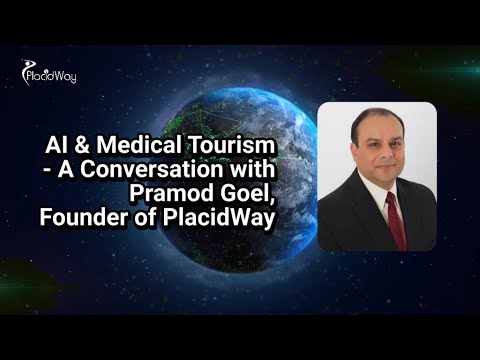
— Pramod Goel, CEO of PlacidWay
Evaluating European Safety Standards and Regulatory Compliance
A primary, highly valid concern for any medical tourist crossing international borders is the inherent safety, sterility, and regulatory oversight of foreign medical facilities. Fortunately, because Slovakia is a fully integrated and heavily monitored member state of the European Union, its healthcare and biotechnology sectors are governed by some of the most stringent, uncompromising biomedical regulations on the planet. The harvesting, laboratory expansion, and clinical application of human stem cells are continuously and strictly audited by the European Medicines Agency (EMA) and the local Ministry of Health.
This incredibly rigorous oversight guarantees that international patients receive biological care that consistently meets—and frequently exceeds—the safety protocols enforced in the United Kingdom or North America. Fully accredited Slovakian clinics universally utilize state-of-the-art, ISO-certified cleanrooms for all cellular cultivation, ensuring absolute sterility, maximum cell viability, and zero risk of cross-contamination. By fiercely adhering to these uncompromising European directives, top-tier Slovakian medical centers completely eliminate the severe risks associated with unregulated, black-market stem cell tourism found in less developed regions.
Did You Know? Stem cells utilized in premier EU clinics undergo over two weeks of intensive laboratory expansion and multi-tiered genetic screening before patient administration. This highly advanced culturing process ensures that patients receive tens of millions of pure, highly active regenerative cells, maximizing the therapeutic impact on the endocrine system.
The Strategic Role of PlacidWay in Your Regenerative Journey
Navigating the vast, highly complex landscape of international regenerative medicine can be incredibly daunting, particularly for patients already exhausted by the daily physical burdens of a chronic metabolic illness. The internet is heavily saturated with unverified medical claims, hyper-targeted advertisements, and confusing biotechnology jargon, making it exceedingly difficult for the average consumer to differentiate between legitimate, globally accredited biomedical facilities and opportunistic enterprises. This profound information asymmetry is precisely where a dedicated, globally recognized medical tourism facilitator becomes an absolutely indispensable ally in your healthcare journey.
Operating as an unbiased, highly trusted digital connector, PlacidWay meticulously eliminates the guesswork by strictly vetting international clinics, verifying their governmental accreditations, and ensuring their stem cell protocols align flawlessly with both ethical guidelines and clinical science. By utilizing this comprehensive platform, diabetic patients can effortlessly review detailed provider portfolios, analyze highly transparent pricing structures, and schedule direct virtual consultations with leading European endocrinologists. This heavily curated, patient-first approach ensures a completely seamless, deeply secure transition from the initial online inquiry all the way through to final therapeutic discharge.
What to Expect: Travel, Treatment, and Recovery in Bratislava
Embarking on a cross-border medical journey to Central Europe has been engineered into an incredibly streamlined, stress-free experience designed specifically to optimize international patient comfort. Upon landing in the pristine, easily navigable capital city of Bratislava, patients are typically greeted directly at the arrival gate by dedicated VIP bilingual concierge teams. These professionals expertly manage all ground logistics, smoothly transporting patients between the international airport, pre-arranged luxury wellness hotels, and the specialized medical center. This all-inclusive, concierge-level support allows patients to focus their vital energy entirely on biological healing rather than the stress of navigating a foreign transit system.
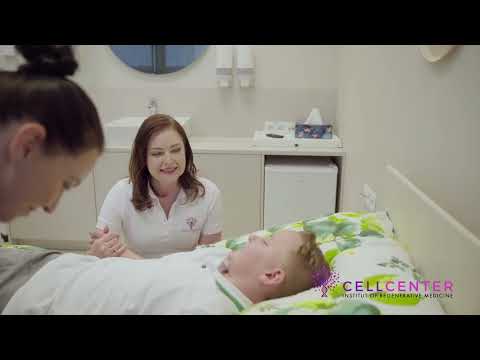
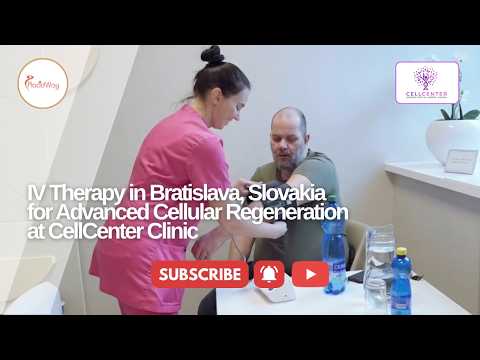
The actual regenerative therapeutic process is remarkably gentle and non-invasive, especially when contrasted with the trauma of traditional surgical interventions. Following a rigorous battery of final pre-operative diagnostic blood tests, the highly potent stem cell infusion is usually administered intravenously while the patient relaxes in a comfortable, hyper-modern outpatient suite. Because this sophisticated procedure requires absolutely no general anesthesia and entails essentially zero physical downtime, patients are actively encouraged to spend their brief recovery period exploring the historic, tranquil architecture of the city. Ultimately, they board their brief return flight to the UK armed not just with medical records, but with a profoundly revitalized, optimistic metabolic outlook.







.png)










Share this listing