


 Surgery for Astigmatism in Thailand Cost.jpg)
Affordable In Vitro Fertilization in Latin America
Choosing to undergo In Vitro Fertilization in Latin America is rapidly becoming one of the most popular and practical decisions for couples and individuals facing infertility. For many aspiring parents, the journey to parenthood is often halted by the astronomical costs of fertility treatments in North America and Europe. However, by exploring highly rated and affordable fertility treatments in Latin America, patients are discovering a beacon of hope. This region offers world-class medical facilities, internationally accredited reproductive endocrinologists, and comprehensive care that adheres to the strictest global healthcare standards, all at a fraction of the cost you would expect to pay at home.
Beyond the significant financial advantages, pursuing an IVF cycle in Latin America provides a uniquely supportive and compassionate environment. Medical tourism for fertility in this region is characterized by personalized attention, bilingual medical staff, and an emphasis on patient comfort. Patients can undergo complex reproductive procedures without the stress of overwhelming medical debt, allowing them to focus entirely on their well-being and the exciting prospect of growing their family. Whether you are dealing with unexplained infertility, age-related factors, or specific medical conditions, specialized IVF clinics in Latin America are equipped with the state-of-the-art technology necessary to help you achieve a successful pregnancy.
Key Takeaways for Your Fertility Journey
- Massive Cost Savings: Patients can save up to sixty or seventy percent on In Vitro Fertilization in Latin America compared to pricing in the United States and Canada, without compromising on the quality of medical care.
- Advanced Medical Technology: Fertility clinics throughout the region utilize the exact same state-of-the-art laboratory equipment and advanced reproductive techniques found in top-tier Western hospitals.
- Highly Qualified Specialists: Many reproductive endocrinologists and embryologists in Latin America have completed their fellowships or continuous training in the United States, Europe, or the United Kingdom.
- No Wait Times: Unlike public healthcare systems in the UK or Canada, international patients can schedule their IVF treatment in Latin America immediately, optimizing their fertility window.
- Comprehensive Support: Clinics cater heavily to international patients, providing dedicated English-speaking patient coordinators who guide you through every single medical step of the IVF process.
Cost Overview and Comparison for In Vitro Fertilization in Latin America
The financial aspect of fertility treatment is often the largest hurdle for prospective parents. When evaluating the cost of In Vitro Fertilization in Latin America, patients are consistently amazed by the affordability. While a single cycle of IVF can cause severe financial strain in North America, clinics in Latin America offer transparent, bundled packages that make the process entirely accessible. Below is a comparative look at the average costs for a standard IVF cycle, illustrating the profound savings you can achieve by traveling abroad.
| Country / Region | Average Estimated Cost (USD) | Estimated Savings |
|---|---|---|
| Latin America | $4,500 - $6,500 | N/A (Baseline) |
| United States | $15,000 - $25,000 | Up to 75% |
| Canada | $10,000 - $16,000 | Up to 60% |
| United Kingdom | $8,000 - $12,000 | Up to 50% |
Note: Prices may vary depending on procedure complexity, specialized laboratory techniques required, and individual patient conditions. Consult with the medical provider for a precise quote.
What’s Included in the In Vitro Fertilization Package
- Comprehensive initial consultations and gynecological evaluations with a board-certified reproductive endocrinologist.
- Continuous transvaginal ultrasound monitoring and necessary blood tests throughout the ovarian stimulation phase.
- The complete egg retrieval surgical procedure, including the operating room fees and mild anesthesia or sedation.
- Advanced laboratory processes including sperm preparation, egg fertilization, and embryo culture within a highly secure incubator environment.
- The delicate embryo transfer procedure performed under ultrasound guidance to ensure optimal placement in the uterus.
- Standard medical consumables and laboratory fees associated with the standard IVF protocol.
What’s Not Included in the In Vitro Fertilization Package
- International airfare, flights, and associated luggage or transport fees to and from your home country.
- Accommodation, hotel stays, or local living expenses for the duration of the treatment cycle.
- Cost of complex, highly customized fertility stimulation medications, which vary drastically per patient.
- Add-on specialized laboratory procedures such as Preimplantation Genetic Testing (PGT) or ICSI unless specifically quoted.
- Independent travel insurance or specialized medical complication insurance policies.
- Personal expenses, meals outside the medical facility, and passport or visa processing fees.
Understanding In Vitro Fertilization in Latin America
- The Primary Purpose: The main goal of In Vitro Fertilization is to assist individuals or couples who are struggling to conceive naturally. It bypasses many physiological barriers by fertilizing the egg outside the human body, directly addressing issues like blocked tubes or low sperm counts.
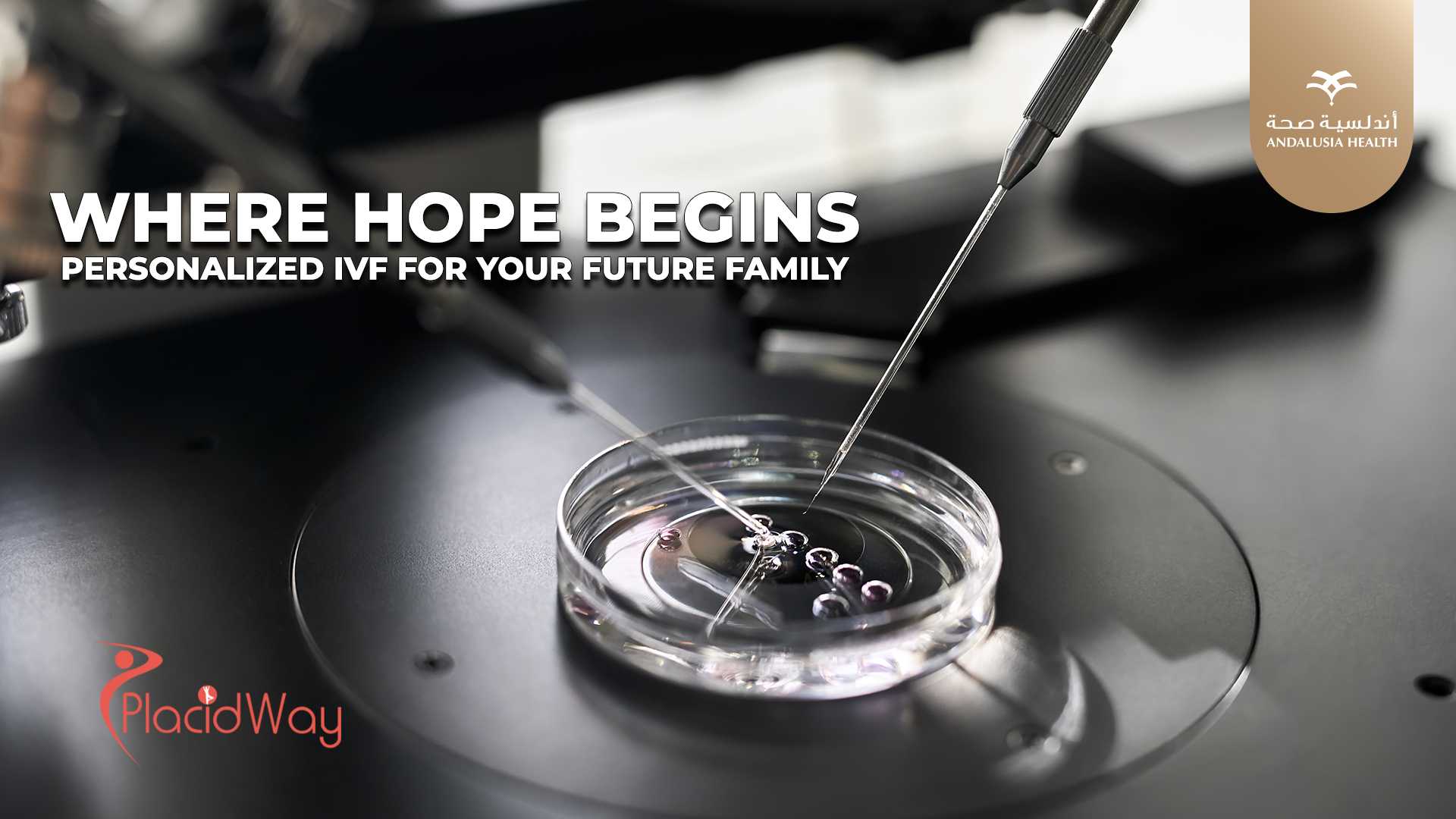
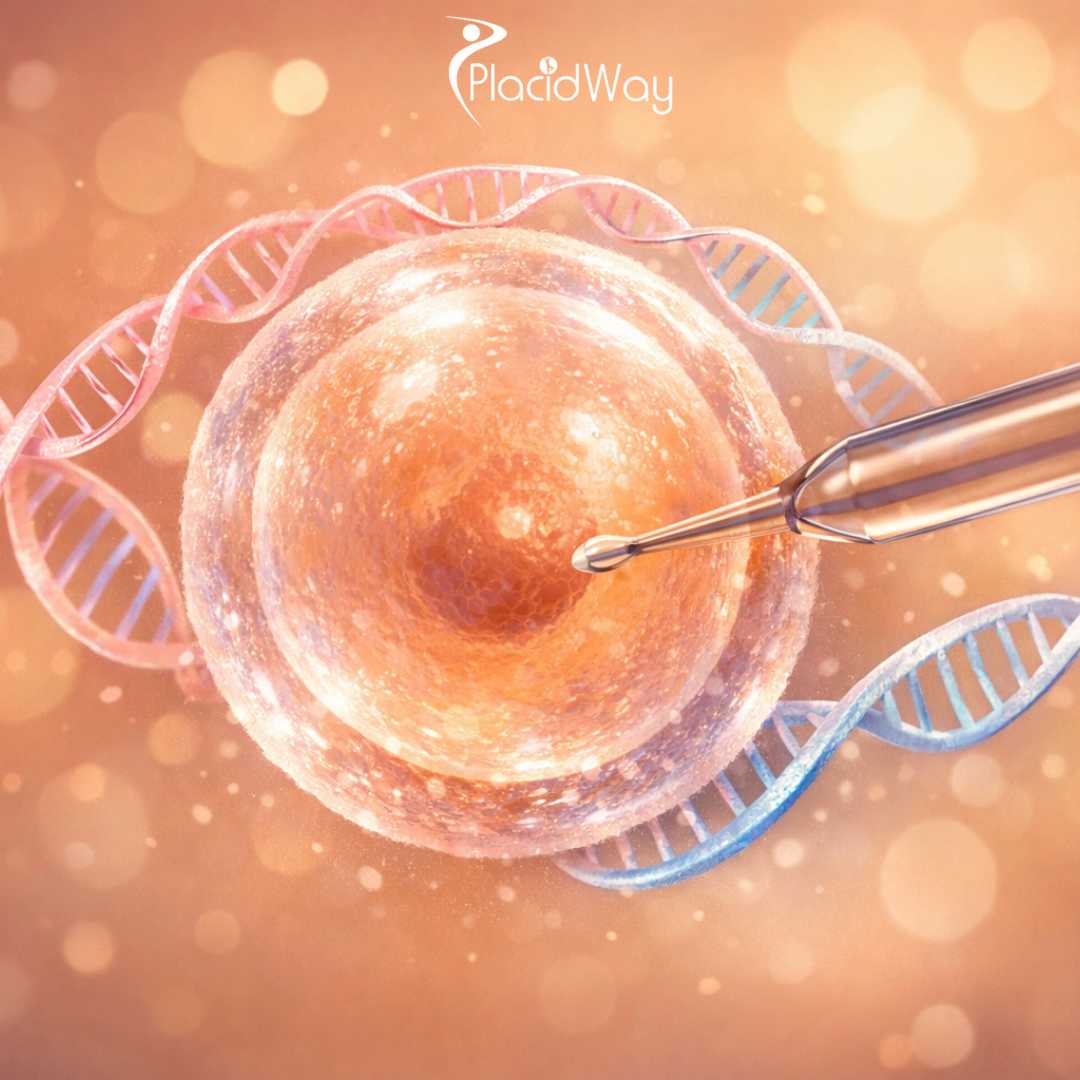
- Types of Treatment Available: Clinics offer standard IVF, where sperm and eggs are combined in a petri dish, as well as ICSI (Intracytoplasmic Sperm Injection), where a single sperm is injected directly into the egg, highly beneficial for male-factor infertility.
- How the Process Works: The cycle begins with hormonal injections to stimulate the ovaries to produce multiple mature eggs. Once ready, they are retrieved via a minor surgical procedure, fertilized in the laboratory, monitored for several days, and the healthiest embryo is transferred into the uterus.
- Unmatched Medical Benefits: This procedure boasts the highest success rate of any assisted reproductive technology. It allows for genetic screening of embryos to prevent hereditary diseases and gives patients a structured, highly monitored path to pregnancy.
- Physical Recovery Time: The physical procedures are minimally invasive. Recovery from the egg retrieval usually takes just one to two days of mild rest. After the embryo transfer, patients are advised to take it easy for a few days, but strict bed rest is rarely required.
- Expected Success Rates: Success rates for In Vitro Fertilization in Latin America rival those of leading global centers, often ranging between forty to sixty percent per cycle for women under thirty-five, depending heavily on the patient's individual health markers.
Who Is the Ideal Candidate for Fertility Treatment?
- Women diagnosed with blocked or damaged fallopian tubes, making natural conception virtually impossible.
- Couples facing severe male factor infertility, including low sperm concentration, poor motility, or abnormal sperm morphology.
- Individuals suffering from advanced endometriosis or Polycystic Ovary Syndrome (PCOS) who have not had success with simpler fertility medications.
- Patients who have experienced multiple failed cycles of Intrauterine Insemination (IUI) and need a more advanced intervention.
- Couples who carry known genetic disorders and wish to utilize IVF combined with Preimplantation Genetic Testing (PGT) for a healthy baby.
- Women looking to preserve their fertility through egg freezing, or those requiring donor eggs or donor sperm to achieve a successful pregnancy.
Day-by-Day Itinerary for Your Procedure in Latin America
- Day 1-2: Initial Consultation & Baseline Ultrasound. You will meet your fertility specialist, review your medical history, undergo an ultrasound, and receive your personalized ovarian stimulation medication protocol.
- Day 3-10: Ovarian Stimulation & Monitoring. You will self-administer daily hormone injections. Every two to three days, you will visit the clinic for blood tests and ultrasounds to monitor follicular growth and adjust medication dosages if needed.
- Day 11-12: The Trigger Shot & Egg Retrieval. Once follicles reach the optimal size, a trigger shot is administered to mature the eggs. Exactly 36 hours later, you will undergo the egg retrieval procedure under light sedation. Sperm collection from the male partner occurs simultaneously.
- Day 13-16: Embryo Development in the Lab. Over the next three to five days, the embryologist will fertilize the eggs and monitor cell division. You will receive daily updates on how your embryos are developing.
- Day 17: Embryo Transfer. The highest-grade embryo is carefully placed into your uterus using a thin catheter. This is a quick, painless procedure requiring no anesthesia.
- Day 18 Onward: Rest and Return Home. You will be given specific post-transfer instructions and hormonal support medications. After a short rest period, you will be cleared by your doctor to travel back to your home country for the final two-week wait before a pregnancy test.
What to Expect from Your In Vitro Fertilization in Latin America
Embarking on a journey for In Vitro Fertilization in Latin America is an experience characterized by deep medical professionalism combined with a warm, empathetic approach to patient care. Upon arriving at your chosen clinic, you can expect an environment that prioritizes your emotional and physical comfort. Fertility treatments are inherently stressful, but the dedicated international patient teams in these clinics go above and beyond to ensure you feel supported. From clear explanations of your hormonal protocol to hand-holding during minor procedures, the level of bedside manner is frequently cited by international patients as superior to what they experience in their home countries.
Physiologically, you should expect some mild discomfort, similar to premenstrual symptoms, during the ovarian stimulation phase. This includes mild bloating and mood fluctuations due to the hormone medications. The egg retrieval is brief, and any subsequent cramping is usually easily managed with over-the-counter pain relief. The final step, the embryo transfer, is a beautiful and quiet moment, often accompanied by a sense of deep hopefulness. Following the transfer, you will enter the two-week wait—a period that requires patience and a positive mindset as you wait to take your official blood pregnancy test.
Post-Treatment Recovery in Latin America
- Maintain a relaxed schedule for the first forty-eight hours after your embryo transfer to promote optimal conditions for implantation.
- Avoid strenuous physical activities, heavy lifting, or high-impact cardiovascular exercises until your doctor officially clears you, usually after your pregnancy test.
- Strictly adhere to your prescribed post-transfer medication regimen, particularly progesterone supplements, which are vital for supporting early pregnancy.
- Refrain from submerging yourself in hot baths, saunas, or hot tubs, as elevated body temperatures can negatively impact early embryo development.
- Eat a balanced, nutritious diet rich in antioxidants, lean proteins, and whole grains, and stay properly hydrated to help your body recover from the hormone treatments.
- Monitor your body for severe symptoms such as excessive bloating, severe pelvic pain, or rapid weight gain, which could indicate Ovarian Hyperstimulation Syndrome (OHSS), and report them to your clinic immediately.
Why Choose Latin America for Your Fertility Treatment?
- Unbeatable Affordability: The economic structure allows for drastic cost reductions without a drop in medical quality, making multiple cycles financially feasible if needed.
- Internationally Trained Specialists: A large percentage of the reproductive specialists practicing in the region have been educated, trained, or certified in the United States and Europe.
- Rigorous Clinic Accreditations: Top-tier fertility centers maintain strict accreditations from international healthcare bodies, ensuring safety, hygiene, and ethical medical practices.
- Seamless Communication: Clinics catering to medical tourists staff fully bilingual medical and administrative teams, ensuring nothing is lost in translation during critical medical discussions.
- Discretion and Privacy: Traveling abroad allows couples to undergo intimate medical procedures privately, away from the inquiries of friends, family, and colleagues.
Explore Latin America While You Recover: Top Attractions for Patients
- Serene Coastal Retreats: Many countries in the region boast beautiful, quiet beaches where you can relax to the sound of the ocean, which is perfect for reducing stress during your treatment cycle.
- Rich Historical Centers: Take gentle, leisurely walks through beautifully preserved colonial towns and vibrant city squares filled with art, history, and stunning architecture.
- World-Class Culinary Experiences: Enjoy dining at some of the world's most celebrated restaurants, taking advantage of fresh, locally sourced ingredients that are both delicious and nutritious.
- Relaxing Botanical Gardens: Spend peaceful afternoons wandering through lush, expansive gardens and parks, providing a gentle way to stay mobile without overexerting yourself.
- Cultural Museums and Galleries: Explore indoor, air-conditioned museums that offer incredible insights into local indigenous history and contemporary art, ideal for a slow-paced afternoon post-treatment.
FAQs About In Vitro Fertilization in Latin America
1. Is In Vitro Fertilization in Latin America safe?
Yes, undergoing this procedure in reputable, accredited clinics in the region is highly safe. The top medical centers strictly adhere to international health regulations, utilize the same advanced laboratory technologies found in the US and Europe, and employ highly experienced fertility specialists.
2. How much does the treatment generally cost?
On average, you can expect to pay between $4,500 and $6,500 for a standard cycle. This drastically reduces the financial burden compared to North American prices, allowing couples to focus on success rather than debt.
3. What are the success rates like compared to the United States?
The success rates are very comparable, often ranging between 40% to 60% for women under the age of 35. Premium clinics in the region frequently update their lab equipment and protocols to ensure they match global benchmarks.
4. How long will I need to stay in the destination country?
Most patients need to plan for a stay of roughly 15 to 20 days. This timeline covers the initial consultation, the ovarian stimulation phase, the egg retrieval, embryo development in the lab, and the final embryo transfer.
5. Will the medical staff be able to speak English?
Absolutely. Clinics that cater to international medical tourists prioritize seamless communication. You will find that your primary physicians, embryologists, and dedicated patient coordinators speak fluent English.
6. Are there specific age limits for fertility treatments abroad?
While it varies by specific clinic and country laws, many doctors evaluate patients on a case-by-case basis based on ovarian reserve rather than a strict age cutoff. However, treatment using one's own eggs typically becomes difficult past the age of 43 to 45.
7. Is gender selection available during the process?
In many Latin American countries, family balancing or gender selection through Preimplantation Genetic Testing (PGT) is legally permissible and available as an add-on to your standard treatment package.
8. What happens to any extra embryos that are created?
If your cycle yields multiple high-quality embryos, the remaining ones can be safely cryopreserved (frozen) at the clinic's laboratory. These can be used for future sibling cycles or in the event the first transfer is unsuccessful.
9. Can I purchase my stimulation medications at home before traveling?
Yes, many patients choose to begin their hormonal stimulation at home and travel to the clinic just before the egg retrieval. Your foreign doctor can provide the necessary prescriptions, though buying meds in Latin America is often significantly cheaper.
10. How soon can I fly home after the embryo transfer?
Most reproductive endocrinologists recommend waiting 24 to 48 hours after the embryo transfer before taking an international flight. Flying does not negatively impact implantation, but the rest period helps reduce stress.
Ready to Start Your Family? Let PlacidWay Guide You
Navigating international medical care can seem daunting, but PlacidWay Medical Tourism is here to ensure your journey to parenthood is smooth, transparent, and completely stress-free. Here is how we help you secure the best medical care:
- Expert Clinic Matching: We connect you exclusively with accredited, top-tier fertility clinics and board-certified specialists tailored to your specific reproductive needs.
- Transparent Price Quotes: Receive accurate, comprehensive cost estimates for your medical procedures with no hidden medical fees.
- Direct Doctor Consultations: We facilitate initial video consultations between you and your prospective reproductive endocrinologist before you commit to the treatment.
- Dedicated Medical Coordination: Our experienced patient coordinators assist with gathering medical records and scheduling all your clinic appointments seamlessly.
- Continuous Support: From your first inquiry to your post-treatment follow-up, our team provides ongoing advocacy and support dedicated entirely to your medical success.








.png)














Share this listing