
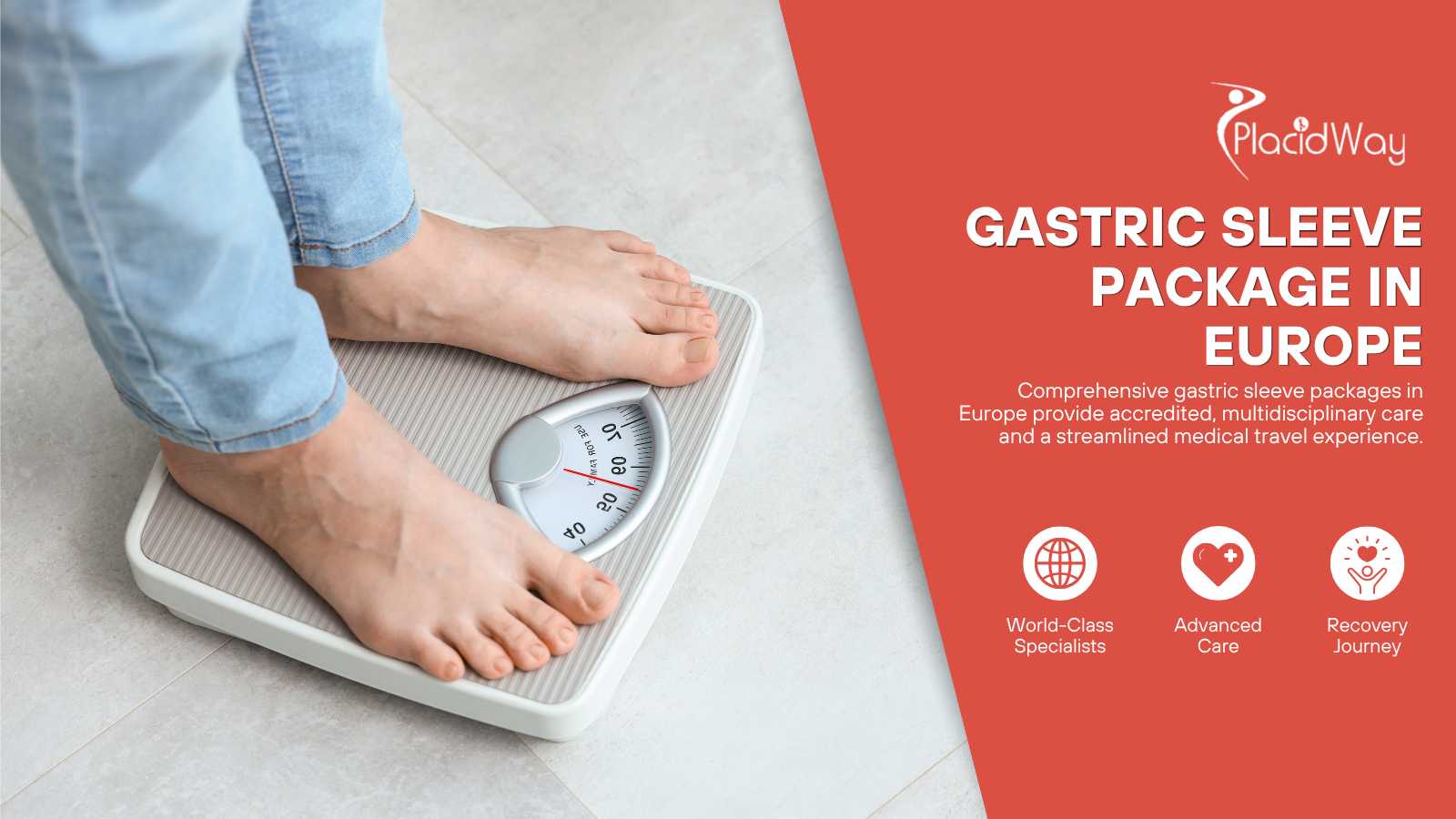
Ditching the frustrating cycle of yo-yo diets and taking decisive control of your metabolic health just got a passport of its own. This comprehensive gastric sleeve surgery package in Europe connects qualified international candidates with rigorously accredited bariatric centers, offering a streamlined, multidisciplinary approach to weight loss starting at an estimated $4,500. Expected medical travel duration is typically 7 to 10 days, allowing for safe monitoring and initial recovery before your return flight home. Please note that your final eligibility, personalized itinerary, and exact pricing will be determined exclusively after a thorough medical assessment by a board-certified bariatric surgeon to ensure this intervention is safe and appropriate for your health profile.
Essential Program Insights
✓ Estimated Investment: Starting at $4,500 (final cost is pending an individualized medical assessment).
✓ Facility Standards: Surgeries are performed in Joint Commission International (JCI) or equally accredited European medical facilities.
✓ Patient Qualifications: Typically suitable for individuals with a BMI of 35 or higher, or a BMI of 30+ coupled with obesity-related conditions like type 2 diabetes or hypertension.
✓ What to Expect: A laparoscopic procedure removing approximately 75-80% of the stomach to restrict food volume and significantly reduce hunger-inducing hormones (ghrelin).
✓ Pre-Travel Requirements: Mandatory remote medical clearance, a strict 2-week pre-operative liver-shrinking diet, and a valid passport for travel.
How Much Does a Gastric Sleeve Cost in Europe Versus Globally?
Understanding the financial commitment of bariatric surgery is a crucial step in your healthcare planning. Many patients travel to European medical hubs to access high-quality healthcare systems without the prohibitive out-of-pocket expenses often found in their home countries. Below is a general comparison of how European pricing aligns with other common medical markets.
| Region | Estimated Starting Cost (USD) | Healthcare Context |
|---|---|---|
| Europe (Medical Tourism Hubs) | $4,500 | Highly subsidized medical systems and favorable exchange rates. |
| United States | $15,000 - $25,000 | High overhead costs; heavily reliant on insurance approval. |
| United Kingdom | $12,000 - $15,000 | Private sector costs due to long NHS waiting lists. |
| Canada | $16,000 - $19,000 | Private clinical fees outside of the provincial healthcare scope. |
Detailed Estimated Cost Breakdown
Please note: The following table represents an estimated financial breakdown based on standard, uncomplicated procedures. Final pricing will be confirmed exclusively after your medical assessment.
| Procedure / Service Item | Estimated Cost (USD) | Description & Context |
|---|---|---|
| Surgeon & Operating Facility Fees | $2,700 | Compensates the primary bariatric surgeon, surgical assistants, and use of the specialized operating theater. |
| Anesthesia Services | $600 | Administered and monitored continuously by a board-certified anesthesiologist. |
| Pre-Operative Testing | $400 | Comprehensive blood work, EKG, internal medicine evaluation, and nutritional consult upon arrival. |
| In-Patient Hospital Stay | $600 | Covers 2-3 nights in a private or semi-private recovery room with round-the-clock nursing care. |
| Initial Post-Op Medications | $200 | Pain management medication, anti-nausea drugs, and antibiotics provided during discharge. |
| Total Estimated Starting Price | $4,500 | Subject to final verification following comprehensive physician review. |
Comprehensive Services Included in Your Care Plan
To ensure a smooth, stress-free experience from arrival to departure, your structured care plan is designed to be highly inclusive. The following services are generally bundled into the foundational package price:
- Initial remote video or phone consultation with a bariatric specialist.
- All standard pre-operative laboratory tests and internal medicine clearances conducted at the destination facility.
- The Laparoscopic Sleeve Gastrectomy surgical procedure, including the surgeon’s fee, anesthesiologist, and operating room charges.
- 2 to 3 nights of hospitalization in a dedicated bariatric recovery unit.
- Standard post-operative medications provided upon discharge (pain relief, stomach protectors).
- VIP airport-to-hospital-to-hotel ground transfers in comfortable, air-conditioned vehicles.
- A dedicated, multilingual patient coordinator to guide you through appointments and translations.
- Post-operative dietary guidelines and a nutritional roadmap for the first three months.
What Falls Outside Your Initial Treatment Package
Transparency is key when traveling for medical care. While the core medical necessities are covered, patients must budget independently for the following exclusions:
- International airfare and related travel visas to and from Europe.
- Hotel accommodations for the days leading up to surgery and the required recovery days after hospital discharge.
- Specialized cardiovascular or pulmonary testing (if a pre-existing condition requires deeper investigation beyond standard pre-op bloodwork).
- Travel insurance and dedicated medical complication insurance (highly recommended).
- Long-term bariatric multivitamins, protein supplements, and extended follow-up nutritional coaching in your home country.
- Meals, excursions, and daily expenses for travel companions.
Are You a Suitable Candidate for a Sleeve Gastrectomy?
Bariatric surgery is a powerful tool, but it is not suitable for everyone. Eligibility is determined strictly through clinical guidelines rather than personal desire. You may be evaluated as a strong candidate if you meet the following criteria:
- BMI Thresholds: You have a Body Mass Index (BMI) of 40 or higher, or a BMI of 35 or higher accompanied by severe weight-related health issues (such as type 2 diabetes, high blood pressure, or severe sleep apnea).
- Prior Attempts: You have a documented history of attempting to lose weight through medically supervised diet and exercise programs without long-term success.
- Psychological Readiness: You understand that surgery is only a tool, and you are entirely committed to making lifelong changes to your eating habits, portion sizes, and physical activity levels.
- General Health: You are deemed healthy enough by an anesthesiologist to undergo major abdominal surgery and tolerate general anesthesia.
- Absence of Contraindications: You do not suffer from severe, untreated psychiatric illnesses, substance dependency, or extreme gastroesophageal reflux disease (GERD), which may make a gastric bypass a more suitable alternative.
Essential Medical Documents for Your Pre-Surgical Assessment
Because you are coordinating care across international borders, your surgical team requires a comprehensive view of your health history prior to your arrival. You will typically be asked to securely submit the following documents:
- A detailed medical history questionnaire outlining past surgeries, chronic conditions, and family medical history.
- An up-to-date list of all current prescription medications, over-the-counter drugs, and supplements.
- Recent blood test results (usually a Complete Blood Count and comprehensive metabolic panel), taken within the last 30 to 60 days.
- Specialist clearances if you have pre-existing conditions (e.g., a clearance letter from a cardiologist if you have a history of heart disease, or from an endocrinologist for advanced diabetes).
- Previous imaging or endoscopy reports regarding your stomach or esophagus, if available.
Understanding Your Gastric Sleeve Procedure Step-by-Step
The laparoscopic sleeve gastrectomy is a minimally invasive surgical procedure designed to aid in weight loss by restricting the volume of food your stomach can hold. By removing the portion of the stomach that produces hunger hormones, patients often experience a profound decrease in appetite. Here is a clear, step-by-step overview of how the surgery unfolds:
Step 1: Anesthesia and Preparation
You will be placed under general anesthesia, ensuring you are completely asleep and feeling no pain throughout the surgery. The surgical team will clean and prepare your abdomen.
Step 2: Laparoscopic Access
Rather than a large open incision, the surgeon creates 4 to 5 tiny keyhole incisions in the abdomen. Carbon dioxide gas is gently pumped into the abdominal cavity to lift the abdominal wall away from the organs, providing the surgeon with a clear working space.
Step 3: Sizing and Division
A small camera (laparoscope) and specialized surgical tools are inserted through the incisions. A sizing tube, known as a bougie, is passed down the esophagus into the stomach to serve as a guide. Using surgical staplers, the surgeon carefully divides the stomach vertically alongside the sizing tube.
Step 4: Stomach Removal
Approximately 75% to 80% of the stomach—specifically the larger, stretchy outer curve (the fundus) where ghrelin is produced—is permanently removed from the body through one of the incisions.
Step 5: Closure and Recovery
What remains is a narrow, banana-shaped "sleeve" or tube. The staple line is meticulously checked for leaks. The tools are removed, the carbon dioxide is released, and the small incisions are closed with sutures or surgical tape. The entire process typically takes 60 to 90 minutes.
Your Medical Travel and Surgical Itinerary
Knowing exactly what happens and when can significantly reduce travel anxiety. While individual schedules may shift slightly based on your arrival time and clinic protocols, a standard bariatric travel timeline typically follows this structure:
- Pre-Travel (Weeks 1-2): You engage in mandatory remote consultations, organize medical records, and begin a strict pre-op liquid or low-carb diet to shrink your liver, making the surgery safer.
- Day 1: Arrival & Diagnostics. You arrive in Europe, are met by your transfer coordinator, and transported to the clinic for in-person consultations, EKG, chest X-rays, and final bloodwork. You will check into your hospital room or nearby hotel.
- Day 2: Surgery Day. You meet with the anesthesiologist and your surgeon one last time before heading into the operating theater. You will spend this night in the hospital under close nursing supervision.
- Day 3: Leak Test & Mobility. The medical team will perform a swallow test to ensure there are no leaks in your new stomach pouch. Once cleared, you will be encouraged to take short, assisted walks in the hallway to promote circulation and prevent blood clots. You may start sipping clear liquids.
- Day 4: Discharge to Hotel. Provided your vitals are stable and you are tolerating liquids, you will be discharged from the hospital to a local partner hotel to continue your recovery in comfort.
- Days 5-7: Monitored Rest. You will rest at the hotel, focusing on hydration and gentle walking. A nurse or doctor will typically check on you for a final post-op evaluation.
- Day 8+: Medical Clearance & Journey Home. Once the surgeon signs your "fit to fly" certificate, you are cleared to travel back home to continue your long-term weight loss journey.
Planning Your Time Abroad for Bariatric Recovery
Proper healing cannot be rushed, particularly when international air travel is involved. Pressurized cabins and prolonged sitting pose specific risks immediately following abdominal surgery. Keep the following timeline in mind when booking your time off work and flights:
- Total Recommended Stay: 7 to 10 days in the destination country.
- Hospitalization: 2 to 3 nights depending on your immediate post-op response.
- Hotel Recovery: 4 to 6 nights prior to flying.
- Travel Clearance: Final clearance to board a flight is entirely at the discretion of the treating physician. If your recovery is slower than expected, you must be prepared to extend your stay by a few days for your own safety.
Navigating Your Post-Op Healing and Dietary Phases
The surgery is a powerful catalyst, but your commitment to the recovery phases dictates your ultimate success. Healing from a gastric sleeve is a gradual process categorized by distinct nutritional stages to protect the healing staple line in your stomach.
Phase 1: Clear Liquids (Days 1 to 7)
Your sole focus is staying hydrated without stretching the stomach. You will sip small amounts of water, clear broths, sugar-free gelatin, and diluted, non-acidic juices. Gulping is strictly forbidden.
Phase 2: Full Liquids and Protein (Weeks 2 to 3)
As the stomach begins to heal, you will introduce thicker liquids. This includes high-quality protein shakes, thin soups (strained), skim milk, and very thin yogurts. Meeting your daily protein goal becomes essential for healing and maintaining muscle mass.
Phase 3: Pureed Foods (Weeks 4 to 5)
You will transition to foods that have been blended to the consistency of baby food. Scrambled eggs, pureed fish, cottage cheese, and mashed soft vegetables are introduced carefully. You will learn to eat very slowly and recognize the new feeling of fullness.
Phase 4: Soft to Solid Foods (Weeks 6 and Beyond)
You gradually reintroduce solid, healthy foods. Your diet must forever prioritize lean proteins, vegetables, and complex carbohydrates, in that order. You will require daily specialized bariatric multivitamins for the rest of your life to prevent nutritional deficiencies.
Important Safety Considerations and Potential Risks
All major surgeries, regardless of where they are performed or how skilled the surgeon is, carry inherent risks. Transparency regarding these risks is a cornerstone of ethical medical care. While complications are generally low in accredited centers, it is vital to be educated about potential adverse events. Please note this list is not exhaustive, and your physician will discuss your individual risk profile during consultation.
- Staple Line Leaks: A rare but serious complication where stomach fluid leaks through the newly stapled stomach wall into the abdominal cavity, requiring immediate medical intervention or revision surgery.
- Bleeding and Infection: Internal bleeding or infections at the incision sites or inside the abdomen.
- Deep Vein Thrombosis (DVT): Blood clots forming in the legs, which is a risk heightened by both surgery and prolonged air travel. This is why early walking and blood thinners are utilized.
- Strictures: A narrowing of the newly formed stomach tube over time, which may cause difficulty swallowing or chronic vomiting, requiring an endoscopic dilation.
- Nutritional Deficiencies: Long-term risks of anemia, osteoporosis, or vitamin imbalances if dietary guidelines and supplement regimes are strictly ignored.
- Gastroesophageal Reflux Disease (GERD): Some patients develop new or worsened heartburn and acid reflux following a sleeve procedure.
Realistic Weight Loss Goals and Metabolic Health Outcomes
It is vital to set realistic expectations. A gastric sleeve is not a miraculous cure, but rather a robust anatomical tool that requires your active participation. Individual results vary dramatically based on adherence to diet, exercise habits, and unique genetic factors.
- Expected Weight Loss: Patients typically experience a loss of 50% to 70% of their excess body weight (not total body weight) over a period of 12 to 18 months following the procedure.
- Metabolic Improvements: Many patients often see significant improvements or even remission in obesity-related comorbidities. Blood sugar levels for type 2 diabetics frequently stabilize, and dependence on blood pressure medications may be reduced.
- Physical Changes: As substantial weight is lost, patients may experience loose or sagging skin around the abdomen, arms, and thighs, which may later require cosmetic body contouring surgery.
- Long-Term Maintenance: Weight regain is possible in the years following surgery if the stomach is slowly stretched through overeating or if high-calorie liquids and poor lifestyle habits are adopted.
Frequently Asked Questions About Traveling to Europe for Weight Loss Surgery
1. Will language barriers affect my medical care?
Top international clinics cater specifically to English-speaking patients. Surgeons, nursing staff, and anesthesiologists generally speak fluent English. Furthermore, medical packages typically include a dedicated, bilingual patient coordinator who accompanies you to all consultations to ensure zero miscommunication.
2. Is it safe to fly so soon after major abdominal surgery?
Flying too soon increases the risk of deep vein thrombosis (blood clots). This is precisely why clinics mandate a 7 to 10-day stay. By resting locally and engaging in light walking, you mitigate these risks. Surgeons will not issue a "fit to fly" certificate until they are medically satisfied that it is safe for you to board an airplane.
3. Can my gastric sleeve stretch out over time?
Yes, the stomach is an incredibly resilient and elastic organ. While the removed portion cannot grow back, the remaining "sleeve" can stretch over the years if you consistently overeat, eat past the point of fullness, or drink carbonated beverages heavily. Sustained lifestyle changes are imperative.
4. Will I lose my hair after the procedure?
Many patients experience temporary hair thinning between 3 to 6 months post-surgery. This is a common physical reaction to rapid weight loss, physical stress, and initial drops in protein or nutrient intake. It is typically temporary, and hair usually regrows as weight stabilizes and nutrition improves.
5. Are the surgical staples removed later?
No. The staples used to seal the new stomach pouch are made of biocompatible titanium and remain in your body permanently. They do not trigger metal detectors at airports and are completely safe for future MRI scans.
6. Can I ever drink alcohol or coffee again?
Caffeine is usually restricted for the first 30 to 60 days as it can irritate the healing stomach lining and cause dehydration. Alcohol should be entirely avoided for at least the first 6 months. Post-surgery, alcohol is absorbed incredibly quickly, making intoxication rapid and potentially dangerous. Long term, both must be consumed in strict moderation.
7. What happens if I experience a complication once I return home?
This is a vital consideration. Before traveling, you should inform your primary care physician of your plans. In the event of a post-operative emergency back home, you would need to visit your local emergency room. Some patients opt to purchase specialized medical tourism complication insurance to help offset potential out-of-pocket costs for domestic emergency care.
8. Why is the pre-operative liver-shrinking diet necessary?
A large, fatty liver obscures the surgical view of the stomach, making laparoscopic surgery dangerous or even impossible. A strict two-week low-calorie, low-carbohydrate diet drastically reduces the size of the liver, providing the surgeon with safe, clear access to perform the gastrectomy.
9. Can I bring a companion with me to Europe?
Absolutely. Medical travel facilitators encourage bringing a family member or friend for emotional support. While their flight and daily meals are their own expense, they can typically stay in the same hotel room, and many clinics allow them visiting hours during your brief hospital stay.
Ready to Take the Next Step Toward Your Health Goals?
Navigating bariatric surgery options abroad requires careful planning and the right medical guidance. If you are ready to explore your eligibility, request a personalized review of your medical profile, and receive a firm, transparent cost estimate, our facilitation team is here to assist you without any pressure or obligation.
Request Your Free Quote and Medical AssessmentMedical Disclaimer: The information provided on this page is for general educational and informational purposes only and is not a substitute for professional medical advice, diagnosis, or treatment. Always seek the direct guidance of a qualified healthcare provider or board-certified physician with any questions you may have regarding a medical condition, weight loss surgery eligibility, or surgical risks before making any healthcare decisions.
Authoritative References and Further Reading
- American Society for Metabolic and Bariatric Surgery (ASMBS): Bariatric Surgery Procedures Overview
- National Institute of Diabetes and Digestive and Kidney Diseases (NIDDK): Types of Bariatric Surgery
- Mayo Clinic: Sleeve Gastrectomy Risks, Preparation, and Results
- National Center for Biotechnology Information (NCBI): Long-Term Outcomes of Laparoscopic Sleeve Gastrectomy
- Centers for Disease Control and Prevention (CDC): Medical Tourism Safety and Recommendations
```eof


























Share this listing