


Let’s be honest: gravity happens to the absolute best of us, and sometimes, no matter how many green smoothies you drink or miles you log on the treadmill, certain stubborn areas simply refuse to budge. If you have been secretly scrolling through dramatic transformation photos online, analyzing profiles in the mirror, and wondering when it is finally going to be your turn to feel incredible in your own skin, you are certainly not alone. Thousands of smart, health-conscious individuals are looking beyond their local borders for high-quality, transformative cosmetic care without the astronomical, mortgage-sized price tags. Our comprehensive plastic surgery packages in the vibrant, medically advanced country of Colombia offer you the remarkable opportunity to redefine your silhouette, boost your confidence, and experience the warmth of world-renowned Latin American hospitality—all while saving a significant amount on premium healthcare.
Designed specifically for healthy adults seeking total body contouring, facial rejuvenation, or breast enhancement, this curated package is your streamlined pathway to a renewed self. Hosted at top-tier, internationally accredited medical facilities across Colombia, your journey includes your chosen surgical procedure, board-certified anesthesia, dedicated bilingual medical hosts to guide you at every step, and crucial post-operative care essentials. With starting package prices beginning from just $3,500, we make elite aesthetic care accessible and straightforward.
For a seamless experience, you can generally expect a stay of about 10 to 14 days to ensure you are healing beautifully and resting comfortably before you catch your flight home. Keep in mind, however, that your safety and well-being are always the ultimate priority—final pricing, surgical eligibility, and your personalized treatment plan will completely depend on a thorough, individualized medical assessment by a board-certified surgical team. Ready to see if a cosmetic getaway to Colombia is the right destination for your transformation?
Understanding Your Package Price and Investment
Navigating the financial side of medical travel can sometimes feel like trying to read a map in the dark, with hidden fees and unexpected bills lurking around every corner. We believe in radical financial transparency, which is exactly why we break down our costs clearly and upfront. While the baseline cost for our entry-level cosmetic procedures begins at an accessible $3,500, it is vital to understand that plastic surgery is highly customized artistry, not a factory assembly line. Your body is entirely unique, your aesthetic goals are personal to you, and therefore, your final quote will reflect your specific anatomical needs and desired surgical outcomes.
The starting price typically covers foundational, single-area procedures such as a straightforward breast augmentation with standard implants or targeted, small-volume liposuction. When patients opt for combined procedures—frequently referred to as a "Mommy Makeover" (which might include an extended tummy tuck, a breast lift, and 360-degree liposuction)—the surgical time, anesthesia requirements, and post-operative care complexities naturally increase, which adjusts the total investment. The benefit of a package, however, is that it bundles the heavy hospital and surgical fees into one predictable sum, shielding you from the à la carte billing surprises common in domestic healthcare.
Estimated Cost Breakdown
| Procedure Type (Estimates) | Starting Price (USD) |
|---|---|
| Targeted Liposuction (1-2 localized areas) | From $3,500 |
| Breast Augmentation (Standard Silicone Implants) | From $3,800 |
| Abdominoplasty (Classic Tummy Tuck) | From $4,500 |
| Rhinoplasty (Functional & Cosmetic Nose Reshaping) | From $3,900 |
| Brazilian Butt Lift (BBL) / Gluteal Fat Transfer | From $4,800 |
| Combined Body Contouring (Mommy Makeover) | From $7,500 |
* Important Note: The prices listed above are strictly estimated baseline costs provided for educational and planning purposes only. Final pricing is exclusively determined after a comprehensive virtual or in-person medical evaluation by the treating surgical team. Anatomical complexities, the specific surgical technique required, your Body Mass Index (BMI), and individual health factors will all directly influence your final, personalized quote.
What Your Surgical Package Includes?
Nobody likes surprise fees, especially when recovering from a major surgical procedure in a foreign country. We have meticulously designed these medical travel packages to cover the fundamental medical necessities, ensuring you can focus entirely on healing, resting, and achieving your desired results. When you book a plastic surgery package in Colombia through our network, the baseline cost generally encompasses the following critical components:
- Surgeon's Professional Fees: Comprehensive compensation for your primary board-certified plastic surgeon, their years of specialized expertise, and the time of their dedicated assisting surgical team during the operation.
- Anesthesia and Anesthesiologist Fees: Full costs associated with the board-certified anesthesiologist who will carefully administer your sedation, continuously monitor your vital signs, and ensure your absolute comfort and safety throughout the entire procedure.
- Operating Room Expenses: Full access to modern, high-complexity surgical theaters. This includes all standard surgical supplies, sterilized single-use instruments, medications used during the operation, and state-of-the-art monitoring technology.
- Pre-Surgical Consultations: Both your initial virtual assessment prior to booking your travel, and the in-depth, face-to-face consultation with your surgeon upon your arrival in Colombia to finalize the surgical markings and plan.
- Post-Operative Medical Appointments: Scheduled follow-up visits with your surgeon or head surgical nurse during your stay in Colombia to meticulously monitor wound healing, change dressings, remove drains (if applicable), and ensure your recovery is progressing exactly as it should.
- Immediate Medical Garments: One high-quality, customized compression garment (faja) or surgical bra, applied immediately in the operating room after surgery to minimize acute swelling, support your new contours, and assist in skin retraction.
- Local VIP Airport and Clinic Transfers: Secure, private transportation from the local international airport to your accommodation upon arrival, as well as safe, pre-arranged rides between your hotel and the clinic for all scheduled surgical and medical appointments.
- Bilingual Patient Concierge: A dedicated, English-speaking host to assist with medical translations, coordinate your schedule, answer local questions, and provide on-the-ground support to completely alleviate travel anxiety.
What Is Not Included (Package Exclusions)?
To maintain total transparency and allow you to budget accurately for your entire medical journey, we clearly outline what falls outside the scope of the standard medical package. Patients are responsible for the following expenses, which vary greatly depending on personal preferences, geographic origin, and specific recovery needs:
- International Airfare: Flights to and from Colombia are entirely the patient's responsibility to research, book, and fund. We highly recommend booking flexible or refundable tickets due to the fluid nature of medical recovery.
- Accommodation & Lodging: Aside from potential overnight hospital stays mandated by the surgeon for major surgeries, your standard recovery hotel, Airbnb, or specialized "recovery house" stay is booked separately based on your budget and preference.
- Pre-Operative Laboratory Tests: Routine blood work, EKGs, and any necessary imaging required before surgery. These can usually be completed in your home country or in Colombia upon arrival for an additional, generally nominal fee.
- Post-Operative Medications (Take-Home): Prescriptions for oral pain management, antibiotics, anti-inflammatories, and anticoagulants to be taken at your hotel or recovery house during the weeks following your procedure.
- Complications Insurance: While relatively rare when following strict protocols, medical complications can occur. We highly recommend purchasing specialized medical tourism insurance to cover unforeseen medical extensions, additional surgeries, or emergency care.
- Post-Operative Lymphatic Massages: These specialized, gentle massages are fiercely recommended in Colombia for procedures like liposuction and tummy tucks to reduce fluid buildup, prevent fibrosis (hard lumps), and speed healing. They are booked as a separate, highly recommended add-on service.
- Meals, Chaperones, and Personal Expenses: Unless you book an all-inclusive recovery house, your daily food, room service, a dedicated physical chaperone, tourist activities, and personal shopping are not included.
Are You a Good Candidate for Surgery in Colombia?
The decision to undergo plastic surgery in Colombia is significant; deciding to do so internationally adds another entire layer of physical and logistical complexity. Medical teams maintain incredibly strict criteria for accepting international patients because your safety during travel, the surgical intervention, and the long journey home is paramount. Elective surgery is a major physical stressor on the body, and candidates must be robust enough to handle both the trauma of the procedure and the demands of international aviation.
You may potentially be considered an excellent candidate for this package if you meet the following baseline criteria:
- You are in generally good overall health: You do not suffer from unmanaged chronic conditions such as severe type 1 or type 2 diabetes, uncontrolled clinical hypertension, cardiovascular disease, bleeding disorders, or autoimmune diseases that significantly impede wound healing or react poorly to anesthesia.
- You are at a stable, sustainable weight: For body contouring procedures like abdominoplasty and liposuction, you should be at or very near your final goal weight. Surgery is a contouring tool, not a primary weight-loss method. The vast majority of responsible surgeons strictly require a Body Mass Index (BMI) below 30 (or a maximum of 32 in some specific cases) to drastically reduce the risk of surgical complications and ensure optimal aesthetic outcomes.
- You are a strict non-smoker: Nicotine aggressively constricts blood vessels, drastically increasing the risk of tissue necrosis (tissue death), severe infections, poor scarring, and major pulmonary complications. You must completely stop smoking and consuming any and all nicotine products (including vapes, patches, and gums) at least 4-6 weeks before and after surgery. Many clinics will administer a nicotine test on arrival and will cancel your surgery without a refund if you test positive.
- You have highly realistic expectations: You clearly understand that cosmetic surgery can beautifully enhance your natural features, improve proportions, and boost confidence, but it cannot deliver flawless perfection, make you look like a filtered photograph, or magically solve deep-rooted life issues.
- You are psychologically and logistically prepared: You understand that the recovery process is not a vacation. It includes physical discomfort, temporary but significant swelling, emotional fluctuations (often dubbed the "post-op blues"), and requires immense patience and time off work before final, settled results are visible.
It is extremely important to note that individuals with a prior history of deep vein thrombosis (DVT), pulmonary embolism (PE), severe bleeding disorders, or significant adverse reactions to general anesthesia may be responsibly declined for elective surgery abroad due to the compounding risks associated with long-haul flying.
Required Medical Records for Preliminary Assessment
Before you ever book a flight or put down a deposit, the medical team needs to thoroughly ensure it is clinically safe to proceed. This remote assessment relies heavily on the radical honesty and accuracy of the medical information you provide. To initiate the evaluation process and receive an official, doctor-approved quote, you will typically need to submit the following records:
- Comprehensive Medical History Questionnaire: A highly detailed form covering all past surgeries (both cosmetic and general), current prescription medications, over-the-counter supplements and vitamins (many of which thin the blood), drug allergies, and your family medical history.
- Standardized Evaluation Photographs: High-resolution, well-lit photos of the targeted anatomical areas taken from specific angles (front, back, and both profiles). These must be taken without digital filters, heavy shadows, or altering clothing, allowing the surgeon to accurately assess skin laxity, fat distribution, muscle separation, and overall anatomy.
- Recent Comprehensive Blood Work: Usually required within 15 to 30 days of the procedure. This typically includes a Complete Blood Count (CBC) to check for anemia, a coagulation panel (PT/PTT) to ensure your blood clots normally, and sometimes a metabolic panel to check kidney and liver function.
- Electrocardiogram (EKG/ECG): Particularly critical for patients over the age of 40, or those with any personal or family history of cardiac concerns, to ensure your heart is strong enough to withstand the stress of general anesthesia and fluid shifts.
- Specialist Medical Clearance Letters: If you have any pre-existing conditions (e.g., well-controlled asthma, thyroid issues, or highly managed hypertension), your local primary care physician or a relevant specialist may need to provide a formal letter officially clearing you for elective surgery and international air travel.
What Actually Happens in the Operating Room?
Because our packages cater to a wide array of personal aesthetic goals, the exact nature of your procedure will vary wildly. However, to demystify the surgical process and alleviate pre-travel anxiety, let's explore what some of the most frequently requested surgeries under this Colombian medical package actually entail. Explaining these in plain, non-jargon language helps you understand exactly what your body will undergo while you are safely asleep.
High-Definition Liposuction and Body Contouring
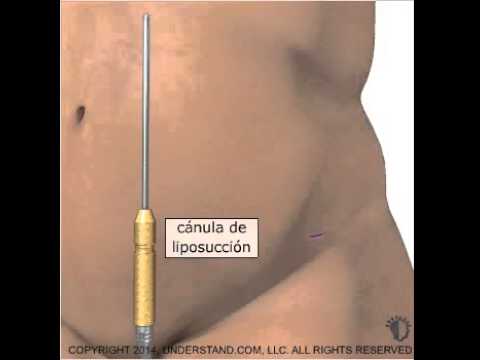
Liposuction is absolutely not a magic eraser for weight; it is a highly precision-based sculpting tool. During the procedure, the surgeon makes tiny, inconspicuous incisions near the target areas (such as the abdomen, flanks, inner thighs, or upper arms). A specialized tumescent solution containing saline, local anesthetic, and epinephrine is injected into the fat layer to drastically minimize bleeding and tissue trauma. Then, a thin, hollow tube called a cannula is inserted. The surgeon moves the cannula in a controlled, strategic motion to break up and loosen the stubborn fat cells, which are then gently vacuumed out of the body. In Colombian clinics, high-definition techniques (like VASER) are often used to melt the fat with ultrasound energy first, allowing the surgeon to sculpt closely around the musculature for an athletic, defined look.
Abdominoplasty (The Tummy Tuck)
Often sought by post-partum mothers dealing with diastasis recti or individuals who have undergone massive, life-changing weight loss, a tummy tuck addresses the crucial issues that liposuction cannot: loose, sagging skin and permanently separated abdominal muscles. The surgeon makes a horizontal incision just above the pubic hairline (ideally placed low enough to be easily hidden by standard underwear or bikini bottoms). The skin is lifted, and the underlying weakened abdominal muscles are pulled together and stitched tightly into place—acting very much like an internal corset to flatten the stomach wall. The skin is then draped back down, the excess skin is surgically excised (removed), and a new opening is meticulously created for the belly button to sit naturally. It results in a firmer, flatter, and far more toned abdominal profile.
Breast Augmentation and Mastopexy (Breast Lift)
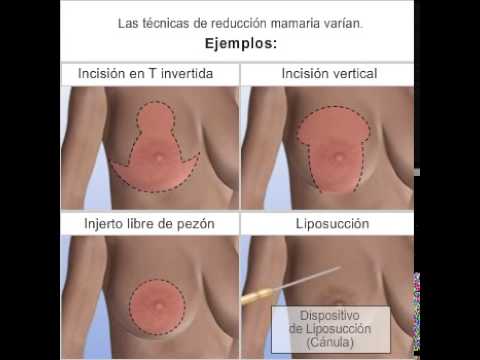
Breast augmentation is designed to increase overall fullness, restore volume lost after weight reduction or breastfeeding, or improve breast symmetry. The surgeon makes incisions—usually in the natural crease under the breast (inframammary fold) to camouflage scars. A pocket is meticulously created either directly behind the breast tissue or underneath the heavy pectoral muscle. Silicone or saline implants are then carefully inserted and positioned. For patients with drooping breasts (ptosis), a Mastopexy (Lift) is required. This involves removing excess stretched skin and reshaping the remaining breast tissue to sit higher and firmer on the chest wall, often resulting in an anchor-shaped or lollipop-shaped scar.
Brazilian Butt Lift (BBL) / Gluteal Fat Transfer
The BBL is one of the most sought-after procedures in Colombia. It is a two-step procedure that uses your body's own natural fat to enhance the buttocks. First, liposuction is aggressively performed on the abdomen, lower back, and flanks to harvest fat and snatch the waistline. This fat is then medically purified and processed in a closed system. Finally, the purified fat cells are strategically re-injected into the subcutaneous layers of the buttocks and hips to create volume, projection, and the coveted hourglass curve. Because it relies on surviving fat grafts, patients must avoid sitting directly on their buttocks for several weeks post-op to ensure the fat "takes" and survives.
Rhinoplasty (Nose Reshaping)
Rhinoplasty is perhaps the most delicate, complex, and artistic of all plastic surgeries, measured in millimeters. Depending on the aesthetic goal, the surgeon may use an "open" approach (making a tiny incision across the columella, the tissue between the nostrils) or a "closed" approach (with incisions hidden entirely inside the nasal cavity). The skin is gently lifted, allowing the surgeon to access the underlying bone and cartilage. Using specialized micro-tools, the surgeon may shave down a dorsal hump, narrow the nasal bridge, refine a bulbous tip, or correct a deviated septum to improve breathing. Once the structural framework is refined, the skin is redraped and meticulously sutured.
Your Treatment Timeline: A Step-by-Step Guide
Medical travel requires incredibly precise logistical planning. Knowing exactly what to expect day by day can alleviate a tremendous amount of anxiety and help you pack correctly. Here is a highly realistic timeline of your cosmetic journey.
Weeks 1-4: The Crucial Preparation Phase (At Home)
You have completed your virtual consultation, received your formal quote, and booked your surgical date. During this time, you will book your flights and recovery accommodation. You must immediately stop smoking, aggressively pause blood-thinning medications or natural supplements (like Aspirin, Ibuprofen, Vitamin E, Garlic, and Omega-3s), and arrange for necessary time off work. You will also complete your required local lab tests to send to the medical team for final clearance.
Day 1: Arrival and In-Person Medical Consultation
Welcome to Colombia! Our bilingual concierge greets you warmly at the airport and transfers you safely to your hotel or recovery house. Later that day or early the next morning, you will visit the clinic. Here, you will have a comprehensive face-to-face consultation with your surgeon. They will physically examine you, pinch skin elasticity, finalize the surgical plan, draw precise surgical markings on your skin with a marker, and you will sign the final, detailed informed consent documents. You will also meet with the anesthesiologist for a final airway and health check.
Day 2: Surgery Day
You will arrive at the clinic strictly fasting (empty stomach for at least 8 hours). After final vitals are checked and you change into a surgical gown, you will be escorted to the operating room. Depending on your specific procedure, surgery lasts anywhere from 1.5 to 6 hours. You will wake up groggy in the recovery room, already strapped into your compression garments. Depending on the complexity of your surgery and the clinic's protocols, you will either be carefully discharged to your recovery house with a chaperone or spend one night in the clinic for close, continuous monitoring.
Days 3-5: The Immediate, Acute Recovery
These are undeniably the most challenging days of the entire journey. You will be resting at your accommodation. Swelling and bruising will be at their absolute peak, and you will feel sore, stiff, and highly fatigued. You may have drainage tubes in place. Your primary job is to take your prescribed pain and antibiotic medications precisely on time, eat light, highly nutritious, low-sodium meals, and take short, gentle walks around your room every few hours to promote blood circulation and prevent deadly blood clots.
Days 6-10: Follow-up, Massages, and Healing
You will return to the clinic for vital post-operative check-ups. The medical team will inspect your incisions for any signs of infection, change surgical dressings, and remove any surgical drains (which brings immense physical relief). By day 7, you will likely notice a significant, positive turn in your energy levels and comfort. During these days, you will heavily engage in your prescribed post-operative lymphatic drainage massages to push out built-up fluid and soften the tissues.
Day 11-14+: Clearance and Safe Departure
Once your surgeon is completely satisfied with your early healing progress, your lack of fever, and your mobility, you will receive a formal medical clearance letter to fly. The concierge team will transfer you back to the airport for your journey home, armed with detailed, written instructions for the critical months of recovery ahead.
Expected Length of Stay
While it is incredibly tempting to want to rush back home to sleep in your own bed, patience is your absolute best friend when recovering from major surgery abroad. We generally require international patients to plan for a minimum stay of 10 to 14 days in Colombia, heavily depending on the invasiveness of the procedure. Minor, single procedures (like a simple breast augmentation or an eyelid lift) may only require a 7-day stay, while complex, multi-area combinations (like a full Mommy Makeover, BBL, or extensive body lift) firmly require 14 days minimum.
It is vital to understand that this timeframe is an estimate, not a guarantee. Travel clearance is entirely dependent on the treating physician's assessment and the patient's individual recovery progression. If your body is healing slower than expected, if there is excessive fluid buildup (seroma), or if a minor wound separation occurs, the surgeon has the ultimate medical authority to delay your flight clearance for your own physical safety. The risks of flying too soon include deadly blood clots (DVT/PE) due to immobility and severe swelling due to cabin pressure changes. Therefore, always book highly flexible flights or purchase comprehensive travel insurance that accommodates date changes without massive penalty fees.
Navigating Your Recovery and Aftercare
Surgery is only about 30% of the cosmetic journey; how you meticulously manage your recovery and aftercare accounts for the remaining 70% of your final, long-term result. Healing is not a straight, easy line; it is a series of physiological stages that require your active participation, immense patience, and emotional resilience.
Stage 1: The "What Did I Do?" Phase (Days 1-4)
Expect to feel completely exhausted, swollen like a balloon, and undeniably uncomfortable. You may experience strong buyer's remorse or emotional weeping during these days—this is a highly normal, well-documented psychological reaction to the physical trauma of surgery, the after-effects of general anesthesia, and temporary isolation. Your main job is to rest, hydrate aggressively to flush out anesthesia, take medications on a strict schedule, and wear your tight compression garments 24/7 as instructed.
Stage 2: The Swelling Peaks (Days 5-14)
Your bruising will shift through a rainbow of colors (from deep purple to green to yellow) and swelling will hit its absolute maximum before slowly starting to subside. You will feel extreme tightness in your incisions and skin. Your overall mobility will improve significantly, and you will eventually be cleared to shower (following specific waterproof instructions). This is the critical phase where daily lymphatic massages become crucial for reducing hard, painful fluid retention and preventing fibrosis under the skin.
Stage 3: Turning the Corner (Weeks 3-6)
You are safely back home and slowly returning to light daily activities and desk work. However, heavy lifting, rigorous cardio, and bending over are still strictly forbidden. The primary, acute swelling goes down, revealing the rough, early shape of your new contours. Severed nerves begin to heal and reconnect, which can cause strange, sometimes startling tingling, itching, or zapping sensations in the surgical areas. You will likely transition to slightly less restrictive compression garments based on your surgeon's advice.
Stage 4: Settling In and Maturation (Months 2-12+)
The residual, stubborn "micro-swelling" very slowly dissipates, often fluctuating depending on your salt intake and daily activity levels. Incision scars will go through a very red, raised, and firm phase before slowly flattening, softening, and fading to white or brown over the course of a year or more. You can slowly reintroduce strenuous workouts. By month 6 to 12, your tissues have fully relaxed, implants (if used) have dropped into a natural position ("dropped and fluffed"), and you are finally seeing the beautiful, settled outcome of your journey.
Risks and Possible Complications
We believe in empowering patients through radical, unflinching transparency. While surgeons utilize advanced techniques in world-class facilities to minimize risks, plastic surgery is real, major surgery. There is no such thing as a risk-free medical procedure, and crossing international borders adds distinct logistical variables that must be deeply respected. It is vital not to gloss over these realities in pursuit of a cheaper price tag.
Potential risks and complications associated with cosmetic surgery include, but are certainly not limited to:
- Infection: Despite incredibly sterile environments and prophylactic antibiotics, surgical incisions can become infected. This may require extended courses of strong antibiotics or, in severe, rare cases, additional surgery to clean the wound.
- Bleeding and Hematoma: Excessive bleeding can occur during or after surgery. Sometimes, blood can pool under the skin to form a hard, painful clot (hematoma), which often requires a rapid minor procedure in the clinic to drain.
- Deep Vein Thrombosis (DVT) and Pulmonary Embolism (PE): Blood clots can form in the deep veins of the legs due to surgical trauma and post-operative immobility. If a clot breaks loose and travels to the lungs (PE), it is a catastrophic, life-threatening emergency. This is exactly why early walking and strict flight time restrictions are enforced.
- Tissue Necrosis: This is the literal death of skin or fat tissue due to a lack of blood supply. It is a massive risk for smokers, diabetics, or patients who undergo overly aggressive tummy tucks. It results in open wounds that take months to heal and leave severe scars.
- Adverse Reaction to Anesthesia: Ranging from mild, temporary nausea and vomiting to, very rarely, severe respiratory, allergic, or cardiac complications.
- Poor Wound Healing and Abnormal Scarring: Incisions may separate (dehiscence), heal poorly, widen, or form thick, raised hypertrophic or keloid scars, especially in patients with genetic predispositions or those who put tension on the wounds too early.
- Asymmetry and Aesthetic Dissatisfaction: The human body is naturally asymmetrical, and surgery cannot mathematically guarantee perfect symmetry. Some patients may be unhappy with the shape and desire future revision surgery to tweak the results.
- Seroma: Stubborn fluid accumulation under the skin (very common in tummy tucks and lipo) that may need to be repeatedly drained using a needle in the weeks following surgery.
- Changes in Skin Sensation: Temporary or, rarely, permanent numbness, hyper-sensitivity, or pain in the surgical areas due to inevitable nerve trauma during the cutting of tissue.
Please note that this list is not exhaustive. The treating physician will discuss your individualized, specific health risks comprehensively during the informed consent process prior to any surgery taking place.
Setting the Stage for Expected Results
The main treatment goal of this plastic surgery package is to enhance your natural physical contours, safely address specific areas of anatomical concern, and ultimately, support your personal confidence and comfort in clothing. However, managing your own expectations is the absolute, non-negotiable key to being satisfied with your final outcome.
Patients may reasonably expect a noticeable, highly pleasing improvement in their overall silhouette, firmer skin profiles, or enhanced volume precisely where requested. However, cosmetic surgery results vary wildly from person to person because every single body's healing capacity, baseline skin elasticity, age, and underlying bone structure is completely different. Your results will look like the best version of *you*, not a replica of an Instagram model.
The visible results of major body contouring or facial rejuvenation typically begin to show their true form around 3 to 4 months post-operation, but final, fully settled results often take up to a full year to materialize. We cannot and do not promise a psychological cure for deep body image distress, a specific identical match to a reference photograph, or a guaranteed level of permanent physical improvement. It is vital to remember that future aging, gravity, pregnancies, and lifestyle weight fluctuations will continue to affect your body over the years. Surgery resets the clock; it does not stop it from ticking.
About Your Healing Environment: Colombian Centers
A major concern for international patients is the quality of the medical facilities. Rest assured, your procedure will be performed at top-tier, internationally recognized medical centers located in the safe, upscale medical districts of Colombia’s major cities. These are not small, unmonitored strip-mall surgical suites; they are fully accredited, high-complexity medical hospitals and clinics designed explicitly to support advanced surgical interventions and handle any emergency.
These partnered facilities boast state-of-the-art operating theaters equipped with modern monitoring and life-support technology that routinely matches or exceeds strict North American and European standards. Furthermore, these clinics hold rigorous national accreditations from the Colombian Ministry of Health, ensuring uncompromising adherence to sterilization, emergency response, and patient care protocols. Many feature on-site Intensive Care Units (ICUs), in-house blood banks, and 24-hour dedicated nursing staff. You are situated in a highly controlled medical environment prepared for every eventuality, allowing you to focus purely on a peaceful, safe recovery.
Frequently Asked Questions (FAQs)
Is it truly safe to travel to Colombia for plastic surgery?
Yes, provided you do your due diligence and choose properly vetted, board-certified surgeons operating in accredited facilities. Colombia is a major global hub for medical tourism, boasting world-class healthcare infrastructure and highly trained specialists. However, the travel itself adds risk (like blood clots from flying), which is exactly why strict pre-op health evaluations, extended recovery times in-country before flying, and the use of dedicated transport are mandated to ensure your physical safety at every step.
How will I communicate with the medical staff if I do not speak fluent Spanish?
Language barriers should never, ever compromise your medical care or your peace of mind. The primary surgeons and head medical staff are generally fluent in English. Furthermore, these medical packages specifically include a dedicated, bilingual patient concierge who will accompany you to all consultations, translate complex medical instructions or nursing requests, and ensure you feel completely understood and comfortable during your entire stay.
Can I combine multiple major surgeries into one single trip?
Often, yes. Combining procedures (like a tummy tuck and a breast lift) is highly popular to consolidate painful recovery time and reduce overall travel and hospital costs. However, patient safety rigidly dictates limits. Responsible surgeons generally cap operating time at around 5 to 6 hours to minimize severe anesthesia risks, hypothermia, and excessive blood loss. The surgical team will determine safe, realistic combinations based on your BMI and lab results.
What happens if I experience a medical complication once I am back home?
While you are required to stay in Colombia until the highest risk period has passed, complications can occasionally arise weeks later. Before you leave, you will be given direct contact information for the medical team for ongoing virtual follow-ups. If a physical complication occurs (like a late-stage infection or wound opening), you will need to seek immediate care from a local doctor or emergency room. This is exactly why we fiercely advocate purchasing specific medical tourism complications insurance before you travel, which covers these localized costs.
Why is premium plastic surgery in Colombia so much more affordable?
The price difference is a direct reflection of local macroeconomic factors, absolutely not a reduction in medical quality or safety. The overall cost of living, overhead for operating medical facilities, labor costs for nursing staff, and administrative healthcare expenses (including vastly different malpractice insurance structures) are significantly lower in Colombia compared to the US, Canada, or the UK. These immense savings are passed directly to the patient.
How soon can I safely board an airplane after my cosmetic procedure?
This depends entirely on the invasiveness of the surgery and your personal healing rate. For minor facial procedures, you might be cleared in 5 to 7 days. For major body contouring like tummy tucks, BBLs, or extensive lipo, a minimum of 10 to 14 days is strictly required. Flying too soon drastically increases the risk of deep vein thrombosis (blood clots in the legs) due to cramped immobility and cabin pressure changes. You must wait for official, written medical clearance.
Who will physically help care for me during my recovery at the hotel?
We highly recommend traveling with a trusted friend, partner, or family member who can assist you with basic, difficult tasks like getting out of bed, showering, going to the bathroom, and managing your medication schedule during the first few days. If you are traveling solo, we strongly advise coordinating your stay at a specialized "Recovery House" where trained 24/7 nursing assistants and tailored post-op meals are provided for an additional fee.
What kind of anesthesia is typically used for these surgeries?
For major, invasive procedures like tummy tucks, breast augmentations, BBLs, and extensive liposuction, general anesthesia is utilized so you are completely asleep, intubated, and comfortably unaware of the surgery. For smaller, highly localized procedures (like a mini-lipo under the chin or certain facial tweaks), intravenous (IV) sedation combined with local anesthesia (often called "twilight sleep") may be safely recommended by the anesthesiologist.
How long do the aesthetic results of these surgeries typically last?
Cosmetic surgery resets the clock, but it cannot stop it. Results from body contouring can be incredibly long-lasting, provided you maintain a highly stable weight through consistent diet and exercise. Fat cells permanently removed via liposuction do not grow back, but the remaining cells can easily expand if you gain weight, altering the new shape. Breast implants are not lifetime devices and will likely require exchange or removal after 10 to 15 years due to natural wear, capsular contracture, or changing body dynamics.
Will I have noticeable scars after the surgery?
Yes. Any surgical procedure that involves cutting the skin will leave a permanent scar. Surgeons are highly skilled at placing incisions in discreet locations (like the bikini line for tummy tucks, or under the breast fold for augmentations) so they can be hidden by most clothing. Scars typically appear very red and raised for the first few months, but with proper scar care (silicone sheets, gels, and avoiding sun exposure), they typically fade to thin, flat, much less noticeable lines over 12 to 18 months.
Ready to Start Your Transformation Journey?
Taking the first step toward feeling more comfortable, confident, and empowered in your own skin shouldn't be an overwhelming mystery. Let the expert medical team review your unique goals, safely assess your candidacy, and provide you with a highly transparent, personalized treatment plan and detailed financial estimate—with absolutely no pressure to commit until you are ready.
Request Free QuoteReferences
- Liposuction Safety, Risks, and Complications – American Society of Plastic Surgeons (ASPS)
- Medical Tourism: Travel Health Guidelines and Risks – Centers for Disease Control and Prevention (CDC)
- Breast Augmentation: Why it's Done, What You Can Expect, and Risks – Mayo Clinic
- Complications in Postbariatric Body Contouring Surgery: A Review – National Center for Biotechnology Information (NCBI)
- Tummy Tuck (Abdominoplasty) Recovery Information and Timelines – American Society of Plastic Surgeons (ASPS)
.jpg)


.jpg)
.png)
.png)

.jpg)
.png)
.jpg)









Share this listing