
Pregnancy may leave you with loose abdominal skin, separated abdominal muscles, and breasts that sit lower or feel less full. Combining a tummy tuck and breast lift in Colombia can address both areas during one surgical plan, but the right choice depends on your health, anatomy, recovery support, and the time you can safely remain abroad. Current Colombian package estimates often begin around $6,500 to $8,500 USD for a standard combination, while more extensive surgery can cost more. Before comparing photographs or prices, verify the surgeon in ReTHUS, confirm the surgical facility and services in REPS, and request a written plan for complications, follow-up, and travel after surgery.

Quick Summary:
- Estimated combined cost: About $6,500–$8,500 for a standard package; extended tummy tuck, implants, extensive liposuction, longer hospital care, or a recovery house may raise the total to roughly $8,500–$11,000 or more.
- What it treats: A tummy tuck removes excess abdominal skin and may repair separated abdominal muscles; a breast lift reshapes and elevates sagging breasts.
- Typical stay: Many international patients need approximately 14–21 days in Colombia, although your surgeon may recommend longer based on healing, drains, complications, and flight length.
- Early recovery: Expect swelling, tightness, limited upright posture, reduced arm and core strength, and help with daily activities during the first one to two weeks.
- Credential checks: Confirm the surgeon’s authorization in ReTHUS and the facility’s enabled surgical services in REPS. SCCP or ISAPS membership may add context but does not replace government verification.
- Main caution: Combining operations increases surgical scope. A qualified surgeon may recommend staging procedures if the estimated operating time, blood-loss risk, clot risk, or your medical history makes one session less appropriate.
What a Tummy Tuck and Breast Lift in Colombia Can Change?
A tummy tuck and breast lift address different post-pregnancy changes, so combining them can create a more balanced result than treating only one area. A tummy tuck, medically called abdominoplasty, removes loose abdominal skin and a limited amount of attached fat. When pregnancy has stretched the abdominal wall, the surgeon may also tighten the connective tissue over the rectus muscles. This is often described as repairing diastasis recti, although the precise technique depends on your anatomy.
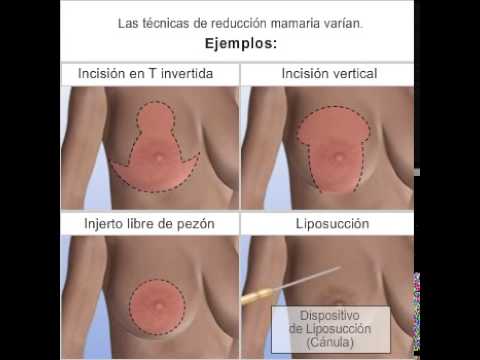
A breast lift, or mastopexy, removes excess breast skin, reshapes the existing tissue, and moves the nipple and areola to a higher position. A lift does not automatically add volume. If you want more upper-breast fullness, your surgeon may discuss an implant or fat transfer. If your breasts feel too large or heavy, a reduction with lift may fit your goals better.
Tummy Tuck in Colombia
Targets loose skin, lower-abdominal overhang, widened scars, and abdominal-wall laxity. Liposuction may be added for nearby fat, but it does not replace skin removal or muscle repair.
Breast Lift in Colombia
Targets drooping, stretched skin, nipple position, and breast shape. It may be performed alone, with implants, with fat transfer, or as a breast reduction.
Practical takeaway: “Mommy makeover” is not one standardized operation. Ask for the exact procedure names, incision pattern, implant details if relevant, estimated surgery time, and whether your plan is safer in one stage or two.
Why International Patients Consider a Mommy Makeover in Colombia?
Colombia combines a substantial plastic-surgery sector with pricing that is often lower than private-pay surgery in the United States and Canada. The 2024 ISAPS survey estimated 321,408 surgical cosmetic procedures in Colombia. It included 21,984 abdominoplasties and 19,872 breast lifts, showing that both procedures are routinely represented in the country’s aesthetic-surgery activity.
ISAPS respondents in Colombia reported that international patients represented a 20% median and 30% average share of their patient volume. The most frequently cited patient origins were the United States, Spain, and Canada. These figures describe survey estimates across participating plastic surgeons; they do not measure the quality or safety of a particular clinic.
2024 Procedure-Volume Snapshot for Colombia
Source: ISAPS International Survey on Aesthetic/Cosmetic Procedures Performed in 2024. Figures represent estimated procedure volumes and do not indicate complication rates, clinical outcomes, or provider quality.
Global Trend for Tummy Tucks and Breast Lifts
Source: ISAPS 2024 survey. The change between years may reflect demand, reporting participation, and survey methodology. It should not be interpreted as an outcome trend.
Who Typically Travels for This Combination?
Reliable Colombia-specific age and gender data for tummy tuck plus breast lift patients are not available in the ISAPS report, so precise demographic percentages should not be assumed. Clinically, this combination is considered by adults after pregnancy, breastfeeding, or substantial weight change. Many patients are women who do not plan another pregnancy soon, but candidacy depends more on health, anatomy, nicotine use, weight stability, and recovery support than age alone.
- Patients from the United States often compare total private-pay costs and travel time.
- Patients from Canada may consider access, scheduling, and out-of-pocket cosmetic-surgery costs.
- Patients from Spain may value shared language and established flight connections.
- Colombians living abroad may also travel for family support and Spanish-language care.
How Much a Tummy Tuck and Breast Lift Cost in Colombia?
A standard tummy tuck and breast lift package in Colombia commonly falls near $6,500–$8,500, but your final quote can change substantially. A mini tummy tuck costs less than an extended abdominoplasty, while breast implants, extensive liposuction, complex muscle repair, overnight hospital monitoring, transfusion planning, or longer aftercare can raise the total.
The ranges below are 2026 PlacidWay marketplace estimates based on available Colombian provider and package information. They are planning ranges, not guaranteed prices. Obtain a patient-specific written quote after a surgeon has reviewed photographs, medical history, medications, pregnancy history, previous surgery, and relevant test results.
| Procedure or Package | Estimated Colombia Price | Important Variables |
|---|---|---|
| Tummy tuck alone | $4,000–$5,500 | Mini, full, extended, muscle repair, prior scar, liposuction, hospital stay |
| Breast lift without implants | $3,500–$5,000 | Lift pattern, asymmetry, tissue quality, reduction component |
| Breast lift with implants | $5,000–$6,500 | Implant brand, type, size, warranty, surgical complexity |
| Standard combined package | $6,500–$8,500 | Tummy tuck, breast lift, limited liposuction, shared anesthesia and facility fees |
| Extended combination | $8,500–$11,000+ | Extended tummy tuck, implants, 360 liposuction, longer stay, recovery support |
Colombia Versus Common Origin Markets
| Market | Planning Range for Combination | How to Interpret It? |
|---|---|---|
| Colombia | $6,500–$8,500 standard package | May include shared surgical costs; travel and some aftercare may remain separate. |
| United States | Often $15,000–$25,000+ | Private-market total varies widely by state, facility, implants, and surgeon. |
| Canada | Comparable national package data not available | Request local all-in quotes before calculating savings. |
| Spain | Comparable national package data not available | Compare the same operations, facility level, anesthesia, and follow-up period. |
Do not compare a procedure-only price in one country with an all-inclusive package in another. Ask each provider to itemize the surgeon, anesthesiologist, facility, implants, garments, laboratory tests, medications, pathology, overnight monitoring, nursing, transport, accommodation, follow-up, and complication-related charges.
Budget warning: Keep a separate emergency reserve. Revision surgery, prolonged wound care, extra accommodation, changed flights, imaging, blood tests, or treatment after returning home may not be included or covered by insurance.
Is Combining a Tummy Tuck and Breast Lift Right for You?
Combining procedures may reduce the number of anesthetics and recovery periods, but it also increases the amount of surgery your body must tolerate at one time. The decision should follow a medical risk assessment rather than a package menu. Your surgeon and anesthesiologist should consider the estimated operating time, procedure extent, blood-loss risk, clot risk, sleep apnea, anemia, diabetes, heart or lung disease, previous blood clots, nicotine exposure, and the support available after surgery.
A Combined Plan May Be Reasonable When
- You are medically healthy enough for elective surgery.
- Your weight has been stable for several months.
- You are not using nicotine in any form.
- You have completed breastfeeding and breast shape is stable.
- You have reliable adult help during early recovery.
- The surgeon expects a reasonable operative duration.
Staging May Be Safer When
- You need very extensive abdominal and breast work.
- You have anemia, clot risk, uncontrolled disease, or healing concerns.
- You plan another pregnancy in the near future.
- You cannot remain in Colombia for adequate follow-up.
- You lack safe accommodation or post-operative support.
- Your surgeon recommends limiting operative time.
A future pregnancy is not always medically prohibited after these operations, but it can stretch repaired tissues and change breast and abdominal results. Discuss family plans openly. Breastfeeding may still be possible after some lift techniques, but no surgeon can guarantee it because milk ducts, glandular tissue, and nerves can be affected.
Choosing the Right Tummy Tuck and Breast Lift Combination
The best operation is the least extensive plan that safely addresses your anatomy and priorities. A photo-based quote may identify possibilities, but a physical examination is usually needed to confirm skin laxity, abdominal-wall separation, hernias, breast volume, nipple position, tissue quality, and asymmetry.
| Concern | Possible Procedure | Key Limitation | Question to Ask |
|---|---|---|---|
| Loose skin mainly below the navel | Mini tummy tuck | Limited correction above the navel | Will my navel or upper abdomen remain unchanged? |
| Loose skin and muscle separation across abdomen | Full tummy tuck with possible muscle repair | Long low scar and longer recovery | How will you assess diastasis or a possible hernia? |
| Skin extends around hips or flanks | Extended tummy tuck | Longer scar and larger surgical area | Would staging reduce my risk? |
| Breasts sag but retain adequate volume | Breast lift alone | Does not create implant-like fullness | Can my own tissue achieve the shape I want? |
| Sagging with volume loss | Lift with implant or selected fat transfer | Adds device or fat-grafting considerations | What implant is registered with INVIMA, and what monitoring is needed? |
| Heavy breasts with sagging | Breast reduction with lift | May affect sensation and breastfeeding | How much tissue might be removed, and will pathology be included? |
Ask the surgeon to mark the likely scars during consultation. Tummy tuck scars usually extend across the lower abdomen, while breast-lift scars may circle the areola, extend vertically downward, and sometimes run along the breast crease. Scar length is influenced by the amount and location of loose skin, not simply by surgeon preference.
How to Verify a Clinic or Hospital in Colombia?
Start with Colombia’s mandatory habilitation system, not a clinic’s marketing claims. Healthcare providers and enabled services are recorded through the Registro Especial de Prestadores de Servicios de Salud, known as REPS. Confirm that the exact operating location appears in the registry and that the relevant surgical, anesthesia, hospitalization, and recovery services are enabled.
Colombia’s Sistema Único de Acreditación is a voluntary quality level above minimum habilitation requirements. ICONTEC operates as an authorized health-accreditation body in Colombia. Accreditation can be a useful signal, but it is not required for every safe facility and does not replace procedure-specific due diligence. International accreditation, such as JCI, may be relevant for some hospitals but should not be treated as the only acceptable credential.
| Verification Item | What to Request? | Why It Matters? |
|---|---|---|
| REPS registration | Legal provider name, site code, address, enabled services | Confirms the facility and declared health services in the government registry |
| Operating-room capability | Anesthesia equipment, recovery area, sterilization, blood-access plan | A combined operation needs more than a consultation office |
| Emergency transfer | Named receiving hospital, transfer method, response process | Clarifies what happens if higher-level care is needed |
| After-hours coverage | 24/7 contact, responsible clinician, escalation steps | Complications do not follow office hours |
| Infection control | Sterilization process, surgical-site protocol, infection reporting | Reduces preventable contamination and supports early response |
| Recovery accommodation | Staff qualifications, nurse coverage, medication handling, emergency plan | A “recovery house” is not automatically a licensed medical facility |
Red flag: Do not proceed when a coordinator refuses to disclose the legal facility name, tells you registry checks are unnecessary, cannot identify the anesthesiologist, or will not provide a written complication and transfer plan.
How to Verify a Plastic Surgeon in Colombia?
Verify that the doctor is legally authorized to practice and has formal specialist training relevant to plastic surgery. Colombia’s ReTHUS registry allows the public to check whether a health professional has met requirements to practice and whether reported disciplinary sanctions appear in the system. Search the surgeon’s complete legal name and identification details rather than relying on a social-media username.
Membership in the Sociedad Colombiana de Cirugía Plástica Estética y Reconstructiva, or SCCP, can provide an additional professional signal. ISAPS membership may also indicate international professional participation. Neither membership replaces ReTHUS verification, the surgeon’s documented specialty training, facility checks, or a careful consultation.
- Confirm identity and authorization: Match the full name in ReTHUS with the quote, consent form, and person performing surgery.
- Verify specialty: Ask where and when the surgeon completed plastic, aesthetic, and reconstructive surgery training.
- Review relevant experience: Ask how often the surgeon performs combined abdominoplasty and mastopexy, not only cosmetic surgery generally.
- Request outcome context: Ask about revisions, wound problems, seroma, infection, transfusion, clots, and hospital transfers using a defined time period.
- Discuss operative limits: Ask the surgeon’s maximum planned operating time and conditions that would lead to staging or stopping.
- Clarify follow-up: Identify who examines you each day, removes drains, manages wounds, and supports you after returning home.
Ask directly: “Will you personally perform every major part of my tummy tuck and breast lift, and who will be physically available if I develop a complication overnight?”
Preparing for Tummy Tuck and Breast Lift Surgery in Colombia
Preparation should begin before booking flights because unresolved health risks can cancel surgery or increase complications. A reputable team may request a complete medical history, medication and supplement list, previous operative records, pregnancy and breastfeeding history, photographs, laboratory testing, and medical clearance. Breast imaging may be recommended based on your age, symptoms, family history, and local screening guidance.
Nicotine can reduce blood flow to healing skin and raise the risk of wound separation and tissue loss. This includes cigarettes, vaping, nicotine gum, patches, and other nicotine products. Follow your surgeon’s written cessation and testing policy. Do not stop prescribed medicines, blood thinners, diabetes drugs, hormones, or supplements without guidance from the clinicians responsible for your care.
| Time Before Surgery | Planning Step | Why It Matters? |
|---|---|---|
| 6–10 weeks | Consult your local doctor, review medical conditions, check vaccines and travel-health needs | Allows time to address anemia, uncontrolled disease, or travel risks |
| 4–8 weeks | Follow the surgeon’s nicotine-cessation policy and stabilize weight | Supports blood flow, healing, and more predictable contour |
| 2–4 weeks | Complete requested tests, clearance, breast imaging, and medication review | Identifies issues before international travel |
| 1–2 weeks | Finalize adult caregiver, accommodation, transport, emergency funds, and return-flight flexibility | You may not be able to lift luggage, children, or yourself easily |
| Arrival | Attend in-person examination and anesthesia assessment before final consent | The plan may change after physical examination |
Check current travel-health guidance for your exact Colombian city and itinerary. Recommendations and entry requirements can change, including guidance related to yellow fever, routine vaccinations, mosquito-borne illness, and travel from or through certain countries. A travel-medicine consultation is especially useful when you have chronic health conditions or plan to recover outside a major city.
What Happens During Surgery and Recovery in Colombia?
The operation is usually performed under general anesthesia in a hospital or enabled surgical facility, followed by monitored recovery. The exact order varies. The surgeon may perform the abdominal work first or breast work first, use drains in one or both areas, place compression garments, and recommend overnight observation. Blood-clot prevention may include sequential compression devices, early walking, hydration, and medication when clinically appropriate.
Recovery from two body areas is physically demanding. Your abdomen may feel tight when you stand, while breast incisions can limit comfortable arm movement. Arrange help for bathing, meals, medications, wound checks, drain measurements, transport, and communication with the clinical team.
| Timeframe | Biological or Clinical Process | What You May Feel? | Activity Level | Action Required |
|---|---|---|---|---|
| First 24–48 hours | Inflammation, fluid shifts, anesthesia recovery, clot-prevention period | Pain, tightness, fatigue, nausea, swelling | Assisted walking only | Follow monitoring, breathing, walking, medication, and drain instructions |
| Days 3–7 | Early wound sealing and peak bruising or swelling | Pulling, pressure, limited posture, breast sensitivity | Short frequent walks; no lifting | Attend in-person checks and report asymmetry, fever, breathlessness, or worsening pain |
| Week 2 | Incisions strengthen slowly; drains may be removed when criteria are met | Less pain but persistent fatigue, swelling, and stiffness | Independent light activity may improve | Do not fly or remove drains solely to meet a ticket date |
| Weeks 3–6 | Scar formation and gradual tissue stabilization | Numbness, firmness, uneven swelling, occasional tightness | Gradual return to work and daily activity if cleared | Follow lifting, garment, bra, driving, and exercise restrictions |
| Months 2–6 | Swelling reduces; scars remodel; breasts and abdomen settle | Improving comfort with residual numbness or scar symptoms | Progressive exercise after surgeon clearance | Continue remote or local follow-up and scar care |
| 6–12 months | Late scar maturation and final contour assessment | Scars may remain visible but often soften | Normal activity for uncomplicated recovery | Discuss persistent asymmetry, pain, hardening, or revision concerns |
The CDC notes that surgery and air travel independently increase blood-clot risk and advises avoiding flight for at least 10 days after chest or abdominal surgery. Your surgeon may require a longer stay after combined surgery, especially with drains, wound concerns, long-haul travel, or personal clot risk. A flight date should remain flexible until you are medically cleared.
Risks and Warning Signs After a Mommy Makeover in Colombia
Tummy tuck and breast lift surgery can produce meaningful changes, but complications can occur even with qualified teams and appropriate facilities. Potential problems include bleeding, hematoma, infection, seroma, delayed healing, wound separation, skin or nipple tissue loss, noticeable scars, asymmetry, contour irregularity, altered sensation, persistent pain, anesthesia complications, deep-vein thrombosis, and pulmonary embolism.
If implants are added, additional risks include capsular contracture, implant rupture or deflation, malposition, infection, future reoperation, and rare implant-associated cancers. Ask for the implant manufacturer, model, surface, size, lot or serial details, warranty, and Colombian INVIMA registration information. Keep the device card and operative report permanently.
| Possible Problem | Warning Pattern | Risk-Reduction Discussion |
|---|---|---|
| Bleeding or hematoma | Rapid swelling, one-sided enlargement, dizziness, faintness | Medication review, blood-pressure control, emergency return-to-theatre plan |
| Infection | Increasing redness, warmth, pus, fever, worsening pain | Sterile facility, early assessment, culture plan, clear contact pathway |
| Seroma | Fluid movement, localized swelling, abdominal fullness | Drain protocol, compression guidance, ultrasound or aspiration access |
| Wound or tissue loss | Darkening skin, opening incision, drainage, delayed closure | Nicotine avoidance, tension planning, wound-care and revision policy |
| Blood clot or pulmonary embolism | One-sided leg swelling, chest pain, breathlessness, coughing blood, collapse | Formal clot-risk assessment, compression, early walking, medication when indicated |
Seek emergency care immediately for:
- New shortness of breath, chest pain, fainting, confusion, or blue lips
- One-sided calf or thigh swelling and pain
- Uncontrolled bleeding or rapidly expanding breast or abdominal swelling
- High fever with worsening redness, foul drainage, or severe pain
- Sudden nipple, breast-skin, or abdominal-skin color change
- Persistent vomiting, inability to drink, or markedly reduced urination
Frequently Asked Questions
How much does a tummy tuck and breast lift cost in Colombia?
A standard combined package commonly ranges from about $6,500 to $8,500 USD. Extended abdominoplasty, breast implants, extensive liposuction, overnight monitoring, longer accommodation, or complex revision work can increase the total to $8,500–$11,000 or more. Request an itemized written quote.
Is a tummy tuck and breast lift the same as a mommy makeover?
It can be. “Mommy makeover” describes a customized combination rather than one fixed operation. A plan may include abdominoplasty, breast lift, implants, breast reduction, or liposuction. Your consent and quote should identify every procedure by its medical name rather than using only the package label.
How long should I stay in Colombia after mommy makeover surgery?
Many patients plan approximately 14–21 days, but the required stay varies. Combined chest and abdominal surgery, drains, wound healing, long flights, and personal clot risk may require longer. Do not choose a return date before the surgeon’s examination and formal clearance for travel.
Can I have a breast lift without implants in Colombia?
Yes. A breast lift can reshape and elevate your existing tissue without adding an implant. It usually improves position more than upper-pole volume. If fullness is a major goal, discuss whether an implant, selected fat transfer, or a different lift technique is appropriate for your anatomy.
Will a tummy tuck repair separated abdominal muscles?
A surgeon may tighten the abdominal-wall connective tissue when clinically indicated, often described as diastasis repair. Not every patient needs the same repair, and a true hernia may require additional assessment or another specialist. Ask how the surgeon will examine and document the abdominal wall.
How do I verify a plastic surgeon in Colombia?
Search the surgeon’s full legal name in Colombia’s ReTHUS registry, confirm specialist training, and verify that the same doctor will perform surgery. SCCP or ISAPS membership may provide additional context, but government authorization, relevant training, facility verification, and complication planning remain essential.
How do I verify a clinic or hospital in Colombia?
Use the REPS registry to confirm the facility’s legal name, address, and enabled health services. Ask whether the operating room, anesthesia, recovery, hospitalization, and emergency-transfer arrangements match your procedure. A recovery house should be checked separately because accommodation is not automatically a medical facility.
When can I fly after a tummy tuck and breast lift?
The CDC advises avoiding flight for at least 10 days after chest or abdominal surgery, while combined surgery may justify a longer delay. Your surgeon should assess wounds, drains, mobility, hydration, anemia, and clot risk before clearance. A nonrefundable early flight can pressure unsafe decisions.
Can I care for my children immediately after surgery?
Usually not safely. You may have difficulty standing upright, lifting, reaching, driving, bathing, and managing drains during early recovery. Arrange dependable adult childcare and household support before travel. Follow the surgeon’s lifting limits because carrying a child can strain both abdominal and breast incisions.
Can I become pregnant or breastfeed after a mommy makeover?
Pregnancy may still be possible, but it can stretch repaired tissues and alter the result. Breastfeeding may remain possible after some breast-lift techniques, but it cannot be guaranteed because surgery may affect ducts, glandular tissue, or nerves. Discuss family plans before choosing surgery.
Are mommy makeover results permanent?
No cosmetic-surgery result is permanent in the sense of stopping aging. Removed skin does not grow back in the same way, but pregnancy, weight change, gravity, tissue quality, and aging can alter the abdomen and breasts. Stable weight and appropriate support may help preserve the result.
What records should I bring home after surgery in Colombia?
Request the operative report, anesthesia record, implant card if applicable, medication list, laboratory and pathology results, discharge summary, complication details, photographs, and written follow-up plan. Keep contact information for the surgeon and facility and share records with your local clinician when needed.
Compare Tummy Tuck and Breast Lift Options in Colombia
PlacidWay can help you compare providers, understand package inclusions, prepare credential questions, and request information from clinics. A quote is not medical clearance, so review every option with a qualified surgeon and your own healthcare professional.
Request Information
.jpg)
.jpg)


.png)
.jpg)
.png)
.png)
.png)
.jpg)
.jpg)
.jpg)
.jpg)








Share this listing