



Achieving Parenthood with Advanced IVF Treatment in South Korea and Thailand
Couples and individuals seeking world-class fertility solutions are increasingly turning to IVF Treatment in South Korea and Thailand as their primary path to parenthood. These two Asian nations have established themselves as global leaders in reproductive medicine, offering a unique combination of cutting-edge technology, high success rates, and significantly more affordable pricing compared to Western countries. By choosing to undergo in vitro fertilization in these destinations, patients gain access to internationally accredited hospitals and specialized fertility clinics that adhere to rigorous global standards while providing compassionate, patient-centered care.
The decision to pursue IVF Treatment in South Korea and Thailand often stems from the desire to access advanced techniques such as ICSI, PGT-A genetic testing, and assisted hatching without the prohibitive costs found in the United States or Europe. South Korea is renowned for its robotic technologies and high-tech laboratory environments, while Thailand is celebrated for its exceptional hospitality and experienced medical specialists in Bangkok and Phuket. Both locations offer a supportive environment for international patients, ensuring that the journey toward conception is handled with the utmost medical expertise and emotional support.
Key Takeaways: Fertility Care in Asia
- Cost-Effectiveness: Patients can save between 40% to 60% on IVF Treatment in South Korea and Thailand compared to prices in the US, UK, or Australia, without compromising on clinical quality.
- Advanced Technology: Clinics in both Seoul and Bangkok utilize the latest reproductive technologies, including time-lapse embryo monitoring and comprehensive chromosomal screening (NGS).
- High Success Rates: The clinical pregnancy rates in these premier Asian destinations rival top Western institutions, particularly for women under the age of 38 utilizing fresh or frozen embryo transfers.
- Experienced Specialists: Fertility doctors in South Korea and Thailand are frequently trained in the USA or Europe and are fluent in English, ensuring clear communication throughout the complex medical process.
- Comprehensive Care: Packages often combine medical procedures with holistic support, reducing stress levels which can be beneficial for fertility outcomes.
Cost Overview and Comparison for IVF Treatment in South Korea and Thailand
Understanding the financial commitment is crucial for international patients, and the cost of IVF Treatment in South Korea and Thailand is transparent and highly competitive. While prices can fluctuate based on the specific medication dosage required for ovarian stimulation and the need for additional procedures like ICSI (Intracytoplasmic Sperm Injection), the overall expense remains a fraction of what patients pay in the West. This affordability allows many couples to attempt multiple cycles if necessary, or to include add-on services like genetic screening that might otherwise be out of budget.
| Country | Estimated Procedure Cost (USD) | Estimated Savings |
|---|---|---|
| United States | $20,000 - $30,000 | - |
| United Kingdom | $8,000 - $12,000 | 60% - 70% |
| South Korea | $6,500 - $9,000 | 50% - 70% vs USA |
| Thailand | $5,500 - $8,500 | 60% - 75% vs USA |
Note: Prices listed above are estimates and may vary depending on procedure complexity, patient condition, medication protocols, and clinic selection.
What’s Included in the IVF Treatment Package
When you book a package for IVF Treatment in South Korea and Thailand, the following medical services and amenities are typically included in the quoted price:
- Initial Consultations: Comprehensive video or in-person evaluation with a fertility specialist to review medical history and plan protocols.
- Ovarian Stimulation Monitoring: All necessary transvaginal ultrasounds and hormonal blood tests during the stimulation phase.
- Egg Retrieval Procedure: Operating room fees, anesthesia services, and the surgical retrieval of oocytes.
- Sperm Preparation: Washing and preparation of the sperm sample for fertilization.
- Fertilization & Culture: Standard IVF or ICSI fertilization processes and blastocyst culture in the laboratory.
- Embryo Transfer: The procedure to transfer fresh or frozen embryos into the uterus.
- Medical Team Fees: Professional fees for the reproductive endocrinologist, embryologists, and nursing staff.
What’s Not Included in the IVF Treatment Package
While packages are comprehensive, patients seeking IVF Treatment in South Korea and Thailand should be aware of standard exclusions:
- International Travel: Airfare to and from Seoul or Bangkok.
- Accommodation: Hotel stays or recovery apartments (though clinics often have partner rates).
- Fertility Medications: Stimulation drugs are often charged separately based on actual usage as dosage varies widely.
- Advanced Genetic Testing: PGT-A or PGT-M testing is typically an add-on cost per embryo.
- Embryo Freezing & Storage: Cryopreservation fees and annual storage fees for remaining embryos.
- Personal Expenses: Meals, local transportation, tourism activities, and visa application fees.
Understanding IVF Treatment in South Korea and Thailand
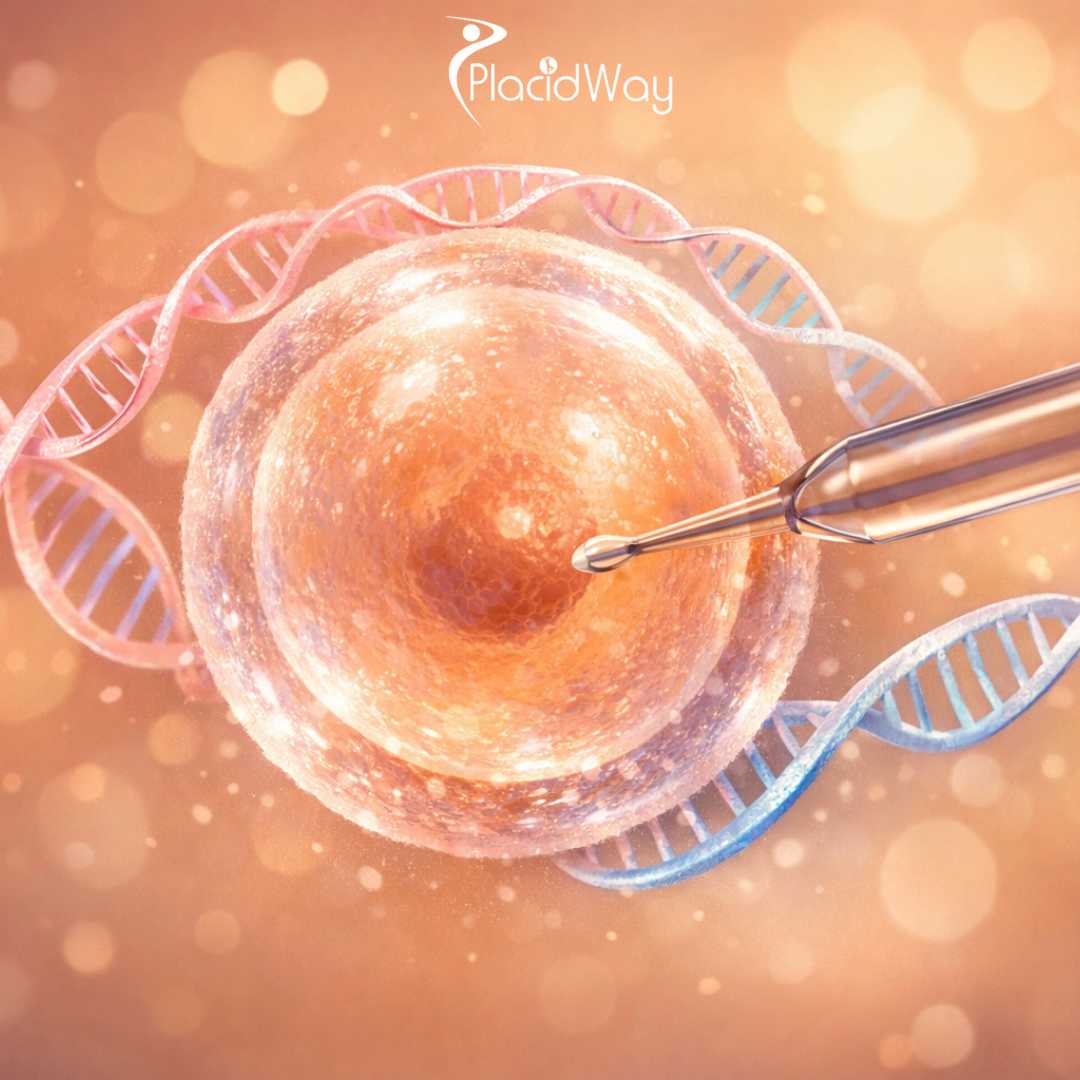
In Vitro Fertilization (IVF) is a complex series of procedures used to help with fertility or prevent genetic problems and assist with the conception of a child. Getting IVF Treatment in South Korea and Thailand means engaging with some of the most sophisticated medical systems in Asia. The process involves retrieving mature eggs from ovaries and fertilizing them with sperm in a lab. The fertilized egg (embryo) or eggs (embryos) are then transferred to a uterus. One full cycle of IVF takes about three weeks, although these steps are sometimes split into different parts and the process can take longer.
- Purpose of Treatment: The primary goal is to bypass physical or physiological barriers to conception, such as blocked fallopian tubes, male factor infertility, or unexplained infertility, to achieve a healthy pregnancy.
- Types of Procedures: Clinics offer Conventional IVF, ICSI (Intracytoplasmic Sperm Injection) for male infertility, and specialized protocols like Natural Cycle IVF or Mild Stimulation IVF depending on ovarian reserve.
- How It Works: The patient undergoes hormone injections to stimulate multiple egg production. These are harvested surgically, fertilized in a lab, cultured for 3 to 5 days, and the best quality embryo is transferred back to the womb.
- Advanced Benefits: Labs in Korea and Thailand utilize Embryoscope time-lapse imaging to select the strongest embryos without removing them from the incubator, significantly improving implantation potential.
- Recovery Time: The physical recovery from egg retrieval is quick, usually requiring only 1-2 days of rest. The emotional recovery and wait for the pregnancy test (beta hCG) takes about two weeks.
- Success Rates: Top clinics in these regions report success rates ranging from 40% to over 60% per cycle for women under 35, which is on par with leading US fertility centers.
Who Is the Ideal Candidate for IVF Treatment?
Not every fertility issue requires IVF, but it is the gold standard for many specific conditions. Doctors prescribing IVF Treatment in South Korea and Thailand generally look for specific patient profiles that would benefit most from this intervention. A thorough evaluation by local specialists will confirm candidacy, but generally, the following individuals are ideal candidates.
- Women with Tubal Issues: Patients with blocked, damaged, or removed fallopian tubes where the egg cannot naturally descend to meet the sperm.
- Male Factor Infertility: Couples dealing with low sperm count, poor motility, or morphology issues often require IVF with ICSI to achieve fertilization.
- Endometriosis Sufferers: Women whose endometriosis has caused scarring or inflammation that affects the function of the ovaries, uterus, or tubes.
- Unexplained Infertility: Couples who have undergone standard fertility testing without a specific cause found and have failed IUI (intrauterine insemination) attempts.
- Advanced Maternal Age: Women over 35 who have reduced ovarian reserve and egg quality, often benefiting from IVF combined with genetic screening (PGT-A).
- Genetic Disorder Carriers: Parents who carry known genetic diseases and wish to use Preimplantation Genetic Testing to ensure their child does not inherit the condition.
Day-by-Day Itinerary for Your IVF Treatment in South Korea and Thailand
Traveling for medical care requires precise planning. Below is a typical itinerary for patients undergoing a fresh IVF cycle. Note that "Freeze-All" cycles may split this into two trips: one for retrieval and one for transfer.
-
Day 1-2: Arrival and Initial Scan
Arrive in Seoul or Bangkok. Visit the clinic on Day 2 or 3 of your menstrual cycle for baseline blood work and ultrasound. Start stimulation medications. -
Day 3-10: Ovarian Stimulation Phase
Daily injections to stimulate follicles. You will visit the clinic every 2-3 days for monitoring scans to adjust medication dosage. Enjoy light sightseeing in the city. -
Day 11-12: The Trigger Shot
Once follicles reach optimal size, you receive a "trigger shot" (hCG or agonist) to mature the eggs. This is timed precisely 36 hours before retrieval. -
Day 13-14: Egg Retrieval
A minor surgical procedure under sedation to collect eggs. Sperm is collected from the partner the same day. Fertilization occurs in the lab. -
Day 15-18: Embryo Culture
The clinic monitors embryo development. You rest and recover. If doing genetic testing, embryos are biopsied and frozen here (end of Trip 1). -
Day 19: Embryo Transfer (Fresh Cycle)
The best embryo is transferred into the uterus via a thin catheter. This is a painless procedure requiring no anesthesia. -
Day 20-21: Departure
After a day of rest, you are cleared to fly home. A pregnancy blood test is scheduled for 10-12 days later in your home country.
What to Expect from Your IVF Treatment in South Korea and Thailand
Patients choosing IVF Treatment in South Korea and Thailand should expect a medical experience that is highly efficient, respectful, and technologically advanced. In South Korea, clinics are often located in modern high-rises in Seoul, resembling luxury hotels more than hospitals. The process is fast-paced and digital-first. In Thailand, the approach is often characterized by the famous "Thai smile" hospitality, with nursing staff providing attentive, gentle care that helps alleviate the anxiety associated with fertility treatments.
Realistically, patients should prepare for the emotional ups and downs of hormone fluctuations. While the medical care is top-tier, language barriers can exist; however, reputable international clinics always provide dedicated interpreters. You can expect rigorous ID checks to ensure safety and strict adherence to local ethical laws regarding embryo handling. Ultimately, you should expect a partnership with your medical team, where your goal of building a family is treated with the utmost seriousness and dedication.
Post-IVF Treatment Recovery in South Korea and Thailand
Recovery after the egg retrieval and embryo transfer is generally mild, but taking care of yourself is vital for success. Whether you are recovering in a hotel in Gangnam or a resort in Bangkok, adherence to post-op instructions is key.
- Immediate Rest: Plan for 24 hours of bed rest immediately following the egg retrieval due to the effects of sedation.
- Managing Bloating: Mild bloating and cramping are common due to enlarged ovaries. Stay hydrated with electrolytes and avoid high-sodium foods.
- Medication Adherence: You will likely be prescribed progesterone (injections or suppositories) to support the uterine lining. These must be taken exactly as directed.
- Activity Restrictions: Avoid strenuous exercise, heavy lifting, and hot baths/saunas for at least two weeks post-transfer to keep body temperature stable.
- Stress Reduction: Utilize the calm environments of Thailand or the convenient amenities of Korea to keep stress low, as cortisol can impact outcomes.
Why Choose South Korea and Thailand for IVF Treatment?
Choosing a destination for reproductive medicine is a major decision. South Korea and Thailand stand out globally for several compelling reasons.
- World-Renowned Accreditation: Both countries boast numerous JCI-accredited hospitals and specialized fertility centers that meet rigorous international safety standards.
- Cutting-Edge Research: South Korea is a pioneer in stem cell and reproductive research, often introducing new protocols before they become standard elsewhere.
- Holistic Integration: Thailand excels in integrating wellness, nutrition, and stress management into fertility packages, recognizing the mind-body connection.
- Accessibility: Both nations have excellent flight connectivity and offer streamlined medical visa processes for patients seeking prolonged treatments.
- No Wait Lists: Unlike public health systems in the UK or Canada, private clinics in Asia have virtually no waiting time, allowing you to start treatment immediately with your next cycle.
Explore South Korea and Thailand While You Recover: Top Attractions for IVF Patients
While the primary focus is medical, the "tourism" aspect of medical tourism helps in relaxation. Activities should be low-impact. Here is how you can enjoy your stay during the stimulation phase or after recovery.
- Cultural Immersion in Seoul: Visit the Gyeongbokgung Palace for a gentle walk through history. The flat terrain is easy to navigate and provides a peaceful, scenic environment perfect for relaxation.
- Cafe Culture in Korea: Spend afternoons in the trendy cafes of Hongdae or Bukchon Hanok Village. It’s a low-energy way to enjoy the local vibe without physical strain.
- River Cruises in Bangkok: Take a sunset cruise along the Chao Phraya River. The cool breeze and stunning views of illuminated temples offer a magical, stress-free experience.
- Luxury Malls and Spas: Bangkok’s malls like Siam Paragon offer air-conditioned comfort and endless dining options. Enjoy a gentle foot massage (avoid abdominal massages) to relieve fluid retention.
- Serene Parks: Lumpini Park in Bangkok or the Hangang River Park in Seoul are excellent for light meditative walks to keep blood flow healthy without overexertion.
FAQs About IVF Treatment in South Korea and Thailand
1. Is gender selection allowed during IVF Treatment in South Korea and Thailand?
Generally, gender selection for non-medical (social) reasons is heavily regulated or illegal in both South Korea and Thailand. It is typically only permitted to prevent the transmission of sex-linked genetic diseases. Patients should be wary of clinics promising social sex selection as it violates local ethical laws.
2. Do I need to be married to receive IVF in these countries?
Legal requirements vary. In South Korea, IVF is strictly regulated, and typically, legal marriage (or registered de facto couples in some specific cases) is required. Thailand also has strict laws requiring couples to be legally married to undergo ART procedures. Single women may face restrictions and should verify current laws with PlacidWay coordinators.
3. How long do I need to stay in the country?
For a full fresh cycle, plan for approximately 3 weeks (21 days). If you are doing a "freeze-all" cycle with genetic testing, you may make two shorter trips: one for 10-14 days (retrieval) and a second trip months later for 5-7 days (transfer).
4. Are the fertility drugs brands the same as in the West?
Yes, clinics in South Korea and Thailand use the same multinational pharmaceutical brands (like Gonal-F, Menopur, Cetrotide) found in the US and Europe to ensure high-quality stimulation.
5. What happens if the first cycle fails?
If you have frozen embryos remaining from your cycle, you can return for a Frozen Embryo Transfer (FET), which is much cheaper and less invasive. If no embryos remain, a new stimulation cycle would be required.
6. Is language a barrier for medical treatment?
Major international clinics in Seoul and Bangkok have dedicated International Patient Departments with coordinators who speak fluent English, Chinese, Russian, and Arabic, ensuring seamless communication.
7. Can I fly immediately after embryo transfer?
Most doctors recommend waiting 24 to 48 hours after the transfer before flying to ensure the body is rested, though there is no evidence that flying affects implantation. Always follow your specific doctor's advice.
8. Are PGT-A (genetic testing) results reliable in these countries?
Yes, laboratories in South Korea and Thailand use Next Generation Sequencing (NGS), the most advanced technology available, providing highly accurate results regarding the chromosomal health of the embryos.
Start Your Journey to Parenthood with PlacidWay
PlacidWay is your trusted partner in navigating the complex world of international fertility treatments. We simplify the process of accessing top-tier IVF Treatment in South Korea and Thailand by connecting you directly with accredited providers.
- Curated Network: We partner only with JCI-accredited hospitals and top-rated fertility clinics with proven success rates.
- Personalized Coordination: Our team helps you compare clinics, doctors, and packages to find the perfect fit for your medical needs.
- Transparent Pricing: Get detailed cost breakdowns upfront so you can budget effectively without hidden surprises.
- Direct Access: We facilitate direct communication with medical teams to ensure your questions are answered before you fly.
- Free Assistance: Our quote requests and coordination services are free for patients, ensuring you get the best value.




.png)
.png)

.png)
.png)









Share this listing