


Are you considering a change to your facial profile but feel discouraged by the skyrocketing costs of domestic healthcare? Affordable Rhinoplasty in Merida, Mexico, led by board-certified plastic surgeon Dr. Ernesto Acosta, offers a safe, high-quality solution starting at an estimated $4,000. Ideal for healthy individuals seeking structural or cosmetic nasal improvements, this all-inclusive package combines expert surgical care with a recommended 7-to-10-day recovery stay in the peaceful Yucatan peninsula. Please note that exact pricing and your final medical eligibility are determined only after a thorough, individualized evaluation by your treating physician.
Essential Insights for Your Nose Reshaping Journey
- Estimated Base Cost: Primary cosmetic procedures start at approximately $4,000, offering competitive pricing compared to North American and European averages, pending clinical evaluation.
- Surgeon Certifications: Dr. Ernesto Javier Acosta Abeyta holds full certification (No. 1519) from the Council of Plastic, Aesthetic, and Reconstructive Surgery A.C., ensuring high medical standards.
- Patient Qualifications: Ideal candidates are non-smokers in good overall physical health whose facial growth is complete and who possess realistic aesthetic or functional expectations.
- What to Expect?: The intervention involves a thorough pre-operative assessment, followed by a 1-to-3 hour outpatient surgery utilizing either an open or closed technique under proper anesthesia.
- Pre-Travel Information: Patients must provide a complete medical history remotely and anticipate a mandatory post-operative recovery stay in Merida before receiving medical clearance to fly home.
Global Rhinoplasty Cost Comparison and Package Breakdown
Medical tourism allows discerning patients to access specialized surgical care while intelligently managing out-of-pocket expenses. Below is a realistic comparison of estimated average costs for primary cosmetic rhinoplasty across different countries, illustrating why many international patients choose Merida for their procedure.
| Country | Estimated Average Cost Range (USD) |
|---|---|
| United States | $10,000 – $18,000 |
| Canada | $7,500 – $12,000 |
| Australia | $8,000 – $12,000 |
| United Kingdom | $7,500 – $11,500 |
| Mexico (Merida - Dr. Ernesto Acosta) | Starting from $4,000 |
Understanding exactly what contributes to the cost of your surgery ensures total transparency and helps you plan your travel budget accurately. Note: This table represents an estimated baseline cost for a standard primary cosmetic rhinoplasty. Reconstructive work, revision surgeries, or complex functional airway repairs will alter the final price.
| Procedure Items | Estimated Cost | Item Description |
|---|---|---|
| Primary Surgeon Fee | Included in Package | Expert surgical planning and execution by Dr. Ernesto Acosta. |
| Anesthesia Services | Included in Package | Administration and monitoring by a qualified anesthesiologist. |
| Operating Facility Use | Included in Package | Access to the surgical theater, specialized equipment, and recovery room. |
| Medical Consultations | Included in Package | In-person pre-operative evaluation and initial post-operative follow-ups. |
| Total Estimated Package Price | $4,000 (Starting) | Baseline comprehensive cost, pending final physician clearance. |
What is Included in Your Surgery Package?
- Surgeon fees for the primary rhinoplasty procedure.
- Operating room facilities and sterilized medical equipment.
- Anesthesia services administered during the surgery.
- Initial pre-operative medical consultation in Merida.
- Routine post-operative follow-up appointments before departure.
- Airport-to-Hotel transportation (if specified in final written quote).
What is Excluded from Your Package?
- International airfare to and from Merida, Mexico.
- Hotel accommodations, meals, and local ground transportation.
- Pre-operative laboratory tests (blood work, ECG) required prior.
- Prescription medications for at-home recovery (pain relief, antibiotics).
- Medical travel insurance policies (highly recommended to purchase).
- Costs associated with unforeseen medical complications.
Are You a Good Candidate for Cosmetic Nasal Surgery?
Nose reshaping surgery requires specific physical and psychological readiness. While a physician must evaluate you personally before clearing you for surgery, typical ideal candidates share several important criteria:
- Complete Facial Growth: The nasal bone and cartilage must be fully developed, typically occurring around age 15 to 16 for females and slightly later for males.
- Good General Health: Candidates should be free from life-threatening illnesses or unmanaged conditions (like severe hypertension or bleeding disorders) that could impair normal wound healing.
- Non-Smoking Status: You must be willing to abstain from smoking and nicotine products for several weeks before and after surgery, as nicotine drastically restricts blood flow and increases the risk of tissue necrosis.
- Realistic Expectations: The primary goal is aesthetic improvement and harmonious facial balance, not absolute mathematical perfection. A healthy psychological outlook is essential.
- Functional Concerns: Individuals suffering from impaired breathing due to structural abnormalities (like a deviated septum) often successfully combine functional repairs with cosmetic reshaping.
Medical Records Required for Initial Assessment
Before confirming your suitability and finalizing costs, the medical coordination team in Merida will need to comprehensively review your health history remotely. Please prepare to provide the following:
- A complete, honest medical history detailing all past surgeries, chronic conditions, and any prior nasal trauma.
- An exhaustive list of current medications, including over-the-counter pain relievers, vitamins, and herbal supplements.
- Recent, high-resolution, unedited photographs of your face from multiple specific angles (front, both profiles, and base of the nose looking up).
- Standard preoperative laboratory results, such as a Complete Blood Count (CBC) and coagulation profile, usually required closer to the actual surgery date.
- Written medical clearance from your primary care physician if you are managing specific pre-existing health conditions.
Step-by-Step Guide to the Nose Reshaping Procedure
Rhinoplasty is a highly customized operation meticulously designed to alter the bone and cartilage structure of the nose. It is generally performed as a safe outpatient procedure. Here is a clear, step-by-step overview of what typically occurs in the operating room:
Step 1: Anesthesia Administration
To ensure your absolute comfort and safety, clinical medications are administered. Your surgeon and anesthesiologist will recommend either intravenous sedation or general anesthesia so you remain entirely relaxed, unaware, and pain-free throughout the operation.
Step 2: Making the Incisions
The surgeon will utilize either a "closed" technique (where all necessary incisions are hidden internally inside the nostrils) or an "open" technique (involving a small external incision across the columella, the narrow strip of tissue separating the nostrils). The open approach provides the surgeon with significantly greater visibility for complex structural reshaping.
Step 3: Reshaping the Nasal Structure
Through these small incisions, the nasal skin is gently lifted upward. The surgeon then meticulously sculpts the underlying bone and cartilage. This highly technical process may involve removing excess tissue to reduce a prominent dorsal hump or utilizing cartilage grafts (often safely harvested from the septum) to build structural support and delicately define the nasal tip.
Step 4: Functional Corrections (If Indicated)
If you have a diagnosed deviated septum causing breathing difficulties, it will be straightened at this stage (a specific procedure known as a septoplasty) to reduce internal projections and significantly improve your airway function.
Step 5: Closing and Supporting
Once the desired shape is achieved, the skin and soft tissues are carefully re-draped over the newly constructed framework, and the incisions are sutured closed. External splints, and occasionally temporary soft internal packing, are applied to support the new shape of the nose and strictly control initial swelling as the healing process begins.
Your Medical Tourism Timeline in Yucatan
- Pre-Travel: Virtual consultation, medical record review, and surgical planning. You will receive firm instructions on which medications to pause.
- Days 1-2 (Arrival): Arrive safely in Merida and attend an in-person, comprehensive clinical consultation and examination with Dr. Acosta.
- Day 3 (Surgery): The procedure takes 1 to 3 hours. After a brief supervised recovery observation, you return to your hotel to rest.
- Days 4-8 (Initial Recovery): Rest comfortably at your accommodation. Swelling and bruising will peak. You will attend required follow-up visits to monitor healing and safely remove splints or stitches.
- Day 9+ (Clearance): Only upon explicit, personalized medical clearance from your surgeon will you be allowed to fly home safely.
Recommended Length of Stay for Safe Travel
Air travel immediately following facial surgery poses severe health risks, including vastly increased swelling, throbbing pain, and severe nosebleeds due to cabin pressure changes in the aircraft.
- Plan for a mandatory minimum stay of 7 to 10 days in Merida post-surgery.
- Your return flight ticket should ideally be flexible.
- Final travel clearance depends entirely on your individual healing progress as thoroughly evaluated by your doctor. No patient is identical.
Navigating Your Post-Rhinoplasty Recovery
Healing from rhinoplasty requires dedicated patience. While you may feel generally better quite quickly, internal tissue swelling takes significant time to resolve fully. Here is a timeline of what to expect:
- The First Week: You will wear a protective nasal splint. Expect moderate congestion, mild drainage, and noticeable swelling or bruising around the eyes. Keep your head elevated at all times, even when sleeping, and strictly avoid blowing your nose.
- Weeks 2 to 4: Major facial bruising usually fades. You may return to light, non-strenuous daily activities, but must strictly avoid heavy lifting, aerobic exercise, and any situation where your nose might be accidentally bumped.
- Months 1 to 6: The vast majority of the swelling subsides, though the nose may still feel somewhat stiff to the touch. The structural refinements become much more apparent to you and others.
- Up to One Year: Minimal, subtle micro-swelling—especially around the delicate nasal tip—can take up to 12 months (or longer for patients with naturally thick skin) to completely disappear, revealing your final, settled result.
Understanding Potential Risks of Nasal Surgery
All cosmetic surgical procedures, regardless of location, carry inherent medical risks. While choosing a highly experienced, board-certified surgeon significantly mitigates these risks, it is crucial for your informed consent to be fully aware. This list is not exhaustive, and Dr. Acosta will transparently discuss your specific anatomical risks during your private consultation:
- Adverse, unpredictable reactions to anesthesia or prescribed medications.
- Post-operative bleeding (epistaxis) or localized tissue infections requiring antibiotics.
- Changes in skin sensation, such as temporary or rarely permanent numbness over the nasal skin.
- Potential worsening or new development of breathing difficulties if internal scar tissue unpredictably alters the airway.
- Asymmetrical healing, minor contour irregularities, or dissatisfaction with the final cosmetic appearance.
- The rare but possible need for a secondary (revision) surgery to address unforeseen healing issues after one year.
Realistic Goals and Expected Outcomes
The primary aim of rhinoplasty is to greatly enhance facial harmony and, when medically indicated, restore functional breathing. It is vital to approach this surgery with cautious optimism and realistic framing.
- Gradual Refinement: Final visual results are not immediate. The nose will continue to refine its shape over the course of an entire year as deep micro-swelling dissipates.
- Improvement, Not Perfection: Surgery often significantly improves symmetry and proportion, but absolute, flawless mathematical perfection is an unrealistic expectation for human biology and anatomy.
- Functional Changes: If the surgeon is addressing airway breathing issues, airflow typically improves noticeably, though the exact degree of functional improvement varies widely by individual anatomy.
- Compliance is Key: Your final aesthetic and functional outcome relies heavily on you strictly following all post-operative care instructions provided by your medical team.
Meet Your Board-Certified Plastic Surgeon in Merida
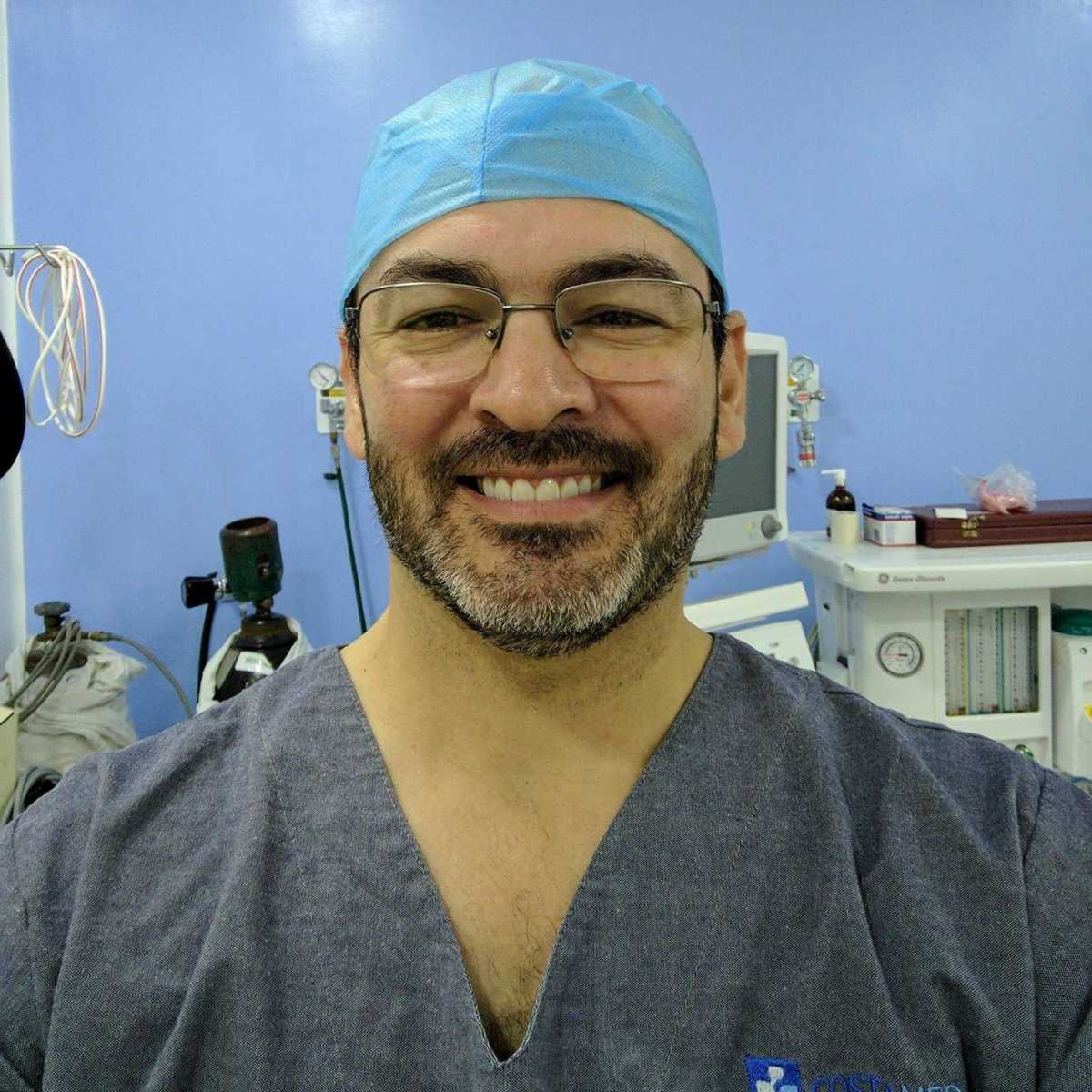
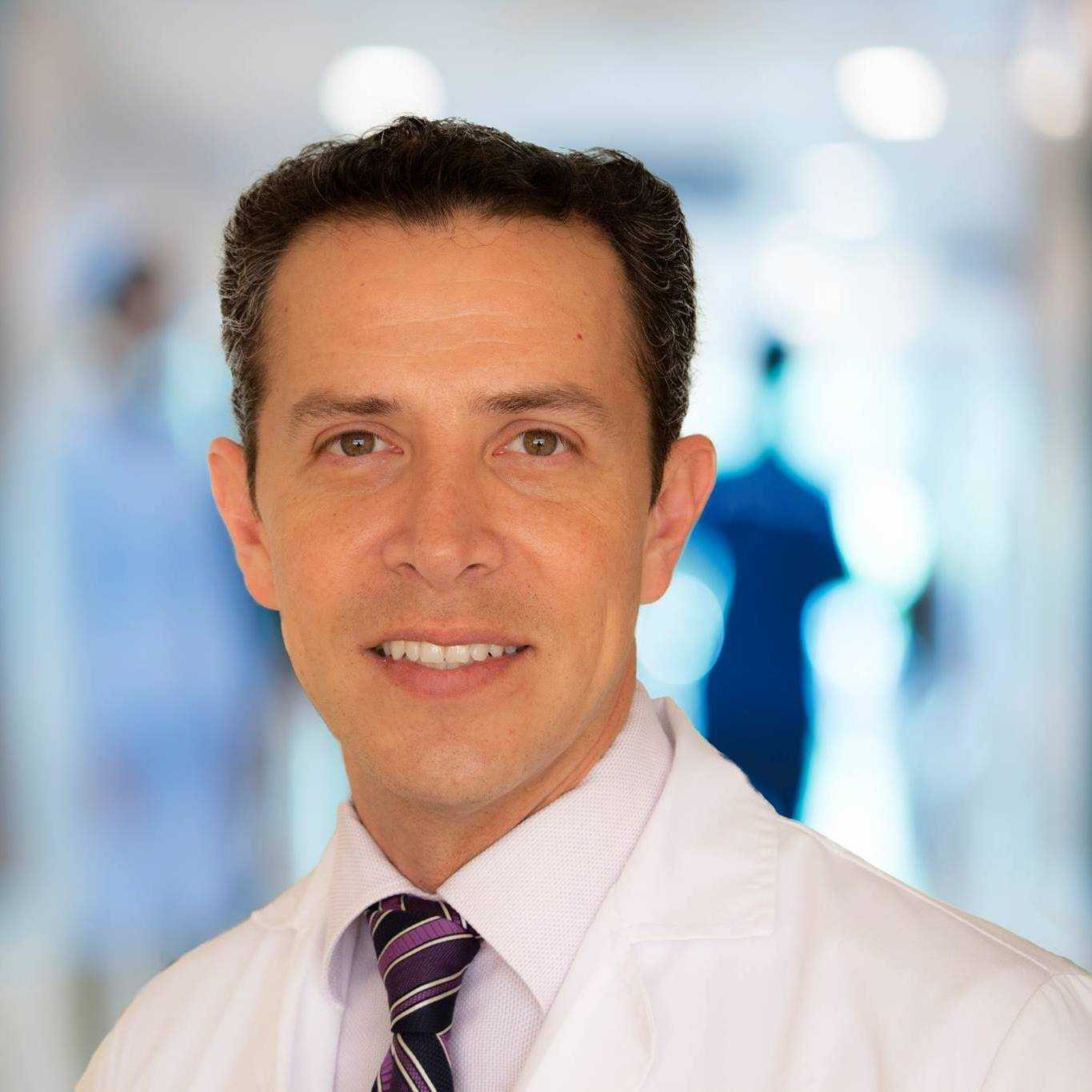
Dr. Ernesto Javier Acosta Abeyta
Plastic, Aesthetic, and Reconstructive Surgeon
Based centrally in Merida, Mexico, Dr. Ernesto Javier Acosta Abeyta brings over 11 years of dedicated clinical experience to his surgical practice. Having treated more than 3,500 patients and successfully performed over 3,800 procedures, he emphasizes a highly thorough, individualized approach to cosmetic and reconstructive facial surgery.
- Board Certification: Fully certified by the Council of Plastic, Aesthetic, and Reconstructive Surgery A.C. (Certification No. 1519).
- Professional Memberships: Active member of the prestigious Mexican Association of Aesthetic and Reconstructive Plastic Surgery since 2010.
- Medical Training: Specialized surgical training completed at the respected University Hospital “Dr. José E. González” in Monterrey, supplemented with international clinical rotations.
Frequently Asked Questions
How noticeable will scars be after my nose surgery?
If a closed rhinoplasty technique is strategically used, all incisions are made inside the nostrils, resulting in absolutely no visible external scarring. If an open technique is required for complex structural work, a tiny incision is made on the columella (underneath the nose between the nostrils). This specific scar generally heals exceptionally well and becomes faintly visible or nearly imperceptible to the naked eye over time.
Is the recovery process considered very painful?
Most patients describe the initial recovery as uncomfortable rather than severely painful. You will likely feel deep pressure, significant congestion (similar to a severe head cold), and mild to moderate soreness. Your surgeon will prescribe or recommend appropriate pain management medications specifically for the first few days to keep you comfortable.
Why does one side of my nose look more swollen than the other during recovery?
Asymmetrical swelling is entirely normal and expected during the long healing process. The human body rarely resolves lymphatic swelling perfectly evenly on both sides simultaneously. This visual unevenness can be temporarily frustrating for patients but is typically a standard stage of recovery, not an indication of a surgical mistake.
Can I wear my prescription glasses or sunglasses after the procedure?
You must explicitly avoid letting glasses or heavy sunglasses rest directly on the bridge of your newly operated nose for at least 4 to 6 weeks. The downward pressure can physically alter the healing bone and cartilage structure. You may need to tape the glasses gently to your forehead or purchase specialized cheek-supports until your surgeon officially clears you.
How do I know if I need a functional septoplasty along with a cosmetic rhinoplasty?
If you actively experience chronic difficulty breathing through your nose, frequent sinus infections, loudly snore, or have a known history of nasal trauma causing a deviated septum, you must discuss these symptoms thoroughly during your consultation. The surgeon will physically evaluate your internal nasal structure and recommend combining functional airway repairs (septoplasty) with your cosmetic reshaping if medically appropriate.
When is it medically safe to return to the gym or intense exercise?
Light, flat walking is highly encouraged early on to promote healthy blood circulation, but you must strictly avoid aerobic exercise, running, heavy lifting, and bending over (which puts your head below your heart) for at least 3 to 4 weeks. Strenuous activity drastically increases your blood pressure, which can lead to throbbing, sudden increased swelling, or dangerous internal bleeding in the nose.
Will I have uncomfortable gauze packing inserted inside my nose?
The specific use of internal nasal packing heavily depends on the surgical techniques utilized by the doctor, especially if extensive septal or turbinate work was performed. If packing is placed, it is typically removed in the clinic within the first 24 to 48 hours, though soft silicone internal splints might occasionally remain for a few days longer to support a straightened septum.
Do I absolutely need to travel to Merida with a companion?
It is strongly recommended for your safety and comfort to have a responsible adult companion travel with you. You will be physically groggy and visually impaired from swelling on the day of surgery and will require assistance with transportation, managing meals, taking medications on schedule, and basic care during the challenging first few days of recovery.
What happens if I get a cold or respiratory infection right before my surgery date?
If you develop a respiratory infection, severe cough, fever, or cold shortly before your procedure, you must notify your medical coordinator and surgeon immediately. For your strict medical safety, particularly regarding general anesthesia and vital airway management, the elective surgery will likely need to be postponed until you are fully recovered.
How long before I can evaluate the final cosmetic result?
While you will see significant changes when the external splint is removed after the first week, the nose will still be highly swollen. It typically takes a full 12 to 14 months for all micro-swelling to fully resolve and the skin to contract tightly over the new framework, allowing you to evaluate the true, permanent final result of the surgery.
Ready to Transform Your Profile?
Taking the next step involves gathering personalized medical information tailored to your unique anatomy. Connect with our dedicated patient coordination team to securely share your medical history, discuss your specific aesthetic or functional needs, and receive a comprehensive, obligation-free evaluation for surgery in Merida.
Request Free QuoteReferences
- Cleveland Clinic: Rhinoplasty (Nose Job) - Surgery, Recovery, Before & After
- StatPearls Publishing (NCBI): Rhinoplasty Indications, Clinical Considerations, and Patient Evaluation
- National Center for Biotechnology Information (PMC): Comprehensive Review of Risks and Complications in Rhinoplasty
- American Society of Plastic Surgeons: Step-by-Step Rhinoplasty Procedure Guide
- MedlinePlus (National Library of Medicine): Medical Encyclopedia Entry on Cosmetic Nose Surgery



.png)
.jpg)
.png)
.png)
-(1).png)
.png)
.png)
.png)








Share this listing