

Rhinoplasty in Bogotá, Colombia can combine surgical nose reshaping with coordinated pre-operative planning and local post-operative follow-up for international patients. Think of it as careful facial architecture rather than a quick makeover: the treatment plan should account for your nasal structure, breathing concerns, recovery needs, and travel schedule. This package starts from USD 4,200 and is intended for patients who may be suitable after medical assessment; the final treatment plan, eligibility, included services, and total cost must be confirmed by the treating surgeon.
Important Facts
- Starting price: The rhinoplasty package starts from USD 4,200; the final cost depends on your anatomy, surgical technique, facility needs, anesthesia, and any additional medical requirements.
- Medical suitability: A plastic surgeon must review your medical history, current medicines, nasal concerns, and treatment goals before confirming candidacy.
- Expected stay: International patients commonly plan around 10–14 days in Bogotá, although the treating physician must decide when it is medically safe for you to fly.
- Early recovery: A nasal splint may remain in place for approximately one week, while visible swelling generally improves gradually over the following weeks.
- Long-term healing: Nasal shape continues to settle over several months, and complete refinement may take up to one year.
- Travel preparation: Medical travelers should arrange flexible flights, recovery accommodation, local support, and a follow-up plan before traveling abroad for surgery.
Rhinoplasty price in Bogotá, Colombia
Bogotá is considered by many international patients seeking private cosmetic surgery because treatment costs may be lower than self-pay expenses in countries such as the United States, Canada, and the United Kingdom. Price should never be the only selection factor: confirm the surgeon’s qualifications, facility authorization, anesthesia arrangements, aftercare plan, and the full written cost before booking travel.
| Country or destination | Rhinoplasty cost context | What patients should confirm |
|---|---|---|
| Bogotá, Colombia | Package starting from USD 4,200 | Exact procedure scope, anesthesia, facility fee, follow-up care, medicines, and travel-related expenses. |
| United States | Often a higher private-pay expense | Whether surgeon, anesthesia, operating room, testing, and follow-up fees are quoted separately. |
| Canada | Often a higher private-pay expense | Cosmetic surgery is commonly self-funded; confirm private clinical and facility costs. |
| United Kingdom | Often a higher private-pay expense | How the treatment plan, surgeon experience, surgical setting, and recovery visits affect the quote. |
Estimated rhinoplasty package cost breakdown
The figures below are for planning only and are not a medical quote. Your total may change after the surgeon evaluates your nasal anatomy, previous injuries or surgery, breathing concerns, medical history, and required surgical approach.
| Procedure item | Estimated cost | Description |
|---|---|---|
| Pre-operative consultation | To be confirmed | Review of health history, aesthetic concerns, and treatment expectations. |
| Rhinoplasty surgeon fee | Included in starting estimate* | Surgical planning and nose reshaping according to your individualized plan. |
| Anesthesia and operating-room care | To be confirmed | Depends on procedure duration, facility arrangements, and safety requirements. |
| Routine post-operative appointments | To be confirmed | Scheduled clinical checks during the local recovery period. |
| Post-operative medicines and dressings | To be confirmed | Only medicines and supplies prescribed by the clinical team. |
| Estimated total package price | From USD 4,200* | Final treatment price requires medical assessment and written confirmation. |
*Ask for an itemized written quote before paying a deposit. It should clearly state what is included, excluded, optional, and potentially chargeable if your treatment plan changes.
What may be included in your rhinoplasty package?
Your final package should be confirmed in writing before travel. Depending on the agreed treatment plan, a rhinoplasty package may include the following clinical services:
- Pre-operative medical consultation and review of your health information.
- Individualized surgical treatment planning with the plastic surgeon.
- Rhinoplasty procedure according to the agreed surgical plan.
- Operating-room arrangements and anesthesia services when stated in the written quote.
- Immediate post-operative observation and discharge guidance.
- Routine follow-up appointments during your stay in Bogotá.
- Nasal splint, dressing instructions, and standard aftercare guidance.
- Written recovery instructions and physician-led travel clearance assessment.
What is usually not included?
- International flights, airport taxes, visas, passport costs, and travel-document fees.
- Hotel, recovery suite, meals, local transportation, and personal spending unless specifically included.
- Travel insurance, cancellation coverage, or insurance for surgical complications.
- Medical tests, specialist clearances, or additional treatment required because of your health history.
- Emergency treatment, extended hospitalization, or unplanned medical care.
- Revision surgery or treatment for complications unless specifically addressed in a written policy.
- Additional cosmetic or functional procedures not included in the signed treatment plan.
Who may be suitable for nose reshaping surgery?
Rhinoplasty may be considered by adults who want to change nasal shape, proportion, or selected structural concerns. A consultation is essential because a treatment that suits one person’s anatomy and goals may not suit another’s.
- You have completed facial growth, based on the surgeon’s assessment.
- You are in stable general health and able to undergo anesthesia and surgery.
- You have concerns about the size, shape, profile, tip, bridge, asymmetry, or effects of a prior nasal injury.
- You have discussed any breathing concerns, allergies, sinus issues, snoring, or past nasal trauma.
- You understand that digital imaging may help communication but cannot guarantee a surgical result.
- You can follow instructions about smoking, vaping, alcohol, medicines, and supplements before and after surgery.
- You have realistic expectations and understand that healing is gradual.
- You can remain in Bogotá for follow-up and postpone travel if the physician considers it necessary.
Medical documents needed before your consultation
Sending complete information before travel helps the clinical team assess whether rhinoplasty may be appropriate and whether you need additional testing or specialist clearance.
- Completed medical history form.
- List of current prescription medicines, over-the-counter medicines, vitamins, and supplements.
- Details of medication, latex, food, or anesthesia allergies.
- Information about previous surgeries, injuries, hospital admissions, and prior rhinoplasty or septal surgery.
- Recent laboratory reports or medical-clearance documents if requested.
- Reports related to asthma, sleep apnea, heart disease, diabetes, blood pressure, clotting conditions, or bleeding disorders where relevant.
- Previous ENT assessments, CT scans, nasal imaging, or breathing evaluations if available.
- Clear facial photographs taken according to the surgeon’s requested angles and lighting instructions.
How rhinoplasty surgery works in Colombia?
Rhinoplasty is a surgical procedure that changes the structure of the nose. Depending on your treatment plan, the surgeon may adjust bone, cartilage, soft tissue, or internal support structures to address aesthetic concerns and, in selected cases, functional nasal concerns.
The operation may use an open approach, which involves a small incision across the skin between the nostrils, or a closed approach, where incisions are placed inside the nostrils. The appropriate method depends on the complexity of the planned changes and should be explained clearly during your consultation.
Step-by-step rhinoplasty procedure
- Consultation and planning: You discuss your concerns, health history, prior injuries, breathing function, and realistic treatment goals with the surgeon.
- Pre-operative safety checks: The team reviews tests, medication instructions, fasting requirements, allergies, and anesthesia suitability.
- Anesthesia: The anesthesia professional administers the planned anesthesia and monitors you throughout surgery.
- Surgical access: The surgeon uses an open or closed rhinoplasty approach to reach the internal nasal structures.
- Nasal reshaping: Bone and cartilage may be adjusted, repositioned, supported, or grafted where medically appropriate.
- Incision closure: Incisions are closed, and the surgeon may place an external splint and internal supports.
- Post-operative monitoring: You recover under clinical observation until the team decides you are ready for discharge or continued care.
Your rhinoplasty journey from consultation to follow-up
- Before booking travel: Share medical records, photos, and your treatment goals. Ask for a written plan, itemized quote, and expected local recovery time.
- Two to four weeks before surgery: Follow the surgeon’s instructions about nicotine, medicines, supplements, alcohol, testing, and fasting.
- Arrival in Bogotá: Attend your in-person consultation, review informed consent, confirm the planned procedure, and finalize post-operative contact arrangements.
- Surgery day: Arrive at the facility as instructed, undergo the procedure, complete recovery monitoring, and receive discharge instructions.
- Days 1–7: Focus on rest, hydration, medication adherence, head elevation, dressing care, and scheduled clinical checks.
- Days 7–14: Attend splint removal and follow-up appointments. Your physician reviews healing and determines whether you can travel.
- After returning home: Continue follow-up as arranged and seek prompt local medical advice for urgent symptoms or concerns.
How long should you stay after rhinoplasty?
Many international rhinoplasty patients plan to stay in Bogotá for approximately 10–14 days. This timeframe is only a general travel-planning guideline, not a substitute for medical clearance.
- Your treating physician must determine whether you are medically fit to fly.
- Build flexibility into your return flight and accommodation plan in case your recovery requires a longer stay.
- ASPS guidance referenced by the CDC advises waiting 7–10 days before flying after facial cosmetic procedures, including nose surgery; individual recommendations can differ.
- Do not fly against clinical advice or leave before scheduled follow-up appointments.
- Consider traveling with a responsible adult who can help during the first days after surgery.
- Arrange a clear plan for continuity of care when you return home.
Rhinoplasty recovery and aftercare guidance
The first week after surgery
Swelling, bruising, nasal congestion, mild discomfort, and minor drainage can occur during the first few days. You may have an external nasal splint and, in some cases, internal supports. Follow your clinician’s instructions on cleaning, sleeping position, medication use, and activity limits.
The first month of healing
Bruising often improves before all swelling resolves. Your nose may look uneven or feel stiff while tissues heal, so avoid evaluating the result too early. Do not resume strenuous activity, swimming, contact sports, or glasses pressure without guidance from your surgical team.
Long-term healing and final contour
The nose changes gradually as swelling settles and scar tissue matures. The American Society of Plastic Surgeons notes that complete refinement may take up to one year. Your surgeon should advise you about local and remote follow-up based on your healing progress.
Rhinoplasty risks and possible complications
Rhinoplasty is surgery, and all surgery carries potential risks. This list is not exhaustive; your surgeon and anesthesia professional should discuss your individual risk factors, alternative options, likely recovery, and warning signs before you consent to treatment.
- Bleeding, infection, delayed healing, fluid collection, or an adverse reaction to anesthesia.
- Persistent swelling, bruising, tenderness, numbness, skin changes, or visible scarring.
- Asymmetry, contour irregularities, dissatisfaction with appearance, undercorrection, or overcorrection.
- Persistent or new breathing difficulties, nasal obstruction, or changes in airflow.
- Septal perforation, meaning a hole in the wall separating the nostrils.
- Skin healing problems, cartilage irregularities, nasal collapse, or changes requiring additional treatment.
- The possibility of revision rhinoplasty if healing or outcomes do not meet the agreed surgical goals.
- Blood-clot and travel-related risks when long-distance flights occur too soon after surgery.
Seek urgent medical help for chest pain, difficulty breathing, fainting, uncontrolled bleeding, high fever, rapidly worsening pain, new severe swelling, or any urgent symptom identified by your care team.
What results can rhinoplasty provide?
- Rhinoplasty may create a nose shape that appears more balanced with your facial features.
- The procedure may address concerns involving the bridge, nasal tip, nostril shape, profile, size, asymmetry, or injury-related changes.
- When structural concerns are clinically evaluated and treated, some patients may experience improved nasal airflow; outcomes vary based on the cause of obstruction.
- Early swelling can temporarily hide the final contour, especially around the nasal tip.
- Results vary based on anatomy, skin thickness, healing response, prior surgery, trauma history, and adherence to aftercare instructions.
- No surgeon can guarantee a specific appearance, exact recovery timeline, breathing improvement, or the absence of a future revision procedure.
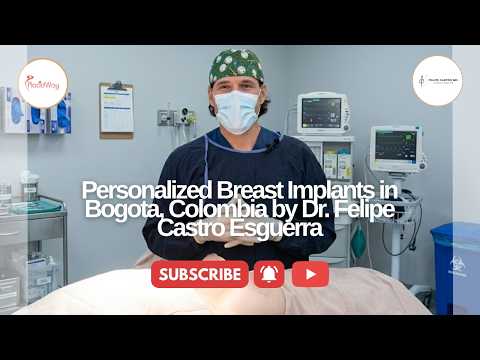
Dr. Felipe Castro Esguerra: professional information
Dr. Felipe Castro Esguerra is described in publicly available professional information as a plastic surgeon practicing in Bogotá, Colombia. Public listings state that he completed advanced training through the Integrated Plastic Surgery Program at Hospital Militar Central and Hospital de San José in Bogotá, with additional training at the Aesthetic Center for Plastic Surgery in Houston, Texas.
- Public professional profiles identify Dr. Castro Esguerra as a plastic surgeon providing aesthetic and reconstructive surgical services.
- Available listings report affiliations or registrations associated with the Colombian Society of Plastic Surgery, the International Society of Aesthetic Plastic Surgery, and the American Society of Plastic Surgeons.
- Before treatment, independently verify his current professional license, specialty certification, hospital privileges, rhinoplasty experience, and the credentials of the anesthesia provider.
- Ask where surgery will take place, whether the facility is authorized for the planned procedure, and what emergency transfer arrangements are available.
Frequently Asked Questions
Is USD 4,200 the final cost of rhinoplasty?
No. USD 4,200 is a starting package estimate. Your final cost depends on the approved surgical plan, medical assessment, anesthesia needs, facility charges, tests, follow-up services, and any required additional care.
How many days should I stay in Bogotá after rhinoplasty?
Plan approximately 10–14 days for early follow-up and splint removal, but travel clearance depends on your recovery and your treating physician’s decision.
When can I fly after nose surgery?
Your surgeon must approve your flight. ASPS guidance cited by the CDC recommends waiting 7–10 days after facial cosmetic surgery before flying, but some patients may need more time.
Will rhinoplasty improve my breathing?
It may help selected patients if a structural breathing issue is diagnosed and treated as part of the surgical plan. Cosmetic nose reshaping alone does not guarantee improved airflow.
Is rhinoplasty painful?
Discomfort is common after surgery but is often managed with medicines prescribed by the treating clinician. Patients may also experience pressure, nasal congestion, swelling, and bruising during early recovery.
Will I have a visible scar after rhinoplasty?
Scar visibility depends on the surgical approach and your healing response. In open rhinoplasty, the incision is typically placed on the columella, the small strip of skin between the nostrils; your surgeon can explain expected scarring for your procedure.
When will I see the final shape of my nose?
You may see an early change when the splint is removed, but swelling can continue to affect appearance for months. Complete nasal refinement may take up to one year.
Can I combine rhinoplasty with tourism in Colombia?
Plan your visit around healing rather than intensive tourism. Strenuous activity, sun exposure, alcohol, swimming, and busy excursions may interfere with safe recovery after cosmetic surgery.
What questions should I ask before traveling for rhinoplasty?
Ask about the surgeon’s qualifications, current specialty registration, rhinoplasty experience, facility standards, anesthesia credentials, complication plan, recovery timeline, follow-up schedule, communication process, and complete itemized costs.
What should I do if I have a problem after returning home?
Request written aftercare instructions, emergency contacts, and copies of your medical records before departure. Arrange a plan for local care and seek urgent medical attention for concerning symptoms. The CDC advises medical travelers to plan for continuity of care and potential complications.
Get a personalized rhinoplasty treatment plan
Request a medical review before making travel arrangements. You can ask for an individualized assessment, estimated recovery stay, surgeon consultation details, and a written breakdown of package inclusions and exclusions.
Request Free QuoteThis information is for general educational purposes only and does not replace an in-person consultation, diagnosis, or advice from a qualified healthcare professional. Your suitability for rhinoplasty, expected results, risks, recovery period, treatment cost, and fitness to travel must be assessed individually by the treating medical team.
References
- Centers for Disease Control and Prevention: Medical Tourism
- American Society of Plastic Surgeons: Rhinoplasty Patient Information
- American Society of Plastic Surgeons: Cosmetic Surgery Tourism Safety Briefing
- PubMed: Safety in Rhinoplasty, Avoidance and Management of Complications
- Centers for Disease Control and Prevention: Yellow Fever Risk Information for Travelers























Share this listing