
What treatment


2+ Top Rated Clinics for CAR T for Acute B cell Lymphoblastic Leukemia B ALL in Beijing, China
Trusted Medical Tourism Platform Since 2007
What are the best CAR T for Acute B cell Lymphoblastic Leukemia B ALL clinics in Beijing, China?
The top-rated clinics for CAR T for Acute B cell Lymphoblastic Leukemia B ALL in Beijing, China are Beijing Bioocus Medical Group, Beijing Jingdu Children's Hospital, International Hospital of Peking University, Hebei Yanda International Hospital, and Lu Daopei Hospital.
These specialized facilities often feature JCI accreditation and approval from the National Health Commission of China (NHC). They offer advanced immunotherapy, dedicated cell manufacturing, and targeted treatments for relapsed leukemia, multiple myeloma, and blood cancers. Advanced cell therapy packages at these centers generally range from $18,000 to $300,000 USD, providing cutting-edge oncology care, clinical trials, and comprehensive intensive care monitoring.
 100.00% Patient Recommend
Beijing Bioocus Medical Group


Overview
Discover most advanced gene therapy and car-t therapy at Beijing Bioocus Medical Group in Beijing, China. Innovative treatments for various medical conditions. Learn more now!
Read more details

.png)
Beijing Jingdu Children's Hospital: Advanced Pediatric Care & CAR T-Cell Therapy
Overview
Beijing Jingdu Children's Hospital leads the world in CAR T-cell therapy for pediatric leukemia, offering hope to children with relapsed or refractory leukemia.
Read more details
International Hospital of Peking University
Overview
Peking University International Hospital in Beijing offers top multispecialty care, including surgery, cancer treatment, orthopedics, dentistry, and more.
Read more details
Jiahui International Hospital | CAR-T Cell Therapy in China
Overview
Get advanced CAR-T cell therapy in Shanghai, China at Jiahui International Hospital for leukemia, lymphoma, and multiple myeloma.
Read more details
Discover your treatment options with a free, no-obligation quote!
Get your quote now!
Hebei Yanda International Hospital
Overview
Hebei Yanda International Hospital in Beijing, China, addresses your healthcare needs with expert oncology, cardiology, and neurology treatments.
Read more details
Lu Daopei Hospital - Cancer Treatment in China
Overview
Lu Daopei Hospital in China offers advanced CAR-T Cell Therapy, Bone Marrow Transplantation, and treatments for various blood cancers and immune disorders.
Read more details
Boao International Medical Center in Hainan, China
Overview
Explore Boao International Medical Center, a multispecialty hospital in Hainan, China, offering expert care, advanced treatments, and international patient services.
Read more details
Kanglin Biotec - Gene Therapy Center in China
Overview
Kanglin Biotec provides cutting-edge Gene Therapy China with advanced platforms, innovative research, and patient-focused treatments in Hangzhou, China.
Read more detailsDiscover your treatment options with a free, no-obligation quote!
Get your quote now!
XinHongqiao Henuo Branch in Shanghai, China
Overview
Visit XinHongqiao Henuo Branch Hospital in Shanghai, China for health screening, endoscopy, gynecology, urology, and specialist care.
Read more details
Last updated on
Which are the top CAR-T for Acute B-cell Lymphoblastic Leukemia (B-ALL) clinics in Beijing, China?
When seeking top-tier CAR-T therapy for B-ALL in Beijing, prominent clinics include Beijing Bioocus Medical Group, International Hospital of Peking University, Hebei Yanda International Hospital, and Lu Daopei Hospital. These facilities are recognized for their advanced immunotherapy programs, specialized oncology departments, and commitment to innovative leukemia treatment approaches. Many offer comprehensive care focusing on advanced cell therapies.
Beijing is a leading hub for advanced medical treatments, particularly in oncology and CAR-T cell therapy for acute B-cell lymphoblastic leukemia. When evaluating facilities, patients and their families often look for those with a strong track record, robust research programs, and comprehensive patient support. The listed clinics stand out for their dedication to cutting-edge CAR-T B-ALL treatment in China.
What defines an excellent CAR-T therapy clinic for B-ALL in Beijing?
An excellent CAR-T therapy clinic in Beijing for B-ALL combines extensive experience, state-of-the-art facilities, a multidisciplinary team, and a strong focus on patient-centric care. Look for clinics with established CAR-T programs, rigorous safety protocols for this specialized immunotherapy, and comprehensive support systems for leukemia patients. Accreditation and participation in clinical trials are also key indicators.
Top CAR-T centers for B-ALL in Beijing prioritize several critical aspects:
- Specialized Expertise: A team of hematologists, oncologists, immunologists, and critical care specialists with extensive experience in CAR-T cell therapy.
- Advanced Infrastructure: Dedicated cell processing labs, specialized intensive care units (ICUs) for managing potential side effects, and modern diagnostic imaging.
- Research and Development: Engagement in clinical trials and ongoing research helps clinics offer the latest CAR-T B-ALL treatment advancements.
- Accreditation and Quality Standards: Compliance with international healthcare standards and national regulatory bodies ensures high-quality care for immunotherapy patients.
How do Beijing's CAR-T clinics ensure patient safety during B-ALL treatment?
Beijing's CAR-T clinics prioritize patient safety through stringent protocols, specialized medical teams, and advanced monitoring during B-ALL treatment. They employ dedicated ICUs, strict infection control, and continuous observation for potential CAR-T side effects like cytokine release syndrome (CRS) and neurotoxicity. Comprehensive risk management is integrated into every step of this complex immunotherapy for leukemia.
Ensuring patient safety is paramount for any advanced therapy like CAR-T. Clinics in Beijing implement various measures:
- Rigorous Patient Selection: Thorough screening processes identify eligible patients and minimize risks.
- Highly Trained Staff: Medical professionals undergo specialized training in CAR-T administration and management of its unique side effects.
- Continuous Monitoring: Patients receive close observation in specialized units for several weeks post-infusion to detect and manage complications early.
- Emergency Preparedness: Protocols and resources are in place for rapid response to severe adverse events, including immediate access to specific medications.
What advanced technologies do CAR-T for B-ALL clinics in Beijing utilize?
CAR-T for B-ALL clinics in Beijing leverage cutting-edge technologies for cell manufacturing, precise patient monitoring, and diagnostic imaging. This includes automated cell processing systems, sophisticated genetic sequencing, high-resolution PET/CT scans for disease assessment, and advanced patient monitoring tools to ensure optimal CAR-T therapy outcomes and patient safety during leukemia treatment.
The success of CAR-T therapy heavily relies on advanced technological support:
- Automated Cell Processing: State-of-the-art facilities use automated systems for T-cell collection (leukapheresis), genetic modification, expansion, and cryopreservation to ensure consistent product quality.
- Molecular Diagnostics: Advanced genetic sequencing and flow cytometry are used for precise diagnosis of B-ALL and to monitor minimal residual disease (MRD) after CAR-T cell infusion.
- Imaging Technologies: High-resolution PET/CT and MRI scans help assess disease burden before treatment and monitor response afterward.
- Data Analytics and AI: Some leading centers incorporate AI and big data analytics to optimize treatment protocols and predict patient responses or potential adverse events.
What support services do CAR-T centers in Beijing offer for B-ALL patients?
CAR-T centers in Beijing provide comprehensive support services for B-ALL patients, including psychological counseling, nutritional guidance, rehabilitation therapy, and patient education programs. These services are crucial for managing the physical and emotional challenges of CAR-T therapy and ensuring a holistic approach to recovery and wellbeing for individuals undergoing leukemia treatment.
CAR-T treatment for B-ALL can be physically and emotionally demanding. Therefore, robust support services are integral to patient care:
- Psychological Support: Counseling and mental health services help patients cope with the stress and anxiety associated with their diagnosis and treatment.
- Nutritional Counseling: Dietitians provide personalized dietary plans to maintain strength and aid recovery, especially crucial during periods of reduced appetite or specific dietary needs.
- Rehabilitation Services: Physical and occupational therapists assist patients in regaining strength, mobility, and independence after prolonged hospital stays or treatment-related weakness.
- Patient Education: Comprehensive information sessions help patients and their families understand the treatment process, potential side effects, and necessary post-treatment care.
- Accommodation and Logistics: Some clinics offer assistance with finding nearby accommodations for patients and their families, or have dedicated international patient services.
How do clinics in Beijing manage potential side effects of CAR-T for B-ALL?
Beijing clinics effectively manage CAR-T side effects for B-ALL patients through proactive monitoring, rapid intervention protocols, and specialized critical care teams. They are equipped to handle cytokine release syndrome (CRS) and immune effector cell-associated neurotoxicity syndrome (ICANS) with specific medications and intensive supportive care, ensuring patient safety during this advanced leukemia treatment.
Managing the unique side effects of CAR-T cell therapy is a critical component of successful B-ALL treatment. Beijing's leading clinics employ a structured approach:
- Early Detection: Patients are continuously monitored for early signs and symptoms of complications like fever, hypotension, neurological changes, and respiratory distress.
- Grading of Side Effects: A standardized grading system (e.g., ASTCT grading for ICANS and CAR-T-related toxicity) allows for consistent assessment and appropriate escalation of care.
- Targeted Medications: Specific drugs, such as tocilizumab for CRS and corticosteroids for severe ICANS, are readily available and administered based on established guidelines.
- Multidisciplinary Team: Critical care specialists, neurologists, and infectious disease experts collaborate to provide comprehensive management and address complex complications.
- Supportive Care: This includes IV fluids, fever management, respiratory support, and seizure prophylaxis as needed.
What is the typical patient experience at a CAR-T B-ALL clinic in Beijing?
The patient experience at a CAR-T B-ALL clinic in Beijing typically begins with thorough evaluation, followed by cell collection and a conditioning regimen. Post-infusion, patients receive intensive monitoring in specialized units, transitioning to outpatient follow-up. The process emphasizes personalized care, multidisciplinary support, and close communication throughout this complex leukemia treatment journey.
Undergoing CAR-T therapy is a multi-step process designed for meticulous care:
- Initial Consultation & Evaluation: Comprehensive medical history review, physical exam, and extensive diagnostic tests to confirm B-ALL diagnosis and assess fitness for therapy.
- Leukapheresis: T-cells are collected from the patient's blood, typically in an outpatient setting.
- Cell Manufacturing: The collected cells are sent to a specialized lab for genetic modification and expansion, a process that can take several weeks. During this time, patients may receive bridging chemotherapy.
- Conditioning Chemotherapy: A short course of chemotherapy is administered to prepare the patient's body for the CAR-T cells.
- CAR-T Cell Infusion: The modified CAR-T cells are infused back into the patient, similar to a blood transfusion.
- Post-Infusion Monitoring: Intensive inpatient monitoring (usually 2-4 weeks) in a dedicated unit to watch for side effects.
- Outpatient Follow-up: Long-term follow-up appointments are scheduled to monitor recovery, disease status, and late complications.
Are clinical trials for CAR-T B-ALL available at clinics in Beijing?
Yes, several leading CAR-T B-ALL clinics in Beijing actively participate in and conduct clinical trials. This allows patients access to novel CAR-T cell therapies and innovative leukemia treatment protocols not yet widely available. Participation in these trials can offer advanced care options and contribute to the ongoing development of immunotherapy for B-ALL.
China, particularly Beijing, has emerged as a significant global player in CAR-T cell therapy research and clinical trials.
- Access to Novel Therapies: Clinical trials offer patients access to investigational CAR-T cell products that may be more effective or have fewer side effects than approved therapies.
- Contributing to Advancement: Participation helps advance medical science and improve future treatments for B-ALL patients worldwide.
- Rigorous Oversight: All clinical trials in Beijing adhere to strict ethical and regulatory guidelines to ensure patient safety and data integrity.
- Eligibility Criteria: Patients interested in trials must meet specific eligibility criteria, which are thoroughly evaluated by the clinical research team.
What accreditations or certifications should I look for in a Beijing CAR-T B-ALL clinic?
When selecting a CAR-T B-ALL clinic in Beijing, look for national and international accreditations such as JCI (Joint Commission International) for quality and patient safety. Other important certifications include local government health department approvals and specialized designations for oncology or hematopoietic stem cell transplantation centers, indicating expertise in advanced leukemia treatment and cell therapies.
Accreditations signify a clinic's commitment to high standards of care:
- Joint Commission International (JCI): This is a globally recognized accreditation for healthcare quality and patient safety.
- National Health Commission of China (NHC): Ensures compliance with national healthcare standards and regulations.
- Specialized Certifications: Look for recognition or certifications specific to oncology, hematology, or cell therapy from relevant medical associations.
- Research Ethics Committee (REC) Approval: For clinics involved in clinical trials, this ensures ethical conduct of research.
How do Beijing CAR-T clinics provide long-term follow-up for B-ALL patients?
Beijing CAR-T clinics offer structured long-term follow-up for B-ALL patients, typically involving regular check-ups, blood tests, imaging, and monitoring for late complications or relapse. These post-treatment care plans often extend for several years, ensuring continued well-being, timely intervention, and comprehensive support for patients after their advanced leukemia immunotherapy.
Long-term follow-up is crucial for all CAR-T B-ALL patients to monitor treatment effectiveness and manage any late-onset issues.
- Regular Clinical Assessments: Scheduled appointments to evaluate overall health, assess for signs of relapse, and check for any delayed or chronic side effects.
- Laboratory Monitoring: Frequent blood tests, including complete blood counts, CAR-T cell persistence, and minimal residual disease (MRD) assays, are performed.
- Imaging Studies: Periodic PET/CT or MRI scans to monitor disease status and detect any potential recurrence.
- Immunization & Infection Prophylaxis: Guidance and administration of necessary vaccinations and prophylactic medications to prevent infections due to immunosuppression.
- Quality of Life Assessments: Support for managing long-term physical and psychological impacts, ensuring patients can return to a fulfilling life after leukemia treatment.
How PlacidWay helps individuals access CAR-T for Acute B-cell Lymphoblastic Leukemia (B-ALL) in Beijing?
PlacidWay provides detailed, up-to-date information about CAR-T for Acute B-cell Lymphoblastic Leukemia (B-ALL), including benefits, risks, and expected outcomes, empowering you with knowledge. We help users compare treatment in various clinics in Beijing, ensuring affordable options without compromising on quality by offering a curated selection of reputable facilities. PlacidWay assists you in finding trusted, accredited clinics and medical professionals specializing in CAR-T for Acute B-cell Lymphoblastic Leukemia (B-ALL) in Beijing, ensuring you connect with leading experts. We offer one-on-one consultations to help users make informed decisions about their treatment, ensuring their specific needs are met with personalized guidance. PlacidWay ensures continued support after the treatment, including follow-up care and recovery assistance, making your entire healthcare journey seamless. Ready to get CAR-T for Acute B-cell Lymphoblastic Leukemia (B-ALL) in Beijing, China? Contact us today for a personalized consultation.Share with AI
Share this page with AI assistants to get summaries and insights


List of Best CAR T for Acute B cell Lymphoblastic Leukemia B ALL Clinics in China
Explore CAR T for Acute B cell Lymphoblastic Leukemia B ALL: Stories, Testimonials, and Procedures
Watch in-depth videos covering everything from CAR T for Acute B cell Lymphoblastic Leukemia B ALL success stories to detailed procedure explanations. Learn what to expect and hear from real patients.
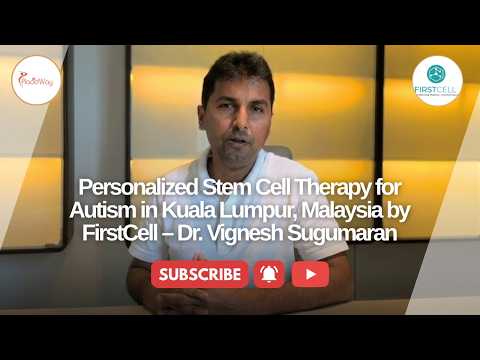
Personalized Stem Cell Therapy for Autism in Kuala Lumpur, Malaysia by FirstCell – Dr. Vignesh Sugumaran
Stem Cell Therapy
FirstCell Malaysia
Kuala Lumpur, Malaysia
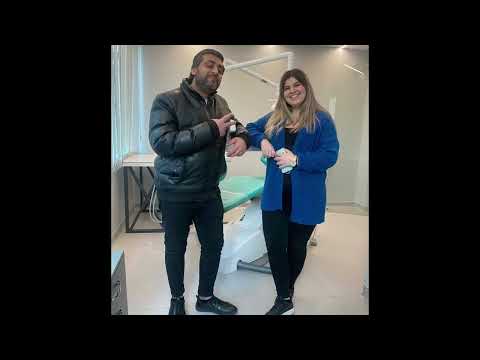
Medical Tourism in Istanbul, Turkey – Transforming Lives with Expert Healthcare
Addiction Treatment
Medical Park Hospitals Group in Istanbul, Turkey
Istanbul, Turkey

Penile Prosthesis Guide | Doç. Dr. Zülfü Sertkaya
Urology
Assoc. Prof. Dr. Zülfü Sertkaya - Urology in Istanbul, Turkey
Istanbul, Turkey
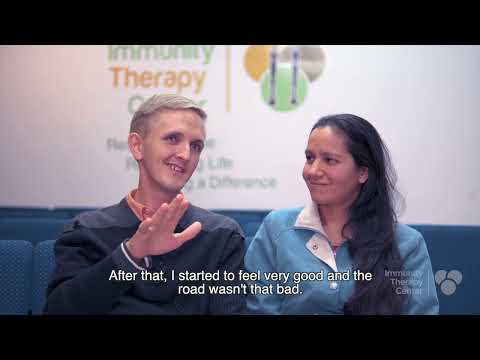
From Diagnosis to Recovery: Alternative GIST Treatment Journey in Mexico
CAR-T Cell Therapy
Alternative Cancer Treatment by ITC - Immunity Therapy Center
Tijuana, Mexico
Unlock the Best CAR T for Acute B cell Lymphoblastic Leukemia B ALL Packages Just for You
Discover the ultimate CAR T for Acute B cell Lymphoblastic Leukemia B ALL packages designed to meet your health and wellness goals. Choose the perfect fit for your journey.

Price starting from $70,000
Advanced CAR-T Cell Therapy for Multiple Myeloma Package in Beijing, China by Bioocus Biotech
Beijing Bioocus Medical Group
- CAR-T Cell Therapy
Beijing, China
Price starting from $70,000
CAR-T Cell Therapy for Hematology Cancer and Immune Diseases Package in Beijing, China by Bioocus Biotech
Beijing Bioocus Medical Group
- CAR-T Cell Therapy
Beijing, China
Price starting from $300,000
FUCASO CAR-T Cell Therapy Package in Beijing, China by Bioocus Biotech
Beijing Bioocus Medical Group
- CAR-T Cell Therapy
Beijing, China
Transformative CAR T for Acute B cell Lymphoblastic Leukemia B ALL Experiences: Dive into Procedure Insights
Discover the power of CAR T for Acute B cell Lymphoblastic Leukemia B ALL through compelling patient experiences. Uncover detailed insights into procedures, recovery journeys, and life-changing results.










Read More