
What treatment


8+ Best Clinics for Stem Cell Therapy for Huntingtons Disease in Thailand
Trusted Medical Tourism Platform Since 2007
What are the best stem cell therapy clinics in Thailand?
The best stem cell therapy clinics in Thailand include Vega Stem Cell Clinic (Bangkok), Beike Biotech (Bangkok), Stay Well Clinic & Physio (Phuket), Surecell Medical Clinic (Pattaya), Healthi Life Longevity Center (Bangkok), and Boston Health Longevity (Chiang Mai).
These facilities adhere to Thai Ministry of Public Health regulations and GMP compliance standards. They utilize mesenchymal stem cells (MSCs) to treat complex conditions including Huntington's disease, autism, cerebral palsy, diabetes, kidney failure, and osteoarthritis. Comprehensive treatment packages range from $1,750 to $25,944 USD, providing advanced regenerative medicine at highly competitive rates compared to Western facilities.
 100.00% Patient Recommend
Vega Stem Cell Clinic in Bangkok Thailand


Overview
Vega Clinic in Bangkok, Thailand, helps people feel better with special treatments. They use new ways to heal and make sure each person gets care made just for them.
Read more details

Beike Biotech
Overview
Beike Biotechnology offers the best stem cell therapy in Thailand, combining top-quality regenerative treatment with cutting-edge technology for optimal patient care.
Read more details

Boston Health Longevity - Anti Aging Stem Cell Therapy in Thailand
Overview
Experience advanced Anti Aging Stem Cell Therapy in Thailand at Boston Health Longevity. Improve cellular health, vitality, and longevity with expert care.
Read more details
Healthi Life Longevity Center in Bangkok, Thailand
Overview
Explore stem cell therapy in Bangkok, Thailand by Healthi Life Longevity Center with advanced regenerative treatments and personalized care plans.
Read more detailsDiscover your treatment options with a free, no-obligation quote!
Get your quote now!
Mousai Wellness Center - Stem Cell Bangkok Thailand
Overview
Discover advanced Stem Cell treatments in Bangkok, Thailand at Mousai Wellness Center. Safe, innovative, and personalized care for lasting wellness.
Read more details
SCF Clinic - Stem Cell Bangkok Thailand
Overview
Experience advanced Stem Cell Bangkok Thailand at SCF Clinic. We offer CAR-T, NK Cell therapy, Exosomes, Multi-Cancer Early Detection & Anti-Aging programs.
Read more details 100.00% Patient Recommend
Stay Well Clinic & Physio
Overview
Discover advanced Stem Cell and NK Cell therapies at Stay Well Clinic & Physio in Phuket, Thailand. Experience cutting-edge treatments for optimal health.
Read more details 100.00% Patient Recommend
Surecell Medical Clinic
Overview
Experience the Best Stem Cell Therapy in Pattaya, Thailand at Surecell Clinic. Transform your health with our state-of-the-art regenerative treatments.
Read more detailsDiscover your treatment options with a free, no-obligation quote!
Get your quote now!
WIH Hospital
Overview
Discover cutting-edge stem cell therapy at WIH Hospital in Bangkok. Expert care and advanced treatments for various conditions at our leading stem cell clinic.
Read more details 100.00% Patient Recommend
EDNA Wellness - Surgeon-Led Stem Cell Clinic in Bangkok Thailand
Overview
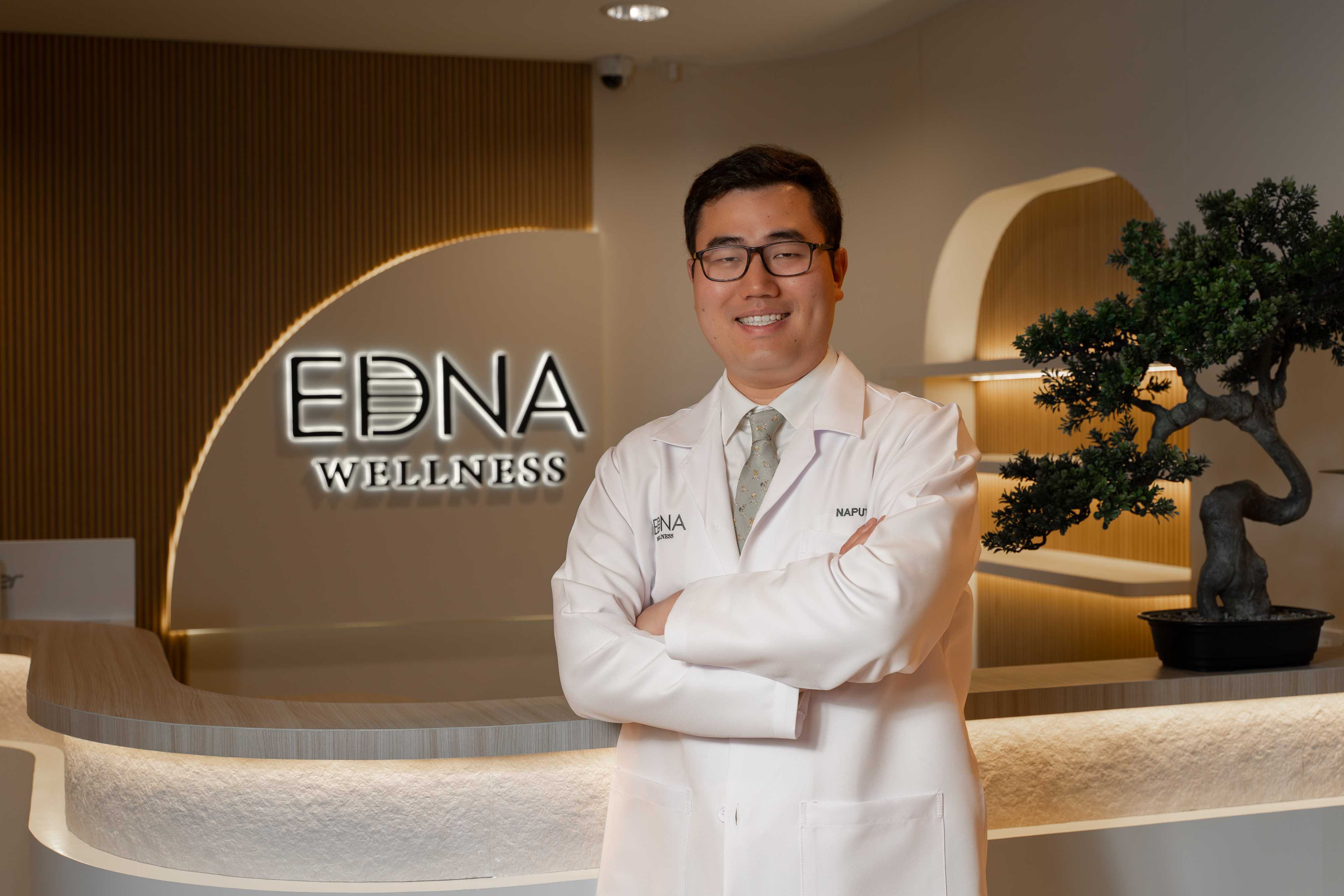
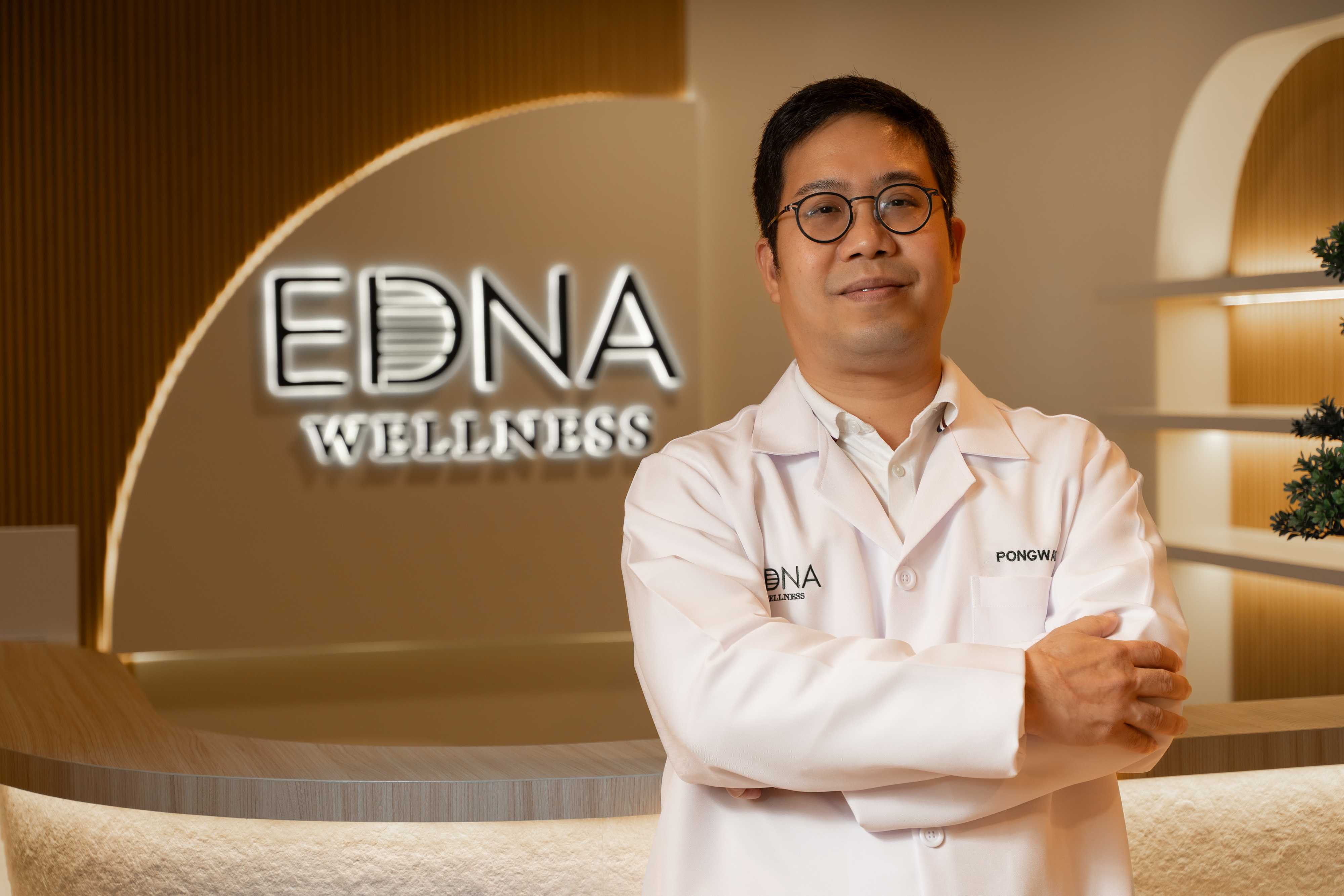
Surgeon-led UC-MSC Stem Cell Clinic in Bangkok, near Bangkok Hospital. Led by neurosurgeon Dr. Pongwat Polpong. GMP-certified, TISTR-collaborated, ISO 9001:2015 & ISO/IEC 17025:2017 accredited.
Read more details
 100.00% Patient Recommend
Reals Aesthetic Center
Overview
Transform your beauty at Reals Aesthetic Center, Thailand's premier destination for cosmetic plastic surgery and skin care. Enhance your natural radiance with our expert treatments.
Read more detailsR3TREAT | Thailand Spa Resort
Our sanctuary promotes health and well-being, through innovative treatment programmes and exquisite service. Situated on the idyllic and popular island of Phuket, Thailand, is located at the Bel Air Panwa, nestled amid a backdrop of spectacular scenery, white sandy beaches, stunning tropical sunsets and clear, warm waters of the Andaman Sea.


copy.png)
Authored by
Usama Ahmad
Medical content writer with 5+ years of experience specializing in stem cells and regenerative medicine content.

Reviewed by
Dr. Alejandro Fernando
Dr. Alejandro Fernando is a top stem cell specialist in Mexico City, specializing in regenerative medicine, cellular therapies, and chronic disease treatment and Medical Content Reviewer
Last updated on
Which are the best clinics for Stem Cell Therapy for Huntington's Disease in Thailand?
For Stem Cell Therapy for Huntington's Disease in Thailand, top clinics known for regenerative medicine expertise and positive patient feedback include Vega Stem Cell Clinic and Chirohealth Bangkok in the capital, along with Stay Well Clinic & Physio in Phuket and Surecell Medical Clinic in Pattaya. These facilities offer advanced therapies with a focus on patient care and safety for neurological conditions.
When considering clinics for a complex neurological condition like Huntington's Disease, it's essential to look for centers with proven experience in regenerative medicine and a commitment to patient well-being.
- Vega Stem Cell Clinic (Bangkok): Highly rated with numerous positive patient recommendations, Vega Clinic specializes in innovative treatments for various conditions, including neurological disorders. Their focus on personalized care and advanced stem cell protocols makes them a prominent choice.
- Chirohealth Bangkok (Bangkok): Known for its expertise in regenerative medicine, Chirohealth Bangkok integrates various therapeutic approaches, offering comprehensive care in a well-regarded facility.
- Stay Well Clinic & Physio (Phuket): Located in Phuket, this clinic provides advanced cellular therapies with a holistic approach, often combining stem cell treatments with physiotherapy, crucial for neurological conditions.
- Surecell Medical Clinic (Pattaya): Surecell Medical Clinic offers regenerative treatments in a patient-focused environment, known for state-of-the-art facilities and commitment to patient care.
What is Stem Cell Therapy for Huntington's Disease and how does it work?
Stem Cell Therapy for Huntington's Disease (HD) is an innovative treatment exploring the regenerative potential of stem cells, particularly Mesenchymal Stem Cells (MSCs), to address neurological degeneration. It aims to reduce inflammation, protect existing brain cells, and potentially support neural repair to improve motor and cognitive functions.
Huntington's Disease is a progressive neurodegenerative disorder affecting nerve cells in the brain. Stem cell therapy for HD is largely investigational but shows promise by targeting the underlying pathology:
- Neuroprotection: Stem cells, especially MSCs, release various neurotrophic factors and growth factors that can protect neurons from damage and promote their survival. This is crucial for delaying the progression of brain cell loss characteristic of HD.
- Anti-inflammatory Effects: Chronic inflammation in the brain contributes to neurodegeneration. MSCs have potent anti-inflammatory and immunomodulatory properties that can help calm the immune response in the central nervous system, creating a more favorable environment for neural health.
- Potential for Repair: While direct replacement of damaged neurons is complex, stem cells might encourage the body’s own repair mechanisms. They can help reduce scarring and improve the microenvironment, potentially supporting neuronal connections and function.
What should I look for in a reputable Stem Cell Therapy clinic for neurological conditions in Thailand?
When selecting a Stem Cell Therapy clinic in Thailand for neurological conditions like Huntington's, prioritize transparency, medical accreditations, and expertise in regenerative medicine. Look for facilities with clear safety protocols, experienced medical teams, and a commitment to realistic patient expectations regarding investigational treatments.
Choosing the right clinic is paramount for safety and potential efficacy. Here's what to consider:
- Medical Accreditations and Licensing: Ensure the clinic is officially licensed by the Thai Ministry of Public Health. Look for international accreditations if possible, which indicate adherence to global standards of care.
- Experienced Medical Team: Verify the qualifications and experience of the physicians, particularly their background in neurology, regenerative medicine, and stem cell therapy. They should be able to clearly explain the treatment rationale and their experience with Huntington's Disease or similar conditions.
- Transparency in Protocols: The clinic should provide detailed information about the type and source of stem cells used, laboratory standards for cell processing (e.g., GMP compliance), quality control testing, and administration methods. Requesting a Certificate of Analysis for cell products is a good practice.
- Realistic Expectations: A reputable clinic will openly discuss the investigational nature of stem cell therapy for Huntington's Disease, avoiding promises of a cure. They should outline potential benefits, risks, and limitations, ensuring informed consent.
- Comprehensive Patient Support: Assess the level of patient support, including pre-treatment assessments, integrated rehabilitation programs, and structured follow-up care.
What types of stem cells are primarily used for neurological disorders like Huntington's Disease in Thai clinics?
Thai clinics commonly use Mesenchymal Stem Cells (MSCs) for neurological conditions, often derived from umbilical cord tissue (UC-MSCs). These are favored for their youthful potency, high regenerative capacity, and strong immunomodulatory effects, which are beneficial in addressing neuroinflammation and protecting neurons.
Mesenchymal Stem Cells (MSCs) are the most frequently utilized type of stem cells due to their multifaceted therapeutic properties.
- Umbilical Cord Tissue-Derived MSCs (UC-MSCs): These allogeneic cells are popular because they are young, robust, and have a high capacity to proliferate. They secrete a rich array of growth factors and anti-inflammatory molecules, making them ideal for systemic delivery without significant risk of immune rejection. They are ethically sourced from rigorously screened umbilical cords after healthy births.
- Autologous Adipose-Derived MSCs (ADSCs): Harvested from the patient's own fat tissue, these cells offer the advantage of no immune rejection. However, their potency might be affected by the patient's age and health status.
- Autologous Bone Marrow-Derived MSCs (BM-MSCs): Obtained from the patient's bone marrow, these cells are also autologous, meaning they come from the patient's own body. Similar to ADSCs, their efficacy can vary depending on the patient's overall health.
What is the typical patient journey for Stem Cell Therapy for Huntington's Disease in Thailand?
The patient journey for Stem Cell Therapy for Huntington's Disease in Thailand typically begins with a thorough remote medical review, followed by a personalized consultation. Upon arrival, patients undergo on-site assessments before receiving stem cell administrations, integrated with rehabilitation and post-treatment monitoring.
The process is designed to be comprehensive and supportive for international patients:
- Initial Inquiry & Medical Review: Patients first submit their detailed medical history, including diagnosis, previous treatments, and relevant imaging. This allows the clinic's specialists to determine preliminary eligibility.
- Virtual Consultation: A video consultation with the medical team clarifies the proposed treatment plan, discusses potential outcomes, risks, and provides a cost estimate.
- On-site Evaluation: Upon arrival in Thailand, patients undergo in-person neurological examinations, further diagnostic tests, and final consultations to refine the treatment plan.
- Stem Cell Administration: This phase involves the actual stem cell infusions, often intravenously or intrathecally (into the spinal canal), over several sessions according to the personalized protocol.
- Integrated Rehabilitation: Many clinics combine stem cell therapy with intensive physiotherapy, occupational therapy, and other supportive treatments to maximize functional recovery.
- Post-Treatment Monitoring & Follow-up: Patients are monitored post-procedure, receive discharge instructions for home care, and a plan for remote follow-up with the Thai clinic is established to track progress.
How does Thailand's medical infrastructure support advanced neurological treatments like Stem Cell Therapy for Huntington's?
Thailand's medical infrastructure boasts state-of-the-art hospitals and specialized clinics, adhering to international standards, which is crucial for advanced neurological treatments. These facilities offer cutting-edge technology, experienced specialists, and a supportive environment for complex therapies like stem cell treatment for Huntington's Disease.
Thailand has significantly invested in its healthcare sector, establishing itself as a global medical tourism hub, particularly for advanced treatments.
- World-Class Facilities: Many hospitals and clinics in major cities like Bangkok and Phuket are internationally accredited, featuring modern diagnostic equipment, advanced surgical suites, and dedicated regenerative medicine units.
- Specialized Expertise: A considerable number of Thai medical professionals receive international training and are highly skilled in various specialized fields, including neurology and cellular therapies. This expertise is vital for managing complex conditions like Huntington's Disease.
- Research and Development: There is a growing emphasis on research and innovation in regenerative medicine, ensuring that clinics are often at the forefront of adopting and refining new treatment protocols based on global scientific advancements.
- Comprehensive Support Services: The infrastructure also includes extensive support for international patients, such as multilingual staff, dedicated coordinators, and assistance with logistics like accommodation and travel, making the patient experience smoother.
What are the potential benefits of Stem Cell Therapy for Huntington's Disease patients?
While not a cure, Stem Cell Therapy for Huntington's Disease (HD) offers potential benefits including improved motor control, cognitive stabilization, better mood regulation, and a potential slowing of disease progression. Patients may experience reduced involuntary movements and enhanced daily functioning through neuroprotection and inflammation reduction.
For individuals with Huntington's Disease, who often face progressive deterioration of motor, cognitive, and psychiatric functions, investigational stem cell therapy aims to provide some degree of improvement and symptom management.
- Improved Motor Function: Patients may experience a reduction in chorea (involuntary jerky movements), better balance, coordination, and gait, leading to enhanced mobility and independence.
- Cognitive Stabilization: Potential improvements or stabilization in cognitive functions such as memory, attention, and executive function can contribute to better daily living and quality of life.
- Emotional and Psychiatric Regulation: Some reports suggest improvements in mood swings, irritability, and depression, which are common non-motor symptoms of HD.
- Neuroprotection and Slowed Progression: The neuroprotective and anti-inflammatory effects of stem cells may help protect existing neurons from further damage, potentially slowing the overall progression of the disease.
What are the challenges or limitations of Stem Cell Therapy for Huntington's Disease?
A primary limitation of Stem Cell Therapy for Huntington's Disease is its investigational status; it's not a definitive cure, and outcomes vary significantly. Challenges include managing realistic patient expectations, ensuring long-term efficacy through further research, and navigating the complex ethical considerations surrounding experimental treatments.
Despite promising research, it’s vital to acknowledge the challenges and limitations associated with stem cell therapy for Huntington's Disease:
- Investigational Status: Stem cell therapy for HD is not yet a standard, proven cure. Most treatments offered are part of ongoing research or compassionate use protocols, meaning long-term efficacy and safety are still being established.
- Variable Outcomes: Patient responses can differ widely. Not everyone experiences significant improvements, and some may not respond to the therapy at all.
- No Guaranteed Cure: The therapy primarily aims to manage symptoms, slow progression, and improve quality of life rather than completely halting or reversing the disease.
- Ethical and Regulatory Considerations: Navigating the ethical landscape of experimental treatments and ensuring adherence to robust international guidelines is complex. Patients must ensure they receive treatment from licensed and reputable facilities.
- Ongoing Standard Care: Patients typically need to continue their conventional medical management alongside stem cell therapy, as it is often considered an adjunctive treatment.
What kind of support services can international patients expect from Huntington's Disease clinics in Thailand?
International patients seeking Huntington's Disease treatment in Thailand can expect comprehensive support services from leading clinics. This includes assistance with travel logistics, multilingual patient coordinators, comfortable accommodation arrangements, and integrated post-treatment care plans, ensuring a seamless and reassuring medical journey.
Thai clinics cater extensively to international patients, understanding the unique needs of those traveling for medical care.
- Multilingual Patient Coordinators: Dedicated teams assist with communication, scheduling appointments, and managing medical records, often fluent in English and other international languages.
- Travel and Visa Assistance: Clinics can help navigate visa requirements for extended stays, arrange airport transfers, and provide local transportation during treatment.
- Accommodation Support: Recommendations for various accommodation options, from hotels to serviced apartments, often close to the clinic and tailored to patient needs, including accessibility features.
- Concierge Services: Assistance with local amenities, dietary needs, and cultural integration to ensure a comfortable stay.
- Integrated Care Teams: Beyond the stem cell treatment, support includes coordination with rehabilitation specialists (physical therapists, occupational therapists) to ensure a holistic approach to recovery.
- Remote Follow-up: Many clinics offer structured remote follow-up consultations to monitor progress and provide ongoing guidance once the patient returns home.
How can family members best support a patient undergoing Stem Cell Therapy for Huntington's Disease in Thailand?
Family members play a vital role in supporting a patient undergoing Stem Cell Therapy for Huntington's Disease in Thailand by providing emotional encouragement, assisting with daily care and logistics, actively participating in rehabilitation programs, and maintaining clear communication with the medical team for informed decision-making and continuity of care.
The journey through Stem Cell Therapy for Huntington's Disease can be demanding, and strong family support significantly contributes to the patient’s well-being and potential recovery.
- Emotional Support: Being present, offering encouragement, and helping manage the emotional challenges of a long-term neurological condition is paramount.
- Logistical Assistance: Helping with travel arrangements, navigating the new environment, and managing daily tasks reduces stress on the patient, allowing them to focus on their treatment and recovery.
- Active Involvement in Rehabilitation: Participating in and reinforcing rehabilitation exercises, learning about dietary recommendations, and assisting with prescribed therapies helps optimize treatment outcomes.
- Communication with the Medical Team: Acting as a primary point of contact for the medical team, asking questions, and ensuring all instructions are understood and followed. This also helps in coordinating care with home doctors.
- Realistic Expectations: Helping the patient maintain realistic expectations about the therapy's benefits and limitations, understanding that it's an investigational treatment, not a guaranteed cure.
- Advocacy: Being a strong advocate for the patient’s needs and preferences throughout the entire medical tourism journey.
How PlacidWay helps individuals access Stem Cell Therapy for Huntington's Disease in Thailand?
PlacidWay provides detailed, up-to-date information about Stem Cell Therapy for Huntington's Disease, including benefits, risks, and expected outcomes, ensuring you are fully informed. We help users compare treatment options in various clinics, ensuring affordable options without compromising on quality by vetting facilities and providing transparent details. PlacidWay assists users in finding trusted, accredited clinics and medical professionals specializing in Stem Cell Therapy for Huntington's Disease in Thailand, connecting you with reputable experts. We offer one-on-one consultations to help users make informed decisions about their treatment, ensuring their specific needs and concerns are met with personalized guidance. PlacidWay ensures continued support after the treatment, including facilitating follow-up care and recovery assistance, so your journey to wellness extends beyond your clinic visit. Ready to get Stem Cell Therapy for Huntington's Disease in Thailand? Contact us today for a personalized consultation.Share with AI
Share this page with AI assistants to get summaries and insights


List of Best Stem Cell Therapy for Huntingtons Disease Clinics in Thailand
Unlock the Best Stem Cell Therapy for Huntingtons Disease Packages Just for You
Discover the ultimate Stem Cell Therapy for Huntingtons Disease packages designed to meet your health and wellness goals. Choose the perfect fit for your journey.

Price starting from $12,310
Parkinson’s Stem Cell Therapy Program in Bangkok, Thailand by EDNA Wellness
EDNA Wellness - Surgeon-Led Stem Cell Clinic in Bangkok Thailand
- Stem Cell Therapy
Bangkok, Thailand

Price starting from $6,150
Stem Cell Therapy for Knee Osteoarthritis Package in Bangkok, Thailand by EDNA Wellness
EDNA Wellness - Surgeon-Led Stem Cell Clinic in Bangkok Thailand
- Stem Cell Therapy
Bangkok, Thailand

Price starting from $12,310
Advanced Stem Cell Therapy for Knee Osteoarthritis Package in Bangkok, Thailand by EDNA Wellness
EDNA Wellness - Surgeon-Led Stem Cell Clinic in Bangkok Thailand
- Stem Cell Therapy
Bangkok, Thailand

Price starting from $4,500
Advanced Degenerative Disc Treatment with Bangkok Stem Cell Package by Vega Clinic
Vega Stem Cell Clinic in Bangkok Thailand
- Stem Cell Therapy
Bangkok, Thailand
Transformative Stem Cell Therapy for Huntingtons Disease Experiences: Dive into Procedure Insights
Discover the power of Stem Cell Therapy for Huntingtons Disease through compelling patient experiences. Uncover detailed insights into procedures, recovery journeys, and life-changing results.
.png)
Price starting from $9,800
Stem Cell Therapy for Neuro Muscular in Kuala Lumpur, Malaysia
- Stem Cell Treatment for Muscular Dystrophy, Stem Cell Therapy
Kuala Lumpur, Malaysia
.png)
Price starting from $12,800
Stem Cell Therapy for Alzheimer’s Disease in Kuala Lumpur, Malaysia
- Stem Cell Treatment for Alzheimers Disease, Stem Cell Therapy
Kuala Lumpur, Malaysia
.png)
Price starting from $9,500
Stem Cell Therapy for Kidney Disease in Bengaluru, India
- Stem Cell Treatment for Kidney Failure, Stem Cell Therapy
Bengaluru, India
.png)
Price starting from $9,800
Stem Cell for Spinal Cord Injury in Kuala Lumpur, Malaysia
- Stem Cell Treatment for Spinal Cord Injury, Stem Cell Therapy
Kuala Lumpur, Malaysia








Read More