
What treatment


3+ Best Clinics for Stem Cell Therapy for Migraine in Japan
Trusted Medical Tourism Platform Since 2007
What are the best stem cell therapy clinics in Japan?
The leading stem cell therapy clinics in Japan include HELENE Stem Cell Clinic (Tokyo), Azabu Skin Clinic (Tokyo), Cell Grand Clinic (Osaka), and Clinique Haru (Osaka).
These facilities are strictly regulated by Japan's Ministry of Health, Labour and Welfare (MHLW) under the Act on the Safety of Regenerative Medicine. They utilize certified Cell Processing Centers and mesenchymal stem cells (MSCs) to treat chronic migraines, neuropathy, osteoarthritis, diabetes, spinal cord injuries, and anti-aging. Advanced autologous regenerative treatments typically range from $8,000 to $10,000 USD, providing patients globally with safe, high-dose cellular therapies and highly specialized neurological care.

 100.00% Patient Recommend
Cell Grand Clinic - Best Stem Cell Clinic in Japan


Overview
Explore Cell Grand Clinic, the best stem cell clinic in Japan specializing in top regenerative therapies for anti-aging, chronic conditions, and wellness.
Read more details

 82.81% Patient Recommend
HELENE - Stem Cell Clinic
Overview
Japan Regenerative Medicine Leading Brand With over a decade of experience and more than 17,000 treated patients. Providing cutting-edge stem cell therapies tailored to various health concerns.
Read more details
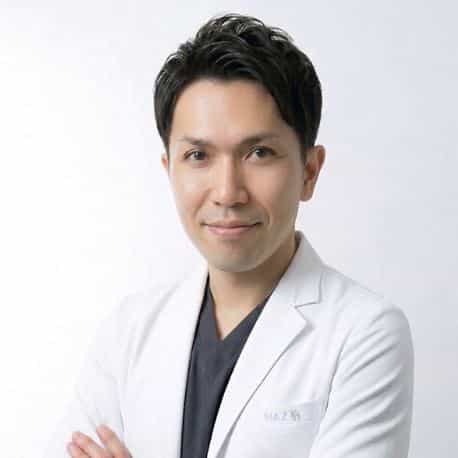
 100.00% Patient Recommend
Azabu Skin Clinic - Dermatology and Stem Cell Therapy in Japan
Overview
Azabu Skin Clinic in Tokyo offers advanced stem cell treatments, regenerative treatments, dermatology, and aesthetic care. Book your consultation today.
Read more details
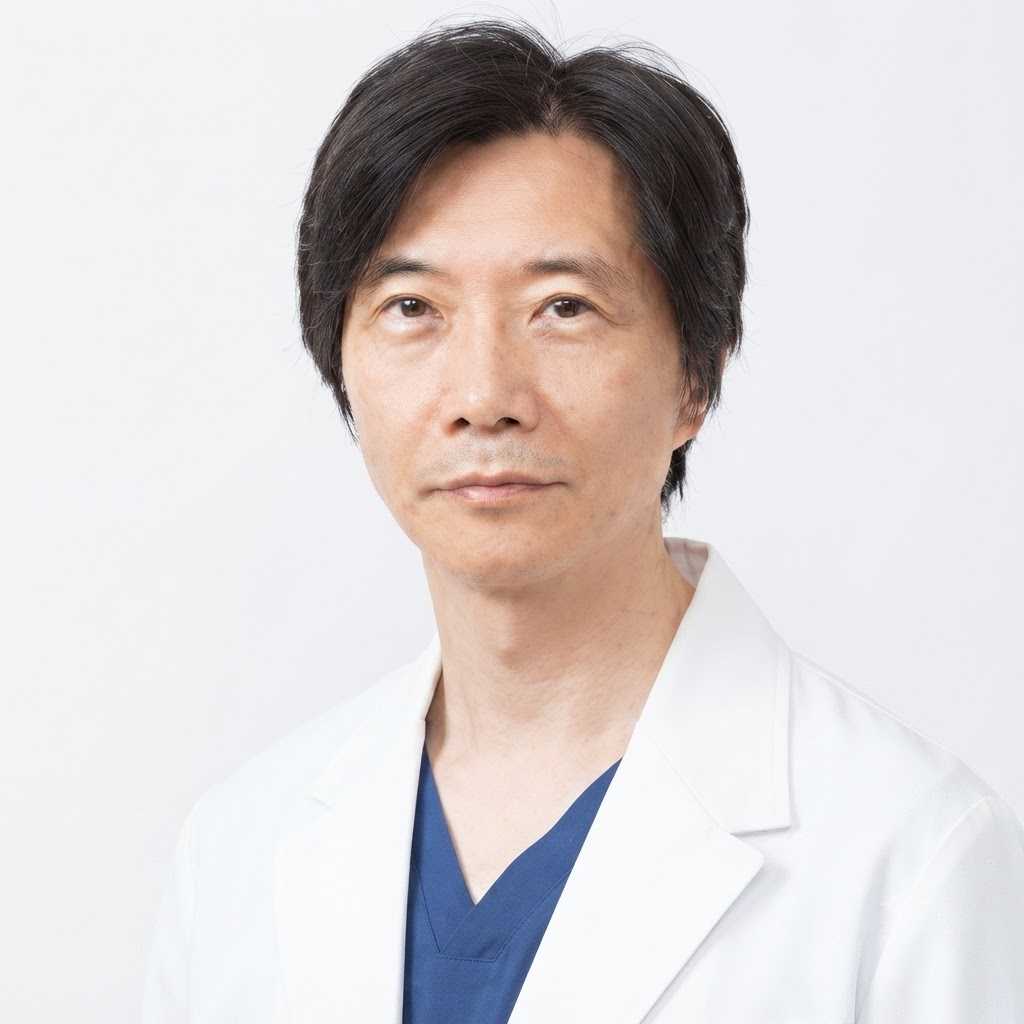


Clinique Haru Osaka Umeda - Japan Stem Cell Treatment
Overview
Clinique Haru Osaka Umeda specializes in Japan stem cell treatments for joint and musculoskeletal conditions using advanced regenerative medicine.
Read more detailsDiscover your treatment options with a free, no-obligation quote!
Get your quote now!
Riso Clinic - Japan Stem Cell Therapy
Overview
Explore Japan stem cell therapy at Riso Clinic in Tokyo. Advanced regenerative treatments for knee osteoarthritis, joint injuries, and cartilage repair.
Read more details
copy.png)
Authored by
Usama Ahmad
Medical content writer with 5+ years of experience specializing in stem cells and regenerative medicine content.

Reviewed by
Dr. Alejandro Fernando
Dr. Alejandro Fernando is a top stem cell specialist in Mexico City, specializing in regenerative medicine, cellular therapies, and chronic disease treatment and Medical Content Reviewer
Last updated on
Which are the best Stem Cell Therapy for Migraine clinics in Japan?
For top-tier Stem Cell Therapy for Migraine in Japan, clinics like HELENE - Stem Cell Clinic in Tokyo and Cell Grand Clinic in Osaka stand out. They are recognized for advanced regenerative medicine, cutting-edge cellular therapies, and high patient satisfaction rates. These facilities often emphasize personalized treatment protocols, strict safety standards, and innovative approaches to conditions including chronic pain and neurological disorders like migraines.
When considering the best clinics in Japan for Stem Cell Therapy for Migraine, two highly regarded institutions consistently receive positive feedback and demonstrate significant expertise in regenerative medicine:
- HELENE - Stem Cell Clinic (Tokyo, Japan): This clinic is a leading brand in Japanese regenerative medicine, boasting over a decade of experience and successfully treating more than 16,000 patients. They are praised for their comprehensive approach, offering cutting-edge stem cell therapies that are meticulously tailored to individual health concerns. Patient testimonials frequently highlight the clinic's spotless environment, thorough explanations during consultations, and highly attentive staff, leading to a 100% patient recommendation rate.
- Cell Grand Clinic (Osaka, Japan): Recognized as one of Japan’s premier stem cell clinics, Cell Grand Clinic specializes in regenerative therapies for a wide array of conditions, focusing on anti-aging, chronic illnesses, and overall wellness. Patients commend this clinic for its advanced medical technology and adherence to strict safety regulations. Reviews consistently mention the professionalism, cleanliness, and supportive nature of their staff, especially for international patients. This clinic also holds a 100% patient recommendation rate.
What should I look for in a Stem Cell Therapy for Migraine clinic in Japan?
When choosing a Stem Cell Therapy for Migraine clinic in Japan, prioritize accreditation and licensing, ensuring they meet rigorous Japanese medical standards. Look for clinics with extensive experience in regenerative medicine and specific expertise in neurological conditions like migraines. Patient reviews and testimonials are invaluable for understanding care quality and outcomes. Finally, confirm they offer personalized treatment plans and comprehensive diagnostic evaluations to tailor therapy to your unique needs.
Selecting the right Stem Cell Therapy for Migraine clinic is a crucial decision. Here are key factors to consider:
- Accreditation and Licensing: Ensure the clinic operates under the strict regulatory framework of Japan's Ministry of Health, Labour and Welfare for regenerative medicine. This guarantees adherence to high safety and quality standards for cellular therapies.
- Specialized Expertise: Look for clinics that explicitly mention experience with neurological conditions and chronic pain management, not just general regenerative medicine. Their focus on migraine treatment is vital.
- Treatment Protocols: Inquire about the types of stem cells used (e.g., autologous adipose-derived, bone marrow-derived MSCs) and the specific administration methods. A transparent clinic will explain their proprietary methods and why they are chosen.
- Patient-Centric Care: A clinic that offers personalized treatment plans based on a thorough diagnostic evaluation, including your medical history and migraine profile, is preferable. This ensures the therapy is tailored to you.
- Facility Standards: High-quality clinics, like HELENE - Stem Cell Clinic and Cell Grand Clinic, maintain spotless environments and state-of-the-art laboratories for cell processing, minimizing infection risks and ensuring cell viability.
- Comprehensive Support: Consider clinics that provide support beyond the treatment itself, such as post-procedure care guidance, lifestyle recommendations, and clear follow-up protocols.
How does Japan ensure safety in Stem Cell Therapy for Migraine?
Japan has a robust regulatory framework under its Act on the Safety of Regenerative Medicine, which strictly governs stem cell treatments. Clinics offering Stem Cell Therapy for Migraine must obtain specific licenses and adhere to stringent protocols for cell collection, processing, and administration. This ensures high standards of purity, viability, and patient safety, establishing Japan as a trusted destination for advanced cellular therapies.
Japan is renowned globally for its stringent regulations and commitment to patient safety in the field of regenerative medicine. Here's how they ensure a high level of safety for Stem Cell Therapy for Migraine:
- Act on the Safety of Regenerative Medicine: This comprehensive legal framework requires clinics and research institutions to obtain specific licenses and adhere to strict guidelines. This includes protocols for managing human stem cells, ensuring quality control, and protecting patient data.
- Ethical Review Boards: All regenerative medicine treatments, including those for migraines, must undergo rigorous ethical review and approval by institutional review boards before clinical application. This ensures patient well-being is paramount.
- Certified Cell Processing Centers (CPCs): Clinics like HELENE - Stem Cell Clinic and Cell Grand Clinic operate or partner with certified CPCs. These facilities follow Good Manufacturing Practice (GMP) standards for cell culturing and expansion, guaranteeing high purity, potency, and sterility of the stem cells used in therapy.
- Data Transparency and Reporting: Clinics are obligated to report treatment outcomes and any adverse events to regulatory bodies, contributing to continuous improvement and monitoring of safety profiles.
- Physician Expertise: Only licensed medical professionals with specialized training in regenerative medicine are authorized to perform these therapies, ensuring treatments are administered by qualified hands.
What is the typical patient journey for Stem Cell Therapy for Migraine in Japan?
A typical patient journey for Stem Cell Therapy for Migraine in Japan involves an initial consultation to assess eligibility and create a personalized treatment plan. This is followed by a stem cell harvesting procedure, usually from fat tissue or bone marrow. The cells are then processed and expanded in a specialized lab. Finally, the concentrated cells are administered, often intravenously or via targeted injection, with post-treatment monitoring and follow-up guidance provided.
The patient journey for Stem Cell Therapy for Migraine in Japan is thoughtfully structured to ensure comprehensive care and optimal outcomes:
- Initial Consultation and Evaluation: Your journey begins with a thorough medical consultation, which can often be done remotely for international patients. Specialists will review your medical history, current migraine frequency and severity, and relevant diagnostic imaging to determine your eligibility and discuss the most suitable personalized treatment plan.
- Stem Cell Harvesting: If deemed eligible, the next step involves harvesting stem cells. This is typically a minimally invasive outpatient procedure, usually taking cells from your adipose (fat) tissue or bone marrow. The process is comfortable and quick.
- Cell Processing and Expansion: The collected cells are then sent to a state-of-the-art Cell Processing Center (CPC). Here, they undergo a meticulous process of isolation, culturing, and expansion over several weeks to achieve the necessary high concentration and purity for therapeutic use.
- Stem Cell Administration: Once the cells are ready, you'll return for the administration. For migraines, this can often involve intravenous (IV) infusions for systemic effects or potentially targeted injections depending on the migraine type and underlying factors. This procedure is generally brief and low-risk.
- Post-Treatment Care and Follow-up: After the therapy, clinics provide detailed post-care instructions, including any necessary lifestyle adjustments or follow-up appointments. Patients are monitored for progress and any potential side effects.
Who is an ideal candidate for Stem Cell Therapy for Migraine in Japan?
Ideal candidates for Stem Cell Therapy for Migraine in Japan are typically individuals with chronic, severe migraines who haven't found sufficient relief from conventional treatments. They should generally be in good overall health, without contraindications for the procedure, and have realistic expectations about potential outcomes. A thorough medical evaluation by a specialized clinic is essential to determine suitability for advanced regenerative medicine.
Determining if you're an ideal candidate for Stem Cell Therapy for Migraine involves a comprehensive evaluation by medical specialists. Generally, suitable candidates often present with the following characteristics:
- Chronic Migraine Sufferers: Individuals experiencing frequent and debilitating migraines that significantly impact their quality of life.
- Insufficient Response to Conventional Treatments: Patients who have tried various traditional migraine therapies (medications, lifestyle changes, other interventional procedures) without achieving satisfactory or lasting relief.
- Good Overall Health: Candidates should generally be in good physical health, free from active infections, uncontrolled chronic diseases, or other serious medical conditions that might complicate the stem cell procedure or recovery.
- Realistic Expectations: It's important for patients to understand that while stem cell therapy offers promising potential for pain reduction and improved quality of life, it is not a guaranteed "cure" and individual responses can vary.
- Commitment to Follow-up: Willingness to adhere to post-treatment guidelines and attend follow-up appointments is important for monitoring progress and optimizing results.
- No Contraindications: Certain medical conditions or medications might preclude a patient from being eligible for stem cell therapy, which will be assessed during the initial consultation.
What types of stem cells are primarily used for Migraine therapy in Japanese clinics?
Japanese clinics specializing in Stem Cell Therapy for Migraine often utilize Mesenchymal Stem Cells (MSCs), typically derived from adipose (fat) tissue or bone marrow. These autologous (patient's own) cells are preferred due to their anti-inflammatory, immunomodulatory, and neuroprotective properties, which are beneficial for addressing the underlying mechanisms of migraine. Clinics in Japan emphasize strict culturing and expansion protocols to ensure high-quality, potent cell products.
In Japan, clinics providing Stem Cell Therapy for Migraine primarily focus on using Mesenchymal Stem Cells (MSCs) due to their versatile therapeutic properties.
- Adipose-Derived Stem Cells (ADSCs): These are MSCs harvested from the patient's own fat tissue, usually through a mini-liposuction procedure. ADSCs are abundant, easily accessible, and have a high proliferative capacity. They are known for their strong anti-inflammatory and immunomodulatory effects, which are thought to help calm the hyperactive nervous system and reduce neuroinflammation associated with migraines.
- Bone Marrow-Derived Stem Cells (BMSCs): MSCs can also be obtained from bone marrow. While harvesting is slightly more invasive, BMSCs also possess significant regenerative potential. Their neuroprotective properties may play a role in modulating pain pathways and promoting cellular healing in the brain and nervous system affected by chronic migraines.
- Autologous Source: Japanese regulations often favor autologous stem cell treatments, meaning the cells come from the patient's own body. This significantly reduces the risk of immune rejection and ensures safety.
- Ex-vivo Expansion: A key aspect of Japanese stem cell therapy is the ex-vivo expansion of these cells. After harvesting, the cells are sent to a specialized Cell Processing Center (CPC) where they are cultured and multiplied to achieve a higher, therapeutic cell count. This is believed to enhance their regenerative and anti-inflammatory capabilities when administered back into the patient.
How do Japanese clinics integrate advanced technology into Stem Cell Therapy for Migraine?
Japanese clinics leverage state-of-the-art technology to enhance Stem Cell Therapy for Migraine outcomes. This includes advanced imaging for precise cell delivery, highly controlled cleanroom facilities for cell expansion, and sophisticated diagnostic tools to monitor patient responses. They also apply rigorous quality control during cell processing, ensuring the highest standards of safety and efficacy in regenerative medicine.
Japan is at the forefront of medical innovation, and its stem cell clinics integrate advanced technology to optimize Stem Cell Therapy for Migraine:
- Precision Imaging Guidance: To ensure accurate and effective delivery of stem cells, clinics utilize advanced imaging technologies like ultrasound or fluoroscopy for targeted injections, especially if there's a suspected localized component to the migraine or for intravenous access.
- State-of-the-Art Cell Processing Centers (CPCs): Facilities like those affiliated with HELENE - Stem Cell Clinic and Cell Grand Clinic feature highly sophisticated cleanroom environments. These controlled settings prevent contamination during cell harvesting, culturing, and expansion, using advanced bioreactors and automated systems to produce high-quality, high-count stem cell products.
- Advanced Diagnostic Tools: Beyond standard imaging, clinics employ cutting-edge diagnostic techniques to thoroughly evaluate migraine triggers and neurological health. This can include advanced neuroimaging and biomarker testing to identify underlying inflammatory or metabolic factors contributing to migraines.
- Quality Control and Safety Measures: Japanese technology ensures rigorous quality control at every stage. This involves meticulous testing for cell viability, purity, and absence of contaminants before the cells are administered to patients, adhering to the strict guidelines of the Act on the Safety of Regenerative Medicine.
- Personalized Data Analysis: Advanced bioinformatics tools may be used to analyze patient-specific data, including genetic predispositions and treatment responses, to further personalize future therapies and refine existing protocols for chronic migraine management.
What kind of follow-up care is provided after Stem Cell Therapy for Migraine in Japan?
After Stem Cell Therapy for Migraine in Japan, clinics offer structured follow-up care to monitor progress and optimize long-term results. This typically includes scheduled consultations, often via telehealth for international patients, to assess symptom changes and overall well-being. Patients receive detailed lifestyle recommendations, including dietary and exercise advice, crucial for supporting the regenerative process and maintaining the therapeutic benefits of the stem cell treatment.
Effective follow-up care is an integral part of Stem Cell Therapy for Migraine in Japanese clinics, designed to maximize the long-term benefits of the treatment:
- Scheduled Consultations: Patients can expect regular check-ups, often extending for several months post-treatment. For international patients, these are frequently conducted via secure video conferencing to discuss symptom improvements, any remaining concerns, and overall health status.
- Symptom Monitoring: Clinics provide tools or guidance for patients to track their migraine frequency, intensity, and duration, allowing for objective assessment of the therapy's effectiveness.
- Lifestyle Recommendations: Comprehensive advice on diet, nutrition, stress management techniques, and suitable physical activity is often provided. These "lifestyle optimization" strategies are considered vital to support the stem cells' work, reduce inflammation, and promote sustained neurological health.
- Adjunctive Therapies: Depending on individual progress, clinics might recommend additional supportive therapies or supplements to complement the stem cell treatment and enhance its effects on migraine management.
- Access to Medical Team: Patients typically have continued access to the clinic's medical team for questions or concerns that may arise during their recovery period, ensuring ongoing support.
Can international patients easily access Stem Cell Therapy for Migraine clinics in Japan?
Yes, international patients can generally access Stem Cell Therapy for Migraine clinics in Japan. Many reputable Japanese facilities, like HELENE - Stem Cell Clinic, are accustomed to medical tourism, offering English-speaking staff, assistance with travel logistics, and remote consultation options. Japan's well-regulated medical environment and advanced treatments attract patients globally seeking high-quality regenerative therapies for chronic conditions.
Accessing Stem Cell Therapy for Migraine in Japan as an international patient is increasingly streamlined, thanks to the country's growing medical tourism infrastructure:
- Medical Tourism Support: Many specialized clinics and medical facilitators in Japan cater specifically to international patients. They often provide comprehensive packages that include assistance with appointment scheduling, visa applications, airport transfers, and accommodation arrangements.
- Multilingual Staff: Leading facilities understand the importance of clear communication. Clinics like HELENE - Stem Cell Clinic and Cell Grand Clinic typically have English-speaking medical professionals and support staff, or offer professional translation services, to ensure patients fully understand their treatment plan and care.
- Remote Consultations: Initial evaluations and follow-up consultations can often be conducted remotely via telehealth, minimizing the need for extensive travel during the preliminary stages of treatment planning.
- Streamlined Processes: Japanese clinics are known for their efficiency and meticulous planning. This translates into a well-organized patient journey, from the initial inquiry to post-treatment care.
- High Standards and Trust: Japan's reputation for advanced medical science and strict regulatory oversight provides a strong sense of trust and reassurance for international patients seeking cutting-edge therapies like Stem Cell Therapy for Migraine.
What makes Japanese Stem Cell Therapy for Migraine clinics stand out globally?
Japanese Stem Cell Therapy for Migraine clinics distinguish themselves globally through their stringent regulatory framework, emphasizing safety and quality. They leverage advanced cellular research and technology, offering personalized, high-dose cell therapies. Their patient-centric approach, combined with a reputation for meticulous care and continuous innovation in regenerative medicine, makes them a preferred choice for individuals seeking effective migraine treatment.
Japanese Stem Cell Therapy for Migraine clinics have earned a distinguished global reputation for several key reasons:
- Rigorous Regulatory Environment: Japan's Act on the Safety of Regenerative Medicine sets a global benchmark for safety and quality control in stem cell therapies. This comprehensive framework ensures that all treatments, including for migraines, adhere to stringent ethical and scientific standards.
- Advanced Research and Innovation: Japan is a powerhouse in stem cell research, particularly with induced pluripotent stem cells (iPSCs). This ongoing innovation directly translates into advanced clinical applications, with clinics adopting the latest scientific breakthroughs for conditions like migraines.
- High-Quality Cell Processing: Clinics prioritize the use of ethically sourced and meticulously processed stem cells. Their certified Cell Processing Centers (CPCs) ensure that cells are expanded to high, therapeutic concentrations with exceptional purity and viability, setting a high standard compared to many other regions.
- Personalized Treatment Protocols: Japanese clinics emphasize individualized care, tailoring stem cell dosages and administration methods to each patient's specific migraine profile and overall health. This bespoke approach aims for more targeted and effective outcomes.
- Integrated Care Approach: Beyond the cellular treatment, clinics often incorporate holistic care, including nutritional guidance and lifestyle optimization, to create an optimal internal environment that supports and enhances the regenerative process.
- Experienced Specialists: Japan boasts highly skilled medical professionals who are extensively trained in regenerative medicine and often specialize in specific conditions, ensuring expert care for migraine patients.
Are there specific accreditation bodies for Stem Cell Therapy clinics in Japan?
Yes, in Japan, Stem Cell Therapy clinics operate under the strict oversight of the Ministry of Health, Labour and Welfare (MHLW). The Act on the Safety of Regenerative Medicine establishes the primary regulatory framework, requiring clinics to obtain specific licenses and adhere to approved clinical protocols for cellular treatments. Additionally, institutional ethical review boards play a crucial role in overseeing the safety and ethical conduct of regenerative medicine practices.
In Japan, the regulation of Stem Cell Therapy clinics, including those offering treatments for migraines, is robust and falls primarily under the purview of government oversight:
- Ministry of Health, Labour and Welfare (MHLW): This is the main regulatory authority. Under the Act on the Safety of Regenerative Medicine, all medical institutions and facilities performing regenerative medicine must register with the MHLW and receive approval for each specific clinical research or treatment plan involving cellular products.
- Accredited Clinical Research Institutions: Clinics must be associated with or operate as accredited clinical research institutions that have a proven track record of safe and ethical medical practices. This ensures transparency and accountability.
- Institutional Review Boards (IRBs): Before any stem cell therapy can be offered, it must undergo rigorous review by an independent Institutional Review Board. This board assesses the scientific validity, ethical implications, and patient safety aspects of the proposed treatment protocol.
- Certified Cell Processing Centers (CPCs): The facilities where stem cells are cultured and expanded must also be certified by the MHLW. These certifications ensure adherence to strict quality management systems (similar to GMP standards) to guarantee the safety, purity, and potency of cell products.
- Professional Medical Associations: While not direct accreditation bodies, various professional medical associations within Japan contribute to upholding high standards through guidelines, education, and peer review for regenerative medicine specialists.
What patient support services do leading Stem Cell Therapy for Migraine clinics in Japan offer?
Leading Stem Cell Therapy for Migraine clinics in Japan, like HELENE - Stem Cell Clinic, offer extensive patient support services. These often include multilingual coordination, remote consultation options, and assistance with travel logistics for international patients. Beyond clinical care, they provide personalized lifestyle guidance, detailed post-treatment instructions, and continuous follow-up to ensure patients are well-supported throughout their recovery journey and beyond, enhancing overall treatment outcomes.
Leading Stem Cell Therapy for Migraine clinics in Japan are known for their comprehensive patient support, particularly for international visitors. These services are designed to make the entire treatment journey as seamless and comfortable as possible:
- Multilingual Communication: Many clinics, including HELENE - Stem Cell Clinic, employ multilingual staff or provide professional translation services to ensure clear communication and understanding between patients and their medical team.
- Remote Consultation Services: Initial consultations and follow-up discussions can often be conducted virtually, allowing patients to get expert advice without immediate travel.
- Travel and Accommodation Assistance: For international patients, clinics or their affiliated medical tourism facilitators often assist with travel arrangements, including visa support, airport transfers, and recommendations or bookings for local accommodation.
- Personalized Care Coordinators: Patients may be assigned a dedicated care coordinator who acts as a single point of contact, guiding them through every step of the process, from initial inquiry to post-treatment follow-up.
- Detailed Post-Treatment Guidance: Clinics provide clear, comprehensive instructions for post-procedure care, including medication schedules, activity restrictions, and crucial lifestyle recommendations (e.g., diet, hydration, stress management) to support healing and optimize the therapy's benefits.
- Patient Education: Extensive educational resources are offered to help patients understand their condition, the stem cell therapy process, and what to expect during recovery, empowering them to make informed decisions.
How do Japanese Stem Cell Therapy for Migraine clinics handle patient data and privacy?
Japanese Stem Cell Therapy for Migraine clinics strictly adhere to national data protection laws, similar to GDPR, ensuring patient data and privacy are paramount. They implement robust security measures for electronic health records, including encryption and restricted access. Confidentiality is maintained throughout all stages of consultation, treatment, and follow-up, ensuring patient information is handled with the highest level of discretion and security.
Patient data and privacy are handled with utmost importance and strict adherence to Japanese legal frameworks in Stem Cell Therapy for Migraine clinics:
- Compliance with Japanese Privacy Laws: Clinics operate under national laws and guidelines concerning personal information protection, which are comparable to international standards like GDPR. These laws dictate how personal and medical data is collected, stored, processed, and shared.
- Strict Confidentiality Protocols: All medical staff, from doctors to administrative personnel, are bound by strict confidentiality agreements. Patient information, including diagnosis, treatment details, and personal data, is kept confidential and is only accessible to authorized personnel involved in the patient’s care.
- Secure Electronic Health Records (EHR): Patient medical records are stored securely, often in encrypted electronic systems, to prevent unauthorized access. Access controls and audit trails are implemented to monitor data usage.
- Informed Consent for Data Sharing: Any sharing of patient data, even for research purposes or with third-party providers (like imaging centers), requires explicit informed consent from the patient. This ensures transparency and patient control over their information.
- Physical Security Measures: Beyond digital security, physical access to patient files and medical data storage facilities is also tightly controlled to prevent breaches.
What research and clinical trials are Japanese clinics involved in for Migraine Stem Cell Therapy?
Japanese clinics, often in collaboration with universities and research institutions, are actively engaged in various research and clinical trials for Stem Cell Therapy for Migraine. These studies aim to refine existing protocols, explore new stem cell types, and understand the long-term efficacy and safety of regenerative treatments for neurological conditions. Their involvement ensures therapies remain at the cutting edge, contributing to the global understanding and advancement of migraine care.
Japanese clinics and academic institutions are leaders in regenerative medicine research, and their involvement in studies for Migraine Stem Cell Therapy is significant:
- Ongoing Clinical Trials: Many clinics either directly conduct or participate in clinical trials investigating the efficacy and safety of various stem cell types and administration methods for different neurological conditions, including chronic migraines. These trials aim to gather robust evidence to optimize treatment outcomes.
- Exploring New Cell Types: Research extends to exploring the potential of induced pluripotent stem cells (iPSCs) and other advanced cellular products beyond Mesenchymal Stem Cells (MSCs) for neuro-regeneration and neuro-modulation relevant to migraine pathways.
- Mechanism of Action Studies: Japanese researchers are deeply invested in understanding the precise biological mechanisms by which stem cells exert their therapeutic effects in migraine, such as reducing neuroinflammation, modulating pain signals, and promoting neural repair.
- Long-Term Efficacy and Safety: A crucial aspect of their research involves long-term follow-up studies to assess the sustained benefits and safety profiles of stem cell therapies for migraine over extended periods.
- Collaboration with Academic Centers: Many private clinics collaborate closely with leading Japanese universities and research hospitals, fostering a dynamic environment where scientific discovery quickly informs clinical practice. This ensures that treatments offered are evidence-based and continually refined.
How PlacidWay helps individuals access Stem Cell Therapy for Migraine in Japan?
PlacidWay provides detailed, up-to-date information about Stem Cell Therapy for Migraine, including benefits, risks, and expected outcomes. We help users compare treatment in various clinics, ensuring affordable options without compromising on quality. PlacidWay assists users in finding trusted, accredited clinics and medical professionals specializing in Stem Cell Therapy for Migraine in Japan. We offer one-on-one consultations to help users make informed decisions about their treatment, ensuring their specific needs are met. PlacidWay ensures continued support after the treatment, including follow-up care and recovery assistance. Ready to get Stem Cell Therapy for Migraine in Japan? Contact us today for a personalized consultation.Share with AI
Share this page with AI assistants to get summaries and insights


List of Best Stem Cell Therapy for Migraine Clinics in Japan
Explore Stem Cell Therapy for Migraine: Stories, Testimonials, and Procedures
Watch in-depth videos covering everything from Stem Cell Therapy for Migraine success stories to detailed procedure explanations. Learn what to expect and hear from real patients.

Expert Care by Dr. Yuichi Wakabayashi for Advanced Stem Cell in Japan at Cell Grand Clinic
Cancer Treatment
Cell Grand Clinic - Best Stem Cell Clinic in Japan
Osaka, Japan

Safety of Stem Cell Therapy Explained by Cell Grand Clinic in Osaka, Japan
Cancer Treatment
Cell Grand Clinic - Best Stem Cell Clinic in Japan
Osaka, Japan

Stem Cell Therapy in Japan by Dr. Yuichi Wakabayashi: Why Patients Prefer Cell Grand Clinic Osaka
Cancer Treatment
Cell Grand Clinic - Best Stem Cell Clinic in Japan
Osaka, Japan
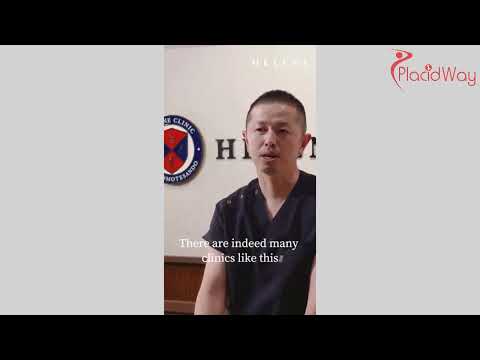
Minimally Invasive Stem Cell Therapy and Advanced Cultivation
Cancer Treatment
HELENE - Stem Cell Clinic
Tokyo, Japan
Unlock the Best Stem Cell Therapy for Migraine Packages Just for You
Discover the ultimate Stem Cell Therapy for Migraine packages designed to meet your health and wellness goals. Choose the perfect fit for your journey.

Price starting from $19,800
Diabetes Regenerative Medicine Package in Osaka, Japan by Cell Grand Clinic
Cell Grand Clinic - Best Stem Cell Clinic in Japan
- Stem Cell Therapy
Osaka, Japan

Price starting from $19,800
Knee Regenerative Medicine Package in Osaka, Japan by Cell Grand Clinic
Cell Grand Clinic - Best Stem Cell Clinic in Japan
- Stem Cell Therapy
Osaka, Japan

Price starting from $4,000
Advanced Shoulder Regeneration & Recovery Protocol
CellsClinic in in San Pedro Garza Garcia, Mexico
- Stem Cell Therapy
San Pedro Garza Garcia, Mexico

Price starting from $26,000
Stem Cell + NK Cell Immune Regeneration Package in Osaka, Japan by Cell Grand Clinic
Cell Grand Clinic - Best Stem Cell Clinic in Japan
- Stem Cell Therapy
Osaka, Japan
Transformative Stem Cell Therapy for Migraine Experiences: Dive into Procedure Insights
Discover the power of Stem Cell Therapy for Migraine through compelling patient experiences. Uncover detailed insights into procedures, recovery journeys, and life-changing results.
.png)
Price starting from $9,800
Stem Cell Therapy for Dementia in Kuala Lumpur, Malaysia
- Stem Cell Therapy
Kuala Lumpur, Malaysia
.png)
Stem Cell for Knee Osteoarthritis in Osaka, Japan
- Stem Cell Therapy for Osteoarthritis, Stem Cell Therapy
Osaka, Japan
.png)
Price starting from $9,500
Stem Cell Therapy for Kidney Disease in Bengaluru, India
- Stem Cell Treatment for Kidney Failure, Stem Cell Therapy
Bengaluru, India
.png)
Price starting from $12,800
Stem Cell Therapy for Alzheimer’s Disease in Kuala Lumpur, Malaysia
- Stem Cell Treatment for Alzheimers Disease, Stem Cell Therapy
Kuala Lumpur, Malaysia








I travel from the United States to receive stem cell treatment for skin rejuvenation. I have relatives in Japan, so I used to visit a few times a year. Since my own cells are cultured and reintroduced into my body, I feel safe and reassured undergoing the treatment. About a month after the facial injections, people around me started noticing positive changes. My skin is now the best it has ever been, and I am very satisfied.
Read More