
What treatment


2+ Best Clinics for Stem Cell Therapy for Thalassemia in Japan
Trusted Medical Tourism Platform Since 2007
What are the best Thalassemia clinics in Japan?
The leading Thalassemia clinics in Japan are HELENE - Stem Cell Clinic (Tokyo), Cell Grand Clinic (Osaka), and Clinique Haru Osaka Umeda (Osaka).
These facilities are strictly regulated by the Ministry of Health, Labour and Welfare (MHLW) and utilize GMP-certified laboratories for maximum safety. They specialize in personalized hematopoietic stem cell transplantation, utilizing bone marrow and umbilical cord blood to treat genetic blood disorders. While specialized condition costs vary, general regenerative cellular therapy packages at these clinics range from $10,000 to $68,000 USD.
 100.00% Patient Recommend
Cell Grand Clinic - Best Stem Cell Clinic in Japan


Overview
Explore Cell Grand Clinic, the best stem cell clinic in Japan specializing in top regenerative therapies for anti-aging, chronic conditions, and wellness.
Read more details

 82.81% Patient Recommend
HELENE - Stem Cell Clinic
Overview
Japan Regenerative Medicine Leading Brand With over a decade of experience and more than 17,000 treated patients. Providing cutting-edge stem cell therapies tailored to various health concerns.
Read more details
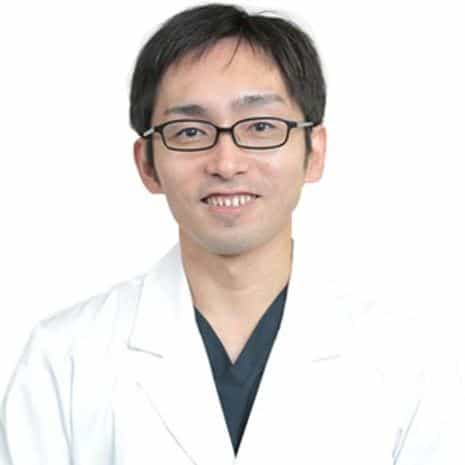
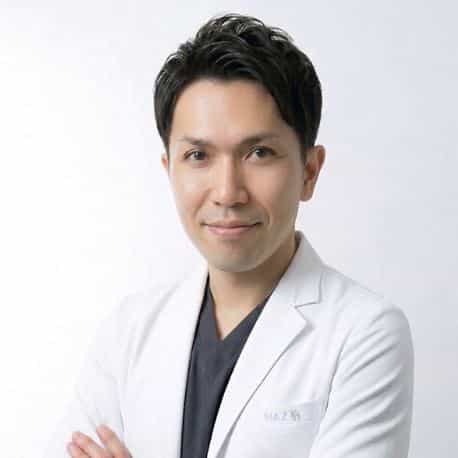
Clinique Haru Osaka Umeda - Japan Stem Cell Treatment
Overview
Clinique Haru Osaka Umeda specializes in Japan stem cell treatments for joint and musculoskeletal conditions using advanced regenerative medicine.
Read more details 100.00% Patient Recommend
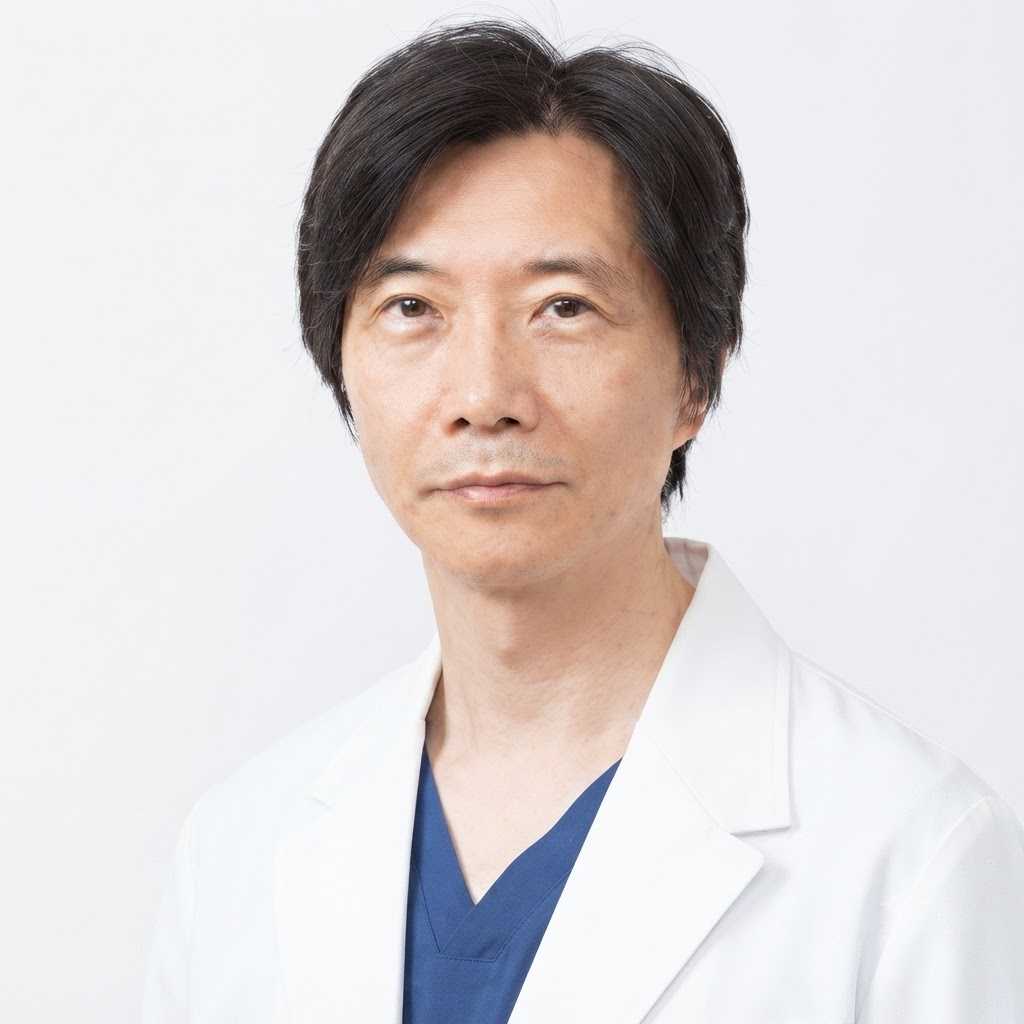
Azabu Skin Clinic - Dermatology and Stem Cell Therapy in Japan
Overview
Azabu Skin Clinic in Tokyo offers advanced stem cell treatments, regenerative treatments, dermatology, and aesthetic care. Book your consultation today.
Read more details
Discover your treatment options with a free, no-obligation quote!
Get your quote now!
Riso Clinic - Japan Stem Cell Therapy
Overview
Explore Japan stem cell therapy at Riso Clinic in Tokyo. Advanced regenerative treatments for knee osteoarthritis, joint injuries, and cartilage repair.
Read more details
copy.png)
Authored by
Usama Ahmad
Medical content writer with 5+ years of experience specializing in stem cells and regenerative medicine content.
Reviewed by
Dr. Alejandro Fernando
Dr. Alejandro Fernando is a top stem cell specialist in Mexico City, specializing in regenerative medicine, cellular therapies, and chronic disease treatment and Medical Content Reviewer
Last updated on
Which are the best Stem Cell Therapy for Thalassemia clinics in Japan?
When seeking Stem Cell Therapy for Thalassemia in Japan, two highly regarded clinics are HELENE - Stem Cell Clinic in Tokyo and Cell Grand Clinic in Osaka. Both are recognized for their commitment to regenerative medicine and patient safety under Japan's stringent regulations. HELENE boasts over a decade of experience and 16,000+ patients, focusing on tailored therapies. Cell Grand also specializes in advanced regenerative treatments, offering comprehensive care for chronic conditions. Patients highly recommend both facilities for their professional and attentive services in cellular therapy.
Choosing the best stem cell treatment center for Thalassemia involves looking at several factors beyond just location. In Japan, facilities like HELENE - Stem Cell Clinic in Tokyo are renowned for their extensive experience and dedication to personalized regenerative medicine. They prioritize patient-centric care, ensuring treatments are adapted to individual health needs. Another excellent option is Cell Grand Clinic in Osaka, recognized for its innovative approaches to chronic conditions, including those that might benefit from advanced stem cell interventions. Both clinics operate under Japan's rigorous regulatory framework for regenerative medicine, which ensures high safety and quality standards for patients seeking specialized Thalassemia care. Their strong patient recommendation rates and focus on cutting-edge cellular therapy make them top choices.
What specialized services do Thalassemia stem cell clinics offer in Japan?
Japanese stem cell clinics, recognized for their advanced regenerative medicine expertise, offer specialized therapies for Thalassemia patients. These services typically include detailed diagnostic evaluations, personalized treatment protocols using various stem cell sources (e.g., bone marrow, umbilical cord blood), ongoing monitoring, and supportive care to manage the underlying blood disorder. The focus is on potentially correcting genetic defects or improving blood cell production.
Clinics in Japan providing stem cell therapy for Thalassemia offer a range of specialized services designed to address this genetic blood disorder. These services commonly include:
- Comprehensive Diagnostics: Thorough genetic testing and hematological assessments to determine the specific type and severity of Thalassemia, and to evaluate patient suitability for stem cell intervention.
- Personalized Treatment Plans: Customized protocols often utilizing allogeneic (donor) hematopoietic stem cell transplantation, typically from compatible donors. This is crucial for managing the complex nature of Thalassemia and ensuring the best possible outcomes in regenerative care.
- Advanced Cell Processing: State-of-the-art laboratories for processing and preparing stem cell grafts, adhering to strict Japanese quality and safety standards for cellular therapy.
- Post-Treatment Monitoring: Long-term follow-up and management of potential complications, including graft-versus-host disease, and ongoing blood count monitoring.
- Supportive Care: Integrated care approaches including nutritional guidance, infection prevention, and psychological support for patients and their families throughout the intensive treatment process.
How can I verify the accreditation of a stem cell clinic for Thalassemia in Japan?
To verify the accreditation of a stem cell clinic for Thalassemia in Japan, look for facilities approved by the Ministry of Health, Labour and Welfare (MHLW). Japan has strict regulations for regenerative medicine. Clinics must be registered and their treatment plans approved by an MHLW-certified committee. Checking their official website or contacting the MHLW directly can provide confirmation of their legitimacy and compliance with medical standards.
Verifying the accreditation of a Japanese stem cell clinic is a vital step for any patient considering Thalassemia treatment. Japan has a unique and robust regulatory system for regenerative medicine, governed by the "Act on the Safety of Regenerative Medicine." Here's how you can check for legitimacy:
- MHLW Registration: Ensure the clinic is officially registered with the Ministry of Health, Labour and Welfare (MHLW). This registration confirms they meet fundamental operational standards.
- Treatment Plan Approval: Crucially, each specific stem cell treatment plan offered by a clinic must be reviewed and approved by an MHLW-certified "Certified Regenerative Medicine Committee." This ensures the proposed therapy adheres to safety and ethical guidelines.
- Official Websites: Reputable clinics will typically display their MHLW registration numbers and details of their approved treatment plans on their official websites. Look for this information prominently.
- Direct Inquiry: Don't hesitate to directly contact the clinic and request proof of their accreditation and specific approvals for Thalassemia stem cell therapy.
- Third-Party Facilitators: If you're using a medical tourism facilitator, confirm they work only with MHLW-approved and licensed Japanese facilities, as they can often streamline this verification process for you.
What should I expect during a Stem Cell Therapy consultation for Thalassemia in Japan?
During a Stem Cell Therapy consultation for Thalassemia in Japan, expect a thorough review of your medical history, including previous treatments and genetic reports. Specialists will discuss your specific Thalassemia condition, explain treatment options, potential outcomes, and the detailed process of cellular therapy. You'll have ample opportunity to ask questions about the procedure, recovery, and expected benefits of regenerative medicine in Japan.
A consultation for Stem Cell Therapy for Thalassemia at a Japanese clinic is a crucial first step, designed to be comprehensive and informative. Here's what you can generally expect:
- Detailed Medical History Review: The medical team will meticulously go over your complete medical records, including diagnosis reports, previous treatments, blood transfusion history, and genetic profiles related to your Thalassemia. This helps them understand your specific case thoroughly.
- Physical Examination and Assessments: An in-depth physical examination might be conducted, along with ordering specific blood tests or imaging if needed, to assess your current health status and eligibility for advanced cellular therapy.
- Treatment Explanation: The specialists will provide a clear, detailed explanation of the proposed stem cell therapy for Thalassemia, including the type of stem cells used (e.g., hematopoietic stem cells), the source, the administration method, and the potential mechanisms of action. They'll outline the entire treatment journey, including pre-treatment preparations and post-treatment care.
- Discussion of Expectations and Risks: A frank discussion will cover realistic expectations, potential benefits, and any associated risks or side effects of regenerative medicine. This ensures you are fully informed to make a decision.
- Q&A Session: You'll have a dedicated time to ask any questions or voice concerns you might have about the treatment, the clinic's protocols, or your stay in Japan.
- Personalized Treatment Plan Outline: Based on the assessment, a preliminary personalized treatment plan will be discussed, often including the proposed timeline and stages of your Thalassemia stem cell treatment.
Are there patient testimonials available for Thalassemia stem cell therapy in Japanese clinics?
Yes, many reputable stem cell clinics in Japan feature patient testimonials, often shared on their websites or through medical tourism platforms. These stories typically detail individuals' experiences with Thalassemia stem cell therapy, covering their treatment journeys, recovery, and overall satisfaction with the clinical care and results. Such testimonials can offer valuable insights into what to expect from regenerative medicine in Japan.
For patients considering Stem Cell Therapy for Thalassemia in Japan, accessing patient testimonials can be incredibly helpful for making informed decisions. Here’s what you generally find regarding testimonials:
- Clinic Websites: Leading Japanese stem cell clinics often showcase patient success stories and written or video testimonials directly on their official websites. These highlight the experiences of individuals who have undergone various regenerative medicine treatments, including those for blood disorders.
- Medical Tourism Platforms: Reputable medical tourism facilitators frequently publish extensive collections of patient testimonials and reviews. These platforms often provide a broader perspective from international patients who have traveled to Japan for specialized cellular therapy.
- Focus on Outcomes: Testimonials typically focus on improvements in quality of life, reduction in symptoms, and overall patient satisfaction with the comprehensive care received at these facilities. While specific Thalassemia cases might not always be abundant due to the specialized nature of the condition, testimonials for other blood-related or chronic conditions can offer relevant insights into the clinic's approach and patient care standards.
- Privacy Considerations: Due to medical privacy laws, full details or personally identifiable information are usually anonymized or presented with patient consent. However, the core message and impact of the treatment are usually conveyed clearly.
What support services do Japanese clinics provide for international Thalassemia patients?
Japanese stem cell clinics offering Thalassemia treatment often provide robust support services for international patients. This includes multilingual staff or translation services, assistance with travel logistics like airport transfers and accommodation, visa guidance, and help with appointment scheduling. Their aim is to make the entire patient journey seamless, from initial inquiry through post-treatment follow-up, ensuring a comfortable experience while accessing advanced regenerative medicine in Japan.
Japanese stem cell clinics understand the unique needs of international patients traveling for specialized treatments like Thalassemia stem cell therapy. They strive to provide a comprehensive suite of support services to ensure a smooth and comfortable experience. These services commonly include:
- Multilingual Support: Clinics often have dedicated international patient departments with English-speaking staff, or readily available professional medical translators, to facilitate clear communication throughout your stay.
- Travel and Accommodation Assistance: They can help coordinate airport transfers, suggest nearby hotels or guesthouses, and even assist with local transportation arrangements to and from the clinic.
- Visa and Immigration Guidance: While clinics cannot directly issue visas, they often provide necessary invitation letters and guidance on the visa application process to enter Japan for medical treatment.
- Appointment Scheduling and Itinerary Planning: Assistance with scheduling all medical appointments, diagnostic tests, and follow-up consultations to optimize your time in Japan.
- Cultural Sensitivity and Dietary Needs: Efforts are made to accommodate cultural preferences and specific dietary requirements during your treatment period.
- Post-Treatment Follow-up: Plans for remote follow-up consultations or coordination with your local doctors back home to ensure continuity of care after you return.
How do Japanese clinics ensure the safety of Stem Cell Therapy for Thalassemia?
Japanese clinics ensure the safety of Stem Cell Therapy for Thalassemia through rigorous adherence to national regulations set by the Ministry of Health, Labour and Welfare (MHLW). This involves strict protocols for cell sourcing, processing in certified GMP (Good Manufacturing Practice) facilities, and meticulous patient screening. Each treatment plan undergoes ethical and scientific review by specialized committees, prioritizing patient well-being and minimizing risks in advanced regenerative medicine.
The safety of Stem Cell Therapy for Thalassemia in Japanese clinics is paramount and is maintained through a multi-faceted approach rooted in Japan’s stringent regulatory framework for regenerative medicine. Key aspects include:
- Strict Regulatory Compliance: All stem cell treatments must comply with the "Act on the Safety of Regenerative Medicine," enforced by the Ministry of Health, Labour and Welfare (MHLW). This national framework is one of the most comprehensive globally.
- Ethical and Scientific Review: Every new regenerative treatment protocol must be approved by an MHLW-certified "Certified Regenerative Medicine Committee." These committees rigorously assess the scientific validity, ethical implications, and safety profile of each therapy before it can be offered to patients.
- GMP-Certified Facilities: Stem cell processing, expansion, and storage are conducted in state-of-the-art GMP-certified laboratories. This ensures the highest standards of sterility, purity, and quality control for the cellular products.
- Thorough Patient Screening: Comprehensive diagnostic evaluations are performed to select suitable candidates for Thalassemia stem cell therapy, identifying and mitigating any pre-existing risks. This includes detailed genetic and hematological assessments.
- Autologous and Allogeneic Protocols: When using allogeneic (donor) cells, strict donor screening and matching procedures are followed to minimize the risk of immune rejection and infectious disease transmission. If autologous (patient's own) cells are used, the risk of rejection is naturally reduced.
- Ongoing Monitoring and Reporting: Clinics are required to continuously monitor patients for adverse events and report outcomes to the MHLW, contributing to an evolving understanding of safety and efficacy in regenerative care.
What are the qualifications of specialists offering Thalassemia stem cell treatment in Japan?
Specialists offering Thalassemia stem cell treatment in Japan are highly qualified, typically holding medical degrees with advanced training in hematology, oncology, and regenerative medicine. Many have extensive experience in bone marrow transplantation and cellular therapy, often from prestigious Japanese universities or international institutions. Their expertise ensures patients receive advanced and safe care for complex blood disorders like Thalassemia.
The qualifications of specialists involved in Thalassemia stem cell treatment in Japan are exceptionally high, reflecting the country's advanced medical standards and stringent regulations in regenerative medicine. Typically, these professionals possess:
- Medical Doctor (MD) Degree: A foundational medical degree from an accredited university.
- Specialization in Hematology/Oncology: Extensive postgraduate training and board certification in hematology (blood disorders) and often oncology (cancer treatment), given the nature of Thalassemia and the complexities of bone marrow transplantation.
- Advanced Training in Regenerative Medicine: Specific expertise in cellular therapy, stem cell transplantation, and the nuances of working with biological products, often gained through fellowships and research roles.
- Clinical Experience: Significant hands-on experience in performing stem cell transplant procedures, managing complex patient cases, and overseeing post-transplant care for individuals with severe blood disorders.
- Research and Academic Contributions: Many leading specialists are actively involved in research, contributing to the advancement of regenerative medicine and publishing in peer-reviewed journals. This ensures they are at the forefront of new developments and best practices in Thalassemia treatment.
- Adherence to National Guidelines: Deep understanding and strict adherence to the MHLW's (Ministry of Health, Labour and Welfare) regulations and ethical guidelines for providing stem cell therapy in Japan.
What is the typical duration of Stem Cell Therapy for Thalassemia at clinics in Japan?
The typical duration for Stem Cell Therapy for Thalassemia in Japan varies, often spanning several weeks to a few months for the core treatment phase. This includes initial evaluations, conditioning chemotherapy, the transplant procedure itself, and a crucial post-transplant recovery period for monitoring engraftment and managing potential complications. Long-term follow-up extends beyond this, often requiring regular check-ups.
The duration of Stem Cell Therapy for Thalassemia at clinics in Japan is quite comprehensive, given the complexity of the procedure and the need for meticulous patient care. It’s not a quick fix and involves multiple phases:
- Pre-transplant Evaluation (1-2 weeks): This initial phase involves extensive testing, genetic matching for donors (if allogeneic), and a thorough health assessment to ensure the patient is physically prepared for the intensive therapy.
- Conditioning Regimen (1-2 weeks): Patients undergo chemotherapy or radiation therapy to prepare their bone marrow for the new stem cells. This is an inpatient phase and can be quite demanding.
- Transplant Procedure (1 day): The actual infusion of stem cells is usually a single-day procedure, similar to a blood transfusion.
- Post-transplant Recovery (4-8 weeks or more): This is the most critical inpatient period. Patients remain hospitalized to monitor for engraftment (when the new stem cells start producing blood cells), manage side effects of conditioning, prevent infections, and address potential complications like graft-versus-host disease. The length of this stay depends heavily on the individual patient's response and recovery.
- Outpatient Follow-up (Several months): After discharge, patients usually need to stay near the clinic for several more weeks or months for frequent outpatient check-ups, blood tests, and continued monitoring of their recovery and immune system function.
Can Japanese clinics offer personalized treatment plans for Thalassemia patients?
Yes, Japanese stem cell clinics are highly renowned for providing personalized treatment plans for Thalassemia patients. Their approach involves in-depth diagnostic testing to understand each individual's genetic profile and disease severity. This allows specialists to tailor the stem cell therapy, including donor selection, conditioning regimens, and post-treatment care, maximizing efficacy and safety while addressing specific patient needs in regenerative medicine.
Absolutely. Personalized treatment is a cornerstone of advanced medical care in Japan, especially in the field of regenerative medicine. For Thalassemia patients seeking stem cell therapy, Japanese clinics emphasize a highly individualized approach. Here’s how they achieve this:
- Comprehensive Genetic and Clinical Assessment: Before treatment begins, patients undergo exhaustive diagnostic evaluations. This includes precise genetic analysis of their Thalassemia type, assessment of disease severity, organ damage, and overall health status. This detailed profile forms the basis of their personalized plan.
- Tailored Stem Cell Source Selection: Depending on the patient's age, medical condition, and the availability of a compatible donor, the source of stem cells (e.g., bone marrow, peripheral blood, umbilical cord blood) and the specific type of transplant (autologous or allogeneic) are carefully selected.
- Customized Conditioning Regimens: The pre-transplant conditioning chemotherapy or radiation therapy is often adjusted to the individual patient's tolerance, age, and disease burden, aiming to maximize engraftment while minimizing toxicity.
- Individualized Post-Transplant Care: Post-transplant care, including immunosuppression protocols to prevent graft-versus-host disease and supportive therapies, is continuously adapted based on the patient's response, engraftment progress, and any emerging complications.
- Dedicated Patient Care Teams: Each patient benefits from a multidisciplinary team of specialists who collaborate to manage all aspects of their care, ensuring continuous adaptation of the treatment strategy to individual needs and responses.
What are the success rates for Stem Cell Therapy for Thalassemia in Japan?
Success rates for Stem Cell Therapy for Thalassemia in Japan are generally very encouraging, especially in established, accredited clinics. While specific numbers can vary based on factors like Thalassemia type, patient age, disease severity, and donor matching, outcomes in Japan's advanced regenerative medicine centers often align with leading international standards, showing significant improvements in transfusion independence and quality of life for many patients.
The success rates for Stem Cell Therapy for Thalassemia in Japan are a critical consideration for patients and their families. While specific percentages can fluctuate depending on various individual factors, Japan's leading clinics report outcomes comparable to top international centers. Factors influencing success include:
- Thalassemia Type and Severity: Patients with less severe forms of Thalassemia or those who receive treatment earlier in their disease course often have higher success rates.
- Patient Age: Younger patients typically respond better to stem cell transplantation.
- Donor Match: The quality of the donor match (e.g., HLA-matched sibling donor) is a primary determinant of success, significantly impacting engraftment and reducing complications like graft-versus-host disease.
- Clinic Expertise: Accredited Japanese clinics specializing in hematopoietic stem cell transplantation (HSCT) have experienced medical teams and advanced facilities, which directly contribute to better outcomes.
- Complication Management: The ability of the clinical team to effectively prevent and manage complications post-transplant, such as infections or immune reactions, plays a crucial role in patient survival and long-term success.
What post-treatment follow-up is typically required after Thalassemia stem cell therapy in Japan?
After Thalassemia stem cell therapy in Japan, rigorous post-treatment follow-up is essential. This typically involves frequent blood tests to monitor engraftment, immune recovery, and detect any complications like graft-versus-host disease. Patients usually stay near the clinic for several weeks or months for intensive outpatient care, followed by long-term remote monitoring or coordination with local healthcare providers for ongoing support and medication management.
Post-treatment follow-up is a critical component of Stem Cell Therapy for Thalassemia in Japanese clinics, ensuring optimal recovery and long-term health. The intensity and duration of follow-up are typically structured in phases:
- Immediate Post-Discharge (Weeks to Months):
- Frequent Blood Monitoring: Regular complete blood counts (CBCs), immune cell counts, and chimerism studies (to check for donor cell engraftment) are performed multiple times a week.
- Infection Surveillance: Close monitoring for infections, which are a major concern during the immune recovery phase. This includes prophylactic medications.
- Graft-versus-Host Disease (GvHD) Management: Patients are carefully monitored for signs of GvHD, with prompt intervention if symptoms appear. Immunosuppressive medications are adjusted as needed.
- Medication Management: Regular review and adjustment of medications, including immunosuppressants, antibiotics, and antifungals.
- Intermediate Follow-up (Months 3-12):
- Less Frequent Clinic Visits: As recovery progresses, clinic visits become less frequent, often monthly or bi-monthly.
- Comprehensive Assessments: Includes bone marrow biopsies to confirm stable engraftment and assess minimal residual disease, along with ongoing organ function tests.
- Vaccination Schedule: Re-vaccination protocols are initiated once immune recovery permits.
- Long-Term Follow-up (Years):
- Annual Check-ups: Continued monitoring for late complications, relapse, or long-term effects of the conditioning regimen.
- Coordination with Local Physicians: Japanese clinics often work with the patient’s local doctors to ensure continuity of care once they return to their home country. This can involve sharing medical reports and providing guidance on ongoing management.
What are the amenities and facilities offered by leading Stem Cell Therapy for Thalassemia clinics in Japan?
Leading Stem Cell Therapy clinics for Thalassemia in Japan offer world-class amenities and facilities designed for patient comfort and advanced care. These include state-of-the-art sterile environments, private patient rooms, advanced diagnostic imaging, and dedicated regenerative medicine laboratories. Many provide comfortable lounges, nutritional support, and access to international patient services, ensuring a comprehensive and supportive healing journey during specialized Thalassemia treatment.
Leading Stem Cell Therapy for Thalassemia clinics in Japan are designed to provide a comprehensive and comfortable experience for patients, combining advanced medical technology with high-quality amenities. You can expect to find:
- State-of-the-Art Medical Infrastructure:
- Advanced Diagnostic Imaging: Access to cutting-edge MRI, CT scans, and other imaging technologies for precise diagnosis and monitoring.
- Specialized Laboratories: On-site GMP-certified laboratories for stem cell processing, expansion, and quality control, ensuring the purity and potency of cellular products.
- Sterile Treatment Environments: Highly controlled, sterile operating rooms and patient care units to minimize the risk of infection, especially crucial for immunocompromised patients.
- Patient Comfort and Convenience:
- Private Patient Rooms: Comfortable, often private, patient rooms equipped with modern amenities to ensure rest and recovery.
- Nutrition Services: Tailored dietary plans and access to healthy, culturally appropriate meals to support recovery.
- Comfortable Lounges and Waiting Areas: Relaxing spaces for patients and accompanying family members.
- Accessibility: Facilities designed for easy access, including for patients with mobility challenges.
- Dedicated Support Services:
- Multilingual Staff: Access to medical professionals and support staff who speak multiple languages, including English.
- Concierge Services: Assistance with travel arrangements, local transportation, and accommodation bookings.
- Patient Education Resources: Materials and consultations to help patients and families understand their Thalassemia condition and treatment plan fully.
What research and innovations are Japanese clinics pursuing in Thalassemia stem cell therapy?
Japanese clinics are actively pursuing various research and innovations in Thalassemia stem cell therapy, focusing on improving safety and efficacy. This includes exploring novel gene editing techniques like CRISPR to correct genetic defects in hematopoietic stem cells, developing safer conditioning regimens to reduce transplant toxicity, and expanding the use of induced pluripotent stem cells (iPSCs) for personalized, patient-specific therapies. These efforts aim to offer less invasive and more effective treatments for blood disorders.
Japanese clinics and research institutions are at the forefront of medical innovation, actively pursuing several key areas in Thalassemia stem cell therapy:
- Gene Editing Technologies (CRISPR/Cas9): A major focus is on utilizing advanced gene editing tools like CRISPR/Cas9 to correct the genetic mutations responsible for Thalassemia directly within a patient's own hematopoietic stem cells. The goal is to reintroduce these corrected cells, offering a potentially curative therapy without the need for an allogeneic donor.
- Induced Pluripotent Stem Cells (iPSCs): Researchers are exploring the use of iPSCs, which can be derived from a patient's somatic cells and then differentiated into healthy blood-forming stem cells. This personalized approach could eliminate the need for donor matching and reduce the risk of immune rejection, offering a self-sourced cellular therapy for Thalassemia patients.
- Improved Conditioning Regimens: Efforts are underway to develop less toxic and more targeted conditioning regimens before transplantation. The aim is to reduce severe side effects associated with conventional chemotherapy and radiation, making the procedure safer and more accessible, especially for younger or more vulnerable Thalassemia patients.
- Enhanced Engraftment and Immune Tolerance: Research into strategies to improve the engraftment of transplanted stem cells and promote better immune tolerance to donor cells is ongoing. This includes investigating novel cell therapies and supportive measures to optimize outcomes and reduce complications like graft-versus-host disease.
- Clinical Trials: Many leading Japanese medical centers participate in and conduct clinical trials for these innovative approaches, adhering to strict MHLW regulations to ensure ethical and safe development of new Thalassemia treatments.
How do Japanese clinics maintain high standards of patient confidentiality for Thalassemia patients?
Japanese clinics uphold rigorous standards of patient confidentiality for Thalassemia patients through strict adherence to national privacy laws, similar to HIPAA in the US. This involves secure digital and physical record-keeping, limited access to sensitive medical information, and mandatory staff training on privacy protocols. Patients can expect their personal and health data related to stem cell therapy and their blood disorder to be handled with the utmost discretion and security, reflecting Japan’s high ethical medical standards.
Maintaining patient confidentiality is a fundamental ethical and legal obligation for all healthcare facilities in Japan, and this holds especially true for clinics offering specialized treatments like Stem Cell Therapy for Thalassemia. Here’s how Japanese clinics ensure high standards of patient privacy:
- Strict Compliance with Laws: Japanese medical institutions adhere to national privacy laws, which are comprehensive and similar in spirit to GDPR (Europe) or HIPAA (USA). These laws dictate how patient data, including sensitive information about blood disorders and regenerative medicine treatments, must be collected, stored, and shared.
- Secure Data Management Systems: Patient medical records, both digital and physical, are safeguarded using advanced encryption technologies and secure physical storage. Access to these records is strictly controlled and limited to authorized medical personnel directly involved in the patient’s care.
- Staff Training and Protocols: All clinic staff, from doctors and nurses to administrative personnel, undergo mandatory and regular training on patient privacy policies and protocols. They are educated on the importance of discretion and the legal consequences of breaches.
- Informed Consent for Data Sharing: Any sharing of patient information, even for research purposes or with other healthcare providers, requires explicit, informed consent from the patient. This ensures transparency and patient control over their data.
- Anonymized Data for Research: When patient data is used for medical research or statistical analysis, it is meticulously anonymized to protect individual identities while still contributing to scientific advancements in Thalassemia treatment.
How PlacidWay helps individuals access Stem Cell Therapy for Thalassemia in Japan?
PlacidWay provides detailed, up-to-date information about Stem Cell Therapy for Thalassemia, including its benefits, risks, and expected outcomes, empowering patients with knowledge for their journey. We help users compare treatment options in various Japanese clinics, ensuring they find affordable solutions without compromising on the high quality of care available. PlacidWay assists users in finding trusted, accredited clinics and medical professionals specializing in Stem Cell Therapy for Thalassemia in Japan. We offer one-on-one consultations to help users make informed decisions about their treatment, ensuring their specific needs and concerns are met. PlacidWay ensures continued support after the treatment, including facilitating follow-up care and recovery assistance, making the entire medical tourism experience seamless. Ready to get Stem Cell Therapy for Thalassemia in Japan? Contact us today for a personalized consultation.Share with AI
Share this page with AI assistants to get summaries and insights


List of Best Stem Cell Therapy for Thalassemia Clinics in Japan
Explore Stem Cell Therapy for Thalassemia: Stories, Testimonials, and Procedures
Watch in-depth videos covering everything from Stem Cell Therapy for Thalassemia success stories to detailed procedure explanations. Learn what to expect and hear from real patients.
Stem Cell Therapy in Japan by Dr. Yuichi Wakabayashi: Why Patients Prefer Cell Grand Clinic Osaka
Cancer Treatment
Cell Grand Clinic - Best Stem Cell Clinic in Japan
Osaka, Japan
How Stem Cell Therapy Works at Cell Grand Clinic in Osaka, Japan
Cancer Treatment
Cell Grand Clinic - Best Stem Cell Clinic in Japan
Osaka, Japan
Minimally Invasive Stem Cell Therapy and Advanced Cultivation
Cancer Treatment
HELENE - Stem Cell Clinic
Tokyo, Japan
Expert Care by Dr. Yuichi Wakabayashi for Advanced Stem Cell in Japan at Cell Grand Clinic
Cancer Treatment
Cell Grand Clinic - Best Stem Cell Clinic in Japan
Osaka, Japan
Unlock the Best Stem Cell Therapy for Thalassemia Packages Just for You
Discover the ultimate Stem Cell Therapy for Thalassemia packages designed to meet your health and wellness goals. Choose the perfect fit for your journey.

Price starting from $10,000
Stem Cell Therapy for Diabetes Package in Tokyo, Japan by Helene Clinic
HELENE - Stem Cell Clinic
- Stem Cell Therapy
Tokyo, Japan

Price starting from $19,800
Erectile Dysfunction Stem Cell Therapy Package in Osaka, Japan by Cell Grand Clinic
Cell Grand Clinic - Best Stem Cell Clinic in Japan
- Stem Cell Therapy
Osaka, Japan

Price starting from $19,800
Stem Cell Treatment Online Consultation Package in Osaka, Japan by Cell Grand Clinic
Cell Grand Clinic - Best Stem Cell Clinic in Japan
- Stem Cell Therapy
Osaka, Japan
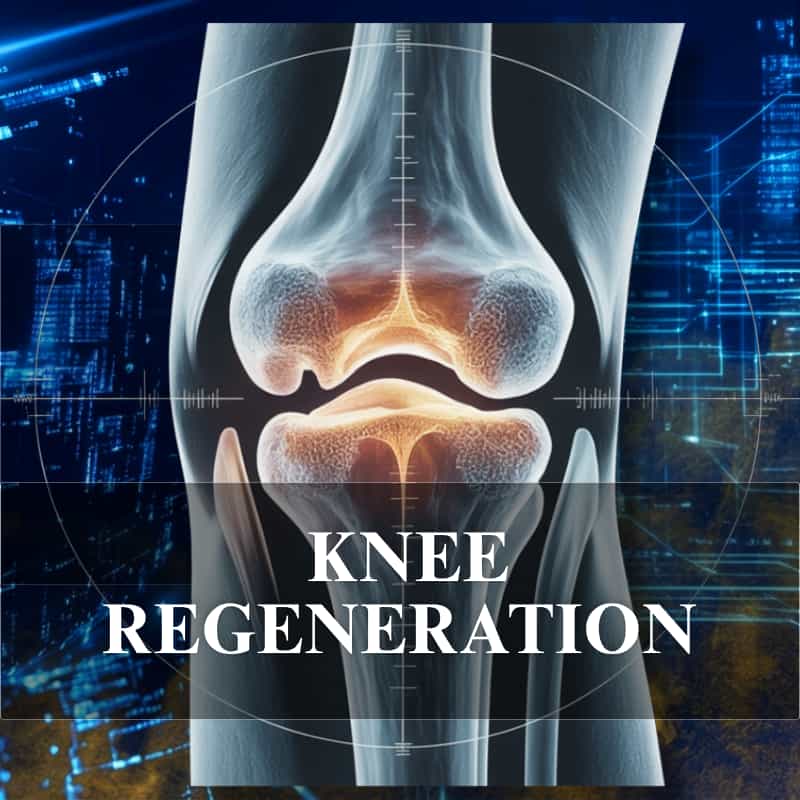
Price starting from $19,800
Knee Regenerative Medicine Package in Osaka, Japan by Cell Grand Clinic
Cell Grand Clinic - Best Stem Cell Clinic in Japan
- Stem Cell Therapy
Osaka, Japan
Transformative Stem Cell Therapy for Thalassemia Experiences: Dive into Procedure Insights
Discover the power of Stem Cell Therapy for Thalassemia through compelling patient experiences. Uncover detailed insights into procedures, recovery journeys, and life-changing results.
.png)
Price starting from $9,800
Stem Cell for Eye Disorders in Kuala Lumpur, Malaysia
- Stem Cell Treatment for Eye Diseases, Stem Cell Therapy
Kuala Lumpur, Malaysia
.png)
Price starting from $12,800
Stem Cell Therapy for Diabetes in Kuala Lumpur, Malaysia
- Stem Cell Treatment for Diabetes, Stem Cell Therapy
Kuala Lumpur, Malaysia
.png)
Price starting from $9,800
Stem Cell Therapy for Brain Injury in Kuala Lumpur, Malaysia
- Stem Cell Therapy for Brain Injury, Stem Cell Therapy
Kuala Lumpur, Malaysia
.png)
Price starting from $12,800
Stem Cell Therapy for Alzheimer’s Disease in Kuala Lumpur, Malaysia
- Stem Cell Treatment for Alzheimers Disease, Stem Cell Therapy
Kuala Lumpur, Malaysia








I travel from the United States to receive stem cell treatment for skin rejuvenation. I have relatives in Japan, so I used to visit a few times a year. Since my own cells are cultured and reintroduced into my body, I feel safe and reassured undergoing the treatment. About a month after the facial injections, people around me started noticing positive changes. My skin is now the best it has ever been, and I am very satisfied.
Read More