
What treatment


2+ Best Clinics for Stem Cell Treatment for AIDS and HIV in South Korea
Trusted Medical Tourism Platform Since 2007
What are the best stem cell therapy clinics in South Korea?
The best stem cell therapy clinics in South Korea are: Chaum Medical Center (Seoul), Seoul Smart Bon Clinic (Seoul), Yonsei BH Clinic (Seoul), and VG Plastic Surgery (Seoul).
These leading facilities are accredited by the Ministry of Food and Drug Safety and JCI, utilizing GMP-certified laboratories for maximum patient safety. They specialize in advanced regenerative treatments for AIDS and HIV, anti-aging, erectile dysfunction, Parkinson's disease, diabetes, and liver cirrhosis. Stem cell treatment packages in South Korea range from $6,200 to $33,000 USD.
 100.00% Patient Recommend
Chaum Medical Center


Overview
Premium healthcare at Chaum Medical Center, Seoul. Personalized anti-aging, stem cell therapy, and advanced medical services for a youthful life.
Read more details
Yonsei BH Clinic


Overview
Yonsei BH Clinic offers advanced stem cell therapy in Seoul, South Korea, for erectile dysfunction, anti-aging, Parkinson disease, dementia, diabetes, and more.
Read more details
Allheart plastic surgery
AllHeart Plastic Surgery in Gangnam specializes in advanced cosmetic procedures, offering expert care in a modern facility for natural and safe results.


Seoul Smart Bon Clinic in South Korea
Overview
Discover advanced care at Spine, Neurology & Stem Cell Clinic in South Korea by Seoul Smart Bon Clinic with innovative treatments for lasting recovery.
Read more details
Why South Korea is the Premier Destination for Stem Cell Therapy for HIV/AIDS?
South Korea has established itself as a global powerhouse in biotechnology and regenerative medicine. For patients seeking advanced cellular therapies to support immune system reconstitution and manage the complex effects of HIV/AIDS, South Korea offers unparalleled scientific innovation and rigorous safety standards.
World-Leading Biotechnology Infrastructure
South Korea heavily subsidizes its biomedical sector, resulting in some of the most advanced, high-tech stem cell research facilities in the world. Clinics here utilize state-of-the-art GMP-certified laboratories to culture and multiply highly potent mesenchymal stem cells designed to target severe immune dysfunction.
Strict Regulatory Oversight
Cellular therapies in South Korea are strictly monitored by the Ministry of Food and Drug Safety (MFDS). This ensures that all stem cell extractions, screenings, and infusions adhere to rigorous ethical and medical protocols, providing patients with safe, uncontaminated, and highly viable cellular products.
Advanced Immunomodulation Techniques
Rather than just offering basic infusions, South Korean specialists focus on precise immunomodulation. They utilize advanced stem cell and exosome protocols aimed at reducing systemic viral-induced inflammation, supporting T-cell regeneration, and helping to repair tissues damaged by long-term antiretroviral therapy (ART).
Absolute Privacy and Discretion
Understanding the sensitive nature of an HIV/AIDS diagnosis, South Korean international medical centers are renowned for their strict confidentiality. Patients receive VIP, one-on-one care in highly secure, private facilities, ensuring complete discretion throughout their entire medical journey.
Stem Cell Therapy for HIV/AIDS Costs in South Korea vs. US/UK (2026)
Advanced immunological stem cell protocols are inherently complex and costly. However, South Korea provides access to these cutting-edge therapies at a fraction of the cost found in Western nations, without compromising on laboratory quality or medical expertise. Review the projected 2026 pricing below.
| Procedure | South Korea Price | US / UK Price | You Save | Savings % |
|---|---|---|---|---|
| Systemic MSC Immunomodulation Protocol | $25,000–$35,000 | $80,000–$120,000 | $55,000+ | 68% |
| Advanced Exosome & Cellular Repair Therapy | $18,000–$28,000 | $60,000–$90,000 | $42,000+ | 70% |
| Targeted Immune Reconstitution Program | $30,000–$45,000 | $100,000–$150,000 | $70,000+ | 70% |
| HSC Transplant Evaluation & Lab Sequencing | $15,000–$25,000 | $50,000–$80,000 | $35,000+ | 70% |
* Prices are 2026 estimates based on verified PlacidWay partner clinics in South Korea. Total costs vary significantly based on the specific type of cells used, the millions of cell units required, and the duration of the inpatient or outpatient protocol. PlacidWay provides customized, free quotes based on your medical records.
Comparing South Korean Hubs for Advanced Cellular Medicine
While Seoul is the epicenter, several cities in South Korea have developed specialized medical infrastructures. Here is how the top destinations compare for complex immunological and stem cell therapies.
Seoul
Center of Innovation
Home to the country's most prestigious research hospitals and elite anti-aging/regenerative clinics. Seoul is the definitive choice for patients seeking the absolute cutting-edge in stem cell cultivation, offering the highest concentration of top-tier immunologists and virology experts.
Incheon
Free Economic Zone
Located adjacent to the international airport, Incheon features modern medical complexes specifically designed for foreign patients. It provides highly secure, private care with seamless logistical convenience, making it ideal for those who prefer avoiding the bustle of central Seoul.
Busan
Southern Excellence
South Korea's second-largest city combines excellent medical infrastructure with a more relaxed, coastal atmosphere. While offering fewer specialized biotech labs than Seoul, it provides a calmer environment for recovery following intensive IV therapy protocols.
Daegu
High-Tech Medical Hub
Designated as a special medical zone by the government, Daegu invests heavily in clinical trials and medical technology. It is an emerging destination for specialized treatments, often offering highly competitive pricing for advanced laboratory procedures and cellular processing.
Stem Cell Protocols for HIV/AIDS Support in South Korea
Regenerative medicine for HIV does not aim to replace standard antiretroviral therapy (ART), but rather to support the immune system, reduce systemic inflammation, and repair cellular damage. South Korean clinics offer several sophisticated protocols.
Systemic MSC Immunomodulation Protocol
$25,000 – $35,000This core therapy involves the intravenous administration of high-dose Mesenchymal Stem Cells (MSCs). The primary goal is to leverage the powerful anti-inflammatory properties of MSCs to calm the hyperactive immune response often seen in chronic HIV, helping to preserve healthy tissue and support overall vitality.
Save $55,000+ vs. US prices
Advanced Exosome Therapy
$18,000 – $28,000Exosomes are the signaling vesicles secreted by stem cells. South Korean labs isolate these potent particles to create a concentrated, cell-free infusion. This therapy is highly effective at delivering regenerative signals to damaged cells, improving cellular communication without the need for live cell engraftment.
Save $42,000+ vs. US prices
Targeted Immune Reconstitution Program
$30,000 – $45,000A multi-faceted approach designed for patients suffering from immunological non-response (where CD4 counts remain low despite viral suppression). This comprehensive program combines multiple stem cell infusions with specialized nutritional IVs, ozone therapy, and peptide support to aggressively stimulate immune recovery.
Save $70,000+ vs. US prices
HSC Transplant Consultation & Evaluation
$15,000 – $25,000While Hematopoietic Stem Cell (HSC) transplants involving CCR5-delta 32 mutations are highly experimental and typically reserved for patients with concurrent blood cancers, South Korean research hospitals provide world-class clinical evaluations, genetic sequencing, and consultations for patients exploring these extreme advanced options.
Save $35,000+ vs. US prices
How to Choose a Clinic for HIV Stem Cell Therapy in South Korea?
Selecting the right facility for complex immunological therapy requires extreme diligence. Follow this 5-step checklist to ensure safety, efficacy, and strict confidentiality.
Verify Government Certifications
Ensure the clinic and its associated laboratory hold certifications from the South Korean Ministry of Food and Drug Safety (MFDS) for cell cultivation. The facility should strictly adhere to Good Manufacturing Practice (GMP) standards to guarantee sterile, high-quality cellular products.
Assess Immunology Expertise
The treating physician must have a deep understanding of virology and immunology, not just orthopedics or anti-aging. They need to seamlessly integrate stem cell protocols with your ongoing antiretroviral therapy (ART) without causing adverse drug interactions.
Investigate Cell Sourcing and Screening
Ask explicitly about the source of the cells (e.g., Wharton's Jelly from umbilical cords). The clinic must provide documentation showing rigorous screening for infectious diseases, genetic abnormalities, and confirmation of high cellular viability prior to infusion.
Confirm Strict Privacy Protocols
Medical confidentiality is paramount. Discuss how your medical records will be handled, stored, and protected. Top South Korean international clinics offer discrete VIP entrances, private treatment suites, and secure communication channels.
Utilize an Independent Facilitator
Navigating a foreign medical system while managing a complex condition is challenging. Use an independent facilitator like PlacidWay to vet the clinics, organize medical record translations, and secure the most capable specialists in South Korea.
Your Treatment Timeline in South Korea
Advanced stem cell therapies require careful preparation and monitoring. Here is what you can expect during a typical immunomodulation journey in Seoul.
Step 1: Secure Medical Review
Through secure channels, you will submit your recent lab work (CD4 count, viral load, comprehensive metabolic panel) and current ART medication list. South Korean specialists will review your case to determine if MSC or exosome therapy is appropriate for your specific immune profile.
Step 2: Arrival & Comprehensive Diagnostics
Upon arrival in South Korea, you will be escorted to the clinic for in-depth immunological testing. The medical team will assess baseline inflammation markers and finalize the dosage (millions of cells) required for your intravenous therapy.
Step 3: Pre-Conditioning (If Applicable)
To maximize cell engraftment and survival, patients often undergo 1 to 3 days of pre-conditioning. This may involve specialized IV drips, oxygen therapies, or detoxification protocols to optimize the bodily environment before introducing the stem cells.
Step 4: The Stem Cell Infusion
The core procedure is typically non-invasive. You will relax in a private, sterile suite while millions of highly viable MSCs or exosomes are administered via a slow intravenous (IV) drip over the course of a few hours. Vitals are strictly monitored throughout.
Step 5: Post-Care Monitoring & Departure
You will remain in South Korea for a few days post-infusion for observation to ensure no adverse reactions. Once cleared, you will return home. The clinic will schedule follow-up virtual appointments at 1, 3, and 6 months to track improvements in your immune markers.
Stem Cell Therapy for HIV/AIDS in South Korea FAQ
Find clear, accurate answers to the most common questions regarding regenerative immunological treatments in South Korea.
Experiences with Immunological Support in South Korea
Read confidential, anonymized accounts from international patients who traveled to South Korea for advanced cellular therapies to support their immune health and overall vitality.
"Despite my viral load being undetectable for years on medication, my CD4 count remained frustratingly low, and chronic fatigue ruled my life. I traveled to Seoul for a comprehensive MSC and exosome IV protocol. The level of medical sophistication at the clinic was astounding. Six months later, my energy levels have transformed, my inflammatory markers are down, and I finally feel like my body is healing."
"Privacy was my number one concern when seeking supportive treatments abroad. The medical team in South Korea handled my case with absolute discretion and immense professionalism. They coordinated closely with my home doctor to ensure the stem cell therapy wouldn't interfere with my daily regimen. The facilities felt like a luxury hotel, but the science behind the treatment was incredibly robust."
Why Choose PlacidWay for Your Cellular Therapy Journey?
Navigating international biotechnology and regenerative medicine requires an expert advocate. PlacidWay ensures you are connected only with globally accredited, specialized medical institutions in South Korea safely and discreetly.
Vetted Biotech Facilities
We independently verify that every partner clinic in South Korea operates under strict government guidelines, utilizing MFDS-approved protocols and certified GMP laboratories for the highest standard of cellular safety.
Absolute Confidentiality
We understand the critical need for privacy. Our internal processes and our communication with specialized South Korean medical centers are designed to protect your medical identity and personal data at all times.
Objective Medical Options
As an independent facilitator, we provide transparent, unbiased information. We present you with multiple elite clinic options in Seoul or Incheon, allowing you to choose the facility that aligns with your specific health needs.
Direct Specialist Access
We bridge the language and geographical gap by organizing secure, direct virtual consultations between you and top South Korean immunologists, ensuring your questions are answered by the experts prior to travel.
Support Your Immune Health with Advanced Science
Access the forefront of regenerative biotechnology. Connect with South Korea's elite, secure medical facilities to explore cutting-edge cellular protocols—and save up to 70% compared to Western laboratory costs.
Get Free QuoteDisclaimer: PlacidWay is a medical tourism facilitator and does not provide medical advice, diagnosis, or treatment. Stem cell therapies for HIV/AIDS discussed herein are primarily intended for supportive immunomodulation, not as a cure, and should never replace standard antiretroviral therapy (ART). Always consult with your primary infectious disease specialist before considering cellular treatments abroad.
Share with AI
Share this page with AI assistants to get summaries and insights


List of Best Stem Cell Treatment for AIDS and HIV Clinics in South Korea
Unlock the Best Stem Cell Therapy Packages Just for You
Discover the ultimate Stem Cell Therapy packages designed to meet your health and wellness goals. Choose the perfect fit for your journey.

Price starting from $16,200
Stem Cell Therapy for Brain or Neurological Disorders Package in Kuala Lumpur, Malaysia by Merkel Clinic
Merkel Clinic
- Stem Cell Therapy
Kuala Lumpur, Malaysia
Price starting from $16,000
Stem Cell Treatment for Autism Package - Malaysia
Dr. Ebenezer Abel Paul - Stem Cells in Malaysia
- Stem Cell Therapy
Dubai, UAE

Price starting from $6,200
Stem Cell Therapy Package in Seoul, South Korea by VG Plastic Surgery
VG Plastic Surgery
- Anti Aging
Seoul, South Korea

Price starting from $5,000
Stem Cell Therapy for Knee Arthritis Package in Hyderabad India by RegenOrthoSport
RegenOrthoSport - Sports Medicine in Hyderabad India
- Stem Cell Therapy
Hyderabad, India
Transformative Stem Cell Therapy Experiences: Dive into Procedure Insights
Discover the power of Stem Cell Therapy through compelling patient experiences. Uncover detailed insights into procedures, recovery journeys, and life-changing results.
.png)
Price starting from $9,500
Stem Cell Therapy for Kidney Disease in Bengaluru, India
- Stem Cell Treatment for Kidney Failure, Stem Cell Therapy
Bengaluru, India
.png)
Price starting from $9,800
Stem Cell Therapy for Osteoarthritis in Kuala Lumpur, Malaysia
- Stem Cell Therapy for Osteoarthritis, Stem Cell Therapy
Kuala Lumpur, Malaysia
.png)
Stem Cell for Knee Osteoarthritis in Osaka, Japan
- Stem Cell Therapy for Osteoarthritis, Stem Cell Therapy
Osaka, Japan
Explore Stem Cell Therapy: Stories, Testimonials, and Procedures
Watch in-depth videos covering everything from Stem Cell Therapy success stories to detailed procedure explanations. Learn what to expect and hear from real patients.
Can Stem Cell Treatment in Bangkok, Thailand Replace Surgery Explained by EDNA Wellness?
Stem Cell Therapy
EDNA Wellness - Surgeon-Led Stem Cell Clinic in Bangkok Thailand
Thailand
This Is the Idea Behind Regenerative Medicine in Bangkok, Thailand | EDNA Wellness
Stem Cell Therapy
EDNA Wellness - Surgeon-Led Stem Cell Clinic in Bangkok Thailand
Thailand
Seoulful Healing: Unveiling Excellence in Health Tourism in South Korea
Stem Cell Therapy
PlacidKorea
South Korea
A Quick Look at Our Patient’s Experience at EDNA Wellness Stem Cell Clinic in Bangkok
Stem Cell Therapy
EDNA Wellness - Surgeon-Led Stem Cell Clinic in Bangkok Thailand
Thailand
Learn More with These Stem Cell Therapy Articles
Take a look at these interesting articles, stories and research that will help you learn more about Stem Cell Therapy.

The Deep Plane Shift: Why US Patients in their 50s are Choosing Seoul for Advanced Stem-Cell Integrated Facelifts and 'Glass Skin' Rejuvenation
PlacidWay Medical Tourism
- Stem Cell Therapy for Longevity
South Korea
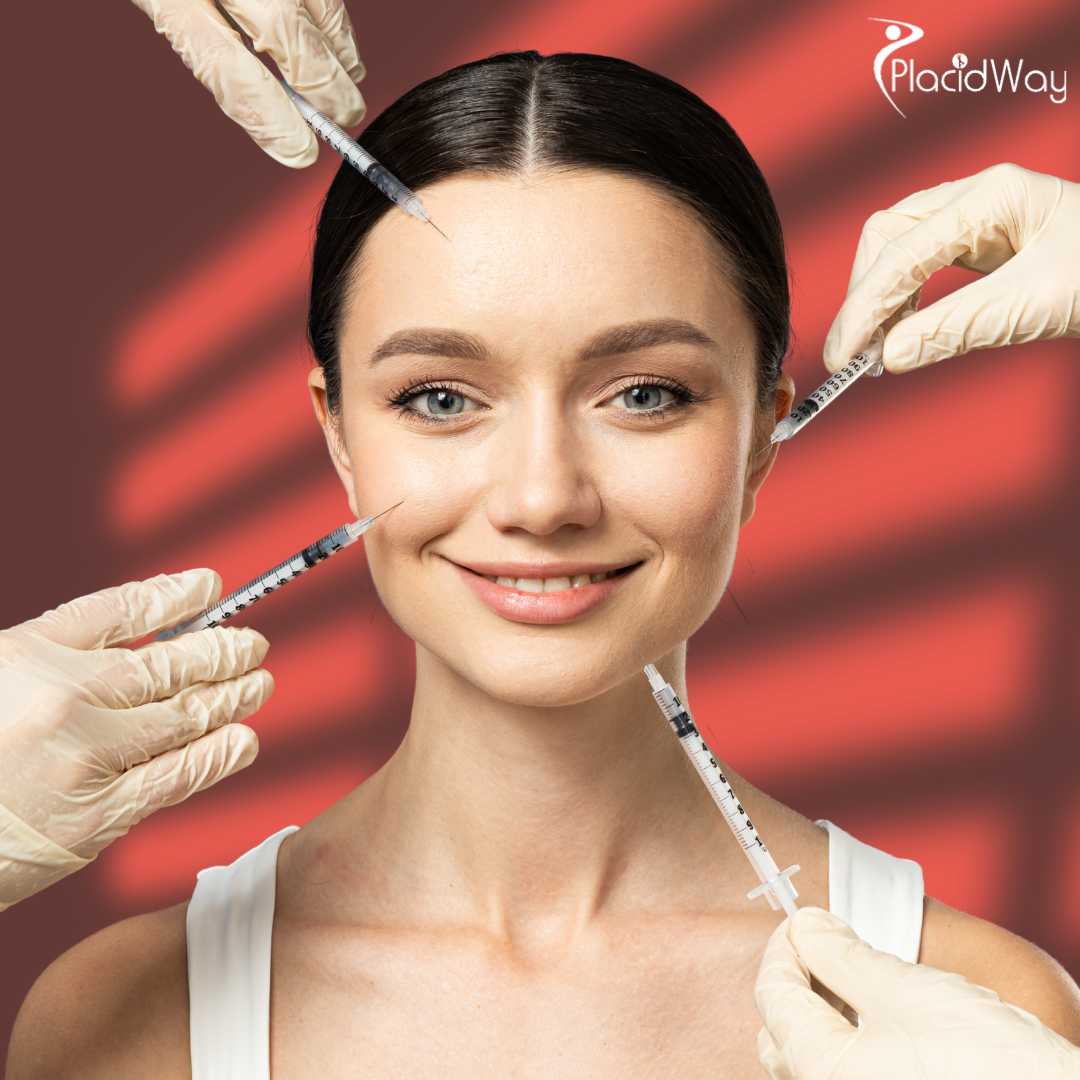
Anti-Aging Stem Cell Therapy in Seoul, South Korea Empowering Patients from the United States
PlacidWay Medical Tourism
- Stem Cell Therapy for Longevity
South Korea

The Exosome Era: Why Gangnam’s New ‘Cellular Reset’ is 2026’s Most Requested Regenerative Treatment for Global Travelers
PlacidWay Medical Tourism
- Stem Cell Therapy for Longevity
South Korea
Beyond the Surface: Why Japanese Patients are Choosing South Korea for Stem-Cell-Based Skin Therapy
PlacidWay Medical Tourism
- Stem Cell Therapy
South Korea
Stem Cell Therapy Solutions Near You: Explore Top Medical Centers
Discover how Stem Cell Therapy is transforming lives at leading medical centers in , South Korea. Dive into center profile, specialties, doctors, reviews, etc. and explore the best options tailored to your needs in this region.
Yonsei BH Clinic
Seoul, South Korea
Chaum Medical Center
Seoul, South Korea
Allheart plastic surgery
Seoul, South Korea








Hospital attended by rich people in Cheongdam-dong, Gangnam
Read More