
What treatment


3+ Best Clinics for Stem Cell Treatment for Arterial Hypertension in Japan
Trusted Medical Tourism Platform Since 2007
What are the best stem cell therapy clinics for arterial hypertension in Japan?
The best stem cell therapy clinics for arterial hypertension in Japan are: Cell Grand Clinic (Osaka), HELENE - Stem Cell Clinic (Tokyo), Azabu Skin Clinic (Tokyo), and Clinique Haru Osaka Umeda (Osaka).
These top facilities comply with Japan's strict Act on the Safety of Regenerative Medicine overseen by the MHLW. They utilize autologous mesenchymal stem cells (MSCs) to treat arterial hypertension, diabetes, knee osteoarthritis, Parkinson's disease, and anti-aging. Comprehensive stem cell treatment packages in Japan range from $8,000 to $68,000 USD, offering access to world-class, highly regulated regenerative care.
 100.00% Patient Recommend
Cell Grand Clinic - Best Stem Cell Clinic in Japan


Overview
Explore Cell Grand Clinic, the best stem cell clinic in Japan specializing in top regenerative therapies for anti-aging, chronic conditions, and wellness.
Read more details

 82.81% Patient Recommend
HELENE - Stem Cell Clinic
Overview
Japan Regenerative Medicine Leading Brand With over a decade of experience and more than 17,000 treated patients. Providing cutting-edge stem cell therapies tailored to various health concerns.
Read more details

 100.00% Patient Recommend
Azabu Skin Clinic - Dermatology and Stem Cell Therapy in Japan
Overview
Azabu Skin Clinic in Tokyo offers advanced stem cell treatments, regenerative treatments, dermatology, and aesthetic care. Book your consultation today.
Read more details


Clinique Haru Osaka Umeda - Japan Stem Cell Treatment
Overview
Clinique Haru Osaka Umeda specializes in Japan stem cell treatments for joint and musculoskeletal conditions using advanced regenerative medicine.
Read more detailsDiscover your treatment options with a free, no-obligation quote!
Get your quote now!
Riso Clinic - Japan Stem Cell Therapy
Overview
Explore Japan stem cell therapy at Riso Clinic in Tokyo. Advanced regenerative treatments for knee osteoarthritis, joint injuries, and cartilage repair.
Read more details
copy.png)
Authored by
Usama Ahmad
Medical content writer with 5+ years of experience specializing in stem cells and regenerative medicine content.

Reviewed by
Dr. Alejandro Fernando
Dr. Alejandro Fernando is a top stem cell specialist in Mexico City, specializing in regenerative medicine, cellular therapies, and chronic disease treatment and Medical Content Reviewer
Last updated on
Which are the best Stem Cell Treatment for Arterial Hypertension clinics in Japan?
When considering stem cell treatment for arterial hypertension in Japan, two highly-rated facilities stand out for their expertise and patient satisfaction: HELENE - Stem Cell Clinic in Tokyo and Cell Grand Clinic in Osaka. Both clinics boast 100% patient recommendation rates and have extensive experience in regenerative medicine, providing cutting-edge therapies for various health concerns including hypertension.
HELENE - Stem Cell Clinic, located in Tokyo, is a leading brand in Japan's regenerative medicine landscape. With over a decade of experience and more than 16,000 treated patients, they offer cutting-edge stem cell therapies tailored to individual health needs. Patients consistently praise their professionalism and comprehensive approach. Cell Grand Clinic in Osaka is also recognized as a top facility, specializing in advanced regenerative therapies for chronic conditions and overall wellness. Their high patient satisfaction scores reflect their commitment to quality care and innovative treatment protocols. These clinics emphasize patient safety and utilize advanced techniques in stem cell therapy.
What should I look for in a reputable Stem Cell Treatment for Arterial Hypertension clinic in Japan?
When selecting a reputable stem cell clinic in Japan for arterial hypertension, prioritize those with robust regulatory compliance, specialized expertise in regenerative medicine, transparent treatment protocols, and excellent patient safety records. Look for clinics that clearly outline their cell sourcing, preparation methods, and post-treatment care plans.
A reputable clinic will adhere strictly to Japan's Act on the Safety of Regenerative Medicine, ensuring ethical and safe practices. Verify that the clinic has experienced medical professionals specializing in regenerative therapies and has a strong focus on treating cardiovascular conditions like arterial hypertension. It's also crucial to inquire about the clinic's success rates, patient testimonials, and the use of state-of-the-art laboratory facilities for stem cell processing. Comprehensive pre-treatment consultations and detailed follow-up programs are indicators of high-quality care.
How is Stem Cell Treatment for Arterial Hypertension regulated in Japan?
Japan has a stringent regulatory framework for regenerative medicine, including stem cell treatments for conditions like arterial hypertension, governed by the Act on the Safety of Regenerative Medicine. This ensures high standards for clinical research, cell processing, and patient safety, overseen by the Ministry of Health, Labour and Welfare (MHLW).
The regulatory system in Japan aims to balance rapid innovation with patient protection. Clinics must obtain approval for specific regenerative medicine plans, which include details on cell preparation, administration, and expected outcomes. This rigorous process involves scientific review committees and requires facilities to meet strict quality control standards. Patients can be confident that treatments offered by approved clinics are subject to continuous monitoring and adhere to ethical guidelines, prioritizing safety and efficacy in therapies like those for arterial hypertension.
What types of stem cells are commonly used for arterial hypertension treatment in Japanese clinics?
Japanese clinics primarily utilize mesenchymal stem cells (MSCs) for arterial hypertension treatment, often sourced from the patient's own adipose tissue (fat) or bone marrow. These adult stem cells are favored for their regenerative potential, immune-modulating properties, and ability to differentiate into various cell types.
MSCs are highly valued in regenerative medicine due to their multipotent capabilities. For arterial hypertension, these cells are believed to reduce inflammation, repair damaged blood vessels, improve endothelial function, and promote angiogenesis (formation of new blood vessels), which collectively contribute to lowering blood pressure and improving cardiovascular health. The use of autologous (patient-derived) MSCs minimizes the risk of immune rejection, enhancing safety and compatibility for individuals undergoing treatment.
What preparation is required before undergoing stem cell therapy for hypertension in Japan?
Preparation for stem cell therapy for hypertension in Japan involves a comprehensive medical evaluation, including a detailed health history review, diagnostic tests, and a thorough assessment of your current health status to ensure you're a suitable candidate for the treatment.
Patients typically undergo a series of diagnostic tests such as blood work, urine analysis, cardiovascular assessments (e.g., ECG, echocardiogram, blood pressure monitoring), and possibly imaging studies to evaluate the extent of arterial damage. Clinics will also review your medications and lifestyle, advising on any necessary adjustments prior to therapy. This rigorous screening process is crucial to minimize risks, optimize treatment efficacy, and ensure the safest possible outcome for managing arterial hypertension with stem cells.
What are the typical procedures involved in Stem Cell Treatment for Arterial Hypertension at Japanese clinics?
The procedure typically begins with a consultation, followed by the harvesting of the patient's own stem cells, usually from adipose tissue or bone marrow. These cells are then processed and expanded in a specialized laboratory before being administered back into the patient, often via intravenous infusion or targeted injection.
After the initial assessment, the stem cells are carefully collected in a minor surgical procedure. In the lab, these cells are isolated, purified, and multiplied to reach the therapeutic dose. The processed stem cells are then ready for re-introduction. For arterial hypertension, this often involves intravenous administration, allowing the cells to travel throughout the bloodstream to target areas of inflammation and damage in the cardiovascular system. The entire process is meticulously monitored to ensure patient comfort and safety.
What kind of follow-up care can I expect after stem cell treatment for arterial hypertension in Japan?
Following stem cell treatment for arterial hypertension in Japan, you can expect a structured follow-up program including regular check-ups, continuous monitoring of your blood pressure and overall health markers, and personalized lifestyle recommendations to support long-term results.
Japanese clinics prioritize comprehensive post-treatment care. This typically involves scheduled appointments to assess your progress, monitor blood pressure trends, and conduct relevant diagnostic tests to track the effectiveness of the therapy. You will likely receive guidance on dietary changes, exercise regimens, and stress management techniques designed to complement the stem cell treatment and maintain improved cardiovascular health. Open communication with the medical team is encouraged to address any concerns and adjust your care plan as needed.
Are there any specific cultural considerations for international patients seeking treatment in Japanese clinics?
International patients seeking treatment in Japanese clinics should be aware of cultural considerations such as the importance of punctuality, polite communication, and traditional customs. Many clinics catering to medical tourism offer specialized international patient services, including language support and cultural guidance, to ensure a comfortable experience.
Japanese healthcare emphasizes respect and formality. Arriving on time for appointments is highly valued. Communication can be indirect, so utilizing interpreters provided by the clinic's international patient department is highly recommended to avoid misunderstandings. You might also encounter practices different from your home country, such as removing shoes in certain areas or specific etiquette during consultations. These services are designed to bridge cultural gaps, making your focus primarily on your treatment and recovery.
What are the potential benefits of choosing a Japanese clinic for arterial hypertension stem cell therapy?
Choosing a Japanese clinic for arterial hypertension stem cell therapy offers access to advanced medical technology, exceptionally stringent safety and quality standards, and highly specialized regenerative medicine experts. Japan is at the forefront of stem cell research and clinical application, providing cutting-edge treatment options.
Japanese healthcare facilities are renowned globally for their precision, innovation, and patient-centered approach. Patients benefit from meticulous diagnostic processes, state-of-the-art laboratory infrastructure for cell processing, and dedicated medical teams with extensive experience in regenerative therapies. The country's strict regulatory environment further ensures that treatments meet the highest safety and ethical benchmarks, contributing to potentially better outcomes for complex conditions like arterial hypertension. This commitment to excellence attracts patients seeking world-class medical care.
How do Japanese stem cell clinics ensure patient safety and ethical practices for hypertension treatment?
Japanese stem cell clinics ensure patient safety and ethical practices through adherence to the stringent Act on the Safety of Regenerative Medicine, comprehensive regulatory oversight by the MHLW, rigorous clinical trial protocols, and a strong emphasis on informed consent and continuous post-treatment monitoring.
Clinics offering stem cell therapies must register their treatment plans and facility details with the government, undergoing a meticulous review process that scrutinizes the scientific basis, safety data, and ethical considerations of each procedure. This includes clear guidelines on cell sourcing, manipulation, and administration. Furthermore, patients receive detailed information about potential risks and benefits, empowering them to make informed decisions. Regular audits and ongoing research ensure that practices remain at the highest ethical and safety standards, providing confidence for individuals seeking treatment for arterial hypertension.
How PlacidWay helps individuals access Stem Cell Treatment for Arterial Hypertension in Japan?
PlacidWay provides detailed, up-to-date information about Stem Cell Treatment for Arterial Hypertension, including benefits, risks, and expected outcomes, empowering you to understand your options fully. We help users compare treatment in various clinics, ensuring affordable options without compromising on quality by offering transparent pricing and facility comparisons. PlacidWay assists users in finding trusted, accredited clinics and medical professionals specializing in Stem Cell Treatment for Arterial Hypertension in Japan, connecting you with top-tier expertise. We offer one-on-one consultations to help users make informed decisions about their treatment, ensuring their specific needs are met with personalized guidance. PlacidWay also ensures continued support after the treatment, including follow-up care and recovery assistance, for a seamless and worry-free healthcare journey. Ready to get Stem Cell Treatment for Arterial Hypertension in Japan? Contact us today for a personalized consultation.Share with AI
Share this page with AI assistants to get summaries and insights


List of Best Stem Cell Treatment for Arterial Hypertension Clinics in Japan
Explore Stem Cell Treatment for Arterial Hypertension: Stories, Testimonials, and Procedures
Watch in-depth videos covering everything from Stem Cell Treatment for Arterial Hypertension success stories to detailed procedure explanations. Learn what to expect and hear from real patients.

How Stem Cell Therapy Works at Cell Grand Clinic in Osaka, Japan
Cancer Treatment
Cell Grand Clinic - Best Stem Cell Clinic in Japan
Osaka, Japan
Stem Cell Therapy in Japan by Dr. Yuichi Wakabayashi: Why Patients Prefer Cell Grand Clinic Osaka
Cancer Treatment
Cell Grand Clinic - Best Stem Cell Clinic in Japan
Osaka, Japan
Minimally Invasive Stem Cell Therapy and Advanced Cultivation
Cancer Treatment
HELENE - Stem Cell Clinic
Tokyo, Japan

Cell Grand Clinic: Best Stem Cell Clinic in Japan Featured in Exclusive 28-Minute JP TV Interview
Cancer Treatment
Cell Grand Clinic - Best Stem Cell Clinic in Japan
Osaka, Japan
Unlock the Best Stem Cell Treatment for Arterial Hypertension Packages Just for You
Discover the ultimate Stem Cell Treatment for Arterial Hypertension packages designed to meet your health and wellness goals. Choose the perfect fit for your journey.
Price starting from $19,800
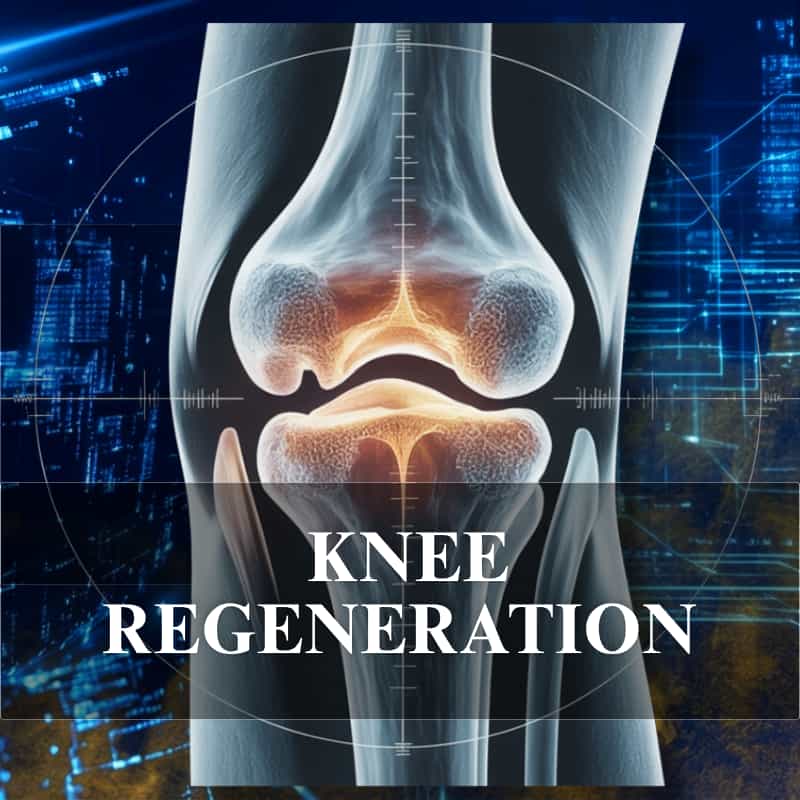
Knee Regenerative Medicine Package in Osaka, Japan by Cell Grand Clinic
Cell Grand Clinic - Best Stem Cell Clinic in Japan
- Stem Cell Therapy
Osaka, Japan

Price starting from $10,000
Stem Cell Therapy for Diabetes Package in Tokyo, Japan by Helene Clinic
HELENE - Stem Cell Clinic
- Stem Cell Therapy
Tokyo, Japan

Price starting from $10,000
Stem Cell Therapy for Parkinson’s Disease Package in Tokyo, Japan by HELENE Clinic
HELENE - Stem Cell Clinic
- Stem Cell Therapy
Tokyo, Japan

Price starting from $19,800
Stem Cell Treatment Online Consultation Package in Osaka, Japan by Cell Grand Clinic
Cell Grand Clinic - Best Stem Cell Clinic in Japan
- Stem Cell Therapy
Osaka, Japan
Transformative Stem Cell Treatment for Arterial Hypertension Experiences: Dive into Procedure Insights
Discover the power of Stem Cell Treatment for Arterial Hypertension through compelling patient experiences. Uncover detailed insights into procedures, recovery journeys, and life-changing results.
.png)
Price starting from $9,800
Stem Cell for Eye Disorders in Kuala Lumpur, Malaysia
- Stem Cell Treatment for Eye Diseases, Stem Cell Therapy
Kuala Lumpur, Malaysia
.png)
Price starting from $9,800
Stem Cell Therapy for Neuro Muscular in Kuala Lumpur, Malaysia
- Stem Cell Treatment for Muscular Dystrophy, Stem Cell Therapy
Kuala Lumpur, Malaysia
.png)
Price starting from $12,800
Stem Cell Therapy for Diabetes in Kuala Lumpur, Malaysia
- Stem Cell Treatment for Diabetes, Stem Cell Therapy
Kuala Lumpur, Malaysia
.png)
Price starting from $9,500
Stem Cell Therapy for Diabetes Bengaluru, India
- Stem Cell Treatment for Diabetes, Stem Cell Therapy
Bengaluru, India








I am truly grateful. My diabetes test results have improved, and I am genuinely amazed by the progress.
Read More