
What treatment


3+ Best Clinics for Stem Cell Treatment for Cancer in South Korea
Trusted Medical Tourism Platform Since 2007
What are the best stem cell therapy clinics for cancer in South Korea?
The top-rated facilities for regenerative oncology in South Korea are Chaum Medical Center (Seoul), Seoul Smart Bon Clinic (Seoul), and Yonsei BH Clinic (Seoul). These specialized medical centers are regulated by the Ministry of Health and Welfare (MOHW) and maintain stringent JCI accreditations for international patient safety.
These clinics utilize Hematopoietic (HSCs) and Mesenchymal stem cells (MSCs) to treat blood cancers like leukemia and lymphoma, while providing regenerative recovery support for solid tumors, lung disease, and liver cirrhosis. Advanced stem cell therapy packages generally start around $33,000 USD, which includes precision diagnostics, cellular processing, and dedicated multilingual concierge support.
 100.00% Patient Recommend
Chaum Medical Center


Overview
Premium healthcare at Chaum Medical Center, Seoul. Personalized anti-aging, stem cell therapy, and advanced medical services for a youthful life.
Read more details
Seoul Smart Bon Clinic in South Korea

Overview
Discover advanced care at Spine, Neurology & Stem Cell Clinic in South Korea by Seoul Smart Bon Clinic with innovative treatments for lasting recovery.
Read more details
Yonsei BH Clinic


Overview
Yonsei BH Clinic offers advanced stem cell therapy in Seoul, South Korea, for erectile dysfunction, anti-aging, Parkinson disease, dementia, diabetes, and more.
Read more details
Allheart plastic surgery
AllHeart Plastic Surgery in Gangnam specializes in advanced cosmetic procedures, offering expert care in a modern facility for natural and safe results.


Why South Korea is the Premier Destination for Stem Cell Treatment for Cancer?
South Korea has established itself as a global powerhouse in biotechnology and advanced oncology. For patients seeking highly specialized hematology-oncology care, including Hematopoietic Stem Cell Transplantation (HSCT) and advanced immunotherapies, South Korea offers world-class innovation combined with exceptional survival rates.
Global Leader in Oncology Research
South Korea heavily invests in biomedical research, particularly in the fields of targeted cancer therapies and cellular regeneration. The country boasts some of the highest five-year survival rates globally for various cancers, driven by state-of-the-art clinical trials and rapid adoption of cutting-edge oncological protocols.
Stringent K-FDA and JCI Standards
When undergoing complex procedures like bone marrow transplants or CAR-T cell therapy, safety is paramount. Top South Korean cancer institutes strictly adhere to the rigorous standards of the Korean Ministry of Food and Drug Safety (K-FDA) and hold elite Joint Commission International (JCI) accreditations, ensuring unmatched lab sterility.
Advanced Immunotherapy Integration
Unlike standard treatments that only target the tumor, South Korean oncologists utilize a holistic approach. They seamlessly integrate stem cell rescue therapies with advanced immune cell treatments (like NK and Dendritic cell therapies) to rebuild the patient's immune system aggressively after harsh chemotherapy or radiation regimens.
Unmatched Cost-to-Value Ratio
Complex oncological stem cell procedures in the US or Europe can easily bankrupt a family, often exceeding $300,000. South Korea provides the same, if not superior, level of highly complex cellular therapies at a fraction of the cost, making life-saving treatments financially viable for international patients.
Stem Cell Treatment for Cancer Costs in South Korea vs. United States (2026)
Compare projected 2026 pricing for advanced oncological stem cell procedures. South Korean medical centers provide comprehensive packages covering isolation wards, cell harvesting, and infusion therapies at highly competitive international rates.
| Procedure | South Korea Price | US / UK Price | You Save | Savings % |
|---|---|---|---|---|
| Autologous Stem Cell Transplant (HSCT) | $55,000–$75,000 | $150,000–$250,000 | $95,000+ | 63% |
| Allogeneic Stem Cell Transplant (HSCT) | $85,000–$120,000 | $300,000–$450,000 | $215,000+ | 72% |
| NK / Dendritic Immune Cell Therapy | $15,000–$25,000 | $50,000–$80,000 | $35,000+ | 69% |
| CAR-T Cell Therapy Protocol | $200,000–$250,000 | $400,000–$500,000 | $200,000+ | 50% |
* Prices are 2026 estimates based on major accredited hospitals in South Korea. Total costs for cancer treatments are highly customized and depend on the patient's specific diagnosis (e.g., Leukemia vs. Lymphoma), required days in protective isolation, donor matching complexity, and pre-transplant conditioning regimens. Request a free quote for personalized pricing.
Seoul vs. Alternative South Korean Hubs for Oncology
While the capital is the primary epicenter for medical innovation, South Korea features several distinct regions equipped with top-tier infrastructure for complex cellular and cancer therapies.
Seoul
The Epicenter of K-Medicine
Home to South Korea's highly prestigious "Big Five" hospital networks. Seoul is the definitive choice for international patients requiring the most advanced, multidisciplinary oncology care, offering unparalleled access to groundbreaking cellular trial protocols.
Busan
Southern Metropolitan Hub
South Korea's second-largest city combines high-tech oncology facilities with a less congested, coastal atmosphere. It is ideal for patients undergoing long-term post-transplant recovery who prefer a calmer environment away from the capital's rush.
Incheon
Free Economic Zone
Located adjacent to the primary international airport, Incheon features hyper-modern international medical complexes specifically designed to cater to foreign patients. It offers profound convenience for those arriving in a medically fragile state.
Daegu
Clinical Research Center
Officially designated by the government as a specialized medical city, Daegu is highly integrated with clinical research and university hospitals. It provides exceptional, research-backed oncological protocols, often at a slightly lower cost than Seoul.
Types of Oncological Stem Cell Procedures in South Korea
Stem cell therapy in cancer care fundamentally aims to replace diseased bone marrow, rescue the immune system after high-dose chemotherapy, or directly target cancer cells through genetic modification.
Autologous Stem Cell Transplant
$55,000 – $75,000Frequently utilized for Multiple Myeloma and certain Lymphomas. Healthy blood-forming stem cells are collected from your own body before administering high-dose chemotherapy to destroy the cancer. The collected cells are then infused back to rapidly rescue and rebuild your bone marrow.
Save $95,000+ vs. US prices
Allogeneic Stem Cell Transplant
$85,000 – $120,000Primarily used for Leukemias and severe blood disorders. This procedure replaces the patient's diseased marrow with healthy stem cells from a matched donor (sibling or registry). It offers a "graft-versus-tumor" effect, where the donor's immune cells actively fight remaining cancer cells.
Save $215,000+ vs. US prices
NK & Dendritic Cell Immunotherapy
$15,000 – $25,000An innovative supportive therapy where Natural Killer (NK) cells or Dendritic cells are isolated from the patient, multiplied in a lab, and re-infused. These cells act as the immune system's frontline defenders, uniquely trained to target and destroy residual malignant cells without the toxicity of chemo.
Save $35,000+ vs. US prices
CAR-T Cell Therapy
$200,000 – $250,000The bleeding edge of cancer treatment for certain relapsed blood cancers. T-cells are extracted from the patient, genetically engineered in a highly specialized lab to produce chimeric antigen receptors (CARs) that hunt specific cancer proteins, and then infused back to eradicate the disease.
Save $200,000+ vs. US prices
How to Choose a Center for Stem Cell Treatment for Cancer in South Korea?
Cancer treatment requires absolute precision and rigorous safety protocols. Use this 5-step checklist to ensure you select the safest, most qualified hospital for your cellular oncology therapy.
Verify Oncology Board Certifications
Stem cell procedures for cancer must be led by board-certified hematologists and oncologists. Confirm the treating physician specializes specifically in bone marrow transplantation or immunologic oncology at a major Korean university or national hospital.
Check Isolation and Lab Standards
Because high-dose chemotherapy wipes out your immune system prior to a transplant, the hospital must have strict HEPA-filtered positive-pressure isolation rooms. Furthermore, their cell manipulation laboratories must be GMP-certified for absolute sterility.
Evaluate Multidisciplinary Support
A successful outcome depends on a team approach. The best South Korean centers provide integrated care, combining hematologists, infectious disease specialists, dedicated oncology nurses, and clinical dietitians to monitor you 24/7 during the engraftment phase.
Clarify Donor Matching Capabilities
If you require an allogeneic transplant and do not have a sibling match, ensure the hospital has seamless access to the Korean Marrow Donor Program (KMDP) or international registries, and possesses the technology for complex haploidentical (half-match) transplants.
Utilize a Specialized Facilitator
Coordinating international cancer care is incredibly complex. Let PlacidWay handle the medical record translation, hospital communication, and specialist matching. We work exclusively with internationally accredited South Korean oncology departments.
Your Path to Recovery: The Hematopoietic Transplant Process
Undergoing a bone marrow or cellular transplant is an intensive process requiring commitment. Here is the typical clinical timeline for an autologous transplant patient in South Korea.
Step 1: Virtual Tumor Board Review
You submit your biopsy results, blood panels, and PET/CT scans to PlacidWay. A multidisciplinary tumor board at a leading South Korean hospital reviews your case remotely to determine if you are a candidate for a cellular rescue protocol.
Step 2: Arrival & Cell Mobilization
Upon arrival in Seoul or another major hub, you will undergo rigorous pre-testing. You are then given medication (growth factors) to stimulate stem cell production, moving them from your bone marrow into your bloodstream for easier collection.
Step 3: Harvesting via Apheresis
Your blood is drawn through a specialized machine that separates and collects the healthy stem cells, returning the rest of your blood to your body. These precious cells are then frozen (cryopreserved) in the hospital's specialized lab.
Step 4: Conditioning and The Transplant
You receive high-dose chemotherapy to destroy the cancer cells (conditioning). A few days later, your preserved stem cells are thawed and infused back into your bloodstream via a central line, much like a standard blood transfusion.
Step 5: Engraftment in Isolation
For the next 2 to 4 weeks, you will stay in a highly sterile, positive-pressure hospital room. You wait for the new stem cells to migrate to your bone marrow and begin producing healthy white blood cells—a process called engraftment—before being safely discharged.
South Korea Stem Cell Treatment for Cancer FAQ
Detailed, medically accurate answers to the most critical questions regarding oncological cellular therapies and transplants in South Korea.
What Patients Say About Oncology Care in South Korea
Read accounts from individuals who trusted South Korean medical innovation to help them combat complex hematological malignancies.
"When my Multiple Myeloma relapsed, the cost of an autologous transplant in the states was completely out of reach even with insurance. Traveling to Seoul saved my life. The level of care in the isolation ward was astonishing—every nurse and oncologist treated me with absolute precision and compassion. I am now two years in remission."
"My brother needed an allogeneic transplant for severe leukemia. We chose a major university hospital in South Korea because of their high success rates with haploidentical matches. The international coordination was flawless, and the technology they used for his immune therapy was world-class. He engrafted successfully within three weeks."
Why Choose PlacidWay for Your Oncology Journey?
Managing international cancer care requires profound expertise. As an independent medical facilitator, PlacidWay acts as your bridge to South Korea's most prestigious and technologically advanced oncology networks.
Pre-Screened Oncology Centers
We exclusively partner with South Korean medical institutions that hold JCI accreditation and possess dedicated, high-sterility bone marrow transplant and cellular therapy units.
Unbiased Medical Facilitation
We operate independently to provide you with transparent, comparative treatment options across several of South Korea's leading hospitals, empowering you to make the best decision for your specific diagnosis.
Direct Specialist Communication
We ensure your pathology reports and scans are placed directly in the hands of South Korean hematologists, facilitating virtual tumor board reviews to confirm your treatment protocol before you travel.
Comprehensive Patient Advocacy
From the safe transfer of complex medical files to ensuring you have a dedicated English-speaking coordinator inside the hospital, our team relentlessly advocates for your well-being throughout the treatment process.
Access World-Class Oncology Care Today
Do not let the exorbitant costs of cellular therapy stand in the way of life-saving treatment. Connect with South Korea's elite oncology centers, benefit from cutting-edge protocols, and save up to 70% on your medical journey.
Get Free QuoteDisclaimer: PlacidWay is a medical tourism facilitator, not a medical provider. We do not provide medical advice, diagnosis, or treatment guarantees. We assist in connecting patients with independently verified hospitals. Cancer treatments involve significant risks; always consult with a qualified oncologist regarding your specific medical condition.
Share with AI
Share this page with AI assistants to get summaries and insights


List of Best Stem Cell Treatment for Cancer Clinics in South Korea
Unlock the Best Stem Cell Therapy Packages Just for You
Discover the ultimate Stem Cell Therapy packages designed to meet your health and wellness goals. Choose the perfect fit for your journey.
-in-Beijing,-China.png)
Price starting from $25,000
Affordable Stem Cell Therapy for Cancer (Brain Tumor) in Beijing, China
PlacidWay China Medical Tourism
- Stem Cell Therapy
Beijing, China

Price starting from $3,400
Stem Cell Therapy for Cancer Package in India by Dr. Pravin Patel
Dr. Pravin Patel Innovative Hospital & Research Center
- Stem Cell Therapy
Vadodara, India
.png)
Price starting from $15,000
Cellular Immunotherapy in India for Cancer Treatment by GIOSTAR Hospital
GIOSTAR Hospital Bengaluru
- Stem Cell Therapy
Bengaluru, India

Price starting from $6,200
Stem Cell Therapy Package in Seoul, South Korea by VG Plastic Surgery
VG Plastic Surgery
- Anti Aging
Seoul, South Korea
Transformative Stem Cell Therapy Experiences: Dive into Procedure Insights
Discover the power of Stem Cell Therapy through compelling patient experiences. Uncover detailed insights into procedures, recovery journeys, and life-changing results.
.png)
Price starting from $10,000
Stem Cell Therapy for Knee Osteoarthritis in Japan
- Stem Cell Treatment for Knee Osteoarthritis Abroad, Stem Cell Therapy
Japan
.png)
Stem Cell Therapy for Cancer in Beijing, China
- Stem Cell Treatment for Cancer, Stem Cell Therapy
Beijing, China

Price starting from $3,500
Osteoarthritis Stem Cell Treatment in Thailand
- Stem Cell Therapy for Osteoarthritis, Stem Cell Therapy
Thailand
Explore Stem Cell Therapy: Stories, Testimonials, and Procedures
Watch in-depth videos covering everything from Stem Cell Therapy success stories to detailed procedure explanations. Learn what to expect and hear from real patients.
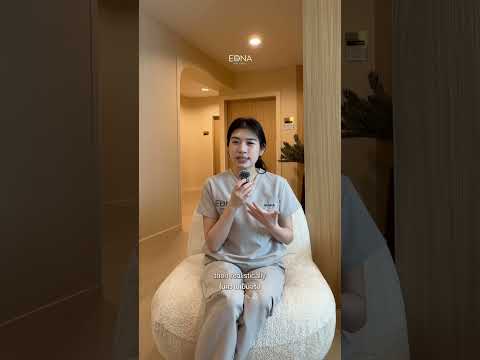
Can Stem Cell Treatment in Bangkok, Thailand Replace Surgery Explained by EDNA Wellness?
Stem Cell Therapy
EDNA Wellness - Surgeon-Led Stem Cell Clinic in Bangkok Thailand
Thailand

A Quick Look at Our Patient’s Experience at EDNA Wellness Stem Cell Clinic in Bangkok
Stem Cell Therapy
EDNA Wellness - Surgeon-Led Stem Cell Clinic in Bangkok Thailand
Thailand

This Is the Idea Behind Regenerative Medicine in Bangkok, Thailand | EDNA Wellness
Stem Cell Therapy
EDNA Wellness - Surgeon-Led Stem Cell Clinic in Bangkok Thailand
Thailand
Seoulful Healing: Unveiling Excellence in Health Tourism in South Korea
Stem Cell Therapy
PlacidKorea
South Korea
Learn More with These Stem Cell Therapy Articles
Take a look at these interesting articles, stories and research that will help you learn more about Stem Cell Therapy.
.png)
Cancer Treatment with NK Cells & Stem Cells in Japan: Things to Know
PlacidWay Medical Tourism
- Stem Cell Therapy
Japan

Find the Best Stem Cell Therapy for Cancer Treatment in Beijing, China
PlacidWay China Medical Tourism
- Stem Cell Therapy
China

Can Stem Cell Therapy Cause Cancer? Current Research on Regenerative Medicine in Thailand
EDNA Wellness - Surgeon-Led Stem Cell Clinic in Bangkok Thailand
- Stem Cell Therapy
Thailand
.png)
Stem Cells for Cancer Treatment in Osaka: How Filipinos Are Overcoming Cancer with Japanese Innovation
PlacidWay Medical Tourism
- Stem Cell Therapy
Japan
Stem Cell Therapy Solutions Near You: Explore Top Medical Centers
Discover how Stem Cell Therapy is transforming lives at leading medical centers in , South Korea. Dive into center profile, specialties, doctors, reviews, etc. and explore the best options tailored to your needs in this region.
Chaum Medical Center
Seoul, South Korea
Yonsei BH Clinic
Seoul, South Korea
Allheart plastic surgery
Seoul, South Korea
Seoul Smart Bon Clinic in South Korea
Seoul, South Korea








Hospital attended by rich people in Cheongdam-dong, Gangnam
Read More