
What treatment


2+ Best Clinics for Stem Cell Treatment for Developmental Delay in Japan
Trusted Medical Tourism Platform Since 2007
What are the best stem cell therapy clinics for developmental delay in Japan?
The top stem cell therapy clinics for developmental delay in Japan are HELENE - Stem Cell Clinic in Tokyo and Clinique Haru Osaka Umeda in Osaka.
Regulated by Japan's Ministry of Health, Labour and Welfare, these facilities utilize mesenchymal stem cells (MSCs) processed in GMP-certified laboratories. Alongside developmental delays, these clinics provide intravenous and intrathecal treatments for autism, spinal cord injuries, diabetes, and osteoarthritis. Treatment packages range from $8,000 to $68,000 USD, depending on the specific condition, protocol complexity, and duration of care.
 100.00% Patient Recommend
Cell Grand Clinic - Best Stem Cell Clinic in Japan


Overview
Explore Cell Grand Clinic, the best stem cell clinic in Japan specializing in top regenerative therapies for anti-aging, chronic conditions, and wellness.
Read more details

 82.81% Patient Recommend
HELENE - Stem Cell Clinic
Overview
Japan Regenerative Medicine Leading Brand With over a decade of experience and more than 17,000 treated patients. Providing cutting-edge stem cell therapies tailored to various health concerns.
Read more details
Clinique Haru Osaka Umeda - Japan Stem Cell Treatment
Overview
Clinique Haru Osaka Umeda specializes in Japan stem cell treatments for joint and musculoskeletal conditions using advanced regenerative medicine.
Read more details 100.00% Patient Recommend
Azabu Skin Clinic - Dermatology and Stem Cell Therapy in Japan
Overview
Azabu Skin Clinic in Tokyo offers advanced stem cell treatments, regenerative treatments, dermatology, and aesthetic care. Book your consultation today.
Read more details
Discover your treatment options with a free, no-obligation quote!
Get your quote now!
Riso Clinic - Japan Stem Cell Therapy
Overview
Explore Japan stem cell therapy at Riso Clinic in Tokyo. Advanced regenerative treatments for knee osteoarthritis, joint injuries, and cartilage repair.
Read more details
copy.png)
Authored by
Usama Ahmad
Medical content writer with 5+ years of experience specializing in stem cells and regenerative medicine content.

Reviewed by
Dr. Alejandro Fernando
Dr. Alejandro Fernando is a top stem cell specialist in Mexico City, specializing in regenerative medicine, cellular therapies, and chronic disease treatment and Medical Content Reviewer
Last updated on
Which are the best clinics for Stem Cell Treatment for Developmental Delay in Japan?
For Stem Cell Treatment for Developmental Delay in Japan, HELENE - Stem Cell Clinic in Tokyo stands out as a highly-rated facility. They are recognized for their regenerative medicine expertise, extensive experience, and positive patient recommendations. Prioritize clinics with strong patient satisfaction, transparent practices, and a focus on personalized neurological care.
HELENE - Stem Cell Clinic in Tokyo is a leading option for developmental delay treatments using stem cell therapy. They have over a decade of experience and a high patient recommendation rate, reflecting their commitment to quality and effective patient care. When evaluating Japanese clinics, it's vital to consider their specific experience with developmental delays, the range of stem cell therapies offered, and comprehensive support services for both local and international patients. Always verify accreditations and patient feedback to make an informed decision about your child's regenerative treatment journey.
What types of stem cells are commonly used for developmental delay treatment in Japanese clinics?
Japanese stem cell clinics often utilize mesenchymal stem cells (MSCs) for developmental delay treatment due to their regenerative and immunomodulatory properties. These cells are typically sourced from umbilical cord tissue, adipose tissue, or bone marrow, offering potential neuroprotective and neuroreparative benefits to support neurological development in affected children.
Clinics in Japan, when treating developmental delays, frequently employ Mesenchymal Stem Cells (MSCs). These cells are favored for their ability to differentiate into various cell types and secrete growth factors that aid tissue repair and reduce inflammation.
- Umbilical Cord Tissue: A potent source of young, robust MSCs, often preferred for pediatric applications due to their high regenerative capacity.
- Adipose (Fat) Tissue: This is an accessible source of MSCs, harvested directly from the patient (autologous) with a minimally invasive procedure.
- Bone Marrow: Another common autologous source, where MSCs are extracted from the patient's bone marrow. These cells work by creating a more favorable microenvironment in the brain, potentially repairing damaged neural pathways, reducing inflammation, and promoting the growth of new cells, which can contribute to improved cognitive and motor functions.
- Intravenous Infusion (IV): This is a common and less invasive method where stem cells are introduced directly into the bloodstream. This approach aims for systemic effects, allowing the cells to circulate and potentially reach various parts of the body, including the brain, where they can exert their regenerative properties.
- Intrathecal Injection: In this method, stem cells are injected directly into the cerebrospinal fluid (CSF) via a lumbar puncture. This allows for a more direct delivery of cells to the central nervous system, bypassing the blood-brain barrier and potentially increasing their concentration in areas relevant to developmental delay. The administration process is meticulously performed by experienced medical specialists, ensuring patient comfort and strict adherence to safety protocols throughout the procedure.
- Regulatory Compliance: Clinics operate under strict guidelines from Japan’s Ministry of Health, Labour and Welfare, which heavily regulates regenerative medicine to ensure patient safety and ethical practices.
- Patient Selection: Extensive pre-treatment evaluations are conducted. This includes comprehensive medical history reviews, physical examinations, and a battery of diagnostic tests to determine the child's suitability for therapy and minimize potential risks.
- Cell Sourcing and Processing: Stem cells are sourced from accredited facilities, ensuring ethical procurement and rigorous testing for purity, viability, and absence of contaminants. Processing occurs in state-of-the-art, GMP-certified (Good Manufacturing Practice) laboratories.
- Sterile Procedures: All stem cell administration procedures are performed in highly sterile environments by specially trained medical personnel to prevent infections.
- Post-Treatment Monitoring: Patients are closely observed post-treatment for any immediate or delayed adverse reactions. Detailed follow-up schedules are established to track long-term safety and efficacy, ensuring ongoing care and assessment.
- Thorough Patient Assessment: The medical team should meticulously review all existing medical records, the child's developmental history, and conduct a detailed physical and neurological examination.
- Clear Therapy Explanation: Expect a detailed explanation of the proposed stem cell therapy, including the specific type of cells, administration methods, expected duration of treatment, and a realistic overview of potential benefits and outcomes.
- Risk-Benefit Discussion: A balanced discussion of both the potential therapeutic benefits and any associated risks, side effects, or limitations of the treatment is essential for informed consent.
- Personalized Treatment Plan: The clinic should present a treatment plan specifically tailored to your child’s unique condition and needs, rather than a one-size-fits-all approach.
- Open Communication: The clinic staff should be patient, empathetic, and willing to answer all your questions comprehensively, providing you with all necessary information to feel confident in your decisions.
- Accreditation and Expertise: Inquire about the clinic's official accreditations and the specific experience of their medical team in treating developmental neurological conditions with regenerative medicine.
- Synergistic Effects: Stem cell therapy works to repair and regenerate at a cellular level, while concurrent rehabilitation therapies help train and reinforce new neural pathways. This synergistic approach aims to translate cellular improvements into significant functional gains.
- Types of Rehabilitation Offered:
- Physical Therapy: Focuses on improving gross motor skills, balance, coordination, and muscle strength.
- Occupational Therapy: Helps children develop fine motor control, sensory integration, and skills necessary for daily living activities.
- Speech and Language Therapy: Addresses communication challenges, oral motor skills, and social interaction abilities.
Japanese clinics understand that a holistic treatment plan is key to achieving the best possible long-term outcomes. They typically guide families on how to effectively incorporate these therapies, either within their facility or through referrals to trusted, specialized rehabilitation centers.
- Multilingual Assistance: Clinics often employ English-speaking staff or provide readily available medical interpreters to ensure clear and effective communication throughout the treatment process.
- Dedicated Patient Coordinators: These professionals serve as a primary point of contact, helping to manage appointments, coordinate treatment schedules, and address any non-medical inquiries or concerns.
- Travel and Accommodation Assistance: Support may include help with booking flights, arranging local transportation, and recommending or securing suitable lodging options near the clinic, tailored to family needs.
- Visa Guidance: Clinics can provide necessary documentation and guidance to help patients and their families navigate the Japanese visa application process.
- Cultural Sensitivity: Staff are generally trained to be culturally sensitive and respectful of diverse backgrounds, aiming to create a welcoming and comfortable environment for all international visitors.
- Post-Treatment Follow-up: Plans for remote consultations or guidance for local follow-up care in the patient's home country are typically established before their departure, ensuring continuity of care.
- Severity of Condition: Children with more complex or severe developmental delays may require more extensive or prolonged treatment protocols.
- Treatment Protocol: Clinics might offer varying protocols. A typical single cycle could involve a few days for cell administration and initial monitoring within the hospital.
- Type of Stem Cells Used: Different types of stem cells may have varying optimal treatment schedules and intervals between applications.
- Patient Response: The treatment plan is often dynamic, adjusted based on the child’s observed response and developmental progress over time. This adaptive approach ensures the therapy remains effective and tailored. It is crucial for families to thoroughly discuss the expected duration, including the initial treatment phase and any recommended subsequent follow-up or additional cycles, during the initial consultation to establish realistic expectations.
- Official Accreditation and Regulation: Ensure the clinic is officially licensed and regulated by the Japanese Ministry of Health, Labour and Welfare for regenerative medicine. This guarantees adherence to national safety, ethical guidelines, and quality standards.
- Specialized Expertise: The clinic should have a demonstrated and extensive track record in treating neurological developmental disorders with stem cells. Inquire about their specific experience, published research, or success rates in this particular area.
- Multidisciplinary Team: A highly effective clinic typically features a team that includes pediatric neurologists, regenerative medicine specialists, and various rehabilitation therapists (physical, occupational, speech). This integrated approach addresses all facets of developmental challenges.
- Advanced Laboratory Facilities: Confirm that the clinic partners with or operates its own certified laboratory for stem cell processing. This ensures rigorous quality control, sterility, and optimal cell viability.
- Transparent Communication: A reputable clinic will openly discuss their treatment methodologies, realistic expected outcomes, potential risks, and detailed post-treatment follow-up care. Avoid clinics that make exaggerated or unproven claims.
- Patient-Centric Approach: Look for a clinic that emphasizes personalized care plans, actively involves families in decision-making, and provides robust ongoing support for children and their guardians.
- Enhanced Neuroplasticity and Regeneration: Stem cells are believed to foster the brain's ability to reorganize and form new neural connections (neuroplasticity), as well as promote the repair and regeneration of damaged neural tissue.
- Potential Functional Gains: Over an extended period, patients may experience various improvements:
- Motor Skills: Noticeable enhancements in gross motor skills (e.g., balance, coordination, walking) and fine motor control.
- Cognitive Functions: Improvements in areas such as attention span, learning capabilities, memory, and problem-solving skills.
- Communication Abilities: Better speech and language development, along with enhanced social interaction and adaptive behaviors.
- Overall Quality of Life: The ultimate objective is to enhance the child's overall quality of life, increase their independence, and improve their integration into daily activities. It is crucial for families to understand that stem cell therapy is considered a supportive treatment, not a definitive cure. Consistent long-term follow-up and continued supportive therapies (like rehabilitation) play a significant role in realizing and maintaining these positive outcomes.
How is stem cell therapy for developmental delay typically administered in Japanese clinics?
Stem cell therapy for developmental delay in Japanese clinics is often administered intravenously or intrathecally (into the spinal fluid). The choice of administration route depends on the specific condition, the patient's age, and the type of cells used, aiming to deliver the regenerative cells effectively to the central nervous system for optimal therapeutic impact.
Japanese clinics offering stem cell therapy for developmental delay generally use specific administration methods to maximize the cells' impact and ensure they reach the target areas effectively.
What are the safety protocols for stem cell therapy in Japanese clinics for children with developmental delays?
Japanese clinics adhere to stringent safety protocols for stem cell therapy, regulated by national health authorities to ensure patient well-being, especially for children with developmental delays. These protocols include thorough pre-screening, sterile administration procedures, ongoing monitoring for adverse effects, and using only high-quality, ethically sourced stem cells processed in certified laboratories.
Safety is a top priority in all medical procedures, particularly when treating children with developmental delays. Japanese stem cell clinics implement rigorous safety measures:
What should I look for during an initial consultation at a Japanese stem cell clinic for developmental delay?
During an initial consultation at a Japanese stem cell clinic for developmental delay, look for clear explanations of the proposed therapy, including scientific basis, potential benefits, and risks. The clinic should offer a personalized treatment plan, transparent communication regarding cell sourcing and quality, and a dedicated team to address all your questions, making you feel informed and comfortable.
A comprehensive initial consultation is a critical step in understanding your child's treatment options for developmental delay. Here’s what you should specifically look for:
Do Japanese clinics offer integrated rehabilitation alongside stem cell therapy for developmental delay?
Many leading Japanese stem cell clinics for developmental delay recognize the importance of an integrated approach, often recommending or facilitating rehabilitation programs alongside stem cell therapy. These programs, which may include physical, occupational, and speech therapy, aim to maximize functional improvements by reinforcing the regenerative effects of the stem cells and fostering optimal developmental progress.
Yes, an integrated approach combining stem cell therapy with specialized rehabilitation is widely considered beneficial and often recommended for developmental delays in Japan.
What support services are available for international patients at Japanese stem cell clinics for developmental delay?
Japanese stem cell clinics, especially those catering to international patients seeking developmental delay treatment, typically offer comprehensive support services. These often include multilingual staff, assistance with travel and accommodation, visa guidance, and dedicated patient coordinators to ensure a smooth and comfortable experience from initial inquiry through post-treatment care.
International patients considering stem cell therapy in Japan for developmental delay can expect a range of comprehensive support services designed to ease their medical journey.
How long does stem cell treatment for developmental delay typically last in Japan?
The duration of stem cell treatment for developmental delay in Japan can vary significantly based on the individual patient's condition and the specific protocol. While a single cycle might involve a few days of hospitalization, multiple treatment cycles over several months or even years are often recommended to achieve sustained developmental improvements and harness the full regenerative potential of the cells.
The exact timeline for stem cell treatment for developmental delay is highly individualized and contingent on several factors.
What qualifications should I look for in a Japanese stem cell clinic specializing in developmental delays?
When selecting a Japanese stem cell clinic for developmental delays, prioritize facilities with official accreditation from Japanese health authorities, extensive experience in regenerative medicine for neurological conditions, and a multidisciplinary team. Look for specialists in pediatric neurology, regenerative medicine, and rehabilitation who can offer integrated, evidence-based care tailored to developmental challenges.
Choosing the right clinic is paramount for your child's developmental delay treatment. Here are key qualifications and considerations:
What are the potential long-term outcomes of stem cell therapy for developmental delay from Japanese clinics?
Potential long-term outcomes of stem cell therapy for developmental delay from Japanese clinics aim for improvements in neurological function, cognitive abilities, and motor skills, contributing to enhanced quality of life. While individual results vary, ongoing research and clinical experience suggest that these treatments can support neuroplasticity and regeneration, potentially leading to better adaptive behaviors and developmental milestones over time.
While individual results can vary greatly depending on the child's specific condition and response, the primary goals of stem cell therapy for developmental delay are to support long-term functional improvements.
How PlacidWay helps individuals access Stem Cell Treatment for Developmental Delay in Japan?
PlacidWay is dedicated to simplifying your journey to finding quality Stem Cell Treatment for Developmental Delay in Japan. We provide detailed, up-to-date information about Stem Cell Treatment for Developmental Delay, including benefits, risks, and expected outcomes, empowering you with the knowledge needed to make informed decisions. We help users compare treatment in various clinics in Japan, ensuring affordable options without compromising on quality, by providing transparent pricing and package details. Our platform assists you in finding trusted, accredited clinics and medical professionals specializing in Stem Cell Treatment for Developmental Delay in Japan, ensuring high standards of care. PlacidWay also offers one-on-one consultations to help users make informed decisions about their treatment, ensuring their specific needs are met with a personalized approach. Furthermore, we ensure continued support after the treatment, including follow-up care and recovery assistance, through our network of providers. Ready to get Stem Cell Treatment for Developmental Delay in Japan? Contact us today for a personalized consultation.Share with AI
Share this page with AI assistants to get summaries and insights


List of Best Stem Cell Treatment for Developmental Delay Clinics in Japan
Explore Stem Cell Treatment for Developmental Delay: Stories, Testimonials, and Procedures
Watch in-depth videos covering everything from Stem Cell Treatment for Developmental Delay success stories to detailed procedure explanations. Learn what to expect and hear from real patients.
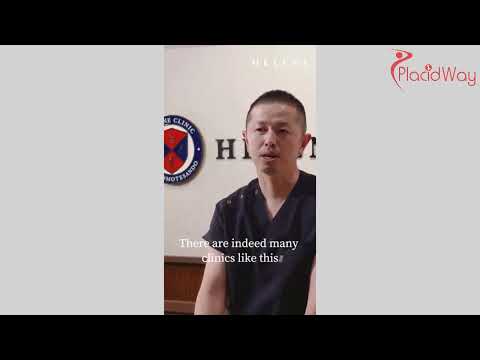
Minimally Invasive Stem Cell Therapy and Advanced Cultivation
Cancer Treatment
HELENE - Stem Cell Clinic
Tokyo, Japan
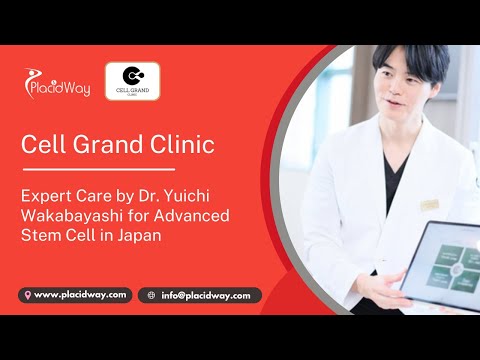
Expert Care by Dr. Yuichi Wakabayashi for Advanced Stem Cell in Japan at Cell Grand Clinic
Cancer Treatment
Cell Grand Clinic - Best Stem Cell Clinic in Japan
Osaka, Japan

Safety of Stem Cell Therapy Explained by Cell Grand Clinic in Osaka, Japan
Cancer Treatment
Cell Grand Clinic - Best Stem Cell Clinic in Japan
Osaka, Japan
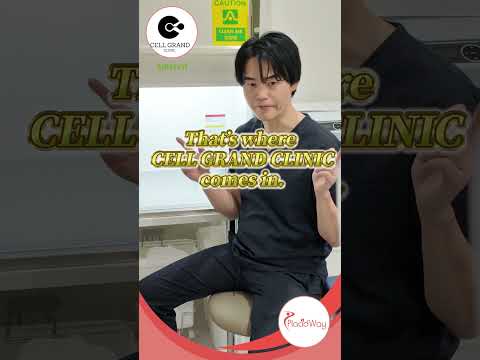
How Stem Cell Therapy Works at Cell Grand Clinic in Osaka, Japan
Cancer Treatment
Cell Grand Clinic - Best Stem Cell Clinic in Japan
Osaka, Japan
Unlock the Best Stem Cell Treatment for Developmental Delay Packages Just for You
Discover the ultimate Stem Cell Treatment for Developmental Delay packages designed to meet your health and wellness goals. Choose the perfect fit for your journey.

Price starting from $7,000
Advanced Kidney Support & Regenerative Therapy Protocol
CellsClinic in in San Pedro Garza Garcia, Mexico
- Stem Cell Therapy
San Pedro Garza Garcia, Mexico
Price starting from $4,000
Advanced Shoulder Regeneration & Recovery Protocol
CellsClinic in in San Pedro Garza Garcia, Mexico
- Stem Cell Therapy
San Pedro Garza Garcia, Mexico

Price starting from $19,800
Erectile Dysfunction Stem Cell Therapy Package in Osaka, Japan by Cell Grand Clinic
Cell Grand Clinic - Best Stem Cell Clinic in Japan
- Stem Cell Therapy
Osaka, Japan

Price starting from $10,000
Stem Cell Therapy for Stroke Rehabilitation Package in Tokyo, Japan by HELENE Clinic
HELENE - Stem Cell Clinic
- Stem Cell Therapy
Tokyo, Japan
Transformative Stem Cell Treatment for Developmental Delay Experiences: Dive into Procedure Insights
Discover the power of Stem Cell Treatment for Developmental Delay through compelling patient experiences. Uncover detailed insights into procedures, recovery journeys, and life-changing results.
.png)
Price starting from $9,800
Stem Cell for Eye Disorders in Kuala Lumpur, Malaysia
- Stem Cell Treatment for Eye Diseases, Stem Cell Therapy
Kuala Lumpur, Malaysia
.png)
Price starting from $9,800
Stem Cell Therapy for Dementia in Kuala Lumpur, Malaysia
- Stem Cell Therapy
Kuala Lumpur, Malaysia
.png)
Price starting from $9,800
Stem Cell for Heart Disease in Kuala Lumpur, Malaysia
- Stem Cell Therapy for Heart Disease, Stem Cell Therapy
Kuala Lumpur, Malaysia
.png)
Price starting from $12,800
Stem Cell Therapy for Diabetes in Kuala Lumpur, Malaysia
- Stem Cell Treatment for Diabetes, Stem Cell Therapy
Kuala Lumpur, Malaysia








I travel from the United States to receive stem cell treatment for skin rejuvenation. I have relatives in Japan, so I used to visit a few times a year. Since my own cells are cultured and reintroduced into my body, I feel safe and reassured undergoing the treatment. About a month after the facial injections, people around me started noticing positive changes. My skin is now the best it has ever been, and I am very satisfied.
Read More