
What treatment


3+ Best Clinics for Stem Cell Treatment for Spinal Cord Injury in South Korea
Trusted Medical Tourism Platform Since 2007
What are the best stem cell therapy clinics for spinal cord injury in South Korea?
The leading stem cell therapy clinics in South Korea are Chaum Medical Center (Seoul), Seoul Smart Bon Clinic (Seoul), Yonsei BH Clinic (Seoul), and VG Plastic Surgery (Seoul).
These top-tier facilities maintain strict JCI, ISO, and MFDS certifications. They utilize advanced mesenchymal (MSCs) and neural stem cells to treat spinal cord injuries, Parkinson's disease, dementia, diabetes, and provide anti-aging therapies. Comprehensive treatment packages range from $6,200 to $33,000 USD, and typically feature advanced diagnostic imaging alongside highly integrated physical rehabilitation programs.
 100.00% Patient Recommend
Chaum Medical Center


Overview
Premium healthcare at Chaum Medical Center, Seoul. Personalized anti-aging, stem cell therapy, and advanced medical services for a youthful life.
Read more details
Seoul Smart Bon Clinic in South Korea

Overview
Discover advanced care at Spine, Neurology & Stem Cell Clinic in South Korea by Seoul Smart Bon Clinic with innovative treatments for lasting recovery.
Read more details
Yonsei BH Clinic


Overview
Yonsei BH Clinic offers advanced stem cell therapy in Seoul, South Korea, for erectile dysfunction, anti-aging, Parkinson disease, dementia, diabetes, and more.
Read more details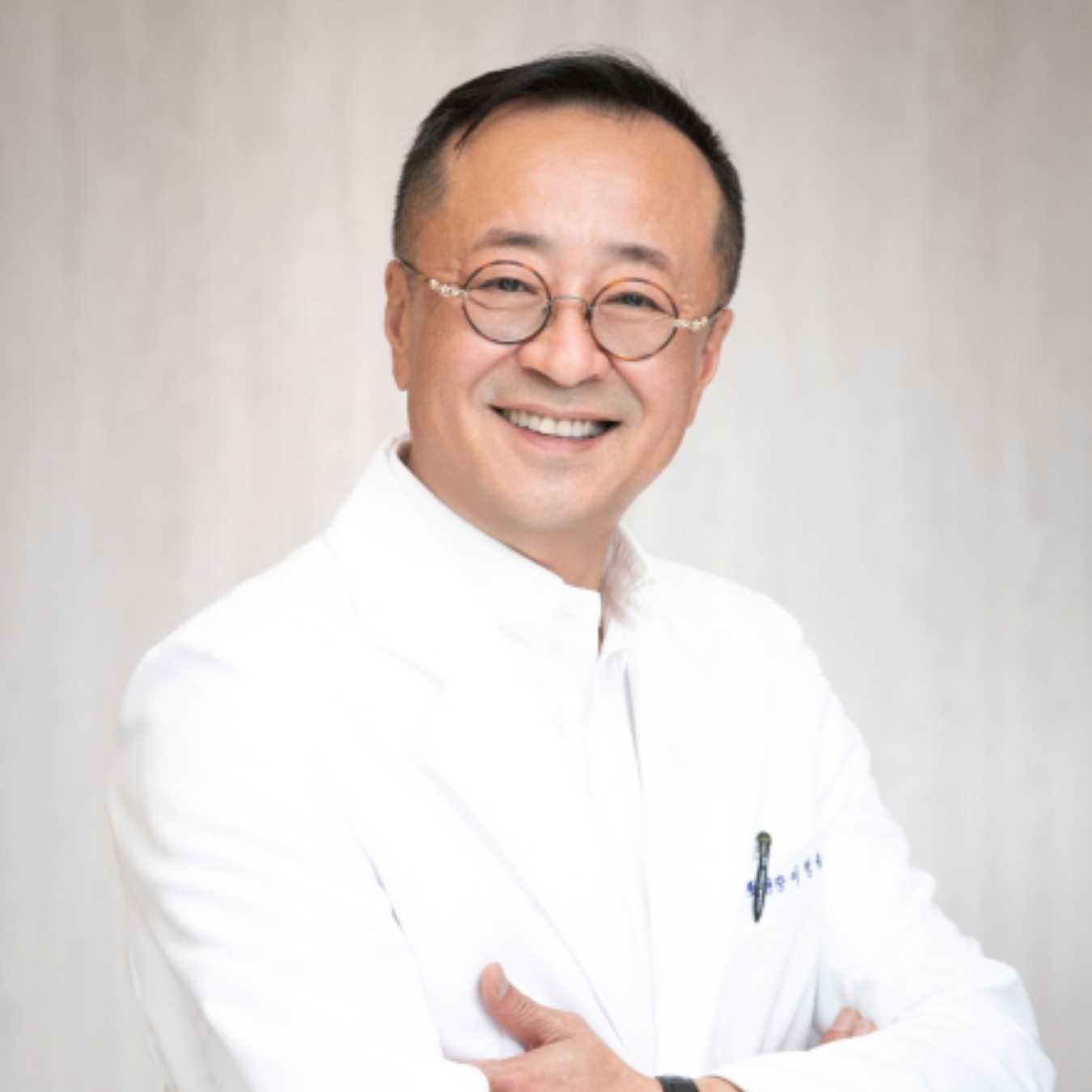
Allheart plastic surgery
AllHeart Plastic Surgery in Gangnam specializes in advanced cosmetic procedures, offering expert care in a modern facility for natural and safe results.


Why South Korea is the Global Hub for Spinal Cord Injury Stem Cell Therapy?
South Korea stands at the forefront of regenerative biotechnology. For patients seeking to restore motor and sensory function after a spinal cord injury, this nation offers unparalleled integration of government-backed cellular research and world-class neurological care.
Government-Backed Innovation
The South Korean government heavily subsidizes and regulates biotechnology, resulting in some of the most advanced, legally sanctioned stem cell protocols in the world. This ensures patients receive therapies that are not only cutting-edge but rigorously tested for safety and efficacy.
Elite GMP-Certified Laboratories
Culturing cells for the central nervous system requires absolute precision. South Korean medical centers utilize on-site, GMP (Good Manufacturing Practice) certified laboratories to cultivate high-viability Mesenchymal Stem Cells (MSCs) without the risk of contamination or genetic mutation.
Advanced Neuro-Delivery Systems
Unlike generic IV drips, South Korean neurosurgeons specialize in precise intrathecal administration. By delivering highly concentrated stem cells directly into the spinal fluid, they successfully bypass the blood-brain barrier to target the exact site of the spinal lesion.
Integrated Robotic Rehabilitation
Regeneration requires mechanical stimulation. South Korean hospitals pair cellular injections with intensive neuro-rehabilitation utilizing state-of-the-art robotic exoskeletons and virtual reality. This combined approach maximizes neuroplasticity and the rewiring of neural pathways.
Stem Cell Therapy Costs for Spinal Cord Injury in South Korea vs. US/UK (2026)
Review projected 2026 pricing for complex neuro-regenerative treatments. South Korea provides access to multi-million dollar biotech infrastructure at a fraction of Western costs, often packaging extensive rehabilitation into the price.
| Procedure | South Korea Price | US / UK Price | You Save | Savings % |
|---|---|---|---|---|
| Intrathecal Stem Cell Injection (Single Phase) | $15,000–$18,000 | $45,000–$60,000 | $30,000+ | 66% |
| Multi-Dose Spinal Regeneration Protocol | $22,000–$28,000 | $70,000–$90,000 | $48,000+ | 68% |
| Stem Cell Therapy + Intensive Robotic Rehab | $28,000–$35,000 | $100,000–$130,000 | $72,000+ | 72% |
| IV Exosome & Systemic MSC Support | $12,000–$16,000 | $40,000–$55,000 | $28,000+ | 70% |
* Total estimated costs for 2026 based on verified South Korean biotechnology centers. Prices fluctuate based on the specific injury level (cervical vs. thoracic/lumbar), the required cell count (in millions), and the duration of inpatient neurological rehabilitation. Get a free quote for a customized treatment plan.
Seoul vs. Alternative South Korean Cities for Neuro-Regeneration
While the entire country boasts high medical standards, different cities offer distinct advantages for patients undergoing intensive therapy for spinal cord injuries.
Seoul
Capital City
The undeniable hub for advanced medical research. Seoul hosts the country's most prestigious university hospitals and private biotech labs, offering the most aggressive and innovative protocols for severe neurological injuries.
Busan
Southern Port City
Offers phenomenal regenerative clinics coupled with a more relaxed, maritime environment. It is an excellent choice for patients planning long-term inpatient rehabilitation who prefer to avoid the hyper-dense bustle of the capital.
Incheon
Free Economic Zone
Located adjacent to the international airport, Incheon features a government-designated bio-health complex. It provides seamless logistical access for severely mobility-impaired patients flying in specifically for cell therapy.
Daegu
Central Tech Hub
Officially branded as South Korea's "Medi-City," Daegu attracts substantial government funding for medical R&D. It offers highly competitive pricing on advanced stem cell protocols without compromising the rigorous national safety standards.
Spinal Cord Stem Cell Protocols in South Korea
Treating central nervous system damage requires sophisticated techniques. South Korean facilities offer a spectrum of targeted therapies designed to bypass the blood-brain barrier and stimulate neurogenesis.
Intrathecal MSC Administration
$15,000 – $18,000The most critical delivery method for spinal injuries. Millions of highly potent Mesenchymal Stem Cells are injected directly into the cerebrospinal fluid via a lumbar puncture. This allows the cells to migrate naturally to the lesion site to reduce glial scarring and promote tissue repair.
Save $30,000+ vs. US prices
Multi-Stage Neuro-Regenerative Protocol
$22,000 – $28,000Severe spinal damage rarely responds to a single injection. This advanced protocol involves multiple staggered intrathecal and intravenous cell deployments over several weeks. It maintains a sustained anti-inflammatory environment necessary for ongoing neural bridging.
Save $48,000+ vs. US prices
Stem Cell & Exosome Combination
$18,000 – $24,000Combines live stem cells with powerful neuro-derived exosomes. Exosomes are the communication vesicles of cells, packed with growth factors and RNA. When infused alongside MSCs, they act as a catalyst, significantly amplifying the regenerative signaling within the damaged spinal cord.
Save $35,000+ vs. US prices
Comprehensive Therapy with Robotic Rehab
$28,000 – $35,000The ultimate standard of care in South Korea. After stem cell implantation, patients undergo rigorous daily training using AI-driven robotic exoskeletons. This repetitive, weight-bearing mechanical stimulation is crucial for teaching newly formed neural connections how to control motor function.
Save $72,000+ vs. US prices
How to Choose a Spinal Cord Injury Program in South Korea?
Spinal regeneration is a highly complex medical science. Protect your investment and your health by rigorously vetting South Korean hospitals using this crucial 5-step framework.
Verify GMP Laboratory Standards
Ensure the hospital either operates or partners with a GMP (Good Manufacturing Practice) certified bio-laboratory. The cells injected into your spinal fluid must be cultured in pristine, internationally accredited environments to ensure peak viability and zero contamination.
Confirm the Specialist's Neurology Credentials
Spinal cord injuries require specialized knowledge. Ensure the doctor overseeing your protocol is a board-certified neurologist or neurosurgeon, not just a general practitioner dabbling in regenerative medicine. Look for a strong history in neuro-trauma.
Demand Intrathecal Delivery Methods
Beware of clinics that only offer basic intravenous (IV) drips for spinal cord injuries. Systemic IVs struggle to pass the blood-brain barrier. The chosen facility must be capable of safely performing lumbar punctures for direct intrathecal cell delivery.
Evaluate the Rehabilitation Integration
Stem cells alone are not magic; they require physical stimulation to know how to rebuild motor functions. Choose a program that mandates comprehensive inpatient physical therapy, ideally utilizing advanced robotic exoskeletons or aquatic therapy.
Partner with an Established Medical Facilitator
Navigating the South Korean medical system and language barrier can be daunting. Utilize PlacidWay to independently verify the clinic's success rates, translate your medical records, and advocate for transparent, all-inclusive pricing before you travel.
Your Path to Neurological Recovery in South Korea
From your initial scans to extensive robotic rehabilitation, here is the structured, multi-disciplinary approach you will experience in a top-tier South Korean medical center.
Step 1: Deep Neurological Assessment
You will submit your latest MRI/DTI scans and detailed medical history. A panel of South Korean neurologists will analyze the extent of your spinal lesion, determine your ASIA Impairment Scale grade, and map out a bespoke cellular protocol.
Step 2: Admission & Advanced Diagnostics
Upon arrival in Seoul or Busan, you will be admitted to the specialized neuro-ward. The team will conduct fresh high-resolution imaging and comprehensive blood work to ensure you are medically stable for stem cell engraftment.
Step 3: Precision Cell Culturing & Delivery
Under highly sterile conditions, millions of potent stem cells are prepared. An expert neurosurgeon carefully administers these cells via an intrathecal lumbar puncture, releasing them directly into the cerebrospinal fluid to bathe the injured cord tissue.
Step 4: Intensive Inpatient Rehabilitation
The biological repair is immediately paired with mechanical training. For 2 to 4 weeks, you will undergo intense daily physical therapy, utilizing robotic gait trainers to force repetitive movement and encourage the newly forming neural pathways to connect.
Step 5: Ongoing Monitoring & Return Home
You will return home with a comprehensive continued physical therapy plan. The South Korean medical team will conduct periodic virtual check-ins over the next 6 to 12 months to monitor sensory improvements, motor gains, and reduced spasticity.
South Korea Stem Cell Therapy for Spinal Cord Injury FAQ
Clear, detailed answers regarding the costs, safety, and scientific realities of pursuing neuro-regenerative care in South Korea.
Voices of Recovery from South Korean Biotech Centers
Discover how international patients are reclaiming their independence through advanced neuro-regenerative care and intensive robotic rehabilitation in South Korea.
"After a severe fall left me with an incomplete thoracic injury, my doctors at home said I had plateaued. The medical team in Seoul refused to accept that. The combination of the intrathecal stem cell injections and three weeks on the robotic exoskeleton changed my trajectory entirely. I've regained significant core stability and bladder control, giving me my dignity back."
"The spasms in my legs were unbearable, and the lack of sensation below my waist was devastating. Traveling to South Korea was daunting, but the hospital's professionalism was unmatched. Five months post-treatment, the spasticity has dramatically reduced, and I am starting to feel deep pressure in my lower limbs again. It is slow progress, but it is real hope."
Why Choose PlacidWay for Your Neurological Journey?
Seeking complex stem cell therapies abroad requires absolute precision and safety. PlacidWay connects you exclusively with South Korea's most reputable, government-regulated medical institutions.
Vetted Neuro-Regenerative Centers
We strictly partner with South Korean hospitals that possess JCI accreditation and maintain GMP-certified bio-laboratories, ensuring your cell therapy meets the highest international safety standards.
Transparent Package Pricing
Spinal protocols can be financially complex. We negotiate clear, all-inclusive packages that detail exactly what is covered—from the specific cell count to the hours of inpatient robotic rehabilitation.
Direct Specialist Consultations
Before you commit, we arrange secure virtual consultations with South Korean neurosurgeons, allowing you to ask specific clinical questions and understand realistic outcomes for your injury level.
Dedicated Medical Advocacy
Our coordination team assists with translating complex MRI reports, transferring medical files securely, and ensuring your transition into the South Korean healthcare system is seamless and stress-free.
Awaken New Possibilities for Neurological Recovery
Access the forefront of medical science. Benefit from South Korea's elite stem cell protocols and robotic rehabilitation while saving up to 70% compared to equivalent therapies in the West. Start your journey toward restored function today.
Get Free QuoteDisclaimer: PlacidWay is a medical tourism facilitator and does not provide medical advice, diagnosis, or treatment. We connect patients with independently verified medical centers abroad. Always consult with a qualified neurologist or healthcare provider regarding your specific spinal cord injury before pursuing cellular therapies.
Share with AI
Share this page with AI assistants to get summaries and insights


List of Best Stem Cell Treatment for Spinal Cord Injury Clinics in South Korea
Unlock the Best Stem Cell Therapy Packages Just for You
Discover the ultimate Stem Cell Therapy packages designed to meet your health and wellness goals. Choose the perfect fit for your journey.

Price starting from $6,200
Stem Cell Therapy Package in Seoul, South Korea by VG Plastic Surgery
VG Plastic Surgery
- Anti Aging
Seoul, South Korea

Price starting from $9,800
Stem Cell Treatment for Spinal Cord Injury Package in Kuala Lumpur, Malaysia by FirstCell
FirstCell Malaysia
- Stem Cell Therapy
Kuala Lumpur, Malaysia

Price starting from $12,575
Innovative Spinal Cord Injury Solutions with Stem Cell Treatment Thailand Package by Vega Clinic
Vega Stem Cell Clinic in Bangkok Thailand
- Stem Cell Therapy
Bangkok, Thailand
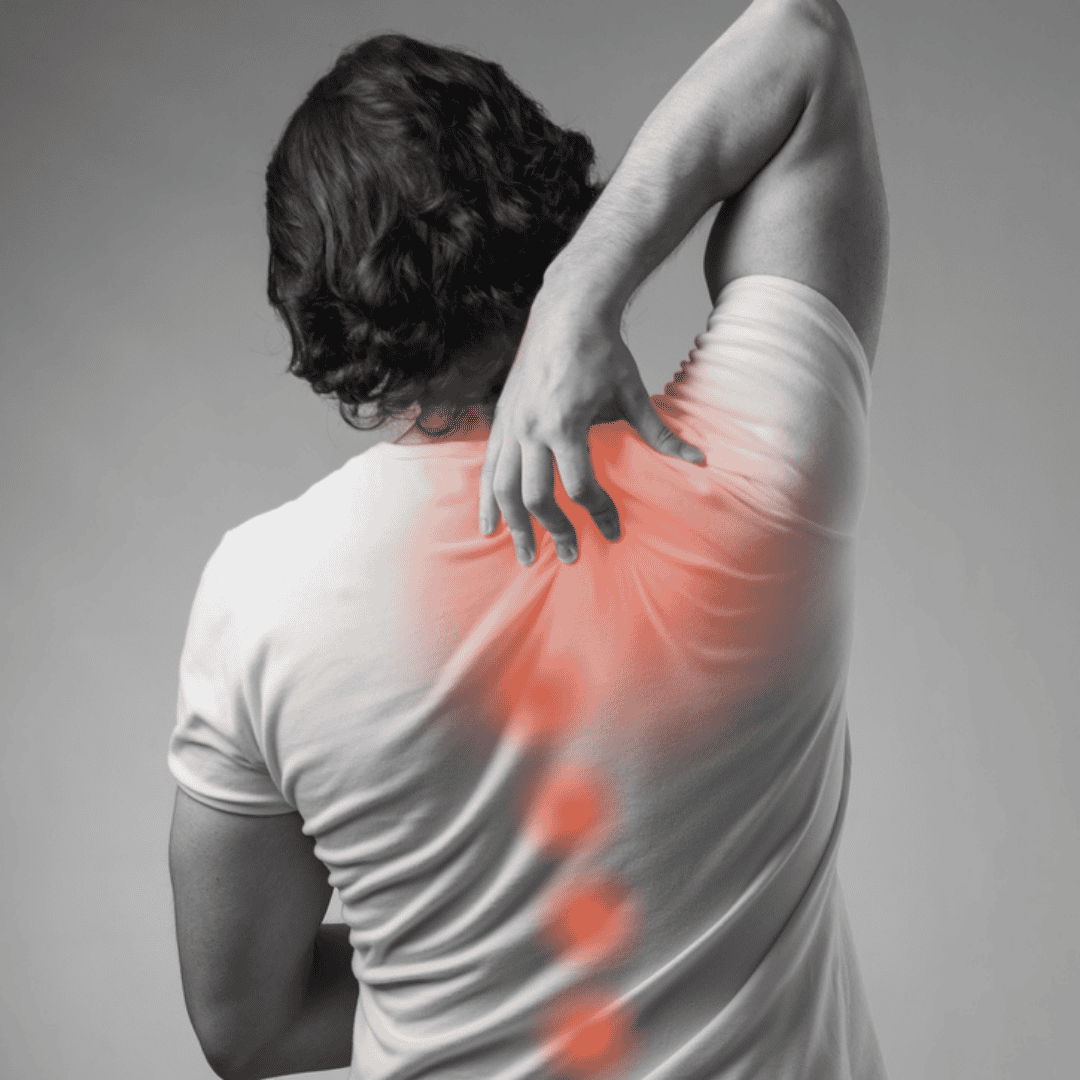
Price starting from $30,780
Spinal Cord Reconstruction and Stem Cell Implantation Beijing, China
Beijing Puhua International Hospital
- Stem Cell Therapy
Beijing, China
Transformative Stem Cell Therapy Experiences: Dive into Procedure Insights
Discover the power of Stem Cell Therapy through compelling patient experiences. Uncover detailed insights into procedures, recovery journeys, and life-changing results.

Price starting from $10,000
Stem Cell Therapy for Spinal Cord Injury in Tokyo Japan
- Stem Cell Treatment for Spinal Cord Injury, Stem Cell Therapy
Tokyo, Japan

Price starting from $12,575
Stem Cell Therapy for Spinal Cord Injury in Thailand
- Stem Cell Treatment for Spinal Cord Injury, Stem Cell Therapy
Thailand
.png)
Stem Cell Therapy for Spinal Cord Injury in Japan
- Stem Cell Treatment for Spinal Cord Injury, Stem Cell Therapy
Japan
.png)
Price starting from $9,800
Stem Cell for Spinal Cord Injury in Kuala Lumpur, Malaysia
- Stem Cell Treatment for Spinal Cord Injury, Stem Cell Therapy
Kuala Lumpur, Malaysia
Explore Stem Cell Therapy: Stories, Testimonials, and Procedures
Watch in-depth videos covering everything from Stem Cell Therapy success stories to detailed procedure explanations. Learn what to expect and hear from real patients.
Can Stem Cell Treatment in Bangkok, Thailand Replace Surgery Explained by EDNA Wellness?
Stem Cell Therapy
EDNA Wellness - Surgeon-Led Stem Cell Clinic in Bangkok Thailand
Thailand
Seoulful Healing: Unveiling Excellence in Health Tourism in South Korea
Stem Cell Therapy
PlacidKorea
South Korea
This Is the Idea Behind Regenerative Medicine in Bangkok, Thailand | EDNA Wellness
Stem Cell Therapy
EDNA Wellness - Surgeon-Led Stem Cell Clinic in Bangkok Thailand
Thailand

A Quick Look at Our Patient’s Experience at EDNA Wellness Stem Cell Clinic in Bangkok
Stem Cell Therapy
EDNA Wellness - Surgeon-Led Stem Cell Clinic in Bangkok Thailand
Thailand
Learn More with These Stem Cell Therapy Articles
Take a look at these interesting articles, stories and research that will help you learn more about Stem Cell Therapy.
.png)
Stem Cell Therapy for Spinal Cord Injuries in Thailand: Life-Changing Treatments for Middle Eastern Patients
PlacidWay Medical Tourism
- Stem Cell Therapy
Thailand

Rebuilding Lives: How Vadodara’s Dedicated Rehab & Cell Centers are Achieving 2026 Success in SCI Recovery
PlacidWay Medical Tourism
- Stem Cell Therapy
India
.png)
Stem Cell Therapy for Spinal Cord Injury in Japan: The Authoritative Guide
PlacidWay Medical Tourism
- Stem Cell Therapy
Japan

5 Critical Facts About Intrathecal Stem Cell Therapy for Spinal Cord Injury for UAE Patients Seeking Care in Thailand
PlacidWay Medical Tourism
- Stem Cell Therapy
Thailand
Stem Cell Therapy Solutions Near You: Explore Top Medical Centers
Discover how Stem Cell Therapy is transforming lives at leading medical centers in , South Korea. Dive into center profile, specialties, doctors, reviews, etc. and explore the best options tailored to your needs in this region.
Chaum Medical Center
Seoul, South Korea
Seoul Smart Bon Clinic in South Korea
Seoul, South Korea
Yonsei BH Clinic
Seoul, South Korea
Allheart plastic surgery
Seoul, South Korea








Hospital attended by rich people in Cheongdam-dong, Gangnam
Read More