
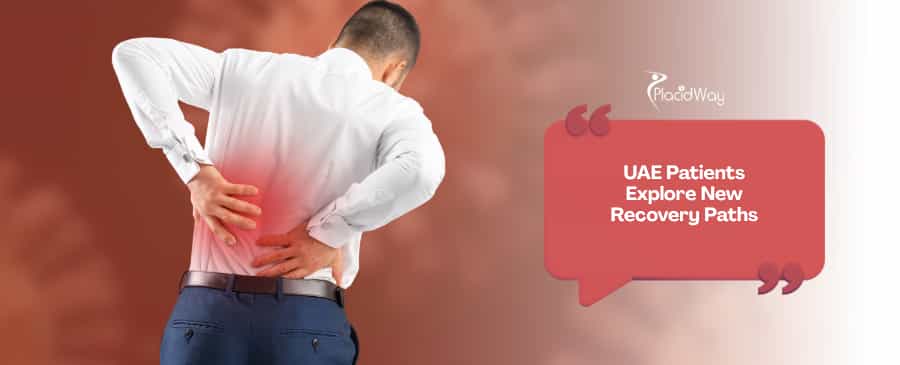
A spinal cord injury is a life-altering event that impacts not just the patient, but their entire family. For patients in the United Arab Emirates (UAE) facing the complex realities of reduced mobility, sensory loss, and neuropathic pain, the search for advanced, restorative treatments is paramount. Traditional medicine often focuses strictly on symptom management and compensatory rehabilitation, offering limited hope for actual neurological repair. However, the rapidly advancing field of regenerative medicine has opened new doors, specifically through highly specialized stem cell protocols.
Today, seeking Intrathecal Stem Cell Therapy for Spinal Cord Injury in Bangkok, Thailand has become a premier choice for Middle Eastern patients. Thailand has positioned itself as a global epicenter for advanced medical tourism, seamlessly blending cutting-edge regenerative biotechnology with world-class hospitality, cultural accommodation, and stringent safety protocols. For UAE residents, making the journey to Southeast Asia represents a strategic step toward accessing high-dose, targeted cellular therapies that may not be readily available or permitted at home.
If you or a loved one are considering traveling from the UAE for this innovative procedure, understanding the medical, logistical, and financial landscape is crucial. Below, we explore the five critical facts every patient must know about intrathecal stem cell therapy for spinal cord injury in Thailand.
1. Intrathecal Administration Maximizes Cell Delivery to the Spinal Cord
When dealing with a spinal cord injury, the method of delivering therapeutic agents is just as important as the agents themselves. Many standard stem cell treatments rely on intravenous (IV) infusions. While IV drips are excellent for systemic conditions, autoimmune disorders, and general anti-aging, they face a significant biological barrier when it comes to neurological trauma: the blood-brain barrier (BBB) and the blood-spinal cord barrier (BSCB).
Bypassing the Biological Barriers
Intrathecal administration involves injecting the regenerative cells directly into the cerebrospinal fluid (CSF) through a lumbar puncture (spinal tap). The CSF acts as the natural nutrient highway for the central nervous system, continuously bathing the brain and spinal cord. By placing Mesenchymal Stem Cells (MSCs) directly into this fluid, specialists can entirely bypass the blood-spinal cord barrier. This ensures that the maximum concentration of viable, potent cells reaches the site of the spinal lesion without being filtered out by the lungs, liver, or spleen.
Expert Insights
"The intrathecal route is scientifically preferred for neurological trauma. When cells are delivered directly into the subarachnoid space, they utilize the natural flow of the cerebrospinal fluid to migrate toward the exact areas of inflammation and tissue damage within the spinal cord, a process known as 'homing.' This direct access is critical for initiating localized neuroprotection and tissue repair."
The Mechanism of Repair
Once the stem cells reach the injury site, they do not simply turn into new neurons overnight. Instead, they operate as biological managers, releasing a powerful cocktail of growth factors, cytokines, and exosomes—a process known as the paracrine effect. This action provides several critical benefits:
- Neuroprotection: Halting the secondary cascade of cell death that continues long after the initial physical trauma.
- Immunomodulation: Calming the hyperactive immune response and reducing chronic neuroinflammation, which is a major roadblock to natural healing.
- Angiogenesis: Stimulating the formation of new blood vessels to restore oxygen and nutrient supply to ischemic (oxygen-starved) spinal tissue.
- Myelin Repair: Encouraging the remyelination of damaged nerve fibers, which is essential for restoring the transmission of electrical signals between the brain and the body.
Consulting with an Intrathecal Stem Cell Therapy for Spinal Cord Injury specialist in Bangkok, Thailand ensures that this delicate procedure is performed by highly trained neuro-specialists using precise imaging guidance, maximizing both safety and therapeutic potential.
2. Thailand's Advanced Regulatory Framework Ensures High-Quality, Ethical Stem Cells
For UAE patients traveling abroad for medical care, safety, ethics, and quality control are paramount concerns. Thailand has distinguished itself in the Asian medical landscape by implementing a sophisticated, legally regulated framework for regenerative medicine. Unlike destinations that operate in a regulatory gray area, Thailand's approach ensures that cellular therapies are both safe and highly effective.
The Superiority of Umbilical Cord Tissue
The premier Intrathecal Stem Cell Therapy for Spinal Cord Injury clinics in Bangkok, Thailand predominantly utilize Allogeneic Mesenchymal Stem Cells derived from human umbilical cord tissue (specifically Wharton's Jelly). For a spinal cord injury patient, this is vastly superior to using their own (autologous) stem cells derived from bone marrow or fat tissue for several reasons:
- Age and Potency: Umbilical cord-derived cells are "Day Zero" cells. They possess immense vitality, rapid replication rates, and robust secretion of growth factors compared to older cells harvested from an adult patient.
- Non-Invasive for the Patient: Patients with spinal cord injuries are already dealing with immense physical trauma. Using allogeneic (donor) cells means the patient does not have to undergo a painful liposuction or bone marrow aspiration procedure.
- Immune Privilege: Wharton's Jelly MSCs are immune-privileged, meaning they do not express the markers that would typically trigger an immune rejection. This eliminates the need for tissue matching (HLA typing) and immune-suppressing drugs.
Interesting Facts
The stem cells used in top-tier Thai medical facilities are ethically sourced from healthy, full-term pregnancies after a scheduled cesarean section, with full maternal consent. The cells are then cultivated in state-of-the-art laboratories that adhere to strict international Good Manufacturing Practice (GMP) standards.
Laboratory Standards and Viability
The efficacy of a stem cell treatment heavily depends on the viability and count of the cells at the time of injection. Regulated laboratories in Thailand provide detailed Certificates of Analysis (COA) for every batch of cells. These documents guarantee that the cells have been rigorously screened for infectious diseases (HIV, Hepatitis, Syphilis, etc.), genetic abnormalities, and bacterial contamination. Furthermore, advanced cell-culturing techniques ensure that patients receive high-dose treatments—often ranging from 50 million to over 100 million viable cells per injection—with viability rates exceeding 95%.
3. Comprehensive Rehabilitation Protocols Amplify Stem Cell Efficacy
A common misconception in regenerative medicine is the idea that stem cells act as a magic wand—that a simple injection will independently cure complex neurological damage. Leading Thai medical centers understand that this is not the reality. Stem cells provide the biological raw materials and the neurological spark, but intensive, targeted rehabilitation is required to fan that spark into functional recovery.
The Synergy of Cells and Stimulation
When new neural pathways begin to form or dormant pathways are awakened by the stem cells, the brain and spinal cord need immediate, repetitive signals to know how to use them. This is grounded in the principle of neuroplasticity. Thailand’s top facilities integrate intrathecal injections with rigorous, multi-disciplinary rehabilitation programs designed to maximize functional gains.
A comprehensive protocol typically includes:
- Intensive Physical Therapy (PT): Focused on passive and active range of motion, weight-bearing exercises, and muscle strengthening to prevent atrophy and encourage motor signaling.
- Robotic-Assisted Gait Training: Using advanced exoskeletons and harness systems over treadmills to simulate the exact biomechanics of walking, feeding vital sensory feedback back to the damaged spinal cord.
- Hyperbaric Oxygen Therapy (HBOT): Patients breathe 100% pure oxygen in a pressurized chamber. This floods the blood and cerebrospinal fluid with oxygen, drastically improving the survival rate and proliferation of the newly injected stem cells.
- Transcranial Magnetic Stimulation (TMS): A non-invasive procedure that uses magnetic fields to stimulate nerve cells in the brain, helping to reconnect the upper motor neurons with the lower motor neurons across the spinal lesion.
- Aquatherapy: Utilizing the buoyancy of water to allow patients with severe paralysis to move their limbs with reduced gravity, promoting circulation and joint mobility.
Did you know?
Stem cells are highly responsive to their microenvironment. By combining intrathecal cellular delivery with supportive therapies like HBOT and targeted electrical stimulation, clinics in Thailand effectively create a highly oxygenated, biologically active environment that forces the stem cells to focus on neural repair rather than merely surviving the inflammatory environment of the injury.
4. The Cost-to-Value Ratio in Thailand is Highly Favorable for UAE Patients
When exploring advanced medical options, the financial investment is a critical factor for any family. The Intrathecal Stem Cell Therapy for Spinal Cord Injury cost in Bangkok, Thailand offers an exceptional value proposition compared to clinics in North America, Western Europe, or even local options within the GCC where such specific, high-dose treatments may be restrictively priced or unavailable.
Understanding the Investment
In the United States or Europe, a single, highly regulated stem cell procedure without extensive rehabilitation can easily cost upwards of $40,000 to $60,000 USD. In contrast, Thailand provides comprehensive, multi-week programs that are not only more affordable but far more inclusive.
To provide clarity, here is a general breakdown of what patients can expect regarding cost and value:
| Aspect of Care | What is Typically Included in Thai Packages |
|---|---|
| Medical Procedures | Multiple intrathecal/IV injections of high-dose, GMP-certified MSCs (often spanning 2 to 4 weeks). |
| Diagnostic Testing | Pre-treatment MRI scans, comprehensive blood panels, neurological evaluations, and specialist consultations. |
| Rehabilitation Therapies | Daily physical therapy, occupational therapy, HBOT sessions, acupuncture, and neuromodulation. |
| Hospitality & Logistics | Airport VIP transfers, premium wheelchair-accessible hospital suites or partnered hotel accommodations, and dedicated nursing care. |
Depending on the duration of the stay (typically 14 to 30 days) and the specific cell dosage required based on the severity of the spinal lesion, comprehensive packages in Thailand generally range between $20,000 to $35,000 USD. This all-inclusive pricing structure removes the stress of hidden fees and allows UAE patients to focus entirely on their recovery and rehabilitation.
Furthermore, the cost of living in Thailand for accompanying family members is significantly lower than in Western nations. Luxury accommodations, private transportation, and high-end dining are highly accessible, making a month-long medical stay comfortable and financially manageable for UAE families.
5. Thailand Offers a Seamless, Culturally Accommodating Medical Tourism Experience
Undergoing medical treatment abroad, particularly for a severe condition like a spinal cord injury, is daunting. For patients traveling from the Emirates, cultural comfort, language support, and religious accommodations are just as vital as clinical excellence. This is where medical tourism in Thailand truly outshines other global destinations.
Tailored to Middle Eastern Patients
Thailand has decades of experience catering specifically to the Middle Eastern medical travel market. The healthcare infrastructure is meticulously designed to provide a "home away from home" experience for UAE patients and their accompanying families.
- Language and Translation Services: Major international medical facilities employ dedicated teams of in-house Arabic interpreters. From complex medical consultations with your neurologist to casual conversations with physical therapists, there is zero language barrier.
- Halal Amenities: Recognizing the dietary and religious requirements of UAE patients, medical facilities provide certified Halal dining options. Additionally, dedicated prayer rooms and culturally sensitive scheduling (such as accommodating prayer times during therapy sessions) are standard practices.
- VIP Concierge and Logistics: Traveling with a spinal cord injury requires immense logistical planning. Thai medical packages often include VIP airport fast-track services, specially equipped wheelchair-accessible transport vans, and seamless admission processes that bypass standard waiting rooms entirely.
- Accommodation for Families: Thai clinics understand that family support is integral to the healing process. They offer luxurious, spacious hospital suites resembling five-star hotels that comfortably accommodate family members, or they coordinate with nearby luxury, accessible serviced apartments.
Expert Insights
"The psychological state of the patient directly impacts physiological healing. When a patient from the UAE arrives in Thailand, they are immediately enveloped in a culture of deep hospitality and respect. Knowing that their religious, dietary, and linguistic needs are completely managed drastically reduces stress and cortisol levels, allowing the body to focus its energy entirely on responding to the stem cell therapy."
Accessibility from the UAE
Geographically and logistically, Thailand is highly accessible for UAE residents. Multiple direct, daily flights from Dubai (DXB) and Abu Dhabi (AUH) to Bangkok (BKK) make the journey straightforward. Furthermore, Thai immigration policies are highly accommodating for UAE citizens seeking medical treatment, often providing specific medical visas that allow for extended stays to complete comprehensive rehabilitation protocols.
Take the Next Step Towards Recovery with PlacidWay
Navigating the complexities of international medical travel for spinal cord injury treatment can be overwhelming. You don't have to do it alone. PlacidWay is your trusted medical tourism partner, dedicated to seamlessly connecting UAE patients with the world's most advanced, accredited stem cell facilities in Thailand.
We ensure highest quality standards, advocate for your specific cultural and medical needs, and provide ongoing, personalized support from your very first inquiry until you return home safely. Let us handle the logistics of finding top specialists, comparing costs, and arranging your medical journey so you can focus entirely on rehabilitation and hope.
Get Your Free Quote Today







.png)
.png)



.jpg)
.jpg)
.jpg)
.jpg)









Share this listing