
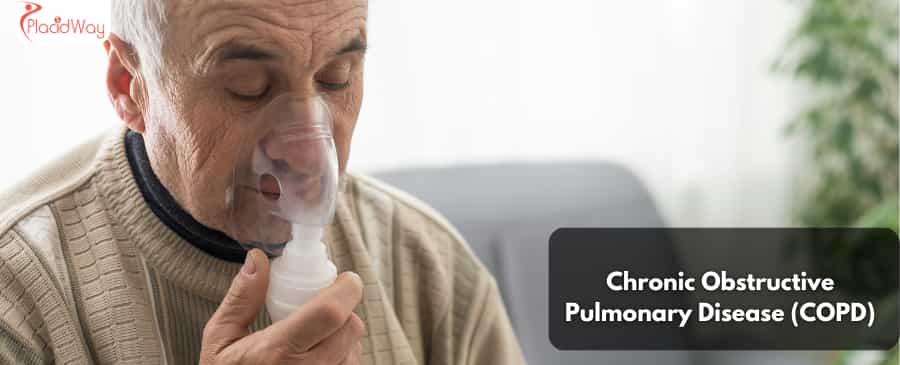
Breathing Easier: Your Guide to Advanced COPD Treatment Abroad
Living with Chronic Obstructive Pulmonary Disease (COPD) can feel like a constant struggle for breath. This progressive lung condition, encompassing both emphysema and chronic bronchitis, makes everyday activities challenging and can significantly impact your quality of life. For many, conventional treatments offer relief but don't halt the disease's progression, leading them to seek innovative solutions and more affordable care options beyond their home borders.
If you're experiencing persistent symptoms like shortness of breath, a chronic cough, or wheezing, understanding COPD and its potential treatments is the first step toward reclaiming your respiratory health. Globally, medical tourism is opening doors to advanced COPD therapies, state-of-the-art pulmonary rehabilitation programs, and potentially life-changing interventions that might be inaccessible or prohibitively expensive in your home country.
This comprehensive guide is designed to help you navigate the world of international COPD treatment. We'll explore the signs and causes of COPD, delve into cutting-edge treatment options, provide transparent cost comparisons, and address common questions about traveling abroad for medical care. Our goal is to empower you with the knowledge to make informed decisions and find the best path toward breathing easier.
What are the common symptoms of COPD to watch for?
Recognizing the symptoms of COPD early is crucial for effective management. While often mistaken for signs of aging or a smoker's cough, these symptoms gradually worsen and can severely limit physical activity. Many people search for "early signs of COPD" or "trouble breathing COPD" online, looking for answers to their increasing discomfort.
- Shortness of breath (Dyspnea): This is the most common symptom, especially during physical activity. You might find simple tasks like walking up stairs or carrying groceries increasingly difficult. As the disease progresses, breathlessness can occur even at rest.
- Chronic cough: Often described as a "smoker's cough," this persistent cough may produce clear, white, yellow, or greenish sputum (phlegm). Many patients search for "chronic cough with mucus" to understand their symptoms better.
- Wheezing: A high-pitched whistling sound when you breathe, resulting from narrowed airways.
- Chest tightness: A feeling of pressure or a constricted sensation in the chest.
- Frequent respiratory infections: People with COPD are more prone to colds, flu, and pneumonia.
- Lack of energy: The effort of breathing uses a lot of energy, leading to fatigue.
- Unintended weight loss (in later stages): Severe breathlessness can make eating difficult, leading to weight loss.
- Swelling in ankles, feet, or legs: This can be a sign of cor pulmonale (heart failure related to lung disease).
These symptoms often progress slowly, and many individuals might not notice them until moderate to severe lung damage has occurred. If you're experiencing these signs, especially if you have risk factors, consulting a doctor is essential for an accurate diagnosis.
What causes COPD and who is at risk?
The vast majority of COPD cases are linked to long-term exposure to lung irritants. When people ask, "can non-smokers get COPD?" the answer is yes, though less commonly.
Key causes and risk factors include:
- Tobacco Smoke: This is by far the leading cause. Smoking cigarettes, cigars, and pipe tobacco irritates and damages the lungs, leading to chronic inflammation and narrowing of the airways. Exposure to secondhand smoke also significantly increases risk.
- Occupational Exposure: Long-term exposure to chemical fumes, dust, and irritants in the workplace can contribute to COPD. Industries like mining, construction, textile manufacturing, and agriculture often pose these risks.
- Air Pollution: Indoor air pollution, particularly from burning biomass fuels (wood, animal dung, crop residues) for cooking and heating in poorly ventilated homes, is a major cause of COPD in developing countries. Outdoor air pollution can also exacerbate or contribute to the development of the disease.
- Genetic Factors: Alpha-1 antitrypsin (AAT) deficiency is a rare genetic condition that accounts for a small percentage of COPD cases. AAT is a protein that protects the lungs, and its deficiency makes the lungs more vulnerable to damage.
- Asthma and Airway Hyperreactivity: Individuals with asthma who also smoke may have an even higher risk of developing COPD.
- Age: COPD usually develops gradually over years, so most people are at least 40 years old when symptoms begin.
Understanding "COPD risk factors" is crucial for prevention and early intervention. While some factors like genetics are unchangeable, avoiding tobacco smoke and reducing exposure to pollutants can significantly lower your risk.
What types of treatments are available for COPD?
COPD management is often multifaceted, aiming to relieve symptoms, slow progression, improve exercise capacity, and enhance quality of life. Patients often search for "new COPD therapies" or "COPD management plan" to find the most effective approaches.
Standard treatments typically include:
- Bronchodilators: Medications that relax the muscles around your airways, opening them up and making breathing easier. They can be short-acting (for quick relief) or long-acting (for daily control).
- Inhaled Steroids: Reduce airway inflammation. Often used in combination with long-acting bronchodilators.
- Oxygen Therapy: For individuals with low blood oxygen levels, supplemental oxygen can improve breathlessness, reduce strain on the heart, and prolong life.
- Pulmonary Rehabilitation: A comprehensive program involving exercise training, disease management education, nutritional counseling, and psychological support. This is a cornerstone of COPD management.
- Vaccinations: Flu and pneumonia vaccines are vital to prevent severe infections that can exacerbate COPD.
For more severe cases, or when standard treatments are insufficient, advanced interventions may be considered:
- Lung Volume Reduction Surgery (LVRS): Involves removing diseased lung tissue, allowing healthier tissue to function better and easing pressure on the diaphragm.
- Bronchial Valve Placement: Minimally invasive procedure where tiny valves are inserted into airways leading to diseased parts of the lung, collapsing them and allowing healthier lung sections to expand.
- Lung Transplantation: A last resort for very severe COPD, replacing diseased lungs with healthy donor lungs.
- Stem Cell Therapy: An investigational treatment aimed at repairing damaged lung tissue and reducing inflammation. While not yet FDA-approved for COPD in many regions, it's available in some international clinics as part of clinical trials or specialized programs. Many patients research "stem cell treatment for COPD reviews" for more information.
Who is eligible for advanced COPD treatments abroad?
Deciding who is a suitable candidate for advanced COPD interventions is a complex process. Clinics abroad, just like those domestically, have strict protocols to ensure patient safety and potential for benefit. Patients often search for "COPD surgery candidate" or "stem cell therapy eligibility COPD" to understand if they qualify.
General considerations for eligibility include:
- Disease Severity: Advanced treatments are typically reserved for individuals with moderate to severe COPD (GOLD Stage III or IV) who continue to experience significant symptoms despite optimal conventional therapy.
- Overall Health: Candidates must be in otherwise good health, free from other major life-threatening conditions (e.g., severe heart disease, kidney failure, active cancer) that would make the procedure too risky or limit recovery.
- Age: While there isn't a strict age cut-off, younger, healthier patients generally have better outcomes, especially for transplant or major surgery.
- Smoking Cessation: For most surgical and advanced therapies, patients must have stopped smoking for a specified period (e.g., 6 months to 1 year) and demonstrate a commitment to remaining smoke-free.
- Psychological Stability: The ability to cope with the demands of treatment, rehabilitation, and long-term care is important.
- Specific Lung Characteristics: For procedures like LVRS or bronchial valve placement, the distribution of emphysema within the lungs is critical. These procedures are most effective when the disease is concentrated in certain areas.
- Alpha-1 Antitrypsin Deficiency Status: For those with AAT deficiency-related emphysema, augmentation therapy might be an option, but eligibility depends on specific genetic testing.
- Commitment to Rehabilitation: Many advanced treatments require significant engagement in pre- and post-operative pulmonary rehabilitation.
Each clinic or medical center will conduct a thorough evaluation, often involving high-resolution CT scans, detailed lung function tests, cardiac assessments, and comprehensive blood work. It's vital to provide complete and accurate medical history for a proper assessment.
What is the expected recovery time for COPD interventions?
The "recovery time" for COPD interventions isn't a one-size-fits-all answer, as it depends heavily on the type and invasiveness of the treatment. Patients often look up "lung reduction surgery recovery" or "after lung transplant" to understand the journey ahead.
- Pulmonary Rehabilitation: This is an ongoing process rather than a recovery period. Patients attend sessions for weeks or months, learning exercises and coping strategies, which then become part of their daily routine for long-term management.
- Bronchial Valve Placement: As a minimally invasive procedure, recovery is generally quicker than open surgery. Patients typically stay in the hospital for a few days for observation and can resume most normal activities within a few weeks, though significant improvements in breathing may take longer to become apparent.
- Lung Volume Reduction Surgery (LVRS): This is a major surgical procedure. Hospital stays can range from 1 to 2 weeks, often followed by a period in a rehabilitation facility. Full recovery, including regaining strength and optimal lung function improvement, can take 3 to 6 months or even longer, with dedicated participation in pulmonary rehabilitation being essential.
- Stem Cell Therapy: Since this is often a minimally invasive procedure (e.g., intravenous infusion or direct lung injection), the immediate physical recovery time is usually short, perhaps a day or two of rest. However, the biological "recovery" or the time it takes to potentially see therapeutic effects can range from weeks to several months, and it's important to remember this is still largely investigational.
- Lung Transplantation: This is arguably the most intensive intervention. The initial hospital stay can be several weeks, followed by months of intensive rehabilitation. Full recovery can take a year or more, and patients require lifelong immunosuppressant medication and frequent monitoring to prevent rejection and infection. The journey is demanding but can offer a significant improvement in quality of life.
Regardless of the treatment, patient commitment to follow-up care, medications, and lifestyle adjustments (especially quitting smoking) is paramount for the best possible outcomes and sustained recovery.
What are the risks and side effects of COPD treatments?
Every medical intervention carries potential risks and side effects, and COPD treatments are no exception. Patients often seek "side effects of COPD inhalers" or "risks of lung surgery" to be fully informed.
Medication Risks:
- Bronchodilators: Common side effects include nervousness, tremor, rapid heart rate, and dry mouth.
- Inhaled Corticosteroids: Can lead to oral thrush (fungal infection in the mouth), hoarseness, and bruising. Long-term use might be associated with osteoporosis and cataracts.
- Oral Steroids: Used for acute exacerbations, but long-term use has significant side effects like weight gain, diabetes, high blood pressure, osteoporosis, and increased infection risk.
- Antibiotics: Used to treat infections, can cause digestive upset, allergic reactions, and contribute to antibiotic resistance.
Surgical/Procedural Risks:
- Lung Volume Reduction Surgery (LVRS): Risks include air leak (most common), bleeding, infection, pneumonia, heart problems, and even death. It's a major surgery.
- Bronchial Valve Placement: Potential risks include pneumothorax (collapsed lung), valve migration, infection, and exacerbation of COPD.
- Lung Transplantation: The most significant risks are organ rejection (requiring lifelong immunosuppressants) and serious infections (due to a weakened immune system). Other risks include surgical complications (bleeding, infection), kidney problems, and certain cancers.
Stem Cell Therapy Risks (Investigational):
- Since many stem cell treatments for COPD are still in clinical trial phases or offered as "experimental" treatments in some countries, the long-term risks are not fully established.
- Potential risks include infection at the injection site, allergic reactions, tumor formation (though rare with adult mesenchymal stem cells), and immune reactions.
- It's crucial to understand that unproven stem cell therapies offered outside of regulated clinical trials may carry additional, unknown risks and may not be effective.
Before undergoing any treatment, discuss all potential risks and benefits thoroughly with your medical team.
How do COPD treatment costs compare worldwide?
One of the primary drivers for medical tourism is cost savings. The expense of managing chronic conditions like COPD, especially with advanced interventions, can be prohibitive in many Western countries. Patients frequently search for "cost of COPD treatment abroad" or "affordable lung surgery" to explore their options.
Here's a general comparison for various advanced COPD treatments (costs are approximate and can vary based on clinic, country, and specific patient needs):
| Procedure/Treatment | USA/Western Europe (Approx.) | Medical Tourism Destination (e.g., India, Turkey, Mexico, Thailand) (Approx.) |
|---|---|---|
| Lung Volume Reduction Surgery (LVRS) | $30,000 - $70,000+ | $15,000 - $35,000 |
| Bronchial Valve Placement (Endobronchial Valves) | $20,000 - $45,000+ | $10,000 - $25,000 |
| Stem Cell Therapy (Investigational) | Not widely available/Clinical trials only | $8,000 - $25,000 (per course/treatment) |
| Comprehensive Pulmonary Rehabilitation Program | $5,000 - $15,000+ (outpatient, per course) | $2,000 - $7,000 (often including accommodation) |
| Lung Transplant (initial surgery, excluding lifelong medication) | $500,000 - $1,000,000+ | $150,000 - $350,000+ (limited availability) |
These figures are illustrative. It's important to remember that these costs typically cover the procedure itself, hospital stay, and physician fees. They often do not include travel, accommodation for companions, extensive pre-operative diagnostics, or post-operative rehabilitation if not specified in a package. Always get a detailed, all-inclusive quote.
Why consider traveling abroad for COPD treatment?
The decision to seek medical treatment in another country, often referred to as "medical tourism for lung disease," is a significant one. However, for many COPD patients, the benefits outweigh the challenges:
- Cost Savings: As highlighted in the cost comparison, advanced COPD treatments can be dramatically more affordable abroad, making life-changing procedures accessible to those who couldn't afford them at home.
- Access to Innovative Therapies: Some countries and clinics offer cutting-edge treatments, such as specific protocols for stem cell therapy for COPD, which may still be experimental or not yet approved in your home country.
- Reduced Wait Times: In healthcare systems with long waiting lists for specialist consultations or surgical procedures, medical tourism can provide quicker access to necessary care.
- High-Quality Care and Expertise: Many international hospitals and clinics boast world-class facilities, JCI (Joint Commission International) accreditation, and highly trained specialists, often educated in Western countries.
- Privacy and Confidentiality: Some patients prefer the anonymity and privacy that treatment abroad can offer.
- Cultural Experience and Recovery Environment: Combining treatment with a stay in a new country can offer a more relaxing and psychologically beneficial recovery environment, away from the stresses of home.
For a chronic and challenging condition like COPD, these factors can collectively offer a renewed sense of hope and a pathway to improved health that might otherwise be out of reach.
Which countries offer the best value and quality for COPD treatment?
Choosing the right destination for your COPD treatment requires careful consideration of both quality and value. Many patients research "best countries for COPD treatment" or "top medical tourism destinations lung disease." Here are some leading options:
- India: Renowned for its highly skilled doctors (many trained in the US or UK), state-of-the-art hospitals, and significantly lower costs across a wide range of procedures, including advanced lung surgeries and stem cell therapies.
- Thailand: A popular medical tourism hub, offering excellent private hospitals, a strong focus on patient hospitality, and competitive pricing for both traditional and innovative treatments, including pulmonary rehabilitation programs.
- Mexico: Especially attractive to North American patients due to proximity. Mexico offers modern facilities, English-speaking staff, and cost-effective treatments for COPD, including some advanced therapies.
- Turkey: Known for its rapidly developing healthcare sector, accredited hospitals, and experienced medical professionals, particularly in Istanbul. It offers a bridge between European and Asian medical standards with competitive pricing.
- South Korea: A leader in medical technology and research, offering exceptionally high standards of care, particularly in complex surgeries and diagnostics. While potentially higher in cost than some other Asian destinations, it still offers value compared to Western countries.
- Germany/Switzerland: For those prioritizing cutting-edge research and highly regulated environments, certain clinics in Europe offer advanced and experimental COPD treatments, though usually at a higher price point than other medical tourism destinations.
When evaluating countries and clinics, always look for international accreditations (like JCI), patient testimonials, and transparent pricing structures.
What should I expect when traveling abroad for COPD treatment?
Traveling for medical care, especially with a chronic condition like COPD, requires meticulous planning. Patients often search for "traveling for medical treatment tips" or "medical tourism checklist."
Here’s a breakdown of what to expect:
- Pre-Trip Planning:
- Medical Records: You'll need to compile and share your complete medical history, including recent test results, imaging, and a summary from your local doctor, often translated into English or the local language.
- Consultation: Most international clinics will offer an initial online consultation (video call) to review your case and determine preliminary eligibility.
- Logistics: Secure your passport, visa (if required), and flight tickets. Book accommodation near the hospital, considering accessibility and your comfort.
- Financial Planning: Ensure you understand the full cost, payment methods, and have funds readily available.
- Travel Insurance: Obtain comprehensive medical travel insurance that covers pre-existing conditions and potential complications.
- Travel Day:
- Oxygen & Medications: If you use oxygen, coordinate with your airline and medical provider to ensure a smooth journey. Carry all essential medications in your carry-on luggage.
- Comfort: Dress comfortably, stay hydrated, and plan for sufficient rest.
- During Treatment:
- Arrival & Transfers: Many clinics offer airport pickup and assistance with check-in.
- Hospital Stay: Expect to undergo thorough diagnostics again at the international hospital. English-speaking staff and translators are usually available.
- Communication: Maintain open communication with your medical team, asking questions and expressing any concerns.
- Post-Treatment and Return:
- Follow-up & Rehabilitation: Plan for necessary post-operative check-ups or the start of rehabilitation.
- Documentation: Obtain all medical reports, discharge summaries, and follow-up instructions for your local doctor.
- Continued Care: Arrange for ongoing care with your local physician upon your return.
Using a reputable medical tourism facilitator like PlacidWay can significantly ease this burden, assisting with everything from clinic selection and appointment scheduling to travel logistics and on-ground support.
How can I ensure safety and quality when seeking COPD treatment abroad?
Ensuring safety and high quality is paramount when considering medical treatment in a foreign country. Don't compromise on these factors when searching for "safe medical tourism" or "how to choose a foreign hospital."
- Choose JCI-Accredited Facilities: Look for hospitals with Joint Commission International (JCI) accreditation. This signifies that the hospital meets stringent international standards for patient safety and quality of care, similar to those in leading Western countries.
- Verify Physician Credentials and Experience: Research the doctors who will be treating you. Check their qualifications, board certifications, experience with COPD treatments, and affiliations with international medical organizations. Many reputable doctors abroad have received training in the US, UK, or Europe.
- Review Patient Testimonials and Outcomes: Look for reviews and testimonials from previous international patients, especially those who underwent similar COPD treatments. While individual results vary, consistent positive feedback is a good sign.
- Use Reputable Medical Tourism Facilitators: Companies like PlacidWay specialize in vetting clinics and doctors, coordinating logistics, and providing support, significantly reducing risks and ensuring you connect with reliable providers.
- Transparent Communication: Ensure the clinic provides clear, written information about your diagnosis, proposed treatment plan, potential risks, expected outcomes, and an all-inclusive cost breakdown before you commit.
- Aftercare and Follow-up: Understand the post-treatment care plan, including any medications, rehabilitation, and how follow-up will be handled once you return home. Ensure seamless communication between your overseas and local medical teams.
- Emergency Preparedness: Know the hospital's emergency procedures and your travel insurance coverage for any unforeseen complications.
- Trust Your Instincts: If something feels off or too good to be true, it likely is. Do not hesitate to seek a second opinion or explore other options.
Are there real patient success stories for COPD treatment abroad?
The journey of living with COPD can be challenging, but many patients find renewed hope and improved quality of life through advanced treatments pursued abroad. While individual results can vary greatly, the collective experiences of medical tourists offer compelling evidence of positive outcomes. Many searching for "COPD stem cell therapy success stories" or "pulmonary rehab abroad reviews" are seeking this reassurance.
For example:
- Improved Breathing and Activity: Patients undergoing lung volume reduction surgery or bronchial valve placement in countries like Turkey or India often report a noticeable reduction in shortness of breath, allowing them to engage in more physical activity, like walking further or performing daily chores with less effort. One patient might share how they can now play with their grandchildren without immediate exhaustion.
- Enhanced Quality of Life with Pulmonary Rehabilitation: Individuals who participate in intensive pulmonary rehabilitation programs in destinations like Thailand or Mexico often describe significant gains in exercise tolerance, better management of their symptoms, and a deeper understanding of their condition, leading to a profound improvement in their overall well-being and independence.
- Hope from Investigational Therapies: For those who have explored stem cell therapy in countries where it's offered as a specialized treatment (e.g., some clinics in Mexico or Asia), testimonials sometimes speak of reduced inflammation, decreased reliance on oxygen, or a stabilization of their lung function, offering a new lease on life where other options had failed.
- Reduced Exacerbations: Many patients returning from comprehensive treatment abroad report fewer and less severe COPD exacerbations, leading to fewer hospital visits and a more stable health condition.
These stories underscore the potential of medical tourism to not only provide access to cutting-edge or more affordable treatments but also to rekindle optimism and empower patients to live more fulfilling lives with COPD. It's important to remember that such testimonials are individual experiences and prospective patients should always consult with their doctors to understand potential outcomes for their specific situation.
Take the Next Step with PlacidWay
Ready to explore treatment options abroad? Discover top clinics, compare prices, and get a free quote tailored to your needs with PlacidWay.
Alternative Chronic Health Therapies | Best Medical Centers Abroad





.png)

.png)


.png)











Share this listing