
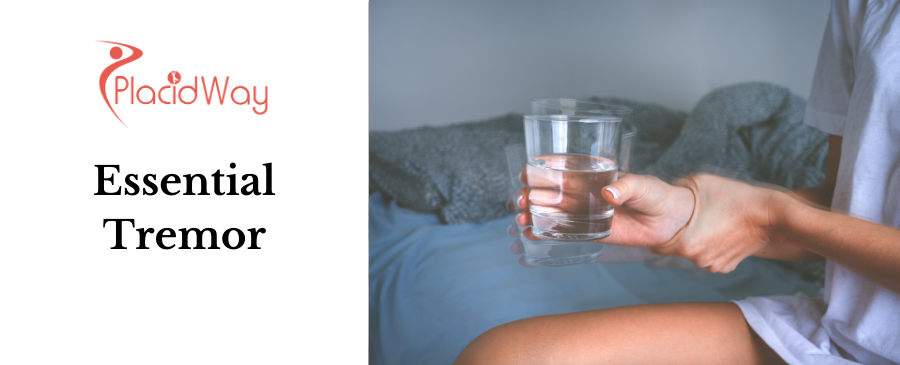
Reclaiming Control: Understanding & Treating Essential Tremor Globally
Imagine struggling to hold a cup of coffee steady, sign your name legibly, or even use a spoon without spilling. For millions worldwide, this isn't just a bad day; it's the daily reality of Essential Tremor (ET). This neurological condition is characterized by involuntary, rhythmic shaking, most commonly affecting the hands, but also the head, voice, legs, and torso.
Often confused with Parkinson's disease, Essential Tremor is distinct, though both involve tremors. Unlike Parkinson's, ET tremors usually occur during voluntary movement (kinetic tremor) or when holding a posture (postural tremor), rather than at rest. Living with ET can be profoundly isolating and significantly impact your quality of life, making simple tasks feel insurmountable. Many patients search online asking, "what is essential tremor?" or "what causes my hands to shake?". They are looking for answers and, more importantly, solutions.
While there's no cure for Essential Tremor, a range of treatments exists to manage symptoms and restore function. From medications to advanced surgical interventions like Deep Brain Stimulation (DBS) or Focused Ultrasound (FUS), relief is possible. For those seeking high-quality, affordable care, exploring Essential Tremor treatment abroad has become a viable and increasingly popular option. This guide will walk you through understanding ET, available treatments, and how medical tourism can open doors to a life with less tremor.
What exactly is Essential Tremor and how does it manifest?
Patients often describe their symptoms using phrases like "my hands shake when I write" or "my voice trembles." While it’s primarily known for hand tremors, ET can present in various ways:
- Hand Tremors: The most common symptom, making tasks like writing, eating, drinking, and dressing incredibly difficult. You might notice your hand shaking when reaching for an object or holding it steady.
- Head Tremor: Often appears as a "yes-yes" or "no-no" motion, though sometimes less noticeable than hand tremors.
- Voice Tremor: Can make your voice sound shaky or quivering, impacting communication.
- Leg or Torso Tremors: Less common, but can affect balance and walking.
- Aggravating Factors: Stress, fatigue, caffeine, and certain medications can temporarily worsen tremors.
These symptoms can range from mild to severe, often progressing slowly over years. Understanding "what are the signs of essential tremor?" is the first step towards seeking effective management.
What causes Essential Tremor, and am I at risk?
Many patients search for "inherited tremor causes" or "why do my hands shake at rest (but it's not Parkinson's)?" While the precise cause of ET remains a mystery, research points towards abnormalities in certain brain circuits, particularly those involving the cerebellum and thalamus. Here's what we know about risk factors:
- Genetics: Approximately 50% of ET cases are thought to be inherited in an autosomal dominant pattern. If one parent has ET, there's a 50% chance their child will develop it. This is why many ask, "is essential tremor genetic?".
- Age: While ET can develop at any age, it most commonly begins in middle age or later, and symptoms tend to worsen with age.
- Environment: While not fully understood, some studies suggest environmental factors might play a role, though more research is needed.
It's important to differentiate ET from other conditions that cause tremors, such as Parkinson's disease, hyperthyroidism, or medication side effects. A neurologist can provide an accurate diagnosis.
What are the different types of treatments available for Essential Tremor?
The good news is that there are several effective ways to manage ET, often starting with conservative approaches and progressing to more advanced solutions if needed. People often search for "essential tremor medication," "DBS for tremor," or "focused ultrasound for essential tremor."
1. Medications:
- Beta-blockers (e.g., Propranolol): Often the first line of treatment, effective for many patients.
- Anti-seizure drugs (e.g., Primidone, Gabapentin, Topiramate): Can also help reduce tremor severity.
- Benzodiazepines (e.g., Alprazolam): Used cautiously due to potential for dependency, but can offer short-term relief for anxiety-induced tremor.
2. Botox Injections:
- Botulinum toxin (Botox) can be injected into specific muscles to reduce tremors, particularly useful for head and voice tremors, and sometimes hand tremors. Effects last for several months.
3. Advanced Surgical Options (for severe, medication-resistant ET):
- Deep Brain Stimulation (DBS): This involves implanting electrodes into specific brain regions (usually the thalamus) that are connected to a device similar to a pacemaker. This device sends electrical impulses to block the abnormal brain signals causing tremors. Patients often ask, "how does DBS stop tremors?". It's like a sophisticated dimmer switch for your brain's tremor signals.
- Focused Ultrasound (FUS) / MR-guided Focused Ultrasound (MRgFUS): This non-invasive procedure uses highly focused ultrasound waves to ablate (destroy) a tiny area of the brain (thalamus) responsible for the tremor, without incisions. It's a single-session treatment with potentially immediate results. Searches like "non-invasive tremor surgery" often lead to FUS.
The choice of treatment depends on the severity of symptoms, overall health, and individual response.
Who is a suitable candidate for advanced Essential Tremor procedures?
Deciding on surgery is a significant step, and not everyone with ET is an ideal candidate. Doctors assess several factors when considering procedures like DBS or FUS. Patients often look for "DBS eligibility criteria" or "who can get focused ultrasound for tremor?".
- Severe Tremor: The tremor must be significantly debilitating, interfering with daily activities despite optimal medical therapy.
- Medication Resistance: Patients must have tried and failed to achieve adequate tremor control with at least two different oral medications.
- Accurate Diagnosis: A definitive diagnosis of Essential Tremor is crucial to ensure the correct target for treatment.
- Overall Health: Candidates should be in good general health, able to undergo surgery (for DBS) or prolonged imaging (for FUS), and free from major heart, lung, or kidney conditions.
- Cognitive and Psychiatric Health: Significant cognitive decline, severe depression, or other psychiatric conditions can be contraindications, as they might affect surgical outcomes or patient compliance.
- Age: While there isn't a strict age limit, very elderly patients might have higher risks.
A multidisciplinary team, including a neurologist and neurosurgeon, will evaluate each case thoroughly.
What should I expect during recovery after Essential Tremor treatment?
Understanding recovery is vital for planning, especially when considering treatment abroad. "DBS recovery time" and "focused ultrasound recovery" are common search queries.
For Deep Brain Stimulation (DBS):
- Initial Hospital Stay: Typically a few days to a week after electrode implantation and generator placement.
- Healing Period: Swelling and discomfort at incision sites are normal. Most patients return to light activities within a few weeks.
- Device Programming: The most crucial part of recovery. Over several weeks to months, the neurostimulator is programmed by a neurologist to optimize tremor control, requiring multiple follow-up visits. This fine-tuning is essential for the best outcome.
- Physical Therapy: Often recommended to regain strength and coordination.
For Focused Ultrasound (FUS):
- Outpatient Procedure: FUS is usually an outpatient procedure, meaning you go home the same day.
- Immediate Results: Many patients experience immediate tremor reduction on the treated side.
- Temporary Side Effects: Possible temporary effects include unsteadiness, numbness, or tingling, which usually resolve within weeks to months.
- No Incisions: As it's non-invasive, there's no surgical wound care.
Regardless of the procedure, patience is key. The full benefits often emerge gradually, and ongoing follow-up with your medical team is crucial.
What are the potential risks and side effects of Essential Tremor procedures?
Like any medical intervention, Essential Tremor treatments carry potential risks and side effects. It's essential to be fully informed, especially when traveling for care. Patients often search for "risks of DBS surgery" or "focused ultrasound side effects."
Risks of Deep Brain Stimulation (DBS):
- Surgical Risks: As with any brain surgery, risks include infection (at the brain or battery site), bleeding (intracranial hemorrhage), stroke, or adverse reaction to anesthesia.
- Device-Related Complications: Lead fracture, wire breakage, device malfunction, or skin erosion over the implanted components.
- Side Effects: Can include speech difficulties (dysarthria), balance problems, changes in mood or personality, tingling sensations, or muscle contractions. Most are manageable by adjusting stimulation settings.
Risks of Focused Ultrasound (FUS):
- Temporary Side Effects: Most side effects are temporary and include unsteadiness or gait disturbance, numbness/tingling (paresthesia), mild headache, or taste disturbance.
- Permanent Side Effects (Rare): While rare, there's a small risk of permanent neurological deficits if the ablation affects areas outside the target.
- Swelling: Temporary brain swelling can occur at the treatment site, contributing to transient side effects.
Your medical team will discuss these risks in detail and help you weigh them against the potential benefits.
How much does Essential Tremor treatment cost globally?
One of the primary drivers for patients considering medical tourism is the significant cost difference for procedures like Essential Tremor treatment. "Cost of DBS surgery" or "focused ultrasound cost abroad" are frequent search terms. The table below illustrates the potential savings:
| Procedure | Country/Region | Estimated Cost (USD) |
|---|---|---|
| Deep Brain Stimulation (DBS) | USA / Western Europe | $70,000 - $120,000+ |
| Deep Brain Stimulation (DBS) | Mexico, India, Turkey, Thailand | $25,000 - $50,000 |
| Focused Ultrasound (FUS) | USA / Western Europe | $35,000 - $60,000+ |
| Focused Ultrasound (FUS) | South Korea, Mexico, India, Spain | $15,000 - $35,000 |
| Medication Management (Annual) | Globally (Varies greatly by drug/insurance) | $500 - $5,000+ |
| Botox Injections (Per session) | USA / Western Europe | $500 - $1,500 |
| Botox Injections (Per session) | Mexico, India, Eastern Europe | $200 - $700 |
Note: These are estimated costs and can vary based on the clinic, specific surgeon, included services (e.g., accommodation, airport transfers), and individual patient needs. Always request a personalized quote.
Why should I consider traveling abroad for Essential Tremor treatment?
Many patients face limited options or prohibitive costs in their home countries. Questions like "where can I get affordable tremor surgery?" or "benefits of medical tourism for essential tremor" highlight the growing interest in international care. Here's why:
- Cost Savings: As seen in the table above, the cost for advanced procedures can be dramatically lower, often by 50-70%, without compromising quality.
- Access to Advanced Technology: Some countries are at the forefront of neurological treatments, offering cutting-edge technologies like the latest generation DBS devices or advanced FUS platforms, which might not be widely available everywhere.
- Specialized Expertise: Renowned neurosurgeons and neurologists in certain global hubs specialize in movement disorders, providing world-class care.
- Reduced Waiting Times: In countries with universal healthcare or high demand, waiting lists for specialized procedures can be long. Traveling abroad often allows for quicker access to treatment.
- Comprehensive Packages: Many international clinics offer all-inclusive packages that cover the procedure, hospital stay, medications, airport transfers, and sometimes even accommodation, simplifying the patient journey.
Choosing to seek treatment abroad can be a life-changing decision, offering hope and relief to those who might otherwise struggle to access necessary care.
Which countries offer high-quality, affordable Essential Tremor treatment?
When searching for "best countries for DBS surgery" or "affordable focused ultrasound abroad," several nations consistently emerge as leaders in medical tourism for neurological conditions:
- Mexico: Known for its proximity to the US, excellent medical infrastructure, and significantly lower costs, particularly in cities like Tijuana, Monterrey, and Guadalajara.
- India: A global medical tourism powerhouse, offering highly skilled neurosurgeons, JCI-accredited hospitals, and extremely competitive pricing for complex procedures.
- Turkey: A bridge between Europe and Asia, Turkey offers modern hospitals, experienced doctors trained in Western countries, and a robust medical tourism sector.
- South Korea: Renowned for its technological advancements, South Korea is a leader in medical innovation, including advanced neurological treatments, often at more accessible prices than in the West.
- Thailand: With its world-class hospitals and reputation for patient-centric care, Thailand is another strong contender, combining medical excellence with hospitality.
These countries often have medical facilities accredited by international bodies, ensuring adherence to global standards of care.
How can I ensure a safe and successful Essential Tremor treatment journey abroad?
The thought of undergoing a complex medical procedure in a foreign country can be daunting. However, with proper planning and due diligence, a safe and successful outcome is highly achievable. Patients often ask, "how to choose a hospital abroad for essential tremor?" or "safe medical tourism for brain surgery."
- Research and Accreditation: Look for hospitals with international accreditations, such as those from the Joint Commission International (JCI). This signifies adherence to rigorous patient safety and quality standards.
- Surgeon Credentials: Verify the neurosurgeon's qualifications, experience in ET procedures (DBS, FUS), board certifications, and professional affiliations. Don't hesitate to ask for their CV.
- Transparent Pricing: Ensure you receive a comprehensive, itemized quote that includes all aspects of your treatment, hospital stay, and follow-up care.
- Communication: Confirm that the medical team and staff are fluent in English or that reliable translation services are readily available. Clear communication is paramount.
- Post-Procedure Care: Understand the plan for post-operative care, especially for DBS programming which requires ongoing adjustments. Discuss how follow-ups will be managed upon your return home.
- Medical Tourism Facilitators: Reputable companies like PlacidWay specialize in connecting patients with vetted international providers, handling logistics, and providing support throughout your journey, from initial consultation to recovery. They can offer insights into patient success stories and help you navigate the process with confidence.
By taking these steps, you can confidently embark on your journey to find relief from Essential Tremor and reclaim your quality of life.
Take the Next Step with PlacidWay
Ready to explore treatment options abroad? Discover top clinics, compare prices, and get a free quote tailored to your needs with PlacidWay. Regain control over your life and find effective Essential Tremor relief today.
Best Neurology Treatment Center | Cheap Neurology Treatment Packages

-Package-in-Istanbul,-Turkey-at-Medical-Park-Hospitals.jpg)


.png)
.png)
.png)
.png)

Share this listing